Park's Mung Bean Pancake
Park's Mung Bean Pancake represents Seoul's street-level bindaetteok tradition at its most direct: griddle-fried mung bean pancakes served in the informal, high-turnover format that defines Gwangjang Market's lunch culture. The daytime crowd skews local, the pace is brisk, and the format has changed little in decades. A reference point for understanding how Seoul eats when it isn't performing for visitors.

Pearl is the En Primeur Club membership app — saves, bookings, and concierge access live there. Same editors, same standards.
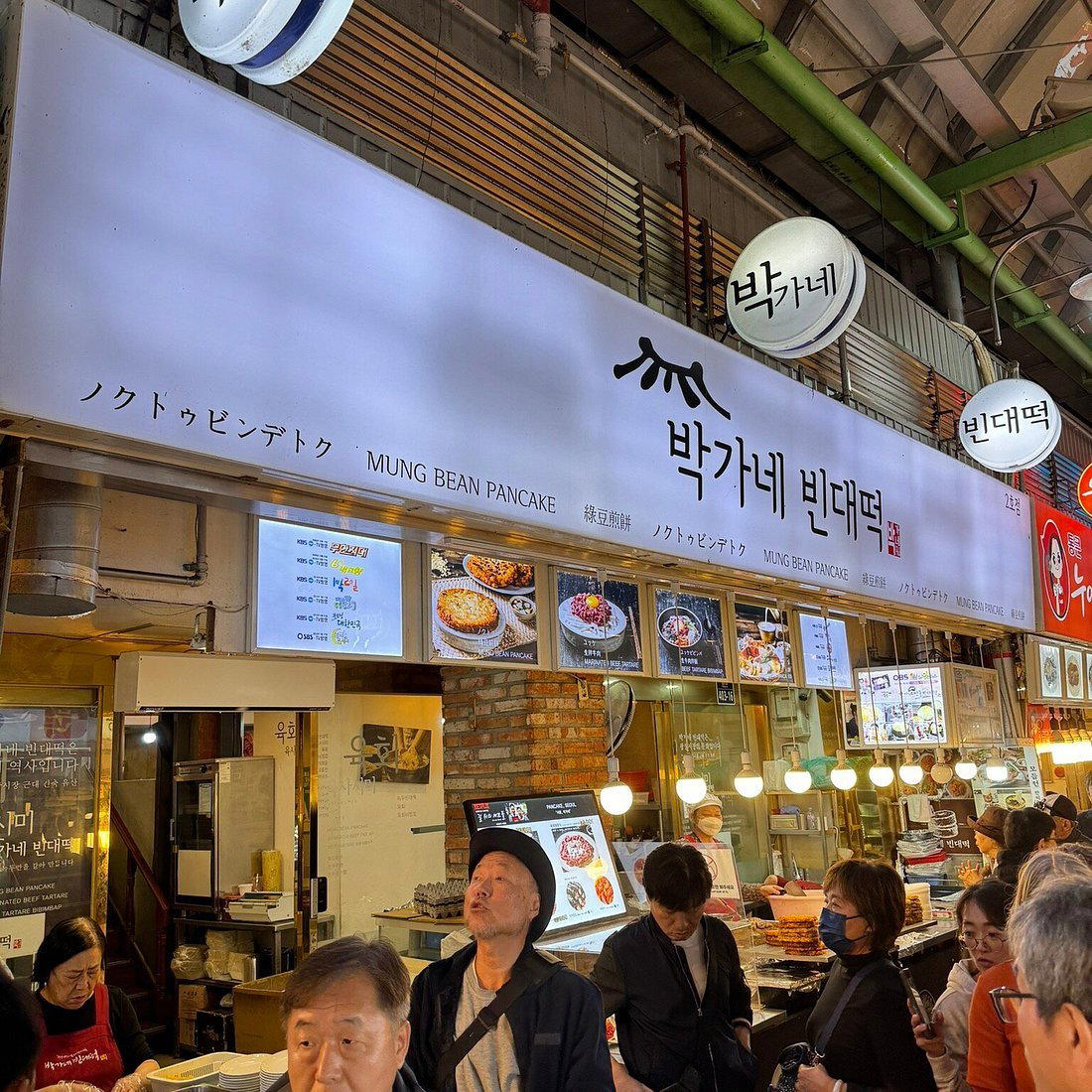
Bindaetteok and the Market Counter Tradition
Seoul's dining conversation tends to orbit tasting menus, modernist Korean technique, and the kind of precision cooking practiced at places like Mingles, Jungsik, or Soigné. But the city's food culture has always run on a parallel track: the market stall, the griddle counter, the dish that costs a fraction of a restaurant meal and makes no apologies for it. Park's Mung Bean Pancake sits squarely on that second track. It operates within Gwangjang Market, one of Seoul's oldest covered markets, where the dominant logic is turnover, repetition, and a dish done the same way for decades.
Bindaetteok, the mung bean pancake, is one of Korea's oldest street foods, with documented roots stretching back several centuries. Ground soaked mung beans are mixed with pork, kimchi, and scallions, then ladled onto a hot oil-slicked griddle until the exterior crisps and the interior stays just set. The result is dense, slightly greasy in a favorable sense, and deeply savory. It is not a refined dish. It was never meant to be. Understanding that distinction matters when you sit down at a market counter expecting the register of food that works on its own terms, not one reaching toward a different tradition.
The Daytime Case: When the Counter Makes Most Sense
The lunch versus dinner divide is sharper at market counters than almost anywhere else in Seoul. During the day, Gwangjang pulls a cross-section of the city: office workers from nearby districts, older Seoulites running errands, the occasional tourist navigating the stalls. The pace at a bindaetteok counter is brisk. You sit, you order, the pancake arrives fast, you eat, you leave. There is no reservation, no menu ceremony, no sommelier. The efficiency is the point.
Daytime service is also when the product is freshest and the crowd most honest. The griddles run continuously, oil gets replenished, and the queue of orders keeps everything moving at temperature. Bindaetteok deteriorates quickly once it leaves the griddle, the crust softens, the interior cools into something less compelling. Eating it within minutes of cooking, at a counter a few feet from the heat source, is the format the dish was designed for.
Evening hours shift the character of Gwangjang Market considerably. After dark, the market leans into a different mode: makgeolli, the milky, slightly effervescent rice wine, becomes the context, and bindaetteok shifts from lunch staple to drinking snack. The crowds are louder, the pace more social, and the dish reads differently against that backdrop. Neither mode is wrong, but visitors who want to understand bindaetteok as a food rather than as bar snack should arrive before mid-afternoon. Seoul's full dining scene has similar temporal splits across price points, from casual to formal, but few are as pronounced as this one.
Where This Sits in Seoul's Food Register
It would be a category error to place a market bindaetteok counter in competition with the modernist Korean cooking at alla prima or the refined Korean sequences at Kwonsooksoo. Those venues are working in a different register entirely, drawing on classical training, seasonal sourcing frameworks, and the kind of per-head spend that places them in a global fine-dining conversation. Park's Mung Bean Pancake is the other end of the same culture: the base layer that the refined versions are in implicit dialogue with.
That base layer extends across South Korea. Similar market-counter logic governs the pork-focused eating at 88돼지 in Jeju and Black Pork BBQ in Seogwipo, the galbi tradition at Gobojeong Galbi in Suwon, and the bean-based dishes at Gyeongju Wonjo Kongguk. These are not the venues that earn international press coverage, but they are the ones that explain why Korean food has the depth it does. The same principle applies to Hwangnam Bread in Gyeongju and the broth-forward traditions at Mori in Busan, places where the dish, not the dining format, is the whole point.
For visitors who arrive in Seoul having eaten at the tasting-menu tier, a stop at Gwangjang Market grounds the experience. The techniques are simpler, the ingredients fewer, the margin for showmanship close to zero. What remains is the question of whether the pancake itself is good, and at a counter that has been doing this for decades in a market where poor performers lose their seats, the answer is consistently yes.
Planning a Visit
Gwangjang Market operates in central Seoul and is accessible by metro. Walk-ins are the norm, and the seating arrangement is communal, meaning you may share a table with strangers. Bring cash; card acceptance at individual stalls is inconsistent. The price point sits around $8 per person, which makes it compatible with a day that also includes a meal at a more formal address. If you are building a broader Korean regional itinerary, Doosoogobang in Suwon, Badang Lounge in Jeju, and Dining Room in Busan represent the kind of regional breadth that gives Seoul's own street food a wider frame of reference. For international context, the precision-driven Korean cooking exported to New York at Atomix or the seafood focus at Le Bernardin operates in a register entirely distinct from Gwangjang, but the contrast itself is instructive.
Price Lens
Comparable venues nearby, for context on price, style, and recognition.
| Venue | Cuisine | Price | Notes |
|---|---|---|---|
| Park's Mung Bean PancakeThis venue — the venue you are viewing | Not listed | $ | Not listed |
| Mongvely 2 Myeongdong Korean BBQ restaurant kbbq Beef All You Can Eat | Sajik-dong, All-You-Can-Eat Korean BBQ | $$ | Not listed |
| 라면편의점 | Not listed | $ | Jongno-gu (Jongno 3-ga), Korean Instant Ramen Bar |
| Han Chu Fried Chicken | Sinsa-dong, Korean Fried Chicken | $ | Not listed |
| ê´í문êµë°¥ | Sajik-dong, Korean Restaurant | Not listed | Not listed |
| 김북순 큰남비집 | Sinsa-dong, Korean Kimchi Jjigae House | $$ | Not listed |
Continue exploring
More in Seoul
Restaurants in Seoul
Browse all →
At a Glance
- Lively
- Rustic
- Casual Hangout
- Group Dining
- Standalone
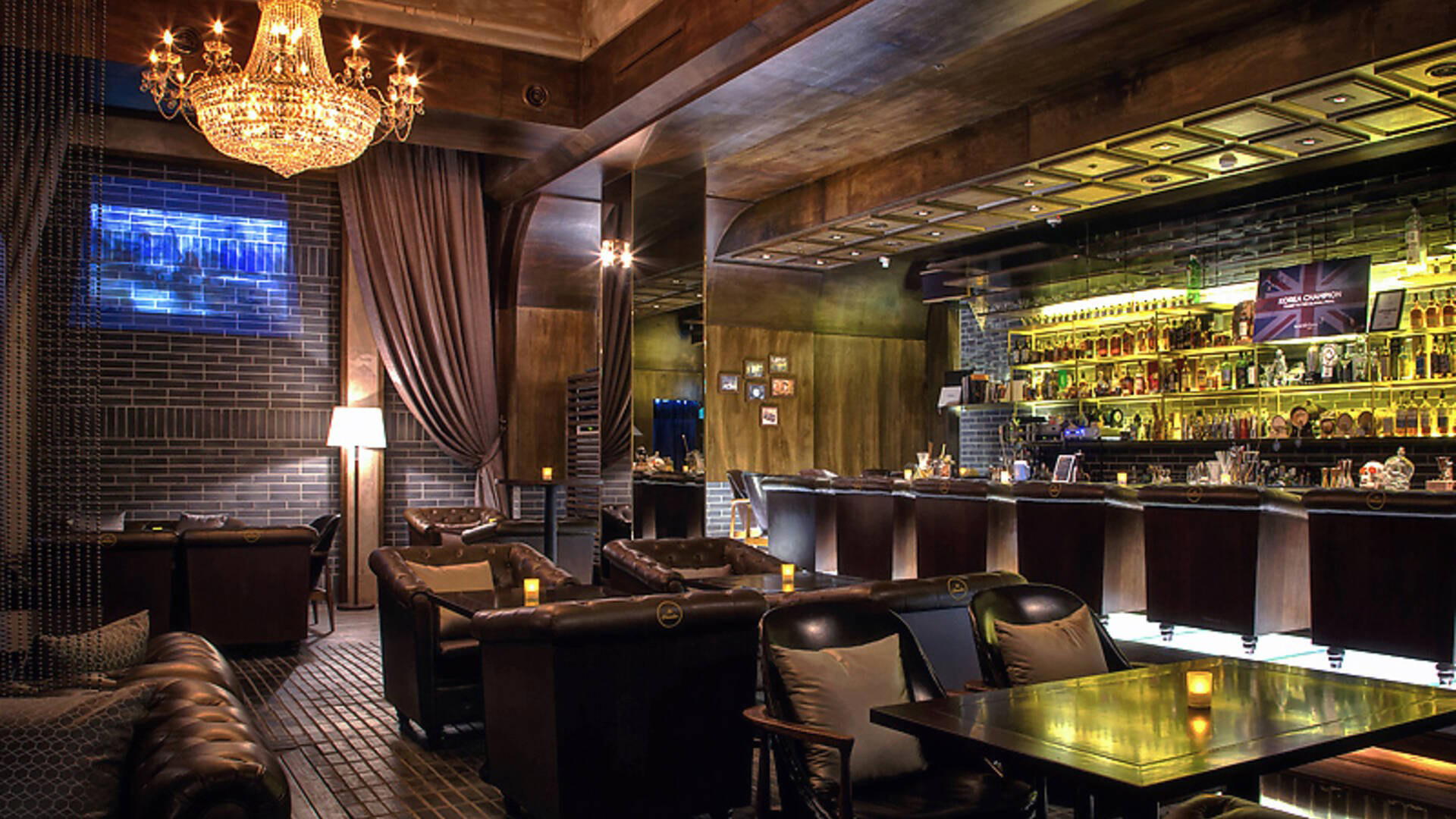
Lively market atmosphere with bustling energy from surrounding stalls and on-site frying.