Clos de Yong

Star Wine List
On the fourth floor of a Sinsa-dong building in Gangnam, Clos de Yong is built around the presence and palate of Yonghee Kim, widely regarded as one of Korea's foremost sommeliers. The wine program sets the register; everything else follows. A serious address for those who treat what's in the glass as the starting point of the meal.

Pearl is the En Primeur Club membership app — saves, bookings, and concierge access live there. Same editors, same standards.
- Address
- South Korea, Seoul, Gangnam District, Sinsa-dong, 640-13 로이빌딩 4층
- Phone
- +82 2-547-5867
- Hours
- Mon–Sat 7 PM–1 AMSun Closed
- Website
- instagram.com
- Directions
- Get directions
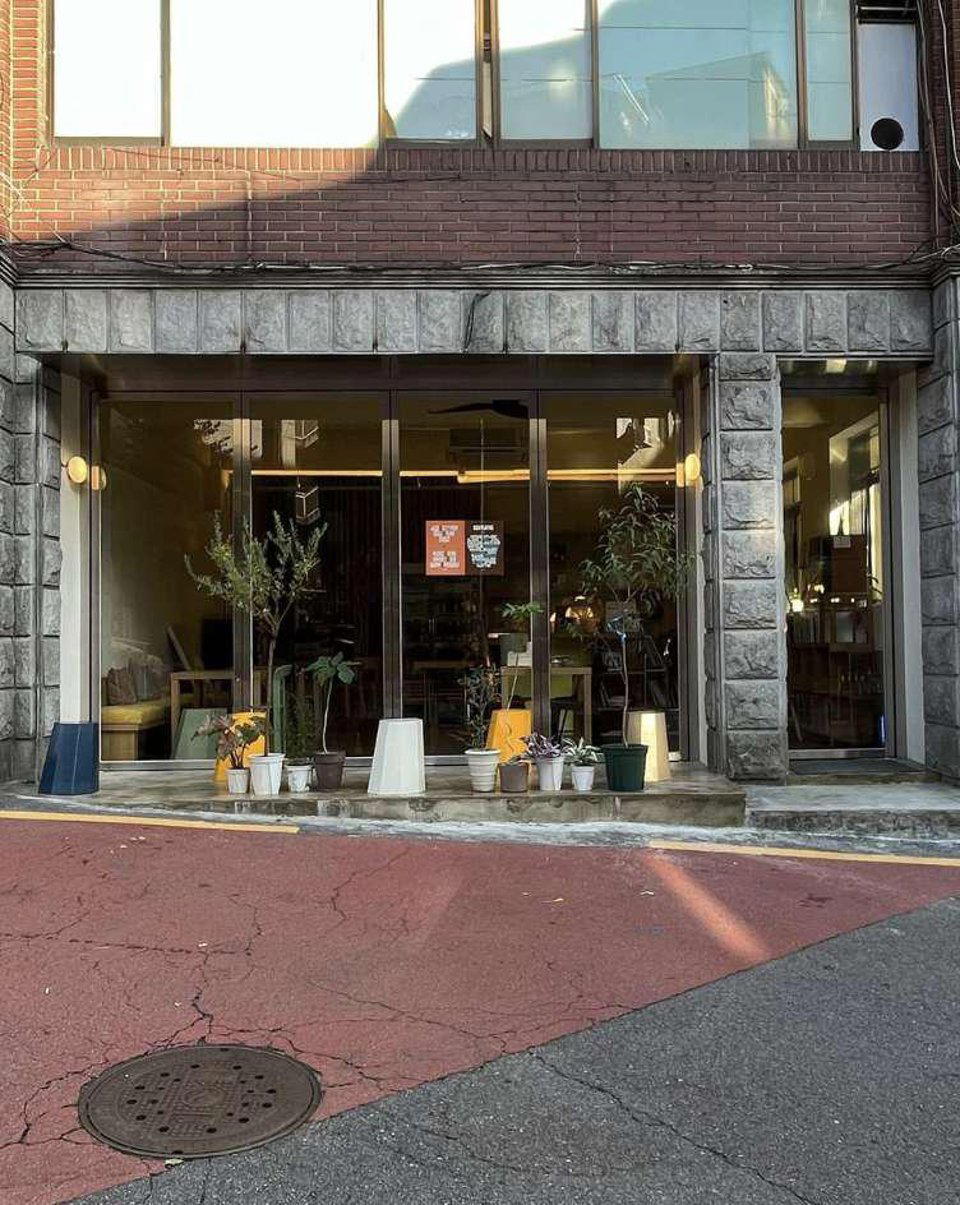
Wine as the Main Argument: Seoul's Sommelier-Led Rooms
Seoul's premium drinking culture has spent the better part of a decade sorting itself into distinct tiers. The cocktail-forward bars, the whisky rooms, the natural wine lists that arrived with the Itaewon wave — each staked out territory. What has emerged more slowly, and with considerably more discipline, is a category defined not by a spirit or a trend but by the sommelier: venues where the wine program is not an accompaniment to the kitchen's ambitions but the organizing principle of the entire visit. Clos de Yong, on the fourth floor of a low-key Sinsa-dong building in Gangnam's quieter residential stretch, belongs to that narrower cohort.
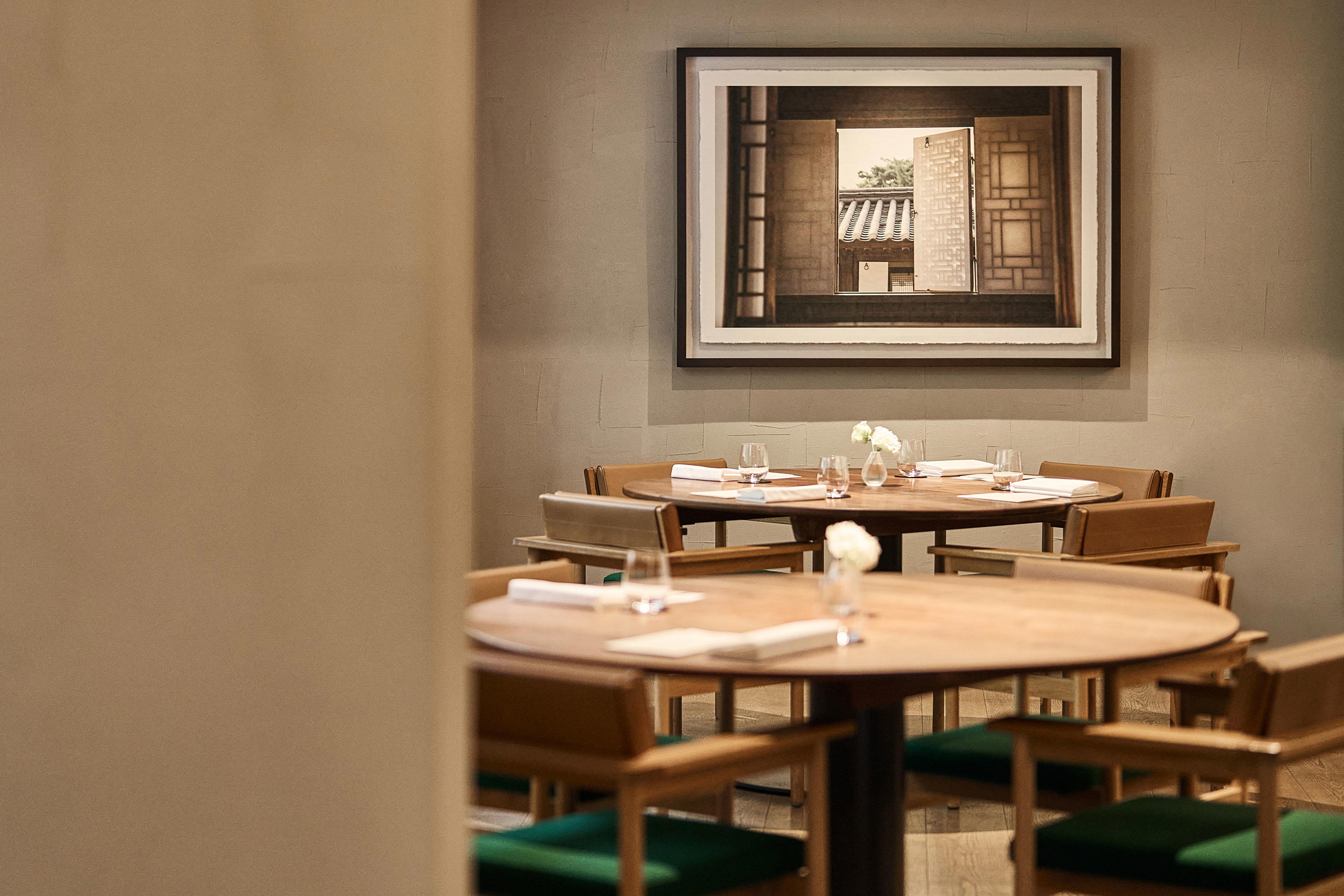
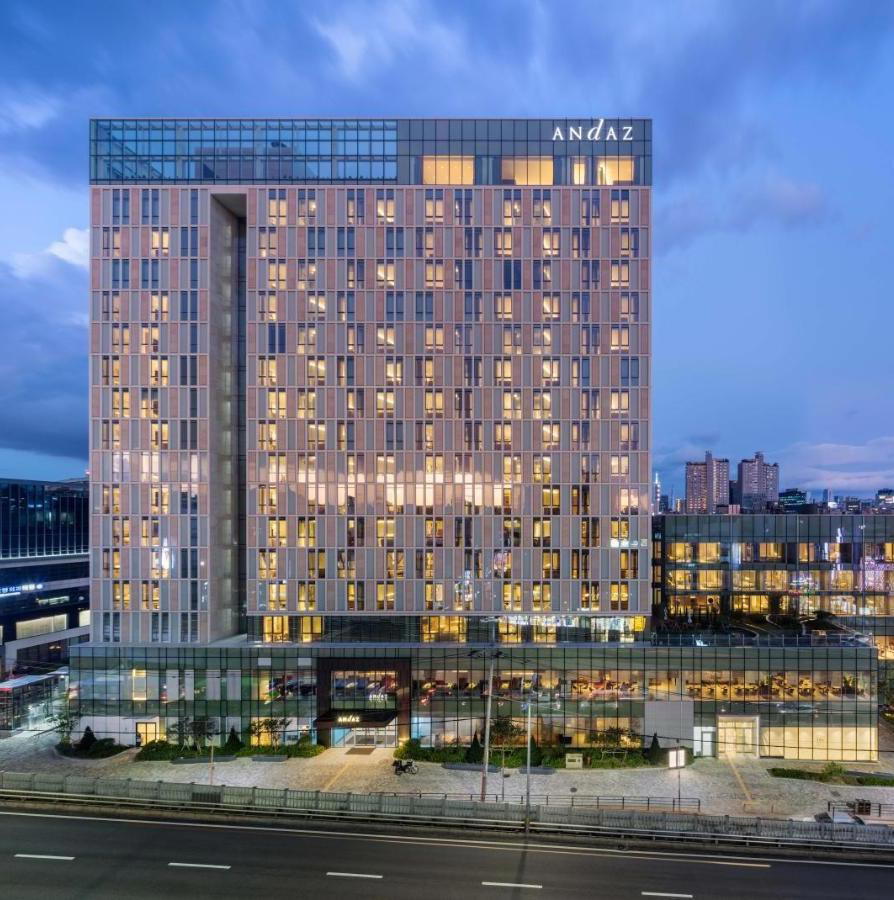
The address matters. Sinsa-dong sits adjacent to the louder commerce of Apgujeong and the weekend traffic of Garosu-gil, but the block itself moves at a different pace. Arriving at 640-13 Rui Building, you take the elevator rather than a ground-floor entrance, which already signals something about format: this is not a drop-in room. The physical remove — a floor above the street, away from foot traffic, shapes the atmosphere before a glass is poured.
The Pairing Logic: How the Drink Program Structures the Experience
In wine-led rooms of this calibre, the food program exists in a specific relationship to the glass. The question is never simply what the kitchen wants to cook; it is what the wine list demands by way of counterweight, bridge, or contrast. This pairing logic, when executed with the precision that Yonghee Kim's reputation implies, turns food selection into an editorial act rather than a menu browse. Korean sommelier culture at this level draws heavily from French and Burgundian reference points, wine service discipline, list architecture that prioritises producer provenance over brand recognition, while operating within a dining sensibility that is deeply local.
That tension, between classical European wine culture and the Korean table, is one of the more interesting creative problems facing venues like Clos de Yong. The salt-forward, fermented, and spice-built flavours of Korean food are not natural companions to many canonical pairings. Working through that mismatch, rather than defaulting to an international menu that sidesteps it, is where a sommelier-led room either earns its reputation or retreats into safe territory. Yonghee Kim's standing in Korean wine circles, described in record as a living legend by those who follow the scene, suggests the former.
Yonghee Kim and the Weight of a Reputation
Sommelier-led venues operate differently from chef-driven ones. In a kitchen-first room, the creative argument is distributed across a brigade and changes with each seasonal menu. In a wine room built around a single palate, the selection, the service register, and the guest interaction are all expressions of one person's accumulated judgment. That concentration of authority can produce extraordinary coherence or, in the wrong hands, a kind of curatorial rigidity. Kim's reputation, sustained over a career long enough to earn the designation of living legend in Korean hospitality circles, suggests a program that has had time to develop genuine depth rather than the confident brevity of a newer list.
For visitors arriving from abroad or from other Korean cities, that provenance is the draw. The room at Sinsa-dong is not an extension of a hotel group's F&B program or the wine arm of a larger restaurant concept. It stands as its own argument, which in Seoul's current premium scene is itself a differentiator. Comparable rooms in the city, including the cocktail-focused programs at Charles H or the technically precise formats at Bar D. Still, each have institutional backing or format clarity that gives them a certain legibility. Clos de Yong's legibility comes from a name.
Seasonality and Timing: When to Visit
Seoul's hospitality calendar has distinct rhythms, and wine-led rooms feel them differently from cocktail bars or multi-course tasting menus. Spring and autumn, when temperatures allow for bottles that might otherwise be misread in the heat of August or the grip of January, tend to produce the most considered drinking at rooms like this. The Korean holiday calendar around Chuseok and Seollal reshapes reservation patterns city-wide; serious wine venues often see their most engaged clientele in the weeks immediately after major holidays, when the pace normalises and guests come with time rather than obligation.
For those planning a Seoul visit around wine-focused itineraries, Gangnam's cluster of premium venues makes geographic sense as a base. The comparison set is strong: Alice Cheongdam and Bar Cham operate in the same district and offer different points of entry into Seoul's premium drinking culture. Readers building a broader Korean drinks itinerary might also consider Climat in Busan, Muyongdam in Jeju Si, or Regency Club in Incheon as part of a wider peninsula circuit. For those travelling further afield, Bar Leather Apron in Honolulu and Jewel of the South in New Orleans represent the kind of sommelier and spirits expertise that shares a similar register of seriousness. Regionally, Anjuga in Ansan Si and Seuwichi in Heungdeok complete the picture of how Korea's premium drinking culture extends well beyond the capital.
Planning Your Visit
Clos de Yong occupies the fourth floor of Rui Building at 640-13 Sinsa-dong, Gangnam District, Seoul. Given the format and reputation, contacting the venue directly to confirm availability before visiting is advisable; rooms of this profile in Seoul operate on reservation-led models rather than walk-in traffic, and an unannounced arrival on a busy evening is unlikely to yield the experience the room is designed to produce. Our full Seoul restaurants and bars guide carries additional context on the district's premium scene and current openings.
Peers in This Market
Comparable venues nearby, for context on price, style, and recognition.
| Venue | Cuisine | Price | Awards | Notes |
|---|---|---|---|---|
| Clos de YongThis venue — the venue you are viewing | wine_bar | Not listed | Star Wine List | Not listed |
| Pomme | cocktail_bar | $30–50 | Tatler Listed in Best Bars Asia-Pacific | 효자동 |
| Geumnam Vin | wine_bar | $50–100 | Star Wine List | Jangchung-dong |
| Domaine Cheong Dam | wine_bar | $50–100 | Star Wine List | 압구정동 |
| Cobbler | cocktail_bar | $30–50 | Tatler Listed in Best Bars Asia-Pacific | 효자동 |
| Born & Bred | Bar | Not listed | Not listed | 마장동 |
Recognition history
Dated appearances from independent guides and award organizations, with the underlying list record or original source where available.
Star Wine List
Star Wine List
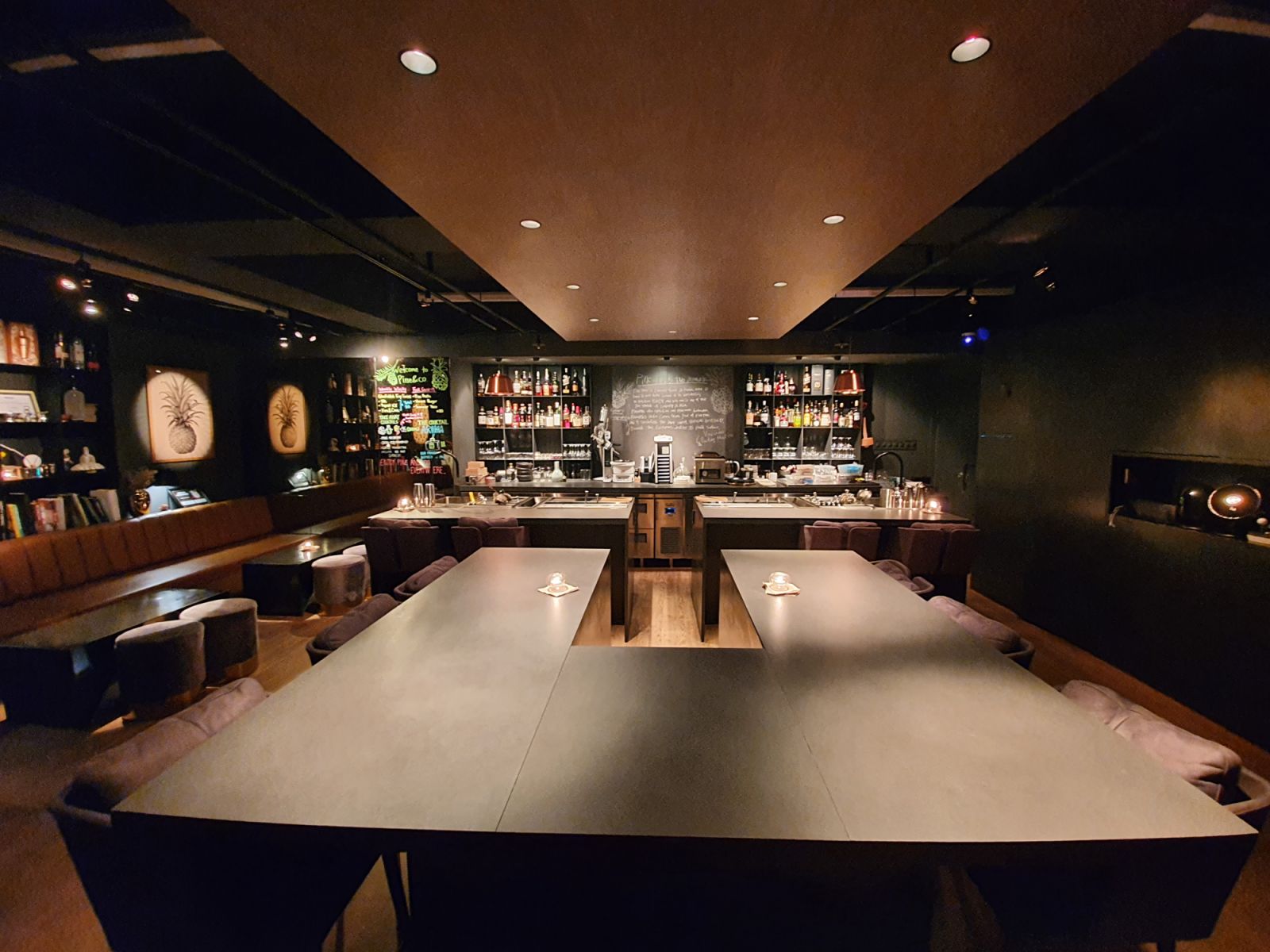
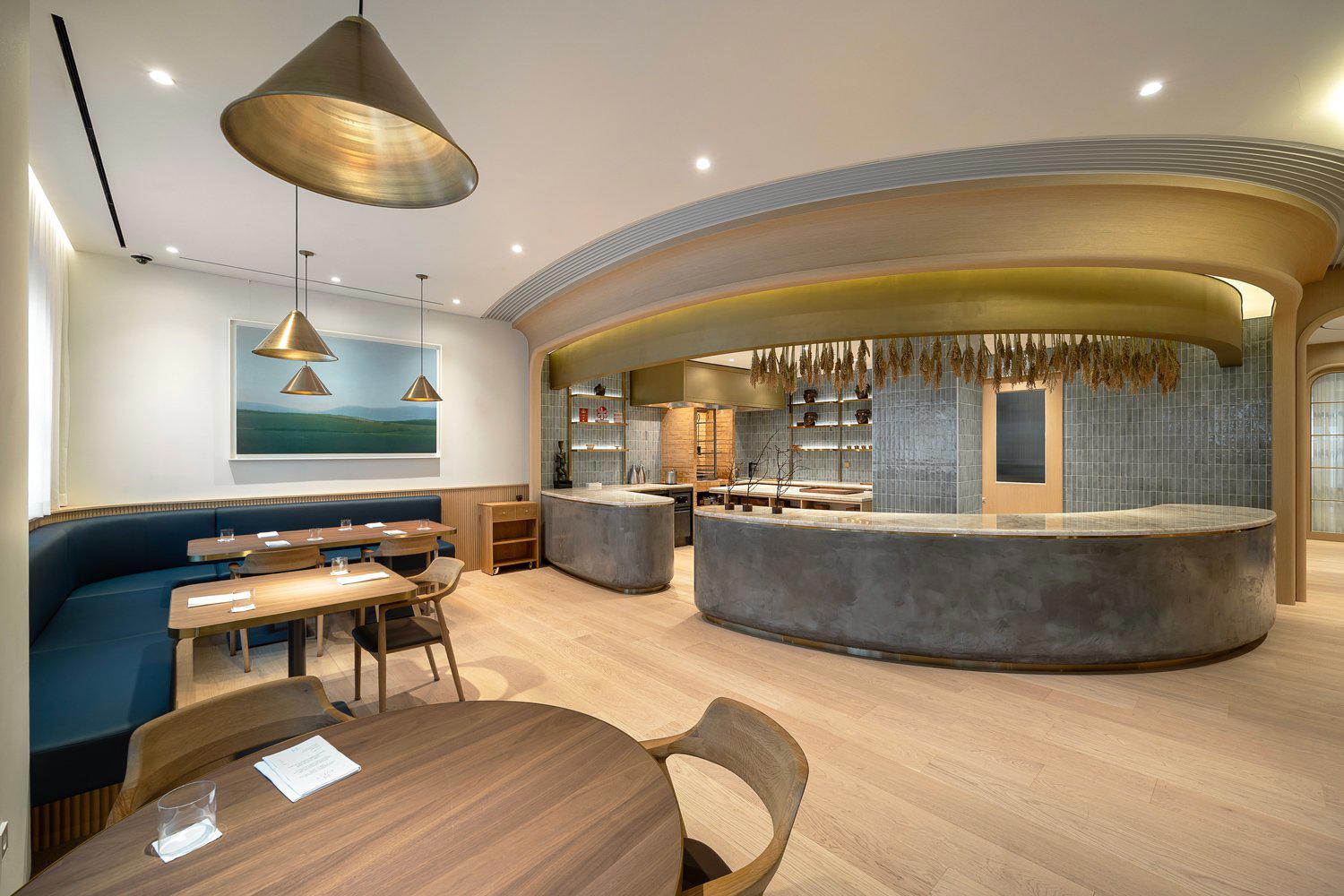
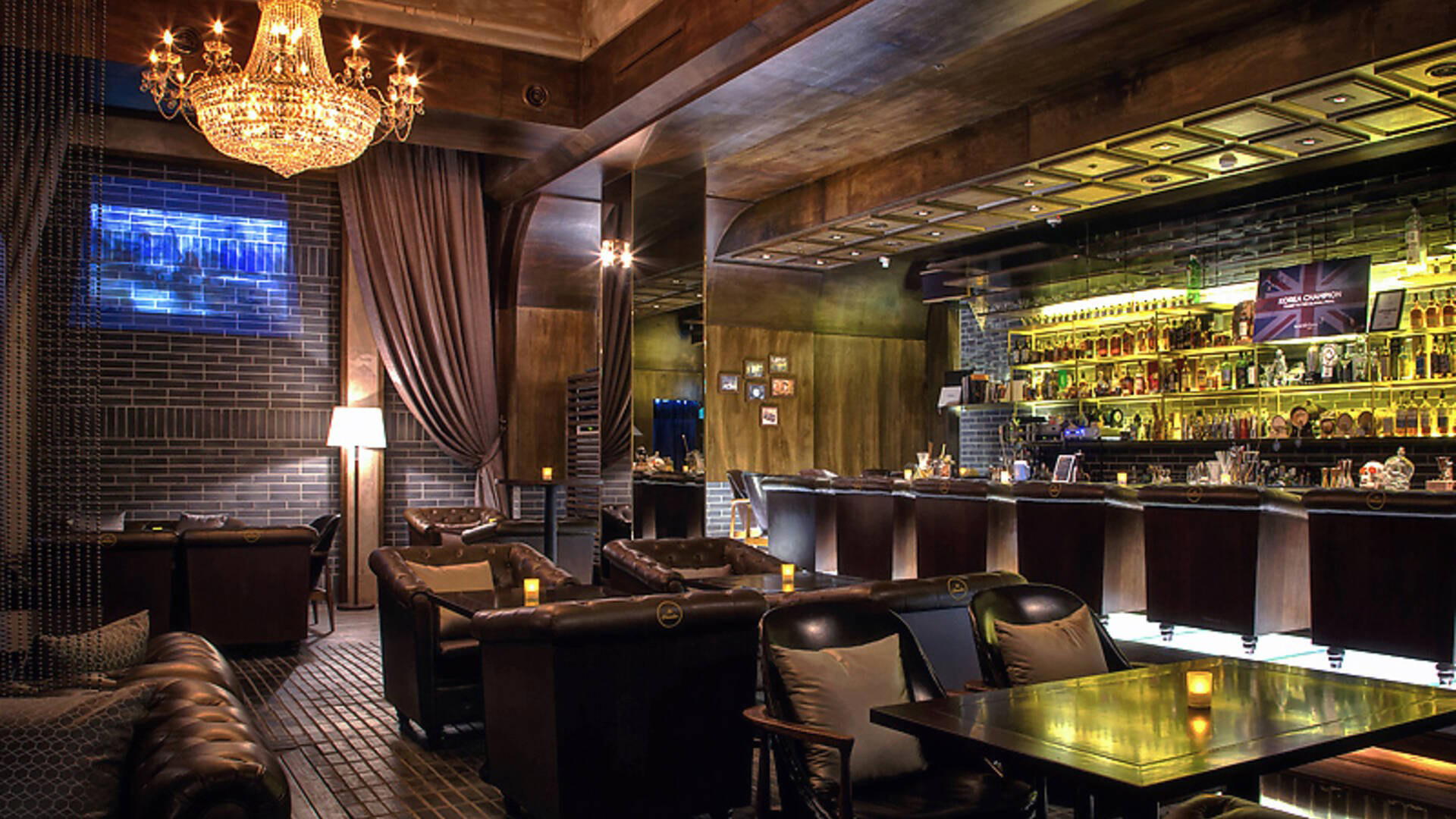
Clos de Yong
The wine
- Wine program
- Exceptional wine program
- Natural wine
Details
- Classic
- Quiet
- Intimate
- Sophisticated
- Date Night
- Solo
- Standalone
- Seated Bar
- Counter Only
- Conventional Wine
- Natural Wine
Current opening hours
- Monday
- 7 PM–1 AM
- Tuesday
- 7 PM–1 AM
- Wednesday
- 7 PM–1 AM
- Thursday
- 7 PM–1 AM
- Friday
- 7 PM–1 AM
- Saturday
- 7 PM–1 AM
- Sunday
- Closed
Hours can change for holidays and private events. Last verified .
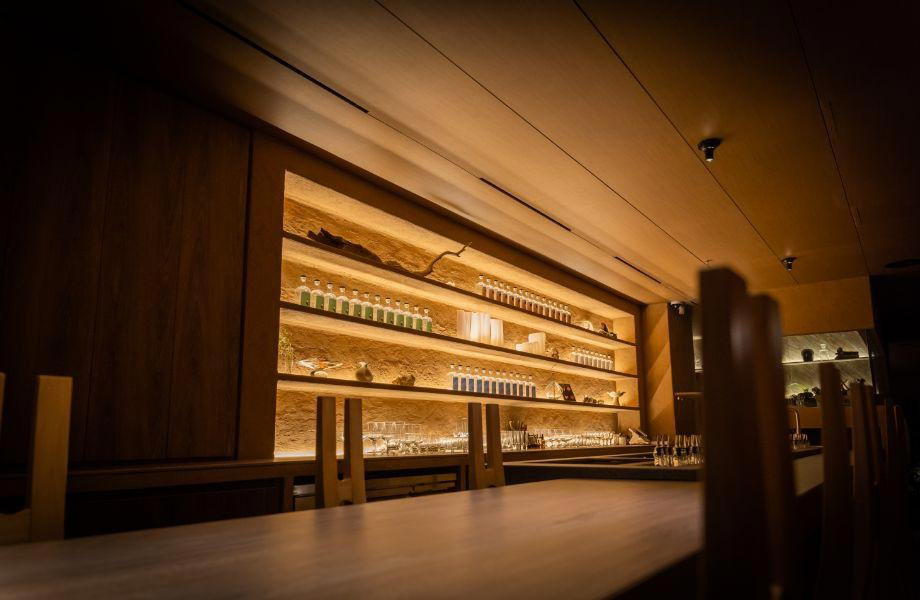
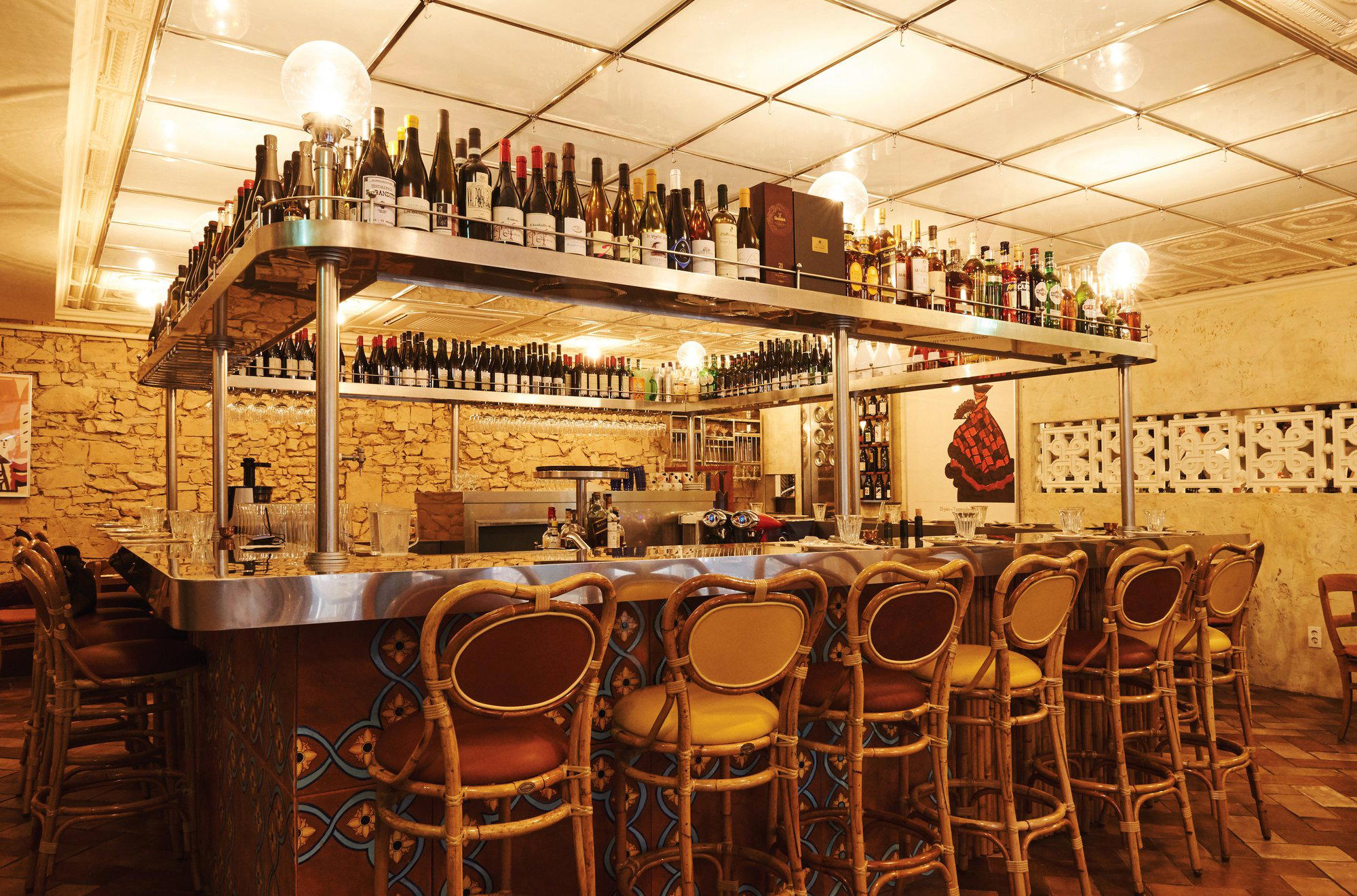
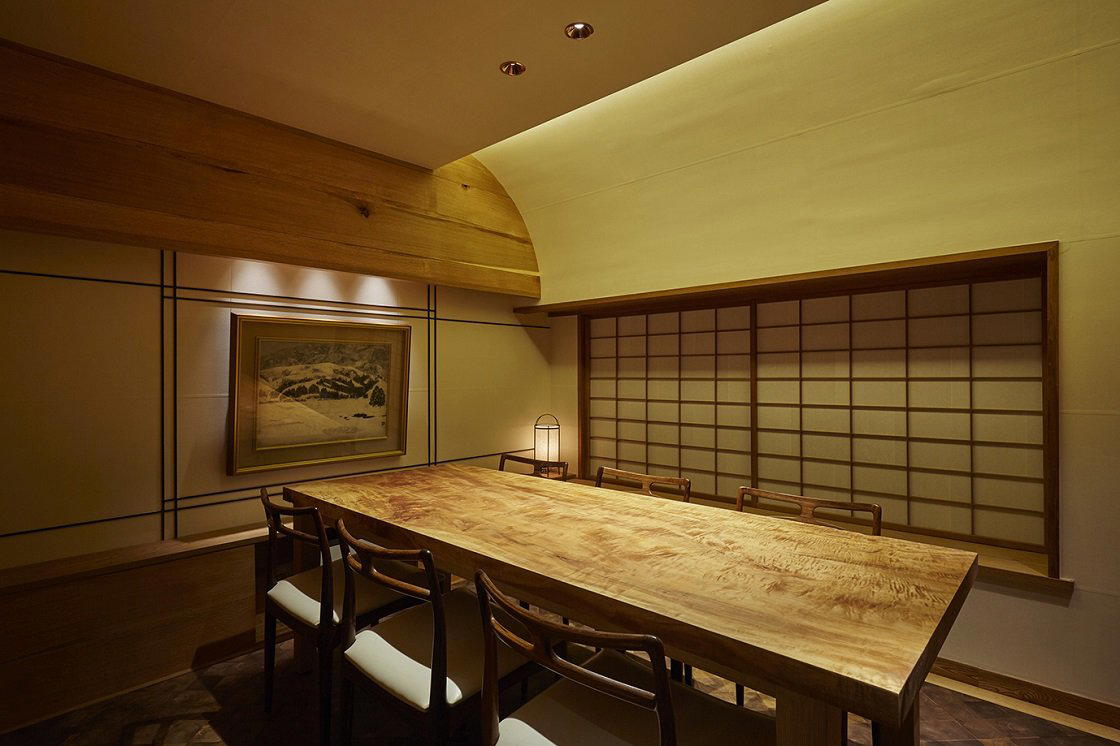
Quiet atmosphere with seating only at the bar, allowing easy conversation with the sommelier.