Found Local

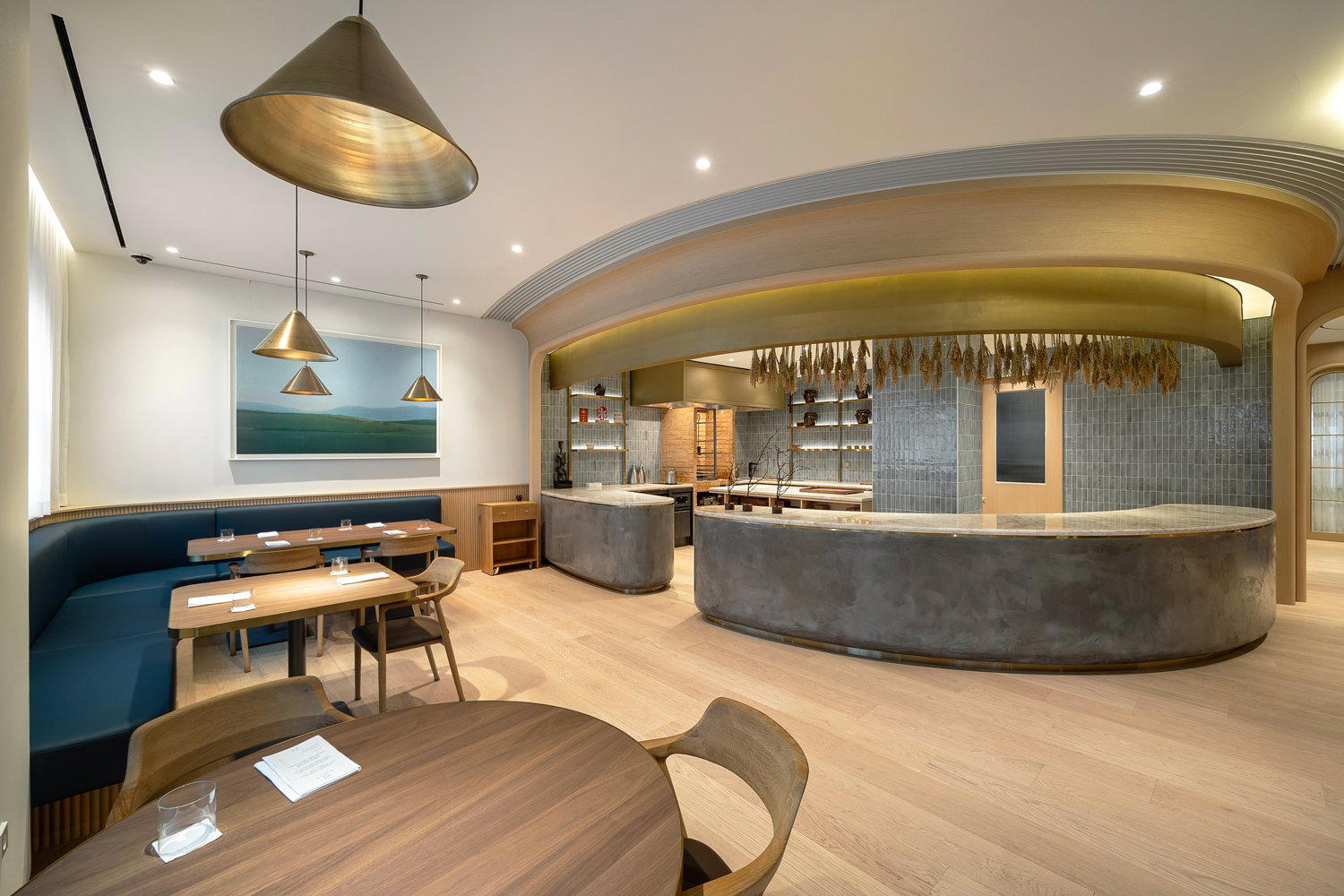
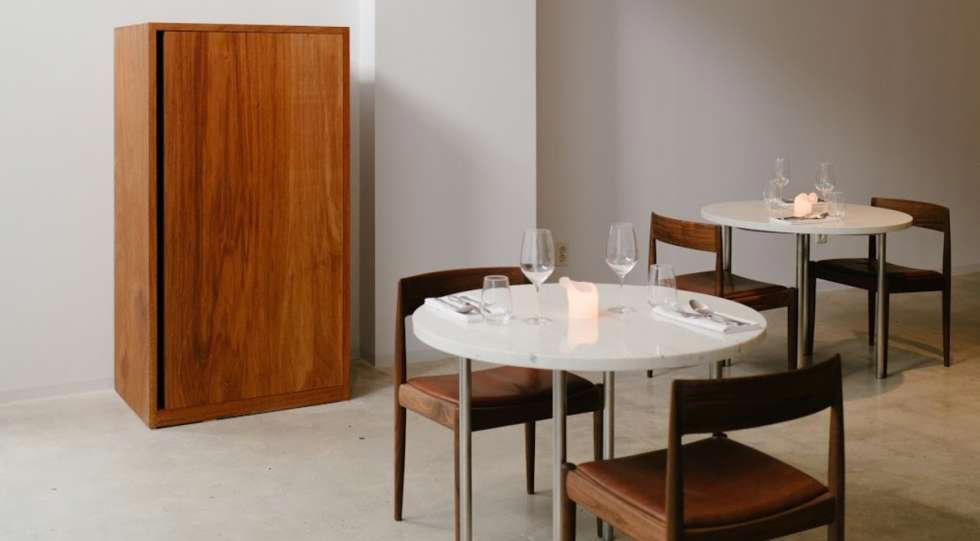
Found Local occupies a considered space in Seocho District's Chanwondong neighbourhood, operating as a natural wine bar and Korean fusion-bistro where every lighting choice and material detail has been deliberately weighted. The atmosphere is the primary argument here — a setting that shapes how the food and wine read. It sits within a broader Seoul wave of bars and restaurants that treat the room as seriously as the menu.
Pearl is the En Primeur Club membership app — saves, bookings, and concierge access live there. Same editors, same standards.
- Address
- 65 Naruteo-ro, Seocho District, Seoul, South Korea
- Phone
- +82 2-3447-8005
- Website
- instagram.com
- Directions
- Get directions
 Saves & bookings on Pearl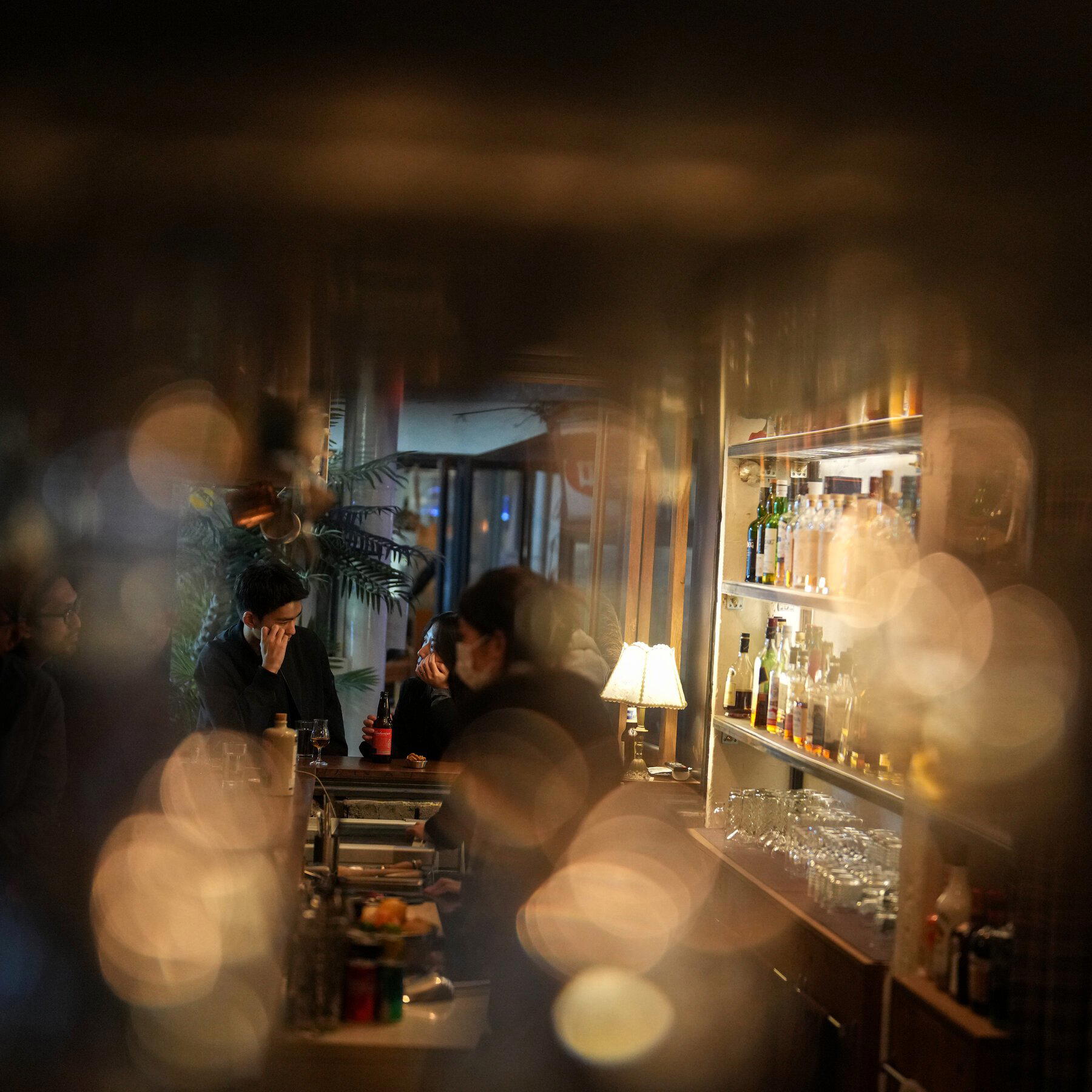
Light, Atmosphere, and the Architecture of a Room That Earns Its Reputation
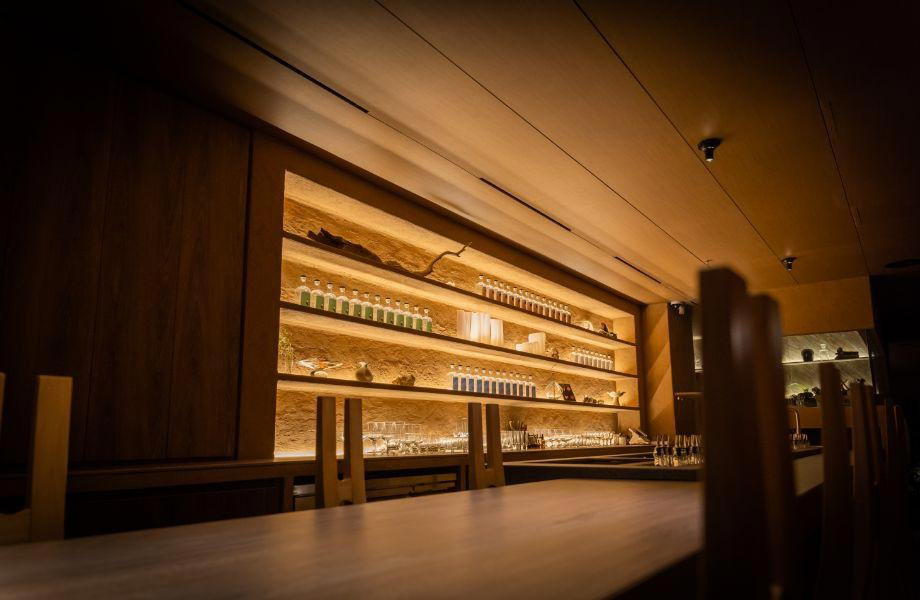
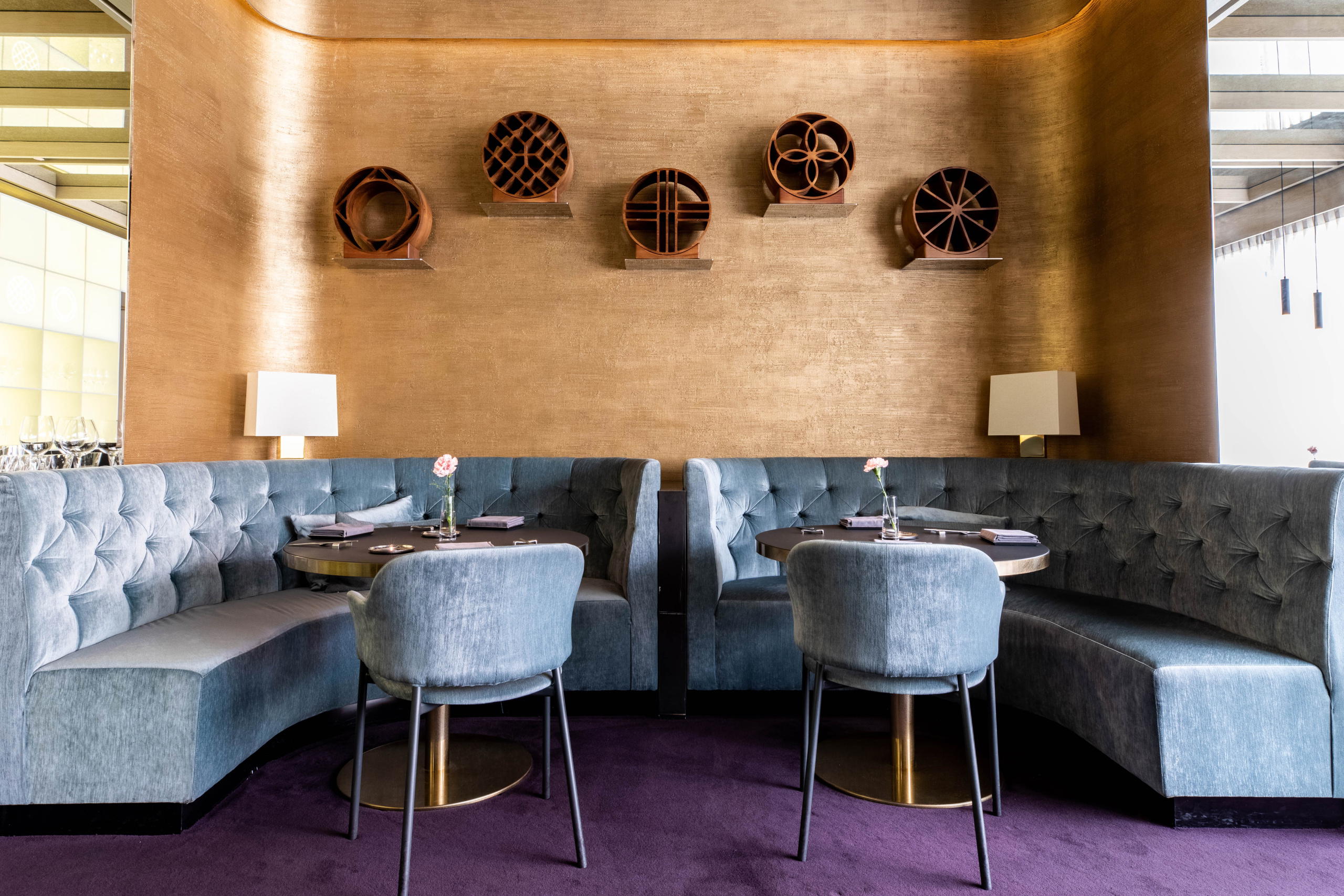
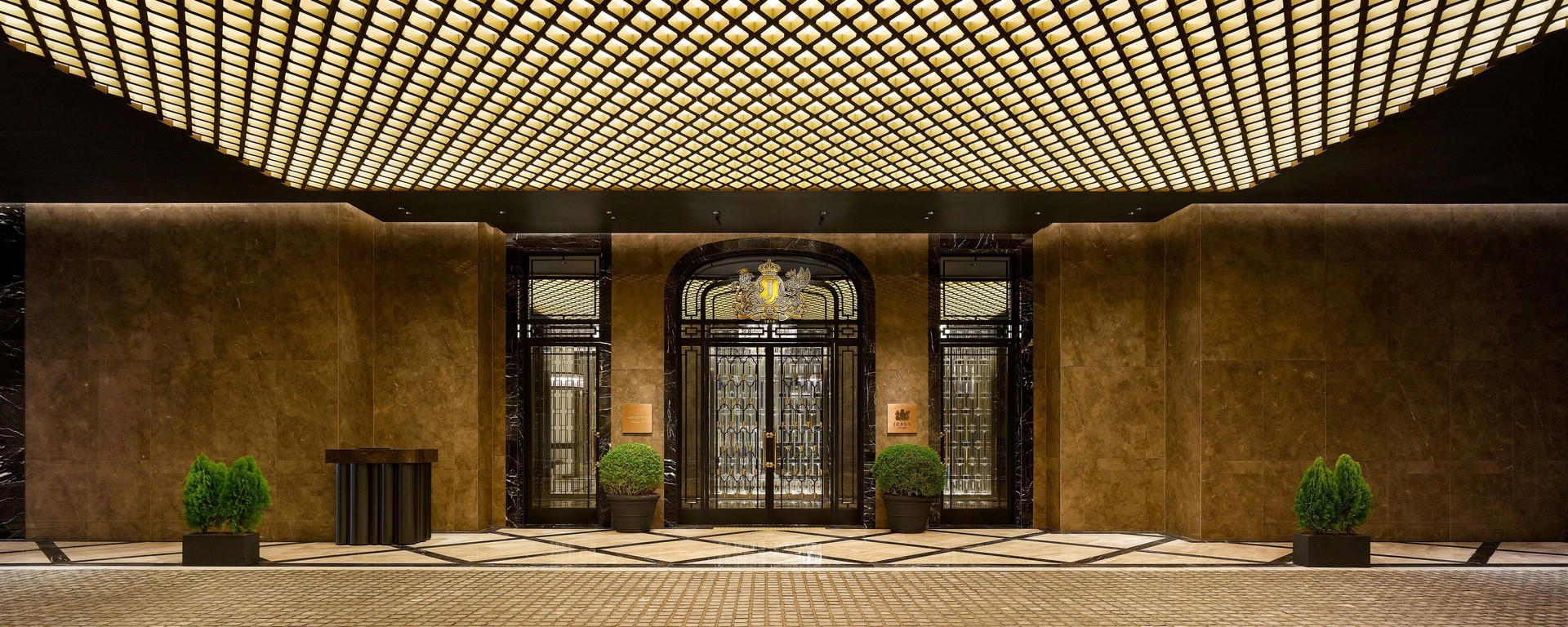
Walk into Found Local on a weekday evening and the first thing that registers is the calibration of the light. This is not the ambient wash of a restaurant that ordered mood lighting from a catalogue. Each fixture, each surface reflection, each pocket of shadow has been placed with the kind of deliberateness that Seoul's more considered small venues have started to treat as a baseline requirement. In Chanwondong, a residential-edged pocket of Seocho District where dining tends toward the quietly serious rather than the performative, that precision reads as a statement of intent.
Seoul's dining scene has been moving in two directions simultaneously: one toward high-production omakase formats and internationally credentialed tasting menus, and another toward smaller, atmosphere-driven spaces where the editorial point of view is expressed through the room itself as much as the plate. Found Local belongs to the second category, and it belongs there without qualification.
The Fusion-Bistro Format and What the Menu Structure Reveals
The Korean fusion-bistro category is worth examining on its own terms before arriving at any specific venue within it. Seoul's version of this format has matured considerably over the past decade. Early iterations leaned on novelty — Korean ingredients dropped into French-adjacent frameworks with the seam showing. What has emerged more recently is something more architecturally coherent: menus that use Korean culinary logic (ferment-forward, texture-conscious, seasonally calibrated) as the structural foundation rather than as decoration applied to a Western chassis.
Found Local operates within this more considered iteration of the format. As a natural wine bar that also runs a Korean fusion kitchen, it occupies a specific intersection that a small but growing number of Seoul venues have started to explore. The natural wine program is not incidental to the food here — the two are designed to work together, which means the menu architecture is built around the kinds of flavours and textures that natural wine can actually support: fermented elements, earthy bass notes, dishes where acidity and salinity do the structural work rather than richness or sweetness.
This alignment matters because it tells you something about how the kitchen is thinking. When a restaurant builds its food menu around the logic of a particular wine style rather than treating wine as a beverage add-on, the menu tends to be narrower in range but more internally consistent. Dishes become vehicles for the pairing rather than autonomous showpieces. At a venue like this, where the atmosphere is already doing significant work, that focused coherence between kitchen and cellar is what gives the experience its through-line.
Chanwondong and the Seocho Context
Seocho District as a dining destination tends to get less international editorial attention than Gangnam's restaurant row or the concentrated bar programs of Cheongdam and Apgujeong, but the neighbourhood has developed a specific character worth understanding. The area around Chanwondong attracts a regular crowd that is largely local, largely professional, and not especially interested in being photographed for international food media. Venues here succeed on repeat visits rather than tourism spikes, which tends to produce a different kind of hospitality rhythm: less performed, more calibrated to the expectations of people who already know what they want.
For comparison, Seoul's more programmatic cocktail bars, places like Charles H, Alice Cheongdam, Bar Cham, and Bar D. Still, operate with a higher degree of theatrical intentionality, their formats built around the visible execution of craft. Found Local sits at a different register: the craft is present but the register is quieter, the atmosphere doing what the showmanship does elsewhere. This is not a lesser approach; it is a different one, calibrated to a different kind of evening.
The natural wine bar format, specifically, has expanded across Seoul in a way that mirrors broader patterns in Tokyo, Berlin, and Copenhagen, cities where the genre landed early and where the serious practitioners have now separated themselves from the trend followers. In Seoul, the separation is happening in real time. The venues that treat natural wine as a genuine curatorial project, with the food program designed in response to the wine logic rather than as an independent track, are pulling away from those that simply stock a few low-sulphur bottles and call it a concept.
How to Approach an Evening Here
Found Local is located at 65 Naruteo-ro in Seocho District. The neighbourhood is accessible from central Seoul but does not sit on a major tourist artery, which reinforces the local-regular character of the crowd. An evening here is leading approached without urgency, this is a venue that rewards sitting with the wine list before committing to food, and then following the kitchen's logic rather than ordering against it.
For those building a broader Seoul bar and restaurant itinerary, Found Local occupies a distinct enough niche that it does not overlap with the experiences offered by the city's more format-driven cocktail programs. If your Seoul evening is built around that circuit, the full Seoul restaurants guide maps the full range of options across both categories.
It is also worth noting that the natural wine and fusion-bistro format that Found Local represents in Seoul has direct counterparts in other Korean cities and beyond. Climat in Busan occupies a similarly considered atmospheric tier in the southern port city. Muyongdam in Jeju Si takes a different approach to the local-ingredients conversation. Elsewhere in the region, Anjuga in Ansan Si and Regency Club in Incheon represent further points on the spectrum of how Korean hospitality venues are positioning themselves outside the capital. For international context, Bar Leather Apron in Honolulu and Jewel of the South in New Orleans illustrate how the atmosphere-led, craft-serious format plays in entirely different markets. Seuwichi in Heungdeok rounds out the picture of how smaller Korean cities are developing their own versions of the same genre.
How Found Local Seoul compares with similar nearby venues.
| Venue | Awards |
|---|---|
| Found Local | Star Wine List (2026) |
Recognition history
Dated appearances from independent guides and award organizations, with the underlying list record or original source where available.
Star Wine List
Star Wine List
Continue exploring
More in Seoul
Restaurants in Seoul
Browse all →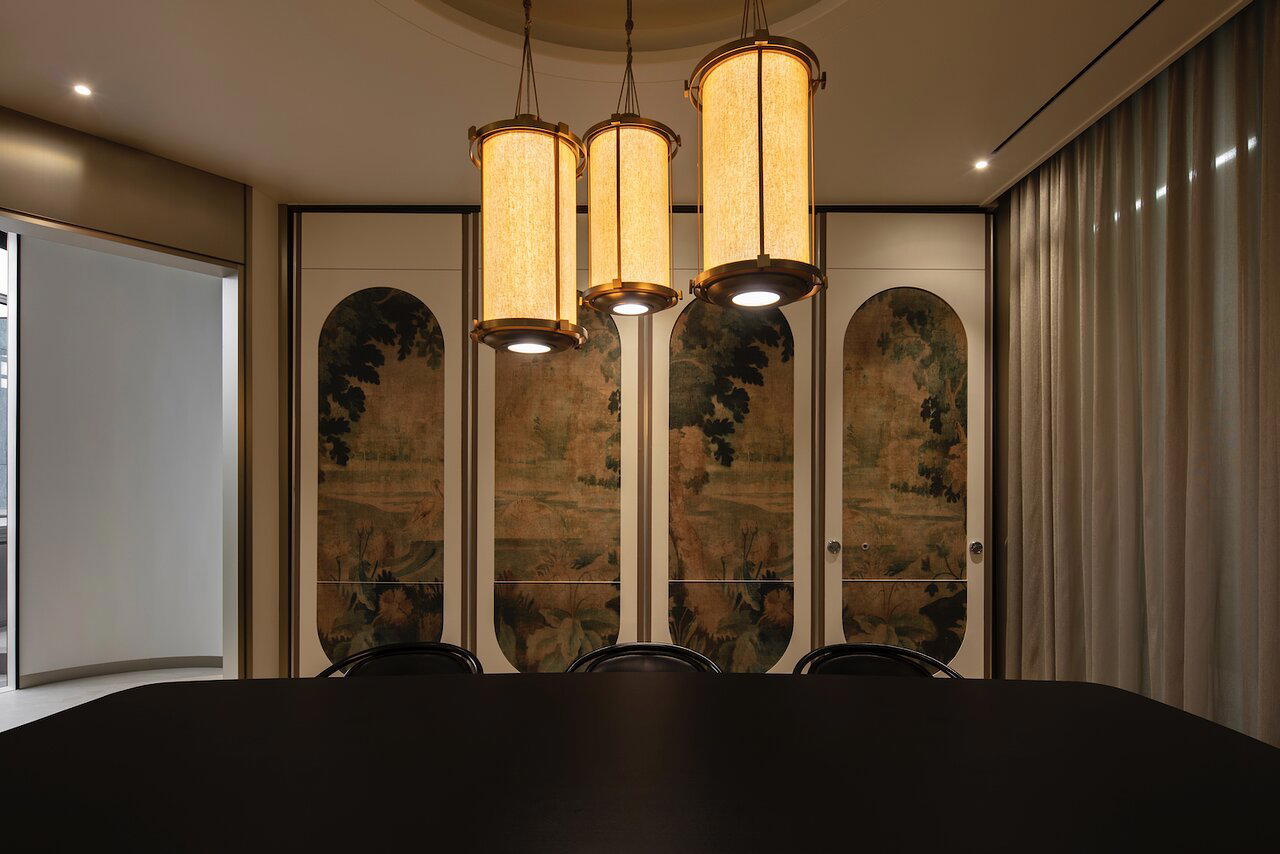
At a Glance
- Cozy
- Modern
- Intimate
- After Work
- Date Night
- Casual Hangout
- Courtyard
- Seated Bar
- Communal Tables
- Outdoor Terrace
- Natural Wine
Current opening hours
- Monday
- Closed
- Tuesday
- 6–11 PM
- Wednesday
- 6–11 PM
- Thursday
- 6–11 PM
- Friday
- 6–11 PM
- Saturday
- 6–11 PM
- Sunday
- Closed
Hours can change for holidays and private events. Last verified .
Atmosphere is everything with carefully chosen lighting, details like beautiful chopsticks and Korean ceramics, creating an intimate and well-curated space.
Know Before You Go
- Getting there
- 65 Naruteo-ro, Seocho District, Seoul, South Korea