BBQ Yul
BBQ Yul occupies a residential stretch of Seocho-dong in Seoul's Seocho District, where Korean barbecue is treated as a deliberate occasion rather than a casual weeknight choice. The address places it within reach of Gangnam's dining corridor, situating it in one of the city's most competitive tiers for grilled-meat specialists. For milestone meals or celebratory gatherings, the Seocho setting and the format's inherent tableside theatre make it a considered option.
Pearl is the En Primeur Club membership app — saves, bookings, and concierge access live there. Same editors, same standards.
- Address
- 1330-14 Seocho-dong, Seocho District, Seoul, South Korea
- Phone
- +821092571762
- Website
- instagram.com
- Directions
- Get directions
 Saves & bookings on Pearl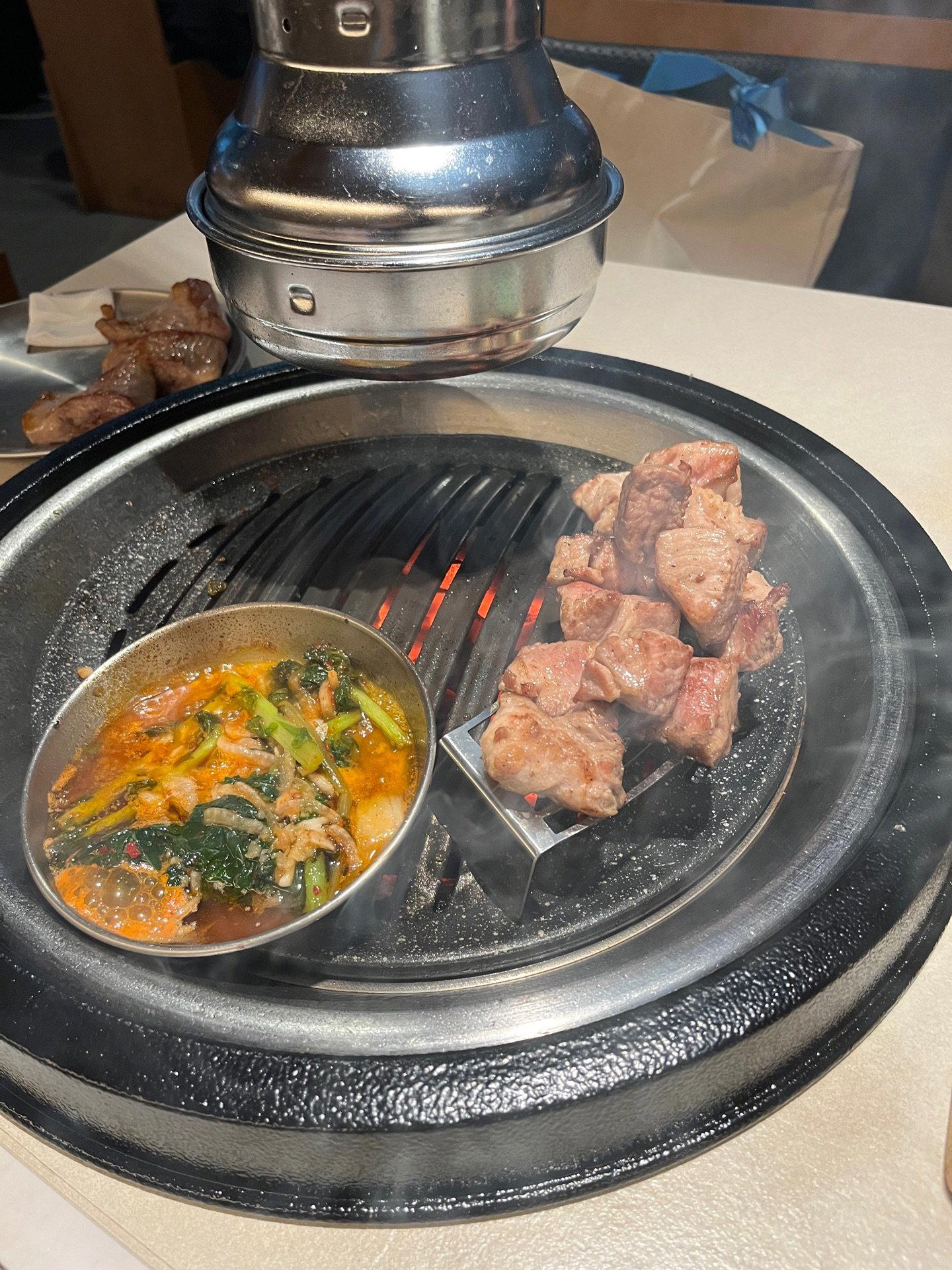
Seocho's Barbecue Register: Where the Grill Becomes the Occasion
Korean barbecue has always operated on a spectrum. At one end, the category is street-level and communal, measured in shared plates and beer bottles. At the other, it tips into deliberate occasion dining, where the cuts are premium, the service is attentive, and the smoke-filled room is understood to mark something. BBQ Yul in Seoul sits in Seocho-dong, a residential-commercial pocket of Seocho District that has quietly accumulated a concentration of restaurants where the latter register is the norm. The address at 1330-14 Seocho-dong places it within a short distance of the Gangnam corridor, an area where diners arrive with expectations shaped by a broader competitive field that now includes Michelin-listed Korean dining across multiple formats.
That context matters when reading BBQ Yul. Seocho is not Itaewon, where experimental formats draw international food press, nor is it Insadong, where tradition operates as spectacle. It is a district where the local clientele sets the standard, and where a barbecue restaurant that wants to hold their attention must offer more than competent grilling. The tableside format carries its own built-in drama — fire, smoke, tongs, the slow rendering of fat — and the question for any serious Korean BBQ house is whether the sourcing and service are strong enough to frame that theatre as intentional rather than incidental.
The Occasion Architecture of Korean Barbecue
Across Seoul's premium dining tier, the special-occasion meal has diversified considerably. Mingles approaches Korean ingredients through a fine-dining lens. Jungsik offers a contemporary Korean tasting format that reads closer to European gastronomic tradition. Kwonsooksoo works within a refined hanshik framework. Each of these captures a different version of what a meaningful Seoul meal can look like. Korean barbecue, in its premium form, captures something none of them quite replicate: the meal as shared physical activity, where the table becomes a production surface and the eating is inseparable from the cooking.
That dynamic is why Korean BBQ retains occasion-meal currency even as Seoul's fine-dining scene has grown more sophisticated. A birthday dinner, a business celebration, or a family gathering maps better onto a format where everyone at the table has a role than onto a silent tasting menu counter. At 권숙수 in Gangnam-gu, the hanshik framework places refinement at the center. At a well-run Korean barbecue house, the refinement is present but the energy is different, more convivial, more tactile, better suited to groups marking a moment together.
Internationally, this dynamic plays out elsewhere. At Le Bernardin in New York City, occasion dining is structured through formality and precision. At Atomix, also in New York, the Korean fine-dining format creates ceremonial weight through plating and narration. Korean BBQ in its premium Seoul form achieves something adjacent but through different means: warmth over ceremony, participation over observation. These are not competing values; they serve different occasion types.
Locating BBQ Yul in the Seocho Field
The Seocho and Gangnam corridors house some of Seoul's most competitive restaurant real estate. Within the Korean dining segment, venues like Gaon operate at the most formal end of the hanshik tradition, while the field narrows considerably when you focus on grilled-meat specialists who are trying to work at a premium tier. For that subset, the pressure comes from multiple directions: sourcing expectations have risen as Korean wagyu-grade beef has become more available, banchan programs are now read as indicators of kitchen seriousness, and the physical environment is understood to carry weight for guests who are paying above the neighbourhood average.
BBQ Yul's Seocho-dong location places it in a district that rewards this kind of positioning. Residents and office workers in this part of Seoul are accustomed to restaurants where the price point is justified by quality rather than just address. For visitors to the city, Seocho is accessible and sits logically within a broader Gangnam-area itinerary that might also include Soigné or alla prima for the innovative segment, or Onjium for a more traditional Korean reference point.
Beyond Seoul, Korean barbecue holds a distinct place in the broader South Korean dining geography. Mori in Busan represents how southern Korean cities have developed their own premium dining registers, while Baegyangsa Temple in Jangseong-gun shows the range of meaningful food experiences available outside the capital. Seoul's advantage in the BBQ category is infrastructure: the concentration of premium suppliers, the density of practiced grillmasters, and the dining culture that treats a good barbecue house as a legitimate venue for serious occasions.
Planning a Visit
BBQ Yul's address at 1330-14 Seocho-dong, Seocho District, Seoul is accessible from the Gangnam and Express Bus Terminal subway hubs, making it direct to reach from most central Seoul accommodation. For guests building an extended Seoul dining itinerary, our full Seoul restaurants guide covers the broader field, while our Seoul hotels guide maps the city's accommodation options by district. Those planning evenings around cocktails or wine should also consult our Seoul bars guide.
For occasion meals at Korean BBQ houses in this district, advance reservation is advisable, particularly for weekend evenings and group bookings. Seocho's premium BBQ tier operates with more limited capacity than casual chains, and the format works well when the room isn't rushed. Arriving as a complete party, communicating dietary restrictions at the time of booking, and allowing adequate time, two hours minimum for a full premium BBQ experience, are the practical baselines. Groups celebrating milestones should note that the tableside format accommodates toasts and conversation in a way that tasting-menu counters do not.
Seoul's Korean dining field at the Michelin level now includes contemporary Korean specialists like Mingles, innovative formats at alla prima, and fusion-oriented venues at the ₩₩₩₩ tier. BBQ Yul occupies a different register within this field, one where the cooking format itself is the occasion, the table is shared rather than individual, and the evening is structured around participation. For a city that has developed one of the world's most sophisticated dining cultures, that register remains essential. Our Seoul experiences guide and wineries guide offer additional planning resources for visitors building a full picture of what the city has to offer.
How BBQ Yul Seoul compares with similar nearby venues.
| Venue | Cuisine | Price |
|---|---|---|
| Budnamujip | Barbecue | ₩₩ |
| Limbyungjoo Sandong Kalguksu | Kalguksu | ₩ |
At a Glance
- Cozy
- Modern
- Warm
- Date Night
- Group Dining
- Casual Hangout
- Open Kitchen
- Corkage Allowed
- Local Sourcing
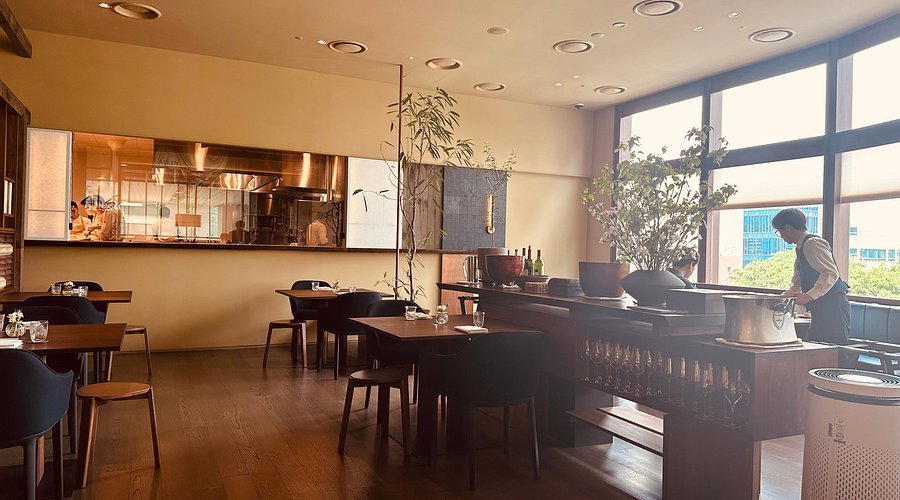
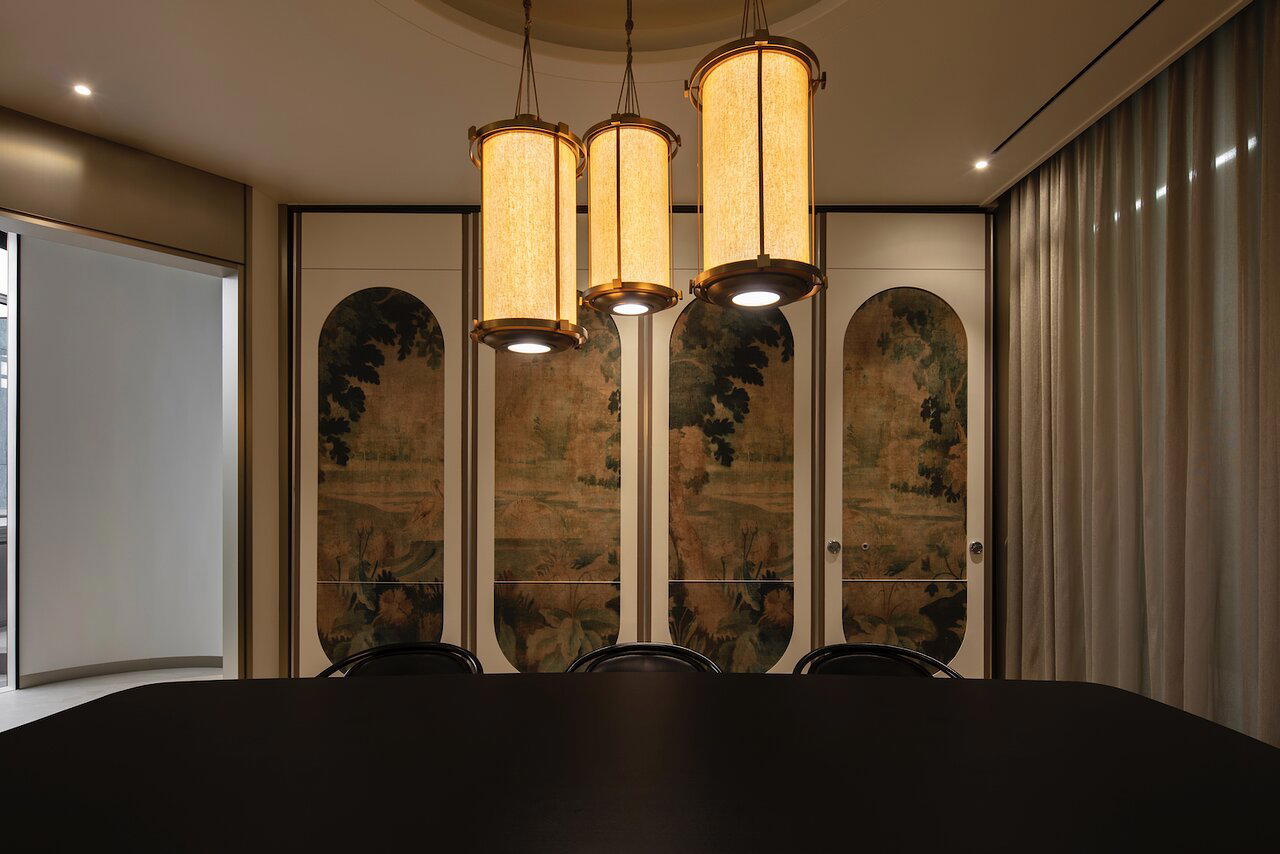
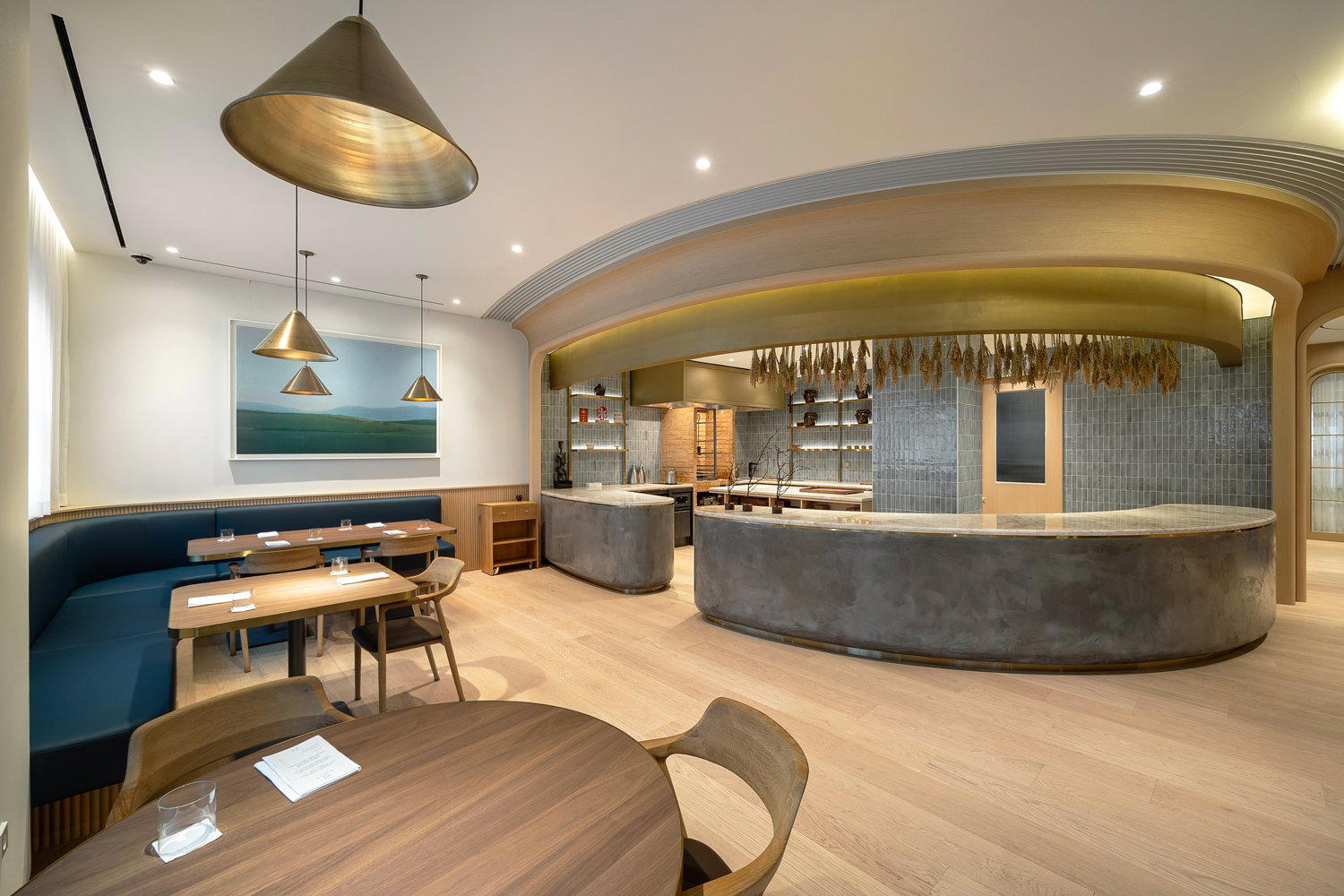
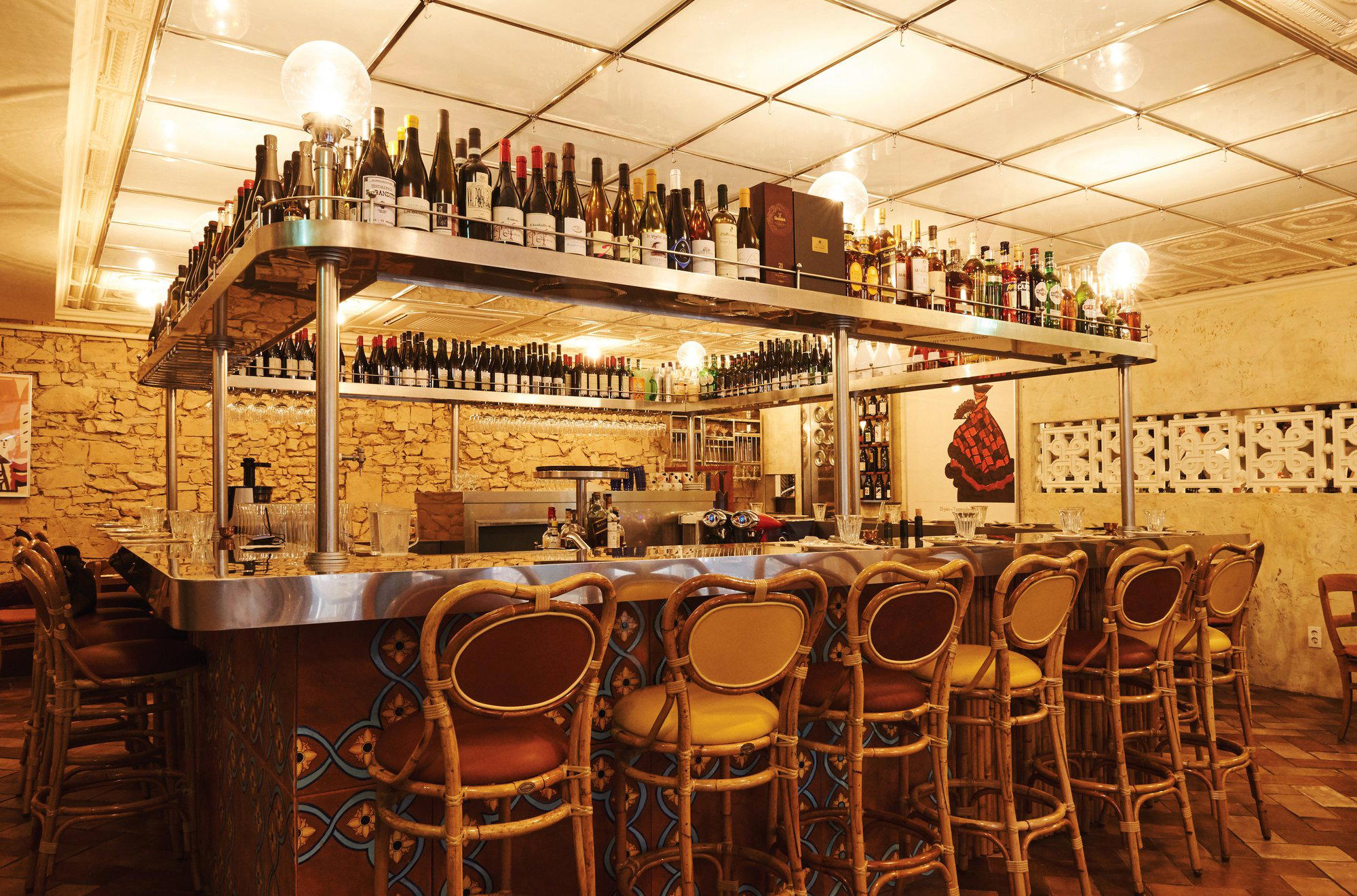
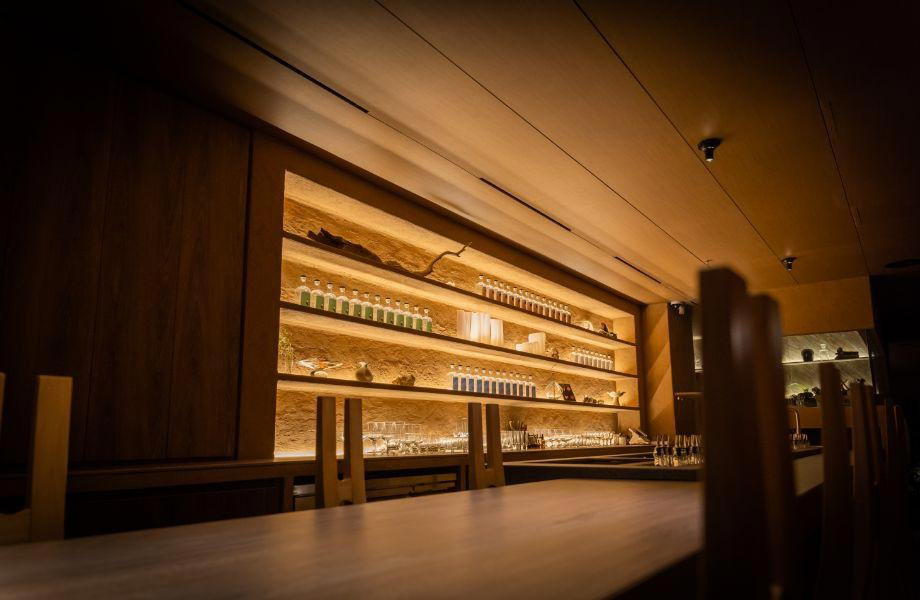
Warm wooden dining room with soft lighting and folding doors opening to terrace-like area
Know Before You Go
- Getting there
- 1330-14 Seocho-dong, Seocho District, Seoul, South Korea