Hyodo Chicken

Hyodo Chicken occupies a specific place in Seoul's chicken-focused dining culture, where the ritual of the meal matters as much as the bird itself. The format here belongs to a tradition that prizes technique, pacing, and the social choreography of Korean table customs. For visitors mapping Seoul's less-documented dining registers, it represents a different entry point from the city's fine-dining corridor.
Pearl is the En Primeur Club membership app — saves, bookings, and concierge access live there. Same editors, same standards.
- Address
- 21번지 Dosan-daero 46-gil, Gangnam District, Seoul, South Korea
- Phone
- +82 2-518-0628
- Website
- hyodochicken.net
- Directions
- Get directions
 Saves & bookings on Pearl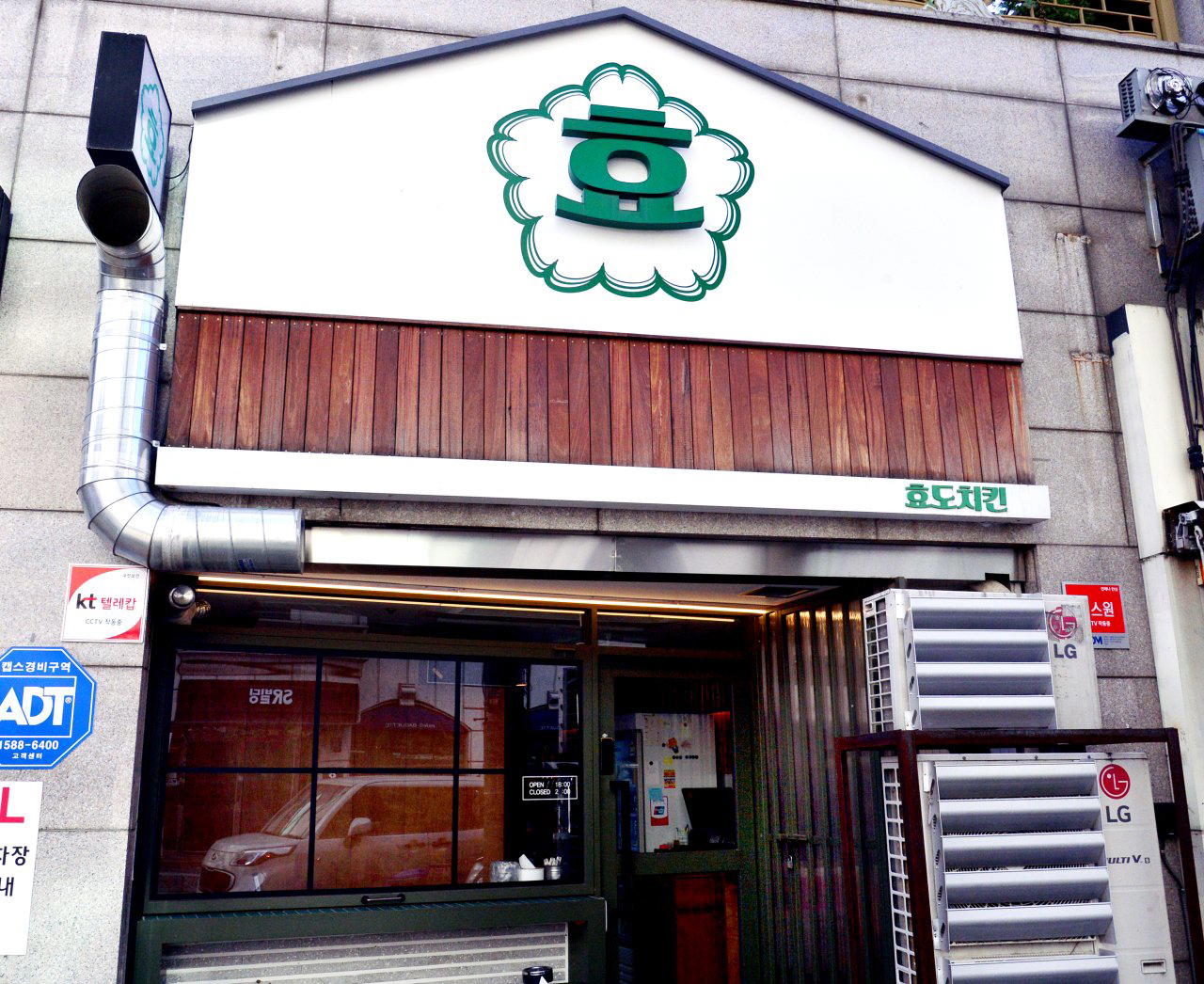
The Ritual Before the First Bite
Seoul's chicken restaurants operate along a spectrum that most visitors never fully read. At one end sit the fried chicken delivery chains that define the city's late-night economy. At the other sits a quieter, more deliberate category: places where chicken is treated as a primary subject rather than a casual convenience. Hyodo Chicken belongs to this second register, where the rhythm of the meal, the sequencing of courses or cuts, and the customs around the table carry as much meaning as the cooking itself.
Korean dining has always placed weight on the collective act of eating. Dishes arrive at the table in a particular order, banchan creates a peripheral map around the central protein, and the pace is set by the group rather than the kitchen. At a specialist chicken restaurant in Seoul, this structure takes on its own character. The bird arrives whole or in specific portions, and the expectation is that diners work through it with attention, not speed. That unhurried approach is built into the format rather than enforced by the staff.
Where Hyodo Chicken Sits in Seoul's Dining Architecture
Seoul's dining scene has split over the past decade into two clearly readable tiers. The fine-dining corridor, anchored by places like Mingles, Jungsik, and Kwonsooksoo, competes on Michelin recognition and tasting-menu ambition. Below that tier, and operating by entirely different rules, sits the traditional and specialist restaurant culture that Seoulites actually visit most often. Hyodo Chicken operates in this second space, where credibility comes from consistency and neighbourhood loyalty rather than from award cycles.
That positioning is relevant for visitors. Restaurants like Soigné and alla prima attract a global audience primed for innovation. Hyodo Chicken attracts a different kind of attention: diners interested in what Seoul eats on its own terms, without the interpretive layer of a tasting menu or a chef's cross-cultural thesis. The chicken specialist category sits alongside Korea's broader culture of protein-focused restaurants, a tradition well represented in institutions like Gobojeong Galbi #1 in Suwon and the pork-centric dining culture of 88돼지 in Jeju.
The Dining Ritual at a Seoul Chicken Specialist
Understanding how a meal unfolds at this category of Seoul restaurant matters more than the menu specifics. Korean chicken dining, particularly at restaurants with a distinct house preparation, follows conventions that reward patience. The bird is typically prepared to order or in small batches, which means the wait is structural, not incidental. That interval is usually filled with banchan, simple accompaniments that set the table's flavour baseline before the main event arrives.
The social choreography is worth noting for first-time visitors. Pouring drinks for others before yourself, waiting for the table's eldest to begin eating, and keeping the table cleared of bones and debris mid-meal are all conventions that signal engagement with the format. These aren't rules enforced at the door, but they're observed by regulars and appreciated by staff. Visiting Hyodo Chicken with some awareness of this framework produces a different experience than arriving without it.
For Korean chicken restaurants specifically, the question of accompaniment is significant. Dongchimi (radish water kimchi) or pickled radish cubes are the traditional counterpoint to the richness of the bird, providing acidity to cut through whatever fat the preparation carries. Cold beer or soju is the standard pairing, and the combination of fried or roasted chicken with cold beer has its own cultural identity in Korea: chimaek, a portmanteau of chicken and maekju (beer), is a social ritual that extends well beyond any individual restaurant.
Seoul's Broader Chicken Culture in Context
South Korea's relationship with chicken as a culinary subject is more complex than its international reputation for fried delivery chains suggests. Regional preparations vary considerably: Andong jjimdak, a braised preparation from the North Gyeongsang region, carries soy, garlic, and chilli in a format designed for long, communal eating. Samgyetang, ginseng chicken soup, is considered restorative medicine as much as food. And specialist roasted or grilled chicken restaurants operate under different conventions again, where the preparation is slower and the flavour profile less dependent on batter or oil.
Hyodo Chicken occupies one corner of this broader map. The name and positioning suggest a house method that has developed enough local recognition to sustain a named restaurant rather than a generic fried chicken shop. In Seoul's dense restaurant market, that kind of specialisation is a competitive signal in itself. Comparable examples of Korean specialty protein culture can be found in restaurants like Black Pork BBQ in Seogwipo and Doosoogobang in Suwon, each of which has built a following around a specific preparation rather than a broad menu.
Planning Your Visit
Venue-specific operational details for Hyodo Chicken, including current address, hours, pricing, and booking requirements, are not confirmed in available records and should be verified directly before travel. Seoul restaurants in this category frequently change hours by season and may close on specific days of the week. Seoul's public transport network connects most neighbourhoods efficiently, making neighbourhood-level research more useful than fixed directions. Cross-referencing with current local review platforms or the restaurant's own channels before arrival is advisable.
For visitors building a broader Seoul itinerary, Hyodo Chicken fits logically alongside other neighbourhood-anchored restaurants rather than the city's destination dining corridor. Our full Seoul restaurants guide maps the city's dining geography in more detail. Travellers with interest in Korea's regional food cultures might also consider Mori in Busan, Badang Lounge in Jeju, or Hwangnam Bread and Busan Steamed Bun in Gyeongju for a fuller read of how Korean food culture operates outside the capital. For international points of comparison in the premium chicken and protein-specialist category, Le Bernardin in New York City demonstrates how single-ingredient focus can define a restaurant's entire identity, while Atomix shows how Korean culinary traditions are being reframed for international audiences. The Dining Room in Busan and Gyeongju Wonjo Kongguk round out a picture of how regional Korean restaurant culture maintains its own logic independent of Seoul's fine-dining gravitational pull. The Hinode restaurant in Jeju similarly reflects how Japanese-Korean culinary crossover operates in island contexts.
Cuisine Lens
Comparable venues nearby, for context on price, style, and recognition.
| Venue | Cuisine | Price | Notes |
|---|---|---|---|
| Hyodo ChickenThis venue — the venue you are viewing | Korean Fried Chicken | $$ | Not listed |
| Mongvely 2 Myeongdong Korean BBQ restaurant kbbq Beef All You Can Eat | All-You-Can-Eat Korean BBQ | $$ | Sajik-dong |
| 태조감자국 | Traditional Korean Gamjatang | $$ | Dongseon-dong / Seongbuk-gu |
| 박가네빈대떡 | 전통 녹두빈대떡 전문점 | $$ | 광장시장 |
| BBQ Yul | Premium Aged Pork Korean BBQ | $$ | 서초동 |
| Eunjujeong (은주정) | Traditional Korean Kimchi Jjigae | $$ | Jung-gu |
Recognition history
Dated appearances from independent guides and award organizations, with the underlying list record or original source where available.
Opinionated About Dining Casual in Asia Ranked #79
Opinionated About Dining

At a Glance
- Casual
- Trendy
- Casual Hangout
- Group Dining
- Late Night
- Beer Program
Current opening hours
- Monday
- 11:30 AM–12:30 AM
- Tuesday
- 11:30 AM–12:30 AM
- Wednesday
- 11:30 AM–12:30 AM
- Thursday
- 11:30 AM–12:30 AM
- Friday
- 11:30 AM–12:30 AM
- Saturday
- 1 PM–12:30 AM
- Sunday
- 12 PM–12:30 AM
Hours can change for holidays and private events. Last verified .
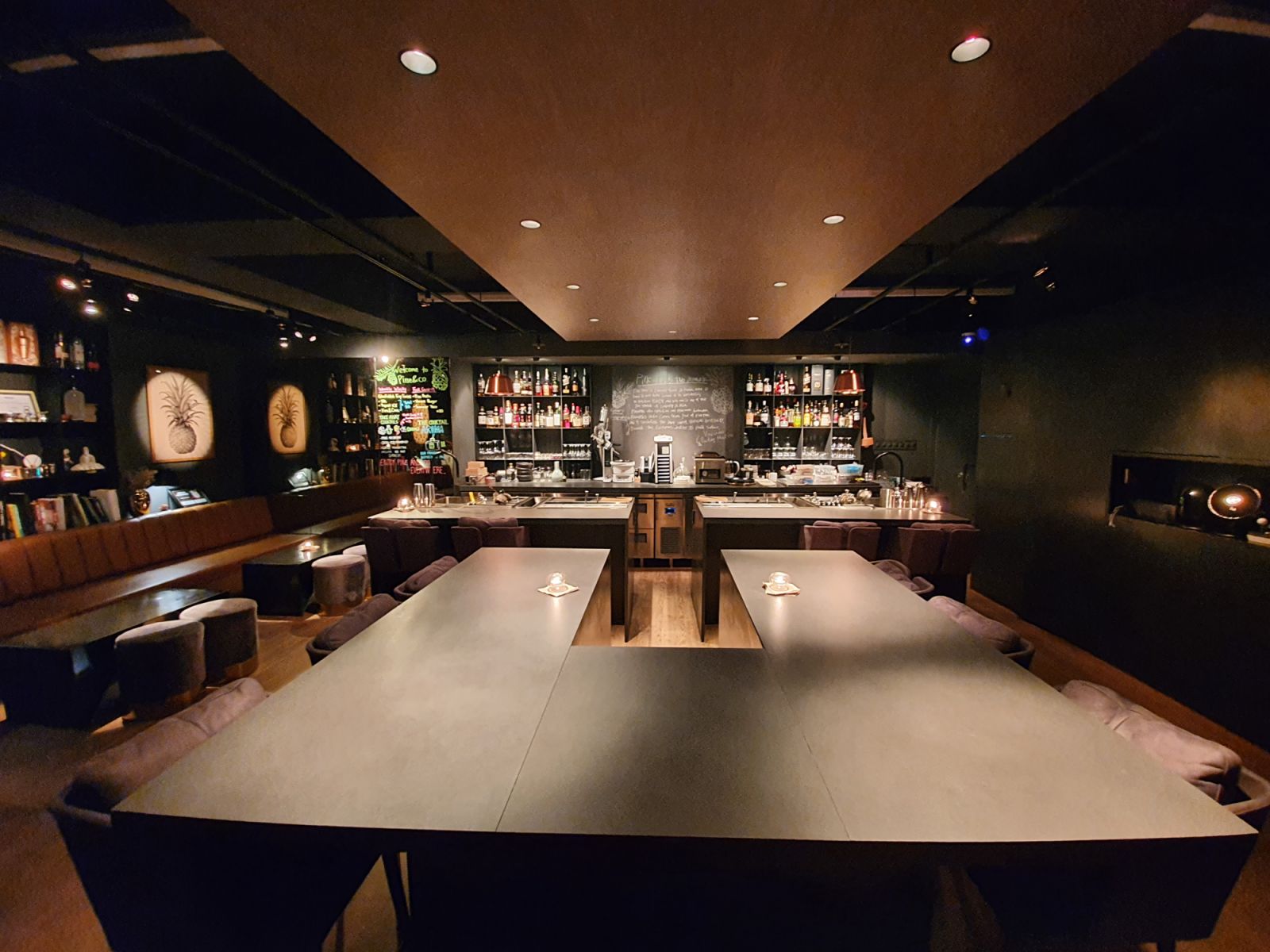
Casual and unassuming atmosphere well-suited for enjoying crispy fried chicken with beer in a lively chimaek setting.
Know Before You Go
- Getting there
- 21번지 Dosan-daero 46-gil, Gangnam District, Seoul, South Korea