
Skip to Main Content
← Collection
Gangneung, South Korea

Double T Dining

LocationGangneung, South Korea
Star Wine List

Double T Dining occupies the third floor of a building on Chodangsundubu-gil in Gangneung, placing it squarely in one of South Korea's most ingredient-specific dining corridors. The restaurant earned a White Star recognition from Star Wine List in September 2025, signalling a wine program with editorial credibility. For Gangneung visitors looking beyond the city's well-trodden sundubu trail, it represents a considered dining option with documented critical attention.

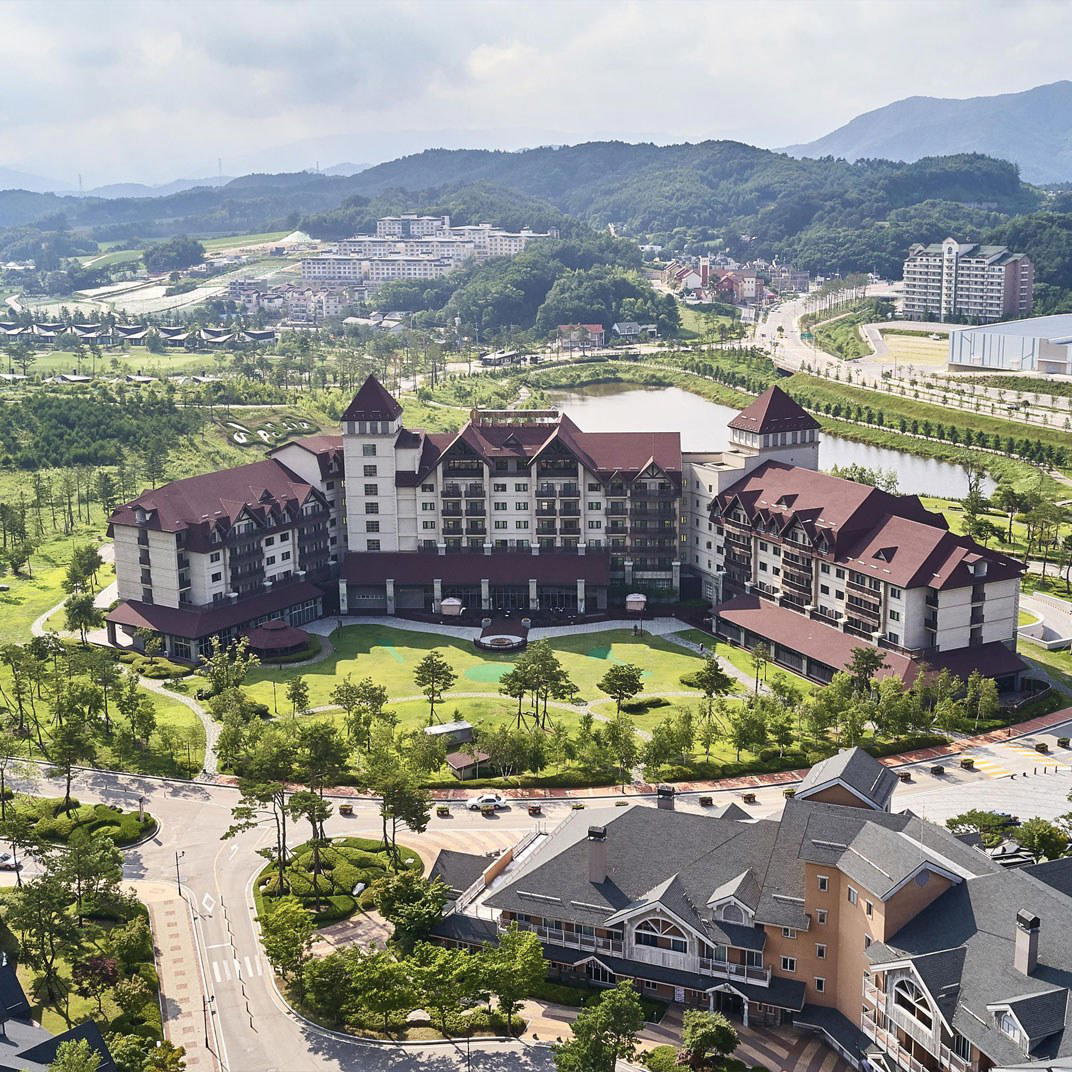
Double T Dining restaurant in Gangneung, South Korea
About

Gangneung's Ingredient Logic and Where Double T Dining Sits Within It

Gangneung has spent the past decade building a culinary identity that most South Korean cities would struggle to replicate: proximity to the East Sea, a limestone-filtered water table responsible for the region's famous soft tofu, and agricultural land that transitions quickly from coastal flatlands to the foothills of the Taebaek Mountains. That layered geography produces ingredients with specific character, and the restaurants that understand this tend to let sourcing do the argumentative work on the plate. Double T Dining sits on Chodangsundubu-gil, the lane that takes its name from the tofu tradition itself, which means the address is not incidental. It positions the restaurant inside a neighbourhood whose entire culinary reputation rests on the quality of what is grown, caught, and processed nearby. For a broader picture of what Gangneung's dining scene currently offers, see our full Gangneung restaurants guide.

The Third Floor as a Deliberate Remove

Approach Double T Dining and the building's street-level context tells part of the story. The restaurant occupies the third floor, a placement common among Korean dining operations that want separation from pedestrian foot traffic without retreating entirely from neighbourhood energy. From that elevation, the surrounding streets of Gangneung's older commercial fabric become a backdrop rather than a distraction. The physical remove signals something about the experience inside: this is not a casual drop-in counter. It requires a decision to climb, and that small friction tends to filter the clientele toward guests who have sought the place out specifically.

Gangneung's premium dining tier has grown steadily since the 2018 Winter Olympics brought infrastructure investment and national media attention to the city. Restaurants in this environment now operate against a dual expectation: they are expected to foreground local ingredients because the region's sourcing story is internationally legible, and they are expected to execute at a level that justifies the visit from Seoul or Busan, a journey of roughly two hours by KTX. Double T Dining's White Star recognition from Star Wine List, published in September 2025, adds a specific credential to this context. The White Star is awarded to wine programs with editorial merit, which positions the restaurant within a smaller subset of Gangneung operations where the beverage program carries weight alongside the food.

Why Ingredient Sourcing Defines the Chodangsundubu-gil Address

The lane itself is worth understanding as a culinary frame. Chodong, the neighbourhood from which the street takes its name, has been associated with sundubu production for centuries, the soft tofu made using sea water drawn from the East Sea and the exceptionally low-mineral spring water of the area. That combination produces a texture and flavour profile that tofu made with conventional water cannot replicate, which is why the dish became a protected regional identity rather than simply a menu item. Restaurants on and around this street inherit that association whether they serve sundubu directly or not. The sourcing culture embedded in the address tends to set expectations: ingredients should have provenance, and that provenance should be local and specific.

This pattern appears consistently across South Korea's most credible regional dining destinations. At Mingles in Seoul, the argument is built around fermentation and Korean pantry depth. At Mori in Busan, proximity to the port defines what arrives on the counter. In Gangneung, the equivalent anchor is the coastal and agricultural supply chain that feeds the Chodong corridor. Restaurants that connect explicitly to that chain, in address, in sourcing, or in menu logic, tend to read more coherently to guests who understand the region. Similarly, temple food traditions in Baegyangsa Temple in Jangseong-gun demonstrate how deeply ingredient origin shapes the entire character of a Korean dining experience when handled with seriousness.

The Wine Program as a Differentiator in a Food-First City

Gangneung's dining identity has historically been framed around food rather than wine, which makes Double T Dining's White Star recognition from Star Wine List a meaningful differentiator. Most of the city's celebrated restaurants, particularly those built around sundubu, makgeolli, or seafood preparations, do not operate with wine programs substantial enough to attract specialist editorial attention. A White Star signals that the cellar or list has been curated with enough depth and coherence to merit recognition alongside the food offer. This places Double T Dining in a niche peer set within Gangneung, closer in beverage ambition to the kind of contemporary Korean restaurants that appear in Seoul's Gangnam district, such as 권숙수 - Kwon Sook Soo in Gangnam-gu, than to the regional canteens that dominate the Chodong area at street level.

For visitors planning around wine-forward dining in South Korea more broadly, our full Gangneung bars guide provides context on where the city's beverage culture has developed beyond the food table. The Gangneung wineries guide covers the emerging domestic wine production in the surrounding Gangwon-do province, which is relevant background for understanding why wine programming in this region carries increasing editorial interest.

Placing Double T Dining in the Wider Korean Dining Conversation

Korea's contemporary restaurant scene has developed a recognisable grammar over the past decade: rigorous sourcing, technically precise execution, and beverage programs that have grown from afterthought to editorial subject. Restaurants such as 더 플라잉 호그 - The Flying Hog in Seogwipo and Pool House in Incheon demonstrate how regional cities outside Seoul have built dining operations with enough specificity and credential to attract visitors making deliberate detours. Double T Dining fits this pattern in Gangneung, a city where the ingredient story is strong enough to support restaurants that build their identity around it rather than around imported culinary frameworks.

For visitors arriving from Seoul by KTX, Gangneung Station sits approximately four kilometres from Chodangsundubu-gil, manageable by taxi or the local bus network. The Star Wine List recognition was published in September 2025, making it a recent credential. Booking logistics, hours, and price specifics are not confirmed in available data, so direct contact via the restaurant's current channels is the appropriate route for reservation planning. Those extending a Gangneung visit should also consult our Gangneung hotels guide and experiences guide for context on the wider itinerary.

Frequently Asked Questions

Is Double T Dining okay with children?
Given its third-floor positioning in a neighbourhood associated with premium dining and a wine program with specialist recognition, Double T Dining reads as an adult-oriented destination rather than a family canteen, though no formal policy is confirmed in available data.
What is the overall feel of Double T Dining?
It occupies a considered position within Gangneung's dining scene: a restaurant on the city's most ingredient-storied street, with a wine credential published in late 2025 that places it above the casual tier. The combination of address, elevation, and beverage recognition suggests a deliberate dining experience rather than a neighbourhood drop-in.
What dish is Double T Dining famous for?
Specific signature dishes are not confirmed in available records. What the Star Wine List White Star credential signals is a kitchen operating at a level where the food and wine program are both taken seriously, placing it within the cohort of Korean restaurants where technique and sourcing are the primary argument on the plate.
What is the leading way to book Double T Dining?
If Double T Dining operates at the level suggested by its Star Wine List recognition in a city like Gangneung, where the premium dining tier is small and reservation windows can be tight, contacting the restaurant directly as early as possible is the practical approach. No booking platform or phone number is confirmed in current data.
What do critics highlight about Double T Dining?
The documented critical recognition comes from Star Wine List, which awarded the restaurant a White Star in September 2025. This signals editorial endorsement of the wine program specifically. No additional named critical assessments are confirmed, but for comparative context on how critics approach Korean regional dining, see Mingles in Seoul or internationally recognised fine dining benchmarks such as Le Bernardin in New York City and Alinea in Chicago.

Comparable Spots, Quickly

These are the closest comparables we have in our database for quick context.

Collector Access

Need a table?

Our members enjoy priority alerts and concierge-led booking support for the world's most difficult tables.

Get Exclusive Access