더 플라잉 호그 - The Flying Hog

A Korean fusion restaurant in Seogwipo holding consecutive La Liste Top Restaurants recognition (76pts in 2026, 76.5pts in 2025), The Flying Hog sits at a tier where Jeju's volcanic terroir and Korea's banchan tradition intersect with contemporary technique. For travellers moving beyond Seoul's fine-dining circuit, it represents a credible reason to extend time on the island's south coast.
Pearl is the En Primeur Club membership app — saves, bookings, and concierge access live there. Same editors, same standards.
- Address
- 더 플라잉 호그 - The Flying Hog, Seogwipo-si, South Korea
- Website
- laliste.com
- Directions
- Get directions
 Saves & bookings on Pearl
Where Jeju's South Coast Meets the Korean Fusion Table
Seogwipo occupies a different register from Jeju City. The south coast is slower, greener, and oriented around the sea-cliffs and tangerine groves that define the island's interior geography. The dining scene here has historically trailed the capital's concentration of recognised restaurants, but that gap has narrowed in recent years as chefs and restaurateurs have read Jeju's agricultural and oceanic identity as an asset rather than a limitation. The Flying Hog operates in that context: a Korean fusion address with back-to-back La Liste Leading Restaurants recognition, scoring 76 points in 2026 and 76.5 points in 2025, placing it inside a tier that the global guide treats as credible fine dining rather than regional curiosity.
La Liste's methodology draws on restaurant guide data from across multiple countries, meaning a score in the mid-seventies reflects a degree of international consensus rather than a single reviewer's visit. For a restaurant operating outside Seoul or Busan, that signal carries weight. Compare the Seoul end of Korea's La Liste cohort, where addresses like Gaon in Seoul and Kwon Sook Soo in Gangnam-gu anchor the upper bracket, and The Flying Hog's positioning becomes legible: it is not competing for stronger examples from that national hierarchy, but it is registered within it.
The Banchan Frame: Accompaniment as Argument
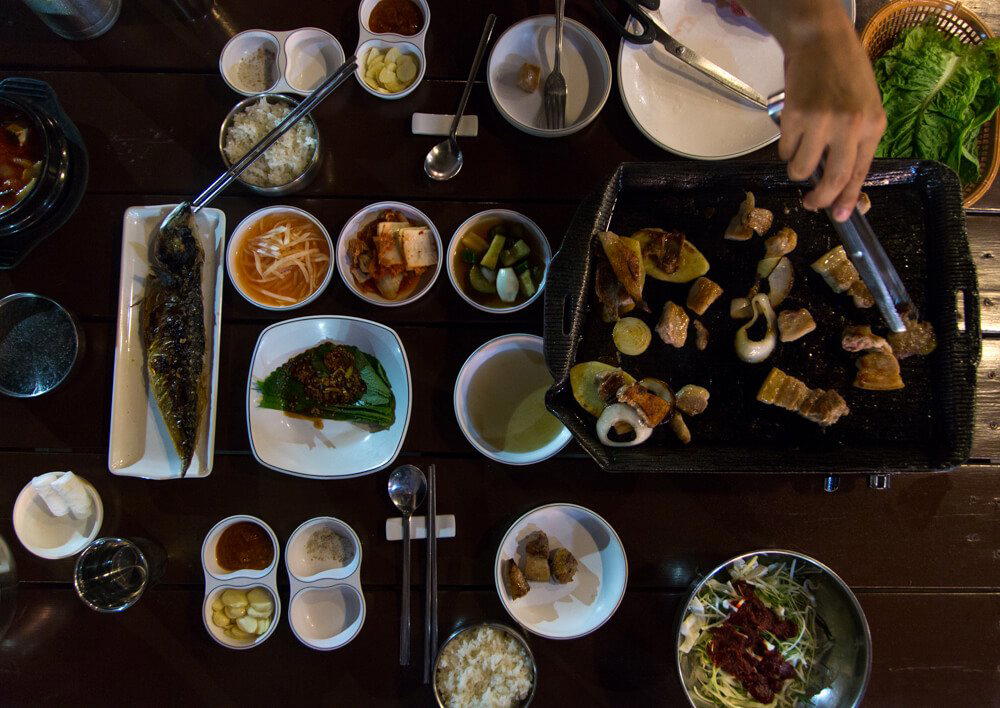
Korean fusion at this level is rarely just a matter of swapping ingredients. The more considered practitioners treat the structural logic of the Korean table, the way banchan functions not as garnish but as a parallel meal, each small dish a complete statement of technique and season, as the underlying grammar of the menu. Banchan's philosophical weight comes from its multiplicity: the idea that no single component dominates, that the table's meaning emerges from the accumulation of small, precise preparations. Fermented vegetables, braised proteins, seasoned greens, pickled roots: each dish is calibrated against the others rather than against a lone centrepiece.
Korean fusion kitchens that understand this tradition tend to apply it laterally, folding non-Korean ingredients or techniques into the same logic of careful, varied accompaniment rather than simply plating Korean flavours on European foundations. Restaurants like Mingles in Seoul have made that lateral translation a defining approach at the national level. Mori in Busan represents a different regional application of the same broad impulse. The Flying Hog's fusion designation suggests it is working somewhere along that spectrum, though the specific form of that translation is leading assessed at the table rather than in advance.
Seogwipo and the Case for Island Dining
The argument for eating well in Seogwipo rather than treating it purely as a scenic stop has grown more persuasive over the past decade. Jeju's black pig (heukdwaeji), its haenyeo-harvested seafood, its hallabong citrus, and its volcanic soil vegetables give chefs working here access to ingredients with a strong sense of place. That specificity is an advantage at the fusion end of the market, where the interest of a dish often depends on the legibility of its source material. The island's distance from the mainland has also allowed a slightly different dining culture to develop: less rushed, more attuned to the agricultural calendar, and increasingly confident about presenting Jeju produce as destination-grade rather than provincial.
For visitors building an itinerary around Seogwipo, the south coast offers a coherent food trip alongside its natural attractions. Checking our full Seogwipo restaurants guide will give a broader picture of the current scene, while our Seogwipo hotels guide covers accommodation options for those staying overnight rather than day-tripping from Jeju City. The bars, wineries, and experiences guides round out the picture for a longer stay.
Peer Context and What the Score Implies
A La Liste score in the mid-seventies places The Flying Hog in company that extends well beyond Korea. The guide's global cohort at this level includes restaurants recognised by Michelin and the World's 50 Best across multiple continents. Addresses like Le Bernardin in New York City, Atomix in New York City, 8½ Otto e Mezzo Bombana in Hong Kong, Alain Ducasse at Louis XV in Monte Carlo, Alléno Paris au Pavillon Ledoyen, and Aponiente in El Puerto de Santa María all sit within that broader La Liste universe. The comparison is not to suggest equivalence in format or price, but to illustrate that The Flying Hog is operating in a framework that takes international fine dining seriously as a reference point.
It does not substitute for a larger critical record, but it reinforces rather than contradicts the La Liste signal.
Other Korean addresses that occupy related positions in the broader fine-dining conversation include Baegyangsa Temple in Jangseong-gun, where temple food offers a different but equally serious reading of Korean culinary tradition, and addresses in the Lazy Bear in San Francisco mould, which share the collaborative, sequence-driven format that Korean fusion kitchens increasingly draw on. The point is that Korean cuisine at this tier is now operating in a genuinely international comparative frame, not only a domestic one.
Planning a Visit
The Flying Hog is located in Seogwipo-si on Jeju's south coast. Given the La Liste recognition and the 5.0 review average across its existing audience, securing a reservation before arriving in Seogwipo rather than attempting a walk-in is advisable. Jeju Island is accessible by air from Seoul (approximately one hour from Gimpo or Incheon), and Seogwipo is roughly a 30-40 minute drive from Jeju International Airport depending on route. The south coast rewards a night or two rather than a day trip, and the dining scene has enough depth now to justify treating Seogwipo as a destination in its own right rather than an appendix to a Jeju City itinerary. Emeril's in New Orleans and comparable destination-city restaurants have long benefited from the argument that the city justifies the trip; Seogwipo is beginning to build a version of that case on a smaller but coherent scale.
How It Stacks Up
Comparable venues nearby, for context on price, style, and recognition.
| Venue | Cuisine | Price | Notes |
|---|---|---|---|
| 더 플라잉 호그 - The Flying Hog | Modern Korean Wood-Fired Grill | $$$ | Seogwipo-si |
| Gudumi Pork BBQ | Jeju White Pork BBQ | $$ | Bomok-dong |
| Jeju Island Grill | Korean BBQ Grill | $$ | Taepyeong-ro |
| Jeju Korea black pork BBQ Nammaene Seogwipo Maeil Olle Market | Jeju Black Pork BBQ | $$ | Seogwipo |
| 오는정김밥 | Traditional Korean Kimbap | $ | 동문동 (Dongmun-dong) |
| Black Pork BBQ | Jeju Black Pork BBQ | $$ | Seogwipo-si |
Recognition history
Dated appearances from independent guides and award organizations, with the underlying list record or original source where available.
La Liste Top Restaurants
La Liste
La Liste Top Restaurants
La Liste
At a Glance
- Modern
- Scenic
- Elegant
- Cozy
- Date Night
- Special Occasion
- Celebration
- Open Kitchen
- Waterfront
- Extensive Wine List
- Local Sourcing
- Waterfront
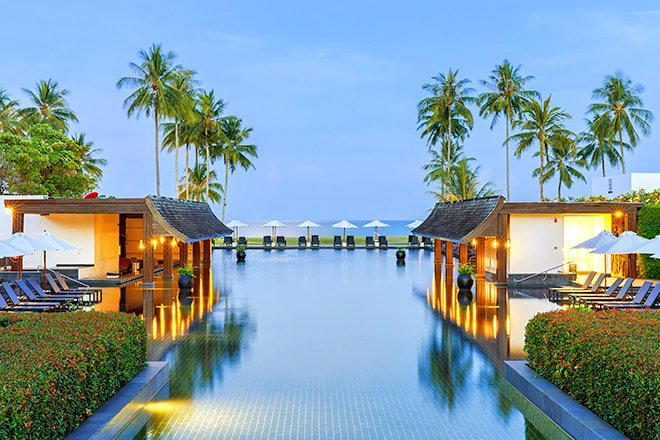
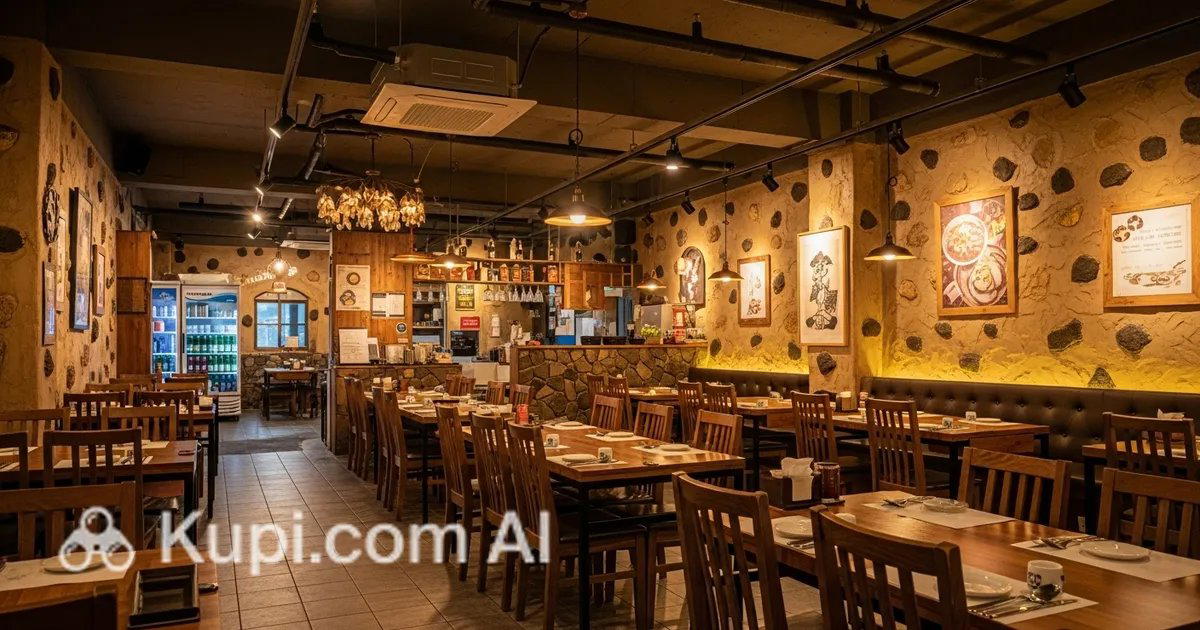
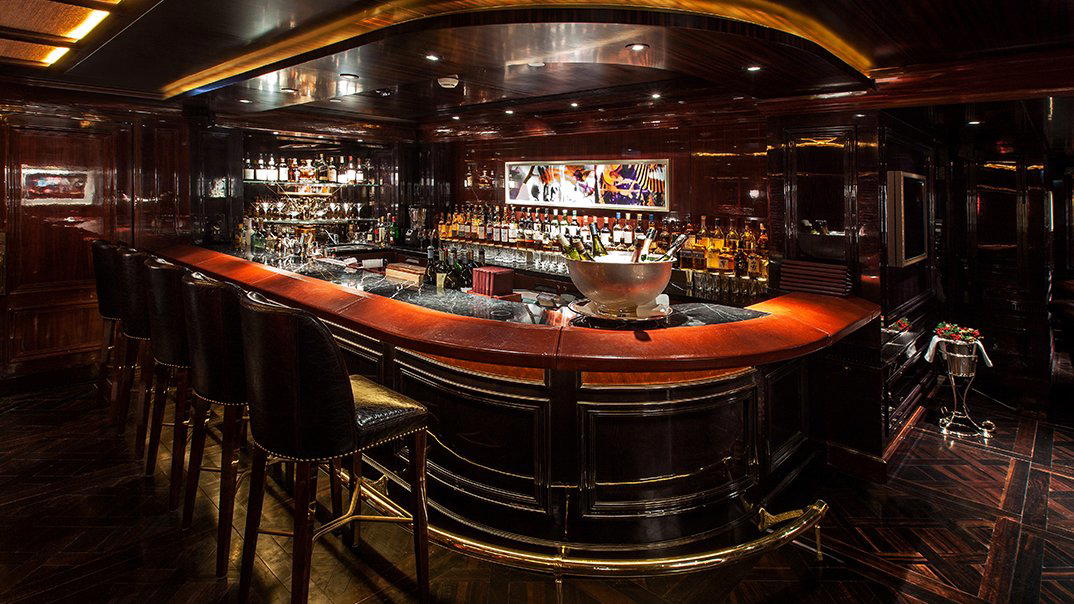
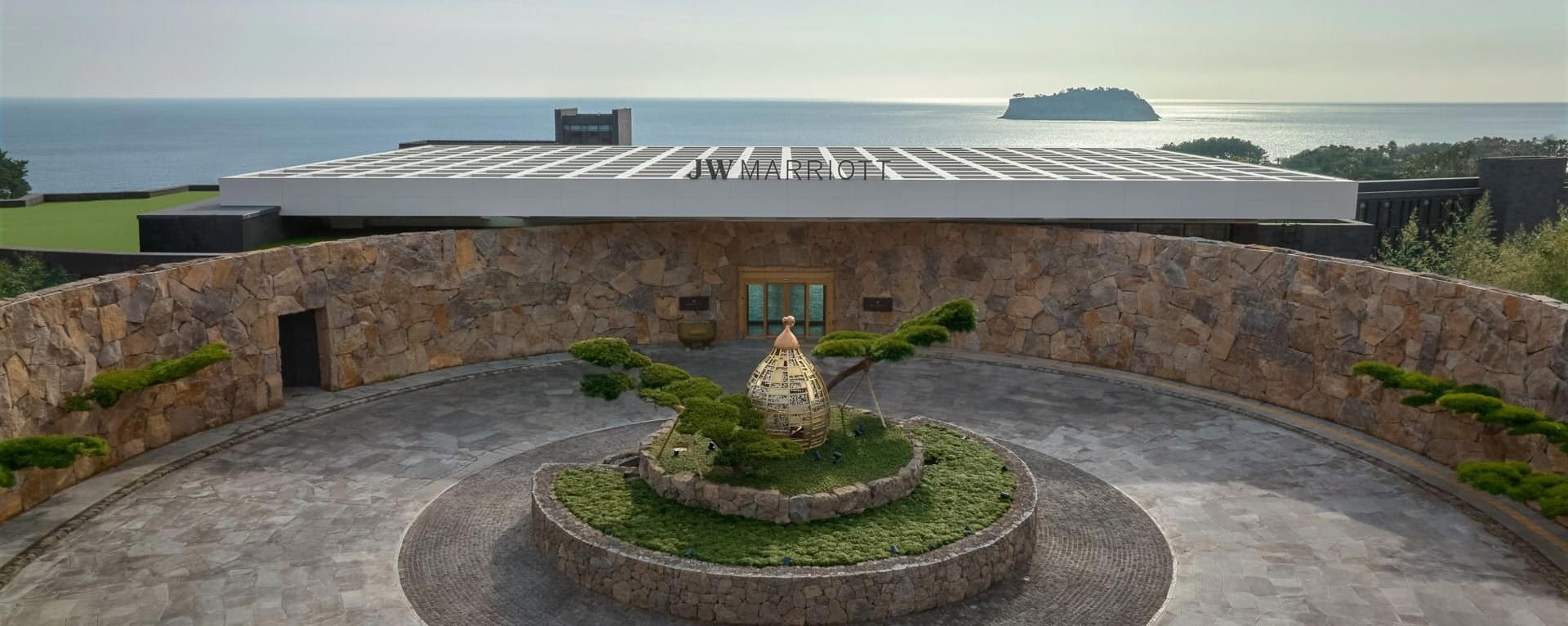
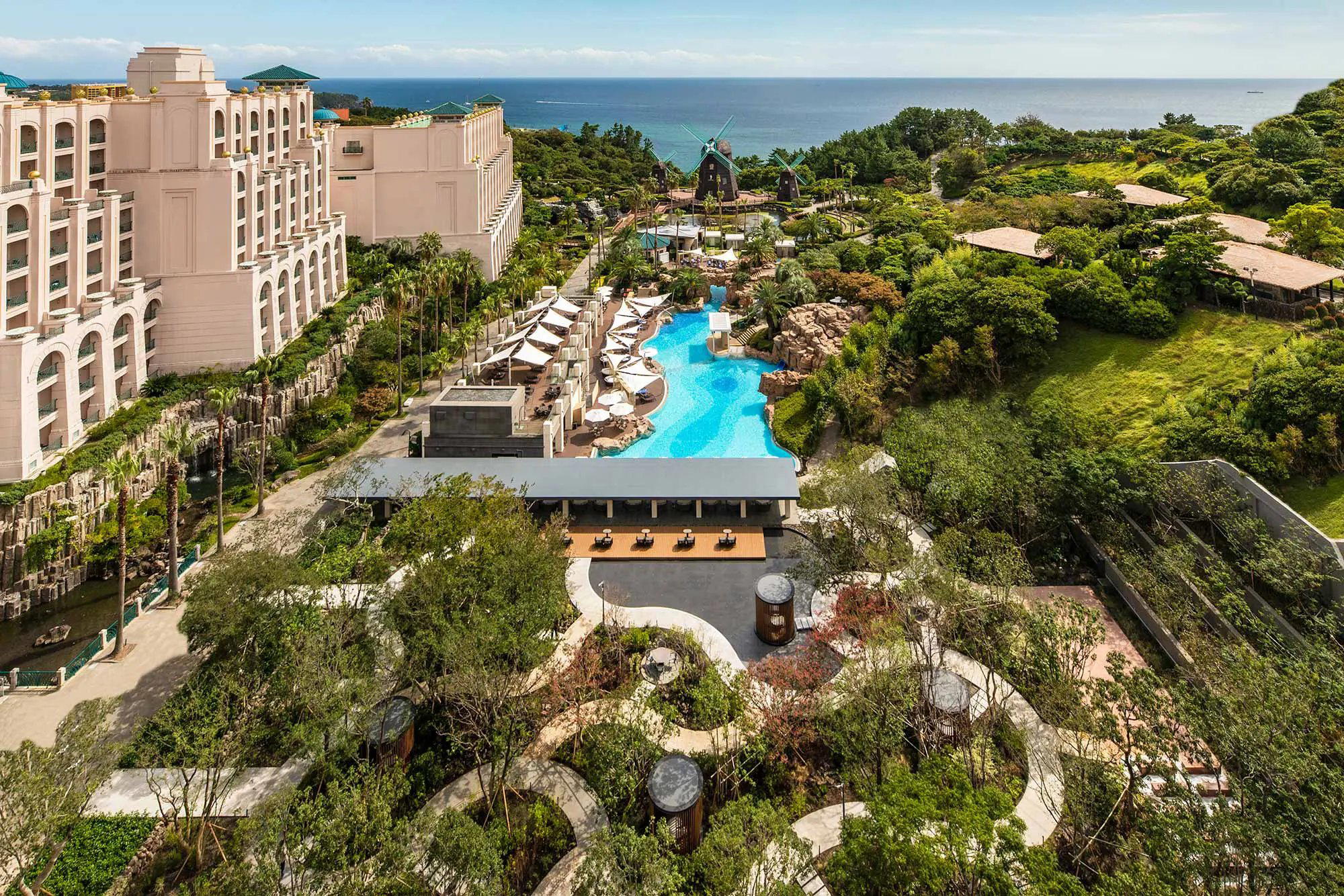
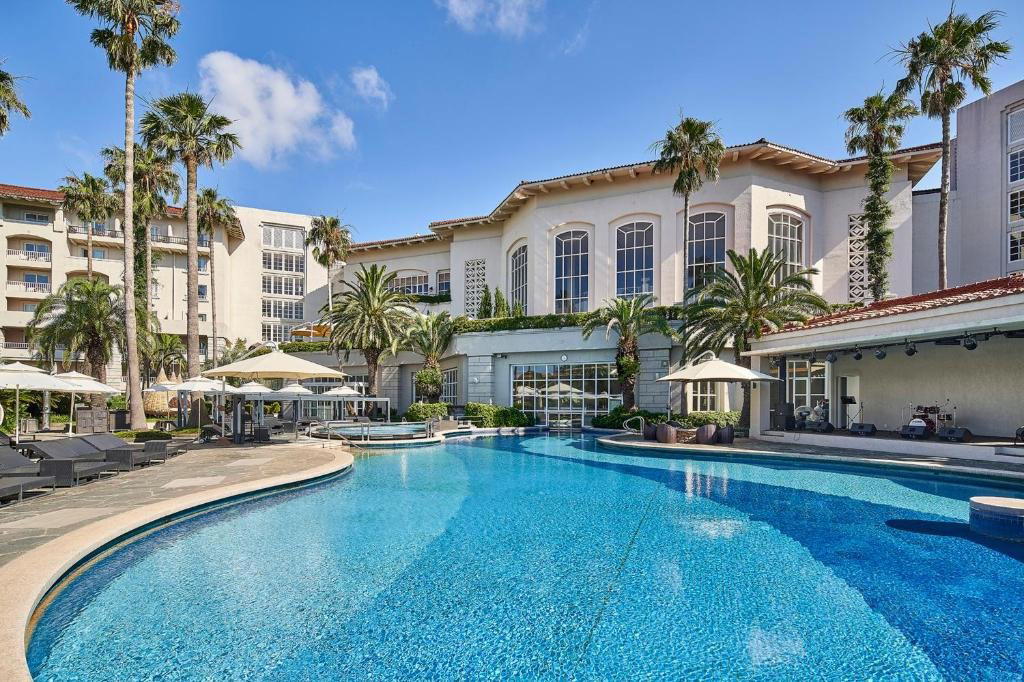
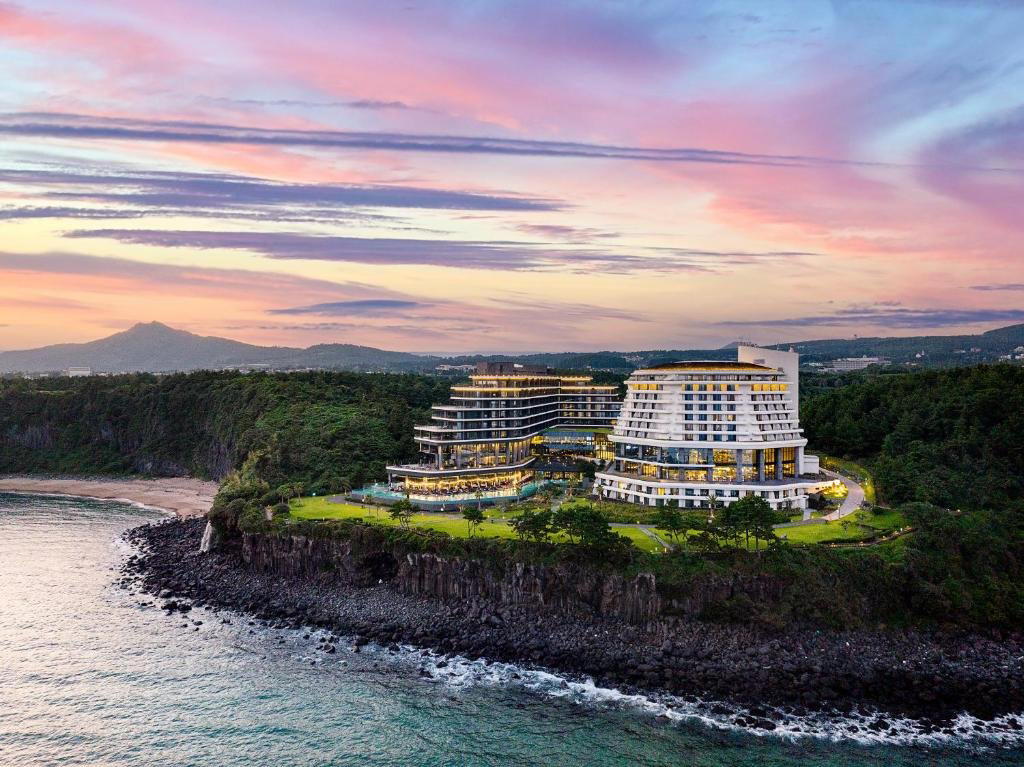
Warm wood accents, open kitchen sightlines to grills, large windows framing ocean vistas, intimate acoustic design with calm, refined atmosphere.