Palsun

La Liste Top Restaurants
Our verdict
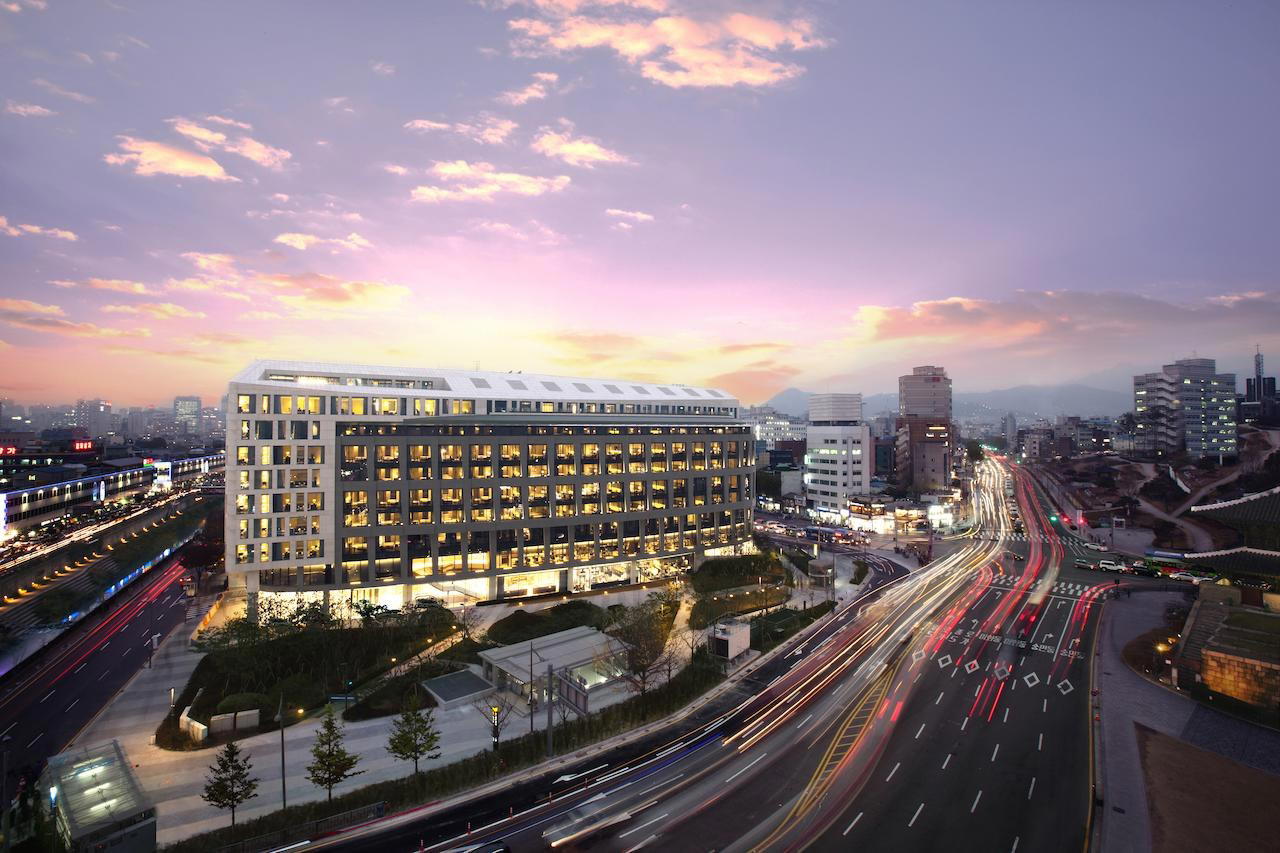
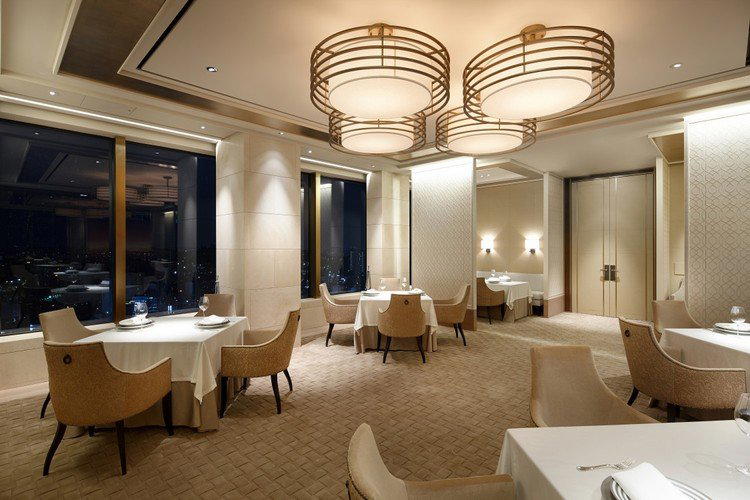
Palsun occupies the second floor of the Shilla Seoul, positioning itself among the most formally structured Korean fine dining rooms in the Jung District. For milestone dinners in Seoul, it competes directly with the city's most decorated Korean tables.

Pearl is the En Primeur Club membership app, where members save venues, book tables and use the concierge.
The menu
What to order
- Jjajangmyeon
- Beef Sweet and Sour Pork
- Sea Cucumber with Ginkgo
- Shark's Fin with Red Vinegar Sauce
The Weight of a Room Designed for Ceremony
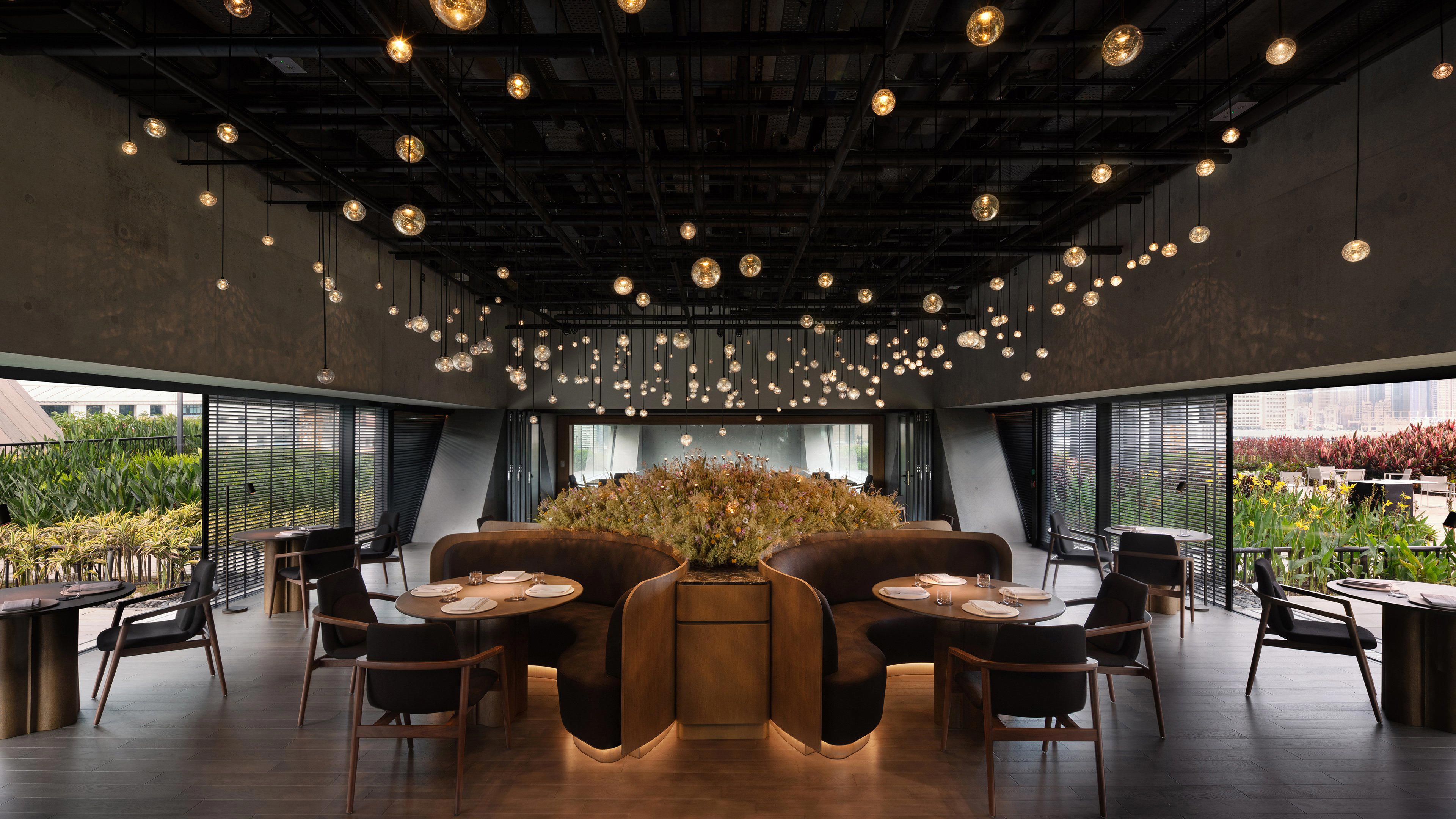
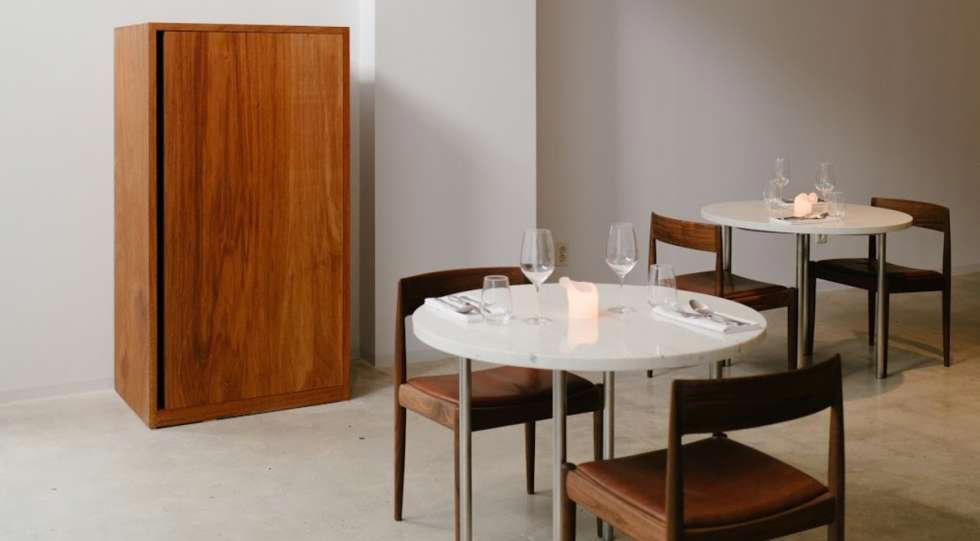
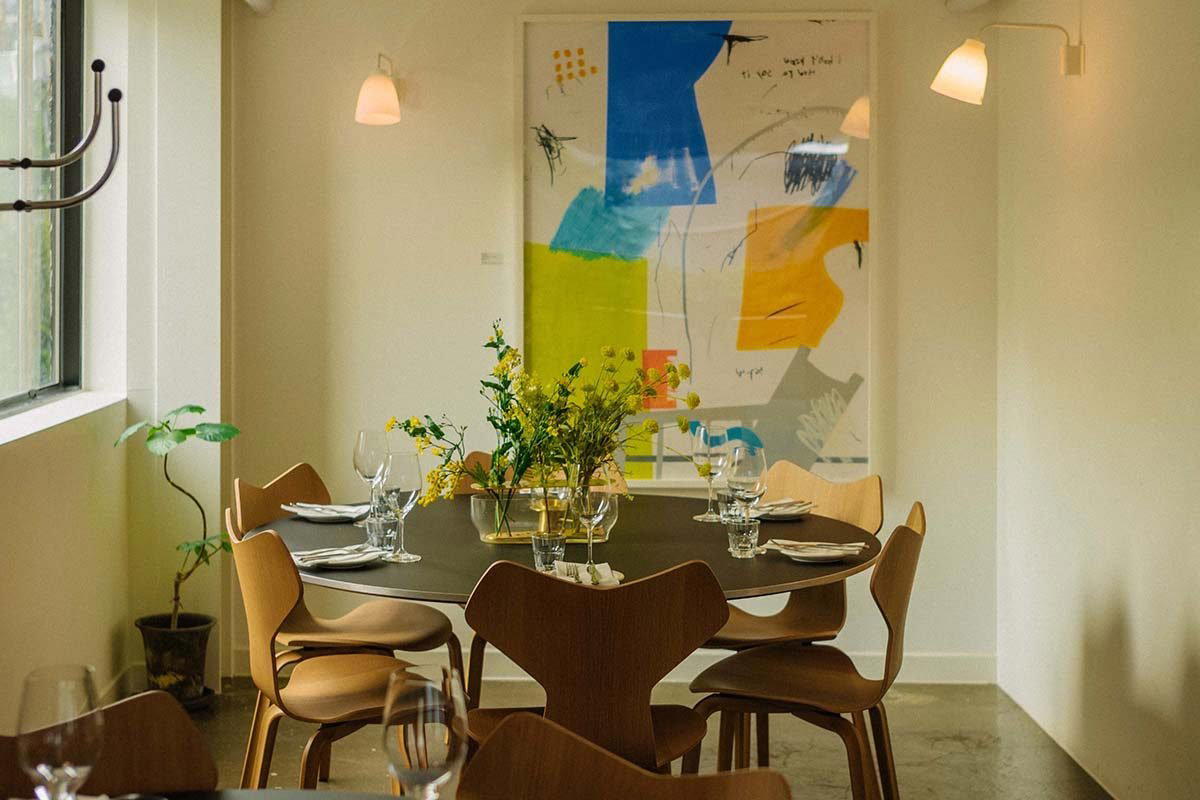
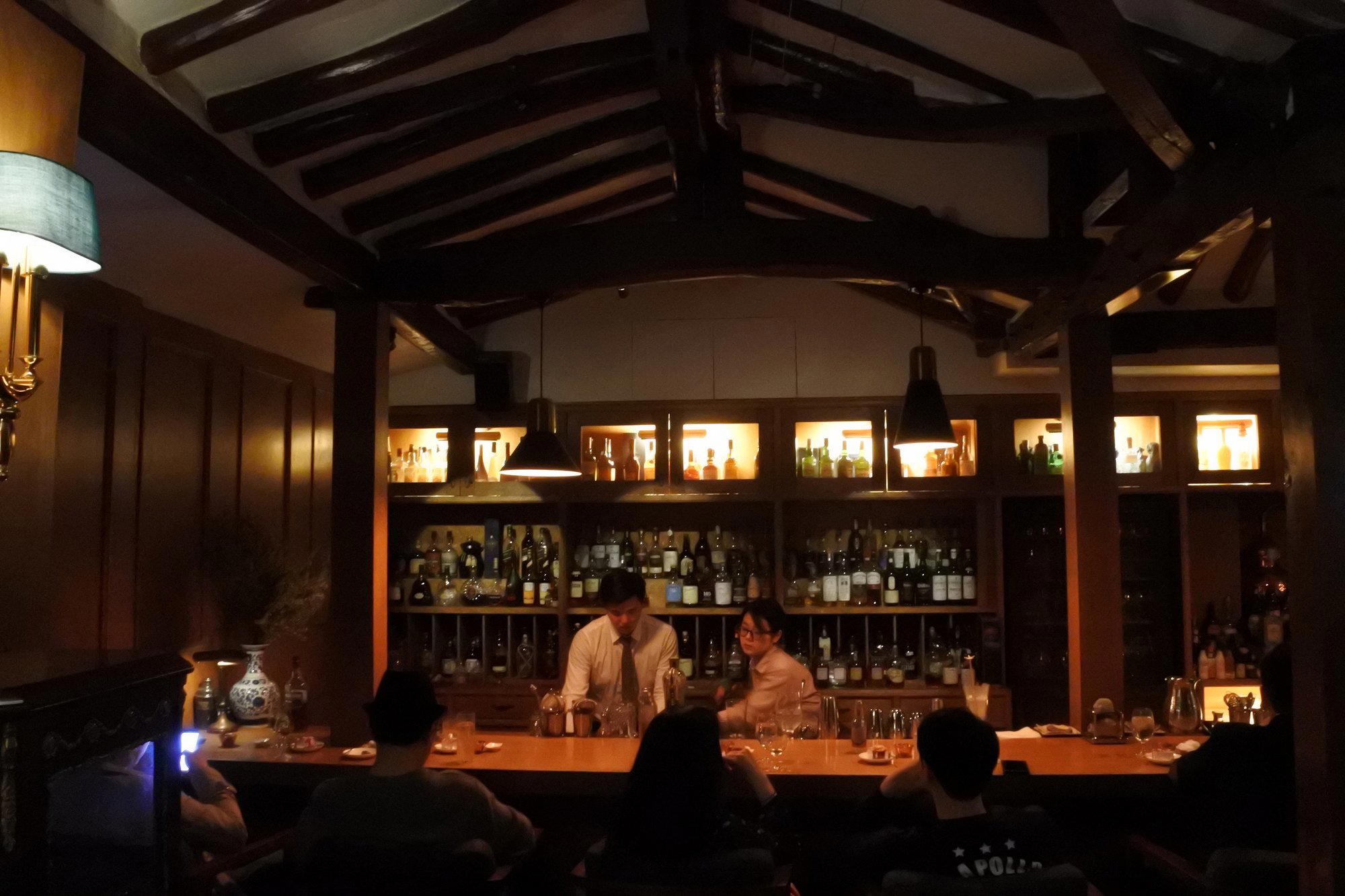
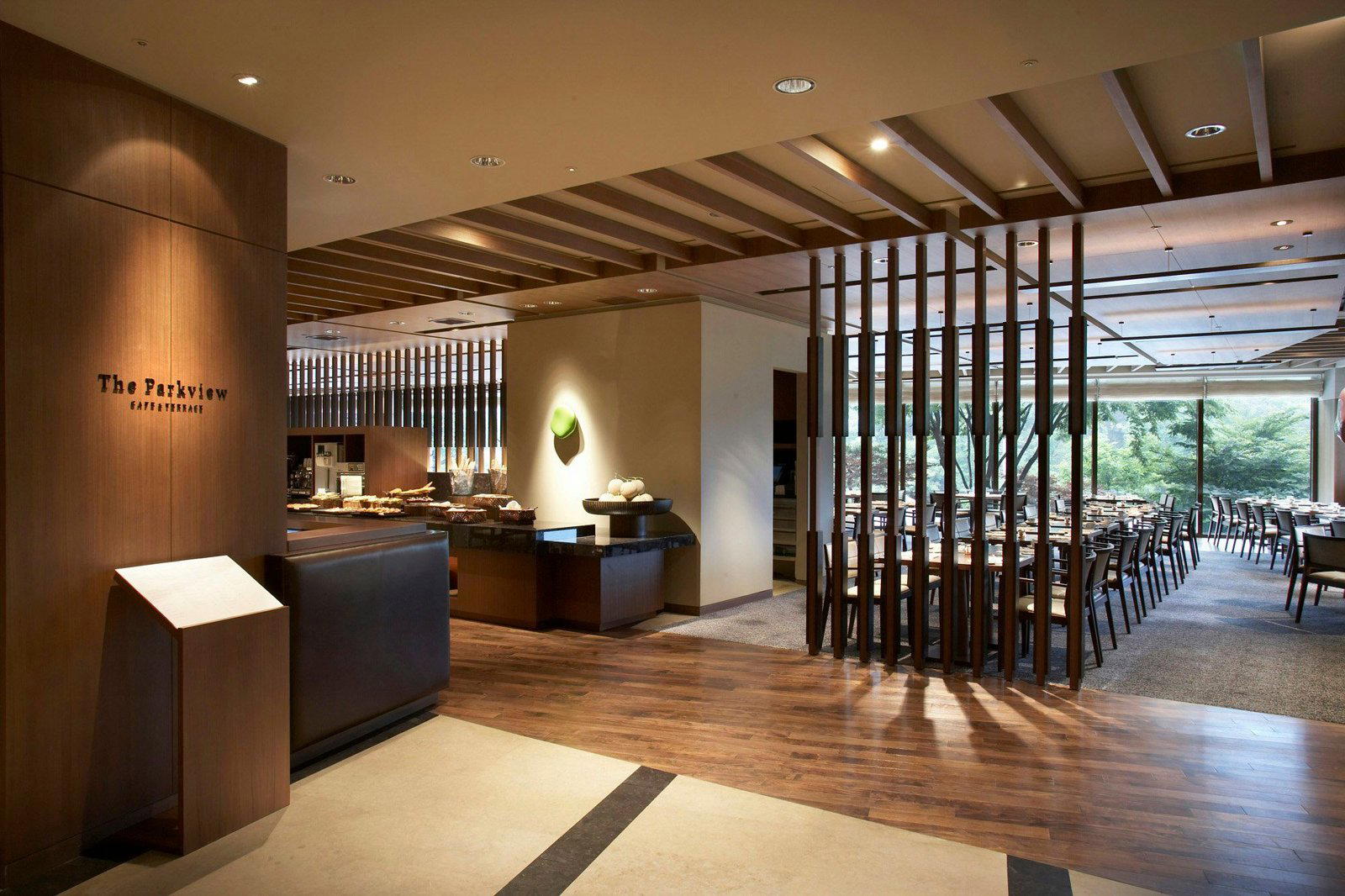
There is a particular quality to dining rooms built for occasions rather than evenings out. They carry a certain gravity from the moment you enter: the considered spacing between tables, the hush that falls before service begins, the sense that the staff has rehearsed for your arrival specifically. The second floor of the Shilla Seoul, one of the capital's most formally positioned luxury hotels, houses a Korean fine dining room calibrated precisely to that register. Palsun (팔선) does not announce itself with spectacle. The ceremony is in the architecture of the meal itself.
Jung District's position in Seoul's dining map is worth noting. Situated between the historic corridor of Namsan and the commercial energy of central Seoul, the area holds a different atmosphere from the Gangnam-side clusters where many of the city's contemporary Korean tables have settled. Arriving at the Shilla for a formal dinner carries an implicit signal about intent: this is not a spontaneous reservation. It is a decision made weeks in advance, for a reason.
Korean Fine Dining and the Occasion Tier
Seoul's Korean fine dining scene has fractured into distinct tiers over the past decade. At one end sit the contemporary Korean tables experimenting with cross-cultural technique, places like Mingles and Jungsik (Contemporary), which have built international recognition through formal tasting menus that treat Korean ingredients as a departure point for something broader. At another end sit the houses working more conservatively within Korean culinary tradition, refining classical preparations rather than reinterpreting them.
Palsun operates in the second register. Its reputation is built on fidelity to Korean fine dining form, the kind of table where the occasion framing is not added to the experience but is the experience. Consecutive La Liste recognitions at 77 points (2025) and 79 points (2026) place it in a small cohort of Seoul restaurants that have attracted sustained international critical attention while remaining grounded in Korean culinary identity rather than pivoting toward fusion positioning.
For comparison, the broader Seoul fine dining circuit at the premium end includes Korean tables like Kwonsooksoo and Gaon, each of which approaches the same classical Korean fine dining tradition with different structural emphases. Palsun's hotel-embedded context gives it a specific character within that peer group: the formality is structural, reinforced by the Shilla's own hospitality infrastructure, rather than something a standalone restaurant must engineer from scratch.
What the La Liste Score Signals
La Liste's methodology aggregates international critic reviews, local guide assessments, and user data into a composite score. A score of 79 in 2026, up from 77 the previous year, indicates consistent critical recognition rather than a single strong year. In the context of Seoul's overall representation on La Liste, which has grown as the city's dining profile has risen internationally, Palsun's positioning reflects a table that international diners and critics return to with confidence.
The trajectory also matters for occasion planning specifically. Tables in this scoring tier, at comparable Seoul restaurants and at peer-level international addresses like Atomix in New York City, tend to carry strong advance booking demand. The La Liste recognition functions as a trust signal that the formal investment of a milestone dinner will be met with consistent execution.
The Hotel Fine Dining Context
Hotel-embedded fine dining in Seoul occupies a specific position in the market. The formality of a luxury hotel setting adds a layer of occasion structure that standalone restaurants must replicate through design and service alone. For anniversary dinners, corporate celebrations, or milestone meals where the environment needs to match the significance of the event, a table like Palsun offers the reinforced framework of the Shilla's hospitality at a level that standalone venues rarely match for ease of execution.
The Shilla Seoul also contains 아리아케 - Ariake - The Shilla, a Japanese fine dining room within the same hotel, which creates an interesting point of comparison for guests weighing cuisine direction. The hotel's commitment to housing multiple fine dining operations at this level is itself a signal about the positioning of the property and the kind of guest it is calibrated to serve.
Beyond the Shilla, Seoul's hotel fine dining scene has grown substantially. Tables working at the Korean fine dining end of the spectrum without the hotel context, such as 권숙수 - Kwon Sook Soo in Gangnam-gu, offer a different version of the same culinary tradition in a different structural register.
Planning a Milestone Dinner Here
For occasion dining in Seoul, the decision between Palsun and its closest peers comes down to what kind of formal experience fits the context. A table at alla prima (Innovative) or a contemporary Korean room like Kwonsooksoo involves a different register of formality and a different culinary emphasis. Palsun's strength is the combination of Korean culinary identity with hotel-grade occasion infrastructure, suited to dinners where the environment needs to carry as much weight as the food.
Advance booking is essential. Restaurants in this tier and scoring bracket across Seoul operate with predictable lead times, particularly for weekend evenings and national holidays. The La Liste recognition draws international visitors alongside the local clientele, compressing availability further during peak travel periods.
Guests planning broader Seoul dining itineraries should also consider the full range of the city's Korean fine dining options. Gaon offers a comparable formality within the Korean tradition, while the contemporary Korean end of the spectrum at Mingles presents a different kind of occasion meal for those who want Korean ingredients within a more experimental tasting menu structure.
For a full picture of what Seoul has to offer across dining, accommodation, and beyond, see our full Seoul restaurants guide, our full Seoul hotels guide, our full Seoul bars guide, our full Seoul experiences guide, and our full Seoul wineries guide.
How Palsun Compares: A Planning Reference
| Venue | Cuisine | Price Tier | Key Signal |
|---|---|---|---|
| Palsun (The Shilla) | Korean Fine | Premium (hotel) | La Liste 79pts (2026); Google 4.4/5 (400 reviews) |
| Gaon | Korean | ₩₩₩₩ | High-formality standalone Korean |
| Kwonsooksoo | Korean | ₩₩₩₩ | Classical Korean, Gangnam-side |
| Mingles | Korean Contemporary | ₩₩₩₩ | International recognition, cross-cultural technique |
| Onjium | Korean | ₩₩₩₩ | Traditional Korean format, reservation-led |
Frequently asked questions
What's the address for 팔선 - Palsun - The Shilla?
팔선 - Palsun - The Shilla is located at South Korea, Seoul, Jung District, 장충동 Dongho-ro, 249 서울신라호텔 2층, Seoul.
What awards or recognition does 팔선 - Palsun - The Shilla have?
팔선 - Palsun - The Shilla has received recognition including: La Liste Top Restaurants (2026): 79pts; La Liste Top Restaurants (2025): 77pts.
What style of cooking does 팔선 - Palsun - The Shilla do?
Should I book 팔선 - Palsun - The Shilla in advance?
Reservations are recommended for 팔선 - Palsun - The Shilla in Seoul. Confirm current policy via the venue's official channels.
What makes 팔선 - Palsun - The Shilla worth seeking out?
What should I order at Palsun?
The kitchen operates within Korean fine dining tradition rather than cross-cultural fusion, so the menu follows classical Korean structure rather than contemporary tasting-menu formats borrowed from European kitchens. The setting inside The Shilla, one of Seoul's primary luxury hotels, reinforces that orientation toward formal Korean occasion cuisine. Without a current published menu available, the safest approach is to request the full course menu, which at this tier of Korean fine dining typically represents the kitchen's most considered expression of the form.
Accolades, Compared
Comparable options at a glance, pulled from our tracked venues.
| Venue | Cuisine | Price | Awards | Notes |
|---|---|---|---|---|
| 팔선 - Palsun - The ShillaThis venue (the venue you are viewing) | Authentic Traditional Chinese | $50–100 | La Liste Top Restaurants | Not listed |
| 7th Door | Modern Korean Fermentation Fine Dining | $100–150 | 1 Michelin Star · World's 50 Best #49 | Korean, Contemporary |
| Solbam | Contemporary Neo-Classical Korean | $200–300 | 1 Michelin Star · World's 50 Best #55 | Contemporary |
| Onjium | Modern Korean Royal Court Cuisine | Not listed | 1 Michelin Star · World's 50 Best #14 | Korean |
| L'Amitié | Classic French Fine Dining | $100–150 | 1 Michelin Star · La Liste Top Restaurants | French |
| Zero Complex | Modern French Neo-Bistro | $100–150 | 1 Michelin Star · La Liste Top Restaurants | Korean-French, Innovative |
Recognition history
Dated appearances from independent guides and award organizations, with the underlying list record or original source where available.
La Liste Top Restaurants
La Liste
Full recognition history (2 entries)
La Liste Top Restaurants
La Liste