ì¼í¤í 리 í¤ì
일키 리 키친 sits in Mapo-gu's quieter residential grain, a counterpoint to Seoul's more visible fine-dining corridors. The address on Dohwa 4-gil places it among a cohort of Seoul restaurants that trade on neighbourhood intimacy rather than central-district footfall, making it a reference point for how the city's dining scene extends well beyond Gangnam and Cheongdam.
Pearl is the En Primeur Club membership app — saves, bookings, and concierge access live there. Same editors, same standards.
- Address
- 31 Dohwa 4-gil, Mapo-gu, Seoul, South Korea
- Phone
- +8227021120
- Website
- catchtable.net
- Directions
- Get directions
 Saves & bookings on Pearl
Mapo-gu and the Geography of Seoul's Dispersed Dining Scene
Seoul's fine-dining geography has never been as centralised as outsiders assume. While Cheongdam-dong and the Gangnam corridor attract particularly visible concentration of high-end addresses, a parallel set of restaurants has taken root in the city's western neighbourhoods, where lower rents and residential density create a different kind of dining atmosphere. Mapo-gu, and specifically the Dohwa-dong pocket around Dohwa 4-gil, belongs to that second category. The area carries a lived-in quality that Cheongdam does not: narrower streets, local hardware shops alongside coffee bars, apartment blocks pressing close to small commercial buildings. A restaurant that chooses this address is, by definition, making a statement about its relationship to spectacle.
일키 리 키친 (Ilki Lee Kitchen) operates from 31 Dohwa 4-gil in that context. The Mapo-gu location situates it alongside a broader pattern in Seoul dining where neighbourhood placement functions as part of the identity, not a compromise. Restaurants such as Soigné and alla prima have similarly committed to addresses that require guests to seek them out rather than stumble upon them from luxury hotel lobbies or department store food halls.
The Physical Container: Space as Editorial Statement
In Seoul's higher-end restaurant tier, the physical environment has become an increasingly deliberate instrument. The generation of rooms opened across the city over the past decade, from the counter-centric format at Kwonsooksoo to the architectural restraint visible at Mingles, reflects an understanding that the room itself communicates before the first course arrives. In Mapo-gu's residential grain, spatial choices tend toward the understated: buildings here are not the glass-and-steel statements of the Gangnam strip, and restaurants that open in this neighbourhood typically work within that physical inheritance rather than against it.
The address on Dohwa 4-gil implies a certain scale and intimacy by default. Small commercial buildings in this part of Seoul rarely accommodate large dining rooms, and the neighbourhood character leans toward the human in proportion. For a restaurant operating under the Ilki Lee Kitchen name, that spatial reality shapes the guest experience from the approach: there is no grand entrance sequence, no valet court, no tower lobby to pass through. The experience of arriving in a quiet residential-commercial street is itself a calibration device, separating guests who have deliberately sought the address from those who might wander in.
Across Seoul's more considered dining addresses, this kind of spatial positioning has become a marker of intent. Jungsik in Apgujeong occupies a different register, with its gallery-adjacent formality, while the western neighbourhoods tend to produce spaces that feel more like carefully considered private rooms than public-facing flagship restaurants. The comparison matters because it places Ilki Lee Kitchen in a specific peer conversation, one concerned less with institutional grandeur than with the quality of the contained experience.
Where Ilki Lee Kitchen Sits in the Seoul Fine-Dining Conversation
Seoul's upper-tier restaurant scene has stratified considerably since the mid-2010s. At the summit of the recognition hierarchy sit the Michelin-starred and World's 50 Best-adjacent addresses: Mingles, Jungsik, and the tasting-menu Korean restaurants that have accumulated international critical attention. Below that, a second tier of serious but less-documented restaurants operates on neighbourhood credibility, word-of-mouth, and a guest base that has grown sophisticated enough to look beyond particularly obvious names. Ilki Lee Kitchen, based on its Mapo-gu location and the pattern of similar Seoul addresses, occupies territory in that second conversation.
The comparison set in Seoul's western neighbourhoods and residential districts is instructive. Venues in this bracket, including Soigné and contemporaries operating in Mapo, Yeonnam, and Mangwon, tend to run smaller formats, tighter menus, and a more deliberate guest experience built around intimacy rather than scale. That format has its own logic: in a city where fine-dining density is high and the competition for attention from internationally mobile guests is intense, the smaller neighbourhood address with a clear point of view often sustains loyalty more effectively than the high-visibility flagship.
For readers planning a Seoul visit, the practical implication is that Ilki Lee Kitchen fits within a specific routing strategy. It pairs logically with other western Seoul dining, rather than being mapped against the Cheongdam-Apgujeong corridor. Nearby, the Mapo and Hongdae belt offers independent coffee, natural wine bars, and casual Korean restaurants that make the area worth spending a full evening in, not just the reservation. For wider context on how to structure time across the city's dining geography,
Beyond Seoul: Korean Dining in Regional Context
Understanding a Seoul restaurant in isolation misses something important about how Korean dining culture actually works. The country's food identity is distributed: Busan has its own seafood and grilled-meat traditions, Jeju operates as a distinct culinary zone, and Gyeongju preserves regional specialties with historical depth. Mori in Busan and the Jeju addresses, from 88돼지 to Badang Lounge, represent dining traditions that Seoul's fine-dining scene draws on, interprets, and sometimes elevates into tasting-menu format.
Regional cooking also grounds the comparison set when thinking about what Seoul restaurants at this level actually do. Galbi traditions traced through addresses like Gobojeong Galbi #1 in Suwon and local specialists such as Doosoogobang remind visitors that the reference points for serious Korean cooking are not confined to the capital's Michelin map. The international frame matters too: Korean-led cooking has established serious credentials in New York through addresses like Atomix, while the technical standards against which Seoul's leading tables measure themselves increasingly include destinations like Le Bernardin in New York City.
Planning a Visit
Ilki Lee Kitchen is located at 31 Dohwa 4-gil, Mapo-gu, Seoul. The address is accessible from Mapo Station on Line 5 or Gongdeok Station, which connects multiple lines and provides reasonable access from central Seoul and the airport rail link. The Mapo-gu neighbourhood is leading approached as a destination in itself rather than a quick detour from a Gangnam base; the area's character rewards time spent walking before and after the meal. Reservations are essential, and the restaurant sits at 31 Dohwa 4-gil, Mapo-gu, Seoul, South Korea. The price tier is 4, with an estimated spend of about US$120 per person. For context on comparable Seoul restaurants at the serious independent end of the market, the comparable set includes Soigné, alla prima, and Kwonsooksoo, all of which carry published booking details and known pricing tiers.
The Essentials
Comparable venues nearby, for context on price, style, and recognition.
| Venue | Cuisine | Price | Notes |
|---|---|---|---|
| ì¼í¤í 리 í¤ìThis venue — the venue you are viewing | 노고산동, Premium Yakitori Izakaya | $$$$ | Not listed |
| ì °ëíë¼ì´ë¹í¤ì¹ | 이태원동, Authentic Japanese Omakase | $$$$ | Not listed |
| Sushi Sunsoo | 압구정동, Korean-Style Edomae Sushi Omakase | $$$$ | Not listed |
| 해목 | Not listed | $$$ | Nonhyeon-dong, Gangnam-gu (Seoul location), Nagoya-Style Hitsumabushi (Grilled Eel Rice Bowl) |
| ìµê°ë¤ì¤ë¸ë²ì¯ì¹¼êµì ì±ìì§ìì | 응봉동, Edomae Sushi Omakase | $$$$ | Not listed |
| Ariake | 광희동, Modern Authentic Japanese Omakase | $$$$ | Not listed |
Continue exploring
More in Seoul
Restaurants in Seoul
Browse all →
At a Glance
- Elegant
- Intimate
- Sophisticated
- Date Night
- Special Occasion
- Business Dinner
- Open Kitchen
- Sake Program
- Craft Cocktails
- Local Sourcing
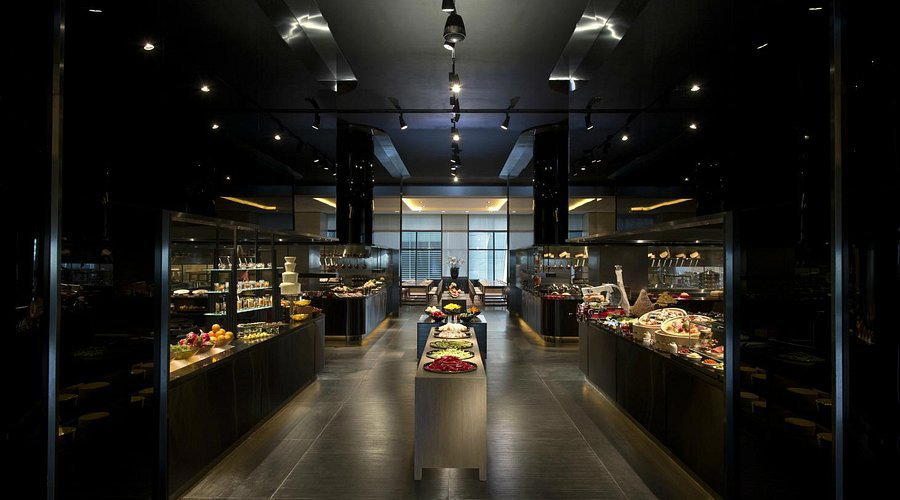
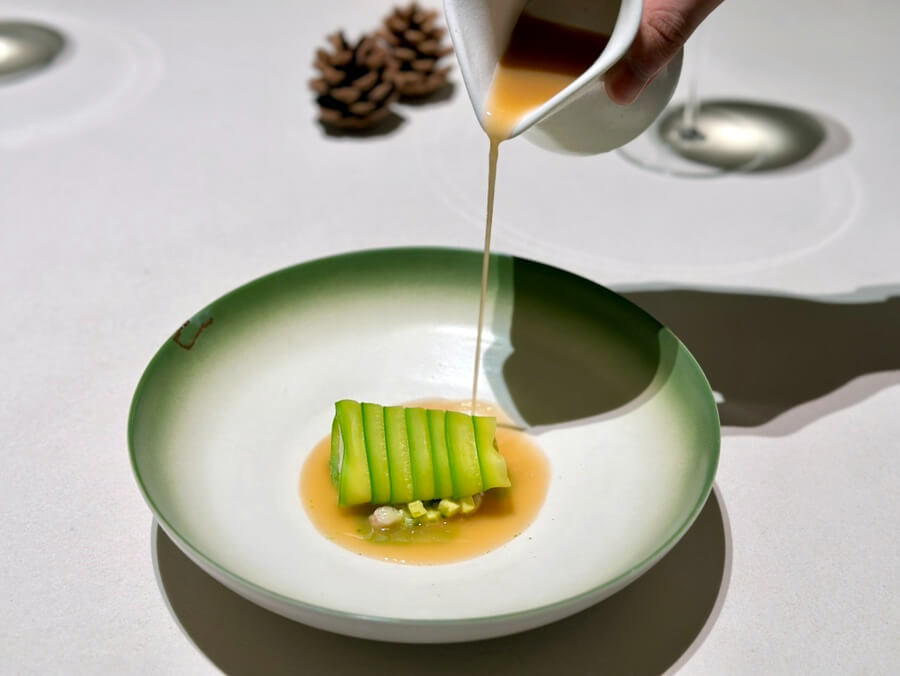
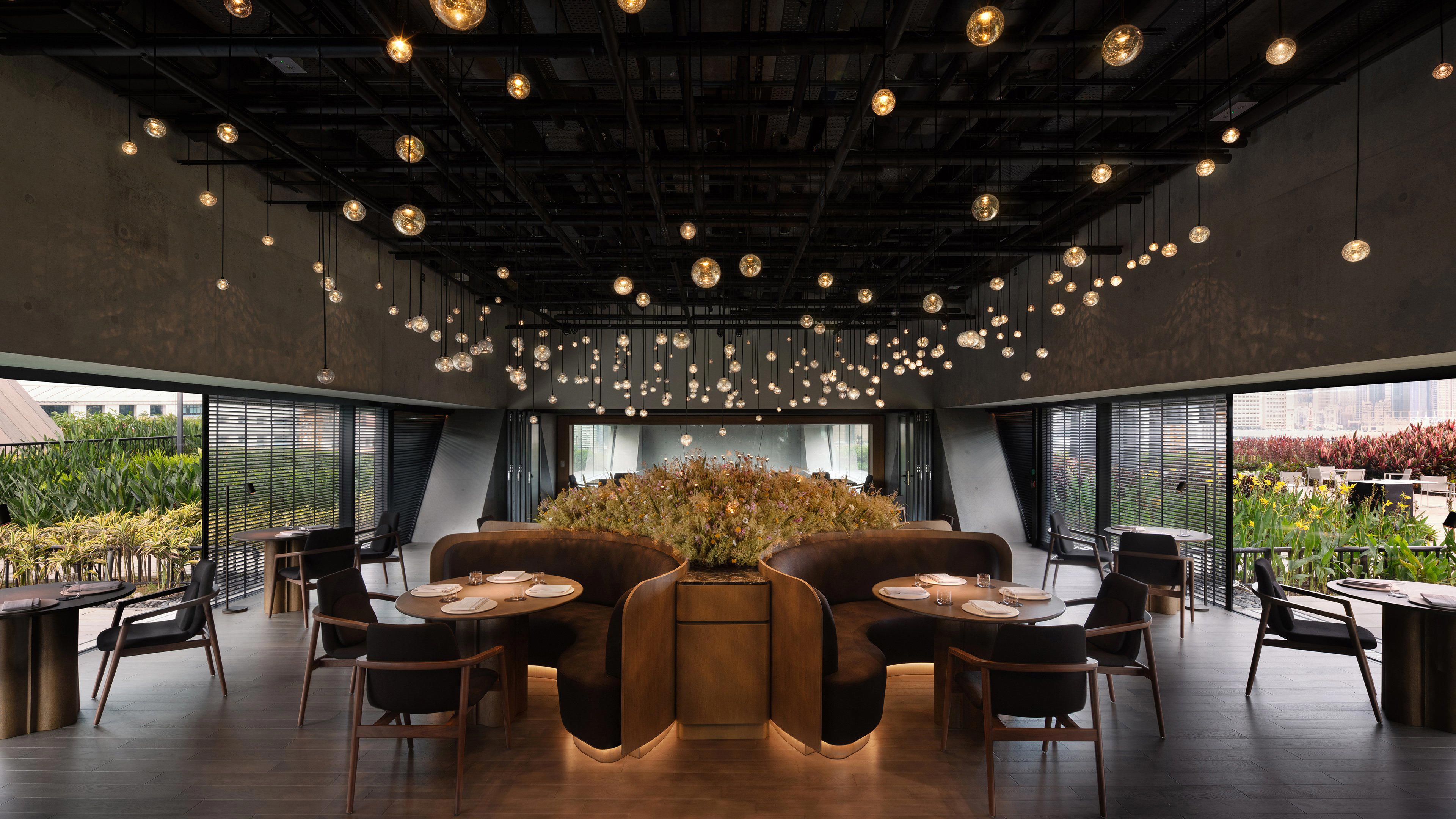
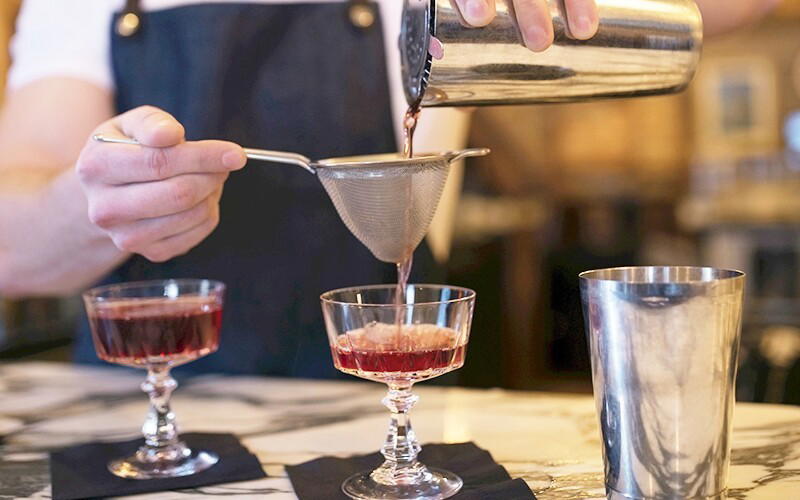
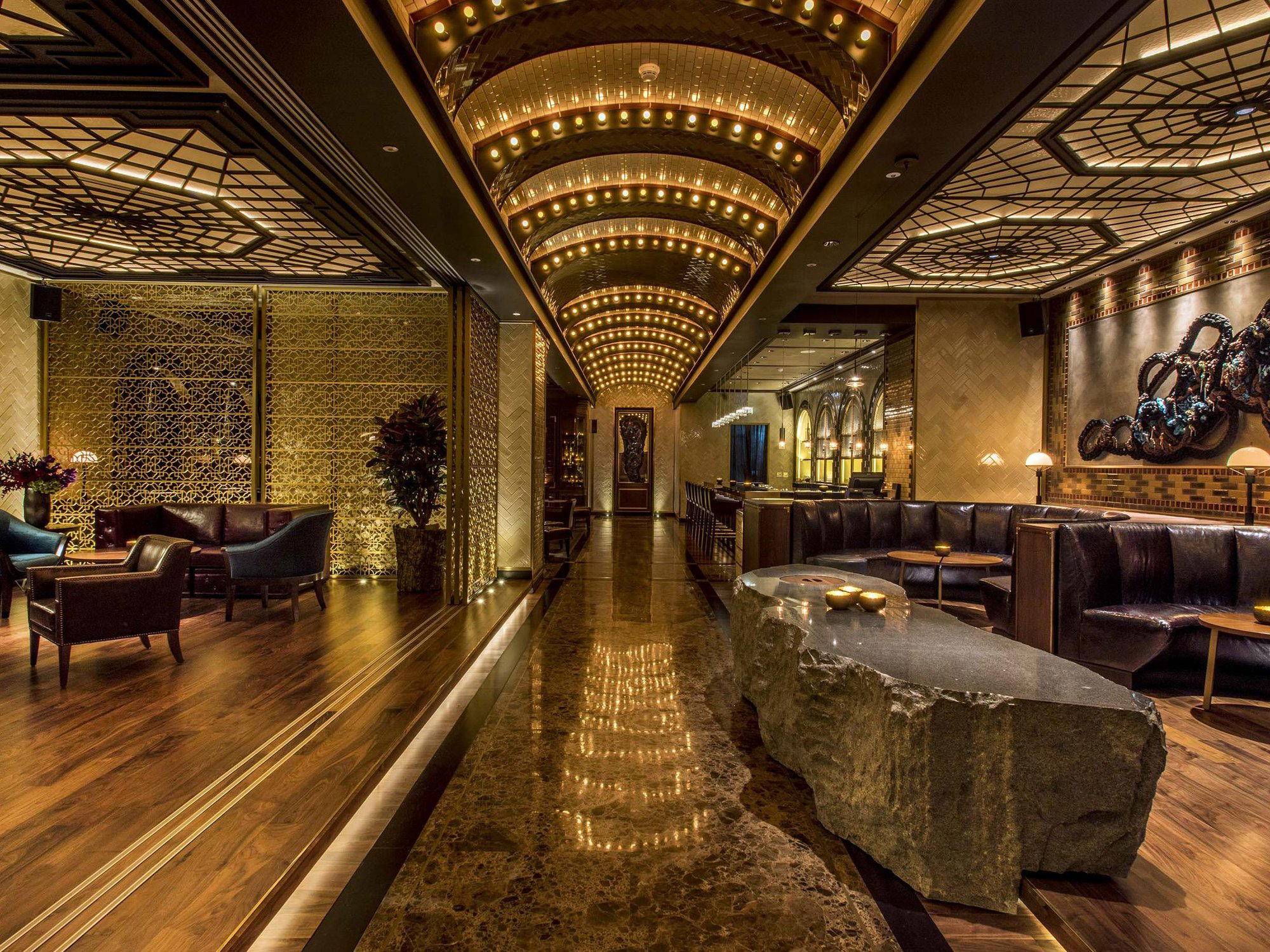
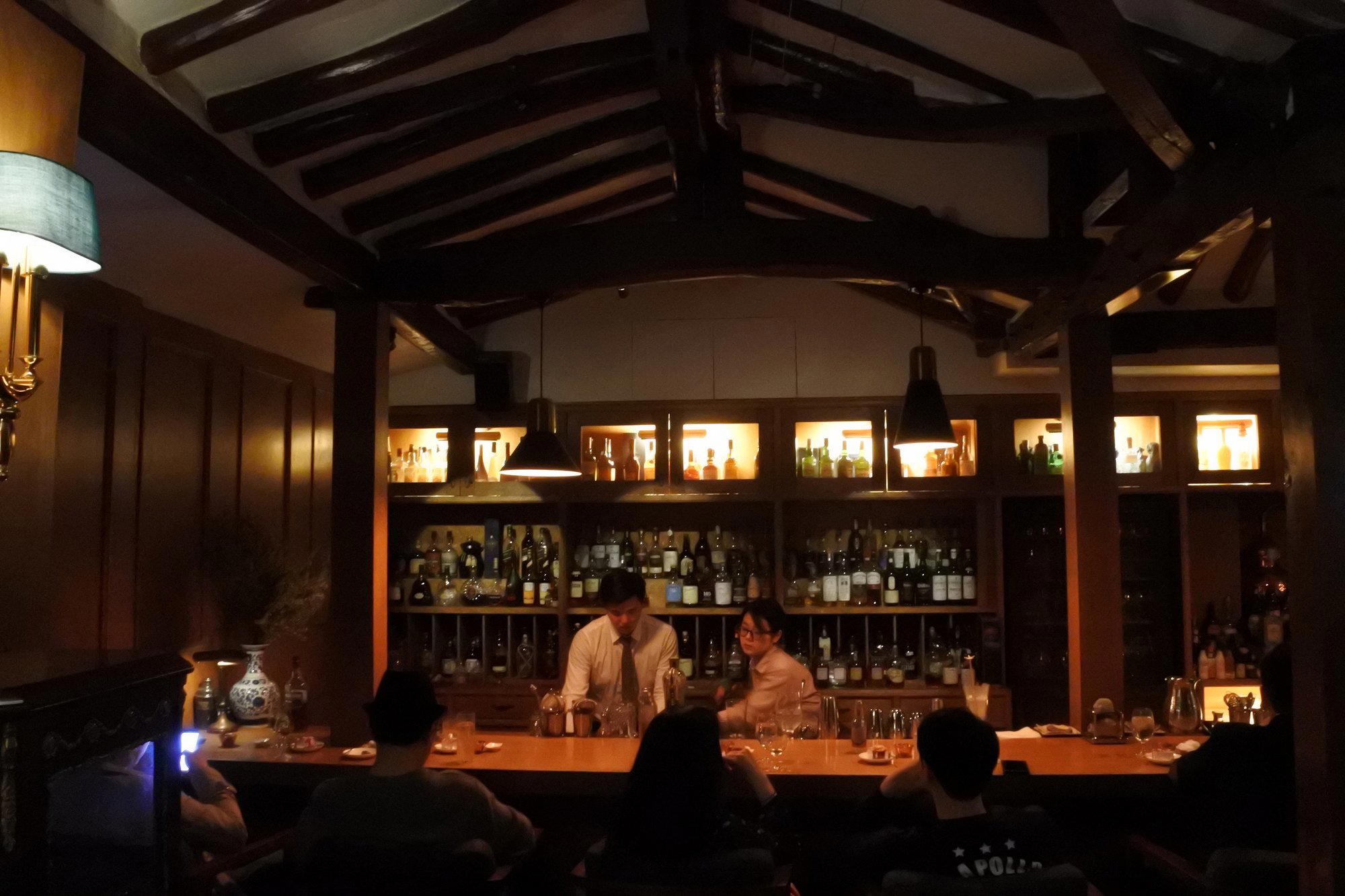
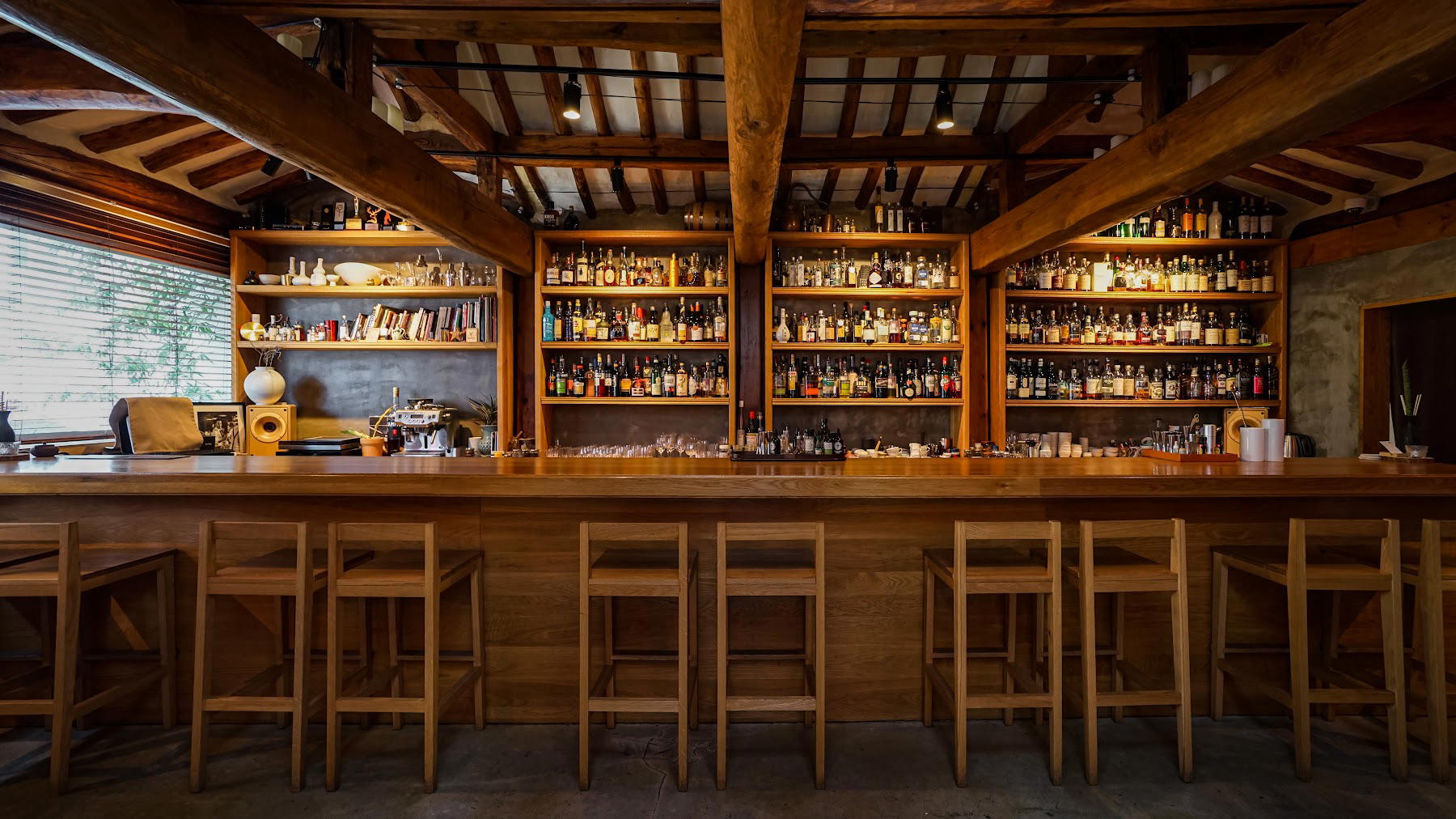
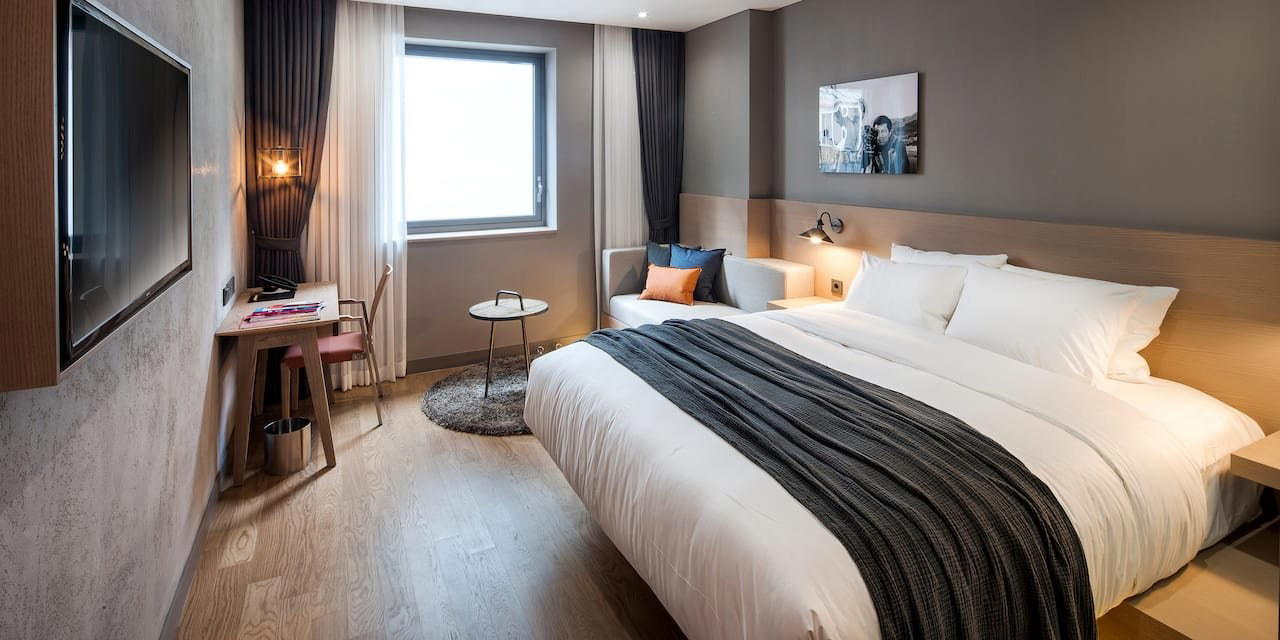
Dimly lit with sleek modern decor, creating an intimate and refined atmosphere.