The Plaza Dowon
Our verdict
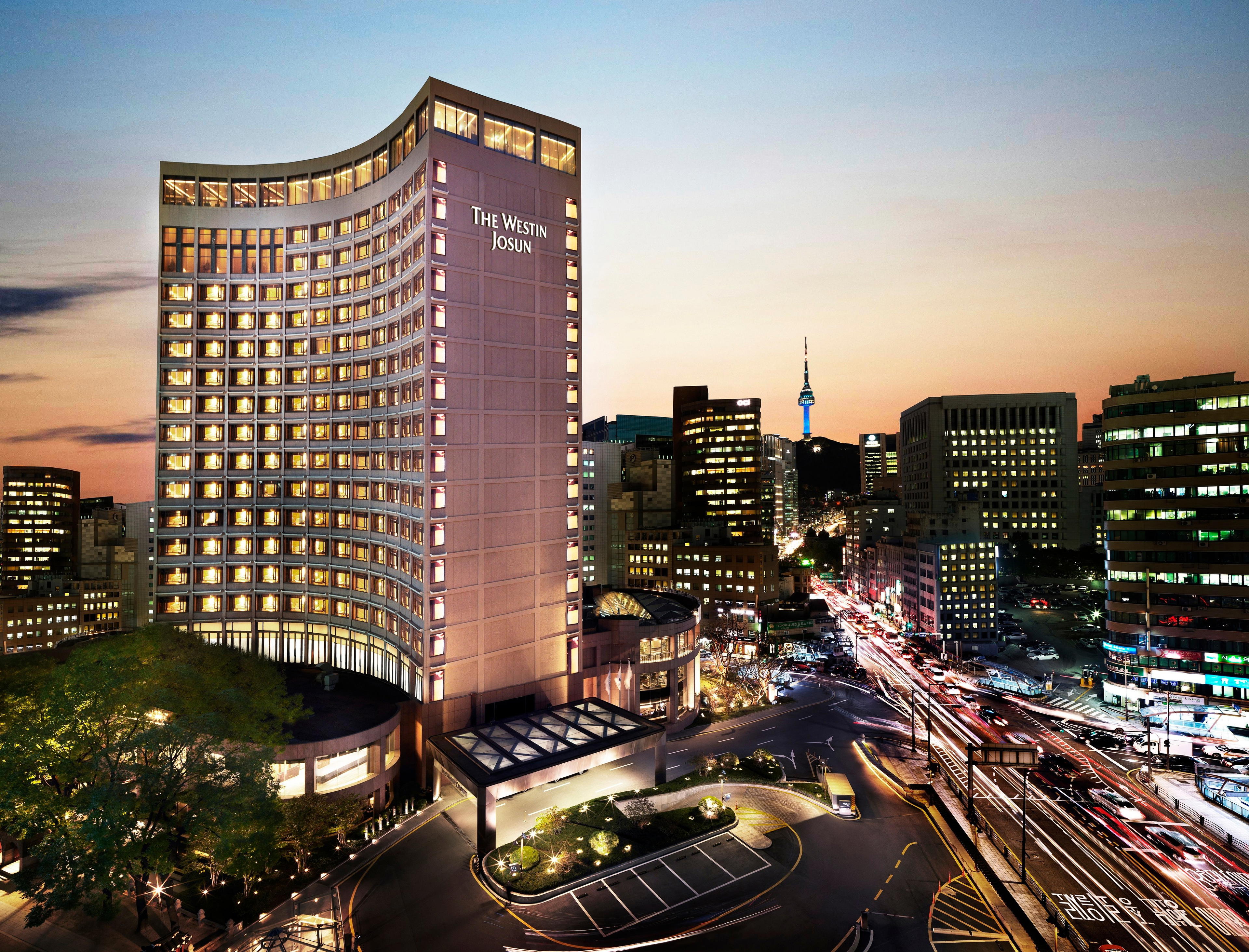
Set in the heart of Jung District, The Plaza Dowon occupies a historically significant address within one of Seoul's most established hotel properties. The restaurant draws on the deep traditions of Korean cuisine at a tier that places it alongside the city's most serious dining rooms. For visitors to Seoul seeking a grounded, culturally rooted meal rather than a contemporary reimagining, it represents a considered choice in a crowded field.

Pearl is the En Primeur Club membership app, where members save venues, book tables and use the concierge.
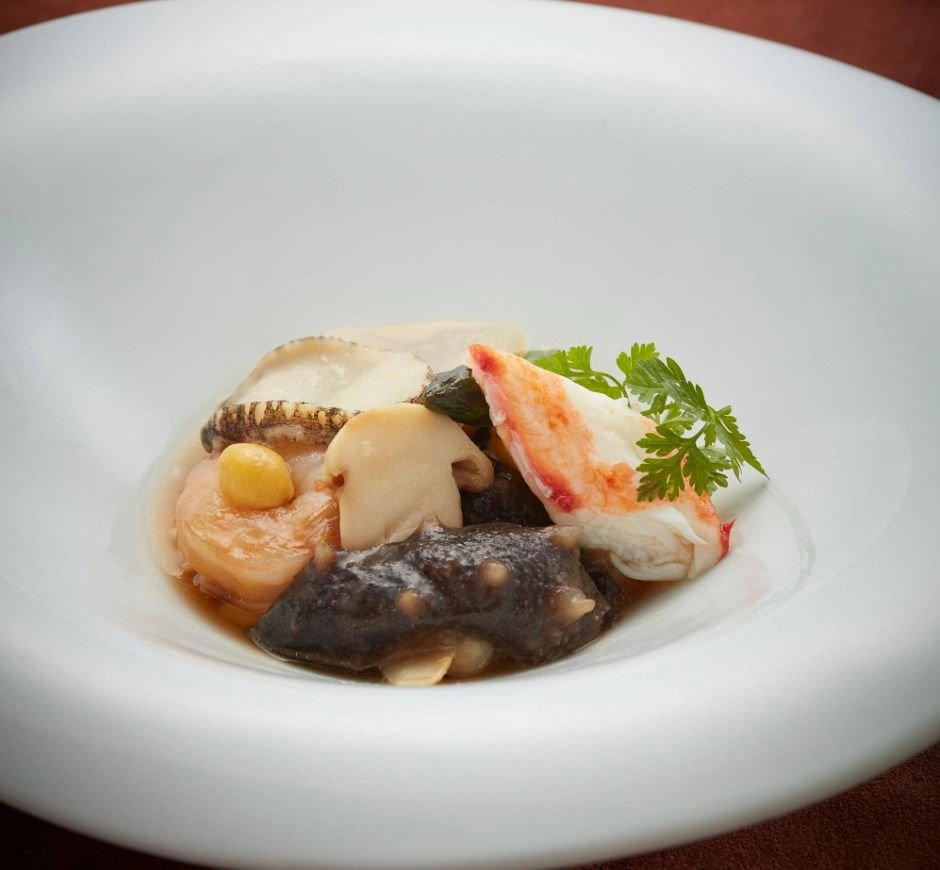
Jung District and the Weight of Korean Dining Tradition
Seoul's dining scene has spent the past decade pulling in two directions at once. On one side, a generation of Korean chefs trained abroad returned home to open tasting-menu restaurants that reframe traditional ingredients through French or contemporary fine-dining structures. On the other, a smaller but equally serious group of establishments has held to the formal traditions of Korean court cuisine and regional table culture, resisting the pressure to modernise for international audiences. The Plaza Dowon, located at 23 Taepyeongno 2(i)-ga in Jung District, sits within that second tradition, anchored to one of the most historically layered neighbourhoods in the capital.
Jung District is not where Seoul's newer dining generation tends to open. The neighbourhood carries the institutional weight of old-Seoul commerce and hospitality: government buildings, major hotels, and the kind of addresses that have held the same function across several political eras. Dining here tends to reflect that gravity. The restaurants that survive in this part of the city are not chasing trend cycles; they are serving a clientele that returns because the kitchen has not changed in ways that matter. That consistency, in the context of Korean fine dining, is itself a form of discipline.
Korean Cuisine at the Formal Tier
To understand where a restaurant like The Plaza Dowon sits in Seoul's dining order, it helps to understand how Korean fine dining is stratified. At the upper end of the contemporary market, tasting menus at places like Mingles or Jungsik (Contemporary) function as cross-cultural arguments, using Korean pantry staples as a starting point for dishes that would not look out of place in a European fine-dining room. Venues like Soigné (Innovative) and alla prima (Innovative) operate in the same register, prioritising chef-driven creativity over legibility to a traditionalist diner.
The more grounded end of Seoul's serious dining market is smaller and, in some ways, harder to access as a visitor. Korean court cuisine, or goryeo-sik and joseon-sik traditions, involves strict preparation protocols, seasonal ingredient hierarchies, and presentation conventions that carry cultural meaning untranslatable by a menu description alone. Restaurants working in this register, including Kwonsooksoo (Korean) and the critically regarded Onjium, which operates at the ₩₩₩₩ tier, have built reputations on adherence to these conventions rather than departure from them. The Plaza Dowon occupies adjacent territory, positioned within a hotel property that has long served both domestic business clientele and international visitors seeking a formal Korean meal.
The hotel-restaurant format carries its own logic in Seoul. Unlike the chef-owned tasting counters that dominate the city's Michelin conversations, hotel dining rooms in this tier tend to offer broader menus, more predictable service cadences, and a different kind of institutional reliability. For certain travellers, particularly those attending business engagements or hosting guests for whom accessibility matters, that format is not a compromise. It is the point.
Seoul's Broader Regional Dining Context
Seoul functions as the natural reference point for Korean dining internationally, but it is worth noting how the country's regional food culture informs what formal Seoul restaurants serve. Dishes with origins in Jeolla Province, the agricultural south, appear regularly in traditional Seoul dining rooms because Jeolla's fermentation culture, its kimchi variants, and its banchan depth have long supplied the vocabulary of formal Korean tables. Korea's southern coast contributes differently: Mori in Busan represents Busan's more seafood-driven fine-dining register, while destinations like Jeju maintain their own distinct ingredient traditions, visible in places like Badang Lounge in Jeju and the pork-centred culture documented at venues like 88돼지 in Jeju and Black Pork BBQ in Seogwipo.
The meat traditions of the mainland are equally regional in character. Galbi culture centred on Suwon, represented by establishments like Gobojeong Galbi #1 in 수원시 and Doosoogobang in Suwon, reflects how Korea's food identity is deeply local even when it appears uniform from the outside. Gyeongju, the former Silla capital, preserves its own culinary lineage through places like Hwangnam Bread and Busan Steamed Bun and Gyeongju Wonjo Kongguk. Seoul's formal dining rooms draw from all of these tributaries, which is part of why a well-constructed Korean meal at this tier carries more geographic information than it might initially appear to.
For comparative context, the Korean fine-dining format has also exported successfully. Atomix in New York City has brought a version of this tradition to international audiences, and the contrast between that format and a Seoul hotel dining room like The Plaza Dowon illustrates how much the physical and cultural setting shapes the experience. The version served in Jung District, at an address with its own institutional history, is not a translation. It is the source material.
Diners arriving from elsewhere in the fine-dining world, having navigated Le Bernardin in New York City or comparable rooms of serious European intent, will recognise the service formality and the structural logic of a multi-course meal. What they may not anticipate is how differently Korean formal dining organises the relationship between diner, ingredient, and season. The banchan sequence, the broth courses, the grain component, and the approach to protein are not analogues of Western courses. They represent a distinct system, and the restaurants that execute it most faithfully offer the clearest window into that system.
For additional coverage of where Seoul's dining scene is moving, see our full Seoul restaurants guide, which maps the contemporary tasting-menu tier, the traditional Korean rooms, and the casual neighbourhood formats that complete the city's picture. Relevant comparisons in the contemporary-Korean space include Dining Room (다이닝룸) in Busan and the innovative Korean-French positioning of Zero Complex, which operates at the ₩₩₩₩ price tier and represents the experimental end of the spectrum. The Plaza Dowon occupies different ground: a more traditional register, in a district that rewards patience over novelty.
Know Before You Go
Address: 23 Taepyeongno 2(i)-ga, Jung District, Seoul, South Korea
Getting There: Jung District is well-served by Seoul Metro lines 1 and 2; City Hall station is the nearest major interchange and places the property within a short walk.
When to Visit: Korean formal dining is season-driven; spring and autumn bring the clearest alignment between what is on the table and the produce calendar, and both seasons are worth timing a visit around.
Booking: Contact the property directly to confirm reservation requirements and current availability. Hotel dining rooms in this tier often hold capacity for walk-in guests during lunch, while dinner may require advance planning.
Dress: Smart casual at minimum; business formal is not unusual in this part of the city, particularly at dinner.
Price Tier:
Frequently asked questions
What's The Plaza Dowon's location?
The Plaza Dowon is located at 23 Taepyeongno 2(i)-ga, Jung District, Seoul, South Korea, Seoul.
Does The Plaza Dowon serve hanjeongshik, and how does its version compare to other formal Korean set-course formats in Seoul?
Hanjeongshik, the full Korean table d'hôte format with sequential banchan and structured main presentations, is the natural reference point for a Jung District hotel restaurant of The Plaza Dowon's standing in Seoul. Compared to standalone hanjeongshik specialists in Insadong or Bukchon, hotel-based versions in Jung-gu often emphasise service formality and private dining capacity alongside the food itself.
What do regulars order at The Plaza Dowon?
Restaurants of this category in Jung District, Seoul typically anchor their menus around seasonal Korean preparations, structured banchan service, and proteins aligned with the hanjeongshik format. Visiting with an open approach to a multi-course set menu is the standard expectation at this tier.
Is The Plaza Dowon reservation-only?
Hotel dining rooms at this level in Jung District, Seoul generally operate on a reservations-first basis, with some walk-in capacity available at lunch. Given The Plaza Dowon's address at 23 Taepyeongno 2(i)-ga within a major hotel property, contacting the hotel directly is the most reliable route to securing a table for dinner.
What makes The Plaza Dowon worth seeking out?
The Plaza Dowon's address within a historically significant Jung District hotel places it among Seoul dining rooms that treat institutional continuity as a form of credibility. In a city where newer destination restaurants move fast, a hotel table of this vintage tends to serve a different purpose: anchored hospitality for business meals and formal occasions where the room itself carries as much weight as the plate.
Is The Plaza Dowon good for vegetarians?
Traditional Korean formal dining, the category The Plaza Dowon sits within, incorporates fermented vegetables, grain-based dishes, and seasonal vegetable preparations as structural elements of the meal rather than afterthoughts. That said, broths and side preparations in this format often include animal-derived ingredients, so guests with strict dietary requirements should confirm specifics with the restaurant directly before booking.
Is a meal at The Plaza Dowon worth the investment?
Within Seoul's hotel-dining category, the decision framework typically comes down to whether the format, setting, and service calibre justify the premium over standalone restaurants in the same neighbourhood. Jung District hotel dining rooms at this address tier tend to price for occasion dining rather than everyday frequency.
Reputation Context
| Venue | Cuisine | Price | Awards | Notes |
|---|---|---|---|---|
| The Plaza DowonThis venue (the venue you are viewing) | Authentic Modern Chinese | Not listed | Not listed | Not listed |
| 7th Door | Modern Korean Fermentation Fine Dining | $100–150 | 1 Michelin Star · World's 50 Best #49 | Korean, Contemporary |
| Eatanic Garden | Modern Korean Contemporary | $100–150 | 1 Michelin Star · World's 50 Best #26 | Contemporary |
| Onjium | Modern Korean Royal Court Cuisine | Not listed | 1 Michelin Star · World's 50 Best #14 | Korean |
| L'Amitié | Classic French Fine Dining | $100–150 | 1 Michelin Star · La Liste Top Restaurants | French |
| Zero Complex | Modern French Neo-Bistro | $100–150 | 1 Michelin Star · La Liste Top Restaurants | Korean-French, Innovative |
Continue exploring
More in Seoul
Restaurants in Seoul
All restaurants in Seoul →
Bars in Seoul
All bars in Seoul →
Details
- Elegant
- Sophisticated
- Business Dinner
- Special Occasion
- Hotel Restaurant
- Street Scene
- A La Carte
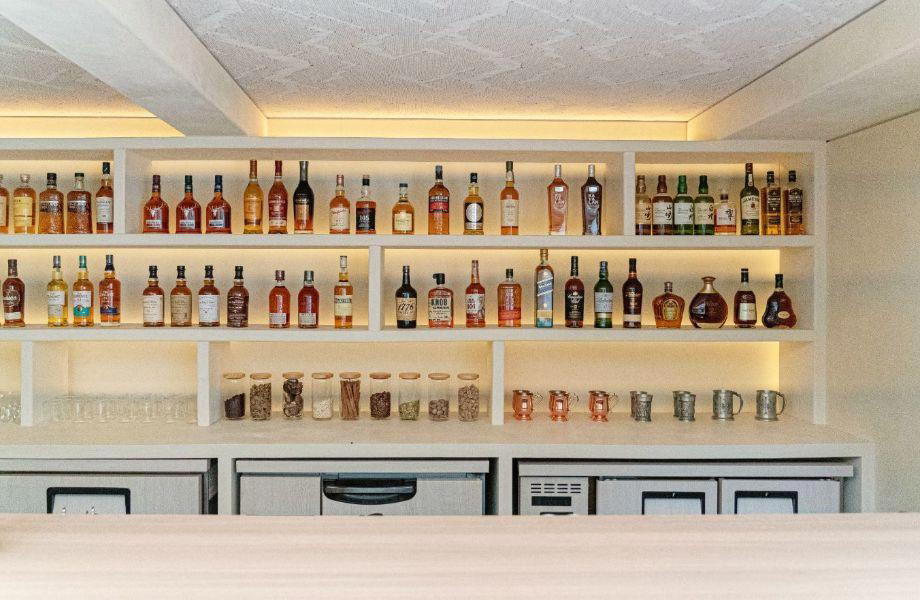
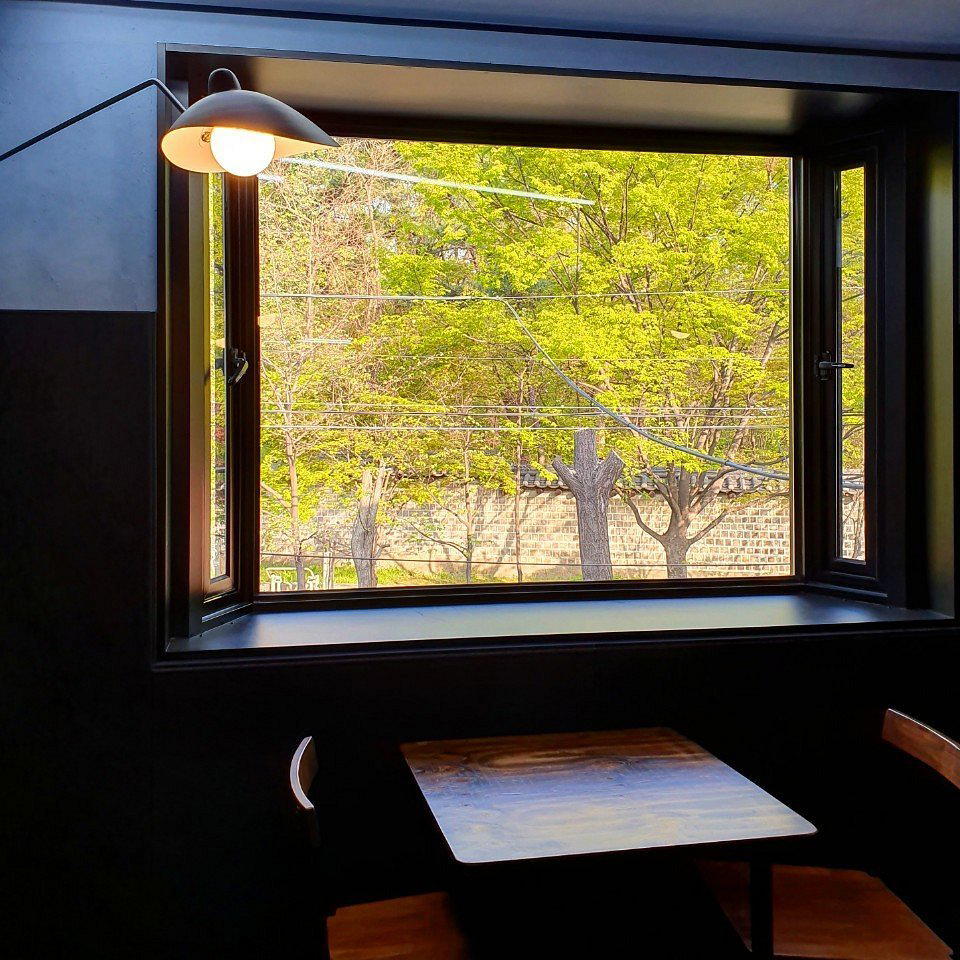
Sophisticated hotel restaurant atmosphere with a focus on refined, medicinal-inspired Chinese dining.