
Nihao is a Hatagaya dumpling room with Tabelog 100 - Dumplings selections in 2019, 2021, and 2024, putting it in Tokyo’s serious gyoza conversation rather than the city’s luxury dining circuit. The appeal is physical and compact: counter seats, table seating, tatami space, BYO drinks, and a cash-only rhythm that suits a small-group dinner built around dumplings.
Pearl is the En Primeur Club membership app — saves, bookings, and concierge access live there. Same editors, same standards.
- Address
- Japan, 〒151-0066 Tokyo, Shibuya, Nishihara, 2 Chome−27−4 升本ビル 2階
- Phone
- +81 3-3465-0747
- Website
- tabelog.com
- Directions
- Get directions
 Saves & bookings on Pearl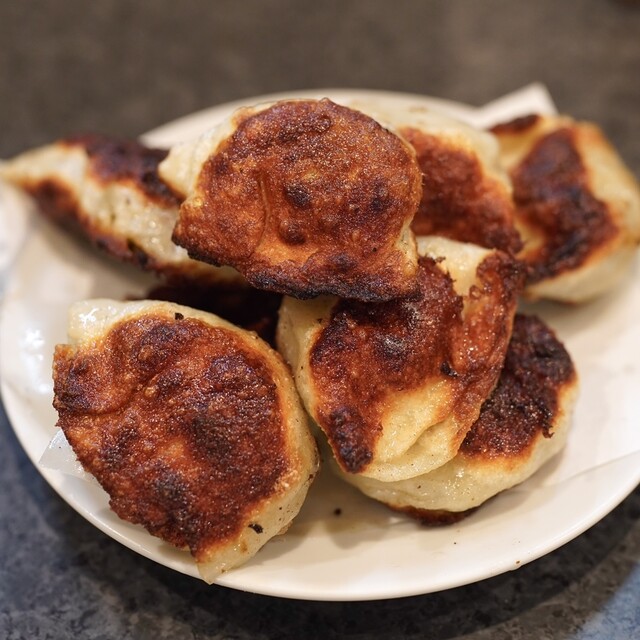
Hatagaya shifts quickly after commuter flow thins: narrow streets, small second-floor rooms, and local dining addresses that feel more neighbourhood habit than destination performance. Here, dumpling culture reads differently from Ginza sushi or Aoyama French. The room matters because the format is social, compact, and repetitive: plates arrive for sharing, drinks sit beside them, and the architecture keeps a casual meal from becoming anonymous.
Tokyo’s gyoza scene sits between Chinese inheritance and Japanese urban routine. Built for counters, post-work tables, and groups of friends rather than ceremony, it is familiar but not minor. Nihao belongs to that register, while repeated selection for Tabelog 100 - Dumplings in 2019, 2021, and 2024 gives it sharper credentials than the usual neighbourhood stop, separating it from Tokyo’s vast field of inexpensive gyoza rooms without pushing it into a white-tablecloth tier.
A compact Hatagaya room built for dumplings, not ceremony
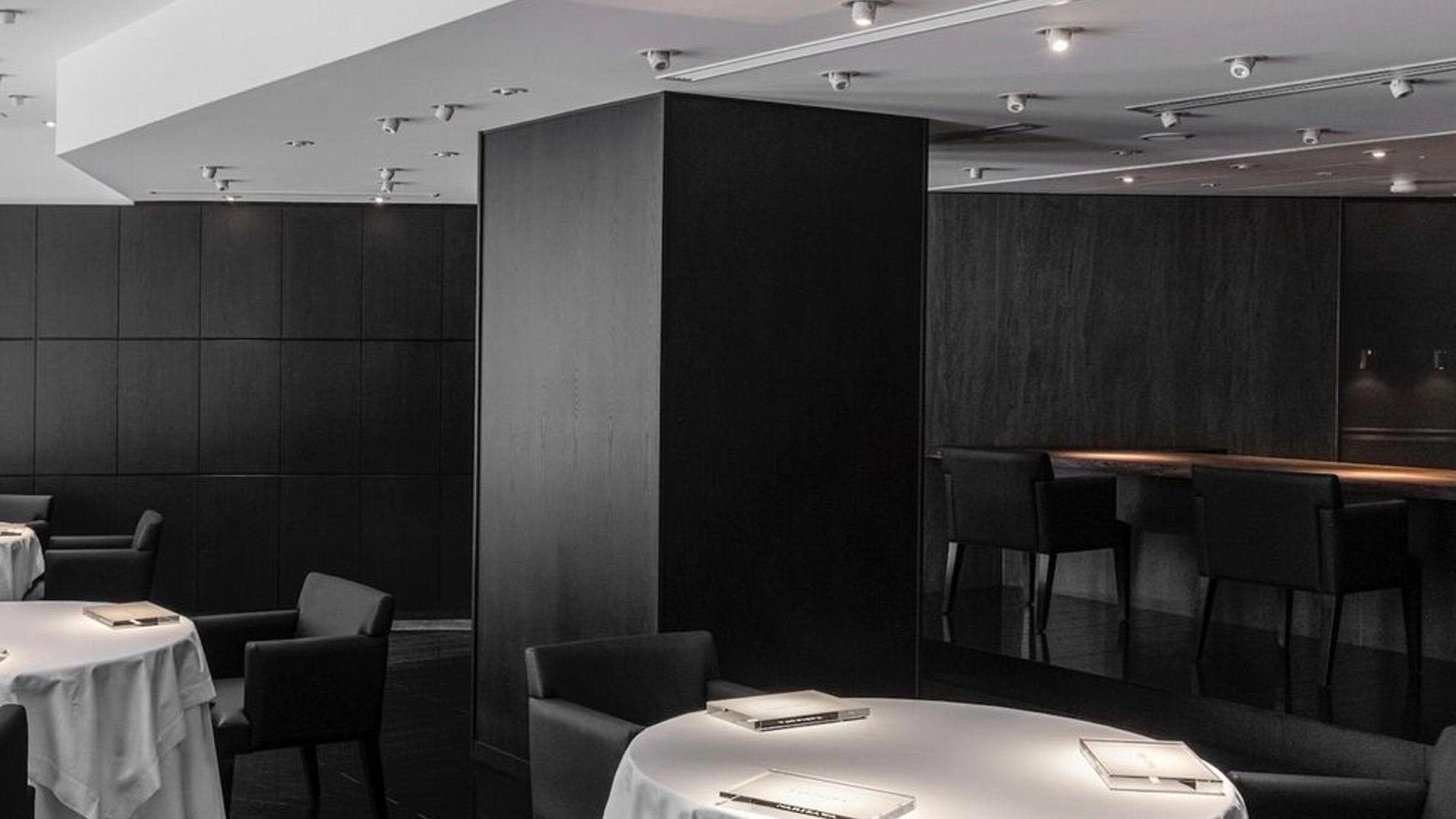
The physical container explains the meal. Counter seating brings solo diners and pairs close to the kitchen’s rhythm; table seating supports the sharing logic dumplings demand; tatami space adds a domestic note uncommon in newer, design-managed casual restaurants. This is not hushed Tokyo luxury-counter minimalism. It is a practical room for a category where repetition, heat, and speed carry more authority than décor.
That matters in Hatagaya, a neighbourhood defined less by grandeur than density. West of Shinjuku on the Keio New Line, it is close enough to central Tokyo for a short detour yet removed from the tourist circuit that shapes busier districts. Nearby comparison points clarify the mix: Katane Bakery works at the everyday end, Curry & Spice Aoi Tori maps the casual spice lane, while UNE IMMERSION and Shigeyuki show how higher-priced cooking fits the same west-side orbit. Nihao’s role is different: it anchors the dumpling-and-drinks slot, where value, seating, and repeatability matter.
The 34-seat room, split between counter and tables, is large enough to feel alive but small enough to stay focused. In Tokyo, that middle size counts. Eight-seat counters create theatre and scarcity; large chains create convenience. A 34-seat dumpling room can serve groups without losing the sense that the meal is shaped by the space rather than a corporate template.
Gyoza as a serious category, not a side order
Gyoza in Tokyo often suffers from familiarity. It appears beside ramen, beer, late-night sets, and station-area menus, so visitors can mistake ubiquity for simplicity. Stronger specialists make dumplings the main event: wrappers, fillings, pan work, and pacing become the point, not the prelude. Tabelog’s dedicated dumpling list matters because it frames the category on its own terms, as soba, tempura, or yakitori are judged by specialist criteria rather than general restaurant glamour.
Nihao’s Tabelog score of 3.68 and 2024 Tabelog 100 - Dumplings selection place it in a credible specialist bracket. The price tier remains accessible by Tokyo standards, but the award history argues against treating it as a casual fallback. The useful tension is a modest-format room with enough recognition to justify planning around, especially for travellers seeking Tokyo food culture beyond omakase counters and hotel dining rooms.
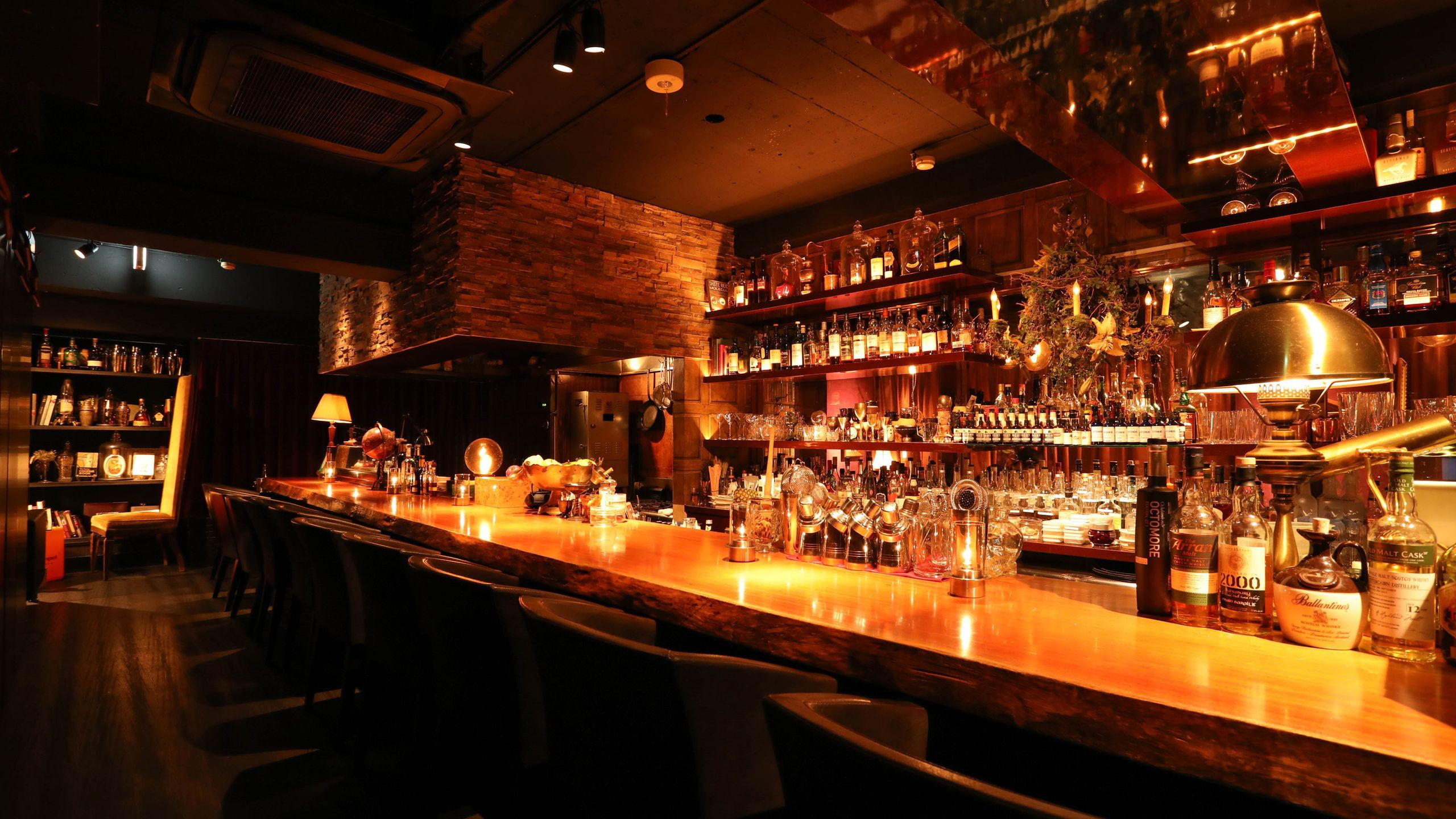
The drinks context also defines the pace. Sake, shochu, and wine sit in the listed drinks orbit, and BYO drinks are part of the service format. That is not a luxury signal but a social one. Dumpling meals often work through accumulation rather than strict sequence, and a flexible drinks setup suits a table that orders in rounds, talks, pauses, and orders again.
No chef mythology is required. Some of Tokyo’s clearest food experiences come from narrow categories executed with discipline rather than personality-led narrative. Dumplings reward that focus because the grammar is immediate; the difference lies in proportion, texture, heat control, and how the room supports quick repetition without flattening the meal.
How to place it in a Tokyo itinerary
For travellers building a Tokyo food itinerary, Nihao corrects the reservation-heavy prestige circuit. It should not replace a sushi counter, kaiseki meal, or serious yakitori booking; it fills another slot. The smarter comparison is with tightly defined casual addresses where the category itself carries the appeal. In that sense, it sits closer to a curry specialist or bakery stop than to a tasting-menu restaurant, even though its dumpling recognition gives it more editorial weight than a random local pick.
The west-side geography makes it a useful evening pivot. Hatagaya and neighbouring districts reward diners willing to leave obvious station clusters. Shinjuku is close by transit, but the mood changes quickly once the meal moves into a smaller local room. That contrast is the point: Tokyo’s dining identity is not only built in famous districts. It is also built in second-floor spaces above shopping streets, with practical seating, focused menus, and loyal local use.
Readers mapping a broader Tokyo stay can pair this specialist dinner with the city’s wider restaurant spectrum through Our full Tokyo restaurants guide, then keep hotels, drinking, and cultural planning separate through Our full Tokyo hotels guide, Our full Tokyo bars guide, Our full Tokyo wineries guide, and Our full Tokyo experiences guide. For nearby or contrasting Tokyo restaurant modes, compare the casual visual play of 2D Cafe, curry focus at 3 Chome no Curry Ya San, Shinjuku address 12/10 Shinjuku ten, yakitori at 124. KAGURAZAKA (Yakitori), and seafood-grill territory at. 鮪と炭火焼き うお炭 秋葉原店.
Outside Tokyo, the same category-first thinking carries across Japan and beyond: -Grilled beef Sukiyaki- KAMAKURA TANUKIAN 鎌倉 たぬき庵 in Kamakura.cafe in Osaka.know in Kumamoto, (Shoku) Vietnam in Kawasaki, [Curry Senmon Ten] Maruyama Kyoju. in Sapporo, [ki:] in Kyoto, Jōdo Saké Bar in Los Angeles, and Onigiri Time in Pasadena each show how a narrow format can define a meal more clearly than a broad menu.
The verdict is simple: this is a specialist dumpling address for diners who know Tokyo’s depth often appears in modest rooms. The evidence is not spectacle; it is repeated dumpling-list recognition, a room scaled for sharing, and a neighbourhood context that rewards targeted detours.
Pricing, Compared
Comparable venues by cuisine and category.
| Venue | Cuisine | Price | Notes |
|---|---|---|---|
| NihaoThis venue — the venue you are viewing | Not listed | $$ | Not listed |
| Ren Shan | Not listed | $$ | Minato, Creative Chinese countryside cuisine |
| ENGINE | Not listed | $$ | Shinjuku, Chinese with Japanese influence |
| chuukaryouri tokutake | Sumida, Modern Chinese & Ramen | $$ | Not listed |
| Rouhoutoi | Not listed | $$$ | Minato, Intimate Modern Chinese Small-Plate Restaurant |
| Chinkai Rou | Not listed | $$ | Shinagawa, Traditional Chinese dumpling house & izakaya |
Recognition history
Dated appearances from independent guides and award organizations, with the underlying list record or original source where available.
Tabelog 100 #14 · No. 14
Tabelog · Tabelog 100 - Dumplings - 2024













At a Glance
- Lively
- Cozy
- Casual Hangout
- After Work
- Group Dining
- Solo
- Standalone
- Sake Program
- Beer Program
- Byob
Current opening hours
- Monday
- Closed
- Tuesday
- 5–10 PM
- Wednesday
- 5–10 PM
- Thursday
- 5–10 PM
- Friday
- 5–10 PM
- Saturday
- 5–10 PM
- Sunday
- Closed
Hours can change for holidays and private events. Last verified .
Casual, compact second‑floor dumpling shop with counter and simple tables, a busy, high‑turnover feel, and a focus on eating and drinking rather than lingering.