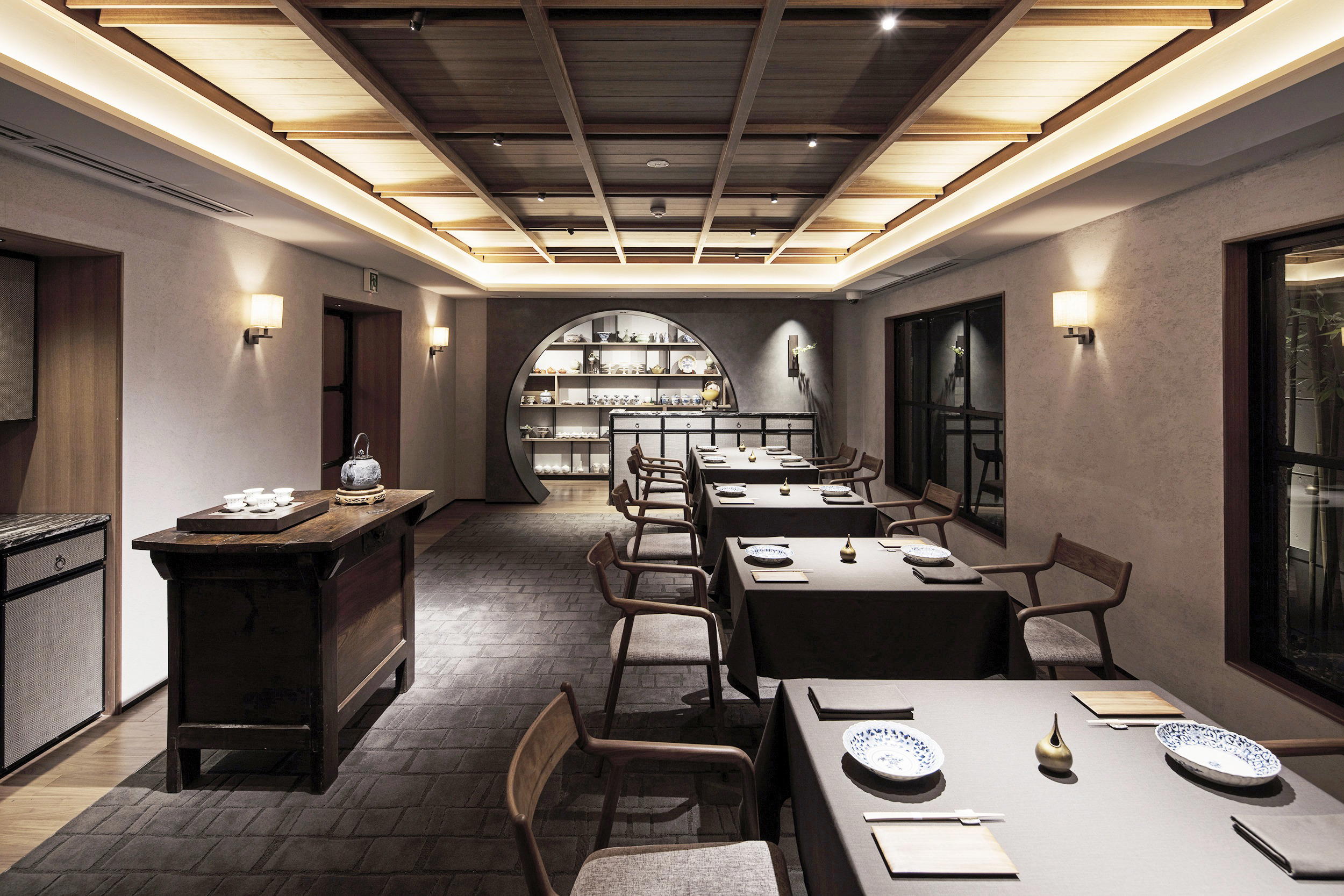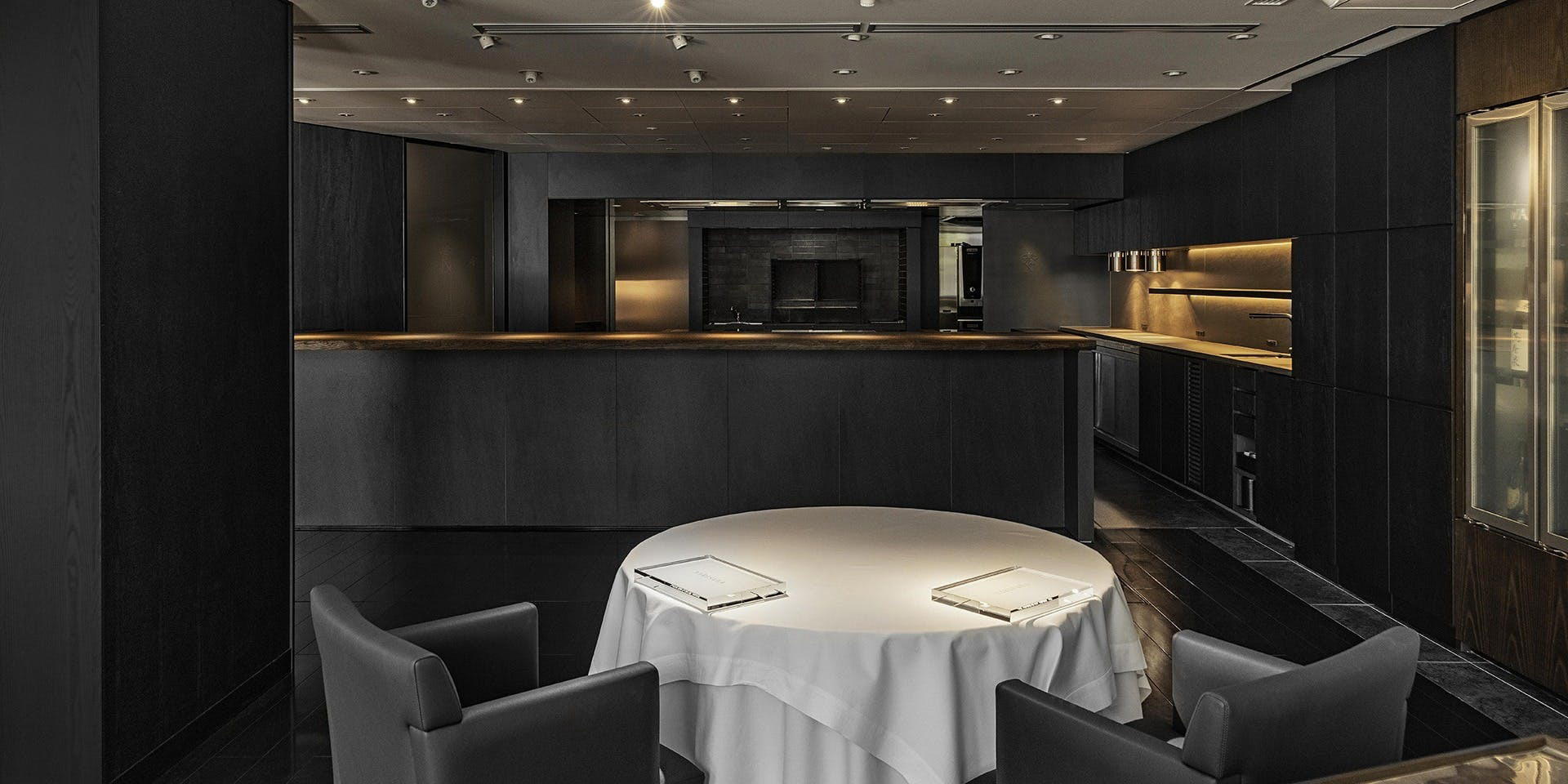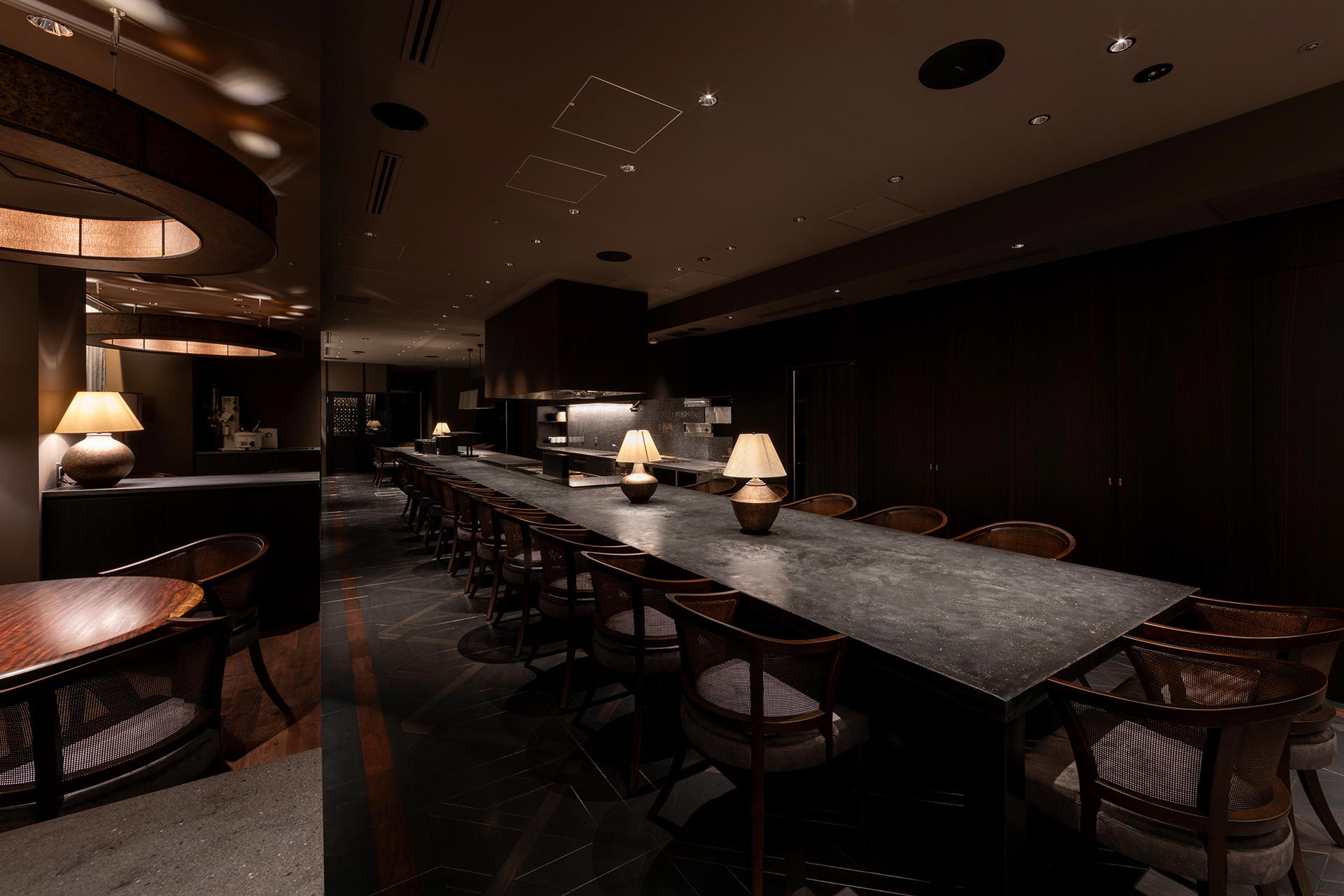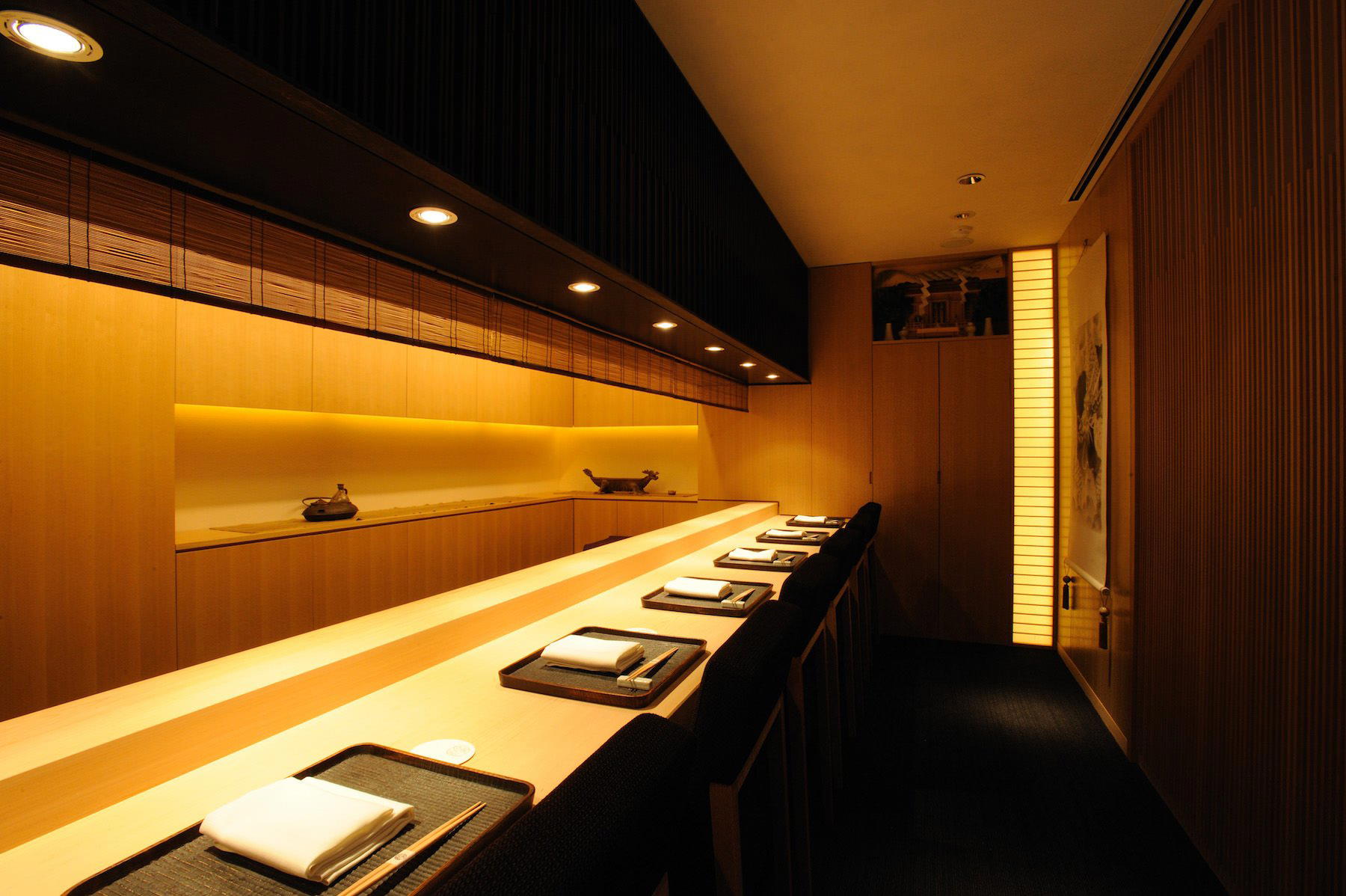
Black Pearl 1 Diamond
Our verdict
Among Tokyo's small pool of restaurants earning Black Pearl recognition for Cantonese cuisine, ShunDe DongHai stands as a rare address where the cooking tradition of Shunde, historically one of China's most influential regional food cultures, finds serious expression in a city better known for Japanese fine dining. A 2025 Black Pearl 1 Diamond award places it in a defined peer tier. Consult the venue directly for current booking and menu details.

Pearl is the En Primeur Club membership app, where members save venues, book tables and use the concierge.
Cantonese Fine Dining in Tokyo: A Different Kind of Precision
Tokyo's fine dining map is dense with Japanese forms: kaiseki sequences at RyuGin, omakase counters such as Harutaka, French kitchens working the city's long-running classical tradition at addresses like L'Effervescence and Sézanne. Chinese regional cooking at serious fine dining level occupies a smaller, more specific slice of that map. ShunDe DongHai Restaurant holds a position in that slice, distinguished from the broader Chinese restaurant category by its Black Pearl 1 Diamond recognition in 2025 and by the specific culinary tradition it draws from: Shunde, a district of Guangdong province that has produced some of the most technically demanding and ingredient-focused cooking in the Cantonese canon.
That context matters. Shunde cuisine is not interchangeable with general Cantonese or Hong Kong-style cooking. It operates from a philosophy of subtlety and restraint, milky fish soups, silken egg preparations, and raw-marinated seafood dishes that emphasise the quality of primary ingredients above all else. In the broader hierarchy of Chinese regional food culture, Shunde has long occupied a position analogous to what Burgundy holds in wine: a place where classical discipline and local terroir produce results that specialists treat with particular seriousness. A Tokyo restaurant that grounds its identity in this tradition is making a deliberate and specific claim.
Where Tokyo's Chinese Fine Dining Scene Sits
The Black Pearl Guide, published by Meituan, functions as the dedicated fine dining reference for Chinese cuisine globally. Its 1 Diamond designation in 2025 places ShunDe DongHai in a defined and relatively small peer group within Tokyo, restaurants judged to deliver Chinese cooking at a level consistent with serious international recognition. This is not a general quality marker; the Black Pearl system evaluates specifically within the Chinese cuisine framework, making it the most relevant trust signal for assessing where a restaurant of this type sits relative to others in the city.
For comparison, Tokyo's recognised fine dining tier at the ¥¥¥¥ price band includes restaurants across several cuisines, from the kaiseki precision of RyuGin to the French-inflected innovation at Crony. Chinese fine dining addresses with equivalent recognition are fewer. ShunDe DongHai's Black Pearl status positions it as one of the more specifically credentialed Chinese dining options the city offers, measured against a guide built for exactly this purpose.
For readers planning broader itineraries across Japan, comparable levels of regional fine dining ambition exist at HAJIME in Osaka, Gion Sasaki in Kyoto, and akordu in Nara, though these operate in entirely different culinary traditions.
The Place: What Tokyo Means for This Style of Cooking
The editorial angle here is geographic as much as culinary. A Shunde-rooted restaurant operating in Tokyo sits at an unusual intersection. The city's Chinese dining scene has historically skewed toward Cantonese banquet formats, Shanghainese comfort cooking, and, in the decades since the 1990s, an increasing range of regional mainland styles. Shunde-specific cooking, with its emphasis on refined technique and expensive primary ingredients, is a narrower proposition. It requires diners with the knowledge to distinguish it from neighbouring Cantonese traditions and the willingness to pay pricing consistent with fine dining rather than neighbourhood dining.
Tokyo's food culture is well-equipped for that audience. The city's long history of absorbing international cooking at high precision, French, Italian, Spanish, and increasingly Korean and Chinese, has produced a dining public that engages seriously with non-Japanese fine dining. That context makes Tokyo a plausible home for a Shunde fine dining proposition in a way that fewer other non-Chinese cities could sustain. The Black Pearl recognition in 2025 suggests the restaurant has found that audience and maintained standards consistent with international adjudication.
Readers planning a Tokyo dining itinerary should approach ShunDe DongHai as they would approach any specialist fine dining address in a city with a crowded top tier: with advance planning and realistic expectations about availability. For the full range of what Tokyo's restaurant scene offers across formats and price points, see our full Tokyo restaurants guide.
Planning Your Visit
Given the limited data currently available, the practical details below reflect what the award record implies rather than confirmed operational specifics. Restaurants holding Black Pearl Diamond status typically operate at price points and booking disciplines consistent with the fine dining tier, but current hours, pricing, reservation methods, and seasonal menu structures should be confirmed directly with the venue before visiting.
Dress: Consistent with the fine dining tier implied by the award; smart dress is appropriate. Useful context: For hotels, bars, and experiences to complete a Tokyo visit, see our Tokyo hotels guide, Tokyo bars guide, Tokyo wineries guide, and Tokyo experiences guide.
For readers also considering other Japanese cities, Goh in Fukuoka, 1000 in Yokohama, and 6 in Okinawa represent distinct fine dining propositions across the country. Internationally, the Cantonese fine dining conversation connects to addresses such as Le Bernardin in New York City and Atomix in New York City, though these operate in different culinary traditions entirely.
Frequently asked questions
Q: What's the must-try dish at ShunDe DongHai Restaurant?
Q: Do I need a reservation for ShunDe DongHai Restaurant?
Q: What's the defining dish or idea at ShunDe DongHai Restaurant?
Q: How does ShunDe DongHai Restaurant handle allergies?
Q: Is ShunDe DongHai Restaurant overpriced or worth every penny?
Q: What makes ShunDe DongHai Restaurant's cuisine different from standard Cantonese or dim sum dining in Tokyo?
A Lean Comparison
Comparable venues nearby, for context on price, style, and recognition.
| Venue | Cuisine | Price | Awards | Notes |
|---|---|---|---|---|
| ShunDe DongHai RestaurantThis venue (the venue you are viewing) | Chinese Restaurant | Not listed | Black Pearl 1 Diamond | Not listed |
| Coyacoya | Modern Chinese | $20–30 | Not listed | Shibuya, Modern Chinese |
| 銀座奥田 | Seasonal Japanese Kaiseki | $200–300 | 1 Michelin Star | Chūō, Chinese |
| MUDAN JIANG | Chinese Izakaya | $30–50 | Tabelog 100 #49 | Chūō, Chinese Izakaya |
| Asia Kappou Rengetsu | Gyoza-focused Japanese-Chinese dumpling house | $20–30 | Tabelog 100 #13 | Minato, Gyoza-focused Japanese-Chinese dumpling house |
| 虎ノ門PAIRON | Taiwanese Gyoza Izakaya | $20–30 | Not listed | Toranomon, Taiwanese Gyoza Izakaya |
Recognition history
Dated appearances from independent guides and award organizations, with the underlying list record or original source where available.
Black Pearl 1 Diamond
Black Pearl
Continue exploring