
ENGINE brings Kagurazaka’s back-lane intimacy into Tokyo’s Chinese dining conversation, with a compact room, counter seating, and a Japanese-ingredient approach that fits the neighborhood’s appetite for precise, small-scale restaurants. Its selection for Tabelog 100 Chinese cuisine Tokyo 2026, alongside prior selections in 2021, 2023, and 2024, places it in a competitive city category without pushing it into formal fine-dining ceremony.
Pearl is the En Primeur Club membership app — saves, bookings, and concierge access live there. Same editors, same standards.
- Address
- Japan, 〒162-0825 Tokyo, Shinjuku City, Kagurazaka, 5 Chome−43-2 ROJI神楽坂 1階
- Phone
- +81 3-6265-0336
- Website
- facebook.com
 Saves & bookings on Pearl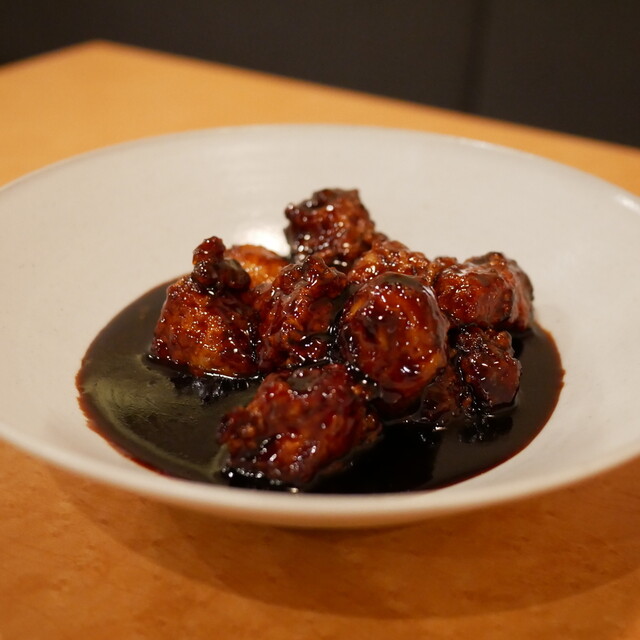
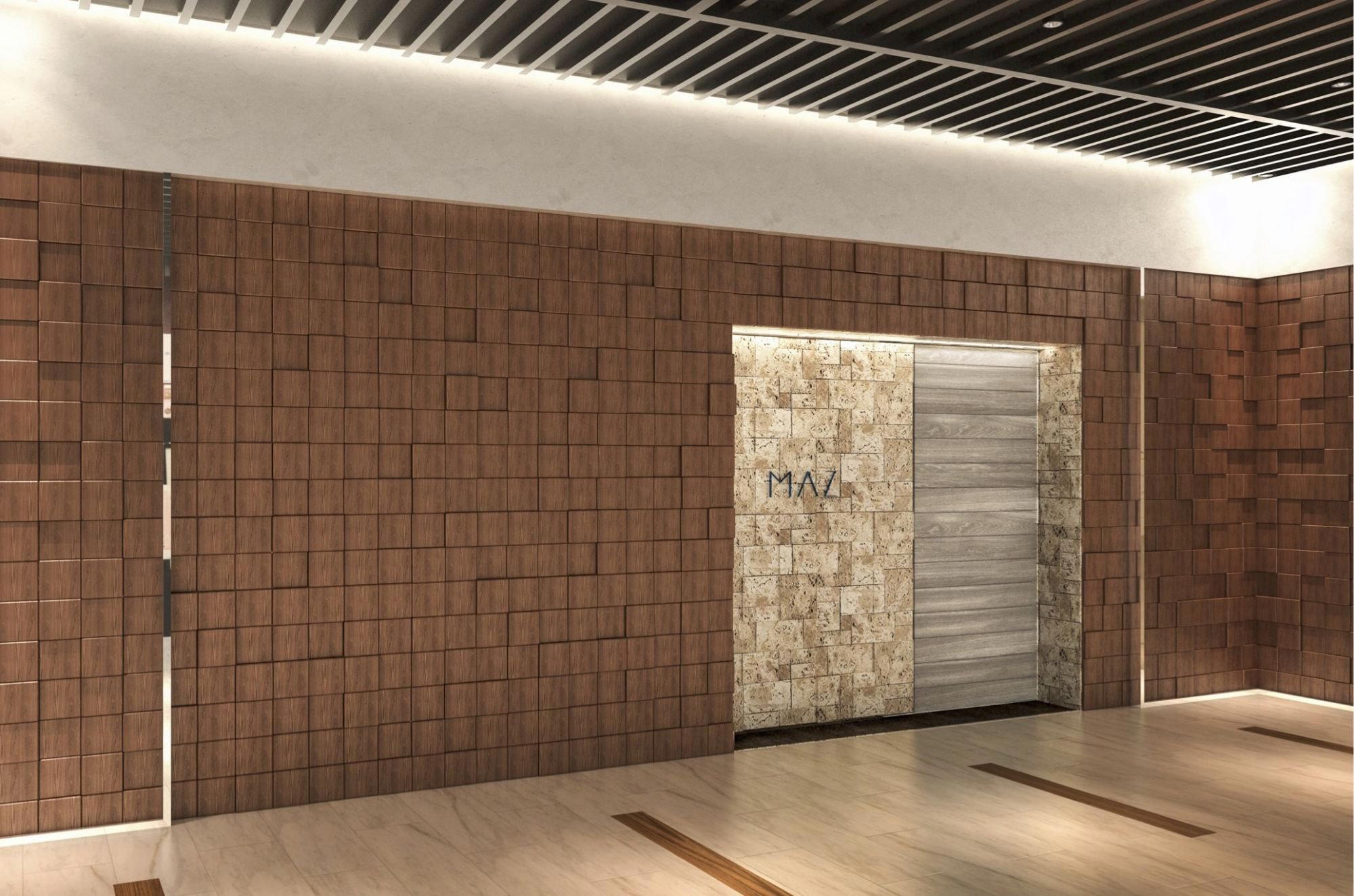
Kagurazaka rewards slow arrivals. Lanes narrow off the main slope, shifting from station traffic to low doorways, discreet signs, and restaurants built on repeat confidence rather than street theatre. ENGINE fits that rhythm: a small Chinese restaurant in ROJI Kagurazaka for diners who know Tokyo’s serious meals often happen in rooms with little outward declaration.
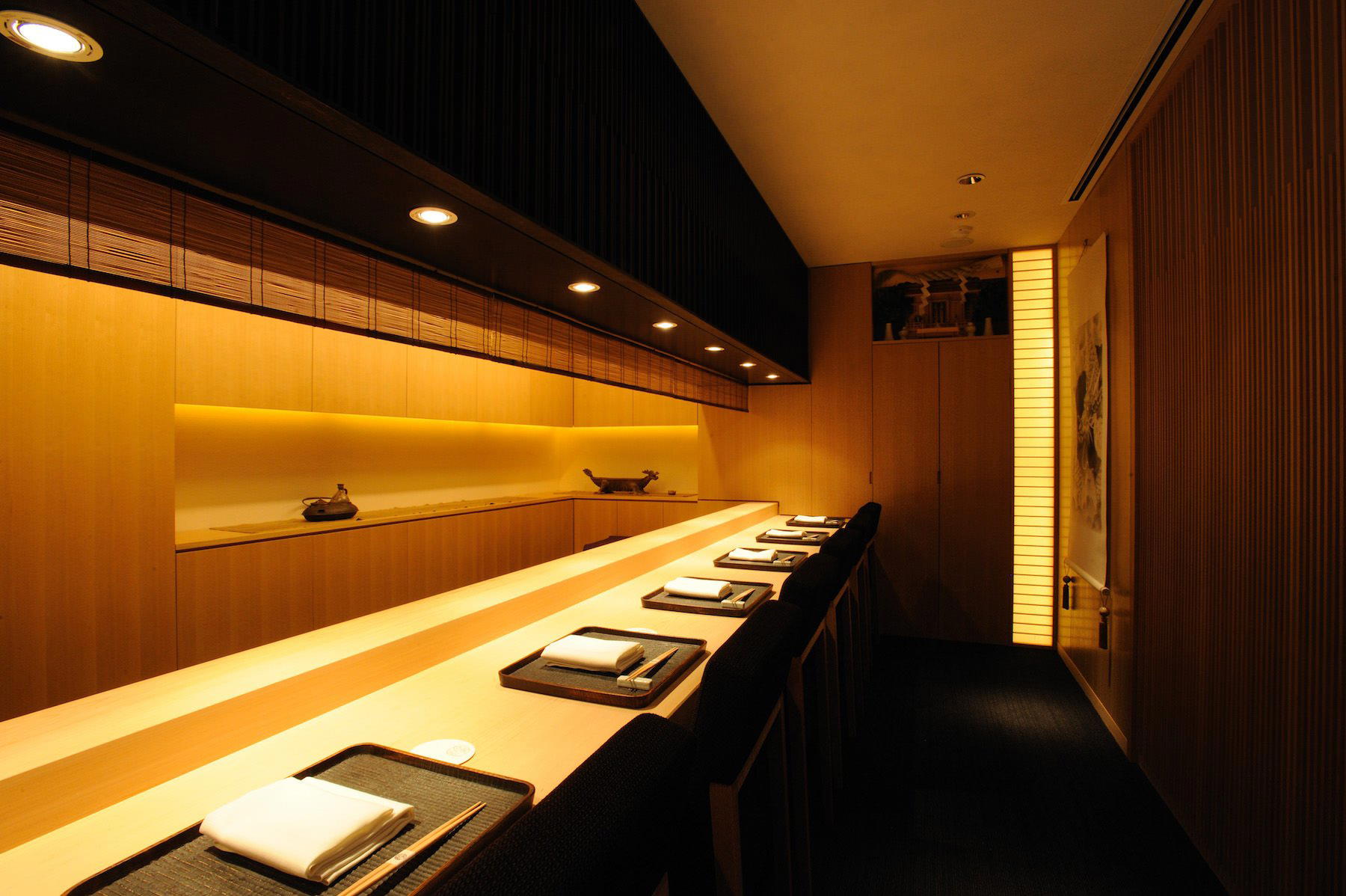
The ritual belongs to a Tokyo genre: compact, chef-led, ingredient-conscious Chinese cooking paced for conversation, not banquet scale. Chinese restaurants in Japan often divide between hotel dining rooms, town Chinese counters, and hybrid kitchens translating regional technique through local seafood, vegetables, and rice-season timing. This address sits in the third group. Its 17 seats, five at the counter and 12 at tables, make the meal closer to a controlled workshop than a large dining room. That scale shapes how dishes land, how wine service fits, and how much patience the kitchen can give heat, sauce, and sequence.
Kagurazaka's small-room Chinese format, not hotel banquet formality
Kagurazaka suits restaurants that prefer restraint over spectacle. Its dining identity is tied to side streets, old geisha-quarter traces, and diners moving among kappo, kaiseki, yakitori, wine bars, and small Chinese kitchens in the same evening economy. Here, a Chinese restaurant need not signal ambition with lacquered grandeur. It needs control: a short room, a clear point of view, and consistency strong enough to hold regulars against the area’s Japanese heavyweights.
ENGINE’s Tabelog 100 Chinese cuisine Tokyo 2026 selection therefore matters. Tabelog’s Hyakumeiten lists are not Michelin-style stars, but in Japan they are watched because they isolate strong performers by category and area. Repeated selections in 2021, 2023, 2024, and 2026 suggest endurance in a crowded Tokyo Chinese field, not a single-season spike. For travelers, that places the restaurant among serious category specialists while keeping the format more accessible than longer, more ceremonious dégustation rooms.
The premise fits contemporary Tokyo. Japanese ingredients are not novelty add-ons to Chinese technique; they are the working base. The public description emphasizes fish and Chinese dishes shaped through Japanese produce, with a wine-focused drink program. That points to a meal less about ordering a familiar spread than following the kitchen’s balance of heat, acid, texture, and seasonality. The ritual remains convivial, but the group-ordering logic of Chinese dining becomes narrower and more deliberate in a room this size.
What the meal asks of the table
The ideal way to read ENGINE is through pacing. In a larger Chinese dining room, abundance often comes through contrast: cold appetizers, fried dishes, seafood, claypot, noodles or rice, then dessert. In a Kagurazaka room with counter seats and limited covers, the experience is more edited. Dishes do not compete for banquet volume; they are sequenced to show how Japanese ingredients behave under Chinese seasoning and wok logic. The sweet-and-sour pork associated with Chef Kazumasa Matsushita’s earlier Uzumaki period signals continuity with Akasaka’s modern Chinese lineage without making biography the meal’s main argument.
Chef credentials matter as context, not mythology. Matsushita spent about seven years at Uzumaki in Akasaka before opening his own Kagurazaka restaurant in 2015. That explains the cooking’s place in Tokyo’s modern Chinese tradition: disciplined, ingredient-forward, and more compact than the hotel school. The point is how a generation of Tokyo Chinese cooking moved from banquet scale toward smaller rooms where Japanese seasonality carries equal weight with technique.
Etiquette follows the format. This is not a drop-in noodle counter or private-room celebration restaurant. It suits diners who accept a tighter cadence, share attentively, and let the kitchen’s scale set the tempo. The no-smoking policy, absence of private rooms, and counter seating point to a room organized around food rather than compartmentalized entertaining. Private use is available, fitting regulars or small groups who want the full room’s focus, but the natural mode is intimate, not expansive.
The Kagurazaka comparison is instructive. 神楽坂 石かわ and Yamasaki represent the area’s high-form Japanese dining identity, while Shirogane Toritama Kagurazaka ten sits closer to yakitori and casual-specialist territory. Uisane and 神楽坂くろす further show the neighborhood’s strength is not one cuisine but a density of focused rooms. ENGINE belongs in that conversation by giving Chinese cooking the same neighborhood treatment: small footprint, strong authorship, and confidence without theatrical luxury cues.
How to fit it into a Tokyo dining itinerary
For visitors building a Tokyo trip around meals, ENGINE is a strong Kagurazaka anchor when the aim is precision without full ceremonial weight. It also counters sushi, kaiseki, and yakitori reservations because the cooking uses Chinese structure while staying local in ingredient logic. The room is small, so planning matters; approach it as a booked dinner, not an opportunistic stop between bars.
The location helps. Kagurazaka connects easily with Iidabashi and Ushigome-Kagurazaka, so an evening can move between quiet dinner and the neighborhood’s slope-side drinking streets without crossing the city. Its place in ROJI Kagurazaka reinforces the back-lane character that draws diners here rather than to a hotel tower or department-store dining floor.
For context, compare the city’s range through Our full Tokyo restaurants guide, then map nearby or contrasting bookings such as 124. KAGURAZAKA (Yakitori), 12/10 Shinjuku ten, 2D Cafe, 3 Chome no Curry Ya San, and. 鮪と炭火焼き うお炭 秋葉原店. Travelers extending the food itinerary beyond Tokyo can place it against -Grilled beef Sukiyaki- KAMAKURA TANUKIAN 鎌倉 たぬき庵 in Kamakura,.cafe in Osaka,.know in Kumamoto, (Shoku) Vietnam in Kawasaki, [Curry Senmon Ten] Maruyama Kyoju. in Sapporo, [ki:] in Kyoto, Jōdo Saké Bar in Los Angeles, and Onigiri Time in Pasadena. Round out city planning with Our full Tokyo hotels guide, Our full Tokyo bars guide, Our full Tokyo wineries guide, and Our full Tokyo experiences guide.
The editorial case is clear: this is not the grand Chinese meal for a large-table celebration. It is Kagurazaka’s version of modern Chinese dining: compact, ingredient-led, wine-aware, and serious enough to be repeatedly selected in a Tokyo category that rewards consistency. The right diner comes for the discipline of the room as much as for any single dish.
Recognition, Side-by-Side
Comparable venues to place this listing in its category.
| Venue | Cuisine | Price | Awards | Notes |
|---|---|---|---|---|
| ENGINEThis venue — the venue you are viewing | Chinese with Japanese influence | $$ | , | |
| Gyōzanomise Okei | Traditional Gyoza Dumplings | $$ | , | Iidabashi |
| Kouhi En | Chinese Noodles | $$ | , | Minato |
| 銀座奥田 | Chinese | $$ | , | Chūō |
| Anda Gyoza Yoyogi uehara ten | Chinese Gyoza | $$ | , | Shibuya |
| Fushue | Chinese restaurant | $$ | , | Chūō |





At a Glance
- Cozy
- Classic
- Intimate
- Date Night
- Business Dinner
- Solo
- Casual Hangout
- Standalone
Sophisticated but crowded and noisy, with a strong Japanese influence.