



1 Michelin Star · Star Wine List · Tabelog 100 #9
Our verdict
A Michelin-starred counter in Nogizaka where kaiseki discipline meets Italian-inflected sensibility, guided by a sommelier ranked among Japan's foremost. The kitchen draws ingredients from Tokushima Prefecture, and monthly pairing events, wine alongside Awa bancha fermented tea, position Nogizaka Shin at the intersection of kappo tradition and contemporary beverage culture. Rated 4.6 on Google from 97 reviews and ranked #1 on Star Wine List 2025.

Pearl is the En Primeur Club membership app, where members save venues, book tables and use the concierge.
The menu
What to order
- Horsehair Crab & Fig
- Sea Bream Sashimi
- Pike Eel Clear Soup
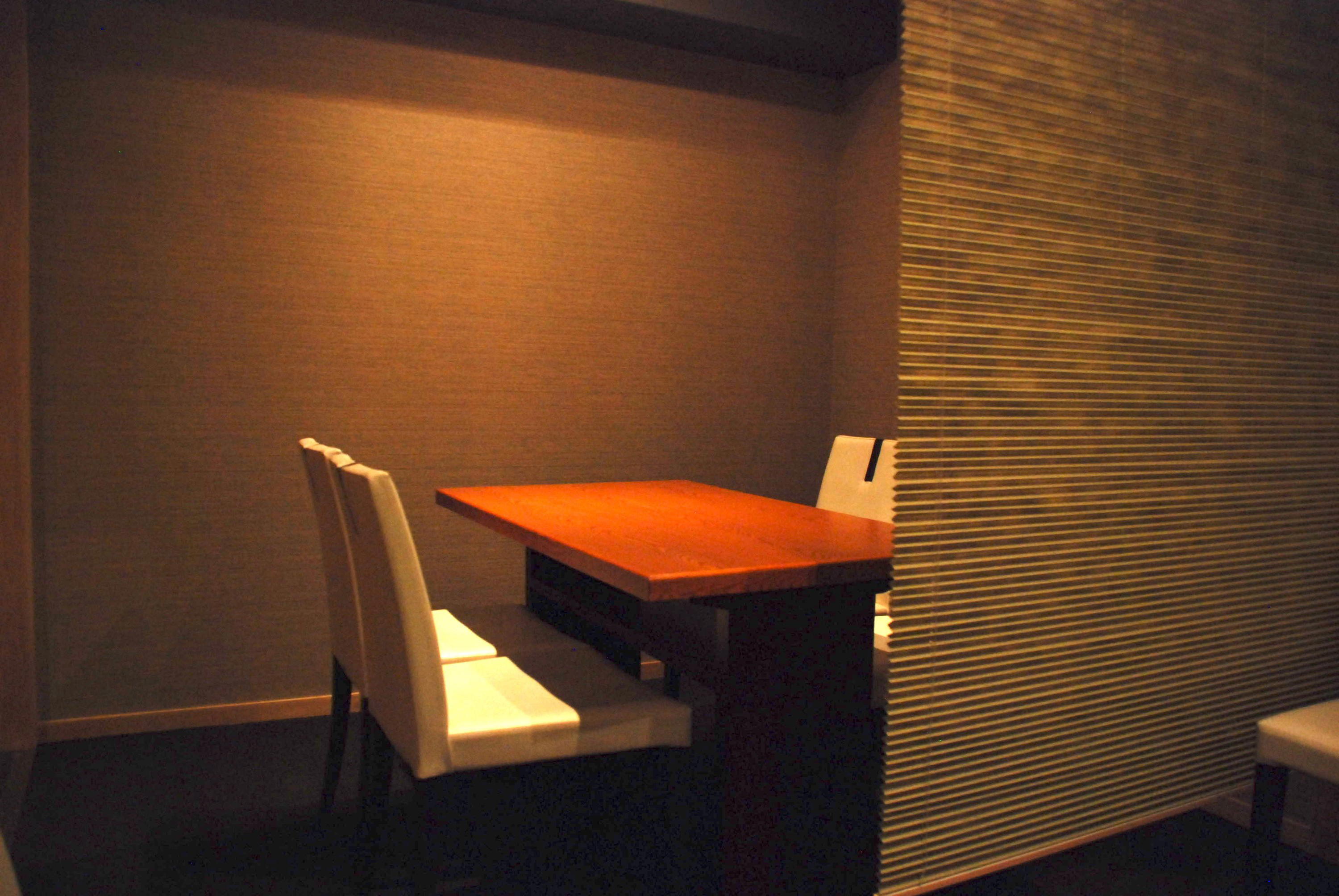
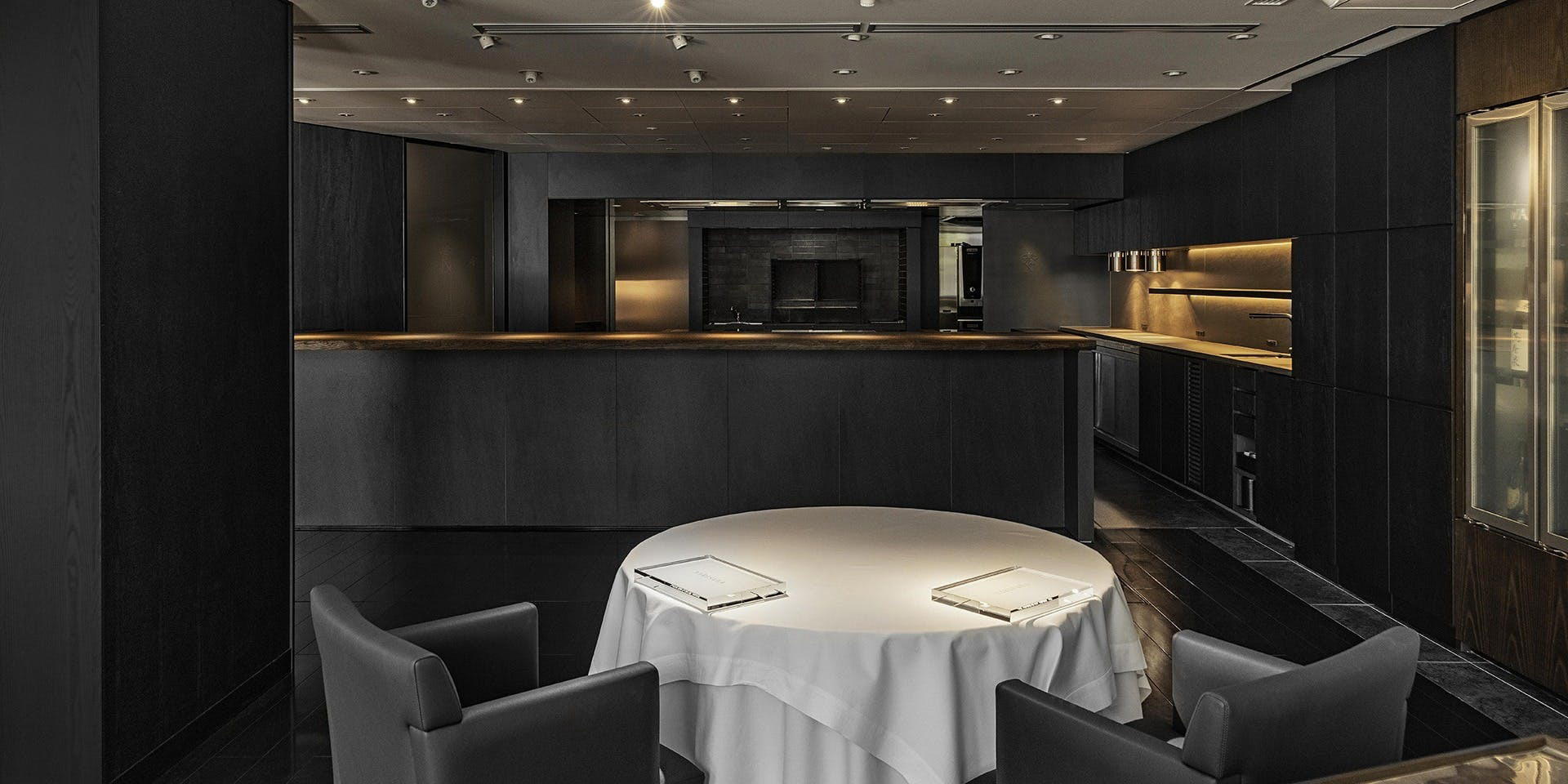
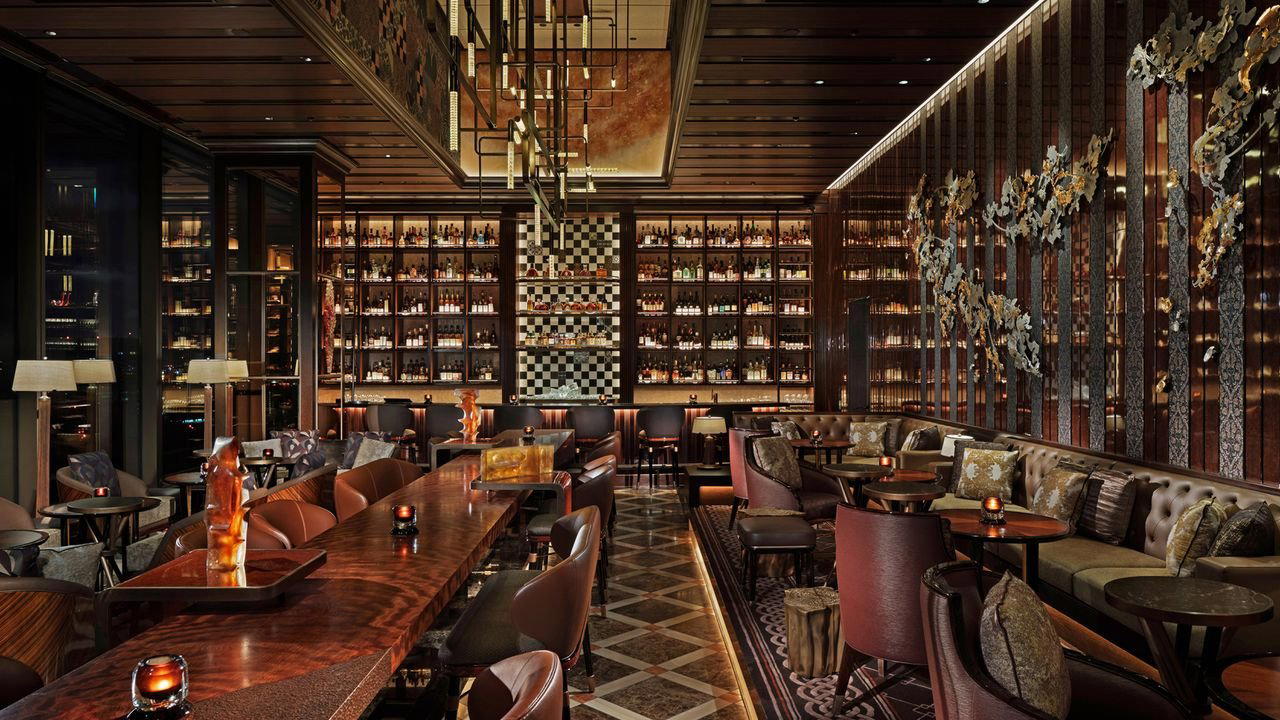
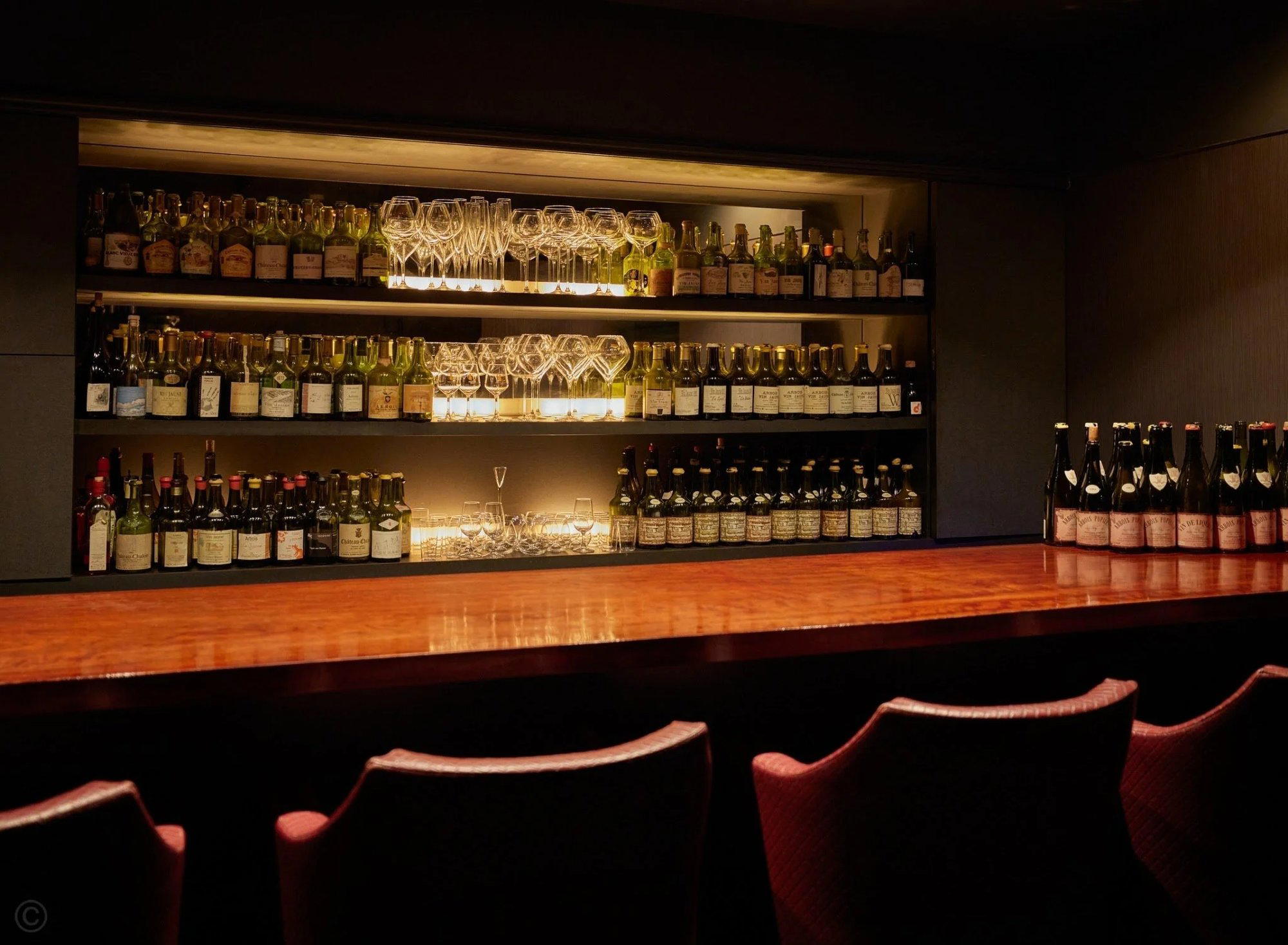
Concrete walls, a glass-enclosed kitchen, and the proportions of a modern tearoom: the design language at Nogizaka Shin communicates something specific before a single dish arrives. The room is spare in the way that kappo counters often are, where the architecture does not compete with the work happening behind the glass. That clarity of purpose is worth noting because it frames everything else about the experience.
Where Kappo Sits in Tokyo's ¥¥¥¥ Tier
Tokyo's top-end tasting-menu market is dense and internally differentiated. At ¥¥¥¥ pricing, a diner in Minato City is choosing between kaiseki houses with deep Kyoto lineage, sushi counters built around a single protein, and French kitchens that have absorbed Japanese technique over decades. RyuGin represents the kaiseki pole of that spectrum, with a Hiroshi Ishida pedigree and three Michelin stars. Harutaka anchors the sushi end. L'Effervescence and Sézanne hold the Franco-Japanese position. Nogizaka Shin operates at a different coordinate: a counter format rooted in kappo discipline but explicitly incorporating Italian sensibility alongside Japan's beverage traditions. The Michelin star it earned in 2024 places it in the recognised tier, while its number-one ranking from Star Wine List in 2025 signals that the beverage program carries weight comparable to the kitchen.
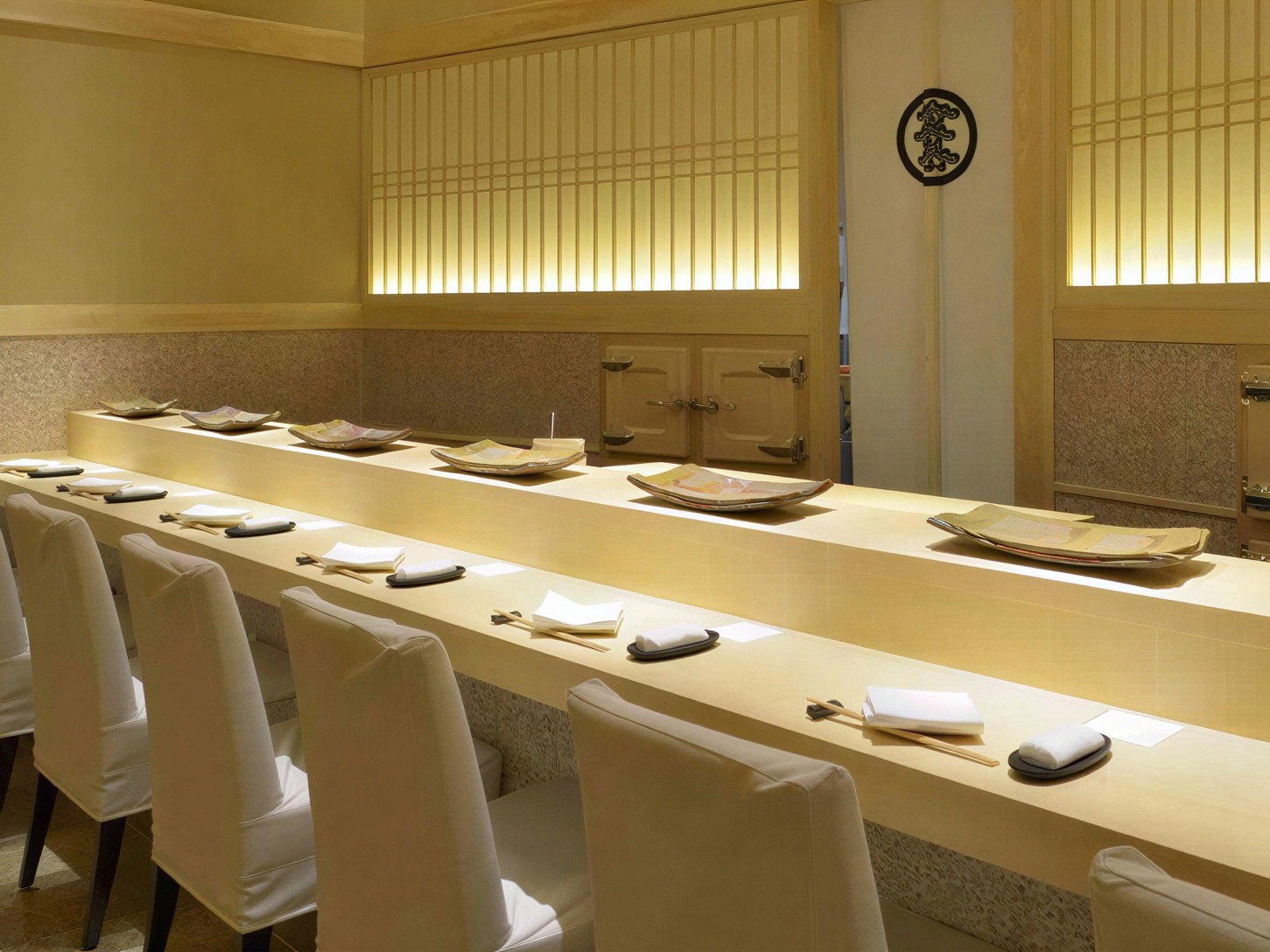
Kappo, as a format, predates kaiseki in some respects. Where kaiseki emerged through the tea ceremony tradition and refined itself into highly sequenced courses, kappo was always a more direct exchange between cook and guest, with the counter as the site of that transaction. The word itself combines the Japanese characters for "cut" and "cook." At its finest, the format places the guest in an observational relationship with the kitchen rather than the kind of theatrical remove that characterises some multi-course formats. The glass-enclosed kitchen at Nogizaka Shin literalises that relationship.
The Tokushima Thread
One of the more consequential details about Nogizaka Shin is its supply relationship with Tokushima Prefecture, on the island of Shikoku. Proprietor and chef Issei Yuasa draws seafood, citrus fruits, and rice from his native region, and the kitchen incorporates Awa bancha, a fermented tea specific to Tokushima, into the beverage pairing structure alongside wine and sake. This is not incidental provenance signalling. Awa bancha sits outside the mainstream Japanese tea canon, which runs through sencha, gyokuro, and matcha. It is post-fermented, closer in production logic to pu-erh than to the steamed green teas that dominate Japanese tea culture, and it carries a distinct sourness that makes it genuinely pairable with food rather than simply palatable alongside it.
The decision to include Awa bancha in the pairing canon reflects something broader about how Japanese restaurants with serious beverage ambitions are expanding their reference points. Wine and sake pairings are now standard at this price tier.
Sommelier as Structural Co-Author
The sommelier here is Yasuhide Tobita, whose credentials span Japanese restaurant work in Paris before returning to Tokyo. Star Wine List's 2025 number-one Japan ranking is not a generic hospitality award; it is specifically a wine program evaluation. At a restaurant where the cuisine already crosses Italian and Japanese lines, a sommelier trained across Parisian and Tokyo contexts is a functional requirement rather than a bonus. The monthly tasting events, pairing discussions centred on wine and sake, are part of the restaurant's operational model, not occasional programming. That regularity matters because it signals that the pairing conversation is embedded in how the restaurant thinks rather than offered as an added attraction.
Same dual-Paris-Tokyo experience applies to the proprietor, which means both principals share a formation context. That kind of institutional alignment between kitchen and floor is rarer than it sounds. In Tokyo's most ambitious restaurants, the sommelier and chef often come from entirely different training lineages and negotiate a shared vocabulary over time. Here, the shared reference of working in Japanese restaurants in Paris means the conversation between disciplines likely started earlier.
Italian-Japanese Cuisine: What That Actually Means at This Level
"Italian, Japanese" classification will read differently depending on the reader's prior exposure to the format. It does not describe fusion in the reductive sense, where visual or ingredient combinations are the point. At the level Nogizaka Shin operates, it more likely describes a structural conversation between two culinary traditions with significant points of overlap: both prize seasonal produce, both have strong regional identities, both have codified techniques around pasta and rice that carry deep cultural weight, and both have developed sophisticated fermentation traditions. The Italian reference could signal pasta-making techniques applied to Japanese grain varieties, a preference for olive oil alongside dashi, or a sequencing logic that borrows from Italian antipasto-primi-secondi architecture. What the classification does signal, in the context of a kaiseki tasting format, is a kitchen that is working with structural ideas from both traditions rather than simply plating Japanese ingredients on an Italian framework.
For comparison: Crony in Tokyo occupies an analogous cross-tradition position with its innovative French approach, while outside Tokyo, akordu in Nara does something formally similar by placing Basque Country technique in conversation with Nara's ingredient culture. The pattern of deep regional sourcing combined with external culinary grammar is one of the more interesting things happening in Japan's restaurant scene at this moment. It is also visible at the international level: Atomix in New York City applies Korean fine-dining structure in a Western tasting-menu frame with comparable deliberateness, while Le Bernardin in New York City demonstrates how a single-cuisine focus executed with total rigor can achieve analogous critical standing.
The Nogizaka Address
The restaurant sits in Akasaka, in Minato City, the ward that holds much of Tokyo's top-end dining in a relatively compact footprint. Nogizaka, as a sub-area, sits adjacent to Roppongi but carries a quieter residential-embassy register. The address is not a nightlife zone in the way that parts of Roppongi are, which means the evening trajectory of a dinner here is more contained. The restaurant operates Monday through Saturday from 5:30 to 11 pm, closing Sundays. That consistent six-day schedule at dinner-only hours is standard for serious tasting-menu operations in Tokyo. See our full Tokyo restaurants guide for broader context on the city's dining geography, and consult our Tokyo hotels guide, Tokyo bars guide, Tokyo wineries guide, and Tokyo experiences guide for planning a fuller visit.
Elsewhere in Japan, analogous restaurants that earn comparison include HAJIME in Osaka, Gion Sasaki in Kyoto, Goh in Fukuoka, 1000 in Yokohama, and 6 in Okinawa, each of which applies its own regional ingredient logic to a tasting-menu format.
Know Before You Go
- Cuisine: Italian, Japanese tasting menu (kaiseki/kappo format)
- Price range: ¥¥¥¥
- Hours: Monday through Saturday, 5:30–11 pm; closed Sundays
- Awards: Michelin 1 Star (2024), Star Wine List #1 Japan (2025), Opinionated About Dining Leading Restaurants in Japan Ranked #543 (2025)
- Address: 8 Chome-11-19 Akasaka, Minato City, Tokyo (Eclaire Nogizaka Sekine Building 1F)
- Beverage program: Wine, Japanese sake, and Awa bancha pairings; monthly pairing events
- Chef / Proprietor: Issei Yuasa
- Sommelier: Yasuhide Tobita
Frequently asked questions
Is Nogizaka Shin a family-friendly restaurant?
At ¥¥¥¥ pricing in Tokyo's top-tier tasting-menu category, the format and price point are not oriented toward families with young children. The kappo counter format, monthly beverage pairing events, and multi-course structure position this as an adult dining experience. Tokyo has many excellent options across price tiers for family dining; this is not among them by design.
Is Nogizaka Shin better for a quiet night or a lively one?
The Nogizaka-Akasaka address, the modern-tearoom design concept with concrete walls, and the counter format all point toward a measured rather than animated evening. That said, the monthly pairing event format introduces a more social, discussion-led register on those specific dates. For a comparison within Tokyo's ¥¥¥¥ tier, this sits closer to the contemplative end of the spectrum than to louder restaurant formats in the city. The Michelin recognition and Star Wine List ranking draw a guest who is there to pay attention.
What do people recommend at Nogizaka Shin?
The Awa bancha option within that pairing represents a beverage direction rarely offered at this tier. The sourcing relationship with Tokushima, particularly the seafood and citrus, is cited in Michelin's own recognition notes for the restaurant.
Fast Comparison
A small set of peers for context, based on recorded venue fields.
| Venue | Cuisine | Price | Awards | Notes |
|---|---|---|---|---|
| Nogizaka ShinThis venue (the venue you are viewing) | Modern Kaiseki with Wine Pairings | $200–300 | 1 Michelin Star · Star Wine List | Not listed |
| Harutaka | Edo-Style Omakase Sushi | $200–300 | 3 Michelin Stars · World's 50 Best #76 | Sushi |
| RyuGin | Modern Kaiseki | $500+ | 3 Michelin Stars · World's 50 Best #41 | Kaiseki, Japanese |
| L'Effervescence | Modern French with Japanese Influences | $200–300 | 3 Michelin Stars · World's 50 Best #69 | French |
| HOMMAGE | Modern French with Japanese Influences | $150–200 | 2 Michelin Stars · World's 50 Best #78 | Innovtive French, French |
| MAZ | Innovative Peruvian-Japanese Fusion | $150–200 | 2 Michelin Stars · World's 50 Best #28 | Innovative |
Recognition history
Dated appearances from independent guides and award organizations, with the underlying list record or original source where available.
Michelin 1 Star
Michelin
Star Wine List
Star Wine List
Opinionated About Dining Top Restaurants in Japan Recommended
Opinionated About Dining
Tabelog 100 #9 · No. 9
Tabelog · Tabelog 100 - Japanese cuisine - TOKYO - 2025
Full recognition history (8 entries)
Opinionated About Dining Top Restaurants in Japan Ranked #543
Opinionated About Dining
Star Wine List
Star Wine List
Michelin 1 Star
Michelin
Opinionated About Dining Top Restaurants in Japan Recommended
Opinionated About Dining
Continue exploring
More in Tokyo
Restaurants in Tokyo
All restaurants in Tokyo →








Nogizaka Shin
The wine
- Wine program
- Deep wine list
- Extensive wine list
- Sommelier-led
- Sake program
Details
- Elegant
- Intimate
- Sophisticated
- Modern
- Cozy
- Date Night
- Special Occasion
- Business Dinner
- Chefs Counter
- Private Dining
- Open Kitchen
- Extensive Wine List
- Sake Program
- Sommelier Led
- Local Sourcing
- Tasting Menu
- Counter Dining
- Wine
- Sake
- Vegetarian Friendly
- Gluten Free Options
Current opening hours
- Monday
- 5:30–11 PM
- Tuesday
- 5:30–11 PM
- Wednesday
- 5:30–11 PM
- Thursday
- 5:30–11 PM
- Friday
- 5:30–11 PM
- Saturday
- 5:30–11 PM
- Sunday
- Closed
Hours can change for holidays and private events. Last verified .
Modern-day tearoom with concrete walls, glass-enclosed kitchen, sukiya-style aesthetic, and relaxing intimate atmosphere.