

A 2024 kaiseki opening in Minato City, Hyakuyaku by Tokuyamazushi brings Shiga's fermentation traditions into a Ginza-adjacent setting. The Michelin Plate-recognised menu centres on funazushi and seasonal game, framed through a kaiseki structure that treats fermentation not as accent but as architecture. For milestone dining in Tokyo, it occupies a tier defined by precision, provenance, and a clear regional point of view.
Pearl is the En Primeur Club membership app — saves, bookings, and concierge access live there. Same editors, same standards.
- Address
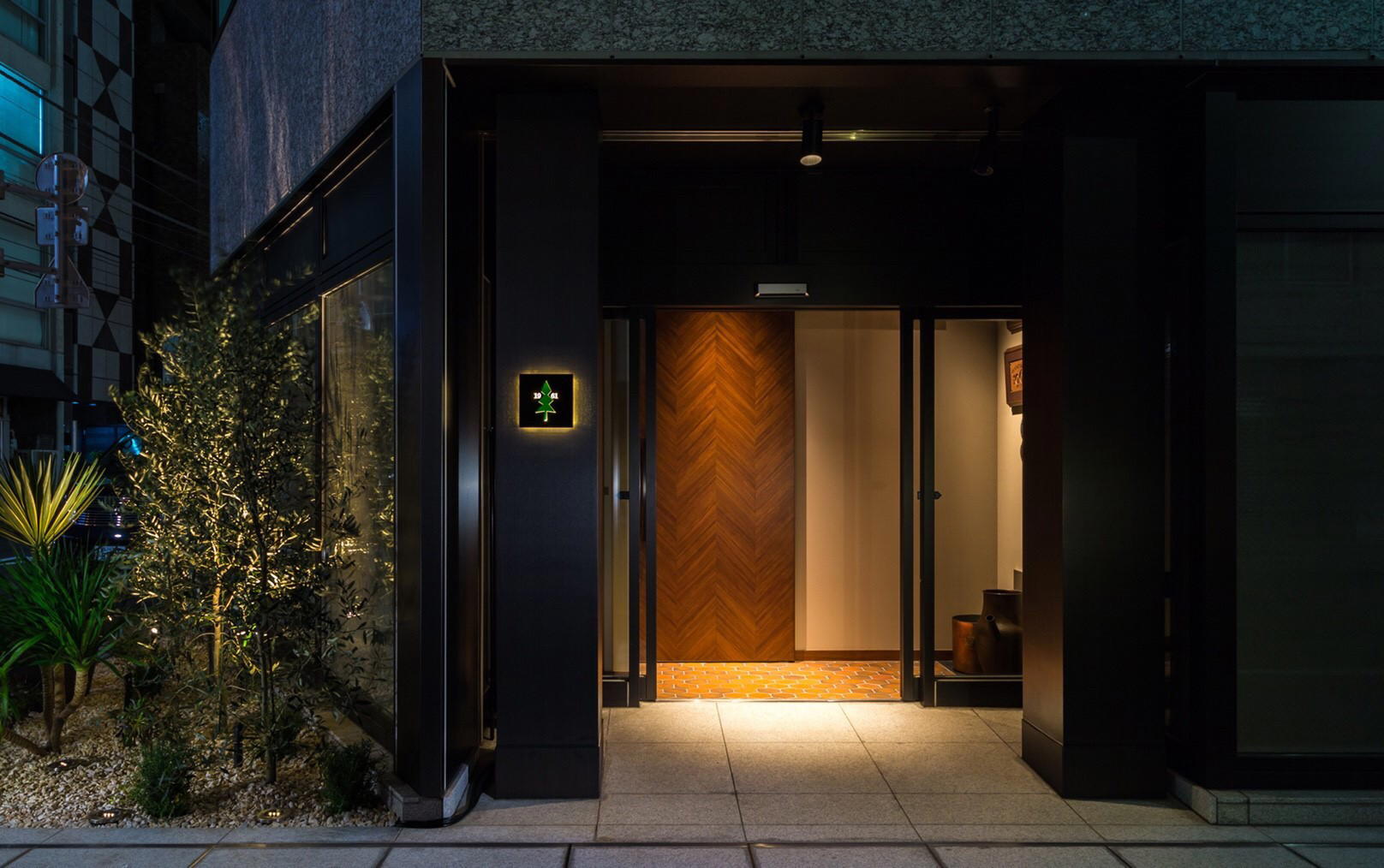
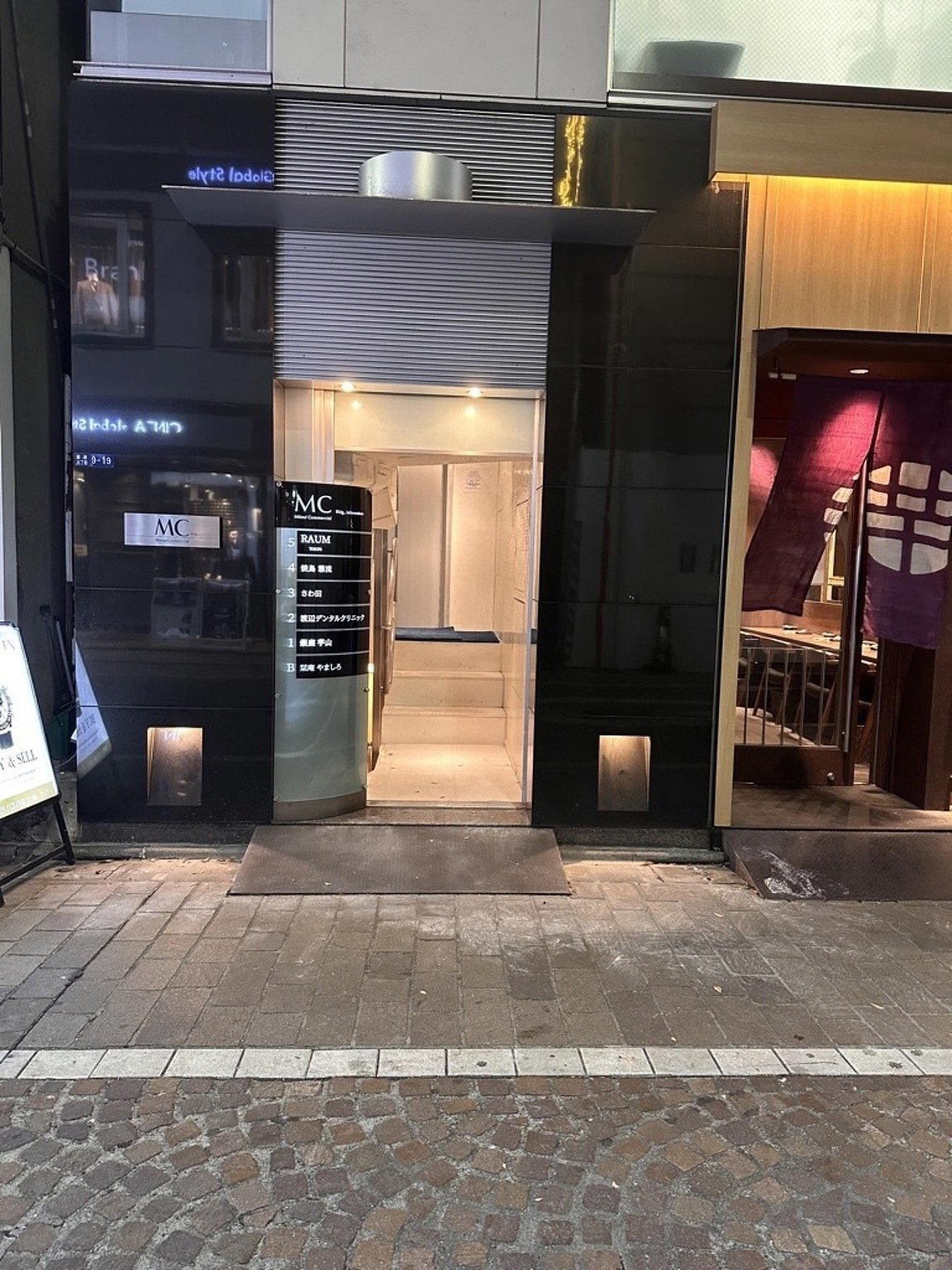
- Japan, 〒105-0004 Tokyo, Minato City, Shinbashi, 2 Chome−9−8 南條ビル 5F
- Phone
- +81 3-5579-9760
- Directions
- Get directions
 Saves & bookings on Pearl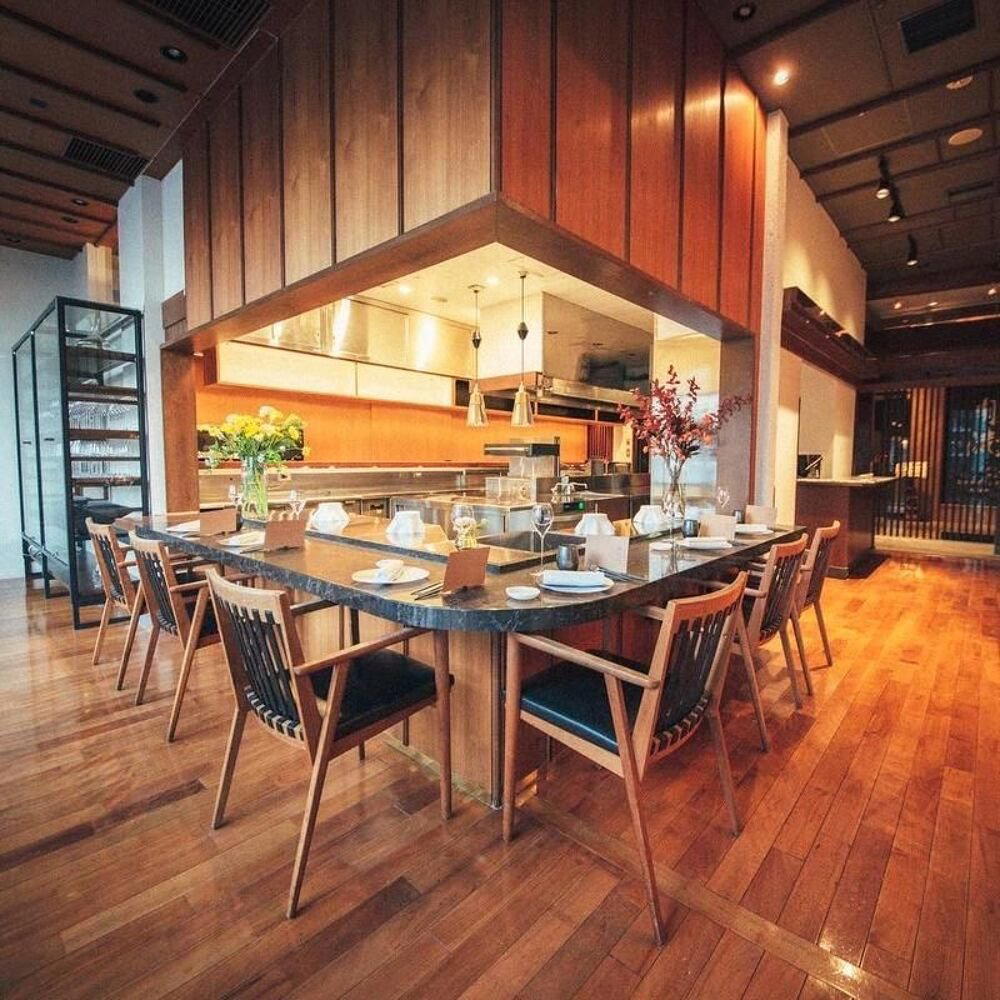
A Room Designed for Occasions That Matter
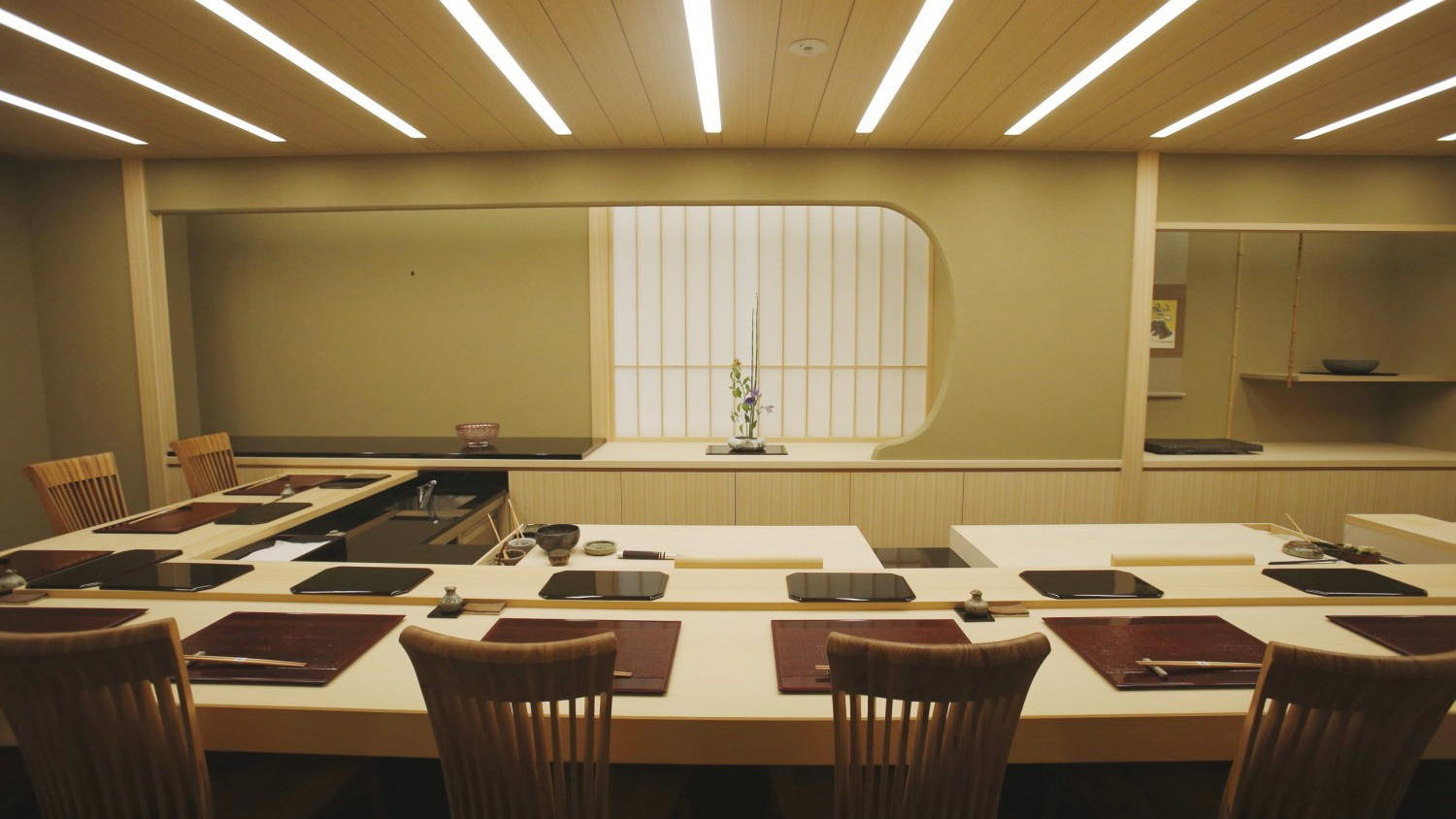
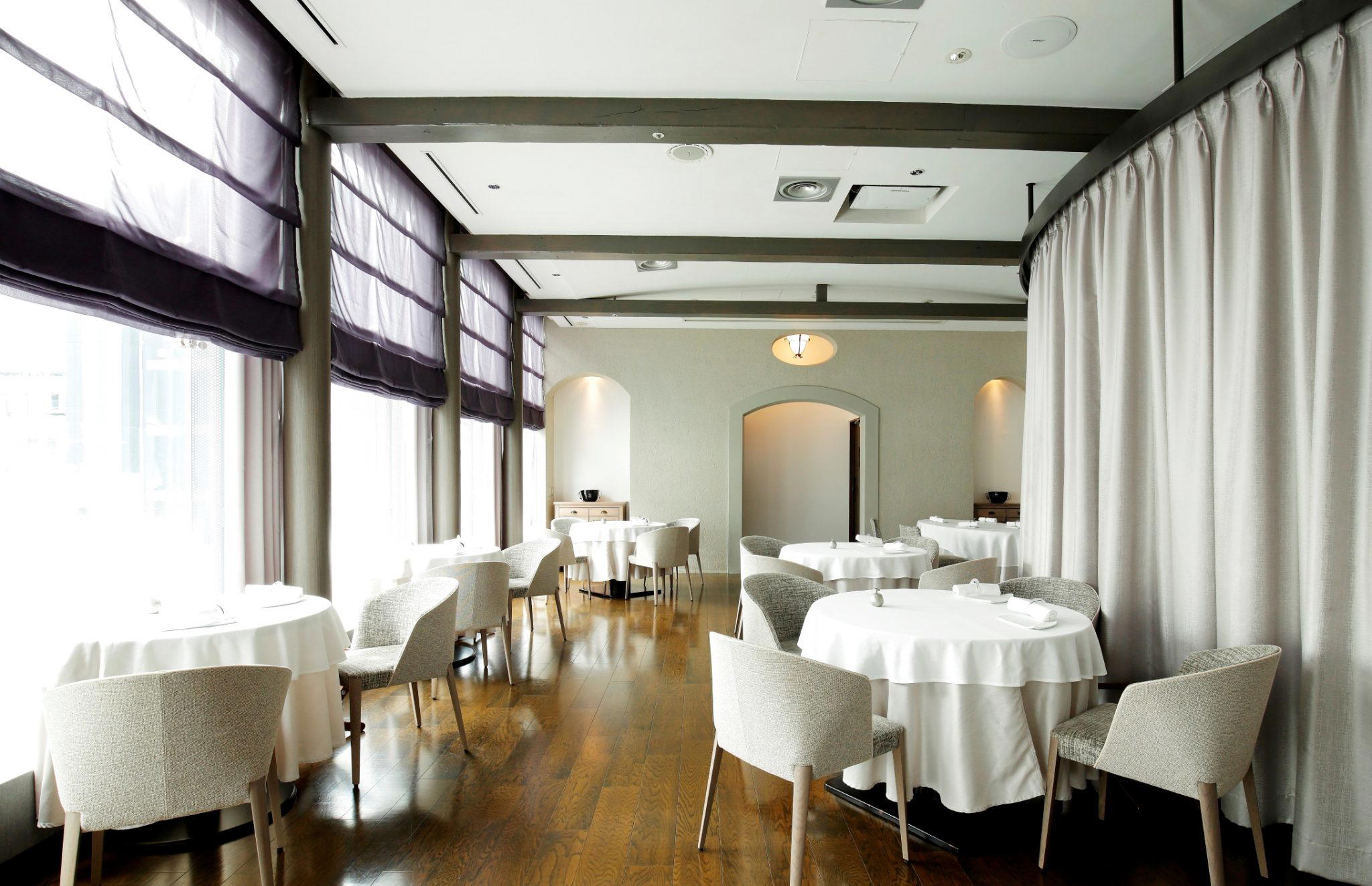
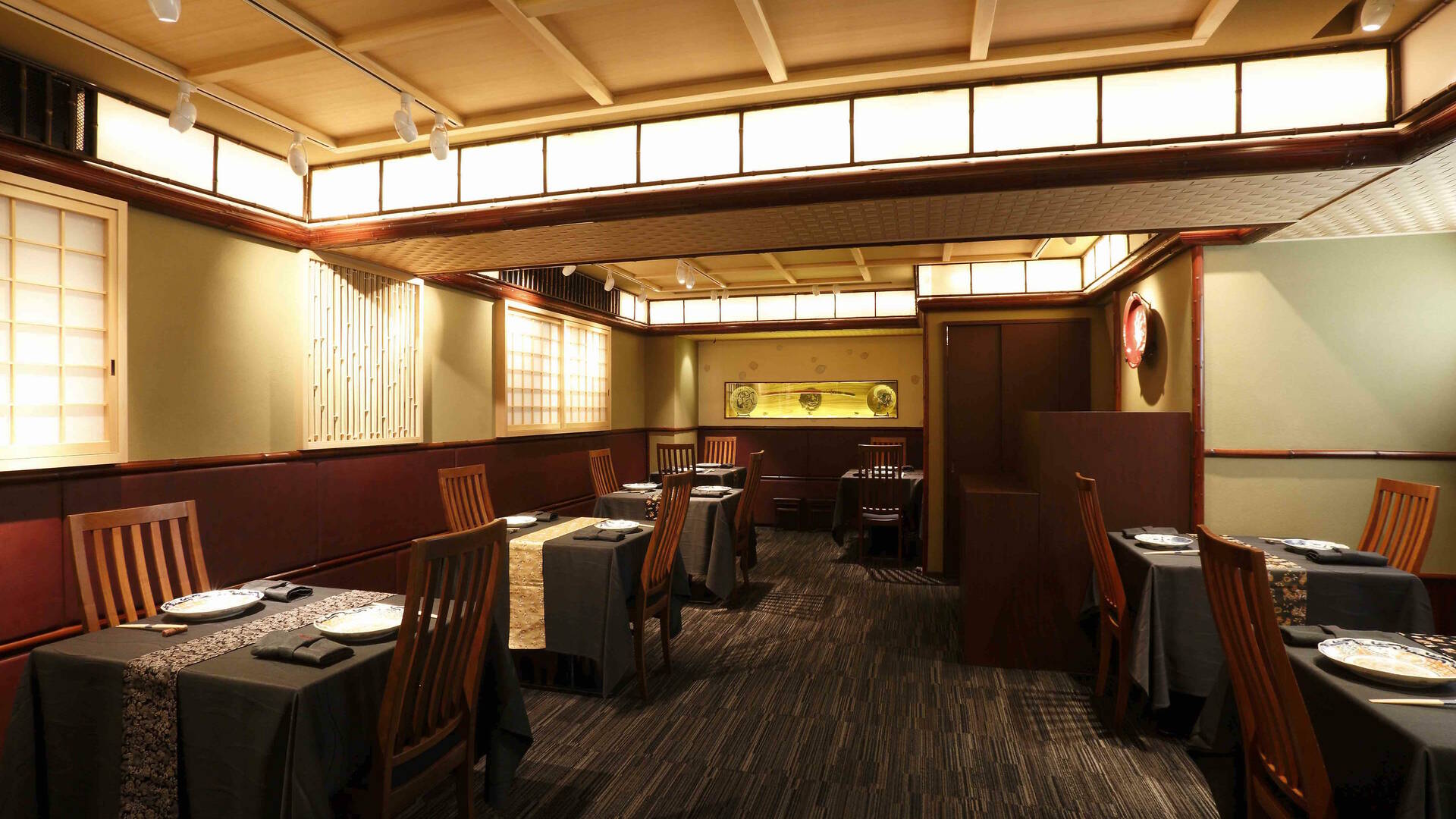
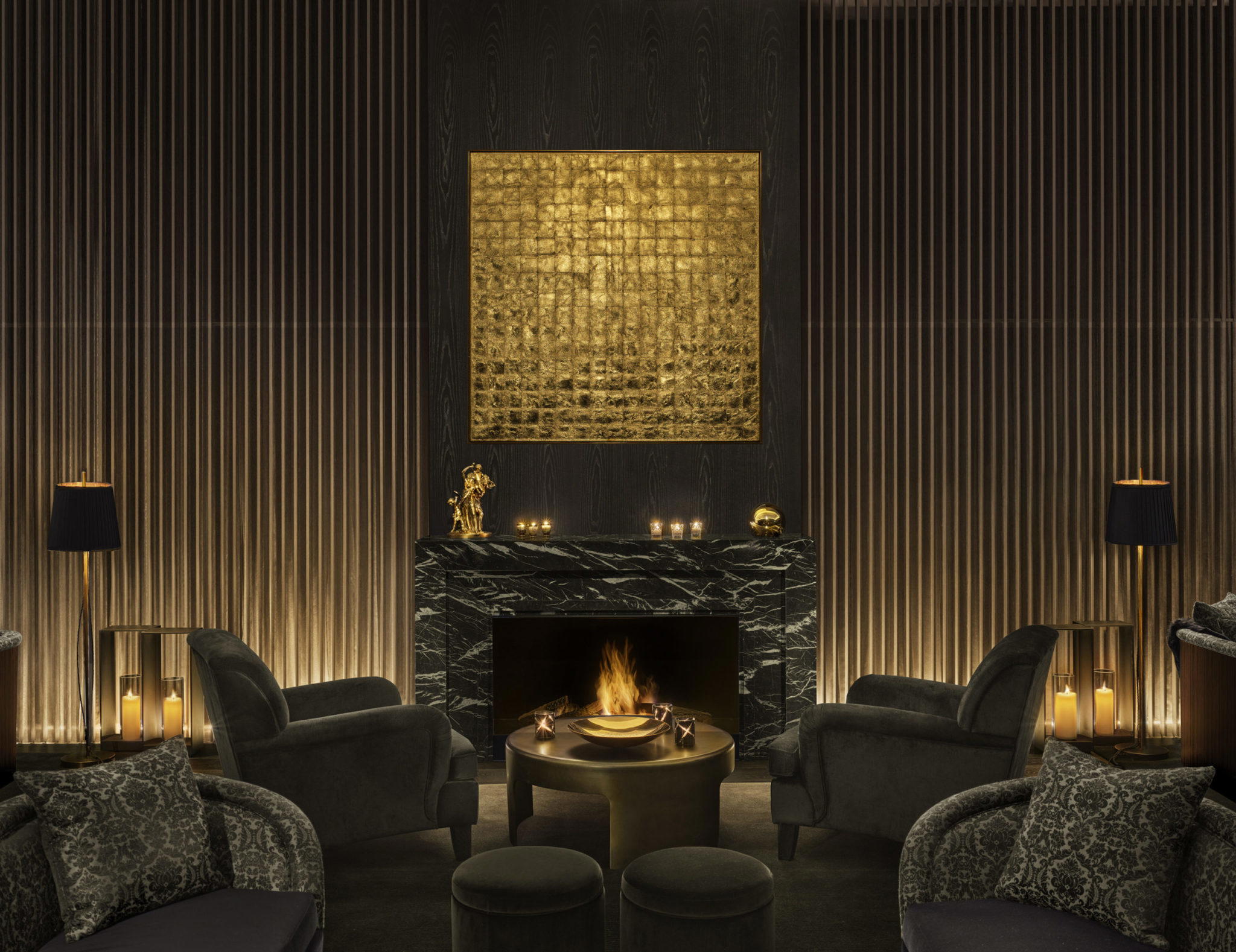
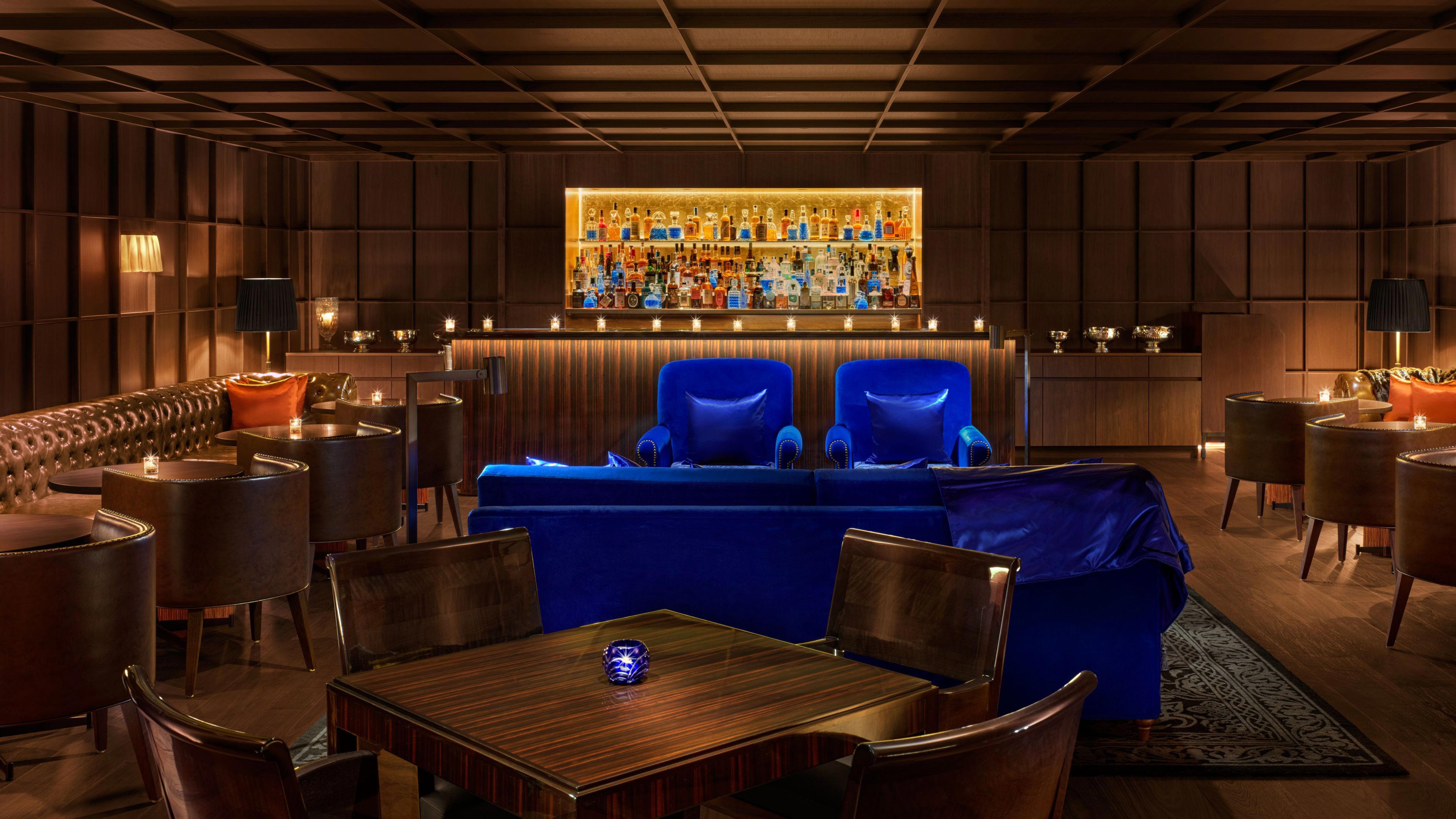
The fifth floor of a Shinbashi building in Minato City offers little warning of what lies inside. The earth-toned interior at Hyakuyaku by Tokuyamazushi is minimalist in the deliberate sense, surfaces that don't compete with the food, lighting calibrated to conversation rather than theatre. It is the kind of room where a milestone dinner doesn't feel staged but settled, where the atmosphere signals that what happens at the table is the point. For Tokyo diners planning celebrations, anniversaries, or the kind of meal that marks a year, the physical environment makes a case before the first course arrives.
That Hyakuyaku entered this tier immediately signals a level of execution the guide treats as credible, even if the room has not yet logged the years that deepen a restaurant's reputation.
Fermentation as Foundation, Not Flourish
Contemporary kaiseki in Tokyo tends to use fermentation as punctuation: a pickled element here, a koji-aged protein there. The kitchen takes a different structural position. Trained with deep expertise in fermentation and originally from Shiga Prefecture, the region surrounding Lake Biwa, where fermented foods have been produced for centuries, the approach treats fermented flavour as the baseline rather than the exception. The umami that fermentation generates becomes the thread running through a meal rather than a note deployed for contrast.
One direct expression of this is funazushi, a dish specific to Omi (the historical name for Shiga) and one of Japan's oldest forms of narezushi. The fish, typically crucian carp from Lake Biwa, undergoes an extended salt-and-rice curing process measured in months or years, producing a flavour intensity that is polarising in its traditional form. At Hyakuyaku, it is paired with a consommé jelly of bear and venison, accented with honey. The pairing does something specific: it softens the fermented edge with the rich minerality of game stock while the honey introduces a measured sweetness that bridges the two registers. This is not an attempt to hide the funazushi; it is an argument for it, made in kaiseki grammar.
The broader menu reflects the same regional logic. Winter bear hotpot appears as a seasonal feature, using game meat in a format that has historical precedent in the mountainous areas of Shiga and neighbouring prefectures. Game in kaiseki is not common, Tokyo's most celebrated kaiseki addresses, including Myojaku, tend to anchor their seasonal narratives in seafood and vegetable cycles. Hyakuyaku's use of bear and venison as primary proteins marks a distinct editorial choice about what the cuisine is and where it comes from.
Where It Sits in Tokyo's Special-Occasion Tier
Tokyo's ¥¥¥¥ kaiseki and Japanese fine dining category is dense. At the upper end, addresses like RyuGin set a benchmark for structural ambition and seasonal range. Closer to Hyakuyaku's current recognition level, the relevant comparable set includes restaurants where provenance clarity and technique consistency matter more than conceptual novelty. Ginza Fukuju and Jingumae Higuchi occupy positions in this tier with their own regional or ingredient-focused orientations. What Hyakuyaku adds to this range is a Shiga-specific lens that does not exist elsewhere in the city at this price point, making it a logical choice for occasions where the meal itself should deliver a perspective, not just a level of service.
For celebration dinners in particular, the kaiseki format provides a structural advantage. A long-format meal with a clear seasonal and regional narrative gives a special occasion genuine content: courses that accumulate into a story rather than a set of technically accomplished plates. The room's quieter register and earth-toned restraint position it for the kind of anniversary or milestone dinner where intimacy matters as much as prestige. It is not the address for corporate entertaining at volume or for the kind of milestone that requires a famous name on the reservation confirmation. It is, instead, the address for occasions where the meal itself is the gift.
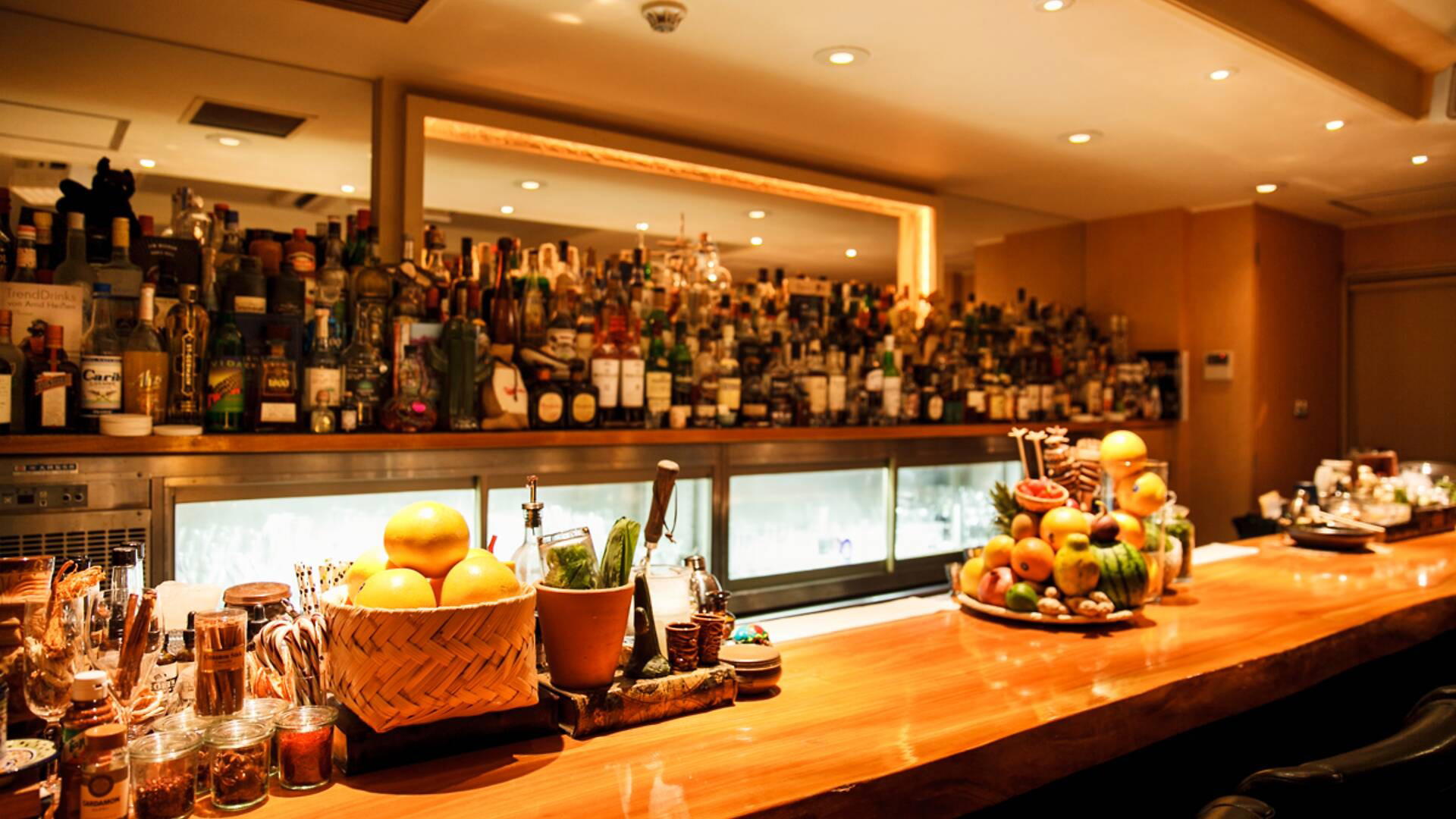
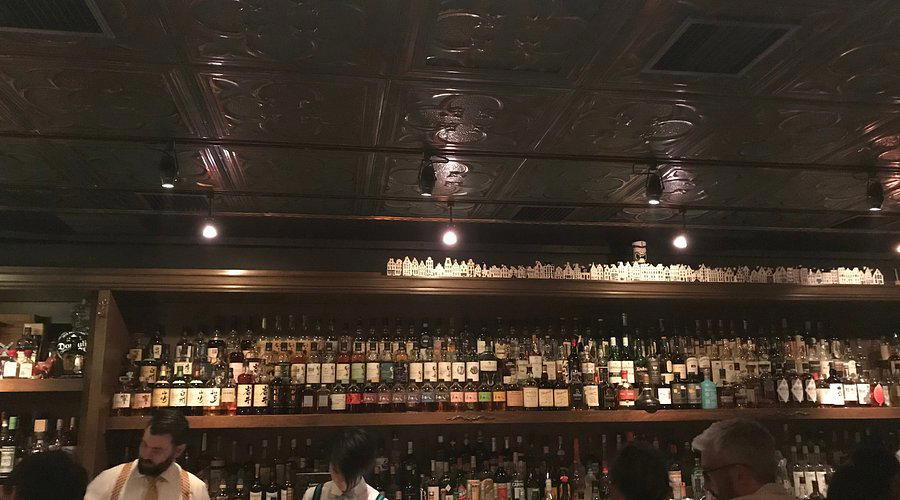
covers the broader range, and for those extending their trip, maps accommodation to neighbourhood context. Beyond Tokyo, the regional kaiseki tradition that informs Hyakuyaku's menu appears in different forms at Gion Sasaki in Kyoto, Isshisoden Nakamura in Kyoto, and Kashiwaya Osaka Senriyama in Osaka, each anchoring the format to a specific regional logic. For those exploring further, HAJIME in Osaka, akordu in Nara, Goh in Fukuoka, 1000 in Yokohama, and 6 in Okinawa round out a picture of how Japan's fine dining circuit distributes across the country. Tokyo's bar and experience scenes, for those building a full trip, are covered in and.
Planning Your Visit
Location: Shinbashi, Minato City, Tokyo, fifth floor, Nanjō Building. Price: ¥¥¥¥, about US$350 per person. Reservations: appointment only. Recognition: Michelin Guide star, 2025. Dress code: smart casual.
Credentials Lens
Comparable venues nearby, for context on price, style, and recognition.
| Venue | Cuisine | Price | Awards | Notes |
|---|---|---|---|---|
| Hyakuyaku by TokuyamazushiThis venue — the venue you are viewing | Seasonal Game & Fermented Japanese Omakase | $$$$ | Michelin 1 Star | Not listed |
| Nodaiwa Azabu Iikura Honten | Traditional Kansai-Style Unagi | $$$$ | Michelin 1 Star | Minato |
| Kabi | Modern Japanese Fermentation Fine Dining | $$$$ | Michelin 1 Star | Meguro |
| Kaiseki Komuro | Traditional Cha-Kaiseki | $$$$ | Michelin 1 Star | Shinjuku |
| Waketokuyama | Seasonal Omakase Kaiseki | $$$$ | Michelin 1 Star | Minato |
| Daigo | Shojin Ryori Kaiseki | $$$$ | Michelin 1 Star | Minato |
Recognition history
Dated appearances from independent guides and award organizations, with the underlying list record or original source where available.
Michelin 1 Star
Michelin
Star Wine List
Star Wine List
Michelin Plate
Michelin



At a Glance
- Elegant
- Intimate
- Sophisticated
- Special Occasion
- Date Night
- Celebration
- Chefs Counter
- Open Kitchen
- Private Dining
- Sake Program
- Sommelier Led
- Extensive Wine List
- Local Sourcing
- Organic
Intimate counter-style dining with minimalist aesthetic; small 20-seat restaurant with 6 counter seats and private tatami rooms, creating an exclusive and refined atmosphere focused on the chef's craft.