

A counter-format beef kaiseki in Nishiazabu where wagyu is treated with the same rigor applied to premium fish at Tokyo's top omakase bars. Chef Jotaro Okubo applies kappo technique to Japanese Black cattle, working with wet-aged cuts over binchotan charcoal. Ranked by Opinionated About Dining among Japan's top restaurants in 2023, 2024, and 2025.
Pearl is the En Primeur Club membership app — saves, bookings, and concierge access live there. Same editors, same standards.
- Address
- Japan, 〒106-0031 Tokyo, Minato City, Nishiazabu, 2 Chome−24−14 Barbizon 73, B1F
- Phone
- +81 3-3486-2929
- Website
- jo-tokyo.jp
 Saves & bookings on Pearl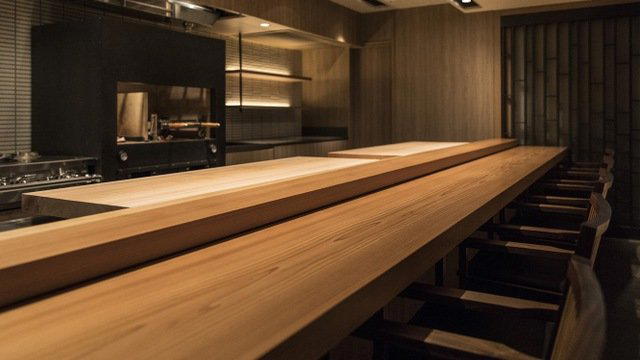
Nishiazabu's Counter Culture, Applied to Beef
Nishiazabu has long operated as one of Tokyo's more considered dining districts. A few blocks from the density of Roppongi, it draws a clientele that prefers depth over spectacle, and its basement-level restaurants tend to run small, precise operations with minimal signage and no walk-in trade. This is the neighbourhood context in which Niku Kappō JŌ sits: a counter restaurant occupying the B1F of a low-rise residential building on Nishiazabu 2-chome, open six evenings a week and closed Sundays.
The format here belongs to a specific tier of Tokyo dining that has emerged over the past decade, as beef specialists began borrowing the grammar of omakase sushi and kaiseki to reframe wagyu as something other than a steakhouse proposition. Where yakiniku places the grilling in the guest's hands and teppanyaki puts theatre at the centre, the beef kaiseki format concentrates authority at the counter, with the chef selecting cuts, sequencing courses, and controlling temperature and technique throughout. In Tokyo, a small number of counters now operate in this register. Nikuya Tanaka is one peer reference in the city's beef-focused counter scene.
Kappo Logic, Wagyu Subject
Kappo is a style of Japanese cooking built on knife discipline, seasonal awareness, and restraint in seasoning. It developed as an alternative to the more choreographed kaiseki format, allowing the chef greater latitude in pacing and interaction. Applying kappo logic to wagyu is a structural choice with real consequences: it means the beef is treated as a seasonal, nuanced ingredient rather than a prestige commodity, sequenced alongside supporting dishes designed to reveal rather than overwhelm.
Chef Jotaro Okubo's approach at Niku Kappō JŌ works within this framework. The counter format keeps the number of covers low, which allows the kitchen to work with cuts that require precise timing and specific heat management. Binchotan charcoal is the primary heat source for grilled preparations, a standard in high-end Japanese cooking that produces consistent radiant heat without the volatile flare-ups associated with other fuel types. Wet-aged beef is the house approach to preparation, a method that retains moisture and develops a cleaner, more delicate flavour profile compared to dry-aging's more pronounced intensity.
The wagyu sourced here draws from Japanese Black cattle, which accounts for the majority of high-grade domestic beef in Japan and includes regional expressions such as Kagoshima and Omi. Each has a distinct fat profile and finish. Treating these regional variations as part of the menu's editorial logic, rather than simply as premium inputs, is characteristic of the beef kaiseki format at its most considered.
Where Nishiazabu Places This
The neighbourhood matters to the experience in practical ways. Nishiazabu's dining density means the area is already associated with serious, format-driven restaurants at the leading price tier. L'Effervescence operates nearby in the French fine dining register. Sézanne and Harutaka, while not in Nishiazabu itself, represent the peer pricing environment in which Niku Kappō JŌ sits. Guests arriving at any of these restaurants carry similar expectations: small format, counter or intimate room, seasonal omakase.
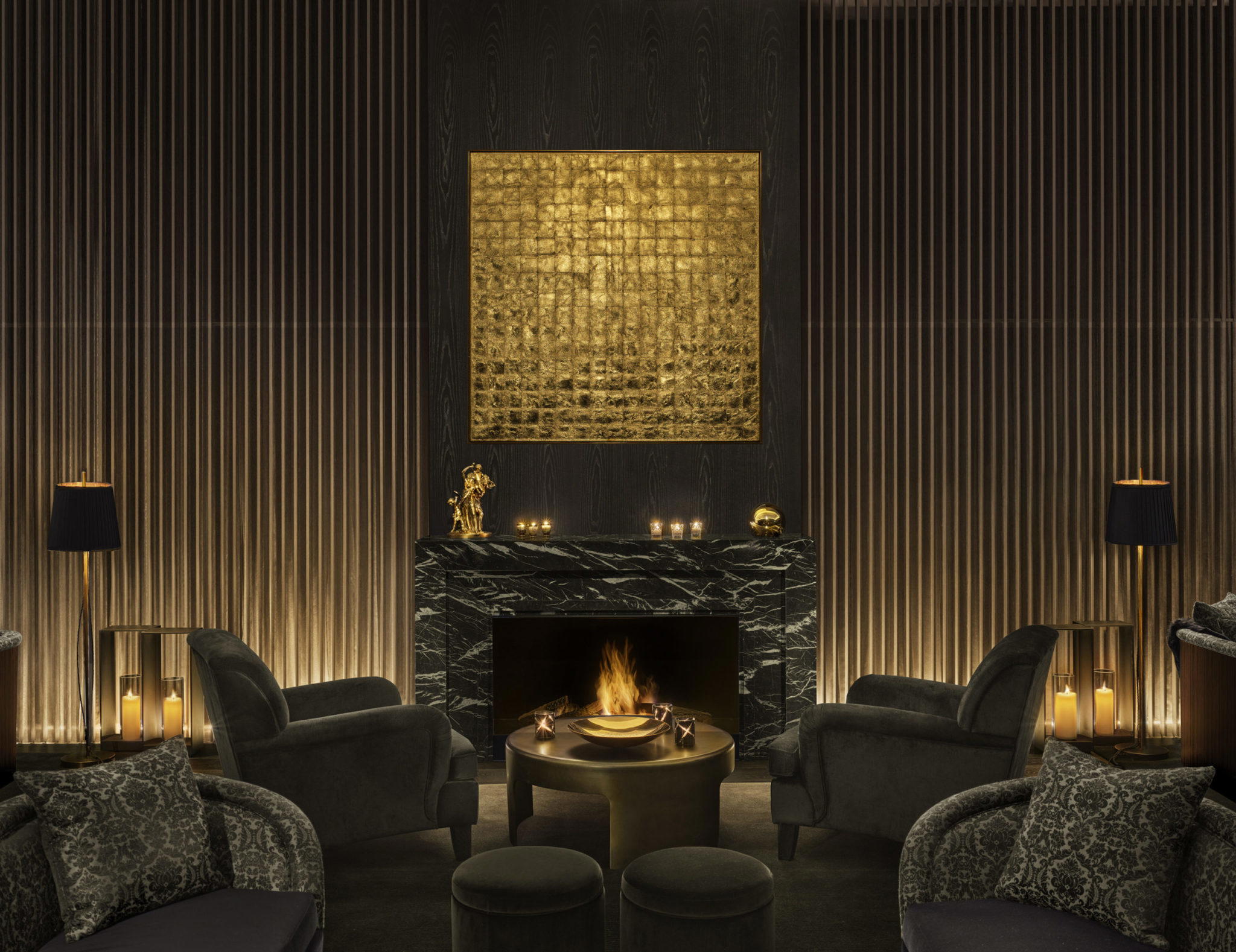
B1F setting reinforces a particular kind of privacy. Basement dining rooms in Tokyo's affluent residential districts function differently from street-level venues. The absence of passing foot traffic and the slight formality of descending into a dedicated space create a separation from the city above. For a beef kaiseki concept where concentration on the plate matters, the architecture works in the restaurant's favour.
Recognition and Standing
Niku Kappō JŌ has appeared on the Opinionated About Dining list of leading restaurants in Japan for three consecutive years: Highly Recommended in 2023, ranked 300th in 2024, and ranked 251st in 2025.
That three-year trajectory, moving from Highly Recommended to a specific rank and then higher, suggests a restaurant consolidating its position rather than trading on initial momentum. For context on the broader kaiseki register in Tokyo, RyuGin represents the more established, formally recognised end of the kaiseki spectrum. Niku Kappō JŌ occupies a younger position in the same city, with a narrower subject and a more intimate delivery.
The beef kaiseki format has peers in other Japanese cities. Gyuho in Osaka and Miyoshi in Kyoto represent how the same format operates in different regional contexts, with access to different cattle and different culinary traditions framing the beef. Japan's premium dining circuit also includes destinations worth building a trip around: HAJIME in Osaka, Gion Sasaki in Kyoto, akordu in Nara, Goh in Fukuoka, 1000 in Yokohama, and 6 in Okinawa each anchor a different node on the country's serious dining map.
Drinks and Pacing
The pairing program at Niku Kappō JŌ draws on sake and Japanese whisky. Both work differently with wagyu than wine does. Sake's umami resonance tends to complement rather than cut through the fat in well-marbled beef, which suits the kappo approach of building flavour incrementally across courses. Japanese whisky, particularly expressions with lower peat and more grain character, offers a counterpoint to the richness without introducing tannin structure. Neither category overwhelms; both extend the logic of restraint that governs the cooking.
Know Before You Go
Address: Barbizon 73 B1F, 2-24-14 Nishiazabu, Minato-ku, Tokyo
Hours: Monday to Saturday, 5:30 pm to 11:30 pm. Closed Sundays.
Format: Counter omakase, beef kaiseki
Grill Method: Binchotan charcoal
Beef Preparation: Wet-aged Japanese Black cattle
Recognition: Opinionated About Dining Leading Restaurants in Japan, ranked #251 (2025)
Google Rating: 4.6 from 216 reviews
Booking: Advance reservation required
Price Lens
Comparable venues nearby, for context on price, style, and recognition.
| Venue | Cuisine | Price | Notes |
|---|---|---|---|
| Niku Kappō JŌThis venue — the venue you are viewing | Minato, Modern Niku Kappo Wagyu Kaiseki | $$$$ | |
| Idea Ginza | $$$$ | Chūō, Kobe Beef Rogama Charcoal-Grilled Steak | |
| Ukai-tei Ginza | Chūō, Luxury Teppanyaki with Kobe Beef | $$$$ | |
| Eigetsu | Bunkyō, Traditional Kaiseki | $$$$ | |
| Kikuchi | Taitō, Traditional Kappo Kaiseki | $$$$ | |
| Mikawa Zezankyo | Kōtō, Edo-style Tempura Omakase | $$$$ |









At a Glance
- Elegant
- Intimate
- Sophisticated
- Modern
- Date Night
- Special Occasion
- Business Dinner
- Chefs Counter
- Open Kitchen
- Sake Program
- Extensive Wine List
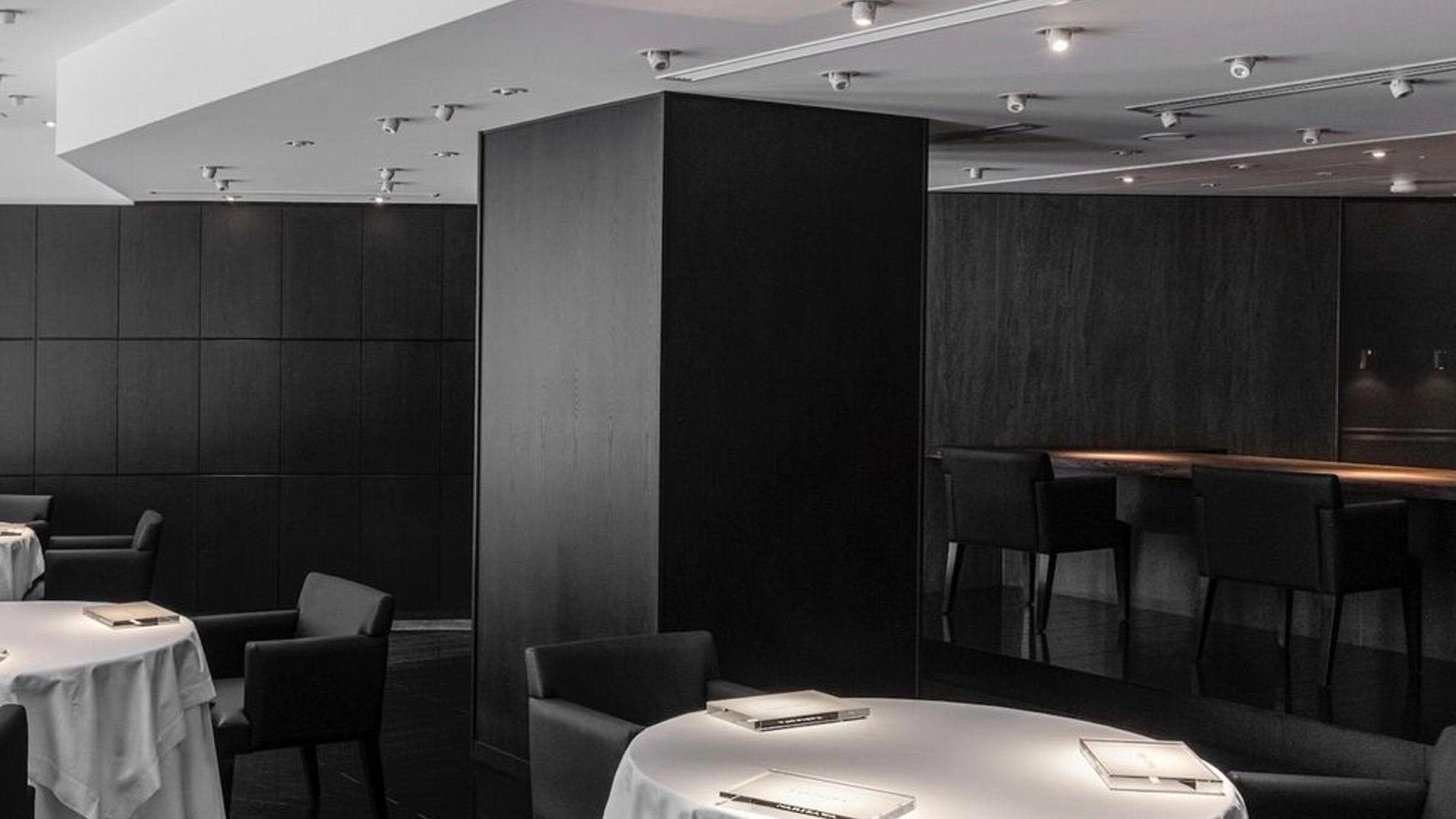
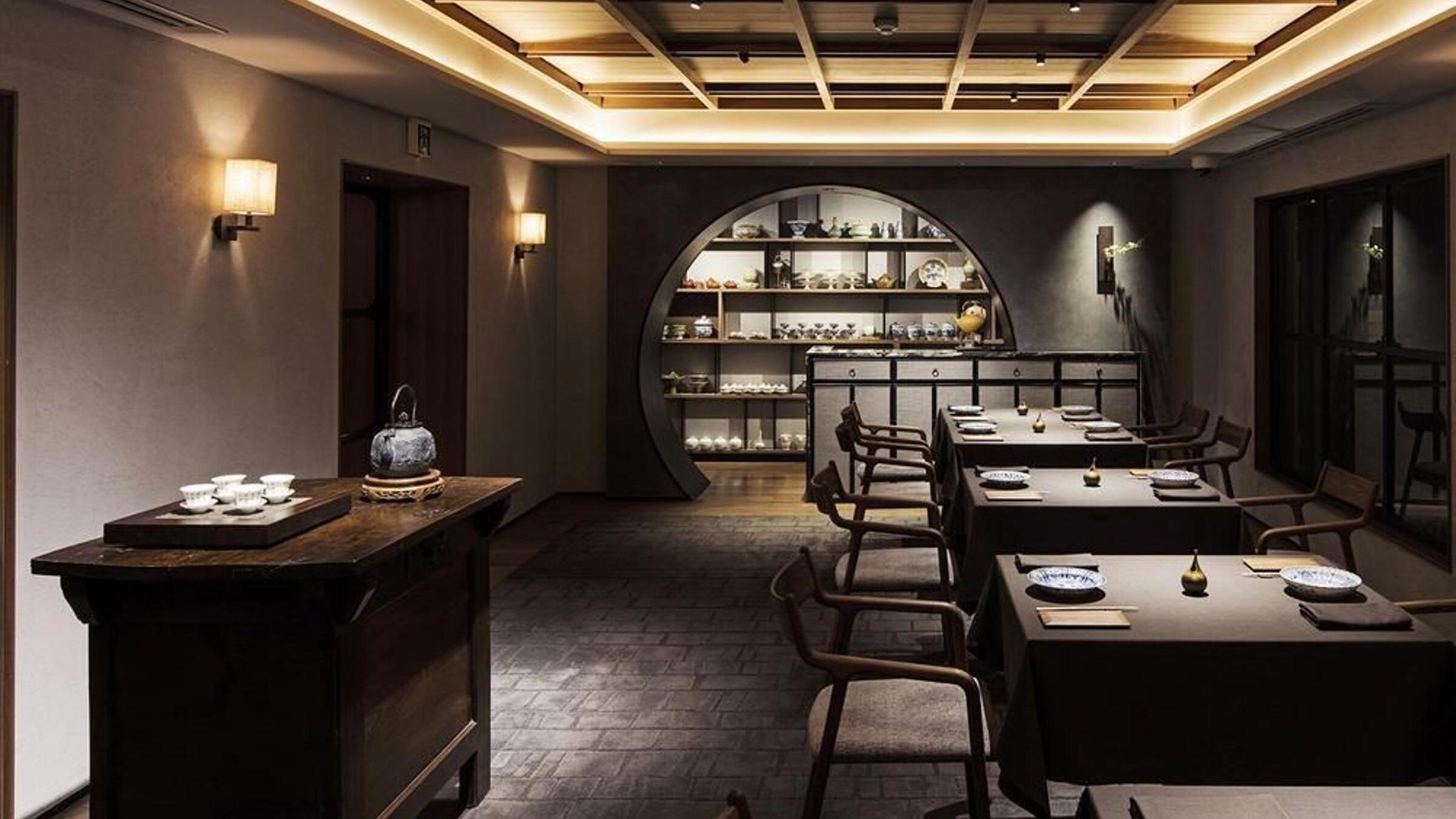
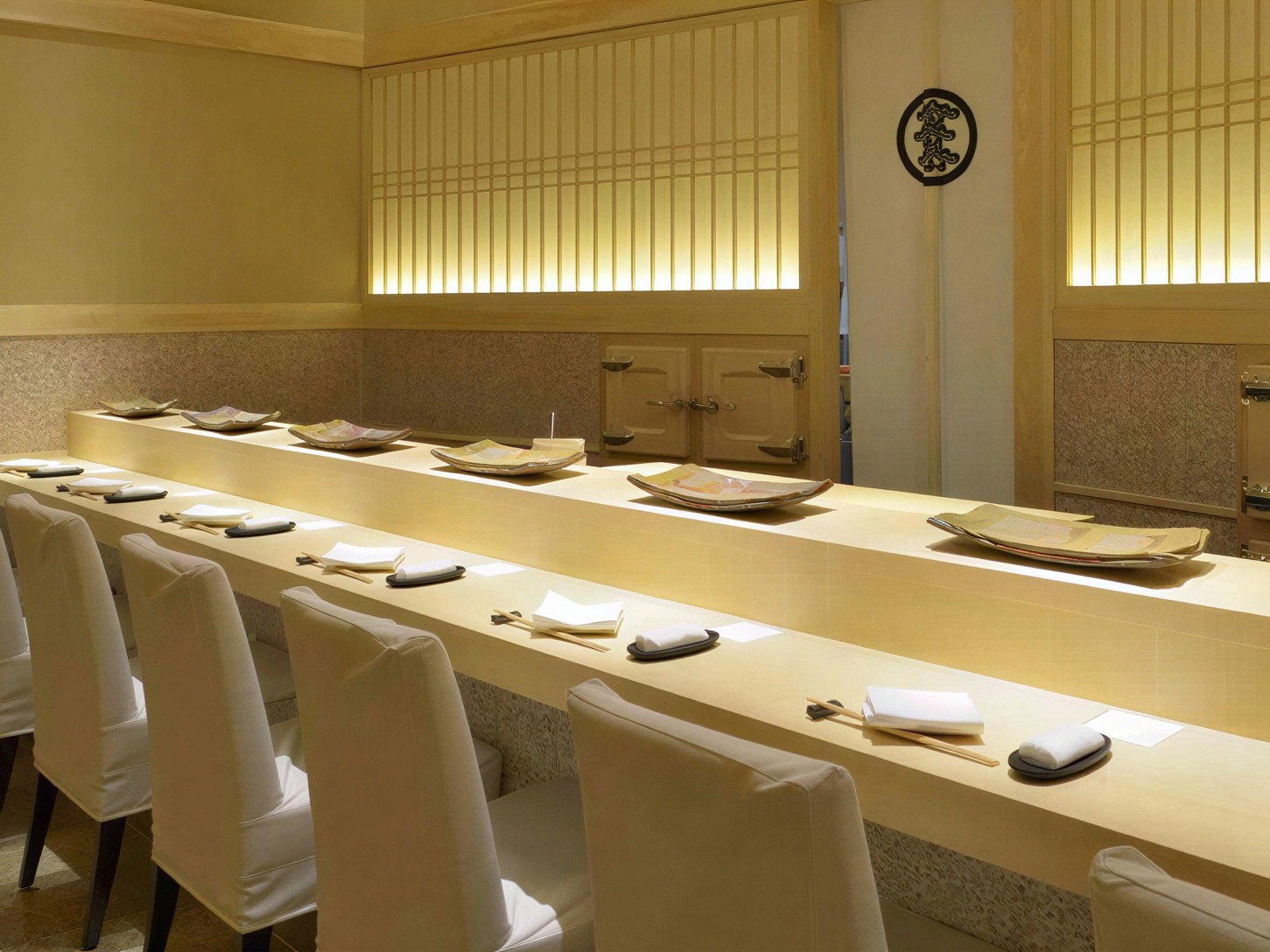
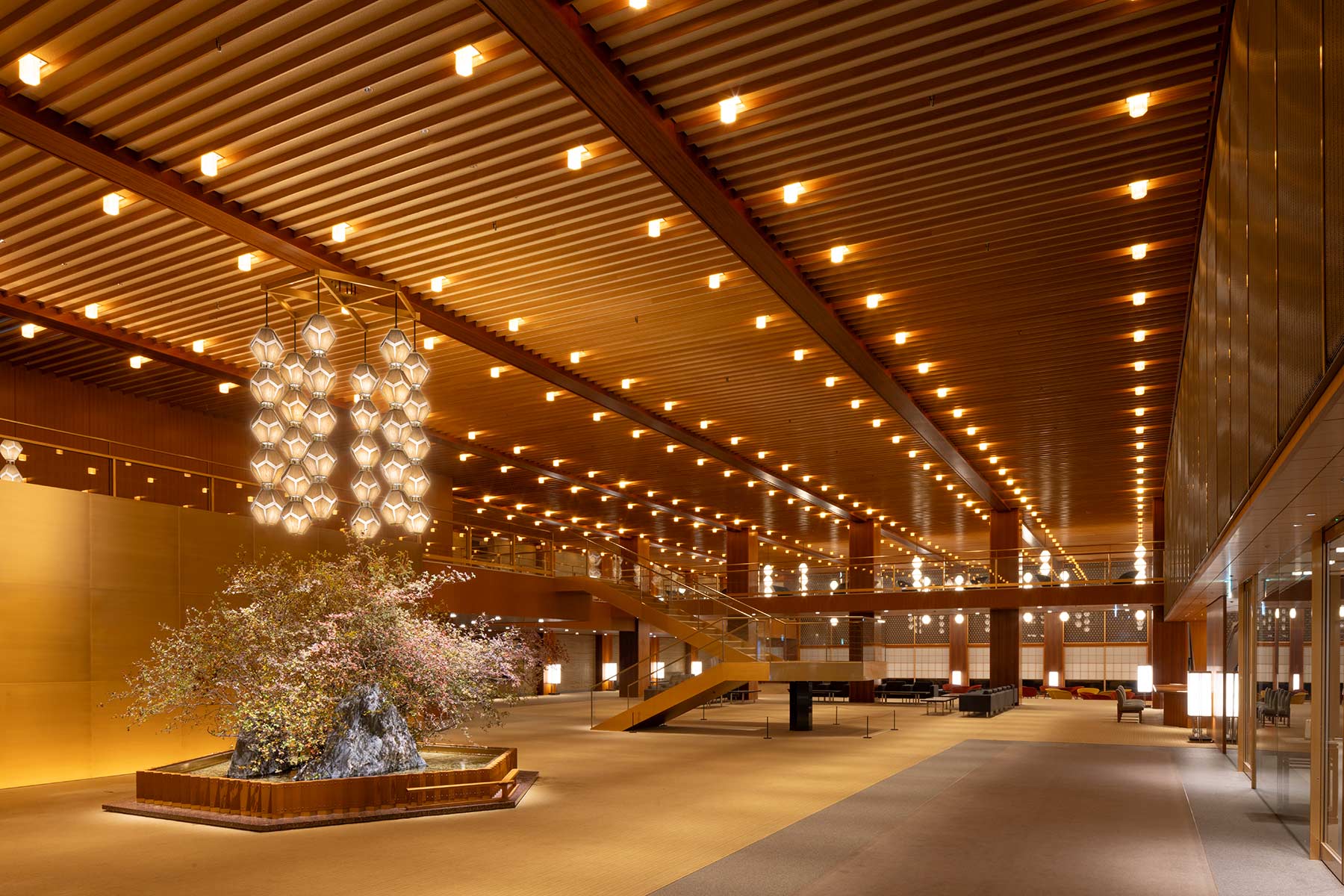
Serene, refined basement setting with counter seating focused on the open kitchen, creating an elegant and intimate atmosphere.