
Gyuho brings a kaiseki framework to premium Japanese beef, occupying the fourth floor of a Sonezakishinchi building in Osaka's Kita Ward. Ranked #132 on Opinionated About Dining's Top Restaurants in Japan in 2024 and climbing to #138 in 2025, the restaurant operates evenings only under chef Matsutaro Naka, drawing a considered crowd looking for something more structured than a yakiniku session.
Pearl is the En Primeur Club membership app — saves, bookings, and concierge access live there. Same editors, same standards.
- Address
- Japan, 〒530-0002 Osaka, Kita Ward, Sonezakishinchi, 1 Chome−2−30 柳月堂ビル 4F
- Phone
- +81 6-6341-0029
- Directions
- Get directions
 Saves & bookings on Pearl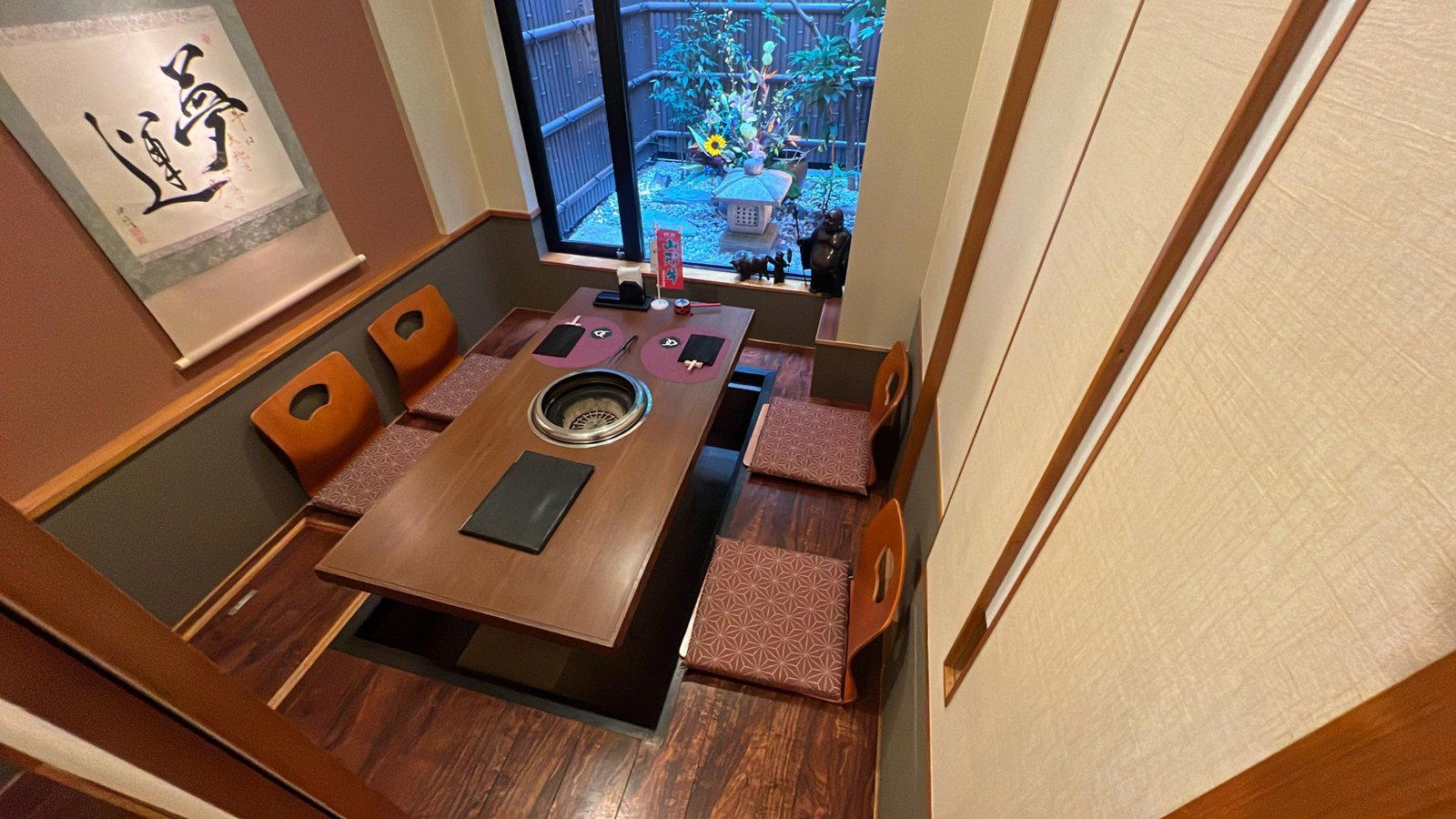
Beef Kaiseki in Osaka: The Format That Changed How the City Eats Wagyu
For most of its modern dining history, premium Japanese beef in Osaka arrived one of two ways: the theatrical grill of yakiniku, where each cut lands raw on a tableside flame, or the teppanyaki counter, where a chef performs on a flat iron surface inches from the diner. Both formats emphasize spectacle and the individual cut. What they rarely do is build a meal that moves through time, that traces the animal across a sequence of preparations, from the delicate to the assertive, with the logic of a composed tasting menu rather than the cumulative pleasure of repeated grilling.
Beef kaiseki is the format that bridges those two traditions, and Gyuho, on the fourth floor of a Kita Ward building in Sonezakishinchi, is among the Osaka restaurants taking it seriously. The kaiseki structure, courses arranged by temperature, technique, and seasonal ingredient, brings discipline to premium beef that a grill format rarely demands. The kitchen must think about the meal as an arc, not a series of independent moments.
Sourcing and the Kaiseki Ethic: Why the Format Imposes Its Own Accountability
The editorial angle on beef kaiseki that rarely gets discussed is how the format itself creates pressure around sourcing. In a standard yakiniku setting, a single notable cut can define an evening. In a kaiseki sequence, the kitchen commits to a coherent identity across eight to twelve courses, which means the quality of secondary cuts, offal preparations, and the broth work drawn from bones all come into view alongside the marquee pieces. A format that sequences the whole animal, rather than spotlighting only the expensive section, is structurally closer to a whole-animal philosophy than the premium-cut-only model that dominates most luxury beef venues.
This matters in Japan's wagyu ecosystem, where traceability has become a serious concern. The country's grading system for wagyu, based on yield and marbling scores rather than flavour alone, has historically created incentives to maximise fat content over overall taste or sustainable rearing practices. Some smaller producers and the chefs who work closely with them have begun to push back, favouring animals raised on natural forage and slaughtered at older ages, which often produces lower marbling scores but more complex flavour. A kaiseki framework that uses the full animal rewards that kind of sourcing decision rather than penalising it.
Gyuho operates within this tradition, with chef Matsutaro Naka applying sequential kaiseki logic to premium beef. The restaurant's recognition on Opinionated About Dining's Leading Restaurants in Japan list, ranked #132 in 2024 and appearing again at #138 in 2025, following a Highly Recommended listing in 2023, places it in a tier of serious specialist restaurants that critics track for consistency rather than novelty. The trajectory across three consecutive years of OAD recognition signals a stable program rather than a one-season discovery.
Sonezakishinchi After Dark: Where Gyuho Sits in Osaka's Nocturnal Eating Geography
Sonezakishinchi is Osaka's most concentrated nightlife and entertainment district, a grid of narrow streets in Kita Ward where hostess bars, izakayas, and specialist restaurants occupy the same buildings across multiple floors. It is a neighbourhood that rewards the habit of looking up: the ground floor of any building may hold a convenience store or a noodle counter, while the fourth floor holds something considerably more considered. Gyuho's address follows that vertical logic, removed from street-level foot traffic in a way that filters for intention. The diner who arrives has made a reservation and sought out the building, not wandered in from the street.
This is consistent with how Osaka's serious dining rooms distribute themselves, rarely at grade, often embedded in floors above retail or entertainment, with the anonymity of the building exterior saying nothing about what the kitchen is doing. The city's fine dining geography differs meaningfully from Tokyo's, where Ginza and Minami-Aoyama have legible luxury addresses. Osaka concentrates its serious tables in less obvious locations, which gives the dining culture a texture that resists easy navigation for first-time visitors. Our Osaka restaurants guide covers the breadth of what's available across the city's distinct neighbourhoods.
Placing Gyuho in Osaka's Wider Fine Dining Tier
Osaka's upper dining tier is genuinely varied in approach, which makes it useful to map Gyuho against its peer context. HAJIME and La Cime occupy the French-influenced innovative end, both carrying Michelin recognition and priced at the highest bracket. Kashiwaya Osaka Senriyama and Taian represent traditional Japanese kaiseki at the three-star level, while Fujiya 1935 works in the innovative tier with two Michelin stars.
Gyuho sits outside these categories, in a specialist niche that none of the above occupies directly. Beef kaiseki is not generic kaiseki, the protein focus creates a different set of course-design constraints and a different sourcing relationship, and it is not yakiniku. The restaurant's OAD ranking places it in the same critical conversation as Michelin-listed peers without drawing from the same format pool. For a comparison of how the beef kaiseki format plays out in different Japanese cities, Miyoshi in Kyoto and Niku Kappō JŌ in Tokyo offer useful reference points across the Kansai and Kanto approaches.
Planning Your Visit
Gyuho operates evenings only, opening at 6 pm and running through to 11 pm, seven days a week. The format is dinner-exclusive, which fits the kaiseki rhythm, the meal is designed to be the event of the evening rather than a meal slotted between other commitments. The fourth-floor address in Sonezakishinchi means the easiest approach is on foot from Osaka's Umeda station cluster, which connects multiple subway and rail lines and puts the neighbourhood within a short walk. For visitors also considering accommodation, the city's lodging options vary by area, which is relevant given how spread across districts the serious dining rooms are.
For those building an itinerary across the Kansai region, Gion Sasaki in Kyoto and akordu in Nara are logical additions at the serious dining level. Beyond Kansai, Harutaka in Tokyo, Goh in Fukuoka, 1000 in Yokohama, and 6 in Okinawa all occupy distinct regional positions in Japan's wider fine dining picture.
Where It Fits
Comparable venues nearby, for context on price, style, and recognition.
| Venue | Cuisine | Price | Awards | Notes |
|---|---|---|---|---|
| GyuhoThis venue — the venue you are viewing | Female Wagyu Omakase Yakiniku | $$$$ | Not listed | Not listed |
| Tada | Edomae Omakase Sushi | $$$$ | Not listed | Kita |
| Pome | Modern Yakiniku Omakase | $$$$ | Not listed | Chūō |
| Oimatsu Miyamoto | High-end Yakitori Counter | $$$$ | Not listed | Kita |
| Sushi Ichiei | Edomae-style Omakase Sushi | $$$$ | Michelin Plate | Kita |
| Tenpura Brand Matsuba Kani Matsuyamachi Seiten | Seasonal Japanese Tempura | $$$$ | Not listed | Chūō |
Recognition history
Dated appearances from independent guides and award organizations, with the underlying list record or original source where available.
Opinionated About Dining Top Restaurants in Japan Highly Recommended
Opinionated About Dining
Opinionated About Dining Top Restaurants in Japan Ranked #138
Opinionated About Dining
Opinionated About Dining Top Restaurants in Japan Ranked #132
Opinionated About Dining
Opinionated About Dining Top Restaurants in Japan Highly Recommended
Opinionated About Dining
Continue exploring
More in Osaka
Restaurants in Osaka
Browse all →




Bars in Osaka
Browse all →




Hotels in Osaka
Browse all →




Wineries in Osaka
Browse all →
At a Glance
- Serene
- Elegant
- Intimate
- Cozy
- Sophisticated
- Business Dinner
- Special Occasion
- Date Night
- Chefs Counter
- Open Kitchen
- Garden
- Sake Program
- Garden
Tranquil interior with gentle green walls, natural wood, and views of a Japanese-style garden from the counter, creating a relaxing and serene escape.