


1 Michelin Star · Tabelog 100 #53
Our verdict
Bookings at this level of recognition move quickly.

Pearl is the En Primeur Club membership app, where members save venues, book tables and use the concierge.
This matters to a diner because it shapes the consistency of the experience across visits. Restaurants built around one chef's personal expression can shift noticeably when that person is absent. Restaurants built around a technical standard, held collectively by the team, tend to reproduce at a steadier level. What was historically a district associated with retail and younger demographics now contains serious restaurants at multiple price tiers, partly as a result of new hotel developments and the Scramble Square complex drawing a different visitor profile. The decision to operate classical French rather than contemporary or fusion French in this context is a considered one: the cuisine does not depend on local sourcing narratives or seasonal novelty as its primary selling point, which gives it a different durability. HAJIME in Osaka and Gion Sasaki in Kyoto represent the high end of their respective cities' offerings; akordu in Nara, Goh in Fukuoka, 1000 in Yokohama, and 6 in Okinawa each anchor different points on a national fine dining map.
For international reference, the same orthodoxy is practiced at places like Hotel de Ville Crissier in Crissier and Les Amis in Singapore.
Know Before You Go
Frequently asked questions
What's MONOLITH's location?
MONOLITH is located at 2 Chome-6-1 Shibuya, Tokyo 150-0002, Japan, Tokyo.
Do I need a reservation for MONOLITH?
At ¥¥¥ pricing with Michelin recognition in Shibuya, walk-in availability is unreliable. Booking ahead is the practical approach.
What's the standout thing about MONOLITH?
MONOLITH's Michelin recognition centres on its commitment to classical French saucing, Madeira and truffle reductions for beef and lamb, salmis for pigeon, executed at a price point that sits below the ¥¥¥¥ ceiling of most comparable French rooms in Tokyo. The en croûte format is a technical statement as much as a menu choice, demanding the kind of pastry-to-protein coordination that most contemporary kitchens have moved away from.
Booking and Cost Snapshot
A quick snapshot of similar venues for side-by-side context.
| Venue | Cuisine | Price | Awards | Notes |
|---|---|---|---|---|
| MONOLITHThis venue (the venue you are viewing) | Neo-Classical French | $100–150 | 1 Michelin Star · Tabelog 100 #53 | Not listed |
| Harutaka | Edo-Style Omakase Sushi | $200–300 | 3 Michelin Stars · World's 50 Best #76 | Sushi |
| RyuGin | Modern Kaiseki | $500+ | 3 Michelin Stars · World's 50 Best #41 | Kaiseki, Japanese |
| L'Effervescence | Modern French with Japanese Influences | $200–300 | 3 Michelin Stars · World's 50 Best #69 | French |
| HOMMAGE | Modern French with Japanese Influences | $150–200 | 2 Michelin Stars · World's 50 Best #78 | Innovtive French, French |
| MAZ | Innovative Peruvian-Japanese Fusion | $150–200 | 2 Michelin Stars · World's 50 Best #28 | Innovative |
Recognition history
Dated appearances from independent guides and award organizations, with the underlying list record or original source where available.
Michelin 1 Star
Michelin
Opinionated About Dining Top Restaurants in Japan Recommended
Opinionated About Dining
Tabelog 100 #53 · No. 53
Tabelog · Tabelog 100 - French - TOKYO - 2025
Full recognition history (4 entries)
Michelin 1 Star
Michelin
Continue exploring
More in Tokyo
Restaurants in Tokyo
All restaurants in Tokyo →


Bars in Tokyo
All bars in Tokyo →





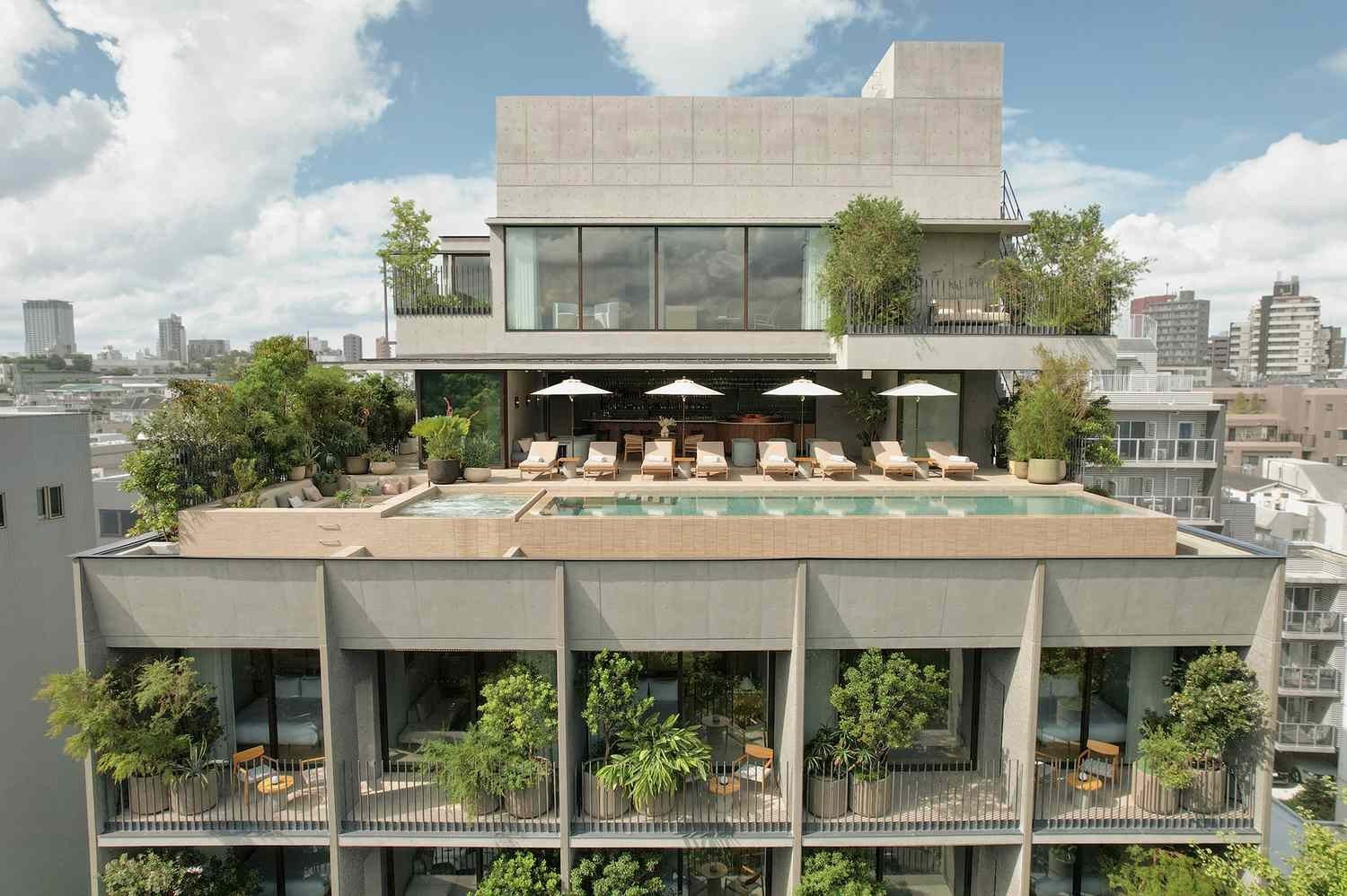



MONOLITH
The wine
- Wine program
- Deep wine list
- Extensive wine list
- Sake program
Details
- Elegant
- Sophisticated
- Modern
- Intimate
- Cozy
- Date Night
- Special Occasion
- Celebration
- Chefs Counter
- Extensive Wine List
- Sake Program
- Prix Fixe
- Wine
- Vegetarian Friendly
Current opening hours
- Monday
- Closed
- Tuesday
- 12–3 PM, 6–8 PM
- Wednesday
- 12–3 PM, 6–8 PM
- Thursday
- 12–3 PM, 6–8 PM
- Friday
- 12–3 PM, 6–8 PM
- Saturday
- 12–3 PM, 6–8 PM
- Sunday
- 12–3 PM, 6–8 PM
Hours can change for holidays and private events. Last verified .
Dimly-lit, retro-ish dining room with a subdued, sophisticated atmosphere conducive to quiet conversation.