
A Michelin Bib Gourmand bistro in Shibuya operating under the MONOLITH umbrella, Mono-bis serves prix fixe French classics, boudin noir, choucroute, pork roast, with occasional cross-cultural touches like smoked salmon on monaka wafer. Chef Edward Kim runs a compact, focused format that sits at the more accessible end of Tokyo's French dining spectrum, making it one of the sharper value propositions in the neighbourhood.
Pearl is the En Primeur Club membership app — saves, bookings, and concierge access live there. Same editors, same standards.
- Address
- Japan, 〒150-0002 Tokyo, Shibuya, 2 Chome−8−12 ラ・グリスィーヌ 1F
- Phone
- +81 3-3797-1017
- Website
- mono-bis.com
- Directions
- Get directions
 Saves & bookings on Pearl
Where Tokyo's French Bistro Tradition Earns Its Bib
The story of French cooking in Tokyo is, at its core, a story of compression and commitment. Tokyo has built among the more concentrated French dining ecosystems outside France itself. What distinguishes Tokyo's scene today is not just the range at the leading, the three-star rooms where L'Effervescence, Sézanne, and ESqUISSE operate, but the seriousness applied to the tier below. In Tokyo, bistro-level French is not a fallback. It is a distinct discipline.
Mono-bis sits inside that discipline. The restaurant occupies the ground floor of a building on a Shibuya street it shares with MONOLITH, the more formal sibling operation from which it takes its cue and much of its culinary DNA. The relationship matters: Mono-bis is not a standalone experiment but a second register, a conscious modulation of tone and price designed to put genuine French technique within reach of a weeknight dinner without sacrificing the standards the parent kitchen maintains. The Michelin Bib Gourmand, awarded in 2024, confirms what the format implies: this is cooking that offers strong value at its price point.
The Tradition on the Plate
Classic French bistro cooking is, by definition, a cuisine of provenance. The dishes that define it, boudin noir, choucroute garnie, slow-roasted pork, are not refinements of haute cuisine but reflections of specific regions, specific animals, specific ways of preserving and preparing meat through winter. Boudin noir traces its identity to Burgundy and Lyon, where the quality of the blood, the fat ratio, and the seasoning have been argued over for generations. Choucroute belongs to Alsace as surely as Riesling does: fermented cabbage, smoked sausage, and the particular acidity that comes from weeks in brine. Bringing these dishes to Tokyo is not mere transplantation, it is a claim that the originals deserve faithful treatment, not fusion softening.
What makes Mono-bis interesting within this frame is the occasional step sideways from orthodoxy. The pairing of smoked salmon with monaka, a Japanese wafer confection traditionally filled with sweet bean paste, repurposes a local form as a canapé vessel. It is a small structural gesture rather than a wholesale reinvention: French ingredients, Japanese architecture, the combination functioning as a canape that acknowledges the room it is served in. This is cross-cultural detail done with restraint. The broader menu remains anchored in classic French fare, and that anchor is the point. When Florilège or Château Restaurant Joël Robuchon occupy the upper end of Tokyo's French spectrum, the restaurant makes a different argument: that the classics themselves, handled carefully, are not nostalgia but a living standard.
Prix Fixe at a Bib Gourmand Price
Service at the restaurant follows a prix fixe format, though with several choices built in, a structure that provides the kitchen with the predictability to source and prep tightly, while giving the diner enough latitude to move through the menu according to appetite and preference. This format is worth understanding in its broader Tokyo context. Prix fixe structures dominate across the city's French dining tiers: they appear at the two-star level at ESqUISSE and at the Bib level at the restaurant with equal conviction. The format reflects the Japanese approach to hospitality, a meal with a designed arc, not a collection of independent selections.
Within the ¥¥ price range, the restaurant occupies a clearly defined position. Tokyo's French scene runs from casual crêperies and wine bar snacks through to multi-course omakase-style French dining at ¥¥¥¥ price points. The Bib Gourmand tier is competitive, with inspectors looking for restaurants that deliver strong value relative to what the diner pays. The restaurant earning that designation in 2024 places it among Tokyo's most efficient value propositions in the French category, which is a harder standard to meet than it appears when neighbouring rooms are spending on imported product and multi-person brigade service.
Shibuya as a French Dining Address
Shibuya's identity in the Tokyo dining conversation has historically been associated with youth culture, retail density, and the spectacle of Scramble Crossing rather than with serious restaurant destinations. That characterisation has been steadily eroded by a concentration of serious kitchens that have chosen Shibuya and its surrounding streets as their address. The MONOLITH family of restaurants operating on the same street represents exactly this kind of neighbourhood-level commitment: a street that holds both a more formal French room and its accessible sibling, creating a cluster dynamic rather than an isolated venue.
Chef Edward Kim's presence at the restaurant connects the kitchen to a tradition of non-Japanese chefs working seriously within Tokyo's French ecosystem, a tradition that has grown alongside the city's internationalisation while remaining accountable to local standards of precision and service. For broader context on how French cooking is practised across Japan, the approaches taken at HAJIME in Osaka and at regionally rooted kitchens like akordu in Nara illustrate the range of ways French technique has been absorbed and reinterpreted across the country.
For a sense of how the bistro format functions in European contexts at a similar level of seriousness, the traditions maintained at Hotel de Ville Crissier in Switzerland and at Les Amis in Singapore offer points of comparison for the standards the genre can reach when treated as a primary discipline rather than a stepping stone. Elsewhere in the EP Club Japan network, Gion Sasaki in Kyoto, Goh in Fukuoka, 1000 in Yokohama, and 6 in Okinawa complete a picture of how Japan's serious dining culture distributes itself across formats and price tiers.
Know Before You Go
Cuisine: French bistro, prix fixe with multiple choices
Chef: Edward Kim (MONOLITH group)
Price range: ¥¥ (Michelin Bib Gourmand, strong value relative to category)
Award: Michelin Bib Gourmand 2024
Format: Prix fixe; several choices available within the set structure
Location: Ground floor, 2 Chome-8-12, Shibuya, Tokyo, same street as MONOLITH
Booking: Essential
Hours: Mon: Closed; Tue to Sun: 11:30 AM to 1:30 PM, 6 to 9:30 PM
Explore further: Our full Tokyo restaurants guide | Tokyo hotels | Tokyo bars | Tokyo wineries | Tokyo experiences
Comparable Venues
Comparable venues nearby, for context on price, style, and recognition.
| Venue | Cuisine | Price | Awards | Notes |
|---|---|---|---|---|
| Mono-bisThis venue — the venue you are viewing | French-Japanese Fusion Bistro | $$$ | Bib Gourmand | Not listed |
| Äta | French Seafood Bistro | $$$ | Michelin Plate | Shibuya |
| le bistrot des bleus | Traditional French Bistro | $$$ | Bib Gourmand | Shibuya |
| T'astous | French Neo-Bistro | $$$ | Bib Gourmand | Minato |
| Le Bouton | Modern French Bistro | $$$ | Michelin Plate | Minato |
| LE BOURGUIGNON | Classic Burgundy French | $$$ | Michelin Plate | Minato |
Recognition history
Dated appearances from independent guides and award organizations, with the underlying list record or original source where available.
Michelin Bib Gourmand
Michelin
Michelin Bib Gourmand
Michelin












At a Glance
- Intimate
- Elegant
- Modern
- Minimalist
- Date Night
- Special Occasion
- Chefs Counter
- Open Kitchen
- Sake Program
- Extensive Wine List
- Local Sourcing
Current opening hours
- Monday
- Closed
- Tuesday
- 11:30 AM–1:30 PM, 6–9:30 PM
- Wednesday
- 11:30 AM–1:30 PM, 6–9:30 PM
- Thursday
- 11:30 AM–1:30 PM, 6–9:30 PM
- Friday
- 11:30 AM–1:30 PM, 6–9:30 PM
- Saturday
- 11:30 AM–1:30 PM, 6–9:30 PM
- Sunday
- 11:30 AM–1:30 PM, 6–9:30 PM
Hours can change for holidays and private events. Last verified .
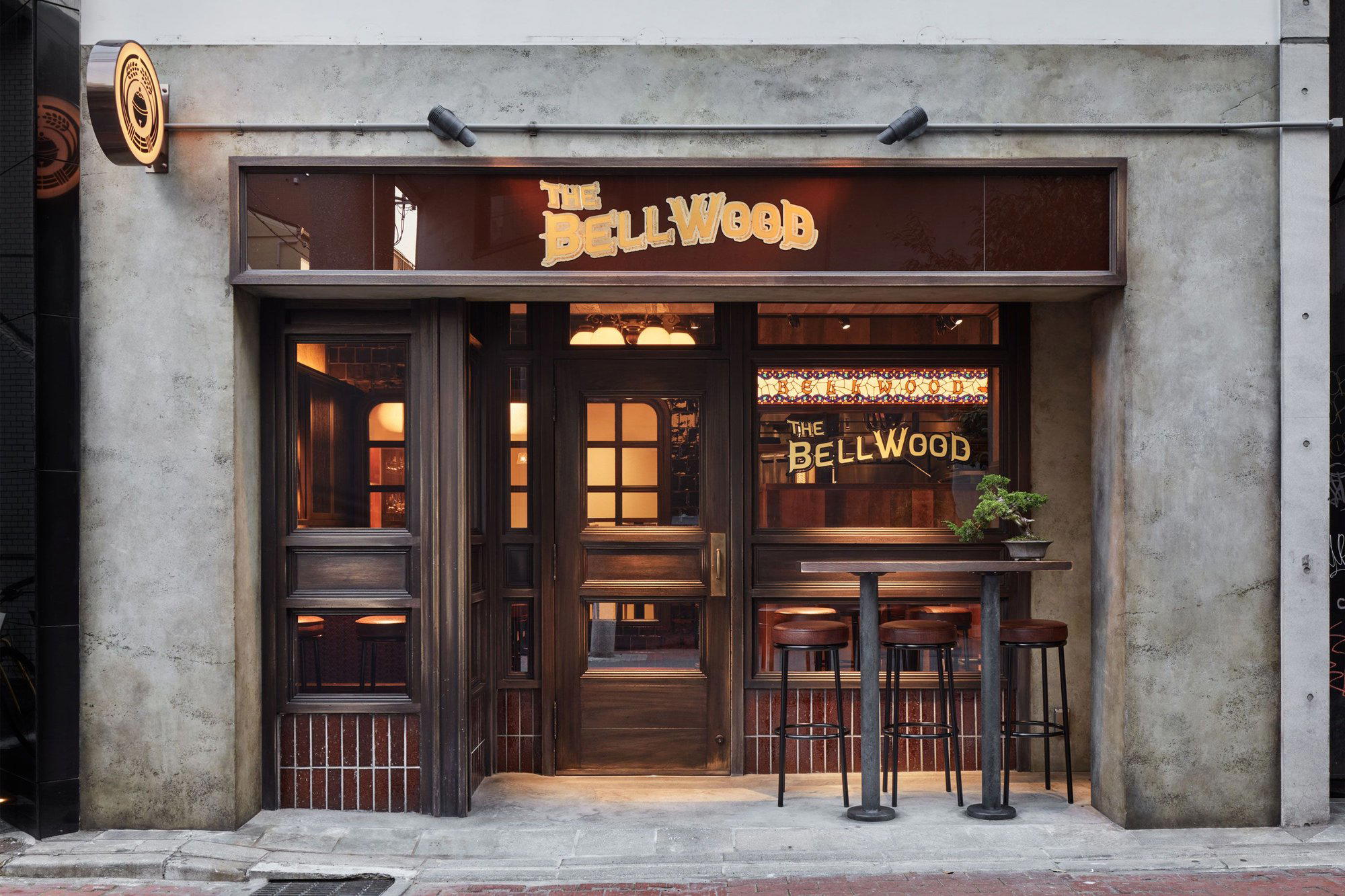
Sleek, intimate space with exposed concrete, simple black and brown furniture, and a counter well-suited for conversation with the chef amid aromas of sizzling meat and charcoal.