Our verdict
Miyako Wakemise occupies an address in Kita City that sits well outside Tokyo's central dining corridors, positioning it as a counterpoint to the concentrated restaurant clusters of Ginza and Minami-Aoyama. The physical setting shapes the experience before a single dish arrives. For travellers willing to move beyond the obvious postcode, it represents a particular strand of Tokyo dining that rewards deliberate research.

Pearl is the En Primeur Club membership app — saves, bookings, and concierge access live there. Same editors, same standards.
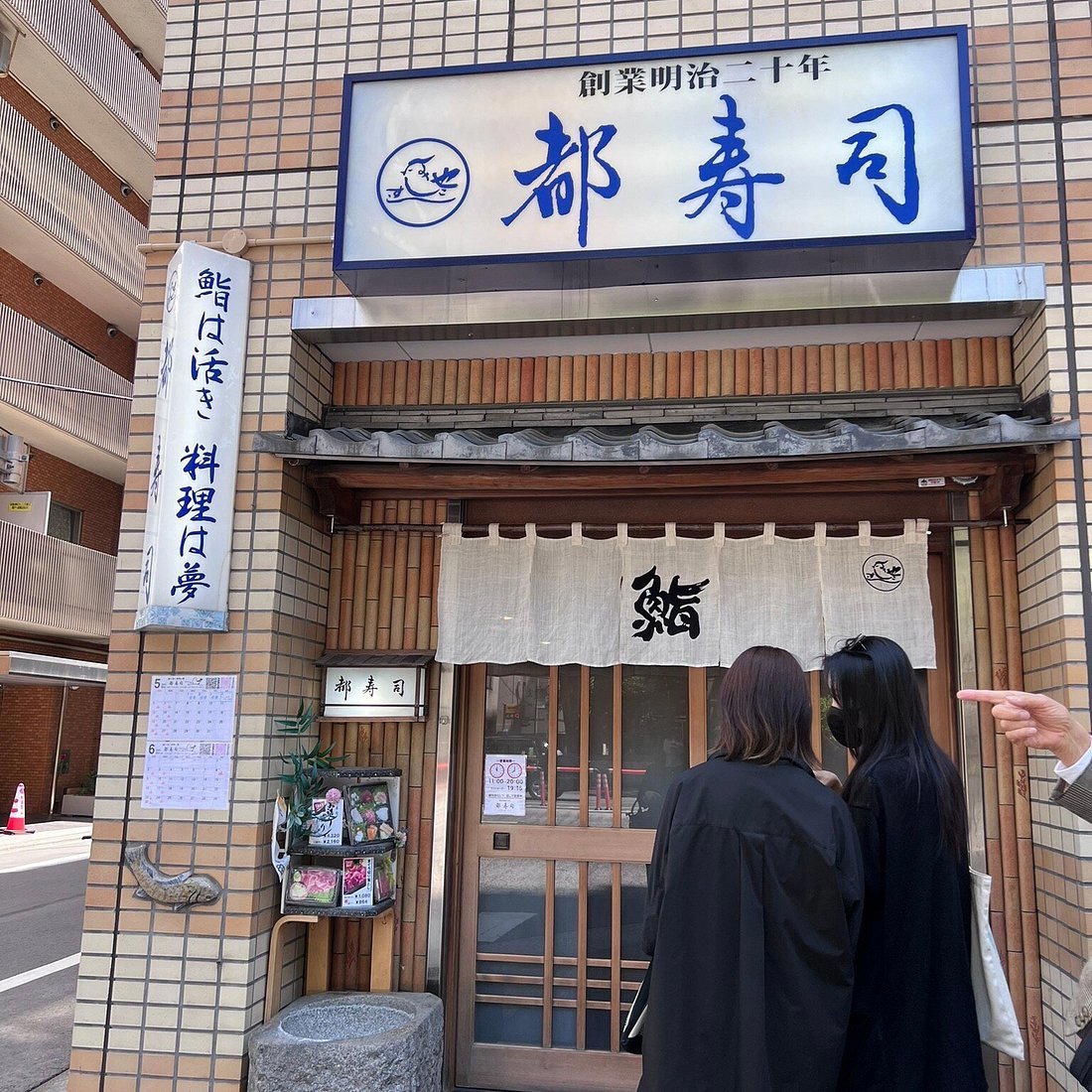
A Different Geometry of Tokyo Dining
Tokyo's restaurant geography has long been read through a handful of dense nodes: Ginza for high-end omakase and kaiseki, Minami-Aoyama and Ebisu for French-inflected tasting menus, Shinjuku for volume and variety. Kita City, where Miyako Wakemise is addressed at 1 Chome-4-16 Akabanenishi, sits outside that familiar circuit. That distance is not incidental. Restaurants that anchor themselves away from the premium postcode cluster tend to attract a different kind of attention, one less dependent on foot traffic from the obvious hotel zones and more reliant on reputation carried by word of mouth and deliberate planning.
This spatial logic matters in a city where the interior design of a room and its neighbourhood positioning often communicate as much as the menu itself. Tokyo's dining rooms that operate at a remove from the central luxury belt typically adopt one of two spatial strategies: either a pointed austerity that signals seriousness, or a warmth calibrated to reward the guest who made the journey. Where Miyako Wakemise falls on that axis is part of what defines how it sits within the city's broader dining offer.
The Physical Container as Editorial Statement
In Tokyo's top-tier dining culture, the room is rarely neutral. At omakase counters like Harutaka, the eight-seat hinoki counter functions as a stage set: proximity to the chef, the grain of the wood, the angle of the light are all load-bearing elements of the experience. At kaiseki rooms such as RyuGin, the spatial progression from entrance to table carries its own choreography. These are not decorative choices; they are structural ones that determine how the guest receives the food.
Miyako Wakemise's address in Akabanenishi, a residential area within Kita City, suggests a room built for intimacy rather than spectacle. Neighbourhood-anchored restaurants in Tokyo's outer wards often lean into domesticity as a design principle: lower ceilings, materials that absorb rather than reflect, spaces that feel inhabited rather than staged. When the physical setting operates at that register, the effect is to shift the guest's posture from observer to participant, a meaningful distinction in how a meal is remembered.
Compare this to the trajectory of French-influenced Tokyo venues, where the design vocabulary has shifted over the past decade toward open kitchens and counter seating that collapses the distance between cook and diner. L'Effervescence and Sézanne both operate rooms where the spatial arrangement is part of the critical conversation. Miyako Wakemise's remove from that cluster puts it in a different competitive register, one where the journey to the venue is itself part of the design.
Tokyo's Outer-Ward Restaurant Tradition
The concentration of critical attention on central Tokyo postcodes has always obscured a parallel tradition of serious cooking operating further from the tourist infrastructure. Sapporo, Fukuoka, and Kyoto each host restaurants that earn recognition outside their city's obvious centre, and the same logic applies within Tokyo's 23 wards. Destinations like Goh in Fukuoka and Gion Sasaki in Kyoto demonstrate that Japan's most considered dining often requires leaving the main tourist corridor.
Within Japan more broadly, a number of restaurants have built reputations by operating in places that require planning: akordu in Nara draws guests from Osaka and Kyoto for a format that would not work in a high-traffic urban setting. The same principle applies at the prefectural level, with venues in smaller cities such as Nanao and Takashima attracting guests specifically because the commitment required to get there functions as a quality signal in itself.
Miyako Wakemise operates in an analogous position within Tokyo's own geography. Kita City is not remote, but it is not automatic. Getting there from central Tokyo requires a deliberate transit choice, which filters the room toward guests who arrived with intention.
Locating Miyako Wakemise in the Tokyo Scene
Tokyo's dining offer at the top tier is densely competitive. The ¥¥¥¥ bracket, where venues like Crony operate with innovative French formats, requires restaurants to build clear positional identities to remain legible to a well-travelled audience. At this level, the physical address, the room, and the format work together to communicate before any dish is described.
For international points of comparison, the spatial logic of a committed dining destination in an off-centre location echoes what Atomix in New York City achieves in its particular neighbourhood context, where the room's intimacy and the deliberateness of booking create a pre-meal frame that shapes the entire experience. Le Bernardin represents the opposite model: a Midtown address that trades on centrality and institutional weight. The contrast clarifies what a restaurant operating away from the obvious centre is implicitly choosing.
Miyako Wakemise's positioning in Akabanenishi places it closer to the Atomix model than the Le Bernardin one. The guest arrives having made a choice, and the room's physical character should, in the leading version of this model, validate that choice without needing to perform it. Across Japan, comparable logic plays out at HAJIME in Osaka, where location within the city is secondary to the experience the room and kitchen deliver together.
Planning Your Visit
Miyako Wakemise is located at 1 Chome-4-16 Akabanenishi, Kita City, Tokyo 115-0055. The Kita City address is most efficiently reached from central Tokyo via the Keihin-Tohoku or Saikyo lines, with Akabane Station serving as the nearest major transit point. Reservations: Budget: Dress: No formal code is documented, but Tokyo's considered dining rooms at this tier generally reward a degree of presentational effort from guests.
For a fuller picture of Tokyo's dining offer at every tier, see our full Tokyo restaurants guide. Travellers building a wider Japan itinerary may also find value in the EP Club coverage of Nishikawa Machi, Birdland in Sakai, and Bistro Ange in Toyohashi for restaurants operating with similar spatial commitments outside the major urban centres.
Frequently asked questions
Is Miyako Wakemise okay with children?
Kita City dining rooms at this level of deliberate positioning tend toward quieter, adult-oriented sittings. Families with young children should check the venue's official channels before booking.
What's the vibe at Miyako Wakemise?
The Akabanenishi address in Kita City places this well outside Tokyo's theatrically charged central dining circuit. Expect a register closer to neighbourhood intention than destination spectacle. Guests arriving from Ginza or Minami-Aoyama should calibrate expectations accordingly.
How far is Miyako Wakemise from central Tokyo, and what is the best way to get there?
The venue is located at 1 Chome-4-16 Akabanenishi, Kita City, Tokyo 115-0055. Kita City sits north of the Yamanote Line loop and is most efficiently reached via the Saikyo or Keihin-Tohoku lines from Shinjuku or Akihabara respectively. Allow 30–40 minutes from central Tokyo depending on your starting point.
What's the best thing to order at Miyako Wakemise?
The practical approach is to follow whatever the kitchen is currently leading with rather than arriving with a set agenda.
What's the address for Miyako Wakemise?
Miyako Wakemise is located at 1 Chome-4-16 Akabanenishi, Kita City, Tokyo 115-0055, Japan, Tokyo.
Can I walk in to Miyako Wakemise?
The transit commitment from central Tokyo to Kita City makes a failed walk-in a costly outcome.
What's the signature at Miyako Wakemise?
What distinguishes Miyako Wakemise at this stage is positional: a considered dining address operating in Kita City, away from the ward concentrations where Tokyo's documented critical attention clusters.
Fast Comparison
Comparable venues nearby, for context on price, style, and recognition.
| Venue | Cuisine | Price | Awards | Notes |
|---|---|---|---|---|
| Miyako WakemiseThis venue — the venue you are viewing | Edomae Sushi | $500+ | Not listed | Not listed |
| Gokita | Yakitori with French Sauces | $200–300 | Michelin Plate | Chiyoda |
| くろ﨑 | Modern Edomae Sushi Omakase | $500+ | Tabelog Bronze #213 | Minato |
| Ginza Donkoji Yamagishi | Kyoto-style Japanese Izakaya | $100–150 | Michelin Plate · Tabelog 100 #20 | Chūō |
| 銀座 よし澤 | Traditional Japanese Kaiseki | $200–300 | Tabelog 100 #43 | Chūō |
| 鮨 銀座おのでら本店 | Edo-mae Sushi Omakase | $100–150 | Not listed | Chūō |
Continue exploring
More in Tokyo
Restaurants in Tokyo
All restaurants in Tokyo →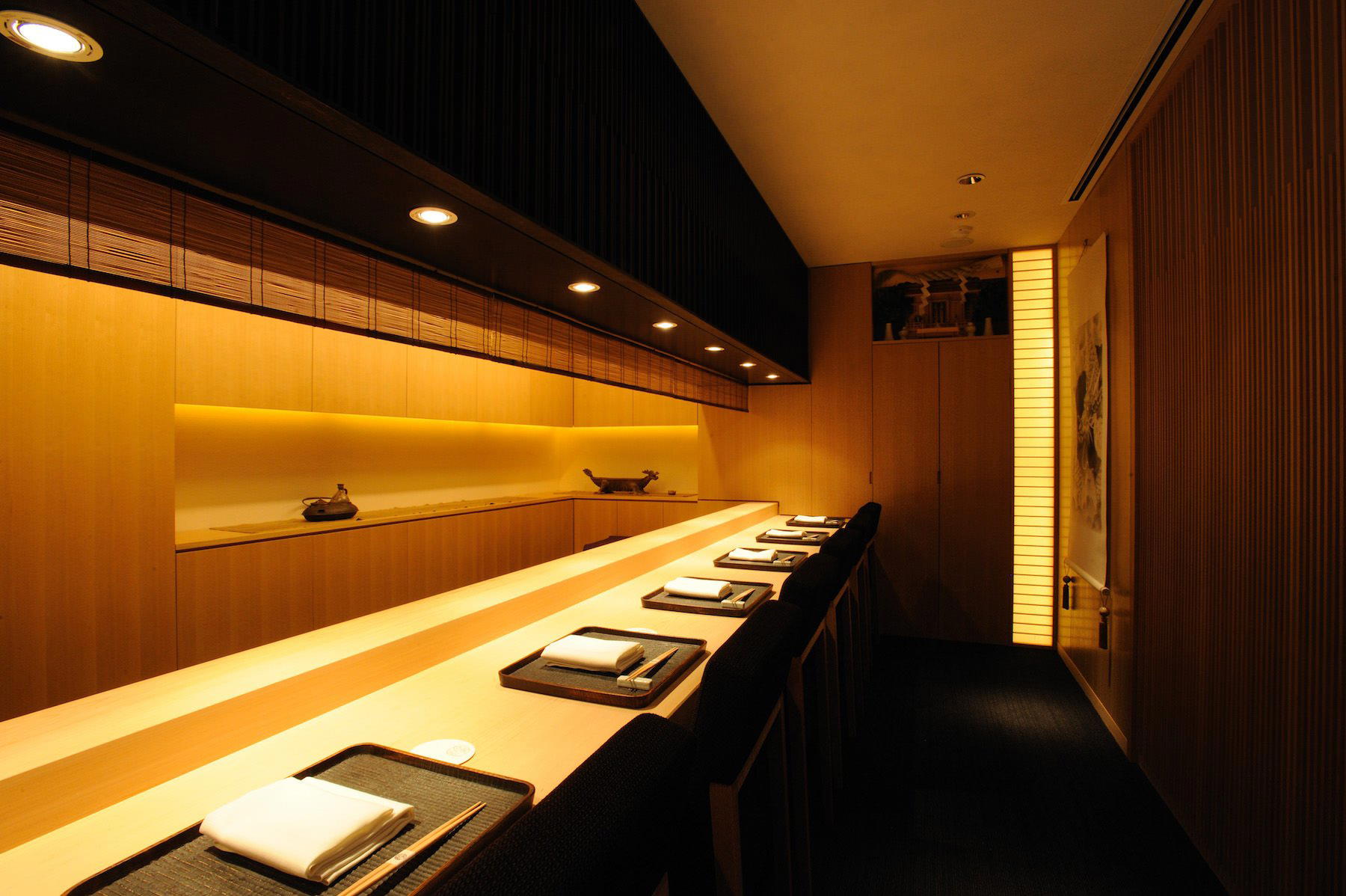
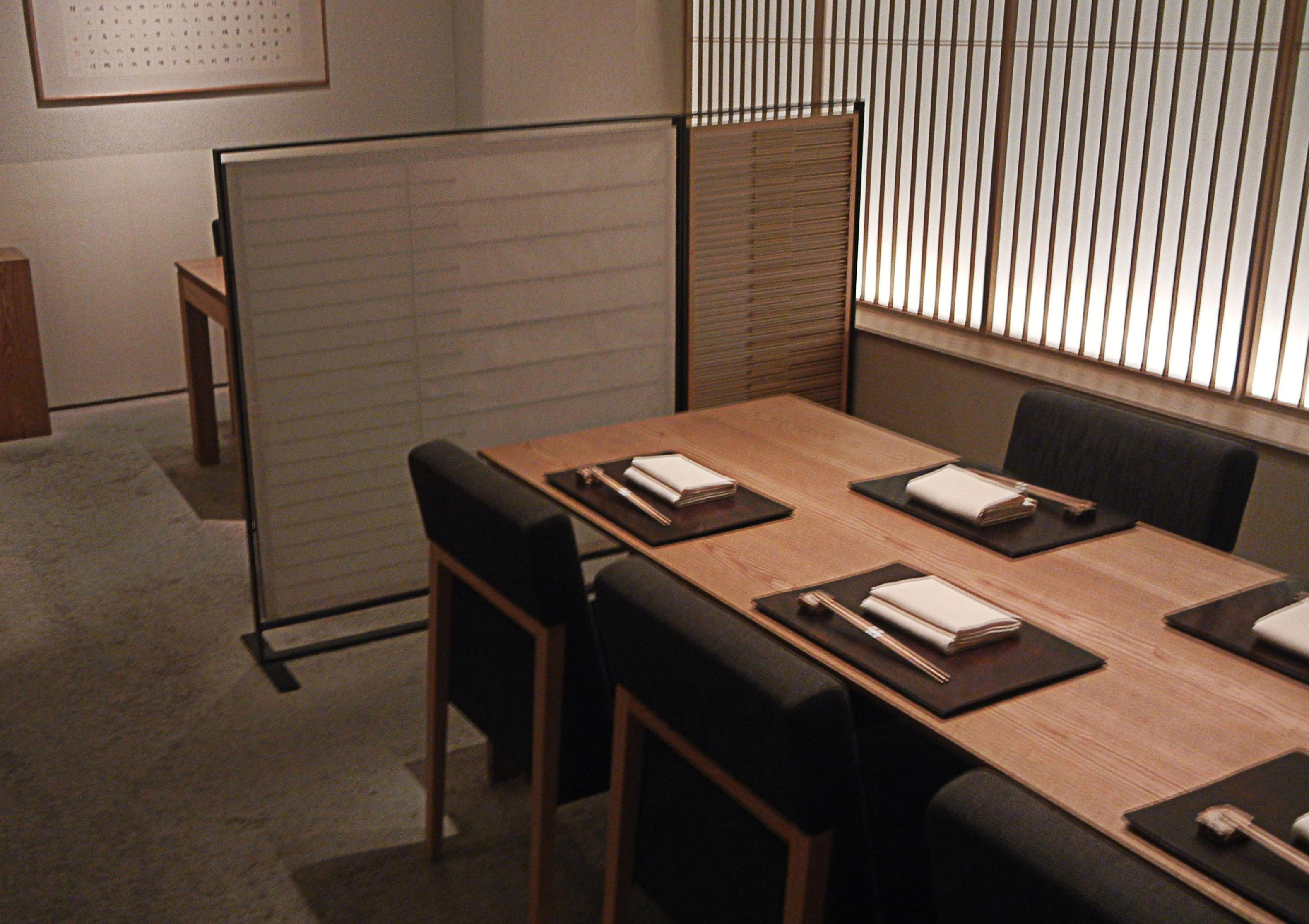
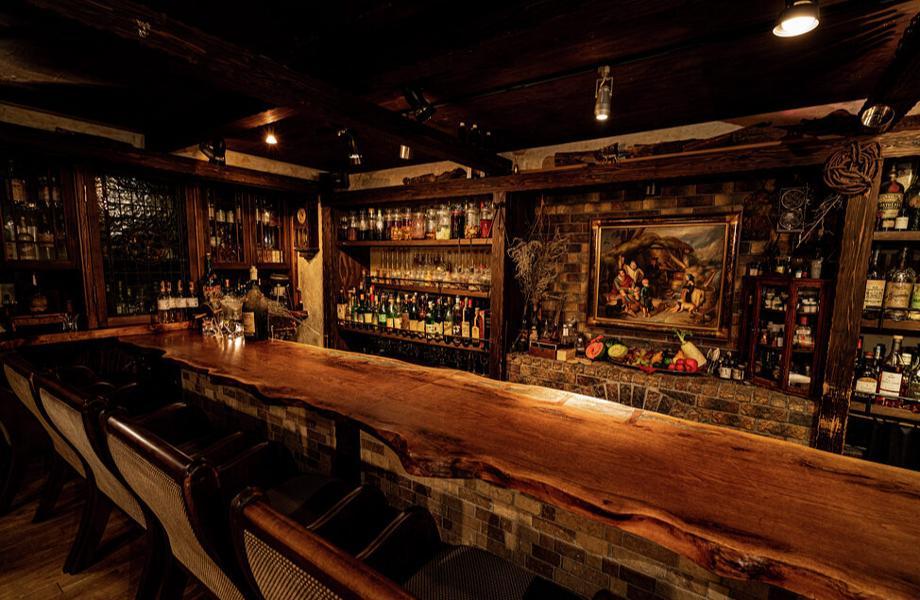
Bars in Tokyo
All bars in Tokyo →
Details
- Intimate
- Relaxed
- Date Night
- Special Occasion
- Chefs Counter
- Sake Program
- Counter Dining
- Sake
Current opening hours
- Monday
- 12:30–3 PM, 6–11 PM
- Tuesday
- 12:30–3 PM, 6–11 PM
- Wednesday
- 12:30–3 PM, 6–11 PM
- Thursday
- 12:30–3 PM, 6–11 PM
- Friday
- 12:30–3 PM, 6–11 PM
- Saturday
- 12:30–3 PM, 6–11 PM
- Sunday
- 12:30–3 PM, 6–11 PM
Hours can change for holidays and private events. Last verified .
Relaxing space with counter seating, tatami room, and sunken kotatsu-style seating providing an intimate and traditional Japanese atmosphere.