Our verdict
Sushi Ginza Onodera Honten occupies a second-floor counter in the heart of Ginza's most competitive omakase corridor, where the city's premium sushi tier sets its benchmark. Planning a visit requires advance preparation: this address operates within a reservation ecosystem that rewards lead time and local knowledge.

Pearl is the En Primeur Club membership app, where members save venues, book tables and use the concierge.
Ginza's Omakase Tier and Where This Counter Sits
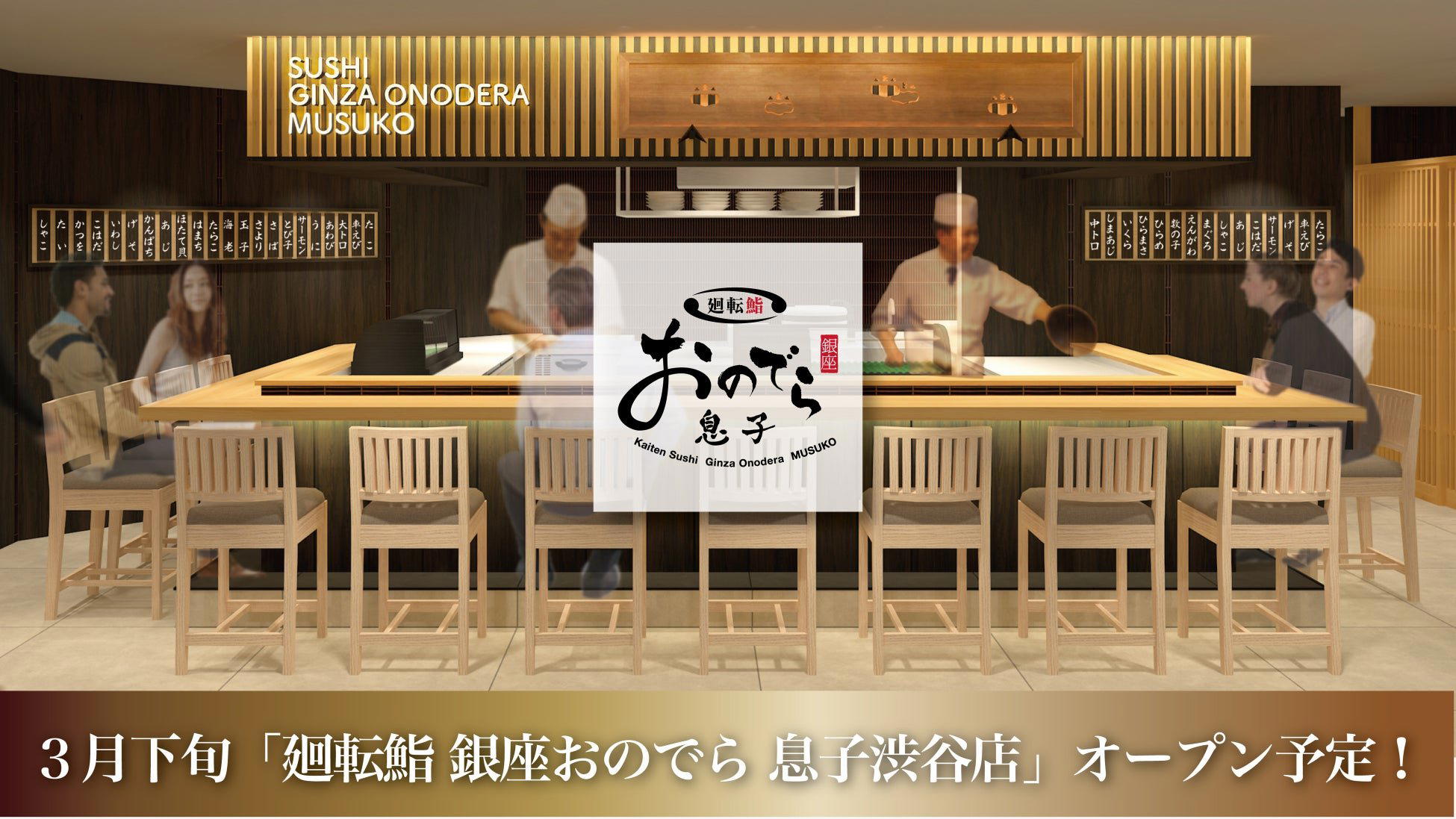
Autumn and winter remain the seasons when Ginza's leading sushi counters earn their strongest arguments. Fatty tuna reaches its peak condition through the colder months, and the city's most serious omakase rooms fill months ahead of that window. Sushi Ginza Onodera Honten, on the second floor of the Sunlit Ginza Building III in Chome 5-14-14, operates within that upper tier of the district's sushi culture, in a postcode where the concentration of high-format omakase counters is arguably higher than anywhere else in the world.
Ginza's premium sushi scene has contracted and sharpened over the past decade. Counter seats have become fewer and more expensive per head, and the addresses that endure tend to do so on the strength of sourcing discipline and format consistency rather than novelty. The Onodera Group, which operates multiple addresses internationally under its umbrella, treats the Ginza Honten as its flagship expression. That positioning matters because it signals the level of ingredient priority and kitchen attention the kitchen receives relative to the group's wider portfolio.
For comparison, peer-tier sushi counters in Ginza, including Harutaka, operate at the ¥¥¥¥ price bracket and share the same competitive logic: small capacity, tightly controlled format, bookings that open far in advance. Onodera Honten belongs to that grouping. The address does not compete with mid-tier omakase rooms on value; it competes on the basis of ingredient quality, counter experience, and access to the Onodera sourcing network, which spans premium fish markets across Japan.
Planning the Visit: What the Booking Reality Looks Like
The editorial angle here is practical necessity rather than aspiration. Ginza omakase at this level does not accommodate spontaneous plans. The booking window at premium counters in this district consistently runs between four and twelve weeks for standard sittings, and reservation access often runs through concierge networks, hotel desks at properties like The Peninsula or The Okura, or specialist reservation services that hold relationships with the floor team.
Visitors without a Japanese-speaking contact or a well-networked hotel concierge will find the path narrower. This is not specific to Onodera; it is a structural feature of top-tier Ginza sushi that filters for committed diners. The counter format, standard at this level, means that arriving late disrupts the rhythm of service for everyone seated. Confirming well ahead of any itinerary commitment is not optional at this price and format tier.
Those building a broader Tokyo itinerary around fine dining should note that the city's top-end French and kaiseki rooms carry similar booking disciplines. Sézanne, L'Effervescence, and RyuGin all operate with advance booking requirements in the same range, so grouping reservations across a single planning effort is the sensible approach. Crony offers a slightly less rigid booking environment if flexibility matters on a given night.
For the full picture of what Tokyo's reservation-led dining scene offers across formats and price points, our full Tokyo restaurants guide maps the landscape by neighbourhood and cuisine category.
The Omakase Format and What It Demands from the Diner
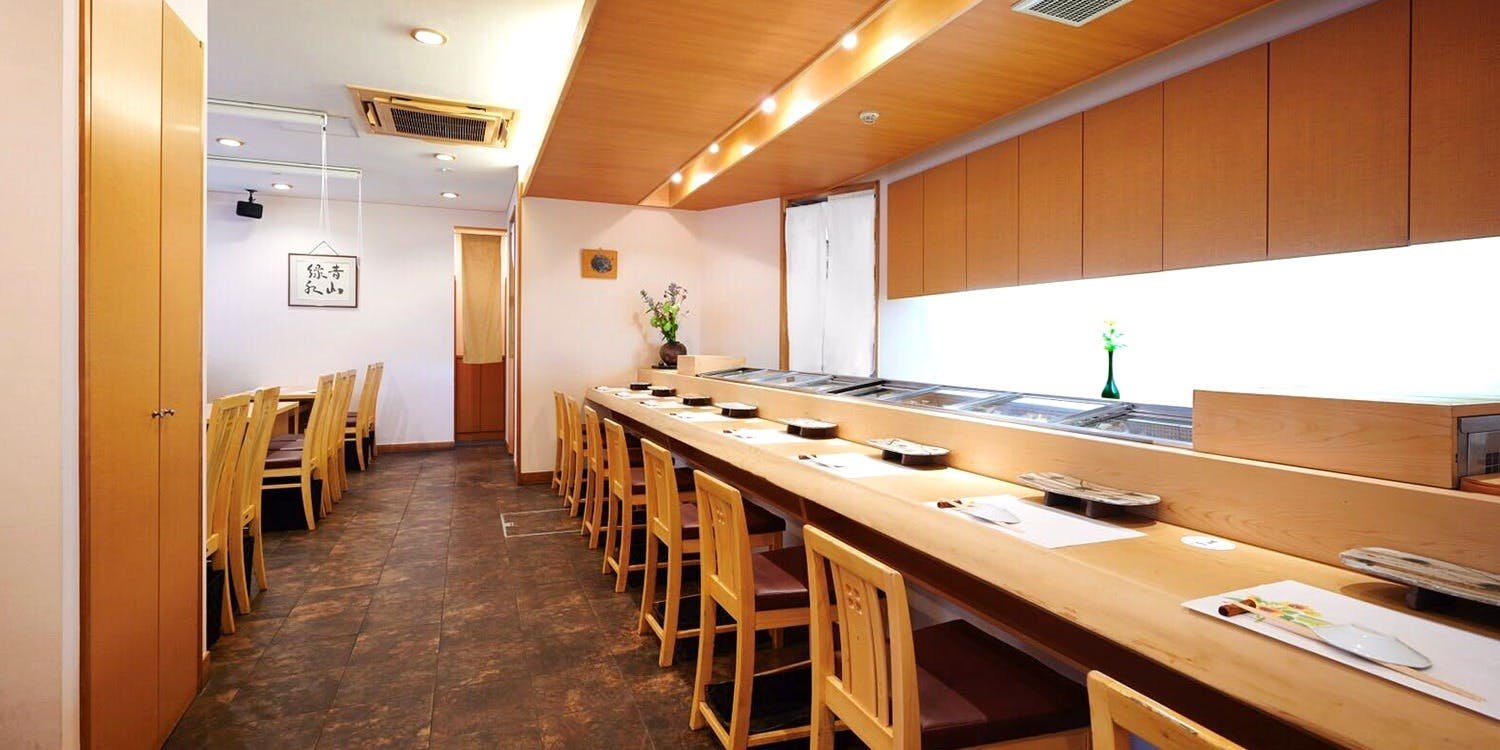
Sushi omakase at the Ginza tier is a structured format with its own expectations. The menu is set by the kitchen, paced by the itamae, and adjusted only at the margins for dietary requirements. The diner's role is to arrive on time, engage with the format as presented, and communicate any restrictions clearly at the time of booking rather than at the counter. This is not a preference-based dining format; it is a tradition in which the chef's reading of the day's fish determines what lands in front of you.
The Onodera Group's sourcing reach gives the Honten kitchen access to fish across Japan's premium producing regions. What that means at the counter level is that the itamae has material to work with that a less-connected kitchen might not. The daily catch informs the progression of the meal, and the quality of rice and temperature discipline at the counter are as consequential as the fish itself. At Ginza's serious omakase rooms, the rice programme is not a secondary consideration.
Japan's regional dining scene provides useful comparison points for those touring beyond Tokyo. HAJIME in Osaka and Gion Sasaki in Kyoto illustrate how the premium dining discipline extends across Japan's major cities, each with its own sourcing emphasis and format logic. Akordu in Nara and Goh in Fukuoka represent the regional depth that rewards travellers willing to move beyond the capital. Across Japan, addresses such as this Nanao counter, this Sapporo table, this Takashima restaurant, and this Nishikawa Machi room show how Japan's most serious eating frequently happens away from central Tokyo. For something different in format, Birdland in Sakai and Bistro Ange in Toyohashi round out the picture of Japan's serious dining beyond its main corridors.
For those travelling to New York before or after Japan, the same premium reservation logic applies at Le Bernardin and Atomix, two addresses that operate with comparable lead times and booking discipline in a different culinary tradition.
Getting There and Practical Notes
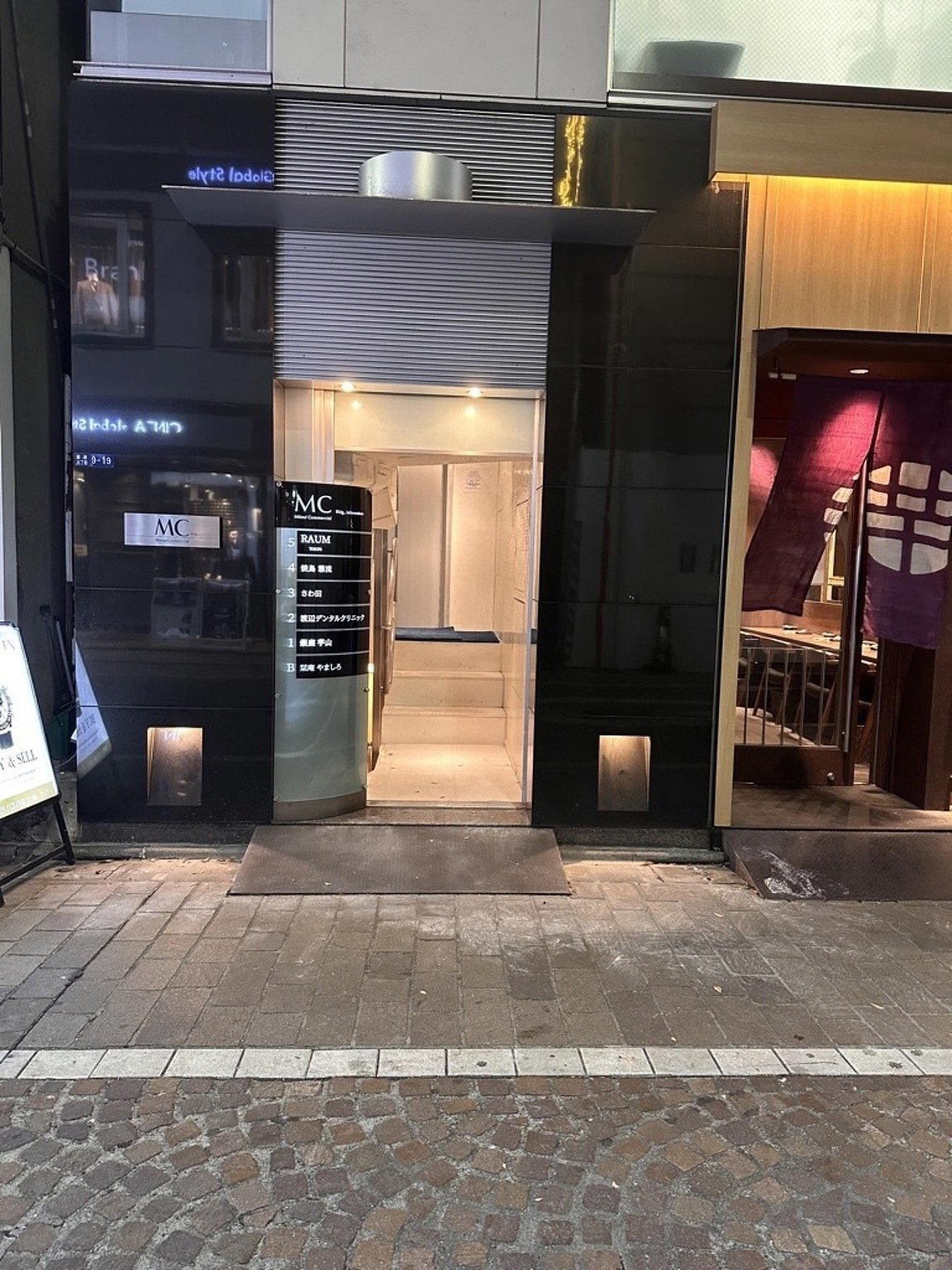
The address sits in Ginza 5-chome, walkable from Ginza Station on the Tokyo Metro Ginza, Marunouchi, and Hibiya lines. The second-floor location in the Sunlit Ginza Building III is a standard counter configuration for the area, and the neighbourhood's density means that pre- or post-dinner drinks options are within a short walk in all directions. Given the format, pre-dinner drinks elsewhere are the practical approach; omakase pacing does not accommodate late arrivals, and the counter's discipline around timing is consistent with how the district's serious rooms operate.
Frequently asked questions
What's 鮨 銀座おのでら本店's location?
鮨 銀座おのでら本店 is located at Japan, 〒104-0061 Tokyo, Chuo City, Ginza, 5 Chome−14−14 サンリット銀座ビルIII 2F, Tokyo.
How does 鮨 銀座おのでら本店 compare to other Onodera Group locations internationally?
The Ginza Honten is the group's originating address and operates as the reference point for Onodera's international counters in cities including Los Angeles and Paris. While the group's overseas locations share sourcing philosophy and training standards, the Tokyo flagship sits inside Ginza's most competitive sushi district, where supplier access and seasonal ingredient quality set the bar for the wider network.
What do people recommend at 鮨 銀座おのでら本店?
There is no ordering at this counter. The format is omakase: the itamae determines the menu based on the day's sourcing, and the kitchen sets the pace. At a Ginza honten of this calibre, the expectation is complete deference to the chef's selection, which shifts with season and supply. Autumn and winter are when fatty tuna and seasonal cold-water fish are at their strongest.
What's the best way to book 鮨 銀座おのでら本店?
For international visitors, the most reliable route is through a Tokyo hotel concierge with established relationships in the Ginza dining circuit. The Onodera Group's multi-country presence means some of their international addresses can also facilitate introductions to the Ginza Honten for existing guests. Direct walk-in is not a realistic option at this level of omakase.
What makes 鮨 銀座おのでら本店 worth seeking out?
The Ginza Honten functions as the flagship within the Onodera Group's network of premium sushi addresses across multiple countries, which translates to sourcing infrastructure and supplier relationships that a standalone restaurant cannot replicate. The Ginza 5-chome location places it at the centre of Tokyo's most concentrated tier of serious sushi counters.
Do they accommodate allergies at 鮨 銀座おのでら本店?
Allergy and dietary information must be communicated at the time of reservation, not on arrival. Omakase kitchens prepare courses in sequence based on confirmed guest counts, so last-minute disclosures create genuine operational problems. If a restriction is significant, confirm explicitly during the booking process that the kitchen can accommodate it.
Comparable Venues
Comparable venues nearby, for context on price, style, and recognition.
| Venue | Cuisine | Price | Awards | Notes |
|---|---|---|---|---|
| 鮨 銀座おのでら本店This venue (the venue you are viewing) | Edo-mae Sushi Omakase | $100–150 | Not listed | Not listed |
| Mon cher ton ton (六本木 モンシェルトントン) | Kobe Beef Teppanyaki | Not listed | Tabelog 100 #69 | Roppongi |
| Inoue (井上) | Modern Yakiniku | $150–200 | Not listed | Ginza |
| Bohemian Nishiazabu | Secret seasonal Japanese robata omakase | $100–150 | Not listed | Nishiazabu |
| Kiyota Hanare | High-end Edomae Sushi Omakase | $500+ | Black Pearl 1 Diamond · Tabelog 100 #11 | Chūō |
| Kondo | Michelin-Starred Edo Tempura | $200–300 | 2 Michelin Stars · La Liste Top Restaurants | Chūō |
Recognition history
Dated appearances from independent guides and award organizations, with the underlying list record or original source where available.
Opinionated About Dining Top Restaurants in Japan Recommended
Opinionated About Dining