
Kyoto’s okonomiyaki conversation often gets overshadowed by kaiseki and temple-district sweets, but the city has a serious griddle culture of its own. Arata belongs to that narrower local tier: okonomiyaki and teppanyaki with repeated Tabelog 100 Okonomiyaki selections, a drink list built for the griddle, and a room format that keeps the cooking close to the table.
Pearl is the En Primeur Club membership app — saves, bookings, and concierge access live there. Same editors, same standards.
- Address
- Japan, 〒601-8412 Kyoto, Minami Ward, Nishikujo Inmachi, 24-4 山本ビル
- Phone
- +81 75-661-5444
- Website
- instagram.com
 Saves & bookings on Pearl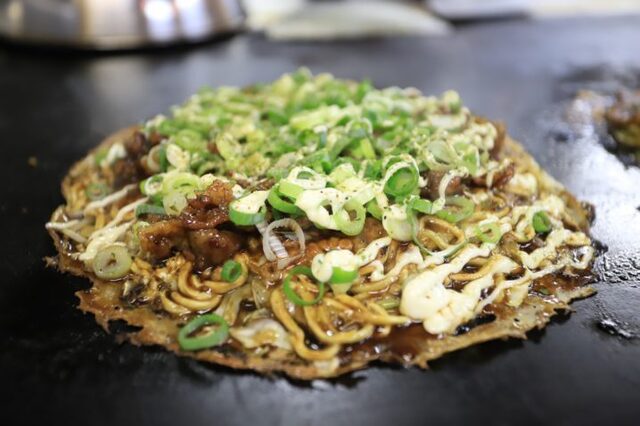
Approach the south side of Kyoto Station and the city changes register. Polished temple-and-ryokan Kyoto gives way to Minami Ward’s practical evening geography: railway edges, station exits, low-rise dining rooms, and food cooked on iron rather than plated in silence. This is the frame for Arata. Kyoto’s griddle restaurants do not compete with counter kaiseki; they answer another appetite: heat, speed, sauce, cabbage, noodles, offal, and drinks that stand up to smoke and sweetness.
Visitors often treat okonomiyaki in Kyoto as a side note while the city’s reputation leans toward multi-course Japanese restaurants, tea houses, and old confectioners. The stronger reading is specific: Kyoto’s everyday food culture is wider than its ceremonial image. A griddle room near the station can teach as much about local eating as a formal dinner in Gion, if the cooking has focus and the room knows how to move.
Kyoto's griddle culture, read through sauce, offal, and station-side timing
Okonomiyaki is easy to underestimate. The form looks democratic: batter, cabbage, protein, sauce, mayonnaise, heat. The gap between routine and serious versions appears in balance and sequencing, not luxury ingredients. Teppanyaki adds another layer because the griddle is both kitchen and stage; noodles, meat, cabbage, and sauce must hold under public pressure. A 50-seat room with counter seating and tatami space allows close-up cooking and group dining without becoming a tasting-menu exercise.
Arata’s recognition places it inside the national conversation for the category. It was selected for Tabelog 100 Okonomiyaki in 2025, with prior selections in 2024, 2023, 2022, 2019, and 2018. That continuity matters more than a single spike. In a field shaped by regional loyalties and nostalgia, repeated selection signals appeal across several award cycles. Its Tabelog score is 3.65, which in Japan’s restaurant culture usually indicates serious local support rather than casual tourist traffic.
The stated categories, okonomiyaki and teppanyaki, keep the meal grounded in the griddle rather than a general izakaya format. Public highlights include yakisoba with grilled pork belly, yakisoba with agi, and agi-filled okonomiyaki. Agi means sinewy jaw meat, signalling a richer, meatier flavour register rather than a delicate, seafood-led Kyoto reading. Homemade spicy sauce is part of the profile, and the heat warning should be taken seriously. In this style, sauce is not decoration; it decides whether the dish lands balanced, heavy, or sharp.
Drinks are more than accessory. Sake, shochu, wine, cocktails, and a noted emphasis on shochu give range for the food’s salt, fat, and heat. The listed red wine mixed with shochu, “Aka,” follows the cooking’s practical logic: not precious or ceremonial, but shaped for food that wants a firm drink. Kyoto dining can reward restraint; here, let the griddle lead.
The room works when cooking, drinks, and service stay in rhythm
The team dynamic is best read not through chef biography, which is not publicly central, but through coordination. Griddle restaurants depend on visible rhythm: the cook controls heat and sequence, front-of-house controls pace and placement, and drinks keep the table from stalling between rounds. Counter seating makes that rhythm legible. Tatami seating broadens the audience, especially for groups, without losing the kitchen’s identity.
Compared with quieter Kyoto formats, including 3TOKU6MI Shijo karasuma ten, [ki:], and Abbesses, this category puts less distance between guest and cooking. The contrast helps trip planning: Kyoto should not be built only from hushed rooms and scheduled courses. A serious itinerary also needs places where heat, repetition, and local drinking habits do the cultural work.
The station-side location adds usefulness. Kyoto Station’s food ecosystem ranges from quick bites such as 551蓬莱 to polished sweets counters, commuter meals, and destination restaurants hiding in plain sight. South of the station, the mood is less theatrical than Higashiyama or Pontocho, often more direct. For a wider food day, Aburi Mochi Honke Nemoto Kazariya belongs to another Kyoto register: shrine-side sweetness, old rhythm, and a narrower snack tradition. Reading both together gives a better city picture than chasing one polished idea of Kyoto dining.
Price clarifies the role. Dinner sits in the JPY 5,000 to JPY 5,999 bracket, above station snacking but far below Kyoto’s formal luxury restaurants. In the comparison set, Yoshida Yama Seseri shares the same dinner band, while Nakamura Tokichi Honten Kyoto eki ten and Hosen JR shinkansen kyoto eki ten sit in lower, quicker brackets. Ahbon and en occupy different Japanese dining lanes. These are not interchangeable; Kyoto’s strongest eating often comes from choosing the right format for the night rather than chasing one hierarchy.
How to fit it into a Kyoto dining itinerary
Use Arata as the griddle anchor in a Kyoto plan, especially after a day heavy with temples, trains, or formal reservations. The meal is social and savoury, not ceremonial. Friends are a natural fit, and the counter-and-tatami mix supports that. The no-smoking policy keeps the food’s heat and sauce from being buried. Private rooms are not part of the format, so diners seeking seclusion should choose another evening style.
Payment culture signals old-school practicality: credit cards, electronic money, and QR code payments are not accepted. That belongs to the experience, not a footnote, because cash-only restaurants in Japan often carry a different pace and expectation. Reservations are available, important for a recognised okonomiyaki address in a city where visitors underestimate casual restaurants with serious local followings. The Sunday closure makes it weaker for end-of-week improvisation.
For a broader Kyoto plan, pair this meal with a separate day of temples and tea, not as an afterthought but as balance. The city’s appeal lies in the distance between formats: a grilled-sauce dinner south of the station, a confection stop near an old shrine, a quiet hotel bar, a contemporary dining room, and a morning of neighbourhood walking. Use Our full Kyoto restaurants guide for dining context, then widen the trip through Our full Kyoto hotels guide, Our full Kyoto bars guide, Our full Kyoto wineries guide, and Our full Kyoto experiences guide.
Travellers building a Japan-wide eating route can place this alongside other focused regional addresses, from -Grilled beef Sukiyaki- KAMAKURA TANUKIAN 鎌倉 たぬき庵 in Kamakura and. 鮪と炭火焼き うお炭 秋葉原店 in Tokyo to.cafe in Osaka.know in Kumamoto, (Shoku) Vietnam in Kawasaki, and [Curry Senmon Ten] Maruyama Kyoju. in Sapporo. Beyond Japan, Jōdo Saké Bar in Los Angeles and Onigiri Time in Pasadena show how Japanese drinking and comfort-food formats travel, but the Kyoto version remains rooted in local pacing and griddle authority.
The Short List
Comparable venues to place this listing in its category.
| Venue | Cuisine | Price | Notes |
|---|---|---|---|
| ArataThis venue — the venue you are viewing | Not listed | $$ | Not listed |
| 真白 | Nakagyō, japanese | Not listed | Not listed |
| 德まる | 中京区, Japanese Kappo | $$ | Not listed |
| 瓢亭 | Sakyō, japanese | Not listed | Not listed |
| Kyoto Tsurara | Not listed | $$ | Nakagyo Ward, Nijo Area, Modern Japanese Kakigori |
| Chao Chao Gyoza (チャオチャオ餃子 三条木屋町店) | Not listed | $$ | Sanjo Kiyamachi, Japanese Gyoza Specialist |
Recognition history
Dated appearances from independent guides and award organizations, with the underlying list record or original source where available.
Tabelog 100 #47 · No. 47
Tabelog · Tabelog 100 - Okonomiyaki - 2025
Continue exploring
More in Kyoto
Restaurants in Kyoto
Browse all →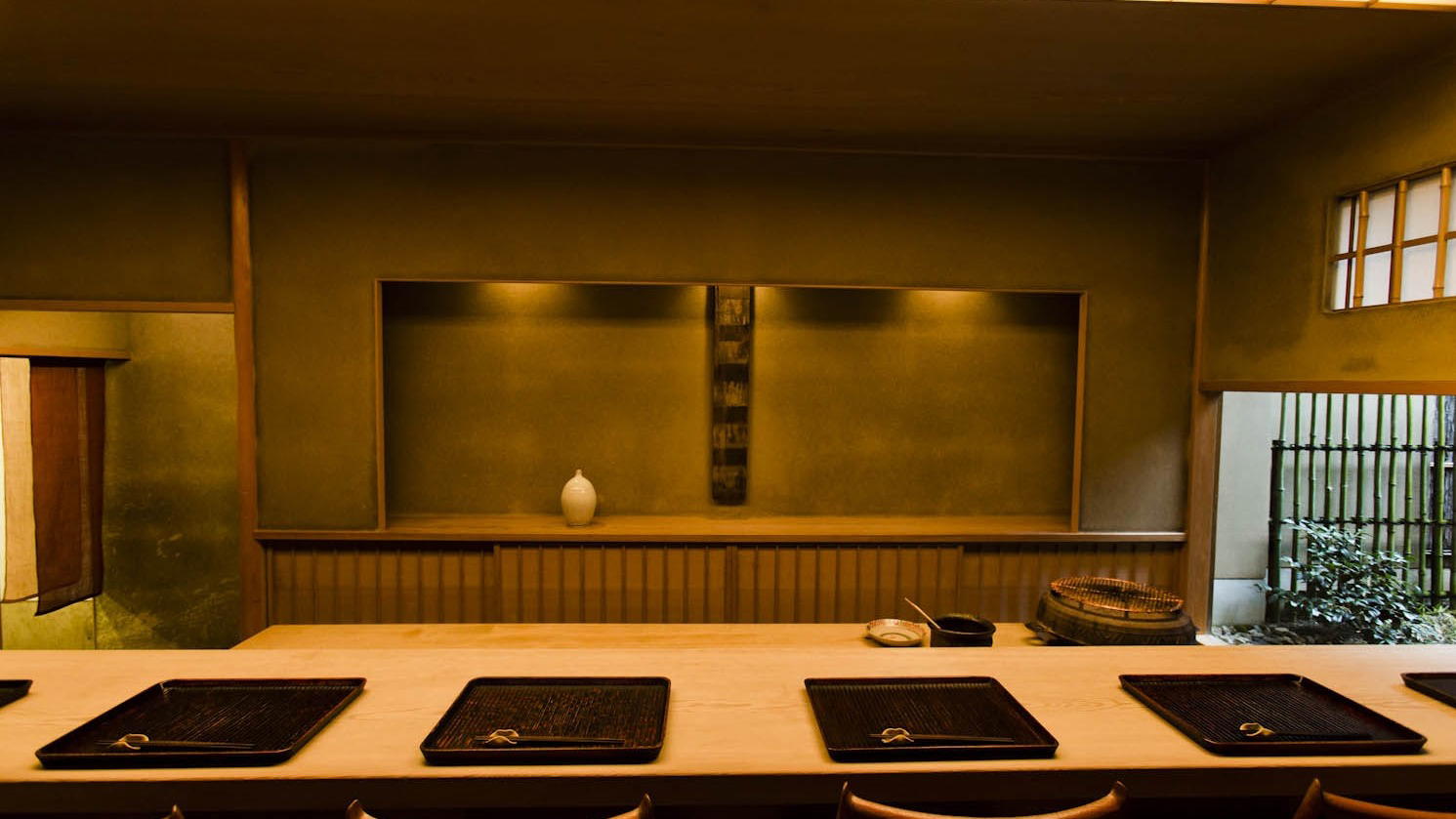
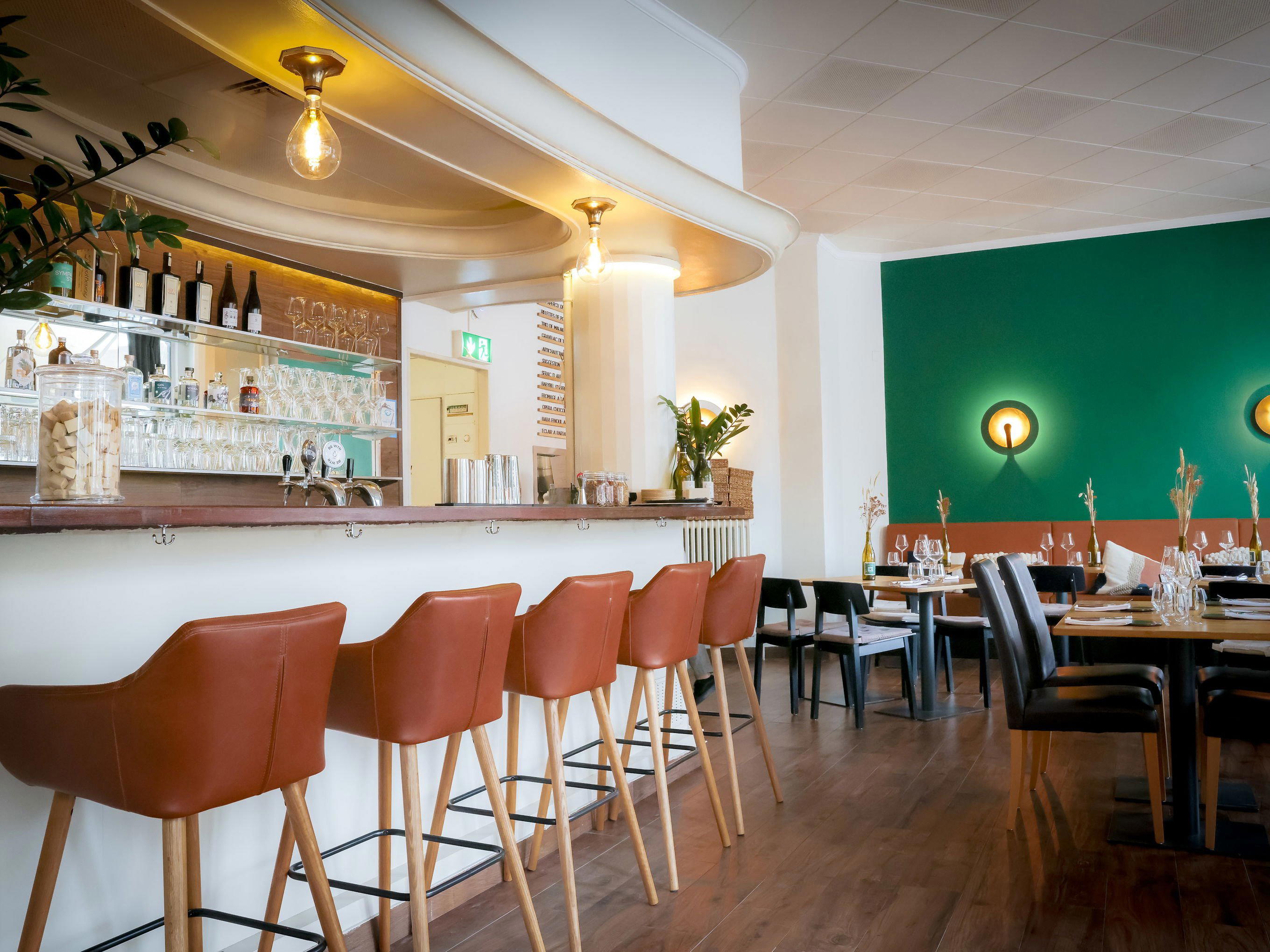
Bars in Kyoto
Browse all →
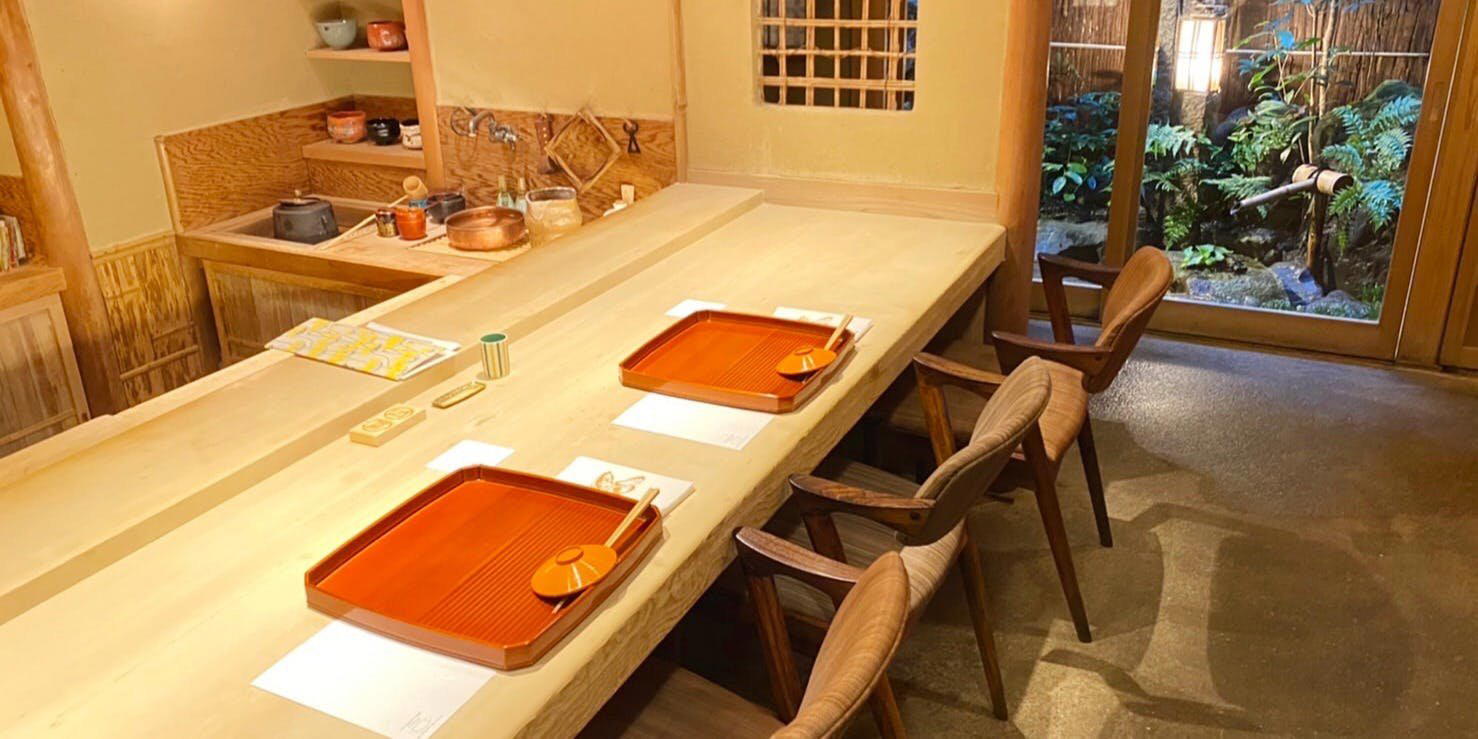
Hotels in Kyoto
Browse all →
Wineries in Kyoto
Browse all →
At a Glance
- Cozy
- Classic
- Lively
- Casual Hangout
- Family
- Group Dining
- Solo
- Open Kitchen
- Standalone
- Sake Program
- Beer Program
Current opening hours
- Monday
- 5–9:45 PM
- Tuesday
- 5–9:45 PM
- Wednesday
- 5–9:45 PM
- Thursday
- 5–9:45 PM
- Friday
- 5–9:45 PM
- Saturday
- 5–9:45 PM
- Sunday
- Closed
Hours can change for holidays and private events. Last verified .
An old-fashioned, local favorite with a casual, bustling teppan-dining atmosphere that feels distinctly Kyoto and unpretentious.