

Tabelog Silver #78
Our verdict
Mita belongs to Kyoto’s small-counter Japanese cuisine tier, where ingredient cadence and restraint carry more weight than spectacle. Its six-seat counter, reservation-only format, Tabelog Award Silver recognition for 2026, and OAD Japan ranking place it in a serious local bracket for diners who want a concentrated reading of Kyoto seasonality rather than a broad survey meal.

Pearl is the En Primeur Club membership app, where members save venues, book tables and use the concierge.
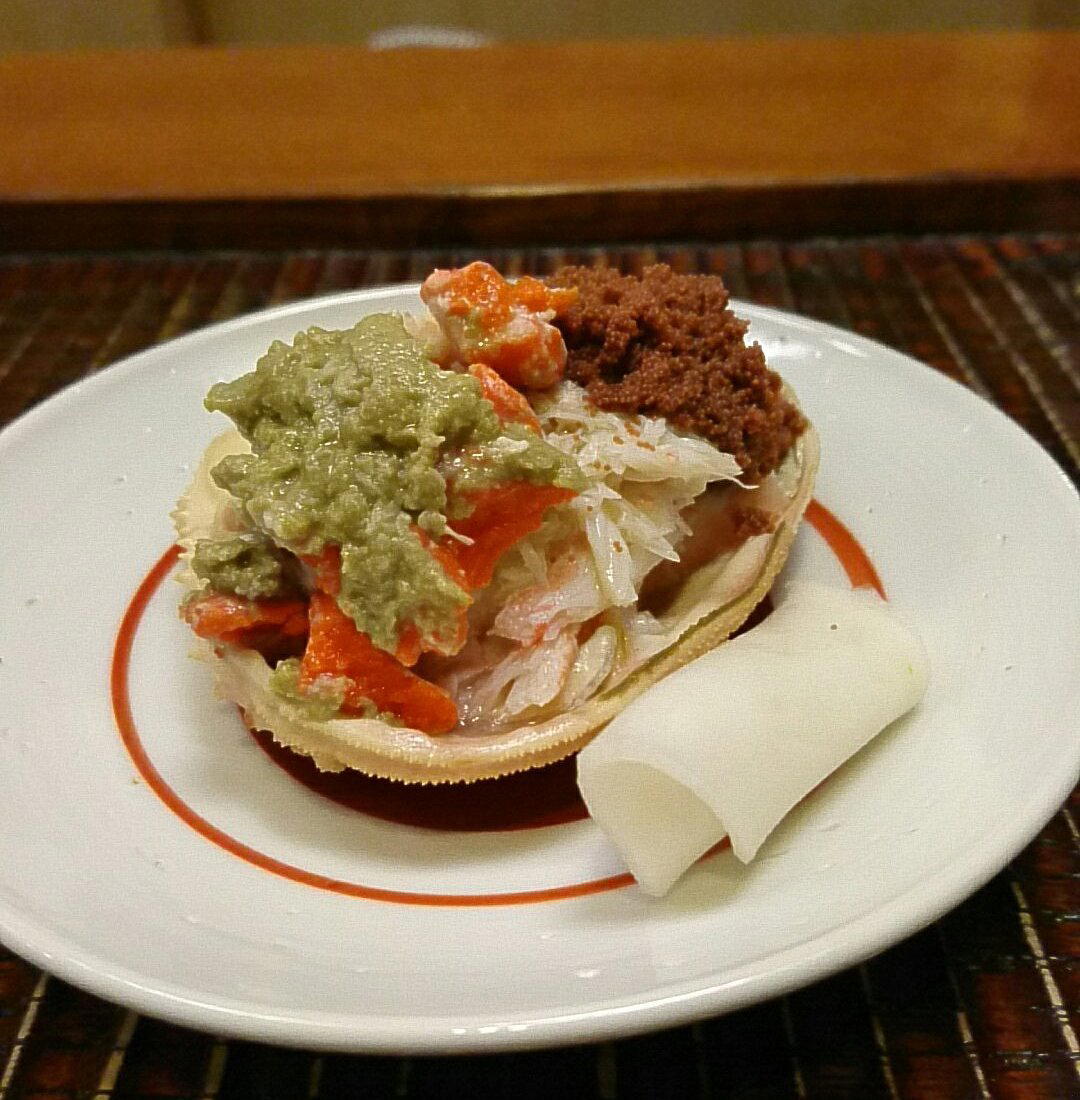
The menu
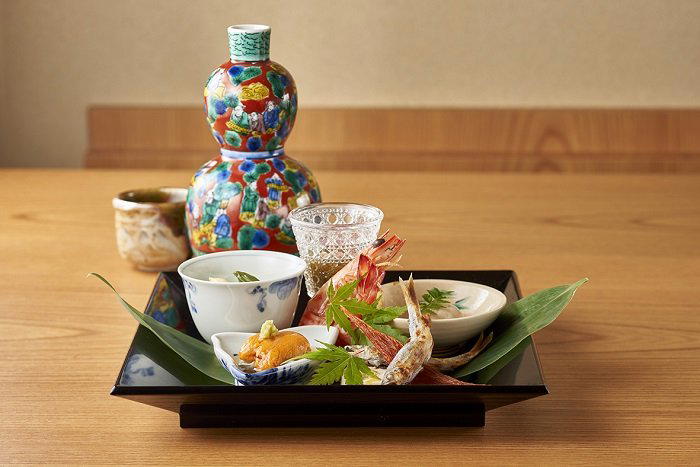
What to order
- Chargrilled_eel
- Matsutake_mushrooms
- Winter_crab
- Chrysanthemum_with_blackthroat_perch
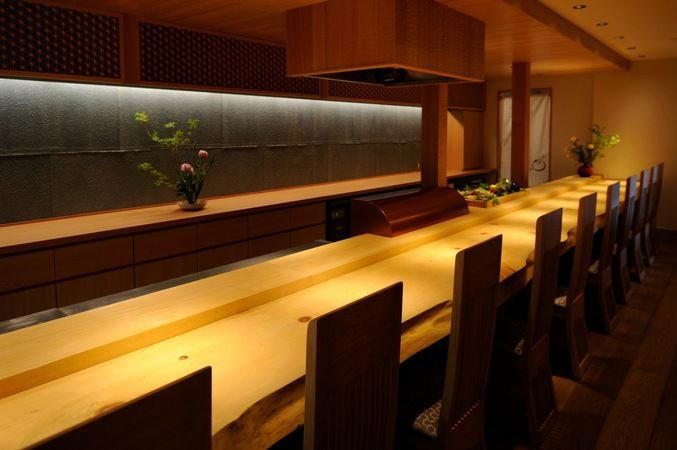
Teramachi-dori changes character as it moves north from the shopping arcades into quieter Nakagyo blocks: fewer storefront distractions, more low-rise facades, a stronger sense of Kyoto as a city built on thresholds. That setting suits a six-seat counter devoted to Japanese cuisine, because this style of dining depends on proximity. The room is not there to overwhelm; it narrows attention to timing, temperature, knife work, and the sequence in which seasonal ingredients are allowed to appear.
Kyoto’s serious Japanese counters are often misunderstood by visitors looking for a single signature dish. The better comparison is with a tea gathering or a tightly edited kaiseki sequence, where the point is not abundance but order: what arrives first, what is held back, and how the kitchen uses seasonality without turning the meal into decoration. Mita sits in that compact, high-discipline category. Tabelog lists it as Japanese cuisine, with 2026 Silver recognition and a score of 4.51, while Opinionated About Dining places it at No. 97 in its 2026 Japan restaurants ranking. Those signals matter in Kyoto, where many excellent meals remain local in reputation and the city’s dining hierarchy is shaped as much by repeat regulars as by international guidebooks.
A six-seat counter built around seasonal control
Ingredient sourcing is the central issue in Kyoto Japanese cuisine because the city’s culinary grammar has long depended on what can be drawn from nearby mountains, rivers, farms, and markets, then framed with restraint. The old capital’s cooking is not isolated from the sea, but it often treats marine products, vegetables, preserved foods, and broth as parts of a larger seasonal argument. At a small counter, that argument becomes more exacting: there is little room for filler, and each course has to justify its place in the sequence.
Mita’s scale makes that pressure visible. Six counter seats create a format closer to a private reading of the season than to restaurant theatre. This is the opposite of the broad, mixed-use Kyoto meal where visitors can sample a little of everything. Here, the appeal is concentration. The kitchen’s choices have to make sense across the full arc of dinner, from lighter openings through richer preparations and the final settling of the meal. With no private rooms listed, the counter is the format, not a side option.
The price bracket also places the restaurant in Kyoto’s serious Japanese cuisine tier rather than in the casual washoku category. Dinner is listed at JPY 60,000 to JPY 79,999, a range that sets expectations for sourcing, sequence, and service precision. This is useful context for comparison: a diner looking across Kyoto might treat 3TOKU6MI Shijo karasuma ten, [ki:], or Abbesses as different expressions of the city’s dining range, but a six-seat Japanese counter at this tariff belongs to a narrower decision set.
Why Kyoto's ingredient culture rewards small rooms
Kyoto dining is shaped by micro-seasons. Spring vegetables, summer river fish, autumn mushrooms, winter roots, and preserved or fermented accents each carry a cultural role beyond simple flavor. The city’s great advantage is not just access to ingredients; it is the shared expectation that ingredients should arrive at the right moment and in the right register. That expectation is why small counters can command such attention. A larger room can offer comfort and breadth, but a counter can make sourcing feel immediate.
This is where Mita’s recognition becomes more than badge collecting. The Tabelog Award Silver run from 2019 through 2026, plus selection for Tabelog Japanese cuisine WEST 100 in 2021, 2023, and 2025, suggests sustained local credibility in a category where diners are unusually sensitive to repetition, seasonality, and value at the upper end. OAD’s 2026 Japan ranking adds a separate editorial signal. None of that tells a diner what will appear on a given evening, and it should not be read that way. It does indicate that the restaurant operates inside a demanding peer group.
Kyoto’s dining spectrum is wide enough that itinerary planning needs sharper intent. 551蓬莱 answers a completely different appetite, while Aburi Mochi Honke Nemoto Kazariya connects to a snack tradition with a long local memory. Within the Japanese cuisine bracket, comparison venues such as Totoyoshi, Tagawa, Sokkon Fujimoto, 寿司 深川龍丈, and ASSEMBLAGES KAKIMOTO show how many directions Kyoto can take: seafood-led, counter-led, formal, hybrid, or pâtisserie-adjacent. Mita’s lane is the intimate Japanese counter where sourcing and sequence have to carry the evening.
How to place it in a Kyoto itinerary
The restaurant’s Nakagyo address is useful for visitors staying between the Imperial Palace, Kyoto City Hall, and the river. This part of the city has a quieter rhythm than Gion or the station area, which helps explain why serious counters work well here: guests arrive with less street-level noise and fewer competing distractions. For broader planning, Our full Kyoto restaurants guide gives the dining context, while Our full Kyoto hotels guide, Our full Kyoto bars guide, Our full Kyoto wineries guide, and Our full Kyoto experiences guide help map the rest of the trip around the meal.
The practical read is simple: this is a reservation-only, counter-format dinner for a small party comfortable with a serious spend and a quiet room. Credit cards are accepted, electronic money and QR payments are not listed, parking is unavailable, and drinks include sake, shochu, and wine, with BYO drinks listed as a service. The restaurant is non-smoking. Those details point to an evening that rewards planning rather than improvisation.
For travelers building a Japan-wide food itinerary, the contrast is instructive. A Kyoto counter like this has little in common with -Grilled beef Sukiyaki- KAMAKURA TANUKIAN 鎌倉 たぬき庵 in Kamakura. 鮪と炭火焼き うお炭 秋葉原店 in Tokyo.cafe in Osaka.know in Kumamoto, (Shoku) Vietnam in Kawasaki, or [Curry Senmon Ten] Maruyama Kyoju. in Sapporo. Nor does it overlap much with Japanese food culture abroad, represented by places such as Jōdo Saké Bar in Los Angeles or Onigiri Time in Pasadena. Mita is for the diner who wants Kyoto’s ingredient discipline in close focus, not a general introduction to Japanese food.
Frequently asked questions
Is Mita suitable for children?
The six-seat counter and reservation-only dinner service from 18:00 to 21:00 make Mita a tighter fit for younger children. Older children who can sit through a quiet counter meal may manage it, but the room is set up for a small adult dining service.
What kind of setting is Mita?
Mita is a six-seat counter in Nakagyo Ward, Kyoto, with non-smoking seating and no private rooms. The format is intimate, reservation-only, and built around a small Japanese cuisine counter rather than a larger dining room.
What days is Mita closed?
Hours at Mita: Mon, Tue, Wed, Thu, Fri, Sat, Sun 18:00 - 21:00.
What's Mita's location?
Mita is located in Kyoto.
What's the standout thing about Mita?
The main draw is the combination of scale and recognition: just six counter seats, plus the 2026 Tabelog Silver award and selection for Tabelog Japanese cuisine WEST "Tabelog 100" 2025. That pairing gives Mita real weight in Kyoto’s counter dining scene.
Comparison Snapshot
Comparable venues nearby, for context on price, style, and recognition.
| Venue | Cuisine | Price | Awards | Notes |
|---|---|---|---|---|
| MitaThis venue (the venue you are viewing) | Kyoto Kaiseki | $300–500 | Tabelog Silver #78 | Not listed |
| Suzue | Kaiseki | $300–500 | Tabelog Bronze #411 | Sakyō |
| Sakamoto | Traditional Kyoto Kaiseki Omakase | $200–300 | Not listed | Higashiyama |
| Higashiyama Ogata | Modern Kaiseki | $200–300 | Tabelog Bronze #107 | Sakyō |
| Ahbon | Modern Luxury Kushiage | $150–200 | Not listed | Minami |
| Kyoto Kitcho Arashiyama | Traditional Kaiseki | $300–500 | La Liste Top Restaurants · Tabelog Bronze #220 | Ukyō |
Recognition history
Dated appearances from independent guides and award organizations, with the underlying list record or original source where available.
Opinionated About Dining Top Restaurants in Japan Ranked #97
Opinionated About Dining
Tabelog Silver #78
Tabelog
Full recognition history (3 entries)
Tabelog 100 #45 · No. 45
Tabelog · Tabelog 100 - Japanese cuisine - WEST - 2025
Mita
Featured Guides

Continue exploring
More in Kyoto
Restaurants in Kyoto
All restaurants in Kyoto →
Bars in Kyoto
All bars in Kyoto →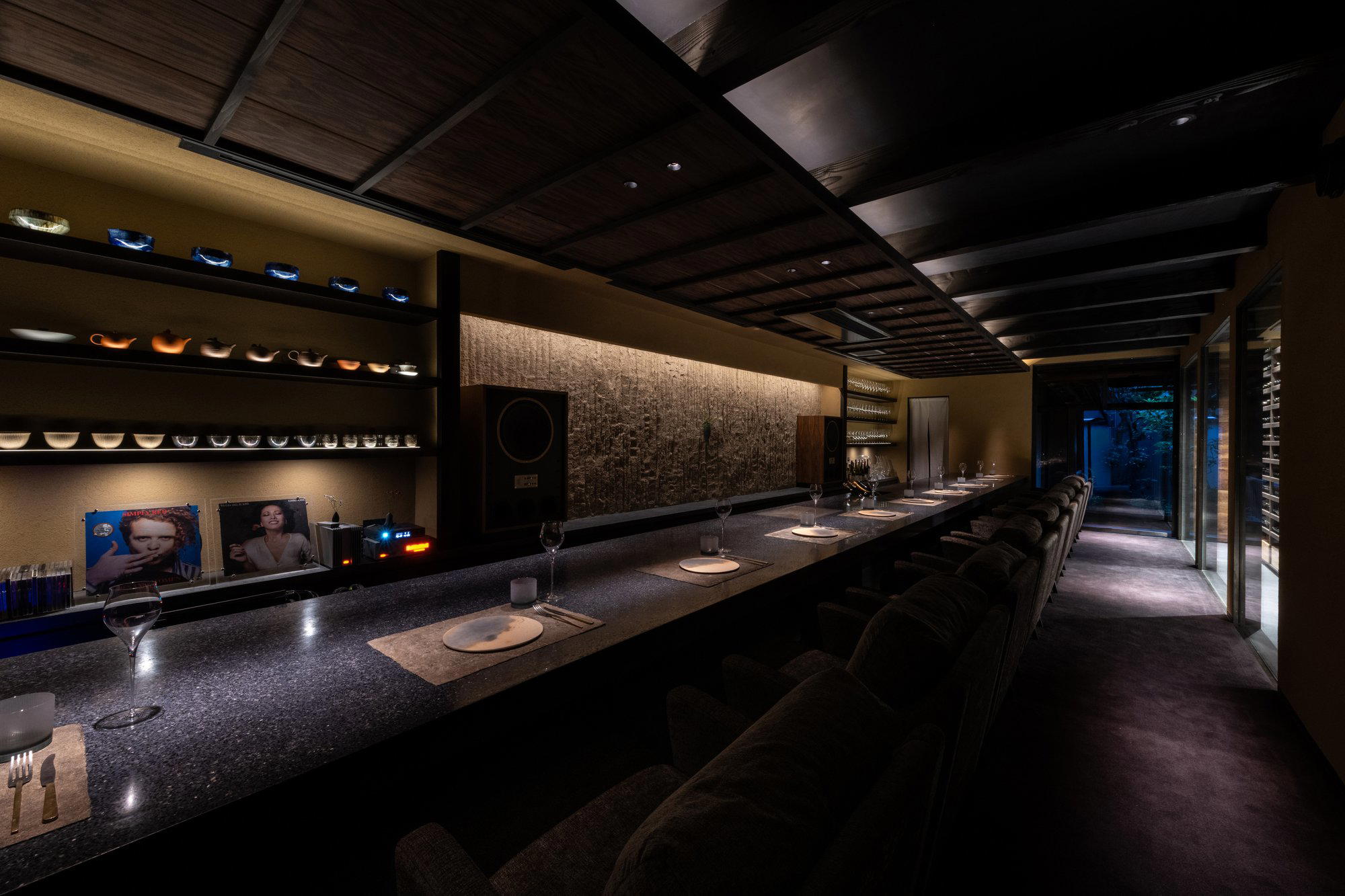
Hotels in Kyoto
All hotels in Kyoto →
Wineries in Kyoto
Browse all →
Details
- Intimate
- Elegant
- Quiet
- Sophisticated
- Special Occasion
- Date Night
- Chefs Counter
- Open Kitchen
- Sake Program
- Corkage Allowed
- Local Sourcing
- Tasting Menu
- Sake
- Shochu
Current opening hours
- Monday
- 6–10 PM
- Tuesday
- 6–10 PM
- Wednesday
- 6–10 PM
- Thursday
- 6–10 PM
- Friday
- 6–10 PM
- Saturday
- 6–10 PM
- Sunday
- 6–10 PM
Hours can change for holidays and private events. Hours as of .
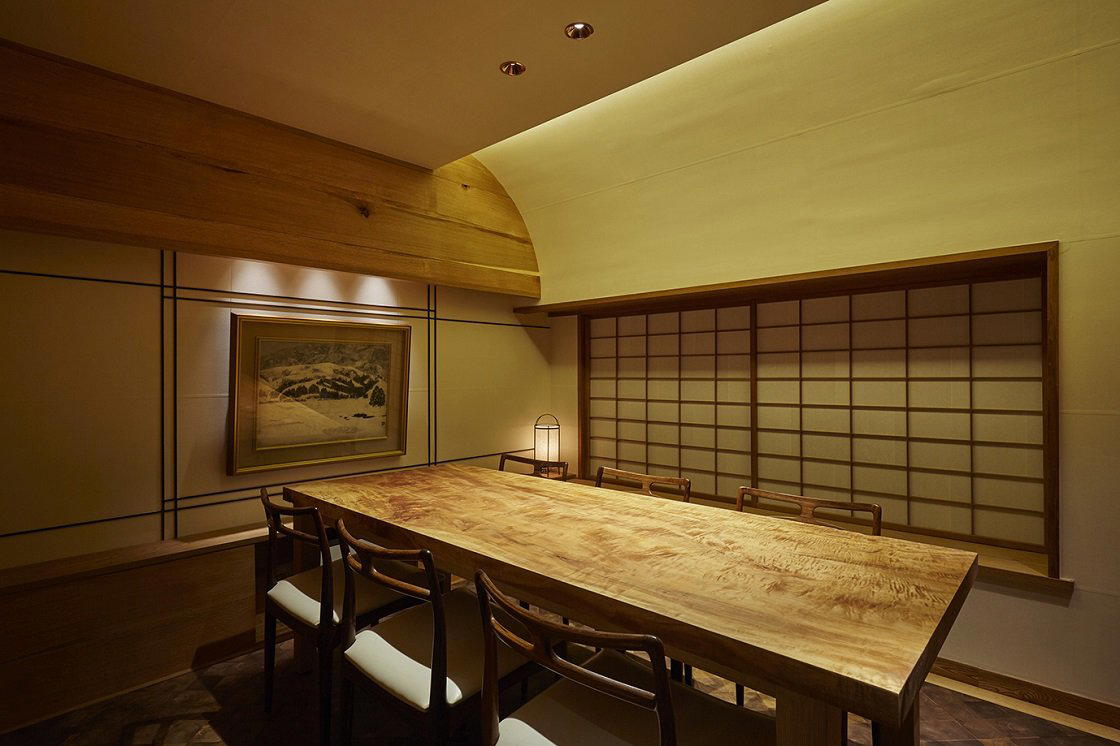
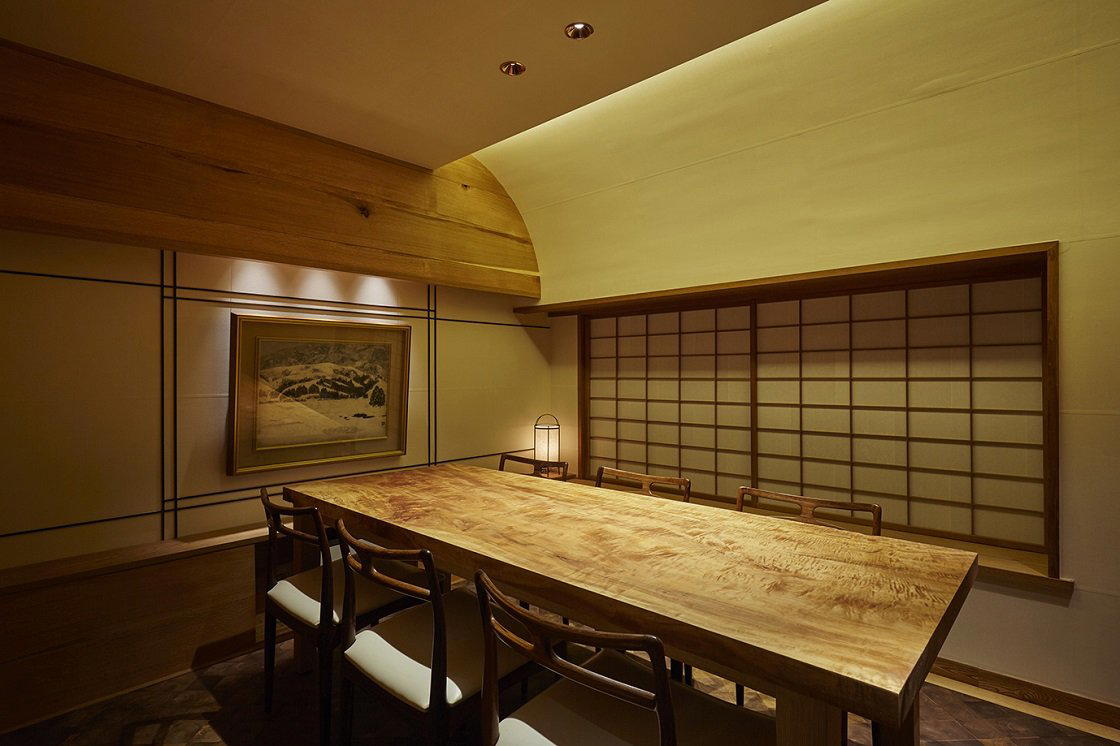
Understated wood and neutral tones with calibrated lighting focusing attention on the chef's precise work in a serene, intimate setting.