
A Michelin Plate-recognised kappo restaurant in Kyoto's Nakagyo Ward, Sosakukappo Otani operates in the mid-price tier where creative Japanese cooking meets the measured pacing of traditional counter dining. it sits in a bracket defined by precision and restraint rather than ceremony and ceremony costs. A considered choice for those who want the kappo ritual without the full kaiseki price commitment.
Pearl is the En Primeur Club membership app — saves, bookings, and concierge access live there. Same editors, same standards.
- Address
- 145 Takeyacho, Nakagyo Ward, Kyoto, 604-0823, Japan
- Phone
- +81 70-8337-5418
- Directions
- Get directions
 Saves & bookings on Pearl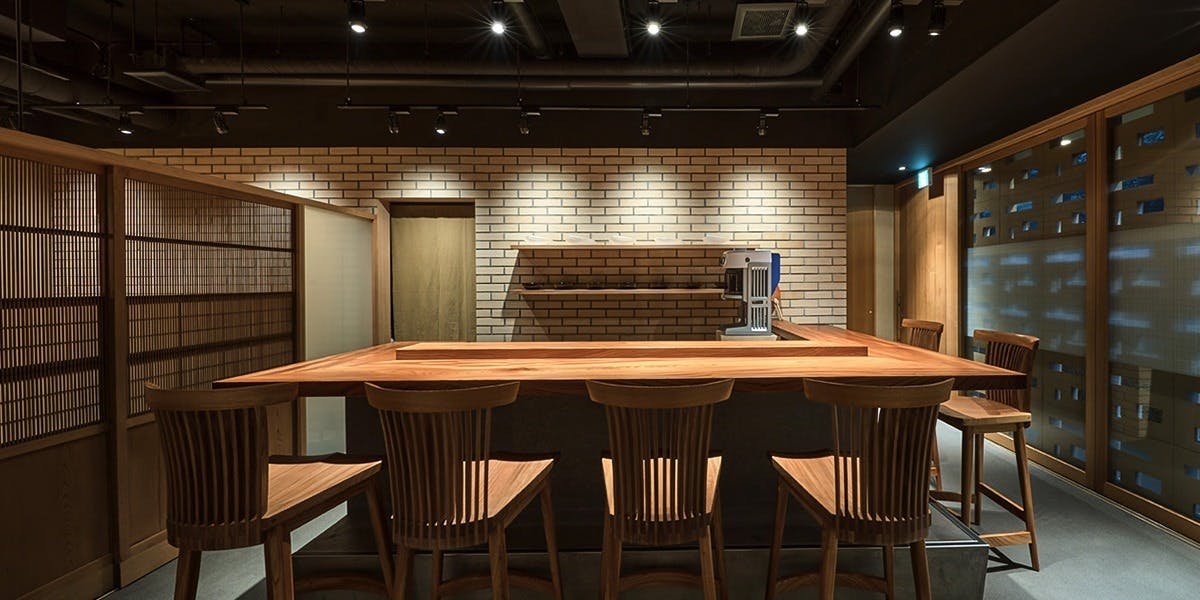
The Kappo Counter and What It Asks of You
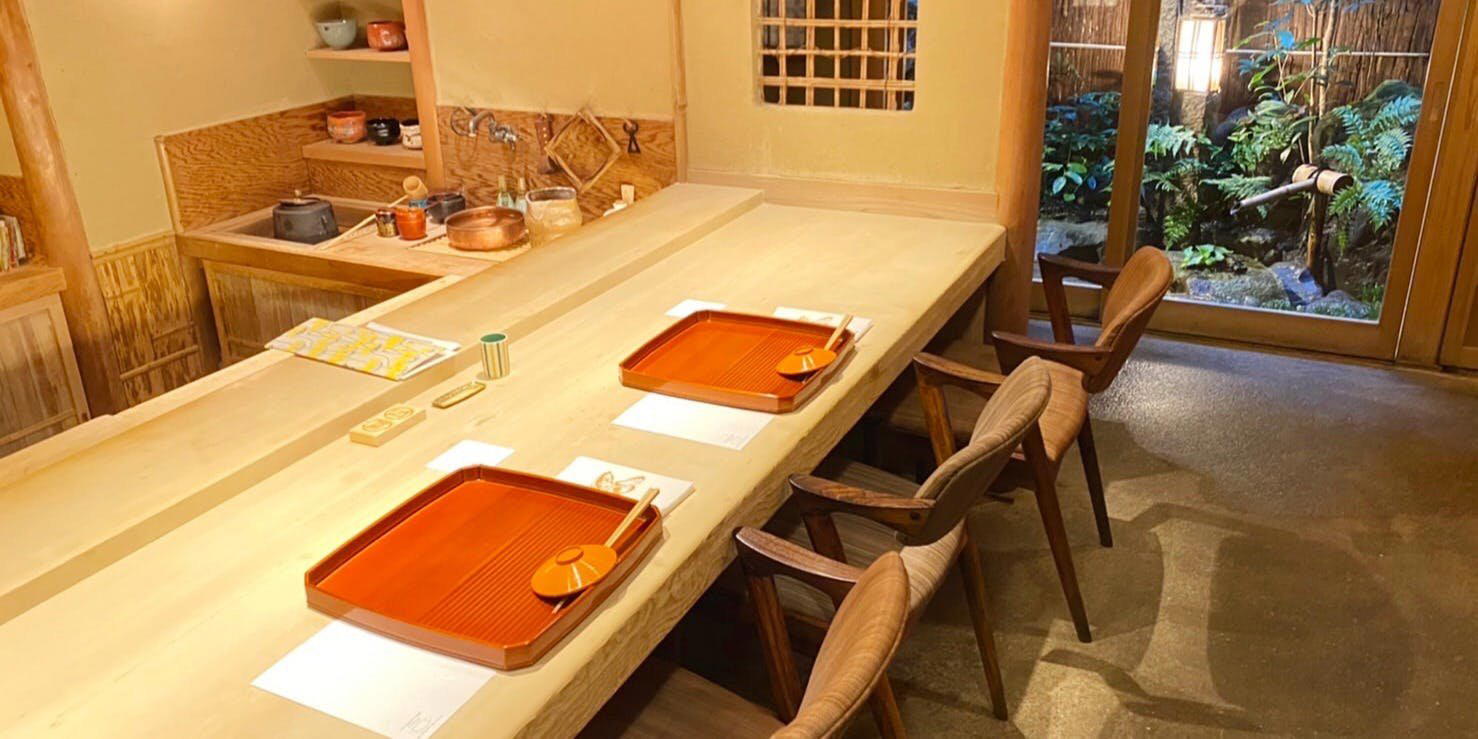
There is a particular kind of attention required at a kappo counter that differs from the remove of table-service kaiseki. You are close enough to the kitchen to register the sequence before it arrives, to watch temperature and timing managed in real time. Kyoto has long maintained both formats, with the grand kaiseki houses such as Isshisoden Nakamura and Kikunoi Roan representing the formal, multi-room tradition, and a quieter tier of kappo rooms where the format is more immediate. Sosakukappo Otani, addressed at 145 Takeyacho in Nakagyo Ward, belongs to the latter. It carries.
The name signals intention: sosaku means creative or original, while kappo describes the counter-kitchen format in which dishes are prepared and served in sequence rather than presented from a banquet kitchen. This pairing, creative kappo, describes a significant strand of contemporary Japanese dining: it respects the structure of seasonal, sequential presentation while allowing departure from the fixed grammar of classical kaiseki. The restaurant sits in Nakagyo Ward, the central district of Kyoto that holds the city's administrative core and a concentration of mid-tier dining without the tourist density of Gion or the visible prestige of Higashiyama.
Pacing, Sequence, and the Architecture of a Japanese Meal
The ritual of a kappo meal is architectural. In classical Japanese dining, the meal moves through defined registers: something light to open the palate, something raw, something simmered, something grilled, rice to close. Each stage has its own logic, and the interval between courses is not dead time but part of the composition. At the more expensive end of the Kyoto spectrum, places like Gion Matayoshi and Kenninji Gion Maruyama maintain this structure with considerable formality. What sosaku kappo offers is the same underlying architecture with a looser, more personal interpretation of what fills each stage.
This format rewards a specific kind of dining attention. You are not selecting from a menu of individual dishes; you are entering a pre-arranged sequence whose interest lies in the transitions between courses as much as in the courses themselves. At about $75 per person, Otani sits at a relatively accessible point for the format in Kyoto, where kaiseki at comparable technical level frequently sits at ¥¥¥¥ tier pricing. Across the comparison set, Ifuki and Gion Sasaki both operate at ¥¥¥¥, making the mid-price kappo format a meaningfully different entry point for experiencing sequential Japanese cooking without the full cost structure of the grand kaiseki houses.
Nakagyo Ward: A Working District With Serious Dining
Nakagyo Ward does not carry the culinary mythology of Gion or Pontocho, but it holds a practical concentration of restaurants that serve Kyoto residents as much as visitors. The ward sits between the Kamo River and Nijo Castle, and its dining character runs toward the precise and low-key rather than the theatrical. For a kappo restaurant operating in the sosaku register, this neighbourhood context makes sense: the format is not built for destination tourism but for repeat custom from people who understand the pacing the meal requires.
Visitors situating Kyoto in a broader Japanese itinerary can cross-reference against comparable formats elsewhere. Harutaka in Tokyo and Myojaku in Tokyo represent the capital's approach to precision counter dining, while HAJIME in Osaka shows how Kansai cooking has moved toward a more international creative vocabulary. Closer to Kyoto, akordu in Nara demonstrates how smaller cities in the region sustain serious kitchens outside the major centres. Sosakukappo Otani operates in a different register from all of these, but understanding the broader spread helps frame what the Kyoto mid-tier kappo format does and does not attempt.
For those exploring Japanese dining further afield, Goh in Fukuoka, 1000 in Yokohama, 6 in Okinawa, and Azabu Kadowaki in Tokyo each show how the sequential Japanese meal adapts across geography, price tier, and regional ingredient culture. And for more on Kyoto's dining depth, Kodaiji Jugyuan represents the zen-influenced vegetarian tradition that runs parallel to the kappo and kaiseki lineages.
What the Michelin Plate Signals Here
A Michelin Plate is not a star, but it is a deliberate editorial act by the guide's inspectors. In the 2024 Kyoto selection, the Plate designation indicates that inspectors found the cooking technically competent and consistent, meeting the quality threshold for inclusion without the fuller recognition a star carries. For a sosaku kappo operating at ¥¥ price range, this is a meaningful credential: it confirms that the creative framing of the format does not come at the cost of execution. In a city where the comparison set includes a concentration of starred kaiseki restaurants, a Plate at mid-price level is a more useful trust signal for the dining tier it actually occupies than a star would be at triple the price.
The convergence of Michelin Plate recognition and high early guest scores suggests consistent delivery rather than occasional excellence. That kind of consistency is what kappo dining requires: the format does not accommodate recovery between courses the way a large menu does.
Planning Your Visit
Sosakukappo Otani is located at 145 Takeyacho, Nakagyo Ward, Kyoto, 604-0823. Price range: ¥¥, placing it at the accessible end of sequential Japanese dining in Kyoto. Awards: Michelin Plate 2024. Reservations: Recommended. Hours: Mon to Fri 4-11 PM; Sat and Sun 12-1:30 PM and 4-11 PM.
, and.
How It Stacks Up
Comparable venues nearby, for context on price, style, and recognition.
| Venue | Cuisine | Price | Awards | Notes |
|---|---|---|---|---|
| Sosakukappo OtaniThis venue — the venue you are viewing | Creative Kappo | $$$$ | Michelin Plate | Not listed |
| Matakichi | Refined Kyoto Omakase & Kaiseki | $$$$ | Michelin Plate | Higashiyama |
| Takoyakushi Furukawa | Authentic Japanese Kaiseki | $$$$ | Michelin Plate | Nakagyō |
| Nonkiya Mune | Kyoto Izakaya | $$$ | Michelin Plate | Nakagyō |
| Ryoriya EN | Traditional Kyoto Kaiseki | $$$ | Michelin Plate | Shimogyō |
| Ankyu | Seasonal Kaiseki | $$$$ | Not listed | Higashiyama |
Recognition history
Dated appearances from independent guides and award organizations, with the underlying list record or original source where available.
Michelin Plate
Michelin
Continue exploring
More in Kyoto
Restaurants in Kyoto
Browse all →
Bars in Kyoto
Browse all →
Hotels in Kyoto
Browse all →
Wineries in Kyoto
Browse all →
At a Glance
- Elegant
- Intimate
- Sophisticated
- Cozy
- Date Night
- Special Occasion
- Chefs Counter
- Sake Program
Current opening hours
- Monday
- 4–11 PM
- Tuesday
- 4–11 PM
- Wednesday
- 4–11 PM
- Thursday
- 4–11 PM
- Friday
- 4–11 PM
- Saturday
- 12–1:30 PM, 4–11 PM
- Sunday
- 12–1:30 PM, 4–11 PM
Hours can change for holidays and private events. Last verified .
Cozy hideaway atmosphere with an L-shaped counter, offering a relaxed yet refined dining experience.