Google: 4.5 · 91 reviews

Kusabira occupies a basement-level address in Nishiazabu, one of Minato's quieter residential pockets, placing it inside a neighbourhood that has quietly accumulated some of Tokyo's more considered dining. The venue sits below street level on a block where the density of serious restaurants per square metre rivals better-publicised corridors elsewhere in the city.
 Discover on Pearl
Pearl is the En Primeur Club membership app — saves, bookings, and concierge access live there. Same editors, same standards.

Below Street Level in Nishiazabu
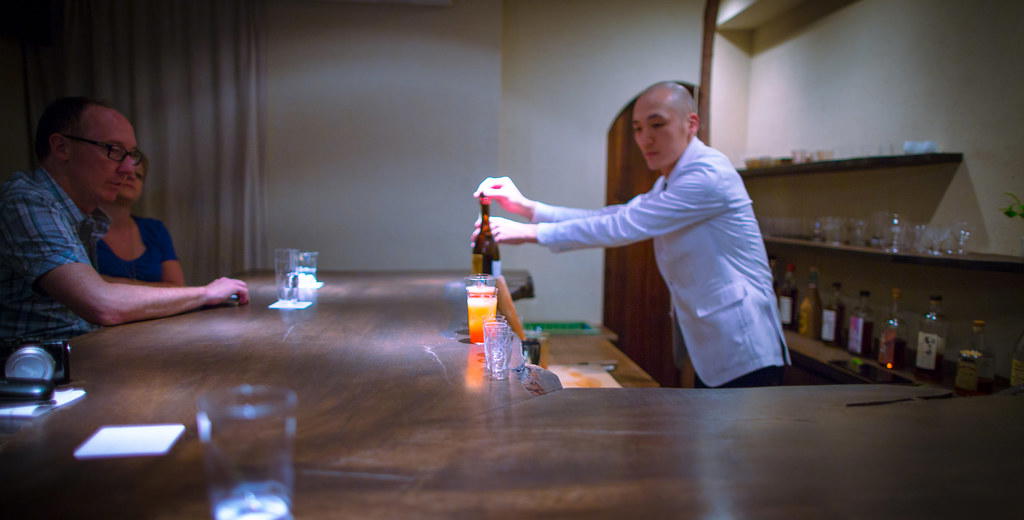
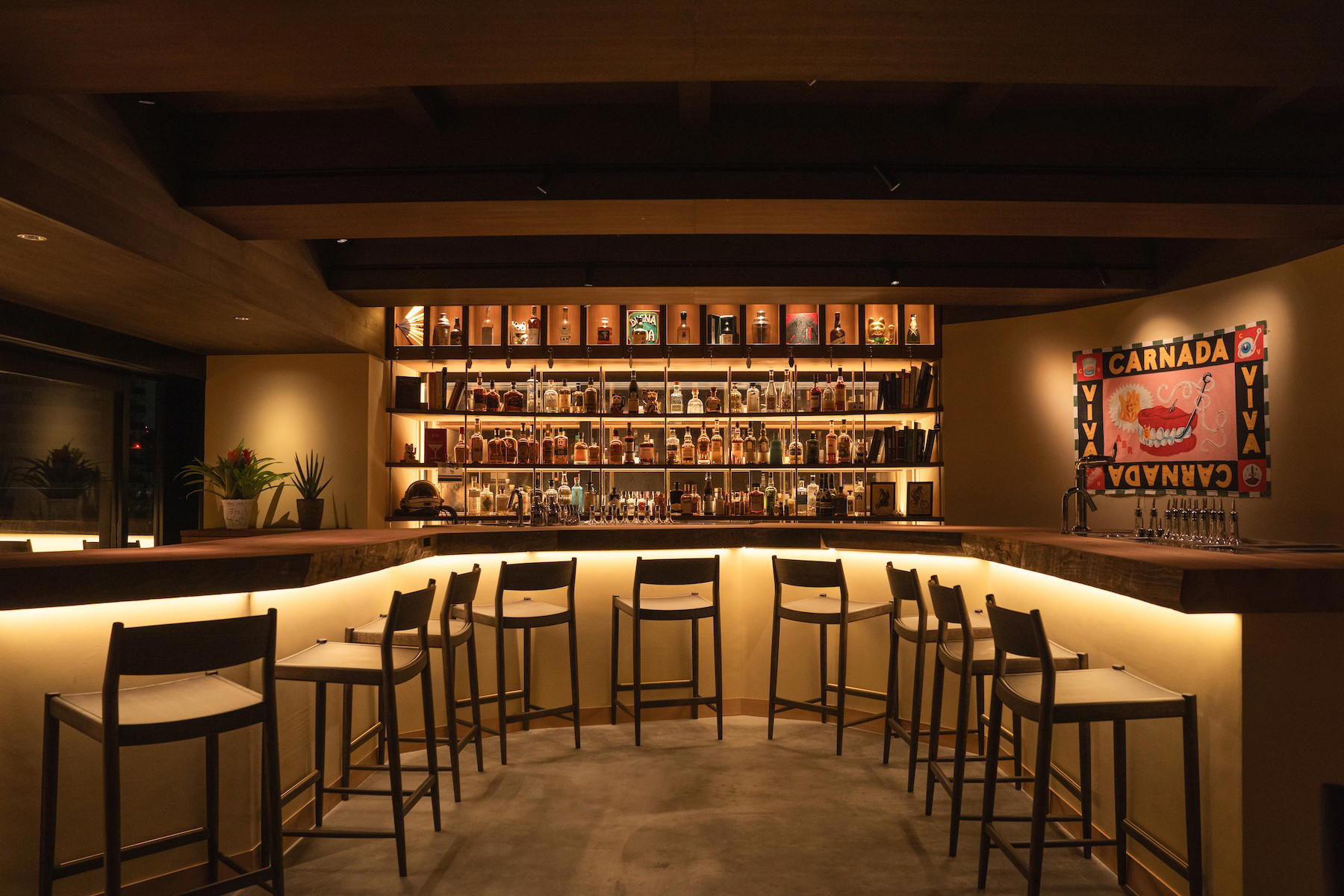
The approach to Kusabira sets the register before you reach the door. Nishiazabu is not Ginza, and it is not Roppongi's tourist-facing strip: it is the quieter, residential tier of Minato Ward where the streets narrow and the signage becomes sparse. Descending to a basement-level (B1F) address on a residential block in 4-chome is a deliberate act of attention — the kind of geography that filters an audience before a single plate arrives. In Tokyo's fine-dining geography, the basement counter has a particular meaning: compressed space, controlled acoustics, an intimacy that street-level rooms rarely manage.
That spatial logic connects Kusabira to a broader pattern in how Tokyo's most considered restaurants position themselves. Venues at the serious end of the spectrum — from the omakase counters of Ginza to the kaiseki rooms of Akasaka , increasingly favour contained formats over expansive dining rooms. The sensory compression of a lower-ground room, where light is managed rather than inherited from the street, where sound does not scatter, tends to focus a meal in ways that a larger space resists. Whether Kusabira exploits that compression fully is a question answered at the table, not on the street.
The Nishiazabu Context
Nishiazabu sits at an interesting pressure point in Tokyo's dining geography. It shares a postcode boundary with Roppongi's denser commercial energy but operates at a different frequency: lower foot traffic, higher residential density, a clientele that tends to be local rather than transient. That profile attracts a particular kind of restaurant , one that does not need a landmark address to generate bookings, one whose reputation travels by recommendation rather than by proximity to a hotel concierge desk.
Minato Ward more broadly holds some of the city's highest concentrations of destination-level dining. L'Effervescence operates its French tasting format in the ward's Nishi-Azabu neighbourhood, holding three Michelin stars and working within a sustainability-inflected idiom that has influenced how European-trained chefs in Tokyo frame their sourcing. RyuGin, across in Roppongi, represents the kaiseki tradition at its most technically demanding, with three Michelin stars and a format that treats Japanese seasonal progression as both subject and discipline. Crony brings an inventive French-inflected approach to the same price tier, contributing to a corridor of high-ambition cooking that makes Minato one of the more demanding wards for a new address to enter.
Kusabira's placement on that map, at a B1F address in 4-chome Nishiazabu, says something about its intended positioning even before cuisine style is known: it is not angling for the Ginza luxury-hotel adjacency that shapes addresses like Sézanne or the sushi counter prestige of an address like Harutaka. It is working within a different spatial logic, one more common to the neighbourhood specialist than the destination showpiece.
Tokyo's Basement Dining Tradition
The subterranean restaurant is not a Tokyo anomaly , it is a structural feature of how the city uses vertical space. Land cost and the premium on street-level retail have pushed kitchens and dining rooms into basements across every tier of the market, from standing ramen counters to tasting-menu rooms. What distinguishes the serious basement venue from the utilitarian one is the degree of acoustic and visual control it exercises. In the city's more considered rooms, the descent below grade functions as a threshold: you leave the street, its ambient noise and visual scatter, and enter a controlled sensory environment where the kitchen's decisions dominate.
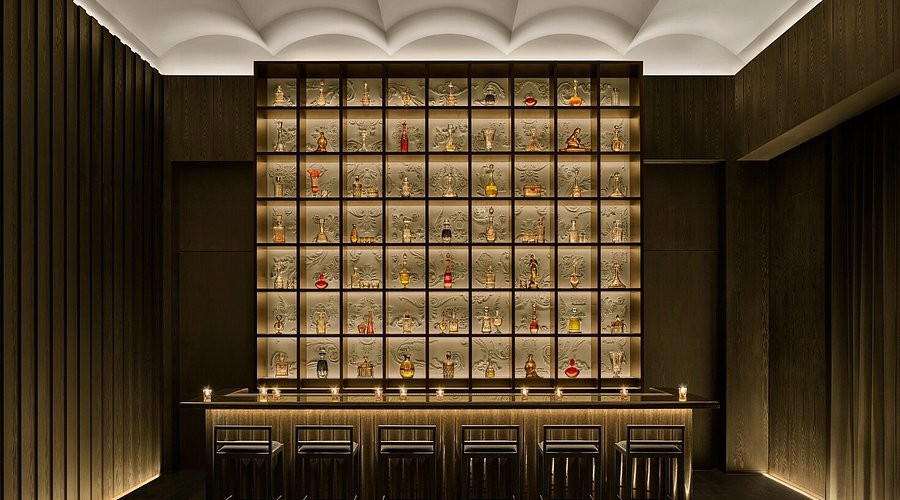
That tradition has produced some of the country's most focused dining experiences, from counter-format rooms in Ginza where the journey from street to seat feels deliberately de-pressurising, to intimate kaiseki spaces where the absence of natural light is compensated by material warmth , lacquer, ceramic, timber , that would read differently in a room with windows. The quality of that material environment is usually a reliable signal: in Tokyo's basement restaurants at the serious end of the market, the fit-out absorbs a disproportionate share of capital because it has to do the atmospheric work that daylight and streetscape do in other cities.
Japan Beyond Tokyo: The Broader Fine-Dining Map
Kusabira sits within a national context worth mapping for visitors planning around it. Japan's serious restaurant culture is geographically distributed in ways that reward itinerary planning. HAJIME in Osaka holds three Michelin stars and operates at the intersection of French technique and Japanese material culture. Gion Sasaki in Kyoto represents kaiseki in its most historically grounded form. Further afield, akordu in Nara brings a European wine-focused perspective to the ancient capital, and Goh in Fukuoka works within the city's distinct culinary identity. Regional venues including 一本木 石川製 in Nanao, 夕付山乃 in Sapporo, 湖辺庄屋 in Takashima, 庭羽屋 in Nishikawa Machi, and Birdland in Sakai illustrate how Japan's serious dining has diffused well beyond the three major metro areas. Bistro Ange in Toyohashi adds a provincial French dimension to that national picture. For context on where destination tasting menus sit globally, Le Bernardin in New York City and Atomix in New York City provide a useful international reference point for the format and price tier at which Tokyo's leading addresses compete.
Planning a Visit
Nishiazabu is accessible from Hiroo Station on the Hibiya Line and from Roppongi Station on the Hibiya and Oedo Lines, both within reasonable walking distance of the 4-chome address. The neighbourhood is easier to approach by taxi or ride-share after dark, when the narrow streets and low-visibility signage make navigation on foot less direct. For a basement-level address without a listed phone number or booking URL in the public record, the standard approach is direct contact through the venue's own channels or through a hotel concierge with local network access. Tokyo venues at this address tier frequently rely on referral-based discovery rather than open online booking systems. Visitors should confirm current operating hours and reservation availability in advance, as these details are not in the public record at the time of writing. See our full Tokyo restaurants guide for broader planning context across all neighbourhoods and price tiers.
Comparable Options
A quick snapshot of similar venues for side-by-side context.






At a Glance
- Elegant
- Intimate
- Modern
- Date Night
- Special Occasion
- Open Kitchen
- Farm To Table
- Local Sourcing
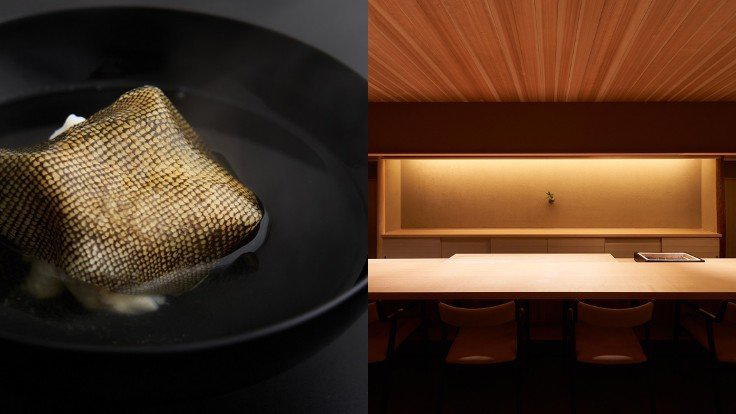
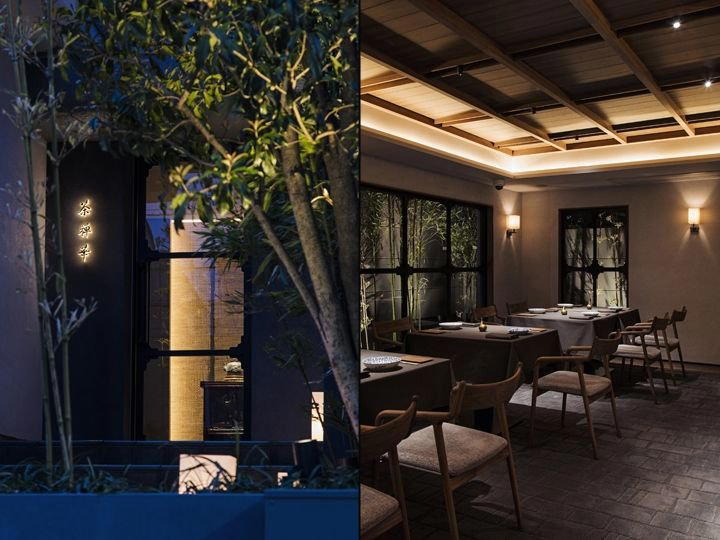
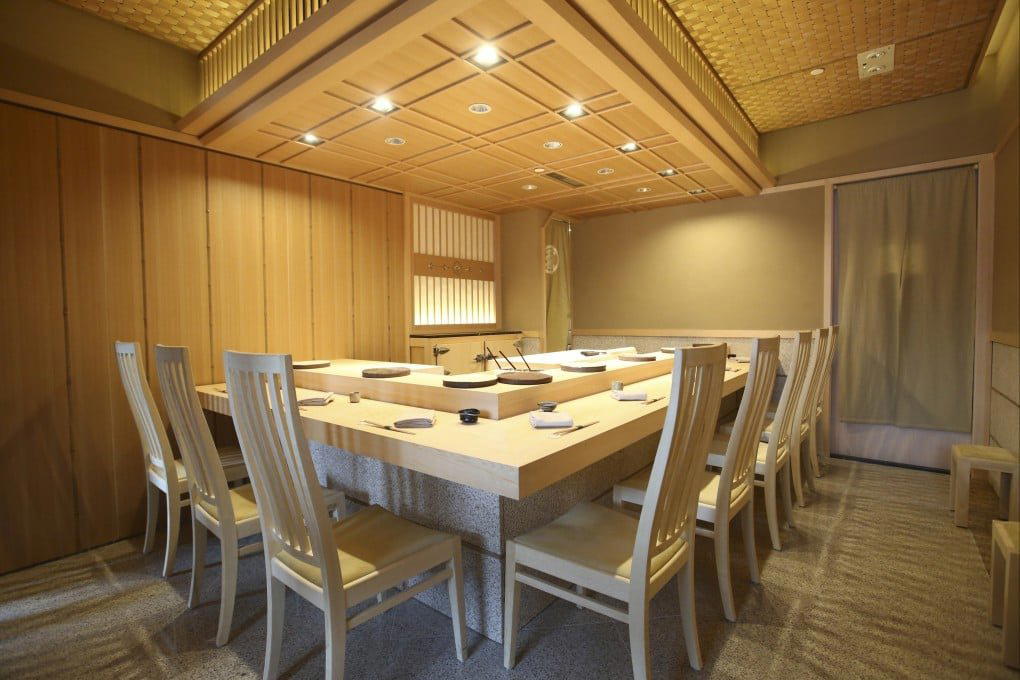
Calm and serene space focused on seasonal vegetable beauty.