In Kobe's Sakaemachi district, KOBE BEEF EiKiChi focuses on what the city's name has meant to carnivores for over a century: the structured fat of A5-grade Wagyu, prepared with the precision that separates a serious yakiniku or teppanyaki house from tourist-facing beef restaurants. The address places it close to the produce markets and wholesalers that define Chuo Ward's food culture, making it a genuine local reference point for the ingredient.
Pearl is the En Primeur Club membership app — saves, bookings, and concierge access live there. Same editors, same standards.
- Address
- 1 Chome-3-10 Sakaemachidori, Chuo Ward, Kobe, Hyogo 650-0023, Japan
- Phone
- +81783321011
- Website
- koubegyuu.com
- Directions
- Get directions
 Saves & bookings on Pearl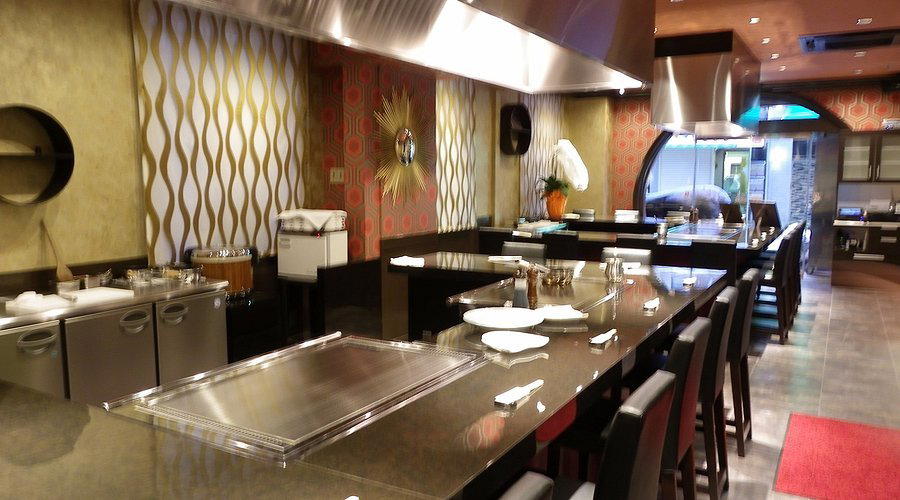
Where Kobe Beef Is Not a Marketing Term
Kobe has a particular problem with its own name. The city's most famous export has been so thoroughly commodified internationally that the phrase "Kobe beef" now appears on menus from Las Vegas to London with little connection to the actual certification standards governing the real product. Inside Kobe itself, the restaurants that serve the genuine article tend to operate with a quieter confidence, because their clientele already knows the difference. KOBE BEEF EiKiChi, on Sakaemachidori in Chuo Ward, sits in that category of local institution rather than tourist-facing spectacle.
Sakaemachidori is not especially visible dining street in central Kobe. That status belongs to the Kitanozaka slope or the lanes around Kitano-cho, where Western-influenced architecture draws visitors uphill. Sakaemachi runs closer to the Motomachi shopping district and the older commercial grid near the waterfront, and its restaurants are oriented more toward the city's working food culture than toward scenery. This positioning matters: it places EiKiChi within a neighbourhood where food sourcing and product quality are the primary conversation, not atmosphere engineering.
The Geography of Certified Wagyu in Kobe
Kobe beef is a legally defined product. To carry the designation, the cattle must be Tajima-breed Kuroge Wagyu born and raised in Hyogo Prefecture, graded A4 or A5 by the Japan Meat Grading Association, and processed at certified facilities. The yield and fat-marbling scores required are among the strictest applied to any Japanese regional beef certification. This means that a restaurant explicitly naming itself after the product is making a specific claim about sourcing, not a general gesture toward luxury.
That specificity is the editorial point. Across Kobe, beef restaurants occupy a tiered structure: there are teppanyaki counters in hotel dining rooms, yakiniku houses at multiple price points, and a smaller set of restaurants whose entire identity is organised around certified Kobe beef in controlled formats. EiKiChi operates in this focused tier, in a city that has been the reference address for this ingredient since the Meiji-era trade history that first brought Wagyu to international attention through the port district nearby.
For comparison across Kobe's beef-focused dining scene, Fushin and fuxing represent adjacent approaches to the city's high-end food culture, while Aragawa has historically occupied the apex of Kobe beef dining in terms of price positioning and international recognition. Ash Restaurant and Ca Sento offer different reference points in the city's broader restaurant landscape, demonstrating that Kobe's serious dining extends well beyond beef formats alone.
Chuo Ward as a Food Address
Chuo Ward is the administrative and commercial core of Kobe. It contains the city's highest concentration of noteworthy restaurants, running from the historic foreign settlement area near Meriken Park westward through Motomachi and into the older merchant streets. The 1-chome block on Sakaemachidori where EiKiChi operates sits within easy walking distance of Motomachi Station and the covered Motomachi shopping arcade, meaning access is direct from both JR and Hanshin lines. Visitors based in Osaka, roughly 30 minutes on the Hanshin limited express, can treat a meal here as an evening excursion without requiring an overnight stay.
The neighbourhood's food character is shaped by proximity to Kobe's wholesale infrastructure. The city has historically been a port of entry for imported goods, and its food culture reflects that trading history in unusual ingredient breadth. A beef specialist in this environment is working in a context where sourcing conversations are embedded in everyday commercial life, rather than being a performance staged for visiting diners.
Reading the Kobe Beef Format
The format in which certified Kobe beef is served carries its own significance. Teppanyaki preparation, where thick-cut portions cook on an iron griddle at tableside, prioritises the fat rendering and crust development that the marbling makes possible. Shabu-shabu and sukiyaki formats work differently, using paper-thin slices where the fat melts into the broth or sweet soy-egg dip. Yakiniku, where diners grill their own cuts over charcoal or gas, introduces a participatory element and allows for comparison across different cuts in a single sitting.
Each format reveals different qualities of the same certified beef. The A5 grading that defines Kobe beef means BMS (Beef Marbling Standard) scores between 8 and 12, where the fat-to-lean ratio in a cross-section is visually extraordinary. How that fat behaves under different cooking methods is the technical question a serious beef restaurant is answering with its format choice. Restaurants in Kobe that have been operating this ingredient long enough tend to have settled into a format that reflects a considered position on this question, rather than offering every preparation style to maximise menu coverage.
Planning a Visit
EiKiChi's address at 1 Chome-3-10 Sakaemachidori, Chuo Ward, places it within the central Kobe grid that is walkable from both Motomachi and Kobe-Sannomiya stations. Reservations are recommended, particularly for weekends and holiday periods when Kobe's central restaurants fill quickly. Dress expectations at a serious beef counter in Kobe trend toward smart-casual.
Beyond Kobe: The Kansai and National Context
Kobe sits within the Kansai region's notable dining density. HAJIME in Osaka and Gion Sasaki in Kyoto represent the region's ambition in progressive and kaiseki formats respectively. For visitors building a longer Japan itinerary, Harutaka in Tokyo, akordu in Nara, and Goh in Fukuoka extend the reference set across Japan's main dining cities. Regional specialists across the country, from Nanao and Sapporo to Takashima and Nishikawa Machi, demonstrate how Japan's premium ingredient culture operates at a local level well beyond the major cities. Birdland in Sakai offers a useful nearby comparison for focused single-protein dining formats. Internationally, Le Bernardin in New York City and Atomix in New York City represent the kind of product-focused, format-disciplined approach that serious diners cross-reference when assessing a restaurant's comparable set.
The Minimal Set
Comparable venues nearby, for context on price, style, and recognition.
| Venue | Cuisine | Price |
|---|---|---|
| KOBE BEEF EiKiChiThis venue — the venue you are viewing | Chūō, Kobe Beef Teppanyaki | $$$$ |
| Kobe Kikusui Teppanyaki Restaurant | Chūō, Teppanyaki Kobe Beef Steakhouse | $$$$ |
| Teppanyaki Sogo | Chūō, Teppanyaki Steakhouse | $$$$ |
| Aragawa | Chuo-ku, Kobe Beef Steakhouse | $$$$ |
| Kobe Steak Restaurant Mouriya Lin | Chūō, Teppanyaki Kobe Beef Steakhouse | $$$$ |
| kobe-Beef Steak Ishida.sannomiya-Shop | Chūō, Kobe Beef Teppanyaki | $$$$ |
Continue exploring
More in Kobe
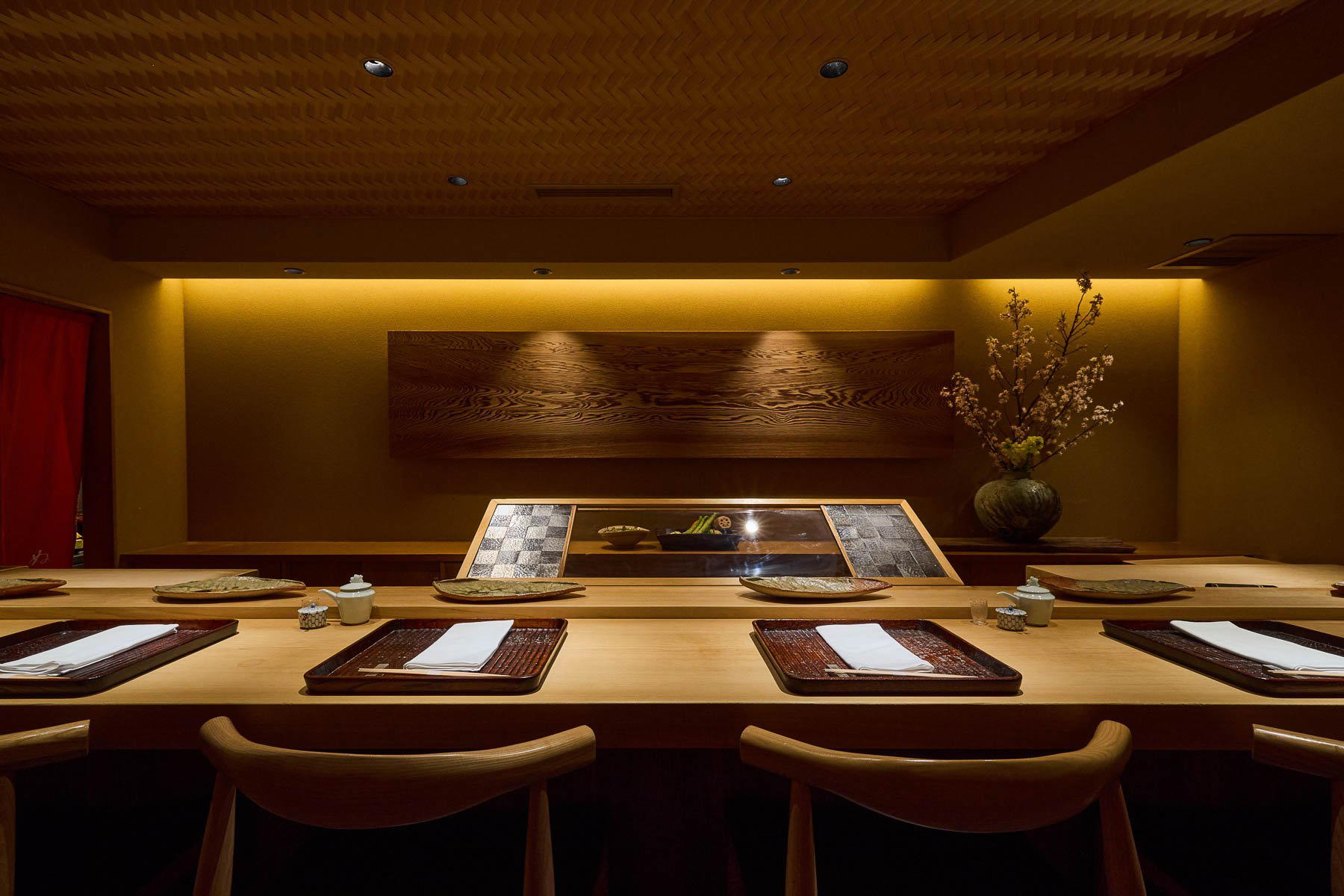
Restaurants in Kobe
Browse all →
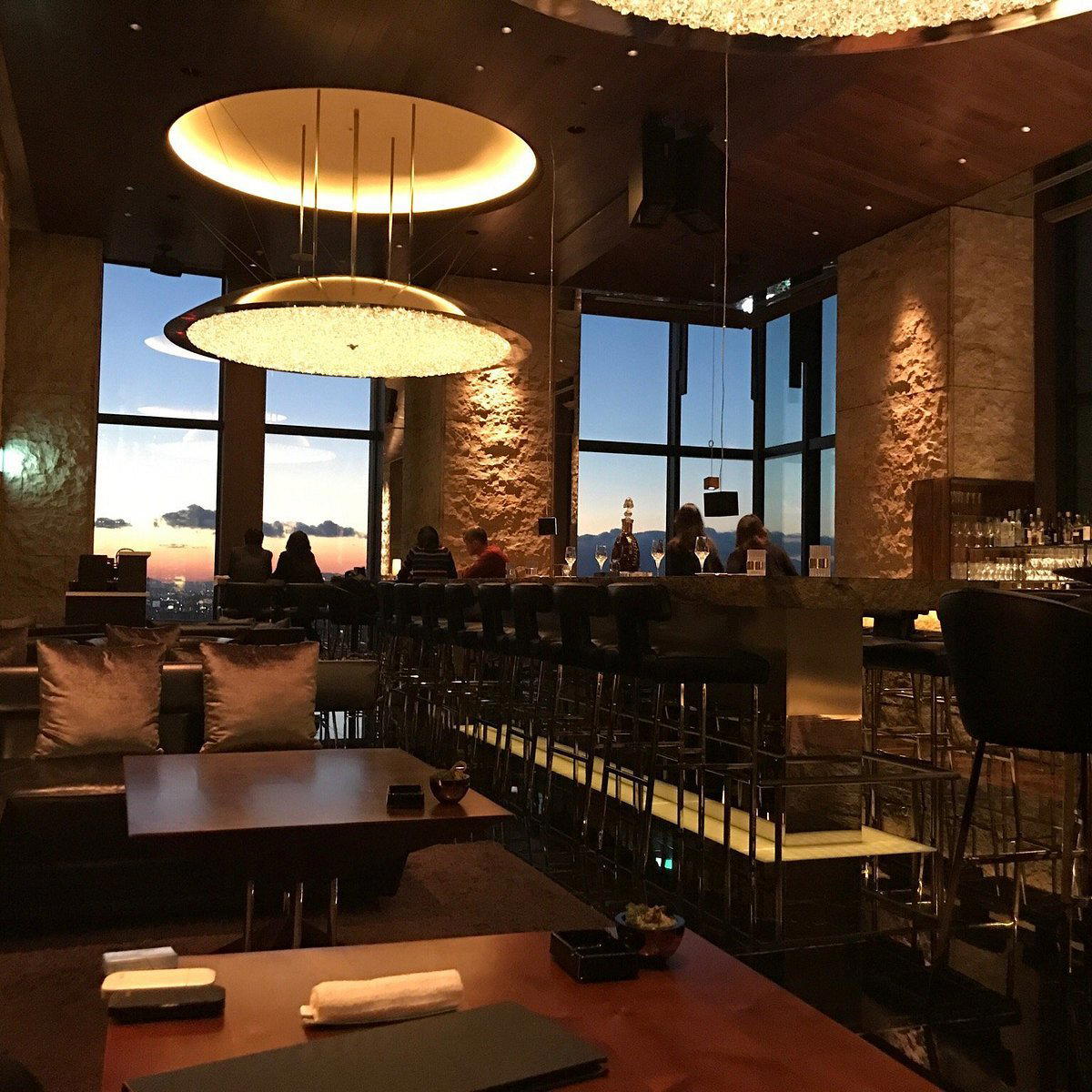
Bars in Kobe
Browse all →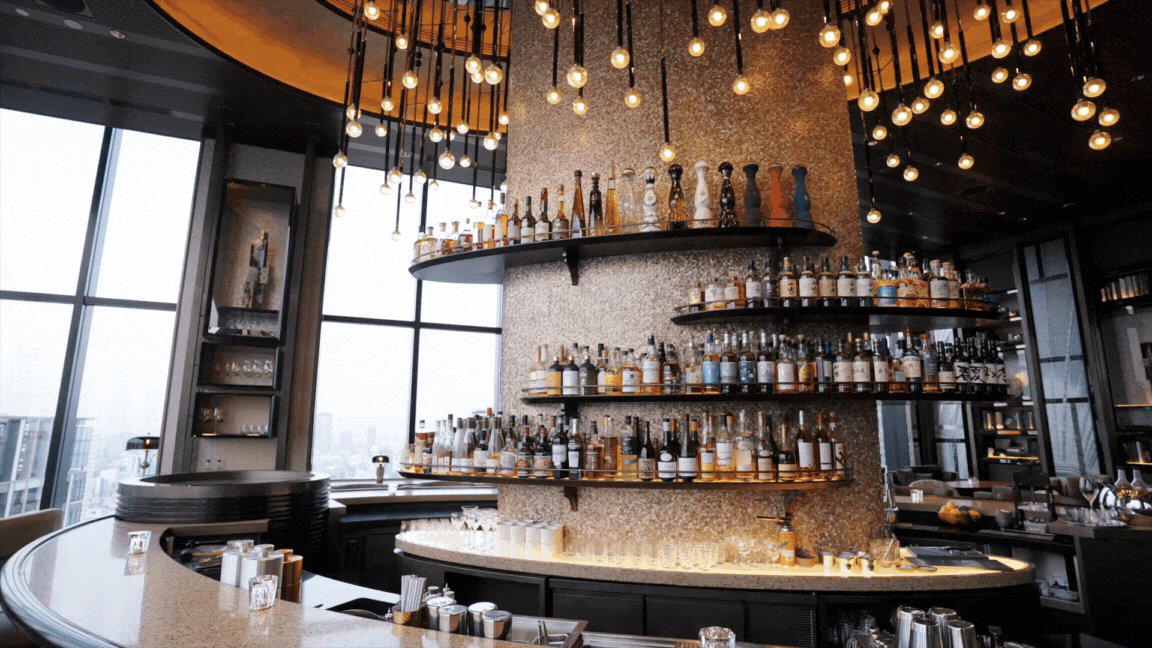



Hotels in Kobe
Browse all →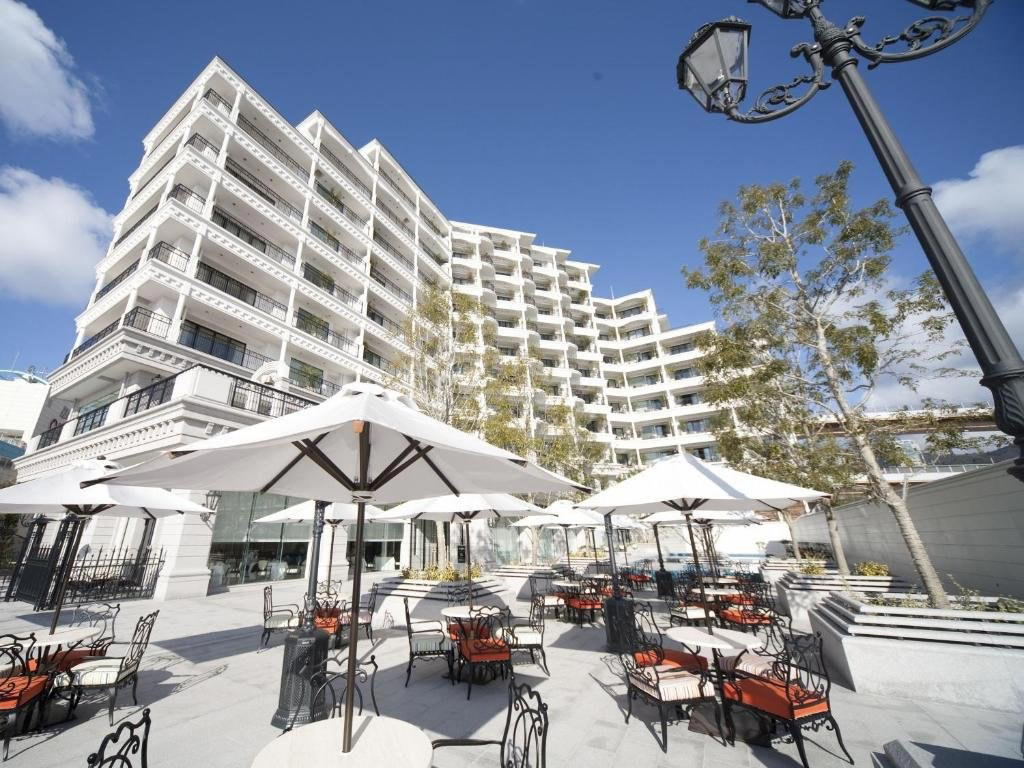


At a Glance
- Elegant
- Sophisticated
- Modern
- Special Occasion
- Date Night
- Group Dining
- Open Kitchen
- Sake Program
Current opening hours
- Monday
- 10 AM–9:30 PM
- Tuesday
- 10 AM–9:30 PM
- Wednesday
- 10 AM–9:30 PM
- Thursday
- 10 AM–9:30 PM
- Friday
- 10 AM–9:30 PM
- Saturday
- 10 AM–9:30 PM
- Sunday
- 10 AM–9:30 PM
Hours can change for holidays and private events. Last verified .
Sleek, modern setting with attentive service and the lively energy of teppanyaki grill performance.