Our verdict
Sirajkhana occupies a quietly prominent address on Vakhtang Orbeliani Street in Tbilisi's Old Town, sitting within a dining neighbourhood that has shifted considerably over the past decade. The venue draws visitors seeking something beyond the well-worn Georgian classics circuit, positioned in a part of the city where traditional architecture and an evolving restaurant culture intersect.
- Address
- 8/10, Vakhtang Orbeliani St, Tbilisi 0108, Georgia
- Phone
- +995322244999
- Website
- web.facebook.com
- Directions
- Get directions
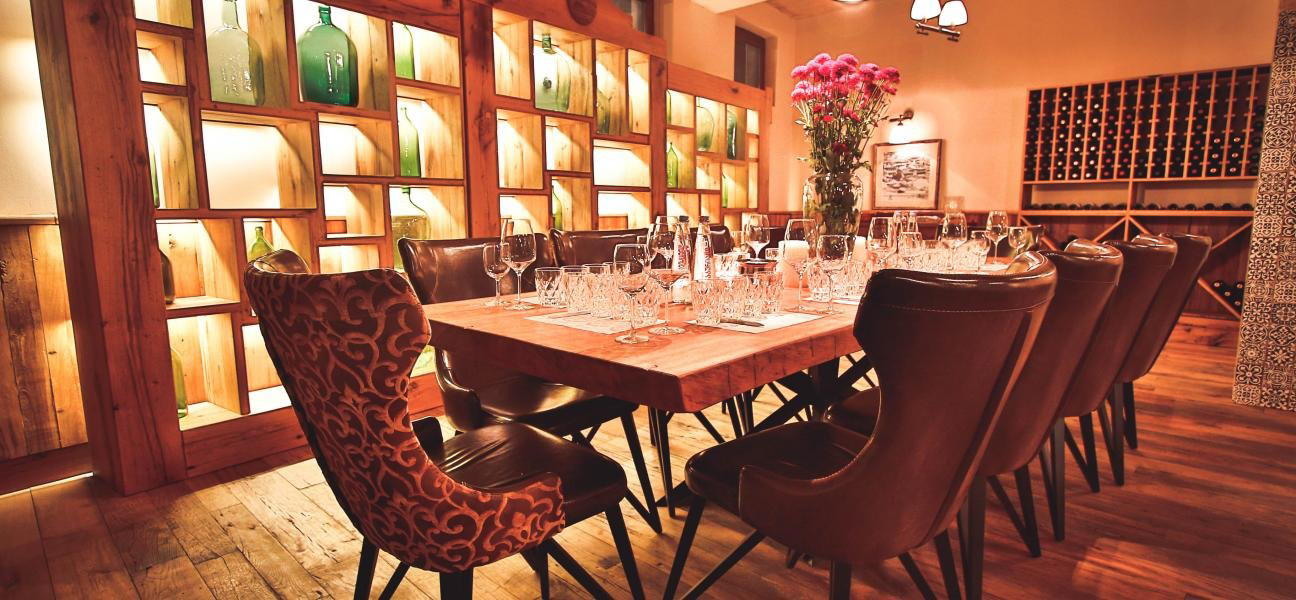
Old Town, New Appetite: The Orbeliani Street Dining Shift
Tbilisi's Old Town has undergone a quiet but consequential transformation over the past ten years. What was once a neighbourhood defined almost entirely by tourist-facing khinkali houses and churchkhela vendors has developed a more layered dining character, with a growing number of addresses that speak to residents and travellers with more particular tastes. Vakhtang Orbeliani Street sits at the edge of this shift — close enough to Narikala and the sulphur bath district to carry genuine neighbourhood weight, far enough from the Rustaveli corridor to avoid the most generic foot traffic. Sirajkhana, at number 8/10, occupies a position in this evolving geography that rewards visitors who approach Tbilisi's dining culture as something still forming rather than already fixed.
This matters for context: the restaurants that have emerged in this part of Old Town during the past five years are not the same category as the heritage-menu establishments that dominated a decade ago. Places like Barbarestan, which built its reputation around a 19th-century Georgian cookbook, or Azarphesha, with its focus on regional specificity, signalled that the city's dining identity was becoming something more than a delivery vehicle for mtsvadi and walnut sauces. Sirajkhana enters this conversation from its Orbeliani Street address, a street whose residential and historical character still holds.
What the Address Tells You
In Tbilisi, address is a meaningful signal. The city's dining culture has clustered in a handful of distinct zones: the Vera neighbourhood for neighbourhood-casual, the area around Fabrika for a younger, bar-adjacent crowd, and Old Town for anything that wants to trade on atmosphere and historical texture. Orbeliani Street belongs to that third category, running through a district where balconied 19th-century buildings and small courtyard entrances define the physical experience of arriving somewhere. The turn off a main thoroughfare into something quieter and more intimate is a common structural feature of Old Town dining, and it shapes guest expectations before a menu is even opened.
That spatial grammar — the approach as prelude, is something Tbilisi has always understood better than most European capitals. Cities like Tallinn or Sarajevo share the instinct, but Tbilisi's Old Town has a specific density and warmth to its built environment that generates a particular kind of arrival feeling. For a venue like Sirajkhana, occupying that environment is itself a positioning choice, one that speaks to a certain kind of guest: someone with enough interest in place to have sought out this street rather than defaulted to the Rustaveli axis.
The Evolution of Tbilisi's Dining Middle Ground
Understanding where Sirajkhana sits requires understanding how Tbilisi's mid-range and upper-mid dining tier has changed. Five years ago, the choice was relatively binary: tourist-standard Georgian comfort food or the handful of ambitious restaurants (Café Littera and its contemporaries) operating at a clearly premium register. The middle ground was thin. That gap has narrowed considerably. A cluster of venues has emerged that takes Georgian ingredients and traditions seriously without performing either rustic simplicity or architectural fine dining. Alubali and ATI represent different expressions of this same moment, as does the wine-forward approach visible at places like Akura San.
Sirajkhana occupies a position inside this broader filling-in of the mid-tier. The address and name both carry Caucasian resonance, the word itself carries Persian and regional linguistic roots common to the South Caucasus cultural zone, suggesting a connection to the older trading and cultural history of Tbilisi as a crossroads city rather than a narrowly Georgian identity. That positioning is part of a wider movement in Tbilisi's better restaurants away from strictly national-cuisine framing and toward something that acknowledges the city's historical role as a meeting point for Persian, Armenian, Russian, and Georgian influences.
Across Georgia more broadly, the country's dining evolution has moved at different speeds depending on geography. In Signagi, wine-focused venues like Pheasant's Tears Winery have built international followings around natural wine and qvevri culture. In Telavi, Doli has developed a regional character distinct from capital-city dining. Even in less-visited towns, the ambition has been rising, visible at Gazaphkhuli in Chiatura and Palaty in Kutaisi. Tbilisi, as the capital, absorbs all of this and reflects it back at higher density and faster turnover.
Planning a Visit: What to Know Before You Go
Vakhtang Orbeliani Street is walkable from the major Old Town landmarks, and the surrounding area is leading approached on foot rather than by taxi, which tends to drop at the nearest major junction anyway. The Orbeliani district sees lighter foot traffic than the Shardeni restaurant strip, which is a practical advantage during peak tourist months (June through September), when the more famous addresses in Old Town operate at compressed capacity. For visitors coming from outside Tbilisi, the city is accessible via Tbilisi International Airport, with direct connections from a growing number of European hubs. Those extending their Georgia trip would find the country's wine regions and smaller cities increasingly worth the detour, from the Borjomi Valley (where Crowne Plaza Borjomi anchors one end of the accommodation spectrum) to the Black Sea coast, where Umami at Clouds in Batumi represents a different kind of Georgian dining ambition entirely. For broader orientation, our full Tbilisi restaurants guide covers the city's dining geography in more detail.
For Sirajkhana specifically, given the venue's Old Town address and position in an increasingly sought-after part of the city, contacting ahead of a visit, especially during peak season or for larger groups, is the sensible approach. The Orbeliani Street corridor is not yet operating at the reservation-pressure levels of Tbilisi's most-discussed addresses, but that position is shifting as the neighbourhood becomes better known.
Where Tbilisi Dining Is Heading
The broader trajectory for Tbilisi's restaurant culture points toward further differentiation. The city has already moved past the phase where a handful of ambitious venues stood apart from a generic baseline. International comparisons are imperfect, but the structural parallel is something like what happened in Lisbon or Copenhagen a decade ago: a city finding that its culinary identity was richer and more specific than the tourism version had suggested. Venues at addresses like Orbeliani Street are part of that discovery process, both for the city and for the visitors who arrive already knowing that the most interesting dining tends not to be on the most obvious streets.
For travellers who have moved through the canon of technically accomplished restaurants elsewhere, from the precision of Le Bernardin in New York to the conceptual depth of Atomix, Tbilisi offers something structurally different: a city where the dining culture is still consolidating its identity, and where a venue on a quiet Old Town street can carry real weight simply by taking its context seriously.
Frequently asked questions
What is the atmosphere like at Sirajkhana?
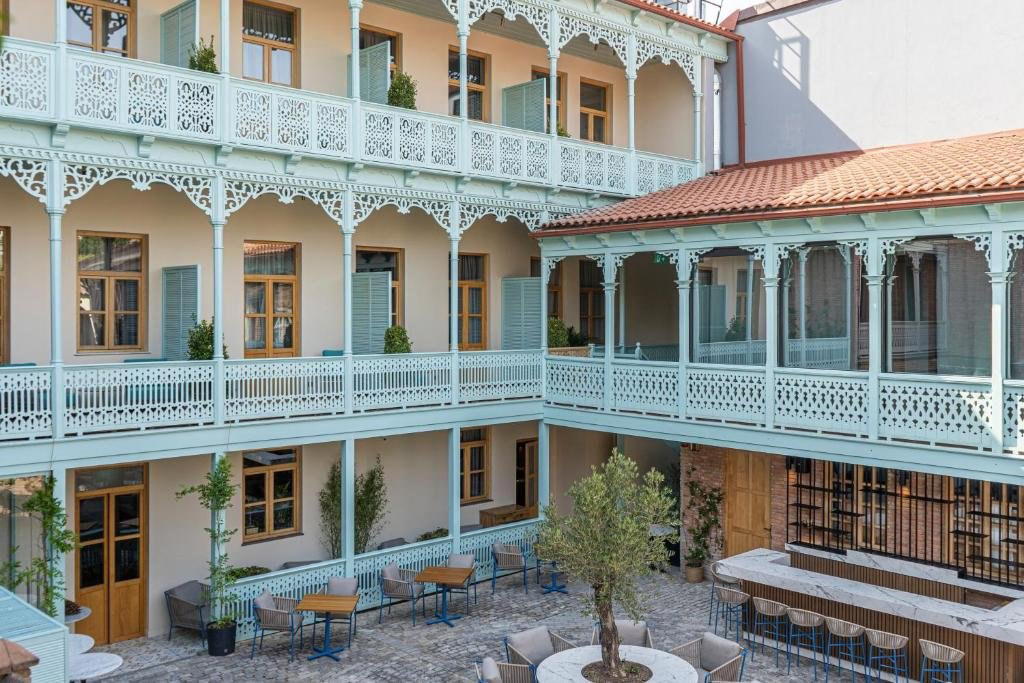
Sirajkhana sits on Vakhtang Orbeliani Street in Tbilisi's Old Town, a stretch that has shifted considerably over the past decade from a purely residential quarter to one of the city's more considered dining corridors. The address places it among venues where the setting does meaningful work — Old Town Tbilisi carries architectural weight, with its carved balconies and layered histories. Expect a room that draws on that context rather than working against it.
Where is Sirajkhana in Tbilisi?
Sirajkhana is located at 8/10, Vakhtang Orbeliani St, Tbilisi 0108, Georgia, Tbilisi.
Is Sirajkhana in Tbilisi a good choice for a solo diner or small group visiting Old Town?
The Vakhtang Orbeliani Street location positions Sirajkhana as a natural stop for anyone covering Tbilisi's Old Town on foot, where the concentration of dining options has grown enough to support a deliberate choice rather than a default one. Solo diners and pairs tend to fare well at venues in this corridor, which runs at a more intimate scale than the larger tourist-facing restaurants around Rustaveli Avenue. EP Club does not currently hold group-booking or seating configuration data so larger parties should confirm capacity directly.
What do people recommend at Sirajkhana?
What the Orbeliani Street location signals is a kitchen operating within Tbilisi's mid-to-upper-mid dining tier, where the expectation has moved well beyond formulaic Georgian standards toward more considered sourcing and presentation. Asking staff what is cooking that day is the more reliable approach than arriving with a fixed order in mind.
What's the best way to book Sirajkhana?
Vakhtang Orbeliani Street is compact and walkable from the main Old Town landmarks, so scouting in person is a reasonable option. Tbilisi's dining scene at this address level tends to be less rigidly booked than comparable spots in other European capitals, though weekend evenings warrant earlier planning.
Where the Accolades Land
| Venue | Cuisine | Price | Awards | Notes |
|---|---|---|---|---|
| SirajkhanaThis venue — the venue you are viewing | Georgian-Persian Fusion | Not listed | Not listed | Not listed |
| Café Littera | Modern Georgian Fusion | $30–50 | La Liste Top Restaurants | Georgian Fusion |
| Alubali | Authentic Megrelian Georgian | Not listed | Star Wine List | Not listed |
| Barbarestan | 19th-Century Georgian Homestyle | $30–50 | La Liste Top Restaurants · Star Wine List | Not listed |
| Craft Wine Restaurant | Modern Georgian with Natural Wine Focus | $30–50 | Star Wine List | Not listed |
| Ferment Wine Bistro | Georgian Neo Bistro with Natural Wines | $20–30 | Star Wine List | Not listed |
Continue exploring
More in Tbilisi
Restaurants in Tbilisi
Browse all →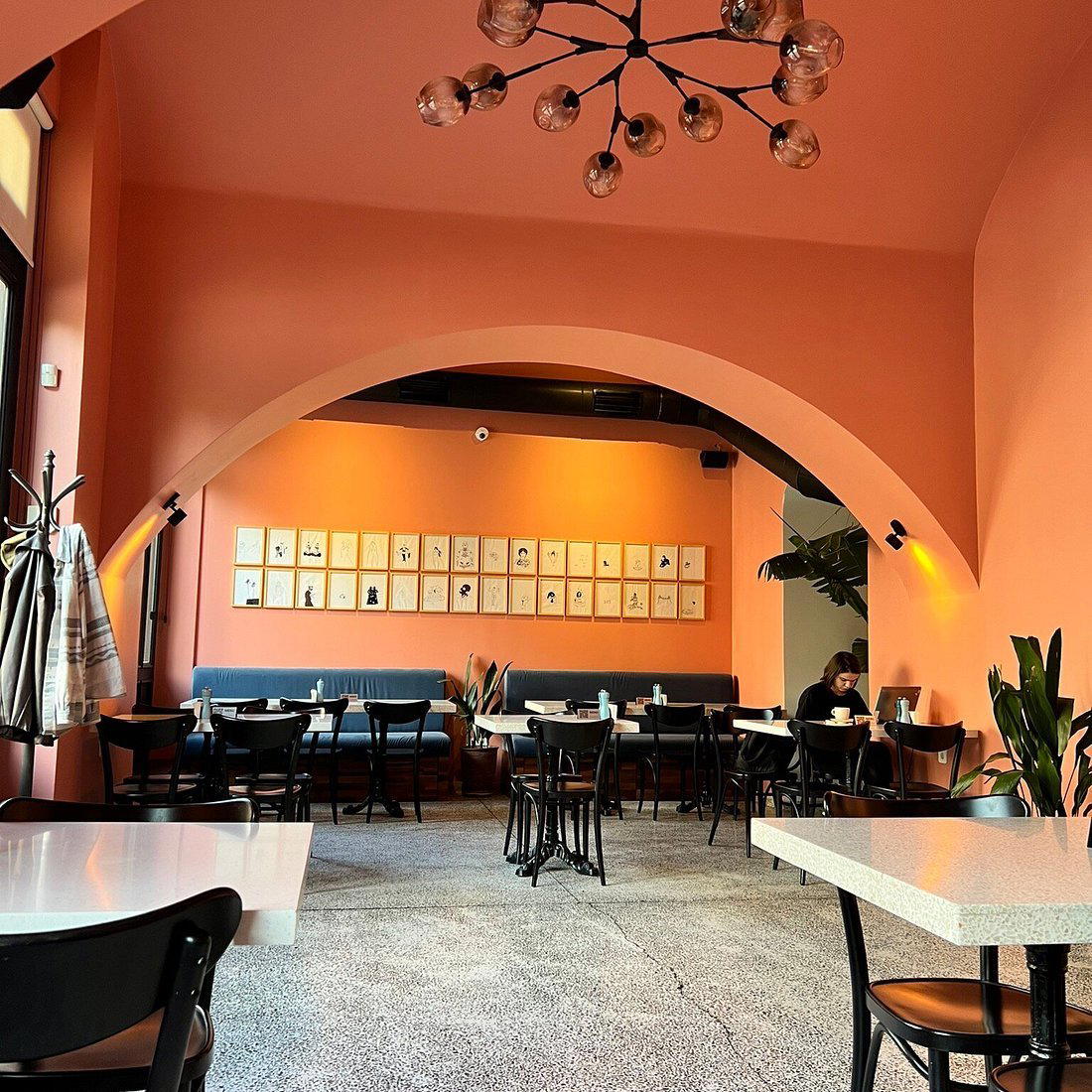
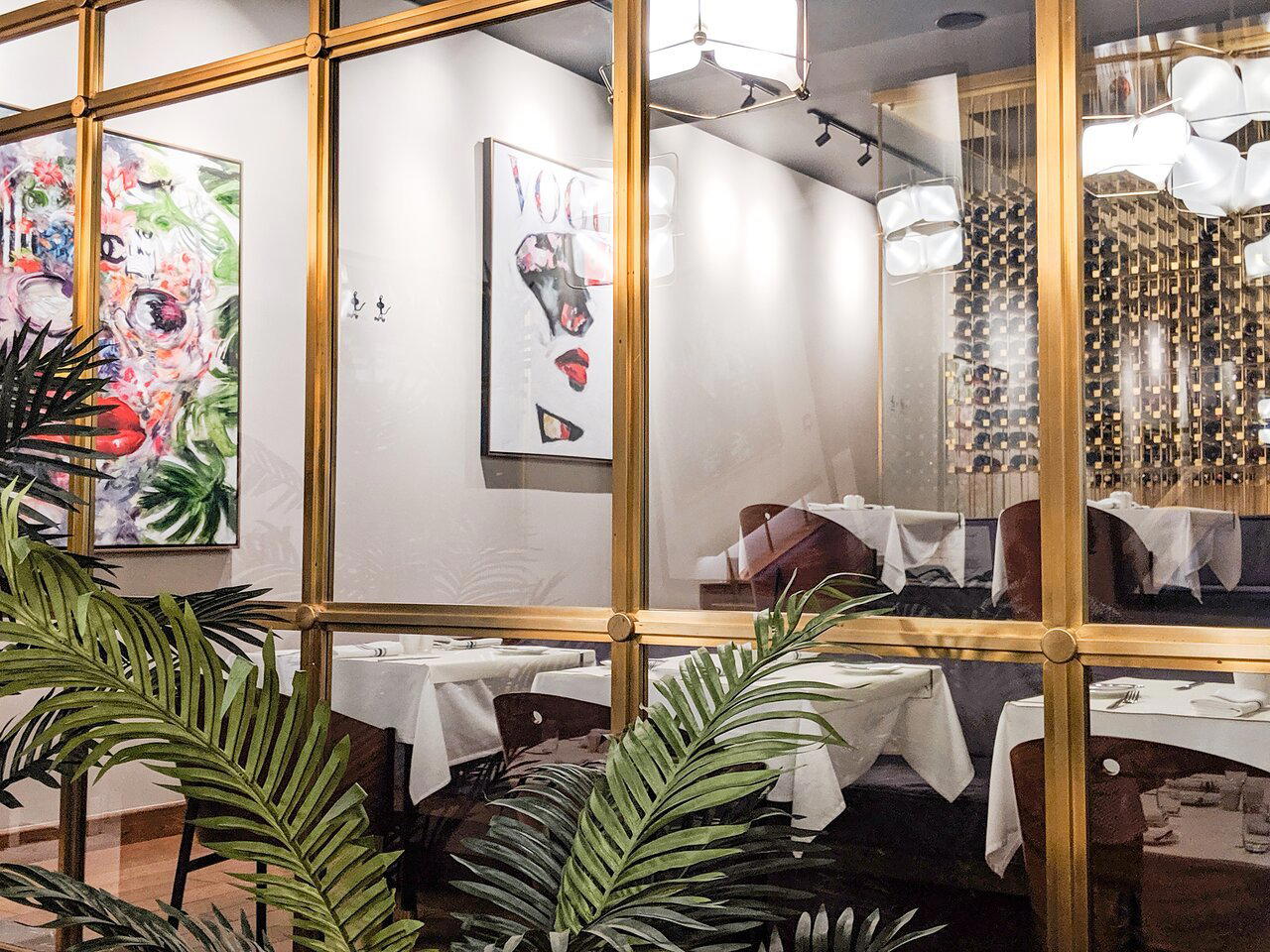
Bars in Tbilisi
Browse all →
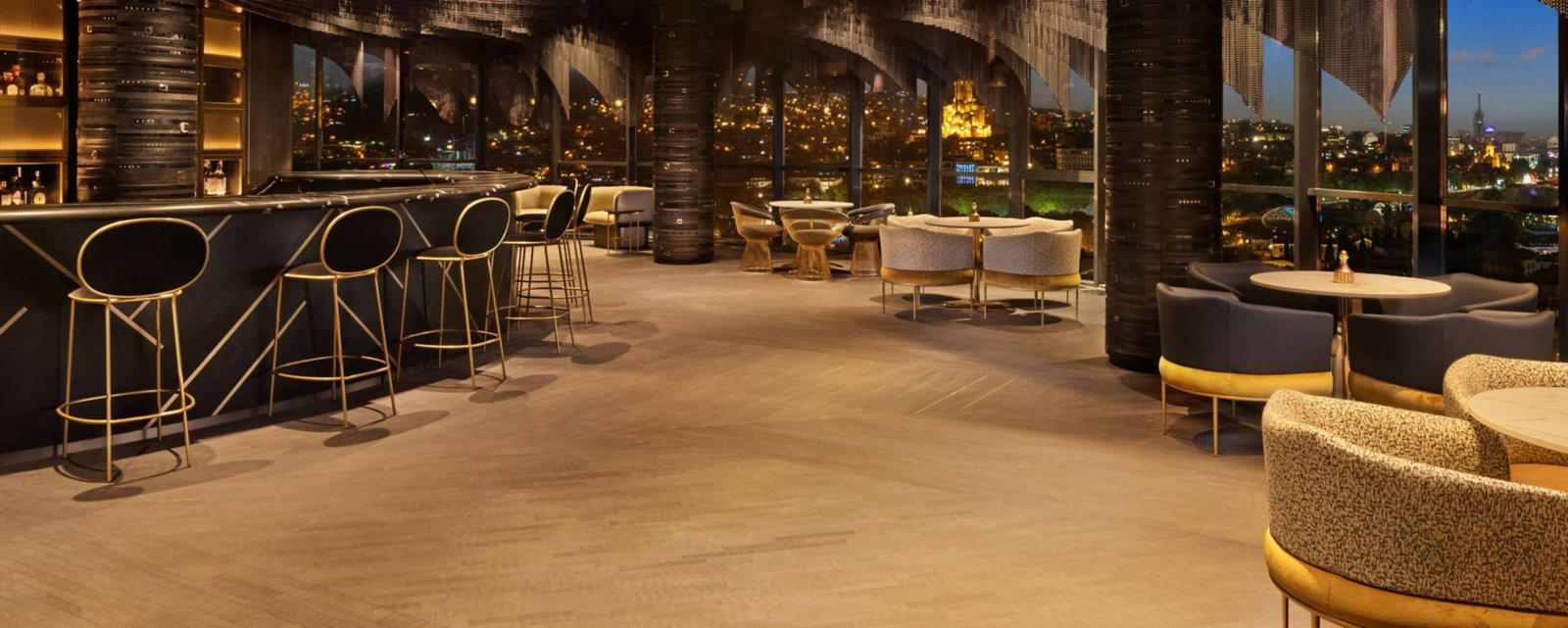
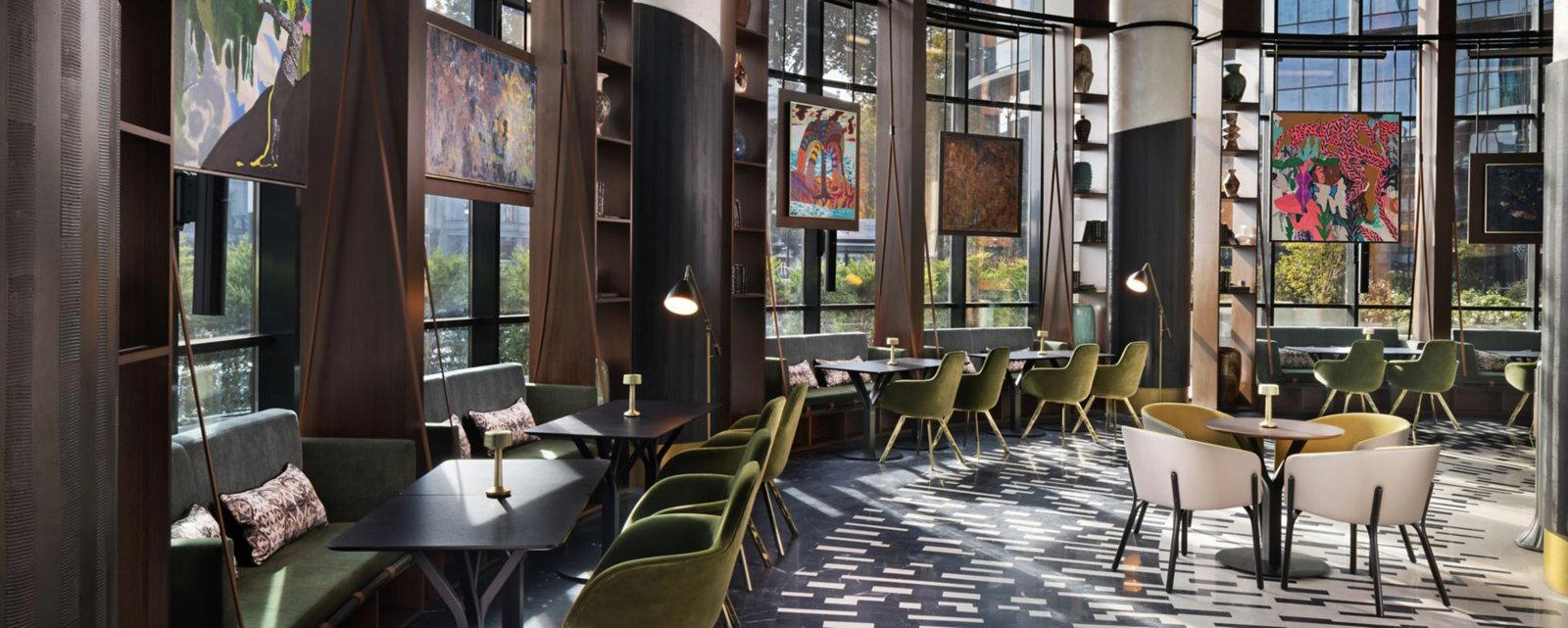
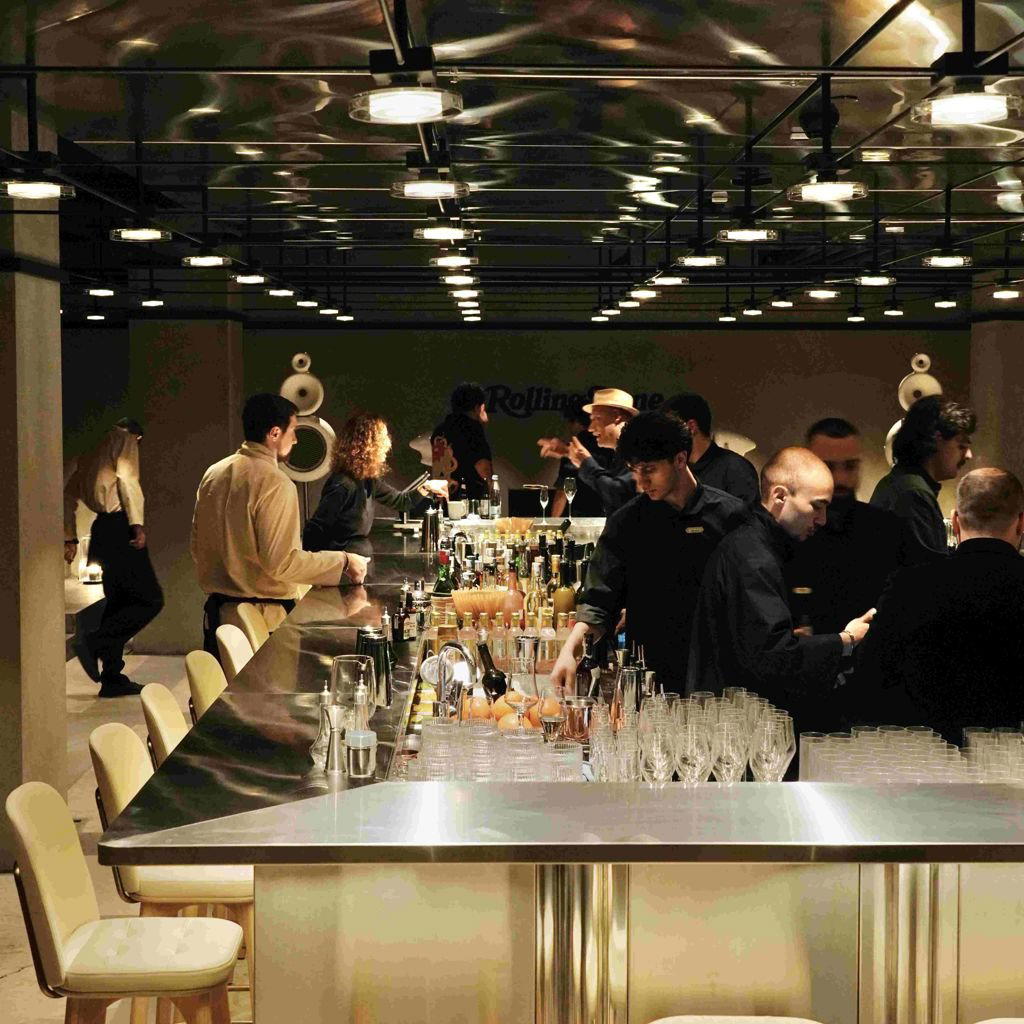
Hotels in Tbilisi
Browse all →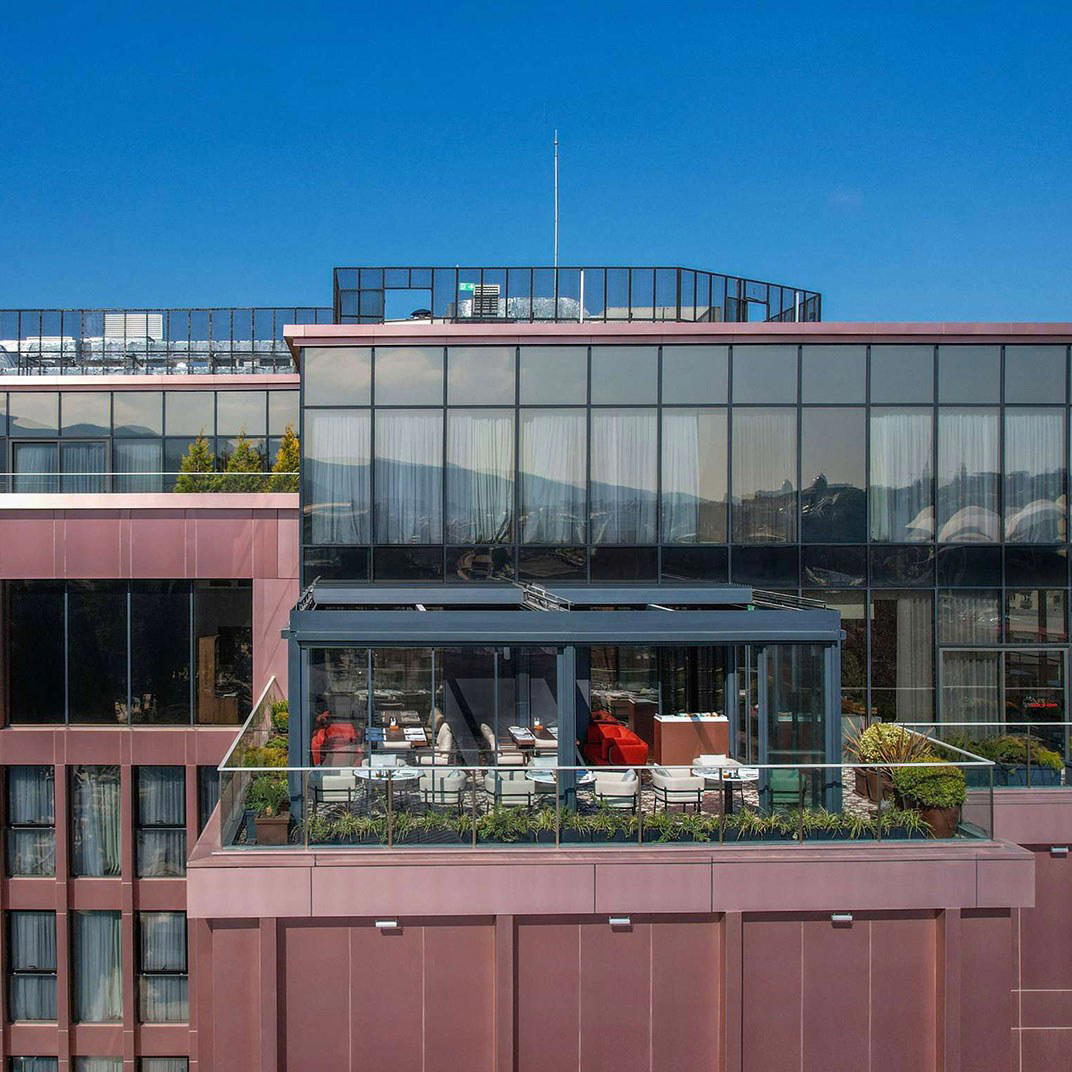
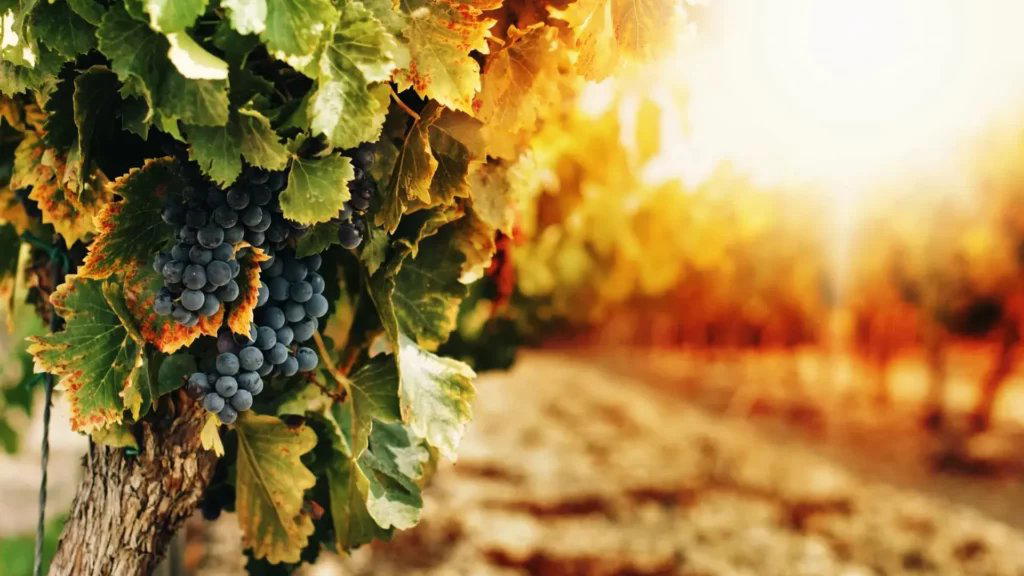


Sirajkhana
The wine
- Wine program
- Curated wine list
- Extensive wine list
Details
- Cozy
- Historic
- Bohemian
- Date Night
- Special Occasion
- Group Dining
- Wine Cellar
- Historic Building
- Extensive Wine List
- A La Carte
- Georgian Wine
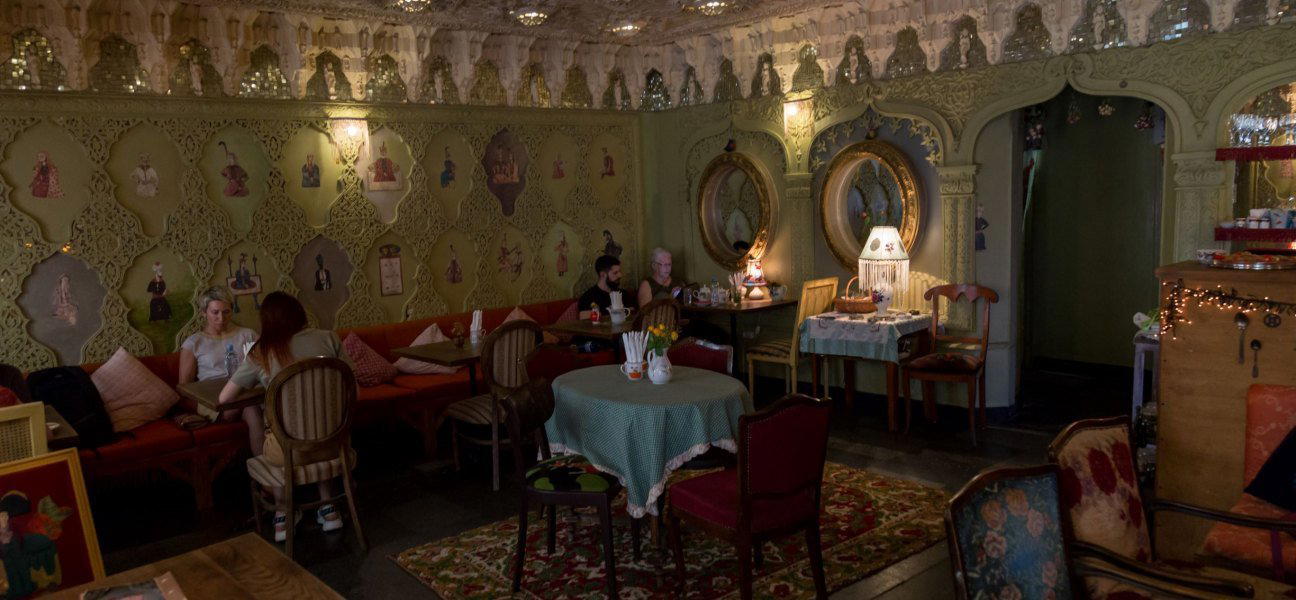
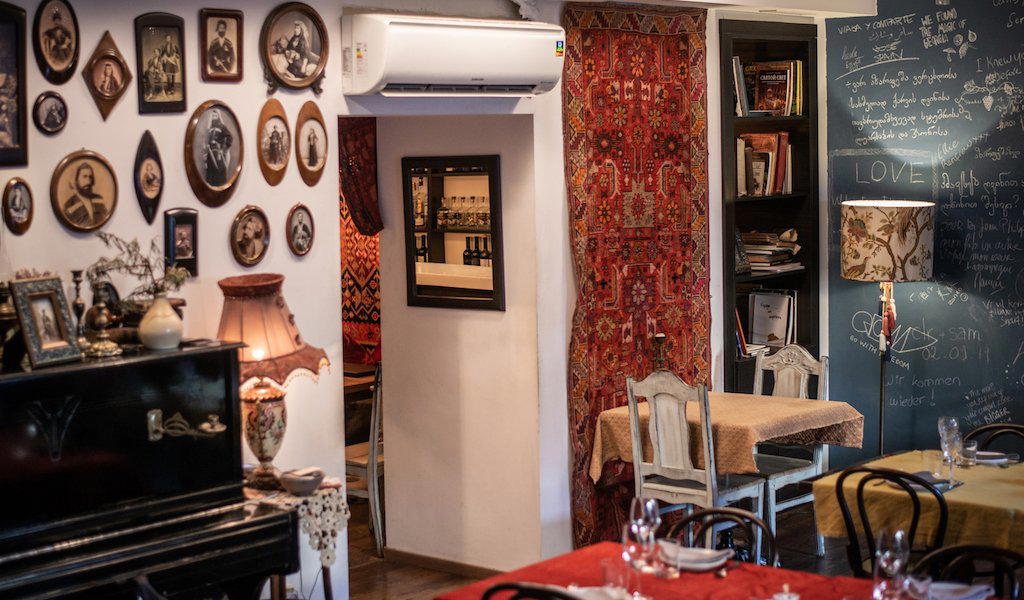
Cozy ambiance blending old-world elegance of a historical home with modern comforts and bohemian spirit.