On Zurab Gorgiladze Street in central Batumi, Sazandari sits within a dining scene shaped by Adjaran geography: the Black Sea to the west, the Lesser Caucasus to the north, and a cuisine that draws from both. The restaurant positions itself in Batumi's mid-to-upper tier, where regional sourcing and local culinary tradition carry more weight than international formatting.
Pearl is the En Primeur Club membership app — saves, bookings, and concierge access live there. Same editors, same standards.
- Address
- 78 Zurab Gorgiladze St, Batumi 6000, Georgia
- Phone
- +995 599 35 30 95
- Website
- restornebi.com
- Directions
- Get directions
 Saves & bookings on Pearl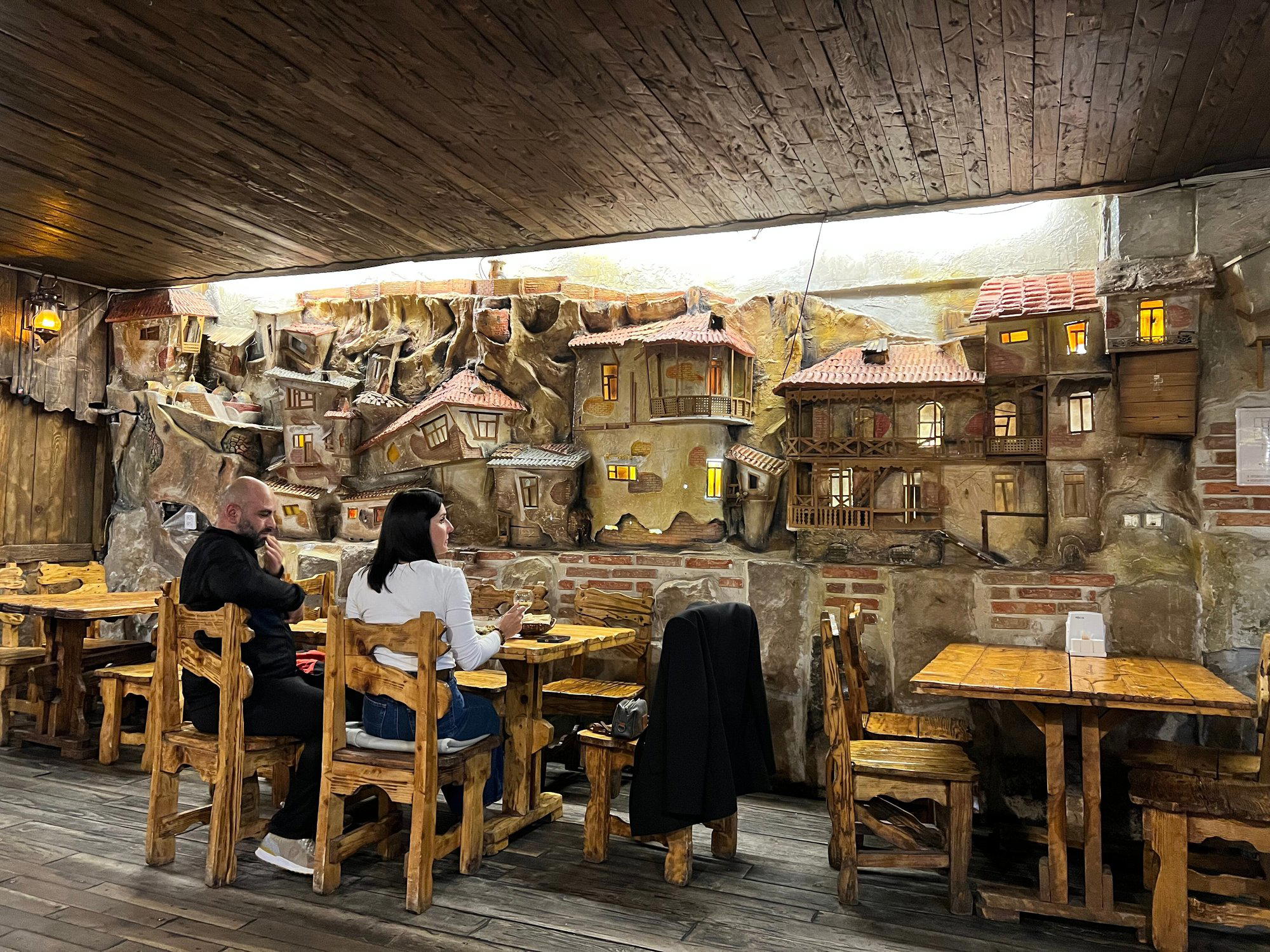
Where Adjaran Geography Shapes What's on the Plate
Batumi occupies an unusual position in Georgian dining. The city sits at the intersection of Black Sea fishing culture, mountain agriculture from the Lesser Caucasus, and a subtropical coastal climate that produces ingredients, walnuts, tkemali plums, persimmons, ferns, found in few other parts of the South Caucasus. Restaurants that understand this geography tend to cook differently from those that treat Batumi as simply a warmer extension of Tbilisi. Sazandari is a casual Georgian restaurant at 78 Zurab Gorgiladze St in Batumi, Georgia. Sazandari, at 78 Zurab Gorgiladze Street, operates in a part of the city where that distinction becomes readable on the table.
Zurab Gorgiladze Street runs through a section of central Batumi that mixes older Soviet-era residential buildings with newer commercial development, sitting within walking distance of both the city's historic core and the renovated boulevard area. The street-level approach to Sazandari carries the texture of a working city address rather than a tourist-facing strip, which in Batumi tends to correlate with a kitchen that prioritises product over spectacle.
Adjara's Ingredient Geography and Why It Matters
Georgian cuisine as a whole is defined by its larder as much as its technique. But Adjaran cuisine, the regional sub-tradition that shapes Batumi's restaurant scene, has specific sourcing characteristics that distinguish it from the cooking of Kartli or Kakheti. The Black Sea supplies fish in a way that inland Georgian regions cannot match. The subtropical coastline and the foothills behind the city produce an agricultural range, from hazelnuts and maize to specific herb varieties, that gives Adjaran kitchens access to ingredients unavailable or expensive elsewhere in the country.
Particularly referenced Adjaran dish internationally is Adjarian khachapuri, the boat-shaped bread filled with cheese, egg, and butter, which functions as a regional identity marker the way specific pasta formats do in Italian regional cooking. What matters editorially is not the dish itself but what it signals: Adjaran cooking uses high-fat dairy from local herds, eggs from small-scale producers, and a cheese tradition (Sulguni, in particular) that is tied to specific curing and storage practices. Restaurants in Batumi that source these ingredients locally rather than through centralised distribution produce a noticeably different result. Georgia's broader farm-to-table infrastructure remains informal by Western standards, which means sourcing quality here depends on direct relationships with producers rather than certified supply chains.
This context matters when assessing any Batumi restaurant in the mid-to-upper tier. The gap between venues that use commodity inputs and those with regional sourcing relationships is often more visible here than in cities with standardised wholesale markets. Sazandari's positioning on a central but non-tourist street aligns with the pattern of restaurants that serve a local clientele alongside visitors, a demand mix that typically sustains higher ingredient standards than venues dependent entirely on seasonal tourism.
Batumi's Restaurant Tier and Sazandari's Position in It
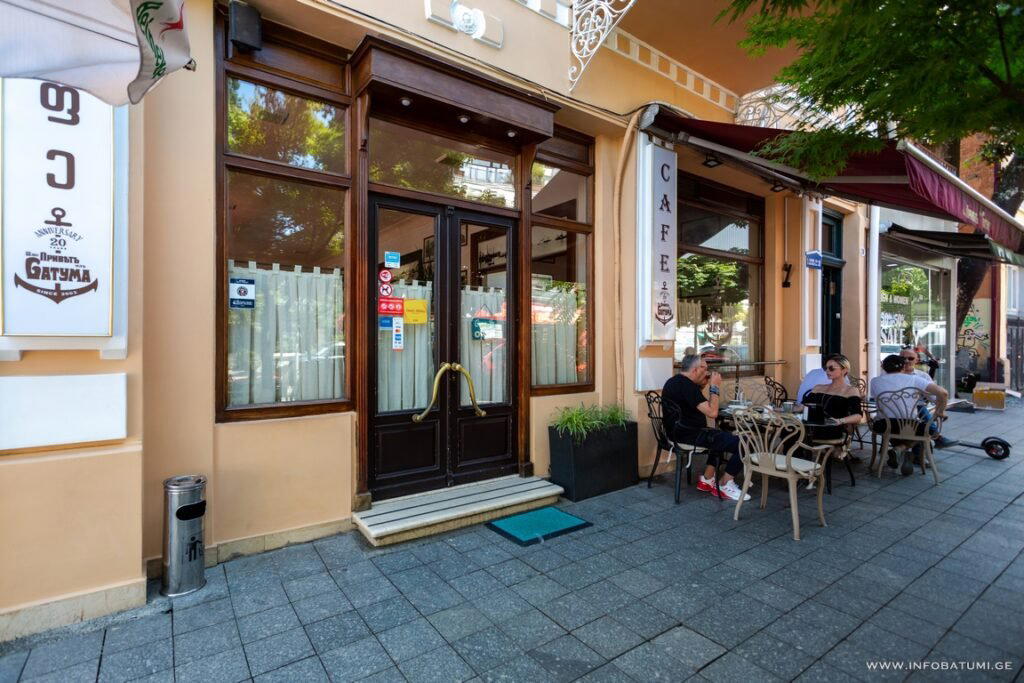
Batumi's dining scene has expanded considerably since the early 2010s, when international visitor numbers began rising alongside Georgia's broader tourism growth. The city now supports a recognisable tier structure. At the lower end, tourist-facing spots on the boulevard and near the beach serve simplified Georgian standards at prices calibrated for volume. In the middle and upper range, restaurants like Medea Restaurant, Askaneli Terrassa, Old Boulevard, and Munich compete on format, sourcing, and how seriously they treat the regional canon. Privet Iz Batuma represents a different cut of the scene, with a format that skews toward Russian-speaking visitors and a menu that bridges regional and post-Soviet styles.
Sazandari occupies territory in that mid-to-upper bracket. Its address on Gorgiladze Street places it among venues that have chosen proximity to the city's residential and commercial centre over the higher foot traffic of the waterfront. That trade-off is common among Batumi restaurants that prioritise repeat local custom over tourist walk-ins, and it tends to produce a more consistent kitchen discipline across the year rather than the seasonal surge-and-drop pattern of waterfront operations.
For broader Georgian context, the wine and dining culture of the country's other major regions provides useful comparison. Pheasant's Tears Winery in Signagi and Schuchman Wines Chateau in Telavi anchor the Kakheti wine region's table culture, while Doli in Telavi and Sisters in Kutaisi illustrate how regional Georgian cooking develops distinct identities across the country. Adjara's coastal sourcing gives Batumi's leading kitchens a different raw material base than these inland peers. Internationally, the sourcing-first philosophy that now defines critical conversation around restaurants from Le Bernardin in New York City to Lazy Bear in San Francisco and Atomix in New York City reflects a global shift in how serious kitchens think about ingredients before technique. Batumi's leading restaurants are making the same argument with local materials.
Planning Your Visit
Sazandari sits at 78 Zurab Gorgiladze Street in central Batumi, reachable on foot from most of the city's main accommodation areas. Batumi's compact centre means the walk from the boulevard or the old town typically takes under fifteen minutes. The city's peak season runs from June through September, when Georgian domestic tourism and international arrivals from Turkey, Russia, and Central Asia push demand across the restaurant tier. Visiting outside these months, particularly in late spring or early autumn, tends to mean shorter waits and a local-to-visitor ratio that shifts the room's character noticeably.
A Quick Peer Check
Comparable venues nearby, for context on price, style, and recognition.
| Venue | Cuisine | Price | Notes |
|---|---|---|---|
| SazandariThis venue — the venue you are viewing | Georgian | $$ | Not listed |
| Munich | Ajarian Georgian | $$ | Batumi |
| Medea Restaurant | Modern Georgian | $$$ | City Center |
| Old Boulevard | Georgian & European Grill with Live Music | $$ | Batumi Boulevard |
| Privet Iz Batuma | European Bistro with Georgian Influences | $$ | Central Batumi |
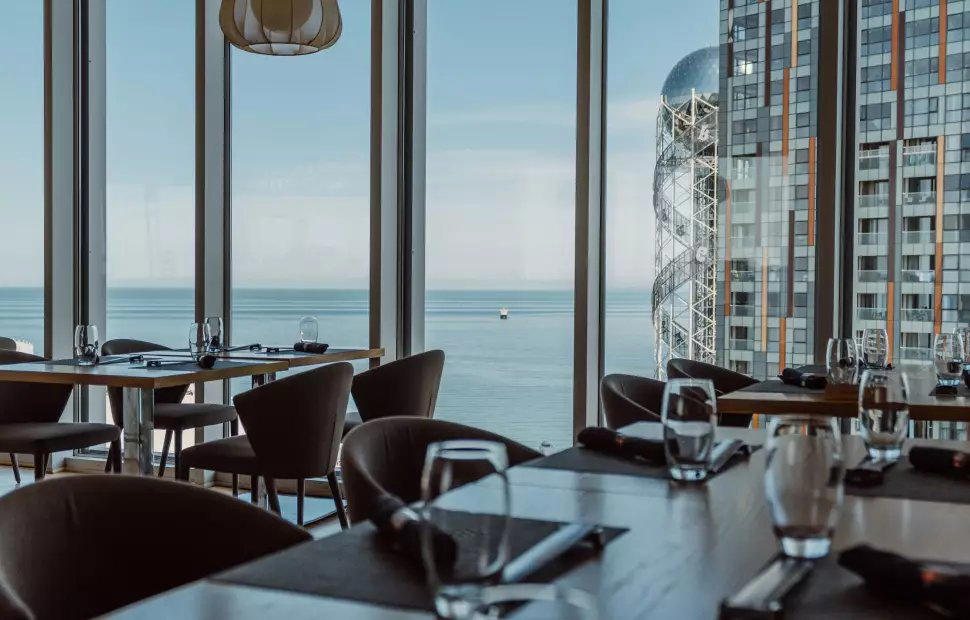
| Umami at Clouds | Asian Fusion & Sushi | $$$ | Batumi |
Continue exploring
More in Batumi
Restaurants in Batumi
Browse all →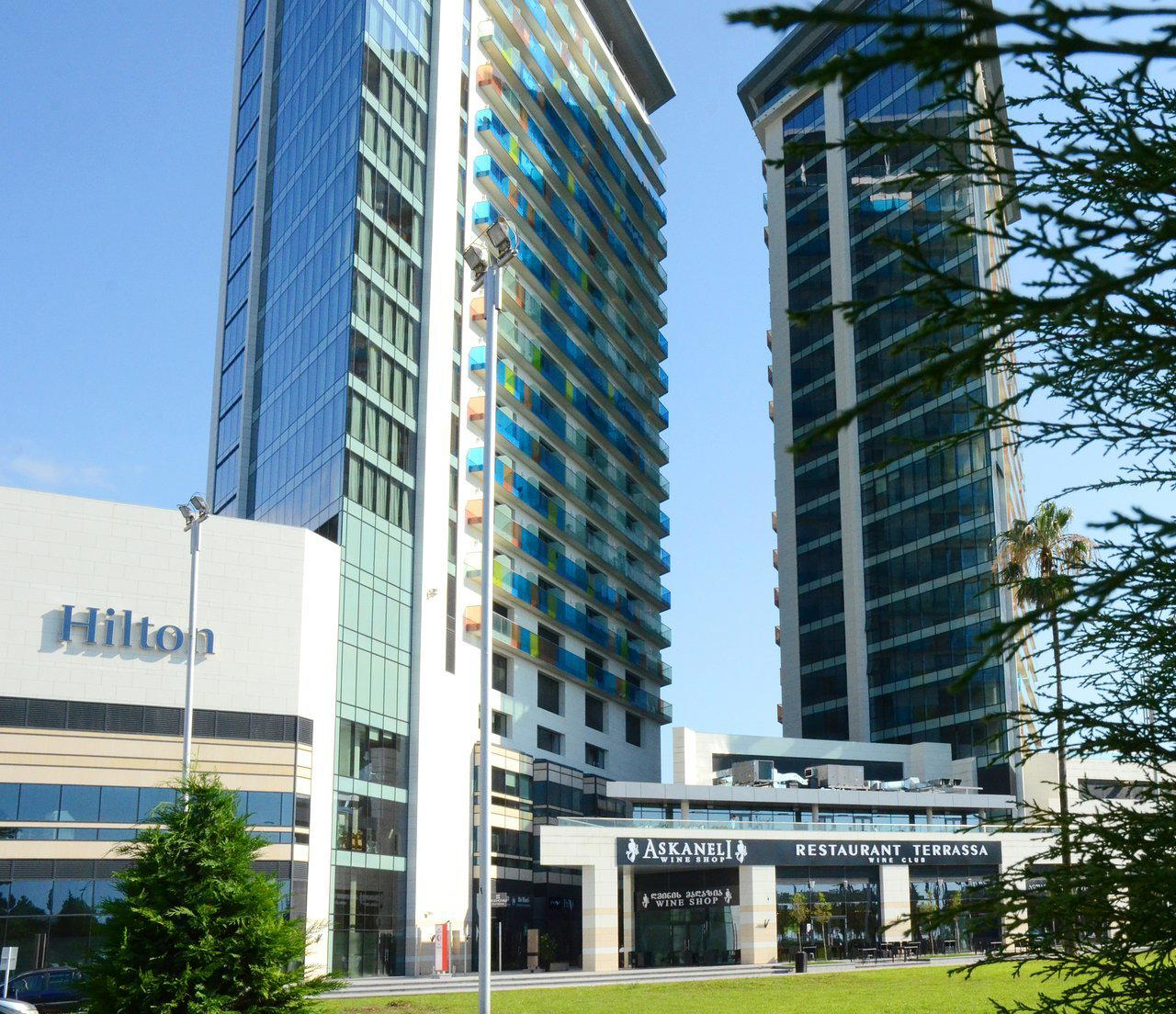

At a Glance
- Cozy
- Lively
- Classic
- Rustic
- Group Dining
- Family
- Casual Hangout
- Late Night
- Live Music
- Private Dining
- Beer Program
Current opening hours
- Monday
- 8 AM–1 AM
- Tuesday
- 8 AM–1 AM
- Wednesday
- 8 AM–1 AM
- Thursday
- 8 AM–1 AM
- Friday
- 8 AM–1 AM
- Saturday
- 8 AM–1 AM
- Sunday
- 8 AM–1 AM
Hours can change for holidays and private events. Last verified .
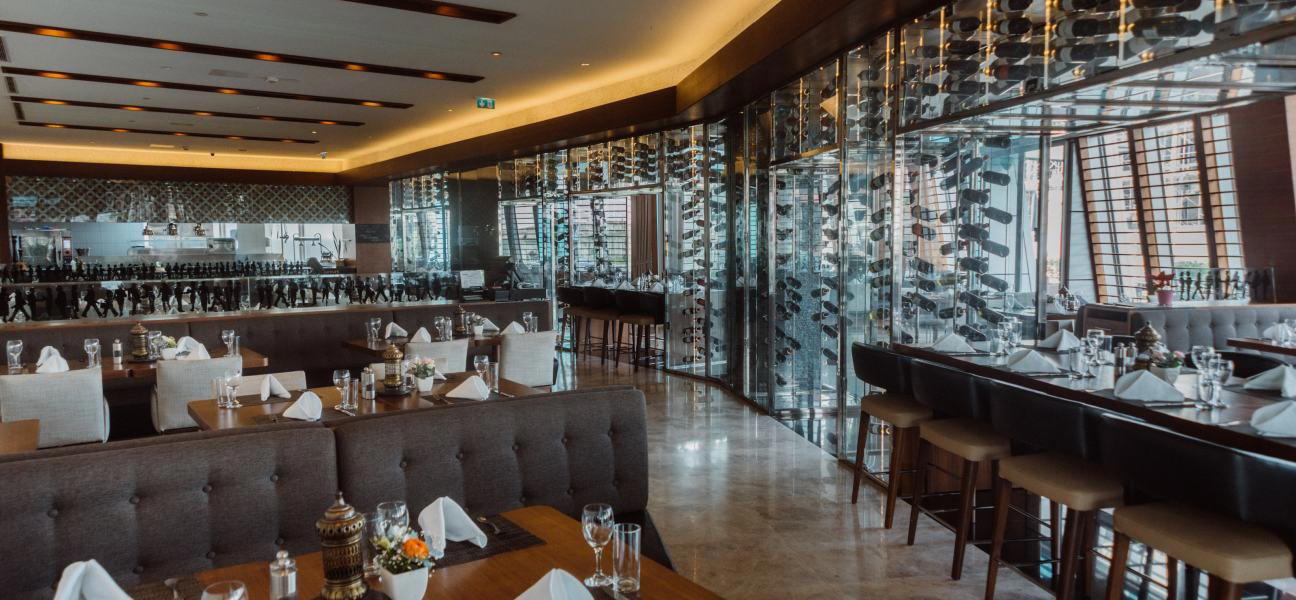
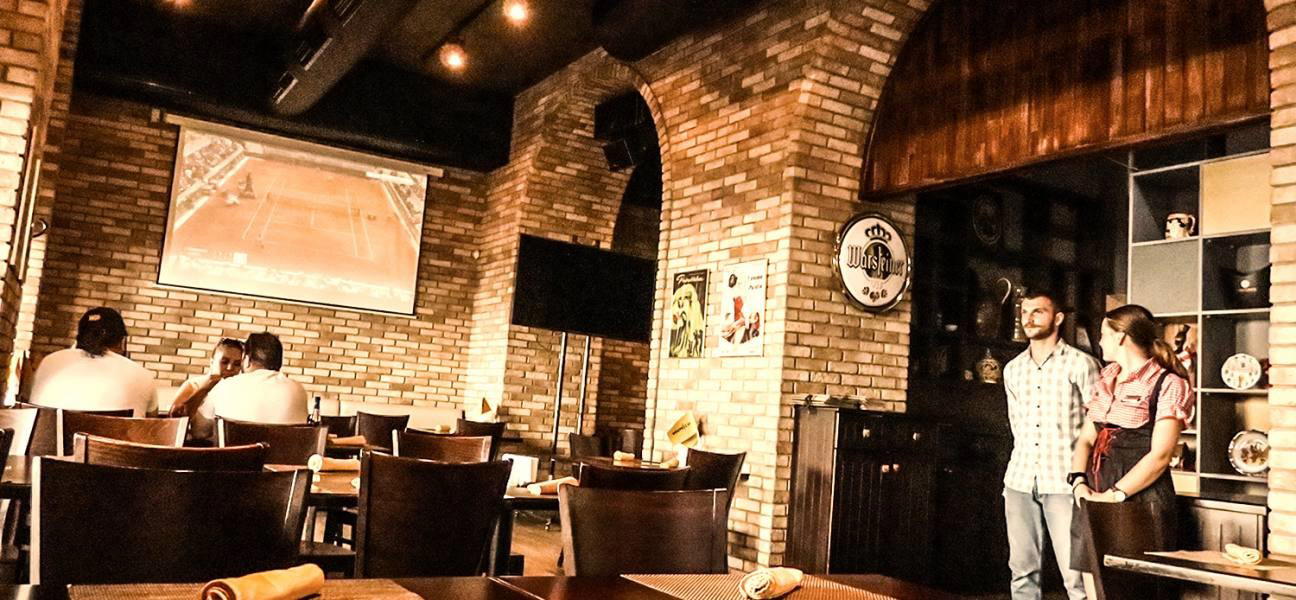
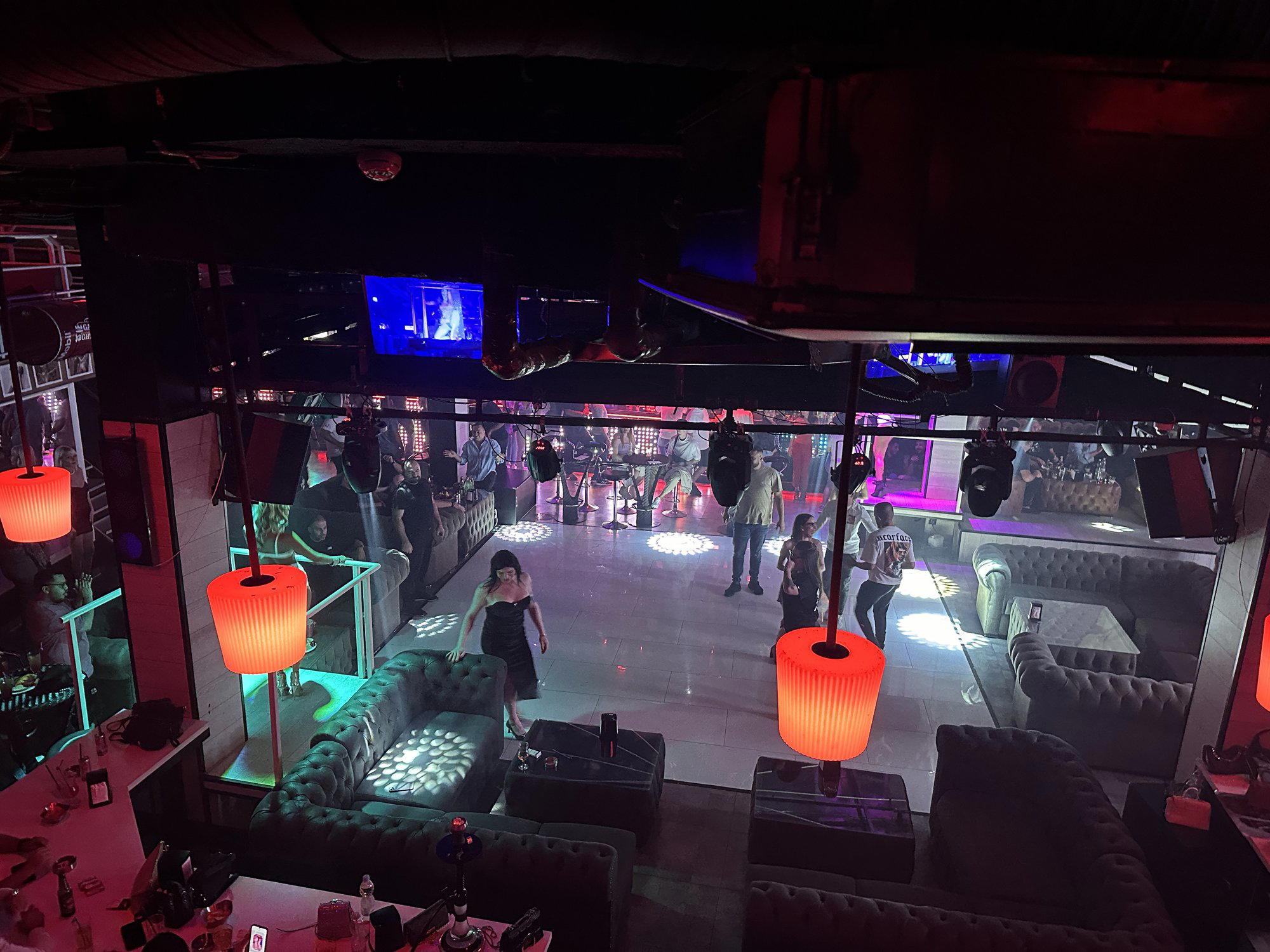
Charming and cozy with traditional Georgian music, warm decor reflecting Georgian hospitality, and a lively atmosphere that buzzes with energy.