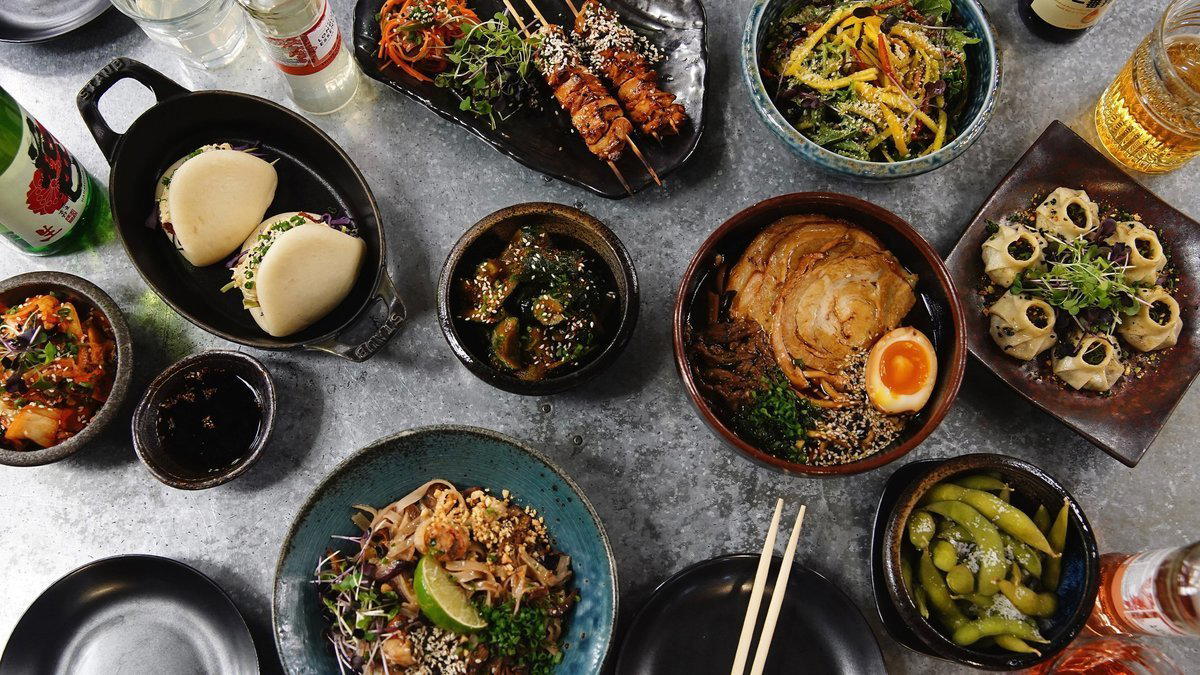
Dimsumin serves Authentic Chinese Dim Sum on Vazha Pshavela Ave in Tbilisi, with Pan-fried Dumpling, Chicken Dumpling, and Veggie Dumpling on the table for lunch or dinner.
Pearl is the En Primeur Club membership app — saves, bookings, and concierge access live there. Same editors, same standards.
- Address
- Vazha Pshavela Ave, Tbilisi, Georgia
- Phone
- +995 568 79 88 26
- Website
- facebook.com
- Directions
- Get directions
 Saves & bookings on Pearl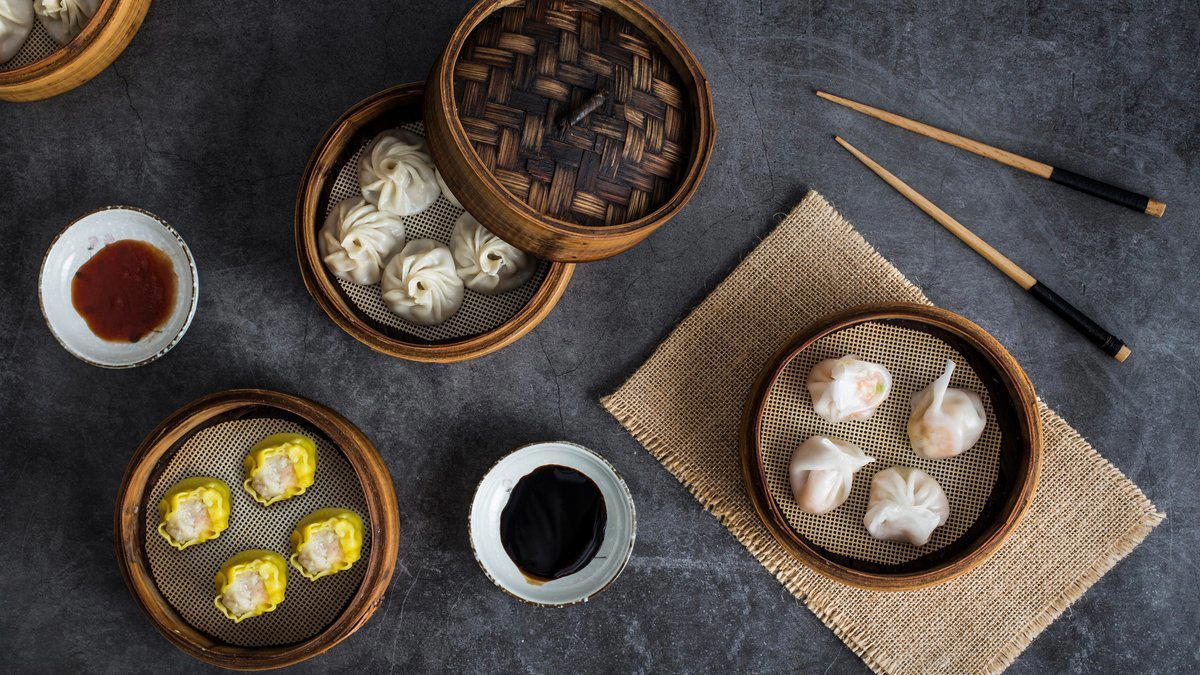
Dim Sum on Vazha Pshavela: Where a Chinese Dining Tradition Finds a Tbilisi Address
Vazha Pshavela Avenue runs through one of Tbilisi's more residential northern stretches, far from the tourist corridors of the Old Town and the polished terrace dining of Vera. It is the kind of address where a restaurant earns its clientele through word of mouth rather than foot traffic, and where the format on offer has to carry the room without the usual scenographic shortcuts. Dimsumin sits in that context, bringing a dim sum-oriented format to a city whose restaurant culture has been built almost entirely around the logic of the Georgian feast table.
The gap between those two traditions is worth pausing on. Georgian dining is structured around abundance and simultaneity: dishes arrive in waves, wine flows freely, and the supra ritual frames the meal as a collective, almost ceremonial act. Dim sum operates on a different logic entirely. It is incremental, deliberate, and built around small units consumed at a pace the table controls. Yum cha, the broader Cantonese dining tradition that gives dim sum its social framework, is itself a ritualised form, but one that rewards patience and repetition over the dramatic gesture. Bringing that format to Tbilisi is not a direct act of translation.
The Ritual of the Small Plate
What makes dim sum a compelling format in any city is the way it redistributes decision-making across the meal rather than concentrating it at the point of ordering. You begin with something steamed, move toward something fried, revisit a favourite, try something unfamiliar. The meal accretes rather than builds to a single climax. In cities with established Cantonese communities, this rhythm is second nature. In Tbilisi, where the dominant dining instinct runs toward the large and the shared, it represents a different kind of literacy for diners to develop.
That learning curve is part of what makes venues like Dimsumin interesting within the broader arc of Tbilisi's restaurant evolution. Over the past decade, the city has moved from a dining scene defined almost entirely by national cuisine and tourist-facing Georgian restaurants to a more genuinely diverse offer, with Japanese formats represented by venues like Akura San, and contemporary Georgian cooking finding a more considered register at places like Barbarestan and ATI. Chinese cooking, in a format as specific as dim sum, represents a further step in that diversification.
The comparison venues in Tbilisi's premium tier tend to frame themselves around either Georgian identity or international fine dining conventions. Alubali and Azarphesha both operate in a different register entirely, and Barbarestan, which draws on a 19th-century Georgian cookbook as its conceptual anchor, represents the kind of deeply localised approach that has become one of the city's most distinctive dining exports. Dimsumin positions itself differently: its reference point is external, its format borrowed from a tradition with a geography and a culture of its own.
Dim Sum as a Format, and What That Means for How You Eat
Across the cities where dim sum has taken firm root outside mainland China and Hong Kong, the format has adapted in specific ways. In London, Vancouver, and Sydney, Cantonese-led establishments have maintained relatively strict adherence to the classic steamed and fried categories, with har gow, siu mai, and cheung fun as fixed anchors. In cities where the format is newer and the diner base less familiar with its conventions, menus often introduce explanatory frameworks or lean toward one approachable end of the spectrum. Which direction Dimsumin takes is a practical question that prospective visitors will want to answer before arrival, and the restaurant's Vazha Pshavela address gives few external clues.
What the format does guarantee, regardless of menu specifics, is a particular pace of engagement. You will not be done in forty minutes. Dim sum meals tend to extend through multiple rounds, with tea as the structural throughline. That pacing creates a kind of unhurried attentiveness that is unusual in Tbilisi's dining culture, where the energy at the table tends to run high and the meal is as much social performance as it is eating. For diners accustomed to the yum cha rhythm, the format will feel familiar. For those coming from a purely Georgian dining background, it asks for a different mode of participation.
Tbilisi's Expanding Map: Where Dimsumin Sits
The broader geography of eating well in Georgia has been expanding at pace. Beyond Tbilisi, the country's restaurant culture has developed genuine regional nodes: Pheasant's Tears Winery in Signagi has made the Alazani Valley a credible dining destination in its own right, Sazandari in Batumi anchors the Black Sea coast offer, and Doli in Telavi and Schuchman Wines Chateau give the Kakheti wine region a dining dimension. Smaller discoveries like Sisters in Kutaisi, Chiko in Aspindza, Gazaphkhuli in Chiatura, and Crowne Plaza Borjomi suggest that the country's hospitality infrastructure is broadening well beyond the capital. Our full Tbilisi restaurants guide maps this evolution in more detail.
Within the capital specifically, the opening of format-specific venues, dim sum among them, signals that Tbilisi's restaurant market has reached a maturity level where niche formats can sustain themselves. That is broadly the same transition that cities like Istanbul, Warsaw, and Belgrade went through in the decade before their dining scenes attracted sustained international attention. The existence of a dedicated dim sum address on a residential avenue in northern Tbilisi is as much an index of that maturity as it is a data point about any individual restaurant.
Planning Your Visit
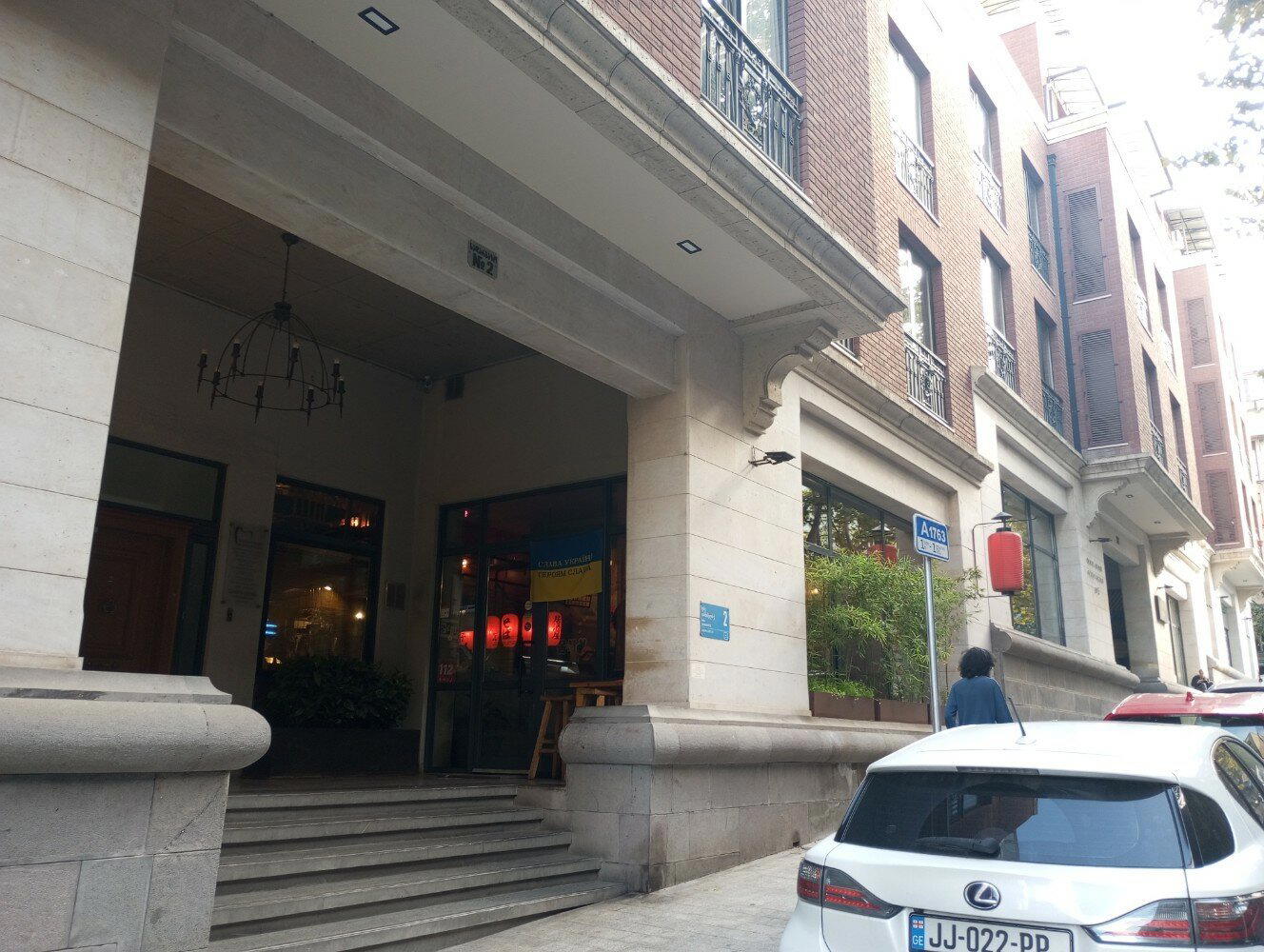
Dimsumin's address on Vazha Pshavela Avenue places it in the northern residential belt of Tbilisi, accessible by metro to the Vagzlis Moedani or Didube stations, with the avenue running northward from there. Confirmed hours are Monday, Wednesday through Sunday from 10:30 AM to 10 PM, with Tuesday closed. Walk-ins are welcome. Dress code is casual.
For context on what a format-driven, chef-led tasting experience looks like at a higher price tier internationally, Lazy Bear in San Francisco and Emeril's in New Orleans offer a useful reference point for how occasion dining can be structured around a clear culinary identity rather than a generic fine dining template.
Booking and Cost Snapshot
Comparable venues nearby, for context on price, style, and recognition.
| Venue | Cuisine | Price | Notes |
|---|---|---|---|
| DimsuminThis venue — the venue you are viewing | Tbilisi, Authentic Chinese Dim Sum | $$ | Not listed |
| Akura San | Not listed | $$ | Rustaveli, Japanese-Georgian Fusion Wine Bar |
| Zala | Not listed | $$ | Tbilisi, Modern Georgian with French influences |
| Lolita | Tbilisi, NY-Inspired Comfort Food | $$ | Not listed |
| Dadiani | Not listed | $$ | Tbilisi, Traditional Georgian (Mingrelian) |
| Beer Square | Not listed | $$ | Tbilisi, Georgian Pub with Grill and European Beers |
Continue exploring
More in Tbilisi
Restaurants in Tbilisi
Browse all →
Bars in Tbilisi
Browse all →
Hotels in Tbilisi
Browse all →
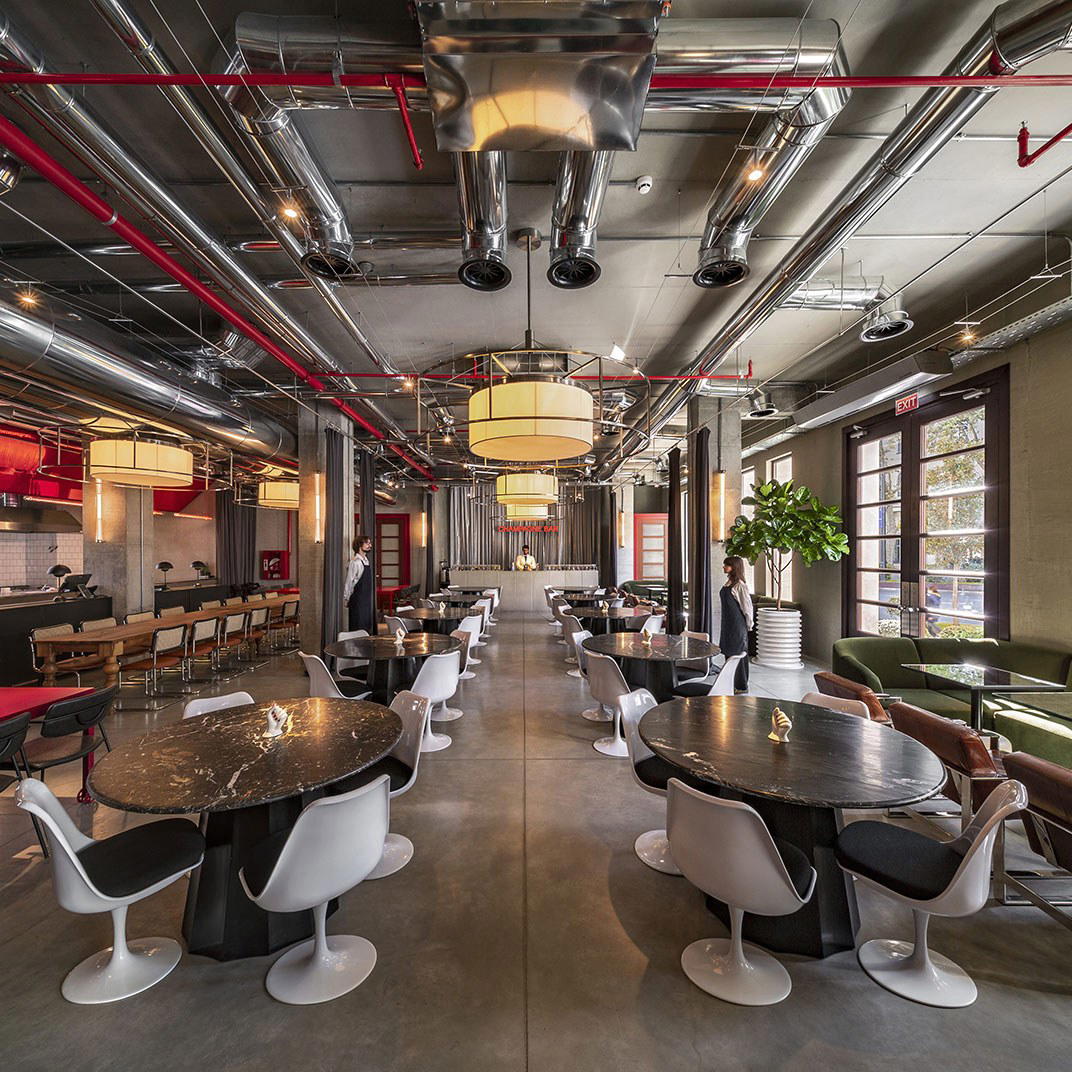





At a Glance
- Cozy
- Casual Hangout
Current opening hours
- Monday
- 10:30 AM–10 PM
- Tuesday
- Closed
- Wednesday
- 10:30 AM–10 PM
- Thursday
- 10:30 AM–10 PM
- Friday
- 10:30 AM–10 PM
- Saturday
- 10:30 AM–10 PM
- Sunday
- 10:30 AM–10 PM
Hours can change for holidays and private events. Last verified .
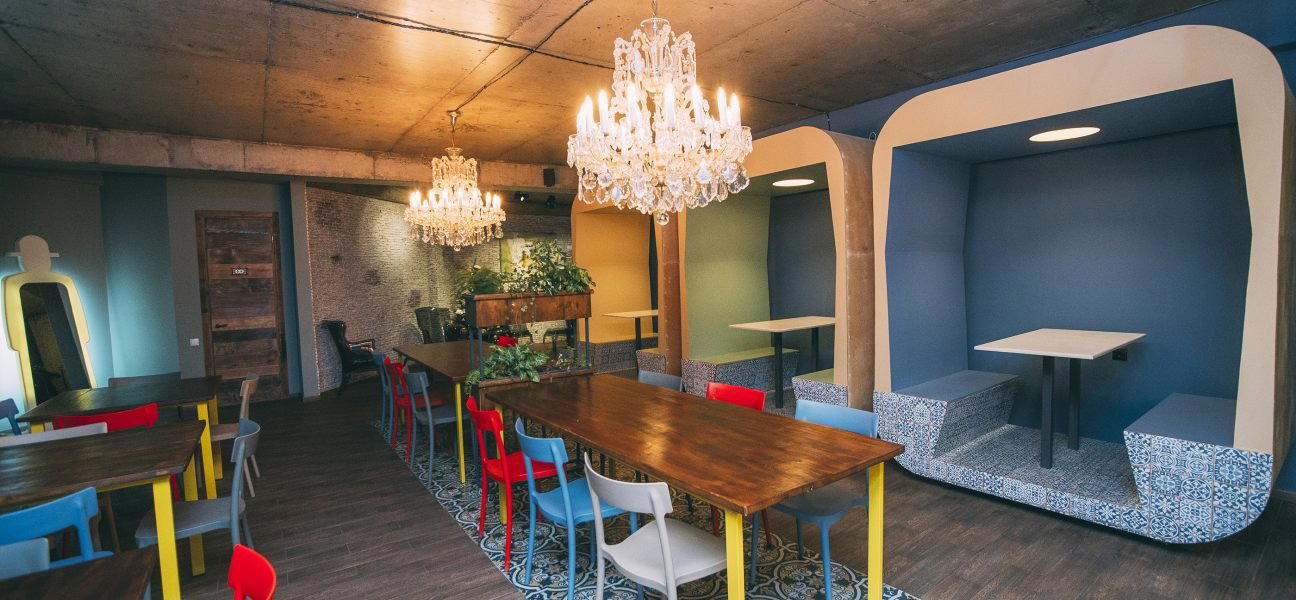
Cozy atmosphere with friendly staff.