Kaneko Hannosuke sits in Nihonbashi, Tokyo's old commercial heart, serving tendon in a format that draws queues rather than reservations. The restaurant operates at a price point well below the city's high-end tempura counters, but the precision and sourcing sit closer to that tier than the cost suggests. For visitors planning a day around central Tokyo, it anchors an easy walk from major transit connections.
Pearl is the En Primeur Club membership app — saves, bookings, and concierge access live there. Same editors, same standards.
- Address
- 日本橋室町1-11-15, 中央区, 東京都, 103-0022
 Saves & bookings on Pearl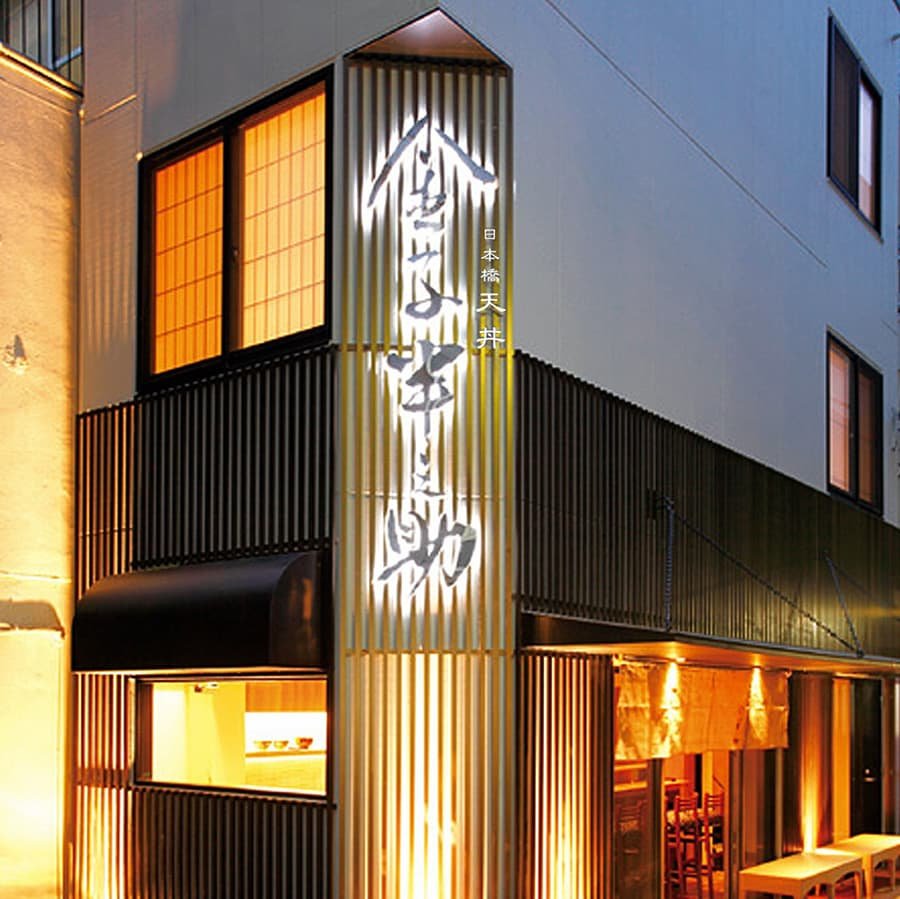
The Queue as Part of the Plan
Nihonbashi has always been Tokyo's commercial baseline, the zero-kilometre marker from which distances across Japan were historically measured. The neighbourhood today splits between old-line department stores, financial institutions, and a growing cluster of food destinations that trade on craft rather than ceremony. Kaneko Hannosuke (金子半之助) sits on a short stretch of Muromachi, a street that has quietly accumulated some of the area's most-visited casual dining over the past decade. You join a queue, you wait, and you eat tendon at a counter or low table.
That clarity of purpose puts Kaneko Hannosuke in a specific category of Tokyo dining. Tokyo's tempura tradition runs from high kaiseki-adjacent counters in Ginza and Minami-Aoyama, where a set can reach ¥30,000 or more per person, down through mid-tier restaurants and then to tendon specialists, where the craft goes into volume and consistency rather than tableside ceremony. Kaneko Hannosuke occupies that tendon tier with a degree of execution that has generated persistent public attention since opening. It is the kind of place that appears on shortlists alongside high-end addresses not because of price, but because the gap in quality is smaller than the gap in cost would suggest.
Tendon as a Format: What You Are Actually Ordering
Tendon, tempura donburi, is tempura served over rice in a lacquered bowl, dressed with a sweet soy-based tare. The format is inherently more casual than serving tempura as a standalone course, and that informality is the point. Tokyo has dozens of practitioners, but the ones that attract sustained attention share a few characteristics: batter discipline (thin, airy, not oil-heavy), sourcing that treats the protein as seriously as the technique, and a tare that doesn't overwhelm. The bowl format also means the meal is faster than an omakase counter and accessible without a booking at most establishments in this tier.
What distinguishes the better tendon addresses in central Tokyo is often the prawn. Japan's tempura tradition has long centred the kuruma ebi (Japanese tiger prawn) as the marker ingredient, and in the tendon context, how that prawn arrives, size, batter coverage, temperature retention under the bowl lid, tells you most of what you need to know about a kitchen's standards. Kaneko Hannosuke's continued popularity over multiple years suggests it has maintained that standard consistently, which in a high-footfall casual format is harder than it looks.
Nihonbashi as a Dining Destination
The case for spending time in Nihonbashi goes beyond any single address. The area is compact enough to cover on foot, and the concentration of mid-range and specialist food destinations has increased around Coredo Muromachi. For visitors dividing Tokyo between high-end omakase evenings and daytime eating, the kind of itinerary that might include Harutaka for sushi or an evening at RyuGin for kaiseki, Nihonbashi makes a logical daytime anchor given its proximity to Ginza and easy metro access from most central hotels.
The neighbourhood also sits at a useful remove from the more visited parts of central Tokyo. Asakusa's tempura tradition is older and more documented in English-language travel writing, but Nihonbashi's current food cluster draws a mix of local office workers and deliberately planned visitors, which affects the atmosphere inside restaurants in a way that matters to how a meal feels.
Planning the Visit: Logistics First
This type of venue requires a different kind of planning. Kaneko Hannosuke does not operate a reservation system in the conventional sense for its standard service, the queue is the booking mechanism. Arrival time matters more than any other planning variable. Lunchtime queues at popular tendon counters in central Tokyo can extend to 45 minutes or more on weekdays and longer on weekends and public holidays. Arriving before opening or shortly after the lunch rush dissipates (roughly after 13:30 on weekdays) reduces wait time without requiring unusual scheduling.
This contrasts sharply with the advance planning required for the city's high-end tier. Restaurants like Sézanne, L'Effervescence, or Crony require weeks or months of lead time and often involve navigating Japanese-language reservation systems or concierge intermediaries. Kaneko Hannosuke sits at the opposite end of that planning spectrum, which is part of its value in a Tokyo itinerary: it is accessible on shorter notice, in a neighbourhood worth visiting anyway, at a price point that doesn't require a budget allocation decision.
For visitors building a broader Japan itinerary, the comparison is also useful. Tendon specialists of this calibre tend to be an urban phenomenon tied to Tokyo's specific concentration of mid-tier craft dining. You will find tempura at high-end kaiseki destinations like Gion Sasaki in Kyoto or in multi-course formats at HAJIME in Osaka, but the accessible tendon-counter model is more specifically a Tokyo offering. Visitors making stops in Nara, Fukuoka, or further north toward Sapporo will find different regional traditions rather than direct equivalents.
It is also worth placing this against the broader international reference frame. The tendon format does not map cleanly onto Western casual dining categories. The closest analogues might be a serious ramen counter or a well-regarded katsu specialist: focused, fast, technically demanding within narrow parameters, and valued more highly in the city of origin than the price would imply to outside visitors. For context, a bowl at Kaneko Hannosuke is likely to cost a fraction of what an equivalent quality-to-craft ratio would run at even a mid-tier Western address. For reference, the gap in craft-to-cost between this type of Tokyo specialist and, say, Le Bernardin in New York City or Atomix illustrates how differently Japanese casual dining prices its expertise.
Regional comparisons can be built out using coverage of destinations like Nanao, Takashima, and Nishikawa Machi for context on how traditional food culture operates outside the major cities. Craft-driven but lower-profile addresses like Birdland in Sakai and Bistro Ange in Toyohashi round out a sense of how serious cooking is distributed across Japan beyond the Michelin-heavy centres.
Planning Details
Cuisine-First Comparison
Comparable venues nearby, for context on price, style, and recognition.
| Venue | Cuisine | Price | Notes |
|---|---|---|---|
| Kaneko Hannosuke (金子半之助)This venue — the venue you are viewing | Edo-style Tempura Rice Bowls (Tendon) | $$ | Not listed |
| Mendokoro Kinari | Modern Shoyu Ramen | $$ | Nakano |
| Yoshida Curry | Japanese curry & keema curry shop | $$ | Suginami |
| Hototogisu | Michelin-Starred Seafood Ramen | $$ | Shinjuku |
| Chosei An | Tsukiji soba-ya izakaya with seafood donburi | $$ | Chūō |
| Tonkatsu Kenshin | Tonkatsu | $$ | Shinjuku |








At a Glance
- Classic
- Well Known
- Casual Hangout
- Open Kitchen
- Sake Program
- Local Sourcing
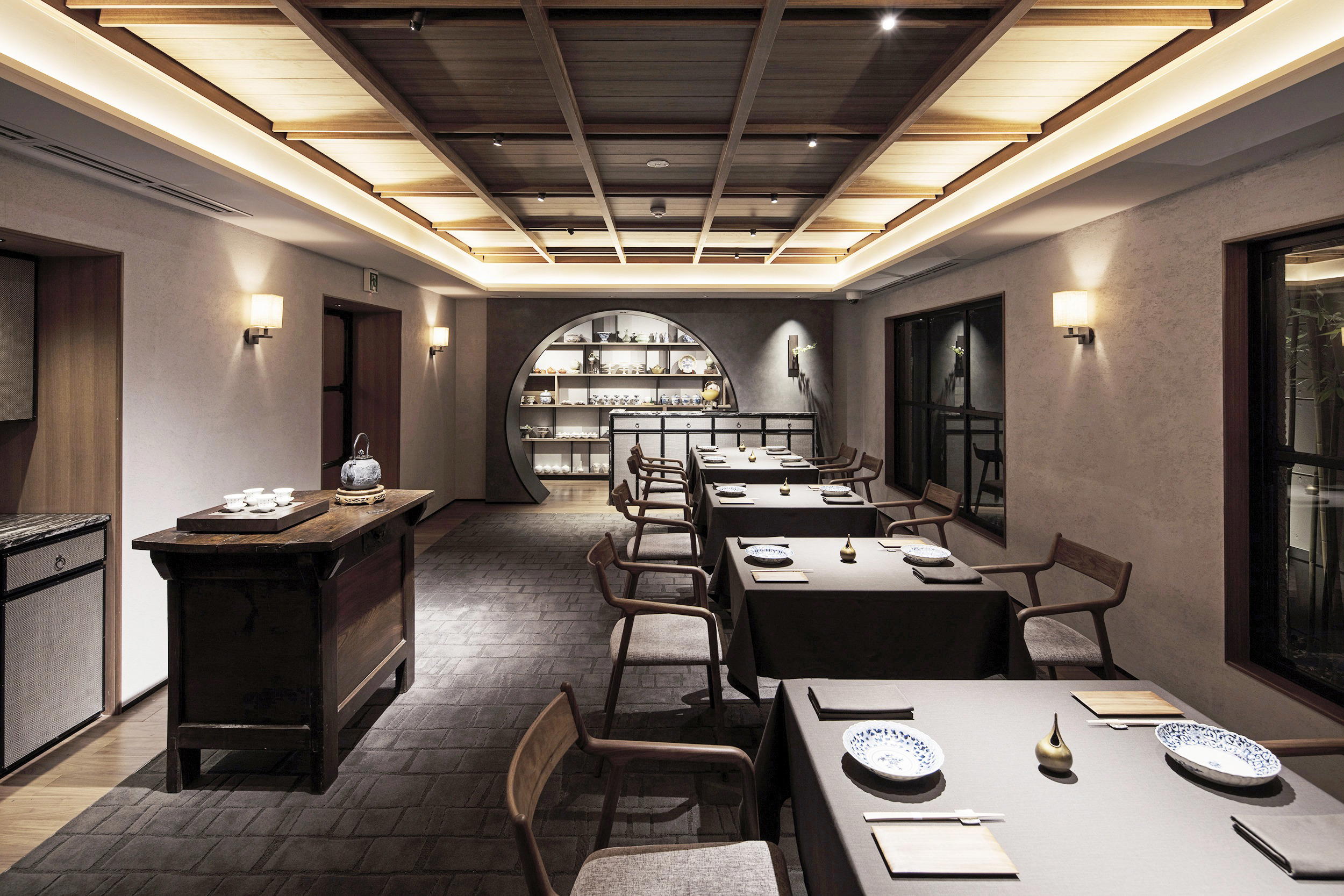
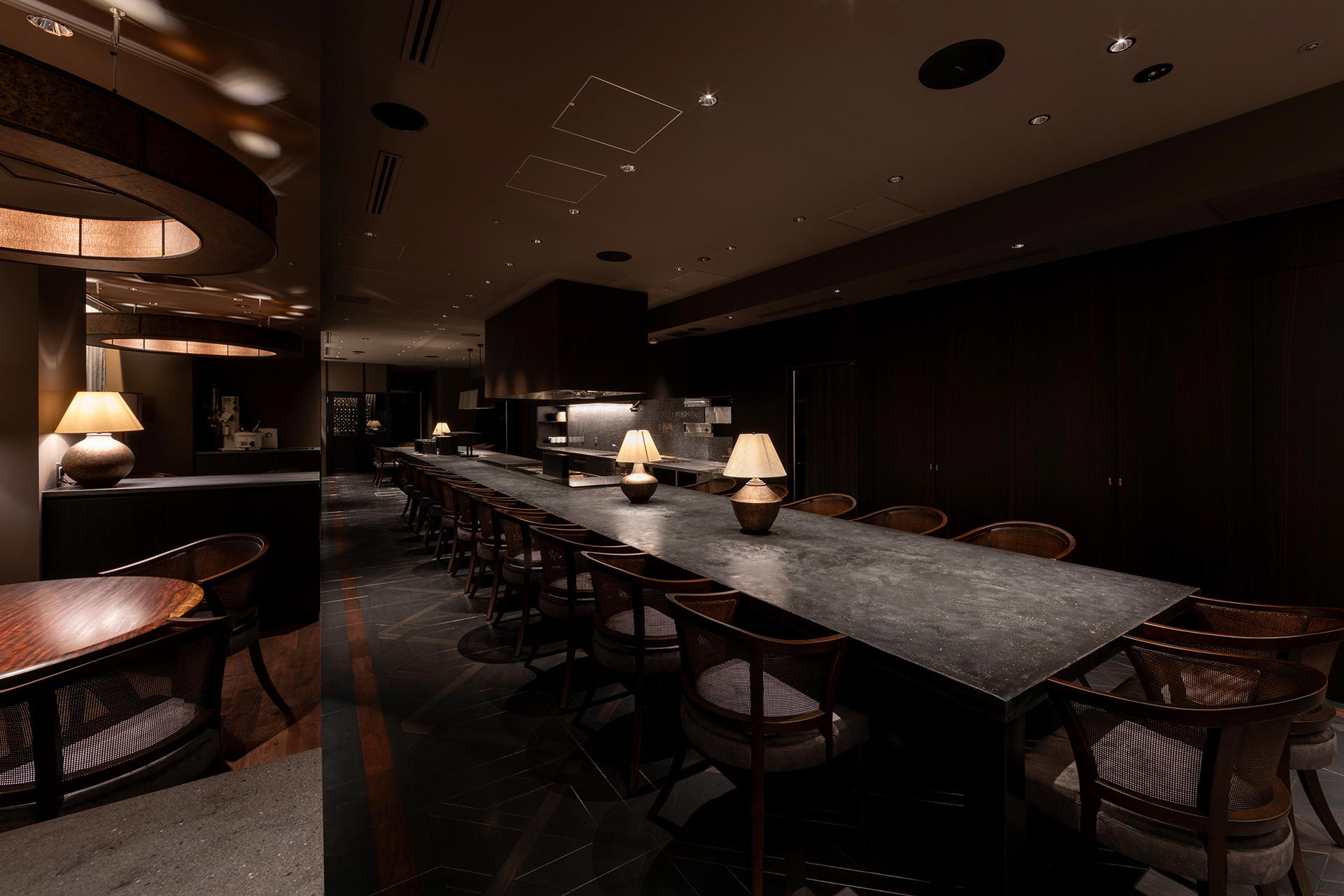
Casual counter seating with a bustling, focused atmosphere centered on freshly prepared tempura.