
Chosei An sits in Tsukiji’s practical end of Tokyo occasion dining: an izakaya-soba-seafood address shaped by the market district rather than hotel polish. Its Tabelog 100 Izakaya EAST selections in 2021, 2024, and 2025 place it in a crowded but serious category for diners who want fish, sake, and a table-led night rather than a formal counter ritual.
Pearl is the En Primeur Club membership app — saves, bookings, and concierge access live there. Same editors, same standards.
- Address
- Japan, 〒104-0045 Tokyo, Chuo City, Tsukiji, 4 Chome−14−1 モンテベルデ築地
- Phone
- +81 3-3541-8308
- Website
- mobile.twitter.com
 Saves & bookings on Pearl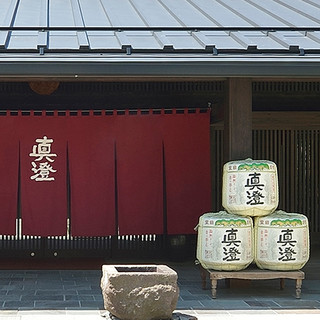
Tsukiji still has a working-district rhythm that changes the way a meal feels. The area’s dining rooms are closer to market traffic, early lunch habits, and after-work drinking than to the hushed choreography of Ginza. In that setting, Chosei An belongs to a specific Tokyo tradition: the izakaya that can carry a casual meal, a fish-led gathering, and a small celebration without turning the evening into ceremony.
The useful comparison is not with luxury sushi counters. It is with Tsukiji’s middle tier, where seafood, soba, sake, and group-friendly seating matter more than chef theatre. Tempura Kurokawa and Trattoria Tsukiji Paradiso sit nearby in a higher dinner band, while Takeno tracks closer on dinner spend but leans into a different local rhythm. Chosei An’s signal is its selection for Tabelog 100 Izakaya EAST in 2025, with prior selections in 2024 and 2021, a meaningful marker in a category where Tokyo has deep supply and little patience for weak regulars.
Tsukiji occasion dining without the counter formality
Tokyo has many ways to spend heavily on a milestone meal, but not every occasion needs a tasting-menu arc. Izakaya dining gives groups room to order across categories, drink at their own pace, and keep the table social. Chosei An’s listed categories, izakaya, soba, and seafood, make sense in Tsukiji: fish anchors the identity, noodles give the meal structure, and sake or shochu keeps the table in drinking-house territory rather than restaurant formality.
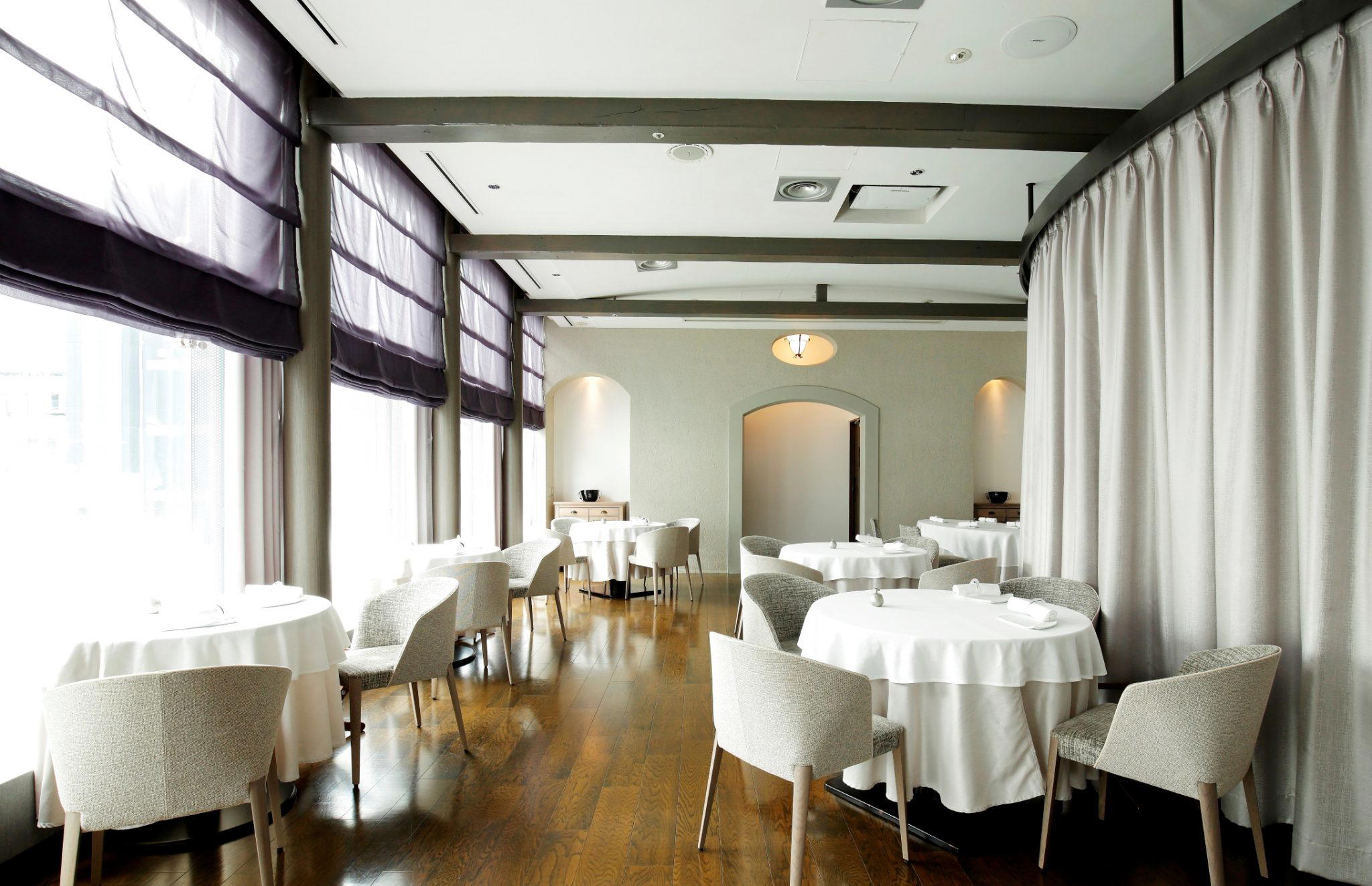
That combination is why the venue reads well for birthdays, family meals, visiting friends, and low-key business dinners. The room is built around table seating rather than a chef-facing counter, which changes the social dynamic. Conversation belongs to the table. The food does not need to arrive as a fixed sequence. For travellers used to omakase as Tokyo’s default special-meal format, this is a useful corrective: the city’s celebratory dining culture also lives in places where ordering remains flexible and the tone is less performative.
The Tabelog score of 3.58 is not a throwaway detail in Japan, where scoring is conservative and category-specific. In the izakaya field, recognition matters because the competition is broad, local, and intensely repeat-driven. A Tabelog 100 selection does not make the room formal; it indicates that a familiar format has cleared a higher bar among diners who know the genre.
Fish, soba, sake: the Tsukiji triangle
Tsukiji’s identity did not vanish when the wholesale market moved to Toyosu. The outer-market dining culture still rewards restaurants that understand fish as an everyday ingredient rather than a luxury prop. The restaurant’s public positioning around fish, soba, sake, and shochu places it inside that older district logic. The appeal is not rarity for its own sake; it is the way these categories fit together for a meal that can start early in the day or stretch into an evening reservation.
Soba changes the shape of an izakaya meal. It gives the table a clean closing point and prevents the night from becoming only small plates and alcohol. Seafood brings the Tsukiji reference into focus, while sake and shochu keep the drinks list aligned with the cooking rather than imported cocktail fashion. This is a Tokyo pattern worth understanding: many serious casual restaurants are not trying to imitate fine dining. They are built around repeatable habits, seasonal buying, and a format locals can use often.
Compared with Seiju’s tempura focus or Torimeshi Torito Bunten’s lower-spend casual lane, this address occupies a broader middle ground. It is more useful when the group wants range, especially across fish, noodles, and drinks. It is less suited to diners who want a single-discipline performance, such as a dedicated tempura progression. That distinction matters in Tsukiji, where proximity alone does not tell the reader what kind of night a room is built to deliver.
How to place it in a Tokyo dining plan
The restaurant works better as an anchored evening or planned group meal than as a spontaneous luxury splurge. Reservations are available, and dinner service is structured by booking, which suits occasion dining: the table has a defined purpose, but the format stays relaxed. The venue lists 28 table seats, no private rooms, and private use for groups in the 20-to-50 range, so the sweet spot is a convivial table rather than a secluded room.
Families are part of the equation. Children are listed as welcome, including babies, preschoolers, and school-age children, which is not universal in Tokyo’s tighter, counter-heavy dining rooms. Non-smoking status also helps for mixed-age meals. Payment is practical by Tokyo standards, with major credit cards and several electronic-money options accepted, though QR code payments are not listed.
For a wider Tokyo itinerary, the contrast is useful. Pair Tsukiji with seafood and soba here, then look to different city moods through 124. KAGURAZAKA (Yakitori) for yakitori, 12/10 Shinjuku ten for Shinjuku energy, 3 Chome no Curry Ya San for curry, 2D Cafe for café culture, and . 鮪と炭火焼き うお炭 秋葉原店 for another tuna-and-grill reference point. Citywide planning sits in Our full Tokyo restaurants guide, with adjacent research in Our full Tokyo hotels guide, Our full Tokyo bars guide, Our full Tokyo wineries guide, and Our full Tokyo experiences guide.
Travellers extending the trip beyond central Tokyo can use the same lens elsewhere in Japan: -Grilled beef Sukiyaki- KAMAKURA TANUKIAN 鎌倉 たぬき庵 in Kamakura.cafe in Osaka.know in Kumamoto, (Shoku) Vietnam in Kawasaki, [Curry Senmon Ten] Maruyama Kyoju. in Sapporo, and [ki:] in Kyoto each show how format and neighbourhood shape the meal. For sake-minded readers outside Japan, Jōdo Saké Bar in Los Angeles and Onigiri Time in Pasadena offer useful diaspora counterpoints.
The editorial case is clear: this is not Tokyo dining as theatre. It is Tokyo dining as a shared table, backed by fish culture, soba discipline, and enough recognition to justify choosing it for a meal that needs to feel considered without becoming stiff.
- Kakiage seiro soba
- Seafood five-color bowl set with soba
- Mini kaisen-don and tororo soba set
- Jako sansho oroshi soba
- Shirako tempura tanuki soba
- Curry soba
The Short List
Comparable venues for orientation by cuisine and category.
| Venue | Cuisine | Price | Notes |
|---|---|---|---|
| Chosei AnThis venue — the venue you are viewing | Not listed | $$ | Not listed |
| らぁめん家 69'N' ROLL ONE 赤坂本店 | Akasaka, Chicken Clear Soy Ramen | $$ | Not listed |
| Kooriya Peace | Kichijoji, Japanese Kakigori Shaved Ice | $$ | Not listed |
| Tsutsui | Not listed | $$ | Chūō, Traditional Yoshoku (Japanese Western cuisine) |
| Fujiya Honten Nihonbashi hamacho | Not listed | $$ | Chūō, Modern Izakaya with French Influence |
| HARU | Taitō, Japanese Ramen | $$ | Not listed |
Recognition history
Dated appearances from independent guides and award organizations, with the underlying list record or original source where available.
Tabelog 100 #49 · No. 49
Tabelog · Tabelog 100 - Izakaya - EAST - 2025


At a Glance
- Lively
- Cozy
- Classic
- Energetic
- Casual Hangout
- After Work
- Group Dining
- Solo
- Family
- Late Night
- Standalone
- Sake Program
- Beer Program
- Local Sourcing
- Sustainable Seafood
- Street Scene
Current opening hours
- Monday
- 7 AM–2:30 PM, 6–9 PM
- Tuesday
- 7 AM–2:30 PM, 6–9 PM
- Wednesday
- 11 AM–2:30 PM, 6–9 PM
- Thursday
- 7 AM–2:30 PM, 6–9 PM
- Friday
- 7 AM–2:30 PM, 6–9 PM
- Saturday
- 7 AM–2 PM
- Sunday
- Closed
Hours can change for holidays and private events. Last verified .