
Michelin Plate
Our verdict
A Michelin Plate-recognised izakaya tucked into the old Arakicho neighbourhood of Shinjuku, Kan Coffee Fujifuji operates at the quieter, more personal end of Tokyo's drinking-and-dining spectrum. The owner-chef applies careful technique to a menu that moves from snacks through labour-intensive grilled and pickled fish preparations, while the proprietress manages sake service and rounds the evening with coffee brewed from firsthand knowledge of producing regions. Priced at ¥¥ on.

Pearl is the En Primeur Club membership app, where members save venues, book tables and use the concierge.
A Backstreet Register That Tokyo Does Better Than Anywhere
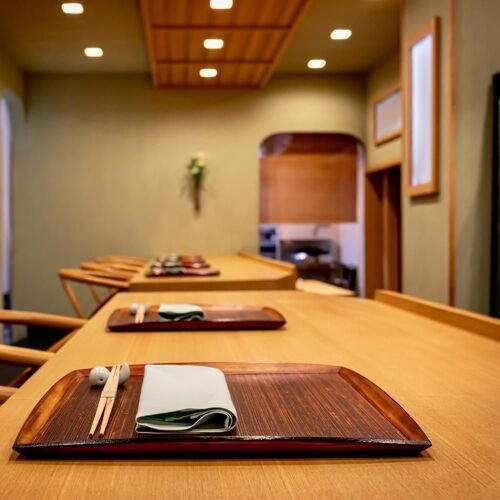
Arakicho sits just south of Yotsuya-Sanchome station, a grid of narrow lanes that somehow held onto a pre-bubble density of small, owner-operated drinking houses while the rest of central Shinjuku modernised around them. The evenings here run quieter than the neon-lit izakaya strips of Shinjuku proper, and the clientele tends to be local, repeat, and unhurried. Walking into this pocket of the city, you notice the physical scale of things: low doorways, hand-lettered signs, counter seating measured in single digits. It is a neighbourhood where the format of the place and the food served inside it have been shaped by the same forces over decades.
Kan Coffee Fujifuji belongs to that register. The Michelin Plate recognition it has held across both 2024 and 2025 places it in a category the guide reserves for kitchens delivering food of consistent quality, a signal that matters more here than a star count might, because the Plate tier in Tokyo now functions as a serious credential in a city where the density of competition makes any sustained recognition meaningful. At ¥¥ pricing, it operates well below the ¥¥¥¥ tier occupied by counter venues like Hakata Issou or kaiseki rooms that approach dining as high ceremony. The comparison matters because it tells you something about where this kind of izakaya sits in Tokyo's overall structure: it is not positioned against the tasting-menu circuit, but against the serious mid-tier where craft and informality coexist.
When Simplicity Is the Harder Discipline
The dishes that define this category, pickled fish, grilled preparations, warming soups, are not technically showy in the way that, say, the multi-course kaiseki at Gion Sasaki in Kyoto or the inventive Japanese tasting menus at venues like HAJIME in Osaka are showy. But simplicity in Japanese cooking carries its own precision demands. A fish pickled in Saikyo miso and then grilled requires the balance between the sweetness of the miso and the fat content of the fish to be exact; miscalibrate the timing or the miso ratio and the dish collapses into blandness or over-salinity. The labour-intensive end of the menu here, the soups, the pickled and grilled fish, represents the same philosophy that governs a great bowl of ramen or a precisely cut udon: the technique is invisible, but its absence would be immediately obvious.
The owner-chef's approach, as documented in the Michelin entry, is one of close attention to detail across the full range of the menu, from snacks through to the more demanding preparations. Both he and the proprietress make regular visits to producing regions and sake breweries, which places the sourcing decisions in a category that goes beyond standard supplier relationships. In Tokyo's izakaya scene, that kind of direct engagement with producers is a distinguishing habit rather than a baseline expectation. Comparable examples of owner-operators working at this level of sourcing attention include Ginza Nominokoji Yamagishi and Ginza Shimada, both of which operate in the same tradition of proprietor-led Japanese dining where the front-of-house and kitchen function as a single curatorial voice.
The Sake Ritual and the Coffee Coda
Sake service here deserves its own attention. Temperature is not a trivial detail in sake culture: the difference between a careless warm pour and one brought to the right degree for a particular style is the difference between a drink that opens correctly and one that doesn't. The proprietress manages this with a precision that reflects her own experience at producing regions. The range of sake temperatures, from refrigerated cold through various warm gradations, is a subject that most izakaya treat as a rough approximation. In establishments where it is treated with genuine care, it becomes part of the meal's architecture rather than a background variable.
Coffee that closes the evening is the detail that gives the venue its name and distinguishes it within the Arakicho scene. Post-dinner coffee at an izakaya is not standard practice; the proprietress's decision to offer it, drawing on her own knowledge of coffee-producing regions, frames the experience as a complete arc from drinking house to something closer to a kissaten in its final register. Comparable izakaya formats in other Japanese cities, such as Benikurage in Osaka or Berangkat in Kyoto, demonstrate how owner-operated izakaya across the country are developing signatures that set them apart from the category average. At Kan Coffee Fujifuji, that signature happens to straddle two entirely different beverage traditions.
Where It Sits in the Broader Tokyo Scene
Tokyo's drinking-and-dining map has a widely discussed formal tier: the three-Michelin-star counters, the omakase rooms, the destination restaurants that attract international visitors specifically. Below that tier, and in many ways more representative of how Tokyo actually eats, is a dense middle layer of owner-operated specialists working at ¥¥ to ¥¥¥ price points. Daikanyama Issai Kassai and Hakata Hotaru operate within this broader mid-tier, as does the izakaya format generally. The intimacy of the space and the ownership structure mean that scaling the guest count would change the thing itself.
For those building a broader Tokyo itinerary, the full range of options across dining, accommodation, and other experiences is documented in our full Tokyo restaurants guide, alongside our full Tokyo hotels guide, our full Tokyo bars guide, our full Tokyo wineries guide, and our full Tokyo experiences guide. For regional Japanese dining context beyond the capital, Goh in Fukuoka, akordu in Nara, 1000 in Yokohama, and 6 in Okinawa each represent different registers of the country's dining spread.
Planning Your Visit
Pricing sits at ¥¥, positioning it at an accessible mid-tier for the neighbourhood. Arakicho is leading accessed via Yotsuya-Sanchome station on the Marunouchi line.
Quick reference:
Frequently asked questions
Is Kan Coffee Fujifuji formal or casual?
What is the must-try dish at Kan Coffee Fujifuji?
Would Kan Coffee Fujifuji be comfortable for children?
Booking and Cost Snapshot
A quick peer reference to anchor this venue in its category.
| Venue | Cuisine | Price | Awards | Notes |
|---|---|---|---|---|
| Kan Coffee FujifujiThis venue (the venue you are viewing) | Izakaya with Coffee | $30–50 | Michelin Plate | Not listed |
| Harutaka | Edo-Style Omakase Sushi | $200–300 | 3 Michelin Stars · World's 50 Best #76 | Sushi |
| RyuGin | Modern Kaiseki | $500+ | 3 Michelin Stars · World's 50 Best #41 | Kaiseki, Japanese |
| L'Effervescence | Modern French with Japanese Influences | $200–300 | 3 Michelin Stars · World's 50 Best #69 | French |
| HOMMAGE | Modern French with Japanese Influences | $150–200 | 2 Michelin Stars · World's 50 Best #78 | Innovtive French, French |
| MAZ | Innovative Peruvian-Japanese Fusion | $150–200 | 2 Michelin Stars · World's 50 Best #28 | Innovative |
Recognition history
Dated appearances from independent guides and award organizations, with the underlying list record or original source where available.
Michelin Plate
Michelin
Full recognition history (3 entries)
Michelin Plate
Michelin
Michelin Plate
Michelin
Continue exploring
More in Tokyo
Restaurants in Tokyo
All restaurants in Tokyo →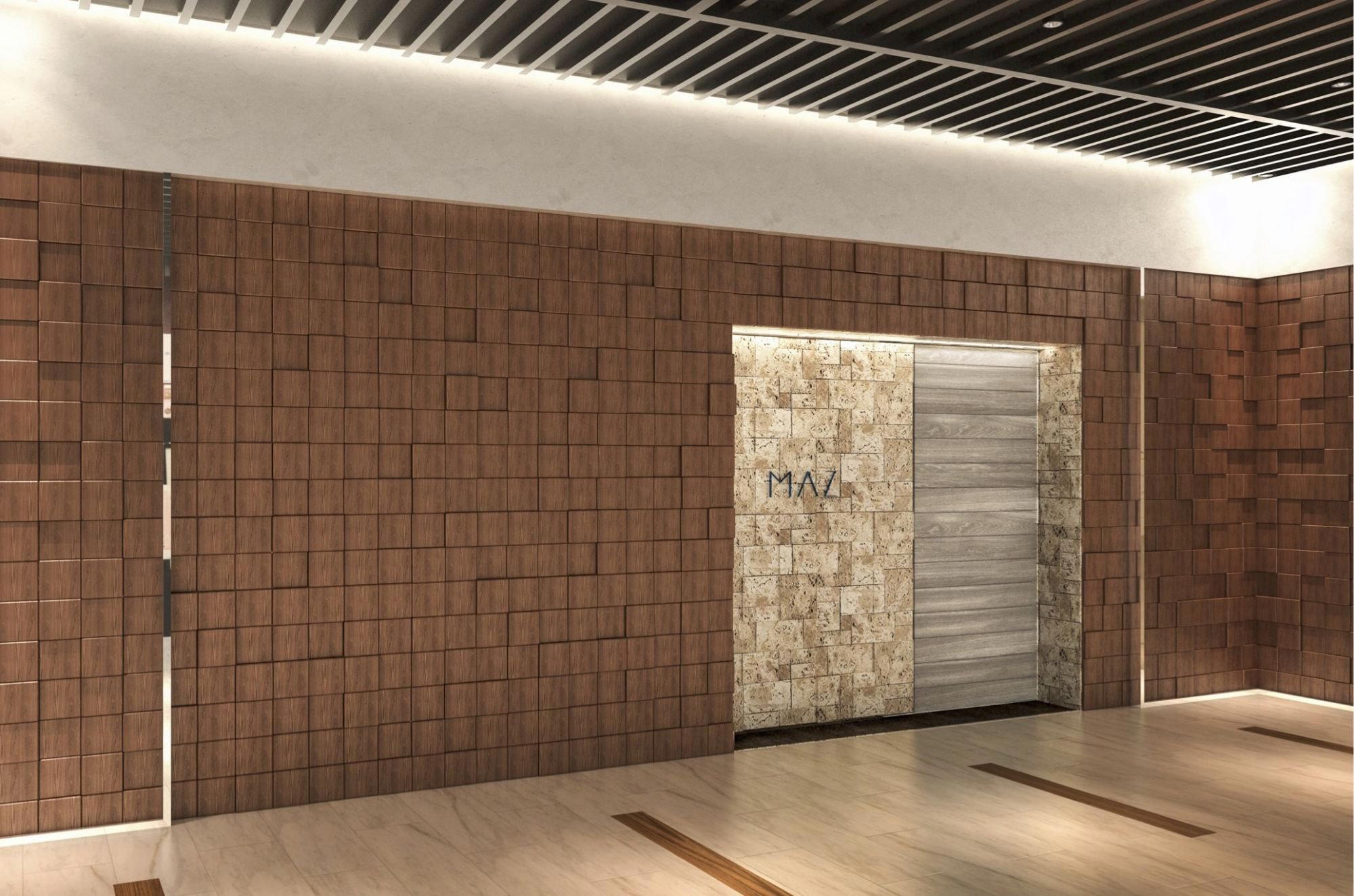


Bars in Tokyo
All bars in Tokyo →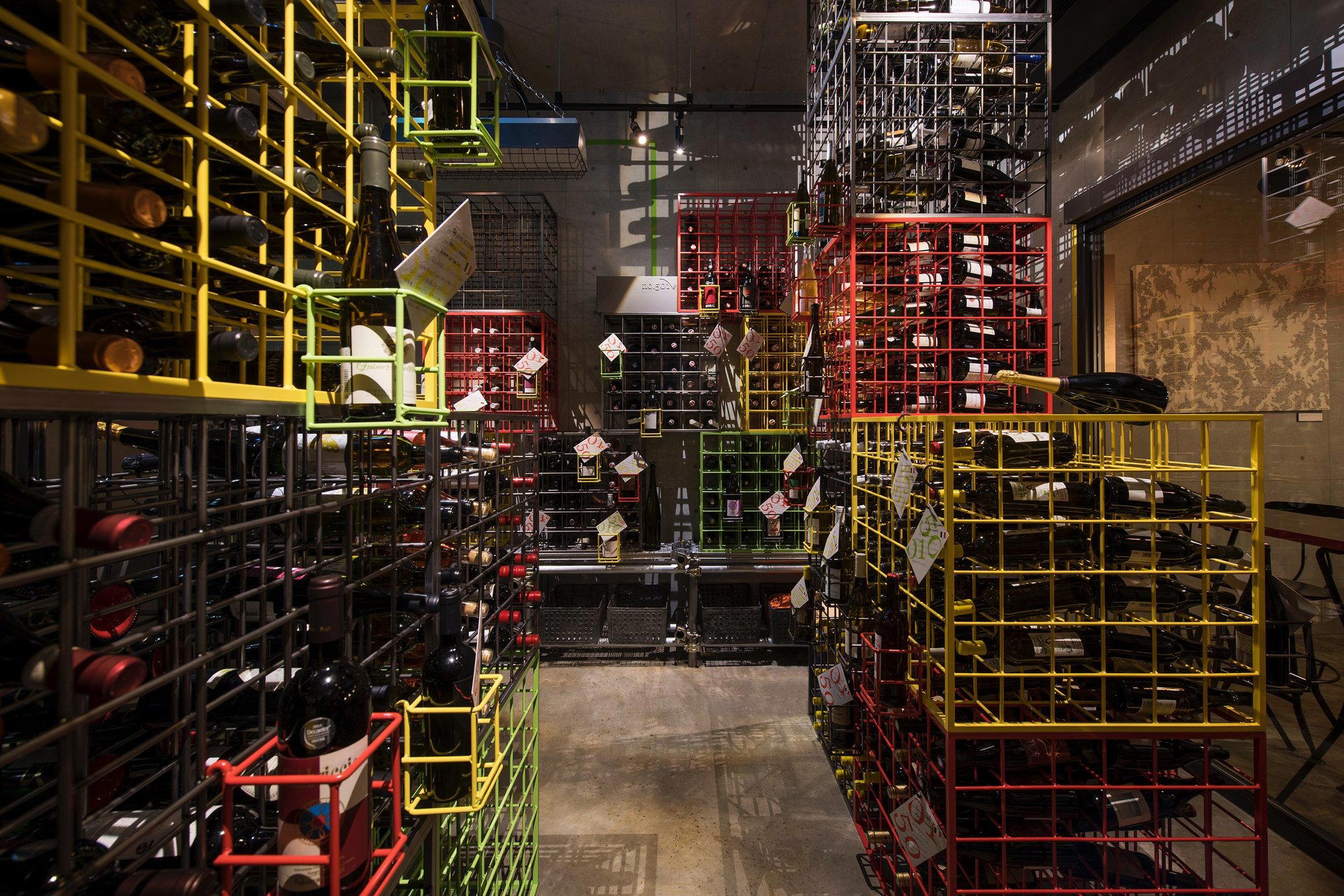


Details
- Cozy
- Intimate
- Trendy
- Casual Hangout
- After Work
- Sake Program
- Natural Wine
- Small Plates
- A La Carte
- Sake
- Coffee
Current opening hours
- Monday
- 5–11 PM
- Tuesday
- 5–11 PM
- Wednesday
- 5–11 PM
- Thursday
- 5–11 PM
- Friday
- 5–11 PM
- Saturday
- 5–11 PM
- Sunday
- Closed
Hours can change for holidays and private events. Last verified .
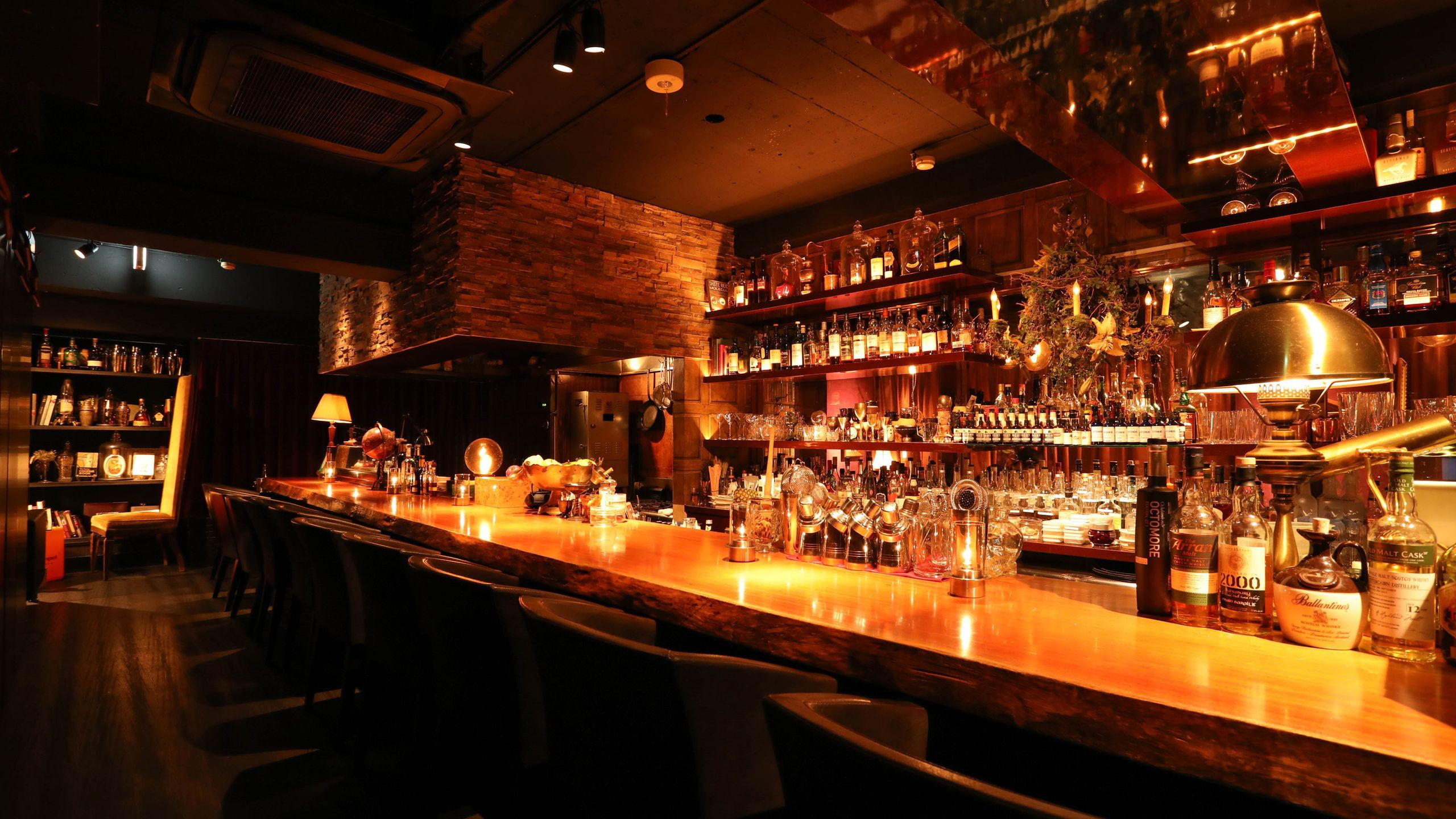
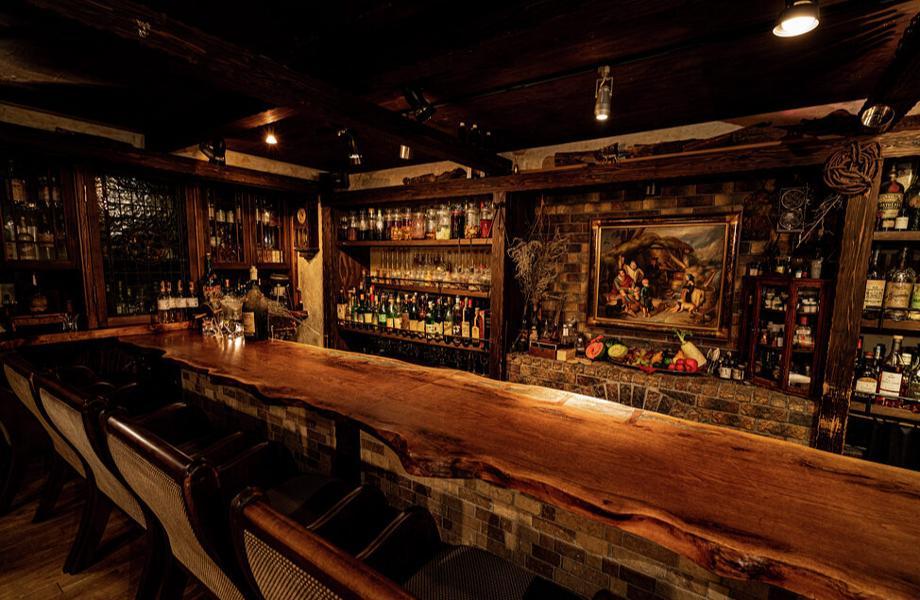
Relaxed eclectic interior with nostalgic charm of old Arakicho watering hole.