
Kamoryori Tabuchi occupies a specific and underserved position in Kyoto's dining hierarchy: a specialist duck restaurant in Kita Ward, recognised by the Michelin Guide with a Plate award in both 2024 and 2025. At the ¥¥¥ price tier, it sits below the city's kaiseki palaces while offering a focused, ritual-driven dining format rarely found at this level of accessibility.
Pearl is the En Primeur Club membership app — saves, bookings, and concierge access live there. Same editors, same standards.
- Address
- 32 Kinugasa Goshonouchicho, Kita Ward, Kyoto, 603-8378, Japan
- Phone
- +81 75-461-9988
- Website
- kamo-tabuchi.com
- Directions
- Get directions
 Saves & bookings on Pearl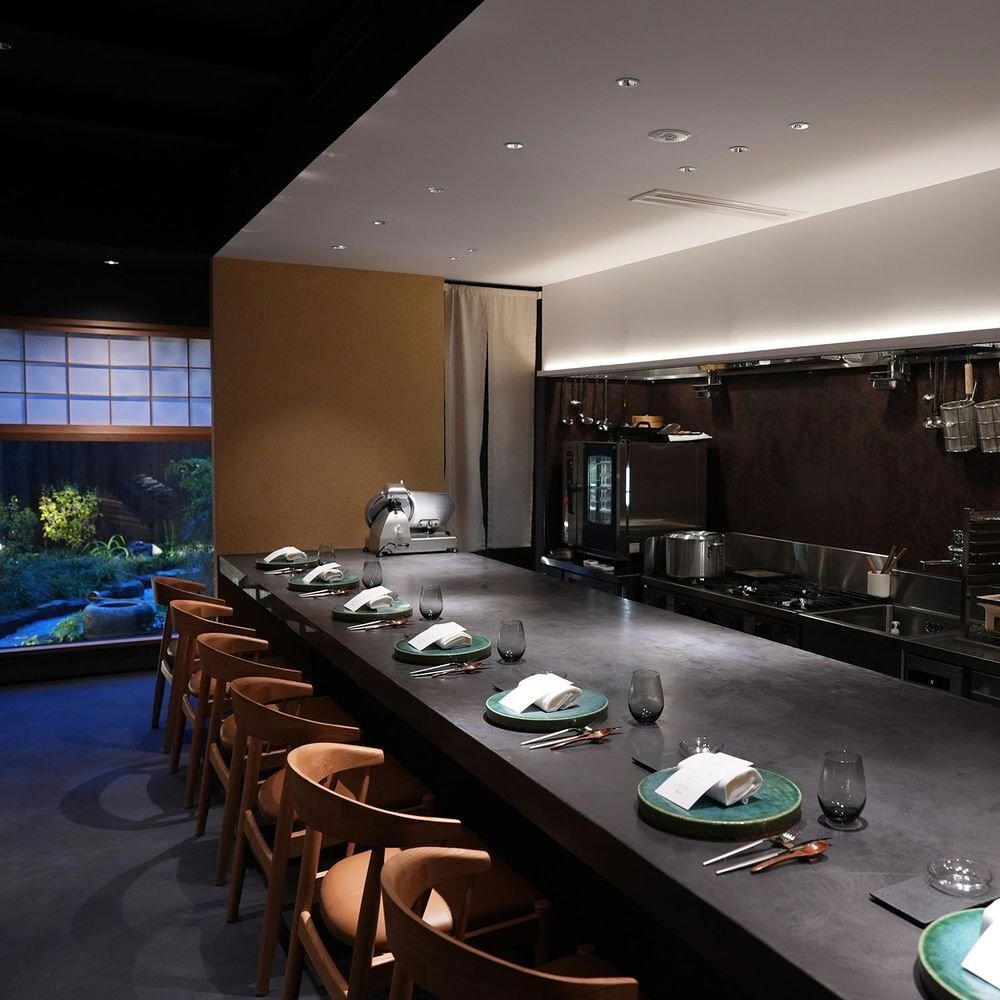
Duck, Discipline, and the Quiet North
Kita Ward sits at the northern edge of Kyoto's culinary map, away from the polished kaiseki corridors of Gion and the tourist pressure of central Higashiyama. The streets around Kinugasa feel more residential than gastronomic, which is precisely why a specialist restaurant drawing Michelin recognition here says something worth listening to. Kamoryori Tabuchi is a duck restaurant in the fullest sense of that designation: not a restaurant that serves duck, but one organised around it, shaped by the traditions of kamoryori, the Japanese culinary practice of preparing wild duck with the precision and intentionality that Kyoto's food culture typically reserves for kaiseki.
Approaching from the ward's quieter streets, the shift in register is immediate. Northern Kyoto has long been associated with temples, Kinkaku-ji is minutes away, and the dining pace here follows suit. There is no queue-management theatre, no ambient soundtrack calibrated for a broader demographic. What you find instead is a room built around a single, centuries-old ingredient and the etiquette that surrounds it.
The Architecture of a Single-Subject Meal
In Kyoto's broader dining taxonomy, the specialist format occupies a peculiar position. The city's most celebrated restaurants, including Gion Sasaki, Hyotei, and Kikunoi Honten, operate through the kaiseki structure, a seasonal, multi-course progression governed by a principle of balance across flavour, texture, temperature, and visual form. Duck appears in that tradition, but as one element within many. At Kamoryori Tabuchi, the logic inverts: the ingredient is the architecture, and the meal is built outward from it.
This is a meaningful distinction for how you experience the pacing of the meal. Kaiseki moves through defined stations, sakizuke, hassun, yakimono, and so on, each course signalling a shift in register. A single-subject format like kamoryori works differently. The progression is not across ingredient types but across technique, cut, and preparation method. The same bird arrives in different registers across the course of the meal, which requires a specific kind of attentiveness from the diner: you are not moving between surprises but deepening your understanding of a single subject. It is closer to the logic of an omakase sushi counter, where the progression through tuna from lean to fatty teaches you something you could not learn from a single piece, than to a Western tasting menu designed around contrast.
That kind of format asks something of the guest. The ritual of a specialist duck meal in the Kyoto tradition carries expectations around pace, silence between courses, and the manner in which the meal is received. This is not a restaurant where conversation competes with the food, the format itself discourages it, not by rule but by design.
Where Tabuchi Sits in the Price-Award Matrix
Michelin's Plate designation, awarded to Kamoryori Tabuchi in both 2024 and 2025, signals quality cooking that the Guide considers worth noting without placing it inside the starred tier. In practical terms, this positions the restaurant comfortably below Kyoto's densest cluster of two- and three-starred rooms, which include Mizai and Isshisoden Nakamura, while still carrying independent editorial credibility.
At the ¥¥¥ price tier, Tabuchi occupies a middle band in Kyoto's cost structure. The kaiseki institutions at ¥¥¥¥, including Gion Sasaki and Ifuki, sit above it. At the same ¥¥¥ level, comparison venues include Italian-leaning cenci (Michelin 1 Star) and Kyo Seika in Chinese cuisine (also 1 Star). Tabuchi's Plate recognition across two consecutive years, combined with its specialist format, places it in a cohort of venues that reward deliberate, informed visitors rather than casual walk-ins.
| Restaurant | Cuisine | Price Tier | Michelin Recognition |
|---|---|---|---|
| The restaurant | Duck Specialities | ¥¥¥ | Plate (2024, 2025) |
| Gion Sasaki | Kaiseki | ¥¥¥¥ | 3 Stars |
| Mizai | Kaiseki | ¥¥¥¥ | 2 Stars (Ifuki equivalent tier) |
| Isshisoden Nakamura | Japanese | N/A | Recognised |
| cenci | Italian | ¥¥¥ | 1 Star |
Specialist Cooking Across Japan's Dining Cities
Kamoryori as a format is not exclusive to Kyoto, but the city has long been its spiritual address. The practice of cooking wild duck with careful technique traces back through the food culture of the imperial court, where waterfowl was prized game. Contemporary Kyoto duck specialists inherit that lineage without being defined by nostalgia, the discipline of the cooking matters more than the historical narrative around it.
In the context of Japan's broader restaurant geography, single-subject specialists tend to earn quiet but durable reputations. Harutaka in Tokyo represents this logic in sushi; HAJIME in Osaka applies it through a different framework of progressive cuisine. In each case, the specialist format generates a different relationship between kitchen and guest than a broad-menu restaurant can sustain. The Kyoto duck tradition sits within that broader pattern, cooking as a form of concentrated argument about a single ingredient, made over the course of a full meal.
Further afield, restaurants like akordu in Nara, Goh in Fukuoka, 1000 in Yokohama, and 6 in Okinawa each demonstrate how regional Japanese dining builds specific, focused identities rather than chasing a universal template. Tabuchi belongs to that tendency, expressing Kyoto's own hierarchy of ingredients through the lens of a single bird.
Planning Your Visit
The restaurant is located at 32 Kinugasa Goshonouchicho in Kita Ward, a northern Kyoto address that places it outside the usual Gion-to-Nishiki tourist corridor. The Michelin Plate in consecutive years (2024 and 2025), so booking in advance is advisable. Price tier is ¥¥¥, consistent with a mid-to-upper range meal that sits below the city's multi-starred kaiseki rooms but well above casual dining. Dress expectations at specialist Kyoto restaurants in this tier typically lean conservative.
Cuisine Lens
Comparable venues nearby, for context on price, style, and recognition.
| Venue | Cuisine | Price | Awards | Notes |
|---|---|---|---|---|
| Kamoryori TabuchiThis venue — the venue you are viewing | Kawachi Duck Specialty | $$$$ | Michelin Plate | Not listed |
| Jikon Hiratate | Modern Japanese Fine Dining | $$$$ | Michelin Plate | Nakagyō |
| Kappo Shinatomi | Kappo | $$$$ | Michelin Plate | Kamigyō |
| Kanzan | Kyoto Kaiseki | $$$$ | Michelin Plate | Shimogyō |
| Nishijin Hashimoto | Modern Japanese Kaiseki Omakase | $$$$ | Michelin Plate | Kamigyō |
| Konno | Modern Japanese Omakase | $$$$ | Michelin Plate | Higashiyama |
Recognition history
Dated appearances from independent guides and award organizations, with the underlying list record or original source where available.
Michelin Plate
Michelin
Michelin Plate
Michelin
Continue exploring
More in Kyoto
Restaurants in Kyoto
Browse all →
Bars in Kyoto
Browse all →
Hotels in Kyoto
Browse all →
Wineries in Kyoto
Browse all →
At a Glance
- Intimate
- Elegant
- Cozy
- Classic
- Special Occasion
- Date Night
- Historic Building
- Sake Program
Current opening hours
- Monday
- 10 AM–10 PM
- Tuesday
- 10 AM–10 PM
- Wednesday
- 10 AM–10 PM
- Thursday
- 10 AM–10 PM
- Friday
- 10 AM–10 PM
- Saturday
- 10 AM–10 PM
- Sunday
- 10 AM–10 PM
Hours can change for holidays and private events. Last verified .
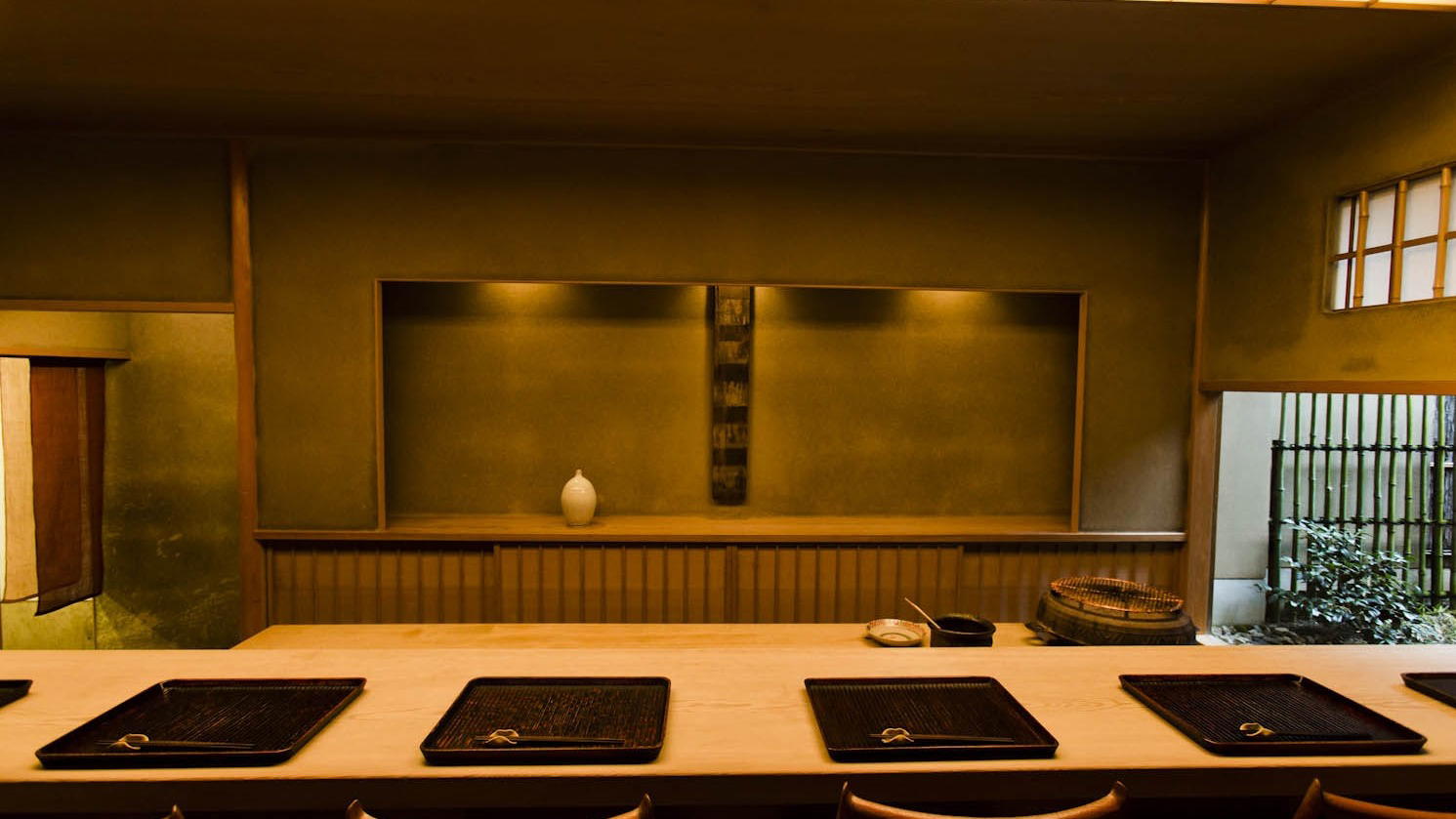
Relaxing and spacious counter seating in a traditional setting with notable personal service from a husband-and-wife team.