
Michelin Plate
Our verdict
A Michelin Plate-recognised Japanese restaurant in Kyoto's Nakagyo Ward, Jikon Hiratate takes its name from a philosophy of present-moment intention and applies it to seasonal ingredients presented through straightforward, creative combinations. The proprietor opens each meal with a selection of seasonal recommendations before guests order freely.

Pearl is the En Primeur Club membership app, where members save venues, book tables and use the concierge.
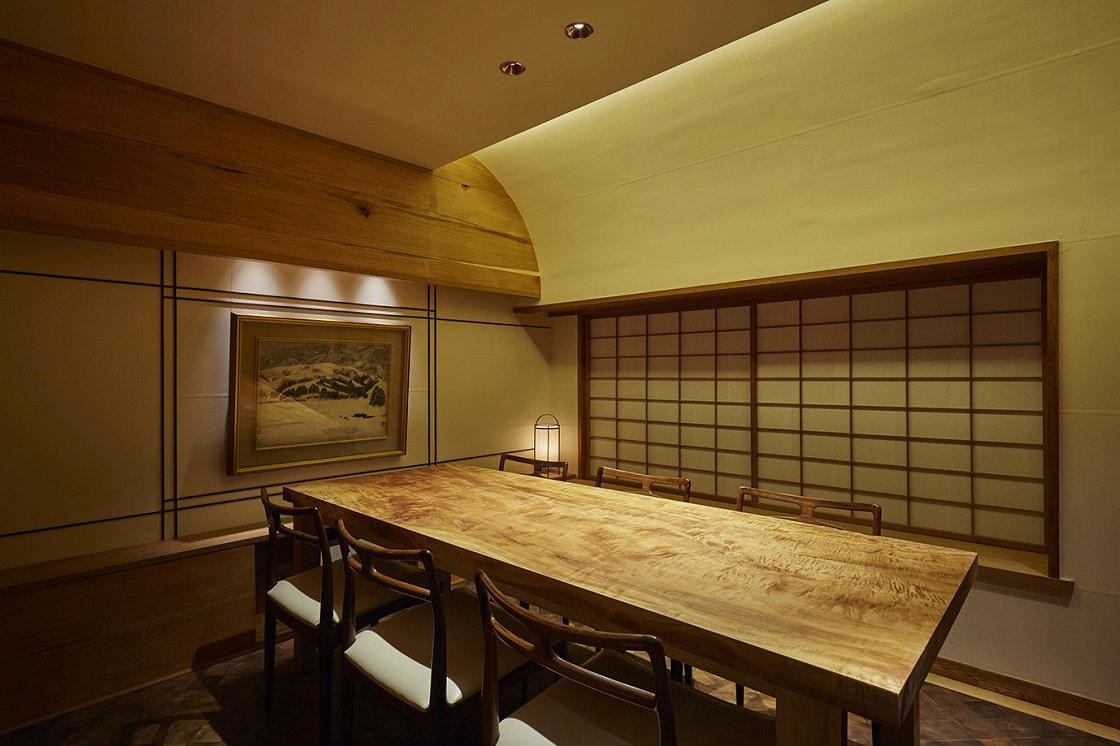
The Room, the Rhythm, the Intention
In Nakagyo Ward, where Kyoto's commercial centre quietly gives way to residential streets and low-slung storefronts, a particular kind of Japanese dining still operates on principles that predate the omakase boom: the proprietor speaks first, the season is declared, and only then does the guest decide. Jikon Hiratate, occupying the ground floor of the Raft Goshominami building on Shoshoiotabicho, is the kind of place where that sequence feels deliberate rather than ceremonial. The name itself telegraphs the approach: jikon translates loosely as 'live with all your heart in this moment', and the restaurant treats that as a structural idea rather than a decorative one.
Kyoto's mid-range Japanese dining tier sits at ¥¥¥ and is more varied than it first appears. The city's kaiseki tradition dominates at the higher end, with venues like Kenninji Gion Maruyama and Kikunoi Roan anchoring that lineage, while others such as Isshisoden Nakamura and Gion Matayoshi carry their own distinct interpretations of Japanese form. Jikon Hiratate operates in a different register: less ceremony-bound, more interactive at the point of ordering, and with a menu architecture that treats the guest's engagement as part of the meal's structure rather than a formality before it begins.
How the Meal Unfolds
The format at Jikon Hiratate is not omakase in the strict sense, nor is it a fully à la carte operation. The proprietor opens the encounter by presenting seasonal recommendations, articulating what has been sourced and why it is worth eating now. This functions as both context and invitation: the guest is briefed before they choose, which reverses the typical restaurant dynamic where the menu arrives cold and anonymous.
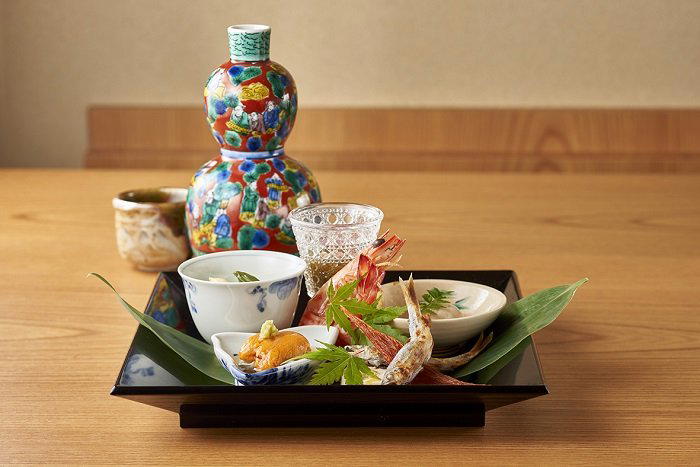
After that initial orientation, guests order the items they want, building their own progression from the seasonal edit on offer. This is a structure that places weight on the opening exchange, because what the proprietor chooses to highlight frames everything that follows. The kitchen's stated approach is to ground itself in fundamentals while finding its expression through ingredient combinations rather than technique-forward transformation. A pairing of fruits with white sesame seeds, tofu, and miso illustrates the approach: the creativity is lateral rather than vertical, finding interest in what sits alongside what rather than in how dramatically a single ingredient is altered.
In the wider context of Kansai dining, this positioning is worth noting. At the three-star level, HAJIME in Osaka represents the technically ambitious extreme. Jikon Hiratate occupies the opposite end of the intervention spectrum, where restraint in technique amplifies the ingredient itself. The opening conversation gives the meal a collaborative character, shaping expectations for what follows.
Seasonal Logic as the Menu's Architecture
Kyoto's dining calendar is governed by seasonal availability more strictly than in most Japanese cities, partly because the kaiseki tradition codified that relationship over centuries. At Jikon Hiratate, the menu listing of carefully selected ingredients is treated as a primary document rather than supplementary text. Ingredients are named and sourced with specificity, and the proprietor's opening recommendations are tied to what is at its moment of peak availability.
This approach creates a meal that reads differently across the year. A diner visiting in early spring encounters a different set of seasonal anchors than one visiting in late autumn, and the combinations shift accordingly. For comparison, Kodaiji Jugyuan also works within Kyoto's seasonal grammar, as does the kaiseki framework more broadly. Jikon Hiratate's distinction is in its interactive ordering model, which gives the seasonal logic a participatory character: the guest chooses which part of the season they want to eat, rather than receiving it as a fixed sequence.
Across Japan, this kind of mid-range seasonal Japanese dining has analogues in several cities. Myojaku in Tokyo and Azabu Kadowaki work within similar traditions at different price points, while akordu in Nara and Goh in Fukuoka represent how seasonal Japanese logic translates across regions.
Where It Sits in Kyoto's Mid-Range
The ¥¥¥ price tier in Kyoto spans a wide range of cuisines and approaches. Italian-influenced venues like cenci hold a Michelin star at this price point, while Chinese operators such as Kyo Seika have also attracted recognition. Jikon Hiratate's Michelin Plate status places it among restaurants the guide considers worth noting without yet conferring a star, a position that in Kyoto's crowded mid-range means it is drawing inspector attention without having yet satisfied all the criteria for starred elevation.
For a dining city as competitive as Kyoto, that distinction still carries practical weight. Restaurants at this level tend to attract a local clientele alongside international visitors who have done their research beyond the starred lists.
Diners exploring the broader Kansai region can cross-reference with 1000 in Yokohama and 6 in Okinawa for how Japanese dining formats adapt to different geographies and guest expectations.
Planning Your Visit
Know Before You Go
- Location: Raft Goshominami 1F, Shoshoiotabicho 352-1, Nakagyo Ward, Kyoto
- Price range: ¥¥¥
- Recognition: Michelin Plate 2024 and 2025
- Format: Proprietor-led seasonal presentation followed by guest ordering
- Booking: Contact the restaurant directly for booking details.
- Further reading: Our full Kyoto experiences guide
Frequently asked questions
Where is Jikon Hiratate in Kyoto?
Jikon Hiratate is located at Japan, 〒604-0873 Kyoto, Nakagyo Ward, Shoshoiotabicho, 352-1 ラフト御所南 1F, Kyoto.
What kind of cuisine does Jikon Hiratate serve?
Jikon Hiratate is a Japanese restaurant.
How much does it cost to eat at Jikon Hiratate?
Pricing at Jikon Hiratate is listed as ¥¥¥.
Budget and Context
| Venue | Cuisine | Price | Awards | Notes |
|---|---|---|---|---|
| Jikon HiratateThis venue (the venue you are viewing) | Modern Japanese Fine Dining | $150–200 | Michelin Plate | Not listed |
| Gion Sasaki | Modern Kaiseki | $300–500 | 3 Michelin Stars · La Liste Top Restaurants | Kaiseki, Japanese |
| cenci | Innovative Italian-Japanese Fusion | $100–150 | 1 Michelin Star · World's 50 Best #76 | Italian |
| Ifuki | Sumibi Kappo Kaiseki | $200–300 | 2 Michelin Stars · La Liste Top Restaurants | Kaiseki |
| Kyokaiseki Kichisen | Kyoto Kaiseki | $200–300 | 2 Michelin Stars · La Liste Top Restaurants | Japanese |
| Kyo Seika | Modern Chinese Fine Dining | $150–200 | 1 Michelin Star · Tabelog Bronze #216 | Chinese |
Recognition history
Dated appearances from independent guides and award organizations, with the underlying list record or original source where available.
Michelin Plate
Michelin
Full recognition history (3 entries)
Michelin Plate
Michelin
Michelin Plate
Michelin
Continue exploring
More in Kyoto
Restaurants in Kyoto
All restaurants in Kyoto →

Bars in Kyoto
All bars in Kyoto →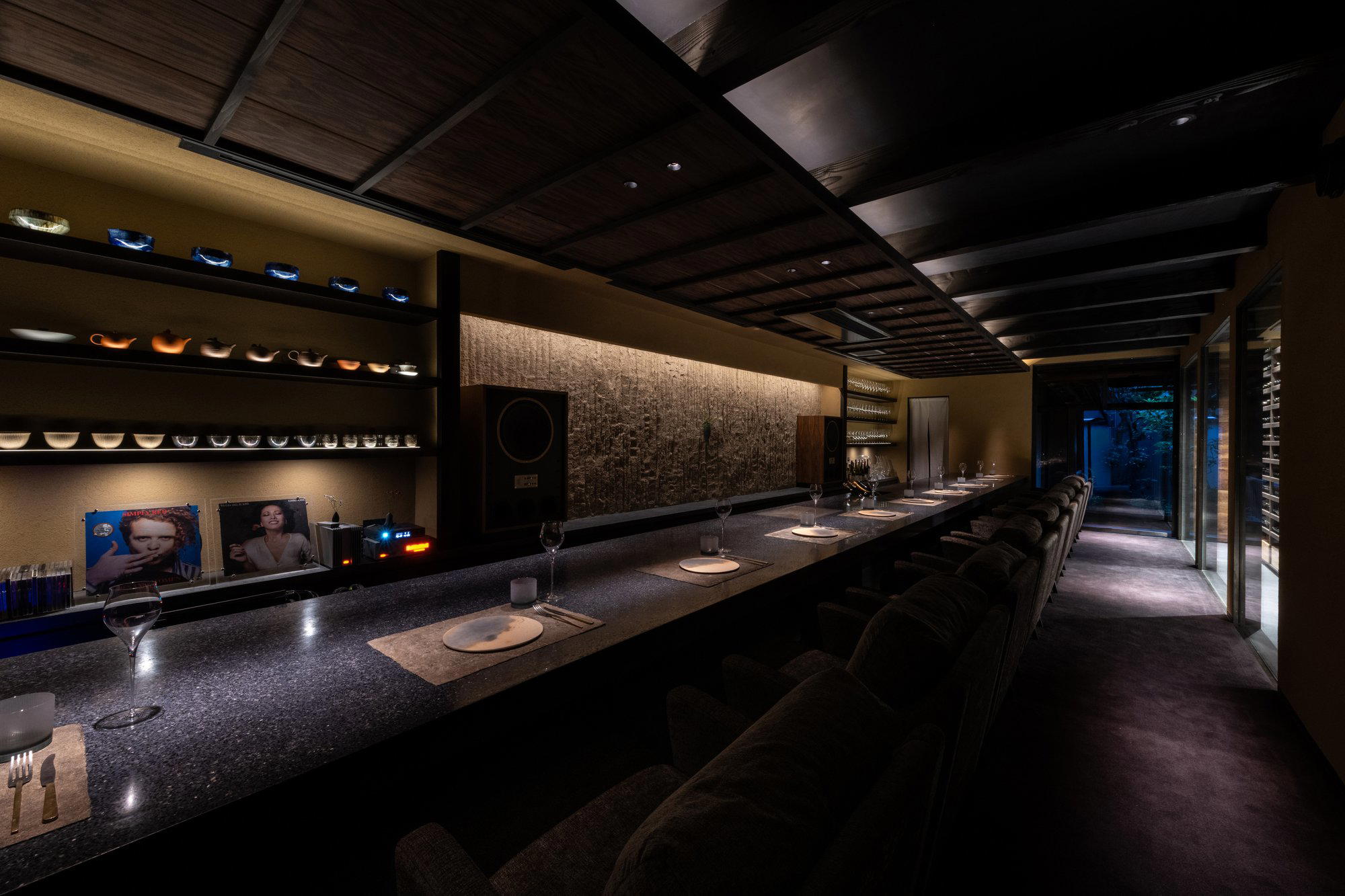
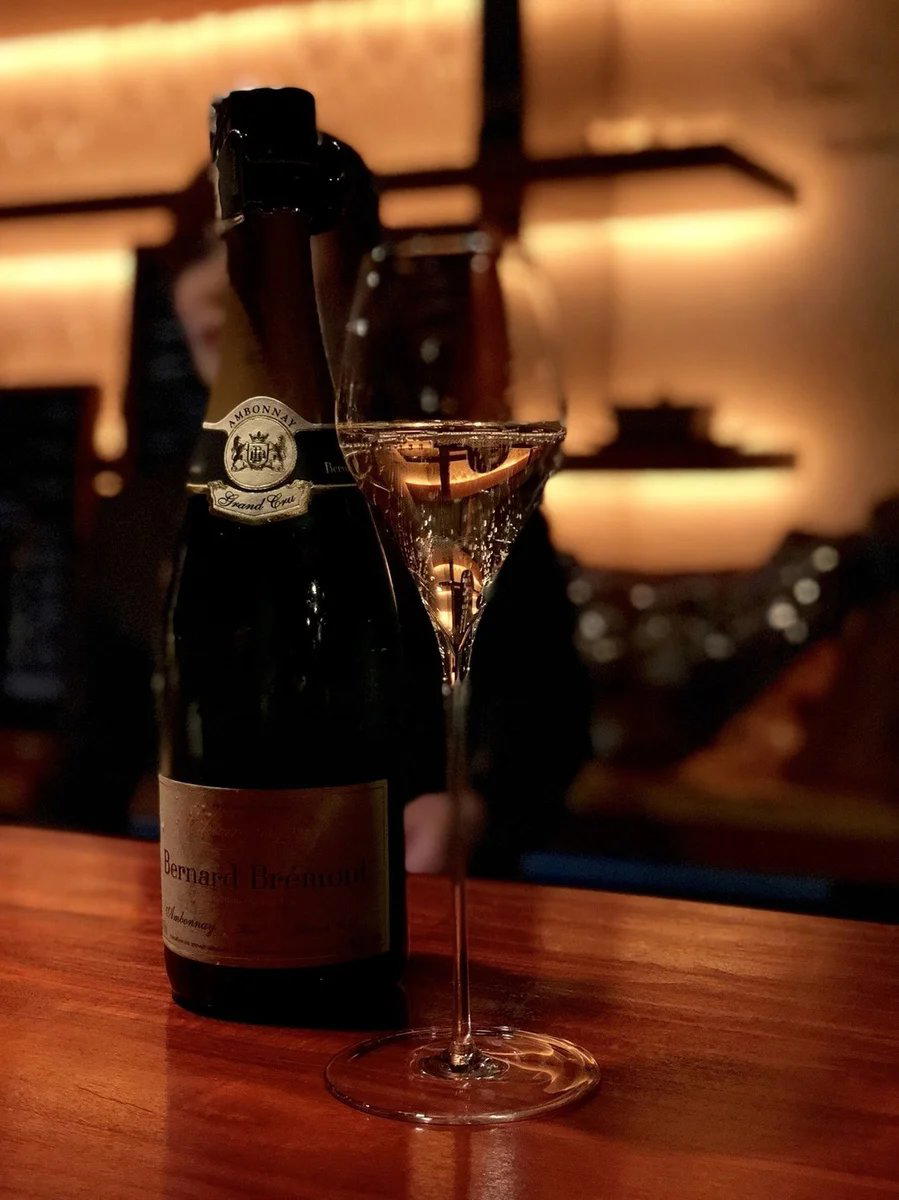
Hotels in Kyoto
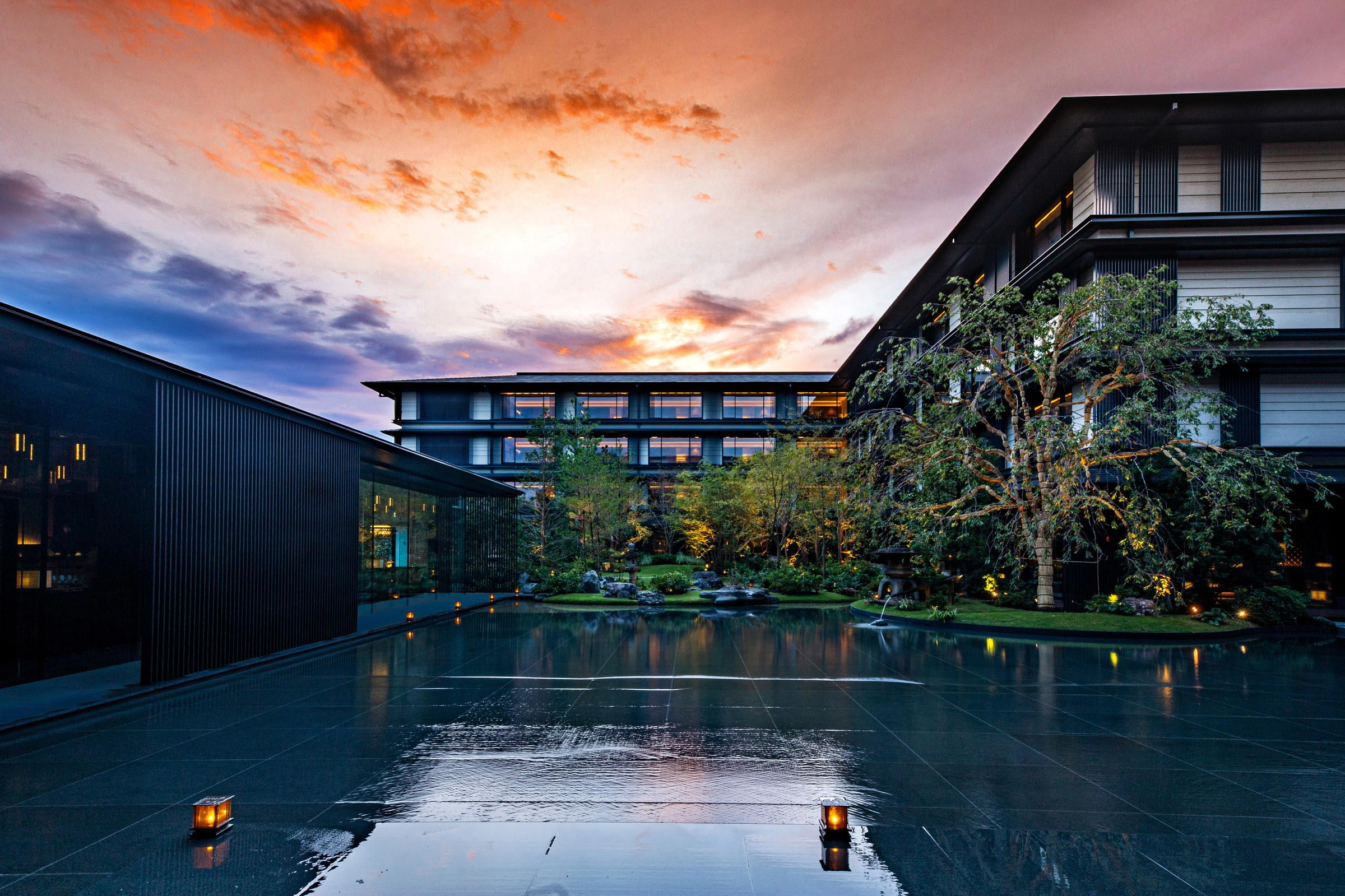
All hotels in Kyoto →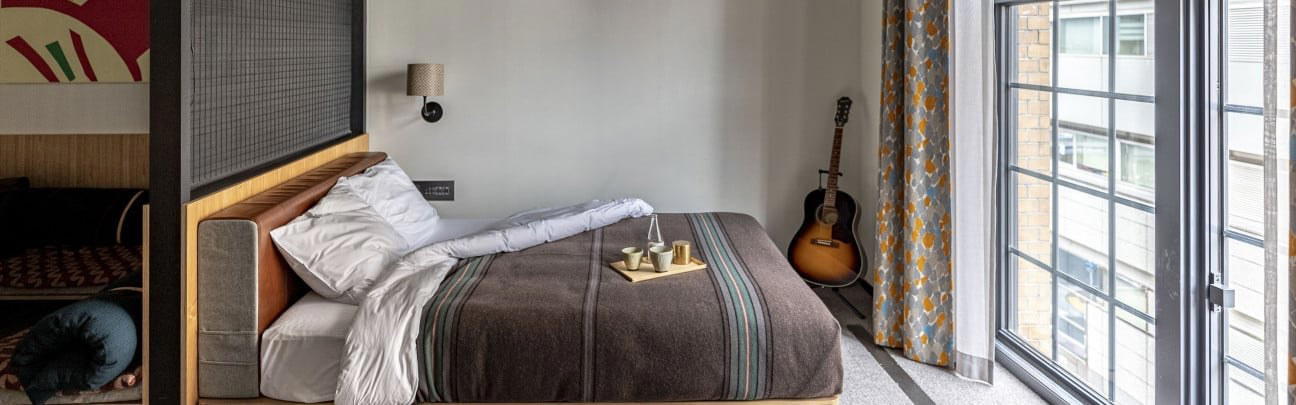
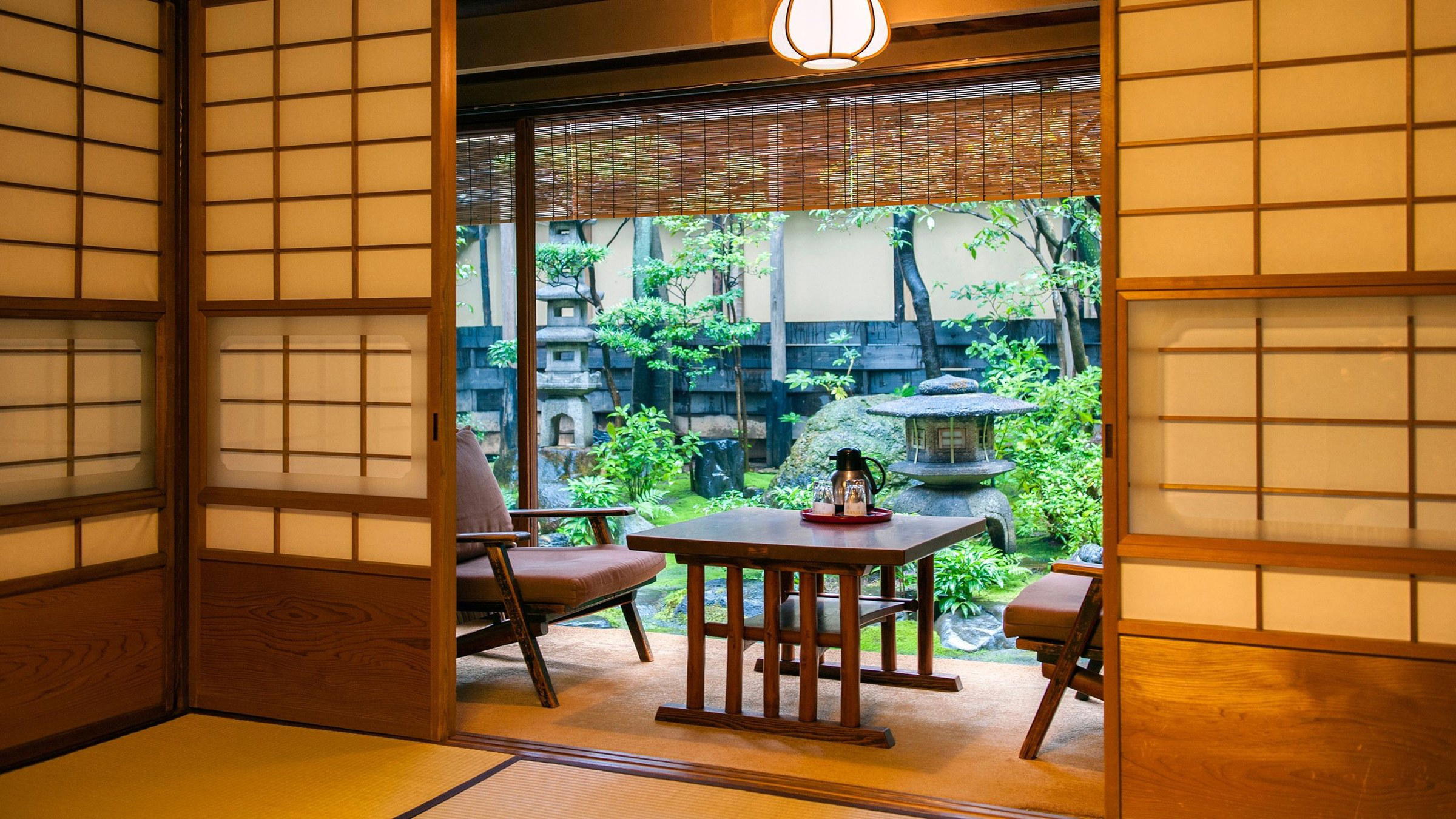
Wineries in Kyoto
Browse all →
Details
- Intimate
- Cozy
- Elegant
- Sophisticated
- Date Night
- Special Occasion
- Chefs Counter
- Sake Program
- A La Carte
- Omakase
- Set Menu
- Sake
Current opening hours
- Monday
- Closed
- Tuesday
- 5–10 PM
- Wednesday
- 5–10 PM
- Thursday
- 5–10 PM
- Friday
- 5–10 PM
- Saturday
- 3–10 PM
- Sunday
- 3–10 PM
Hours can change for holidays and private events. Hours as of .
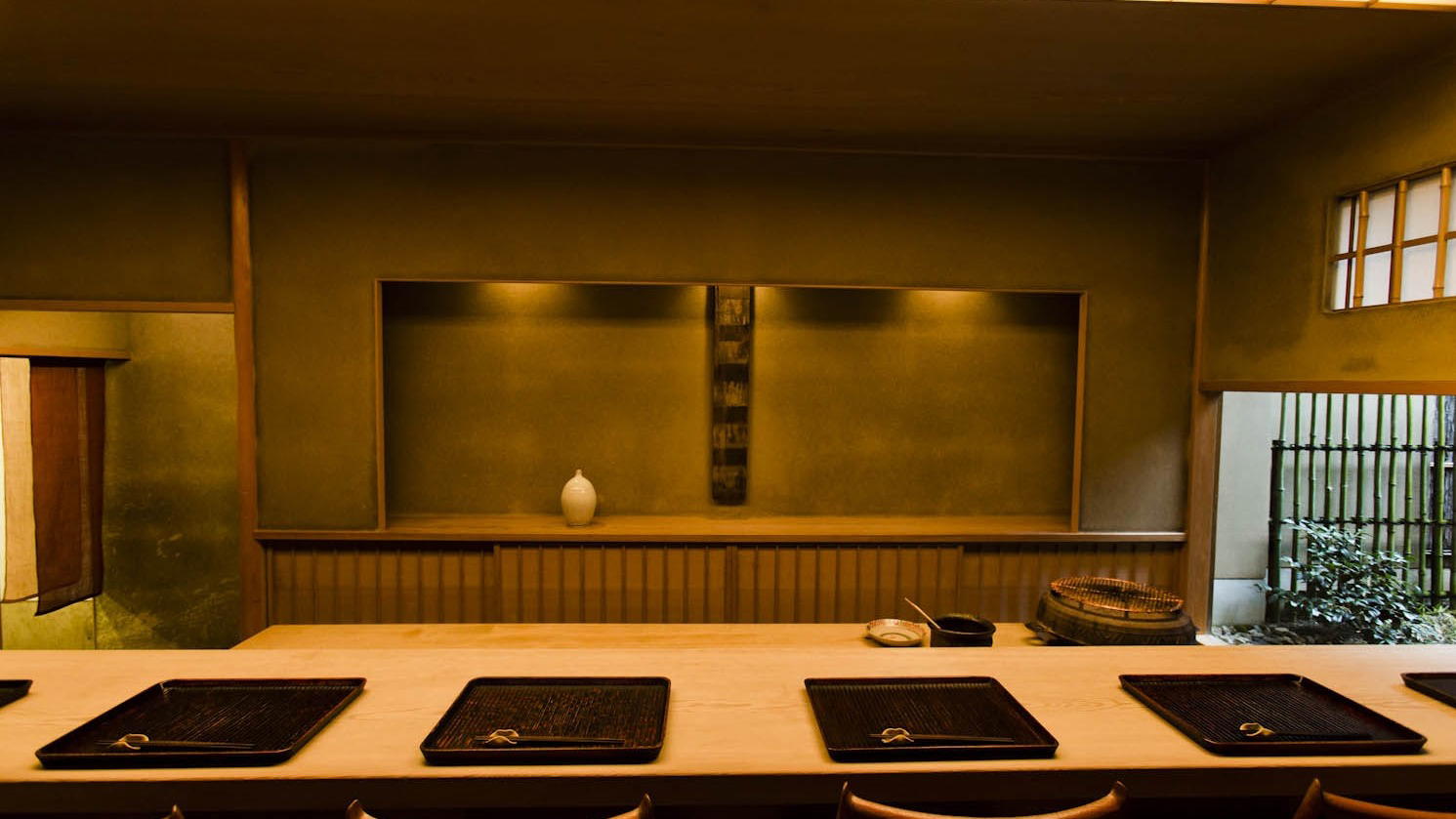
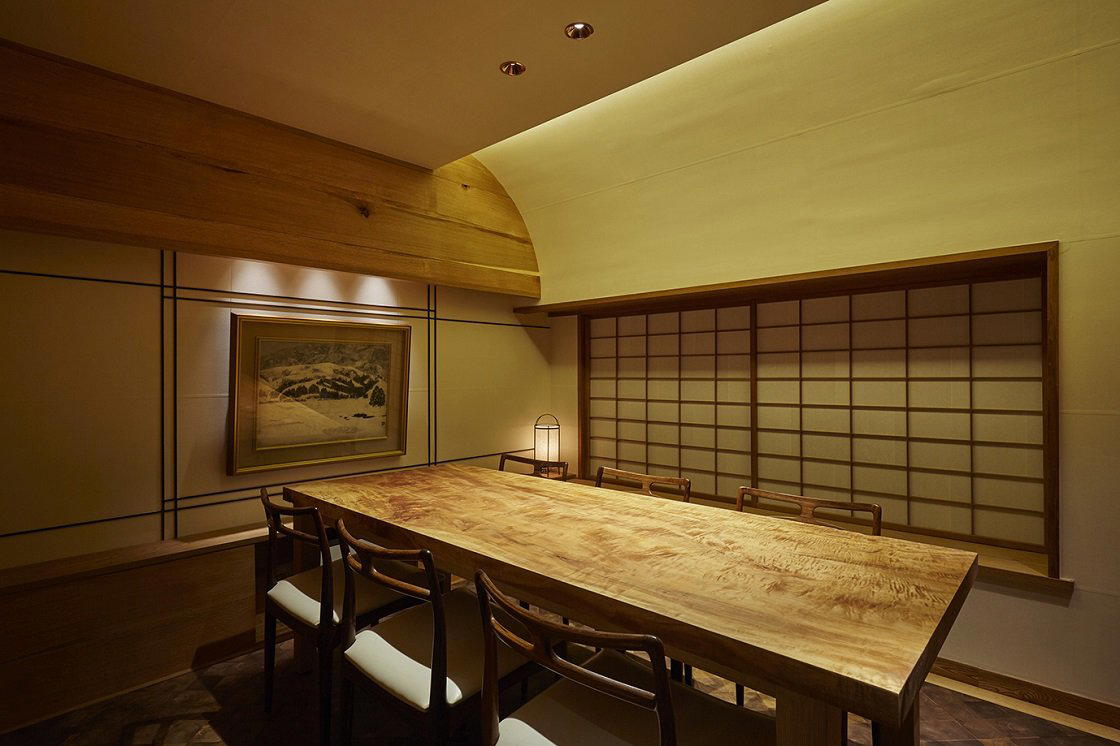
Calm and relaxed atmosphere in a quiet residential area with shoes removed at entrance, cozy counter seating, and semi-private options.