Jinju Jip

Jinju Jip occupies a first-floor address in Seoul's Yeongdeungpo District, placing it inside the financial corridor rather than the usual dining enclaves of Gangnam or Jongno. The venue draws attention as a neighbourhood-specific Korean table with a local following that operates somewhat apart from the city's more publicised fine-dining circuit. For visitors building a Seoul itinerary, it represents the kind of address that rewards research over stumbling upon it.
Pearl is the En Primeur Club membership app — saves, bookings, and concierge access live there. Same editors, same standards.
- Address
- South Korea, Seoul, Yeongdeungpo District, Gukjegeumyung-ro 6-gil, 33 ì§í 1층
- Phone
- +8227806108
- Directions
- Get directions
 Saves & bookings on Pearl
Yeongdeungpo and the Question of Where Seoul Actually Eats
Seoul's restaurant conversation tends to collapse around a handful of postcodes: the Gangnam corridors where Mingles and Jungsik anchor the fine-dining tier, the Bukchon lanes where heritage Korean formats cluster, and the Itaewon strip where international influence has long concentrated. Yeongdeungpo sits outside that circuit. It is Seoul's principal financial district, a zone of glass towers, department stores, and subway interchange crowds, and it does not appear on most visitors' dining maps. That displacement is precisely why addresses like Jinju Jip warrant attention. The venues that survive in transactional, office-dense neighbourhoods without the foot traffic of a dining destination tend to carry a regulars-first logic that is harder to engineer than any tasting menu concept.
The Booking Reality: An Address That Does Not Chase Visitors
The editorial angle on Jinju Jip is fundamentally a logistical one. The venue holds no publicised website, no listed phone contact, and no English-language booking infrastructure in the available record. That is not unusual for a certain class of Korean neighbourhood restaurant — places with established lunch and dinner crowds that have never needed to market outward. What it means practically is that a visitor arriving without a Korean-speaking contact or a local fixer is working against the grain of how the restaurant functions. This is worth stating plainly before any discussion of the food.
Seoul's contemporary fine-dining tier — venues like Kwonsooksoo, Soigné, and alla prima, has built booking systems calibrated to international visitors, with English interfaces and advance reservation windows of weeks to months. Jinju Jip operates in a different register. The lack of booking infrastructure is a signal about its primary audience: the Yeongdeungpo office worker, the returning local, the person for whom showing up is sufficient. For everyone else, preparation matters more than spontaneity.
The practical approach, if Jinju Jip is a deliberate target, is to engage your hotel concierge or a Seoul-based contact before arrival. Naver Map, Korea's dominant local mapping and review platform, tends to hold more current operational information for venues of this type than Google or international travel databases. Cross-referencing both is a reasonable starting point. Walk-in is possible at venues like this but carries obvious risk during peak lunch hours in a financial district, when covers turn quickly and local regulars have the advantage of familiarity.
Yeongdeungpo's Place in Seoul's Broader Dining Geography
Understanding where Jinju Jip sits physically also clarifies its competitive context. Yeongdeungpo is not a neighbourhood that supports the kind of premium, experience-forward Korean dining found at Jungsik or the conceptually driven formats of venues like Zero Complex or 7th Door. The district's dining gravitates toward volume, reliability, and value per cover, the pragmatics of a working lunch culture. Korean addresses in this tier often carry deep specialisation: a single protein, a dominant technique, a dish that has not changed in decades because it does not need to. That kind of disciplined focus is a different achievement than seasonal menu rotation, and it deserves to be assessed on its own terms.
Comparable neighbourhood-anchored Korean addresses elsewhere in the country, from the galbi houses of Suwon, such as Gobojeong Galbi and Doosoogobang, to the regional specialists of Jeju and Gyeongju, share this characteristic: the restaurant is not performing for the visitor, it is serving its community. The visitor who understands that dynamic is better placed to appreciate what they find.
What the Address Signals About the Experience
Jinju Jip's Gukjegeumyung-ro address puts it on the street-level fringe of the International Finance Centre development, which concentrates significant corporate dining demand within a few blocks. First-floor restaurant positions on side streets in these zones typically run a lunch-heavy operation with a strong regulars base and a dinner service that is quieter and more accessible. That pattern does not hold universally, but it shapes reasonable expectations about when to visit and what register of experience to anticipate: functional, unpretentious, and calibrated to Korean appetites rather than international ones.
For visitors who have spent time at the polished end of Seoul's Korean dining circuit, a venue like Jinju Jip offers a different reference point, less compositional, more direct. The contrast is useful. Korean dining at its most refined, as represented globally by venues like Atomix in New York, draws heavily on classical Korean foundations before reinterpreting them through a contemporary lens. The neighbourhood originals that supply those foundations are worth encountering on their own terms, not only as backstory.
Korea Beyond Seoul: Building the Wider Picture
Visitors constructing a longer Korean itinerary will find that the neighbourhood-dining logic applies across the country. In Busan, Mori represents a different local register. In Jeju, the BBQ tradition runs through addresses like 88돼지 and Black Pork BBQ, while the island's quieter dining side shows through places like Badang Lounge and Hinode. Gyeongju carries its own thread, from the heritage baking of Hwangnam Bread to the bean-broth simplicity of Gyeongju Wonjo Kongguk. In Busan's more formal dining context, Dining Room occupies a different position. Seen together, these addresses sketch a Korean dining culture that extends well beyond the Michelin map. Our full Seoul restaurants guide provides the broader orientation for planning within the capital itself.
Planning a Visit: What to Know Before You Go
The venue is located at Gukjegeumyung-ro 6-gil 33, first floor, in Seoul's Yeongdeungpo District, accessible via Yeouido or Yeongdeungpo stations on Lines 5 and 9, which make the area direct to reach from most parts of Seoul. No booking method, operating hours, price range, or seat count appears in the available information. That absence of data is itself informative: Jinju Jip does not maintain the kind of digital profile that most internationally-oriented restaurants invest in. Visiting during off-peak hours on a weekday reduces the risk of a wasted trip. A phone inquiry via Naver Map's listed contact, if available at the time of travel, is the most reliable pre-visit step. Dress code is unpublished and, given the neighbourhood context, almost certainly casual. Carry cash as a fallback, since card acceptance at this type of venue is not confirmed.
Recognition history
Dated appearances from independent guides and award organizations, with the underlying list record or original source where available.
Opinionated About Dining Casual in Asia Highly Recommended
Opinionated About Dining
Continue exploring
More in Seoul
Restaurants in Seoul
Browse all →
At a Glance
- Classic
- Well Known
- Casual Hangout
- After Work
- Standalone
- Local Sourcing
Current opening hours
- Monday
- 10 AM–8 PM
- Tuesday
- 10 AM–8 PM
- Wednesday
- 10 AM–8 PM
- Thursday
- 10 AM–8 PM
- Friday
- 10 AM–8 PM
- Saturday
- 10 AM–7 PM
- Sunday
- Closed
Hours can change for holidays and private events. Last verified .
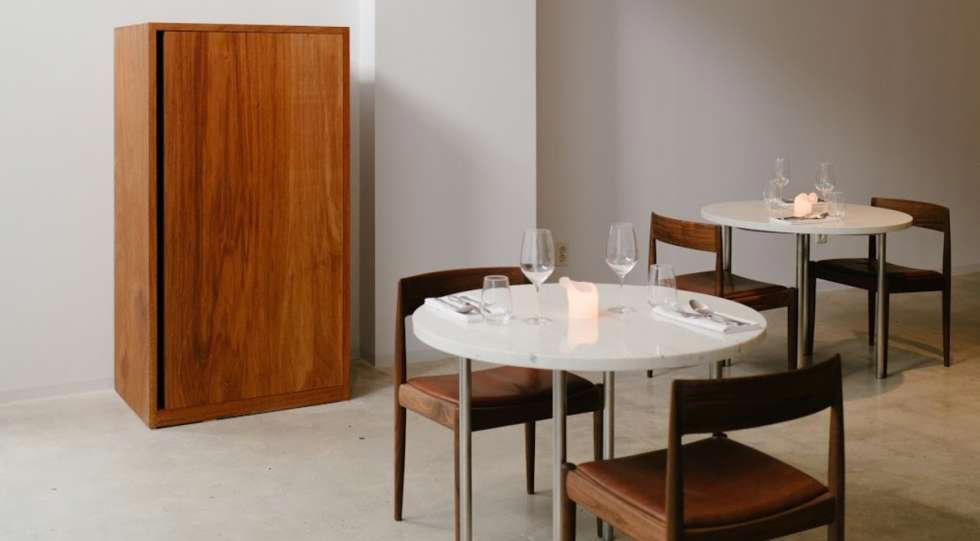
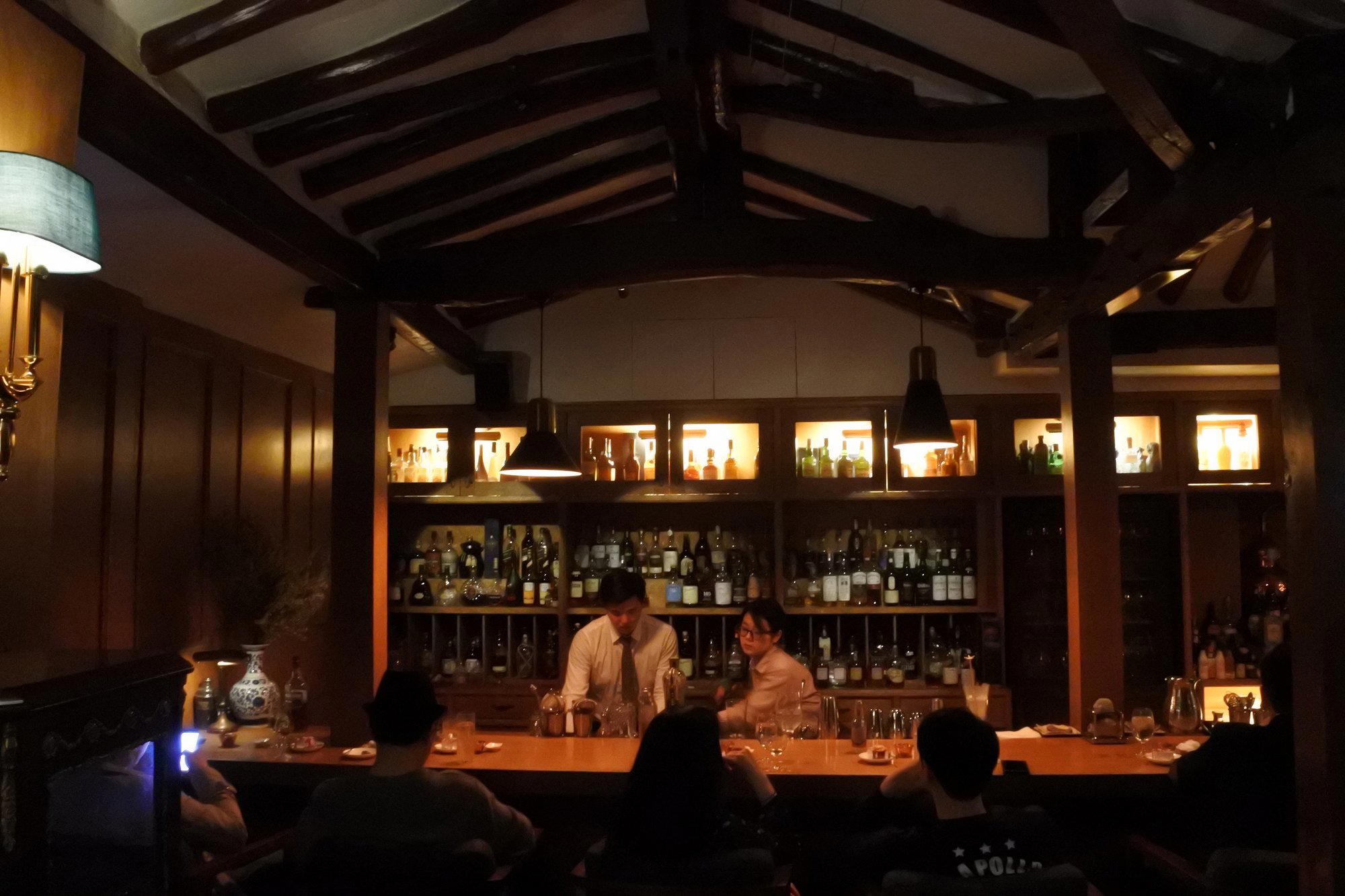
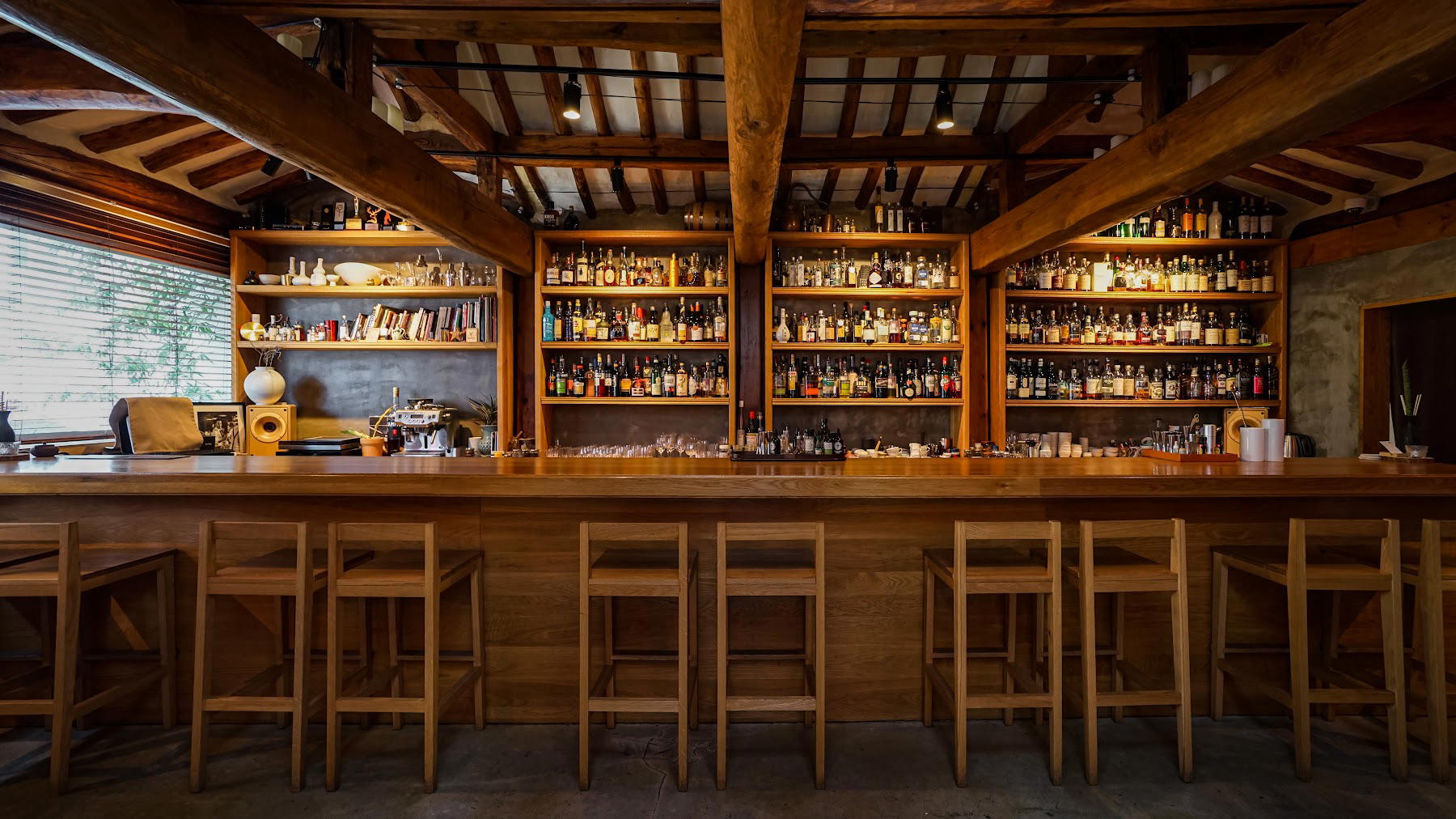
Humble and spacious interior with a casual, no-frills atmosphere; popular with local office workers and tourists seeking authentic Korean comfort food.
Know Before You Go
- Getting there
- South Korea, Seoul, Yeongdeungpo District, Gukjegeumyung-ro 6-gil, 33 ì§í 1층