Gogung Myeongdong
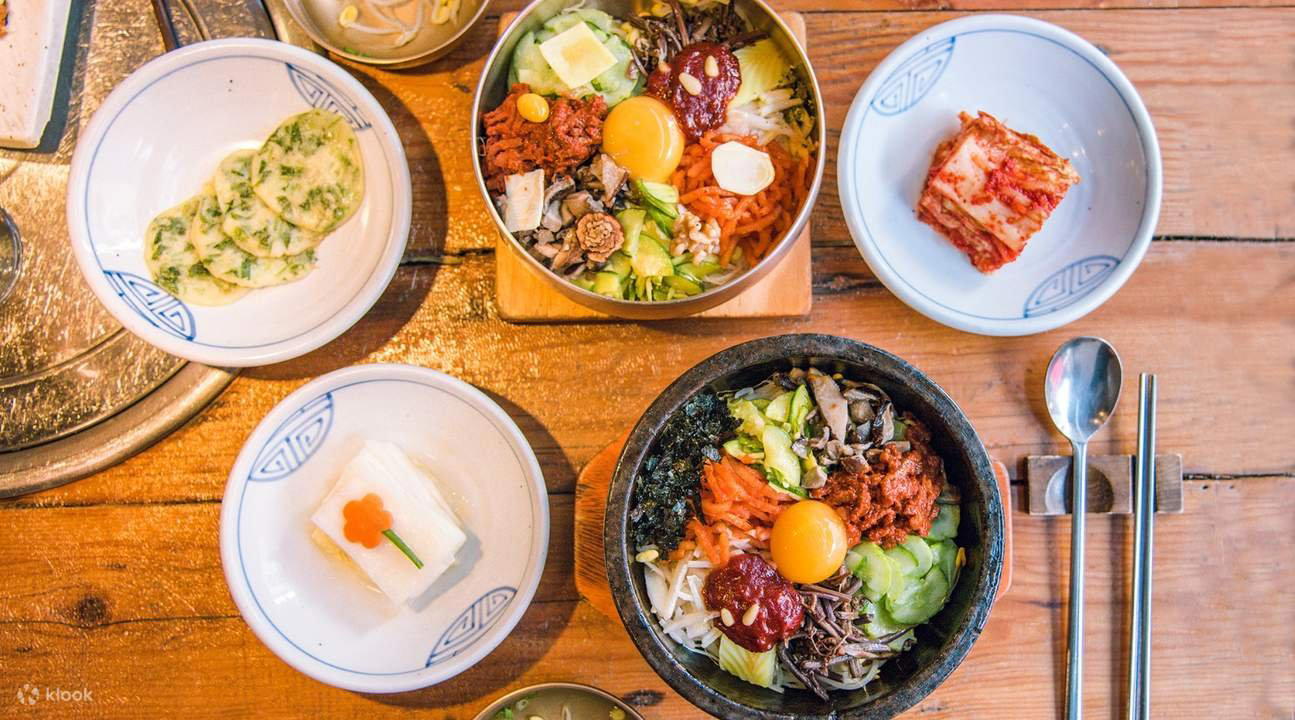
Gogung Myeongdong sits in the commercial heart of one of Seoul's most visited districts, offering a reference point for royal court cuisine in a neighbourhood better known for street food and fast fashion. Where Myeongdong pulls tourists with speed and volume, Gogung anchors a slower, more structured Korean dining tradition. It represents the accessible end of the hansik spectrum without sacrificing the ceremonial logic that defines the format.
- Address
- 27 Myeongdong 8ga-gil, Jung District, Seoul, South Korea
- Phone
- +82 2 776 3211
- Directions
- Get directions
Myeongdong's Unlikely Anchor for Korean Court Dining
Myeongdong operates at a pace that most restaurants find punishing. The district runs on turnover: cosmetic shops cycling through foot traffic, street stalls trading on impulse, and restaurants built around the logic of the lunch rush rather than the long table. Against that backdrop, a restaurant committed to the structures of Korean royal court cuisine, gungjoong yori, reads almost as a counter-programme. Gogung Myeongdong is a restaurant in Seoul's Jung District, serving Traditional Jeonju Bibimbap at 27 Myeongdong 8ga-gil.
That tension between location and format is worth understanding before you arrive. Court cuisine fills that role in a way that contemporary tasting menus at venues like Mingles or Jungsik (Contemporary) do not.
The Format: What Royal Court Cuisine Actually Means
Korean royal court cuisine, as codified from the Joseon period, operates on principles of balance and ceremony that are distinct from both the banchan-heavy spreads of everyday Korean dining and the tasting-menu architecture now common at Seoul's premium restaurants. A full court meal traditionally presents dishes across a structured progression, with attention to colour, temperature, and the symbolic registers of specific ingredients. The format was developed to reflect the health philosophy of the court and the agricultural abundance of the peninsula, and it demands a kitchen capable of executing a wide variety of preparations simultaneously.
What this means in practice for the diner is a meal that reads differently from a Western tasting menu and differently from a standard Korean restaurant. The visual density of a properly set court table is considerable: multiple small vessels arranged with deliberate logic. For visitors unfamiliar with the tradition, it can feel overwhelming; for those who take time to understand the structure, it is one of the more coherent ways to read Korean culinary history in a single sitting. Kwonsooksoo and 권숙수 - Kwon Sook Soo in Gangnam-gu represent particularly awarded expressions of refined Korean cuisine in the city. Gogung Myeongdong offers a casual, recommended-place option for this style of dining in central Seoul.
Where Gogung Sits in the Seoul Hansik Conversation
Seoul's premium Korean dining tier has compressed significantly over the past decade. The addresses that now occupy the leading bracket, receiving international press attention and Michelin recognition, tend to operate in Gangnam, Jongno, or Itaewon rather than Myeongdong. Soigné and alla prima both work in the innovative category, pushing Korean ingredients into contemporary formats. Kwonsooksoo and 권숙수 - Kwon Sook Soo anchor the refined traditional end. Gogung's positioning in Myeongdong places it outside that competitive cluster geographically, which changes its function in the Seoul dining map.
Korean royal cuisine traditions have parallels in the temple food circuit, where venues like Baegyangsa Temple in Jangseong-gun offer a vegetarian, spiritually rooted variant of the same discipline around restraint and seasonal ingredient logic. Further afield, the Injegol in Inje County represents the mountain-region expression of Korean table tradition, where the ingredient set narrows dramatically and the focus shifts to foraged and fermented goods. Understanding Gogung in that constellation helps: it is not especially refined node in the network, but it is among the more geographically convenient entry points to court cuisine in central Seoul. Mori in Busan and Double T Dining in Gangneung.
Planning Your Visit
Myeongdong's density works in the visitor's favour for logistics. The Jung District address is reachable via Myeongdong station on Line 4, and the area concentrates enough hotels that many guests will be within walking distance. The neighbourhood is busiest on weekends and during peak tourist seasons, particularly spring and autumn, when the combination of pleasant weather and major Korean public holidays drives significant foot traffic. Arriving outside peak meal hours, particularly for early lunch, tends to reduce both street-level congestion and in-restaurant wait times. For travellers building a broader Seoul itinerary, the full Seoul restaurants guide maps the city's dining geography across neighbourhoods and price tiers. Those crossing into Jeju for a leg of the trip will find relevant context at Cheon Jee (천지) and 더 플라잉 호그 - The Flying Hog in Seogwipo, both operating in different registers from court cuisine but useful anchors for the island's dining character.
Paris has its grande cuisine institutions; Tokyo has kaiseki; New York has venues like Le Bernardin holding the classical French line in a city that often runs toward novelty. Seoul's court cuisine restaurants occupy a comparable position: they are formal, deliberate, and rooted in a codified historical tradition that modern creative cooking draws from but does not replace. Lazy Bear in San Francisco represents a completely different logic, where the communal and the theatrical structure the experience.
A Lean Comparison
Comparable venues nearby, for context on price, style, and recognition.
| Venue | Cuisine | Price | Notes |
|---|---|---|---|
| Gogung MyeongdongThis venue — the venue you are viewing | 소공동, Traditional Jeonju Bibimbap | $$ | Not listed |
| Hyodo Chicken | Jongno-gu, Korean Fried Chicken | $$ | Not listed |
| 태조감자국 | Not listed | $$ | Dongseon-dong / Seongbuk-gu, Traditional Korean Gamjatang |
| Wangbijib (왕비집) | Myeongdong, Traditional Korean BBQ | $$ | Not listed |
| 진전복삼계탕 신사직영점 | Not listed | $$ | Sinsa-dong, Premium Abalone Ginseng Chicken Soup |
| Wonhalmae Somunnan Wonjo Dakhanmari | Not listed | $$ | Dongdaemun, Traditional Korean Dakhanmari |
Continue exploring
More in Seoul
Restaurants in Seoul
Browse all →
At a Glance
- Classic
- Cozy
- Casual Hangout
- Family
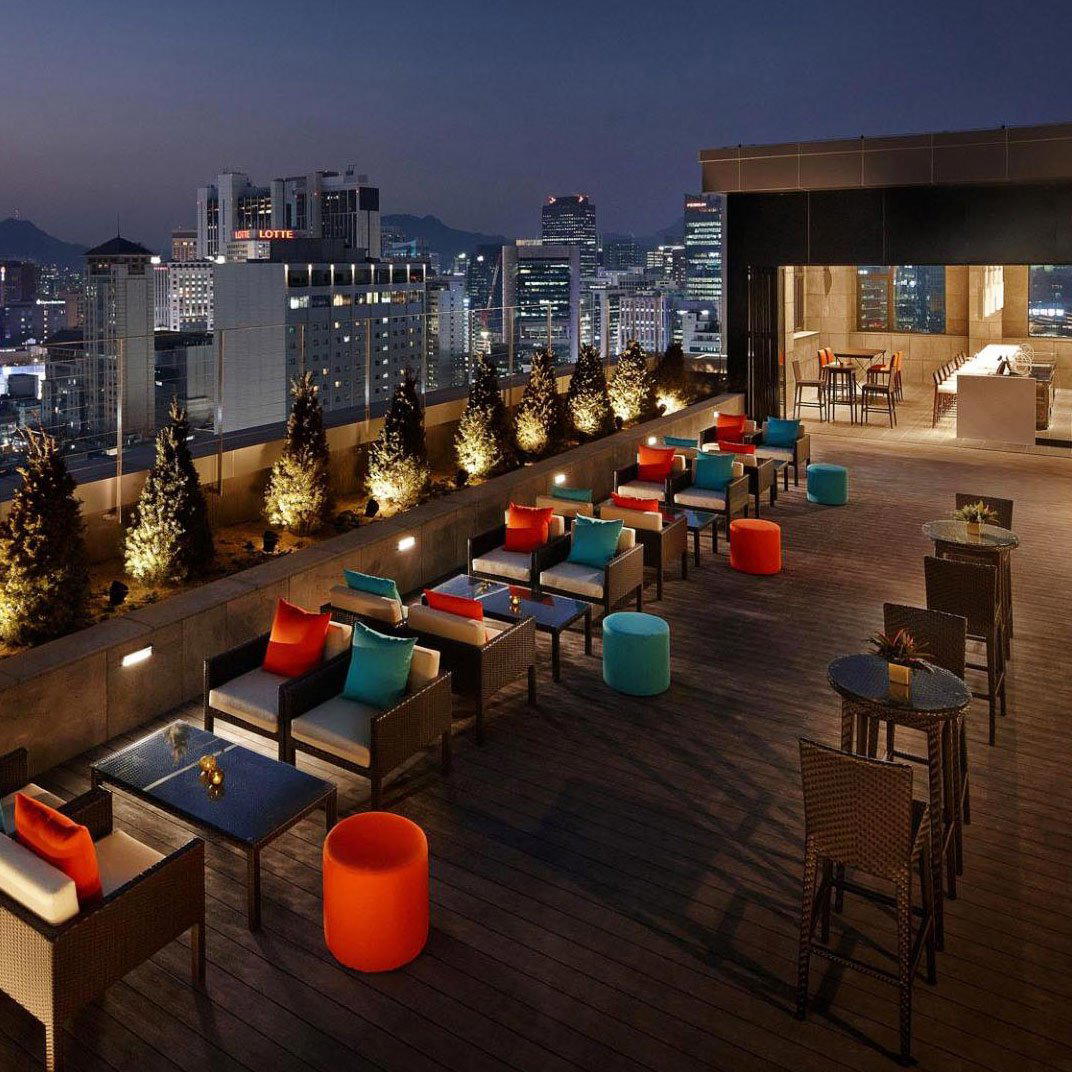
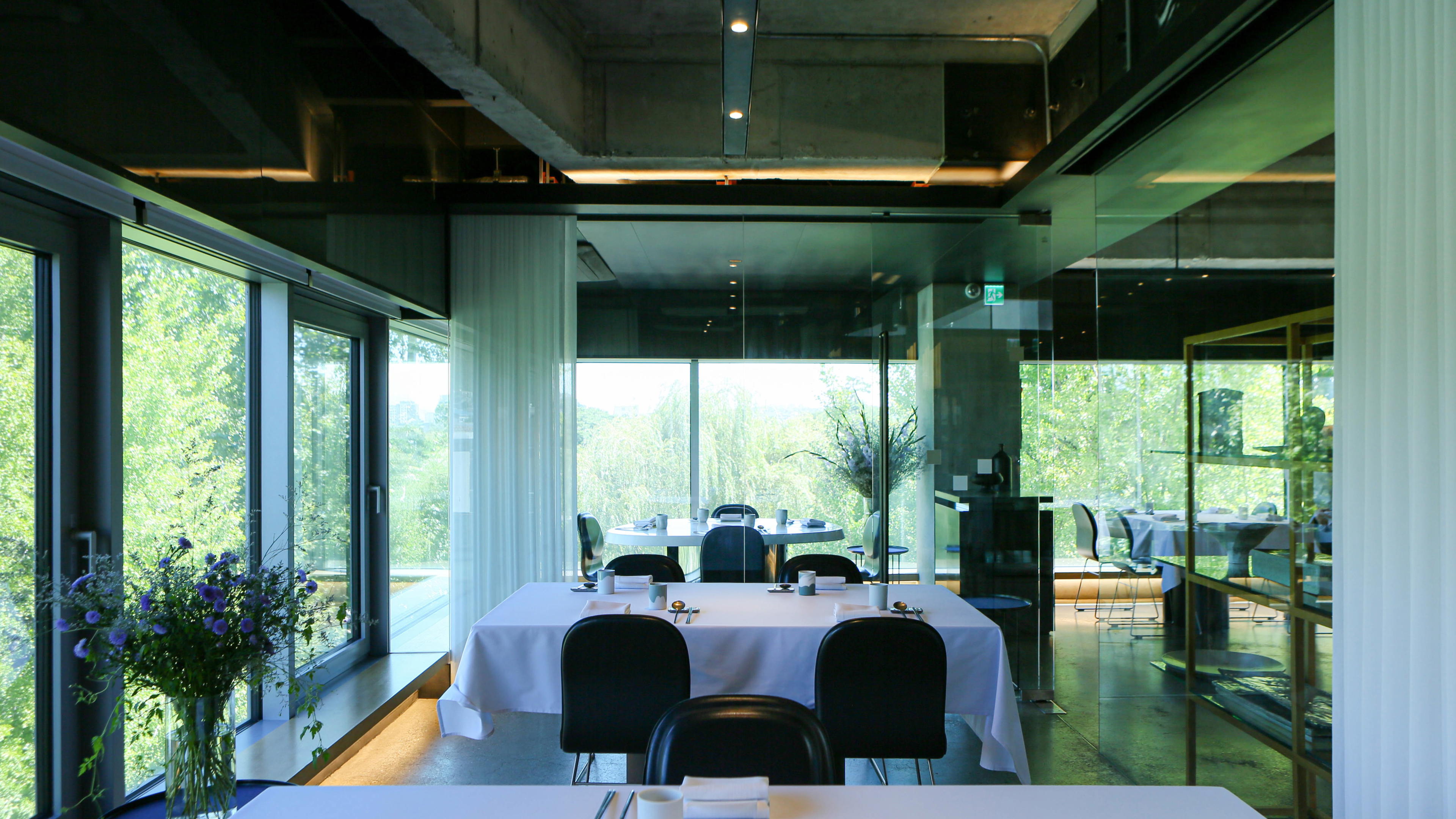
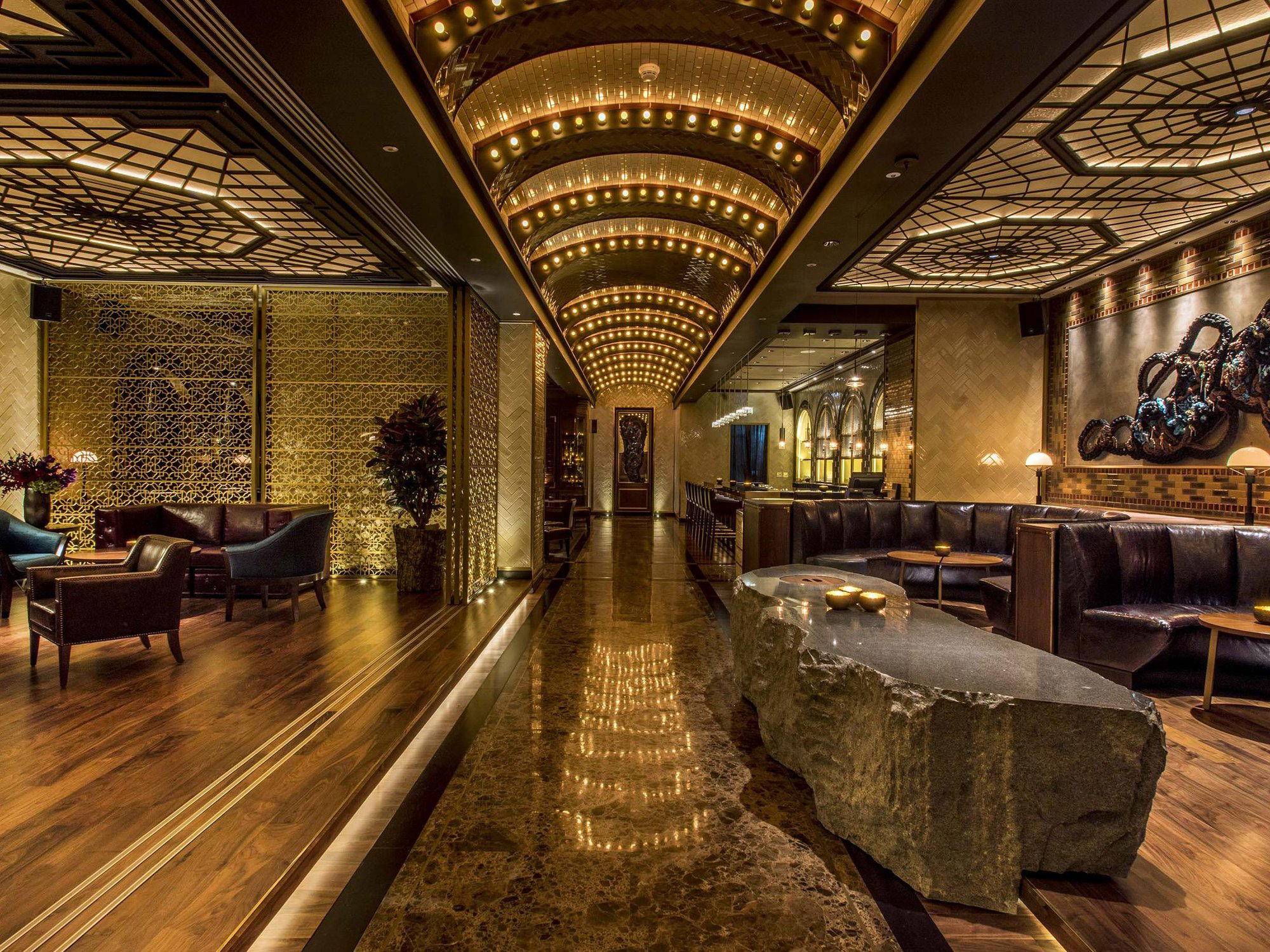
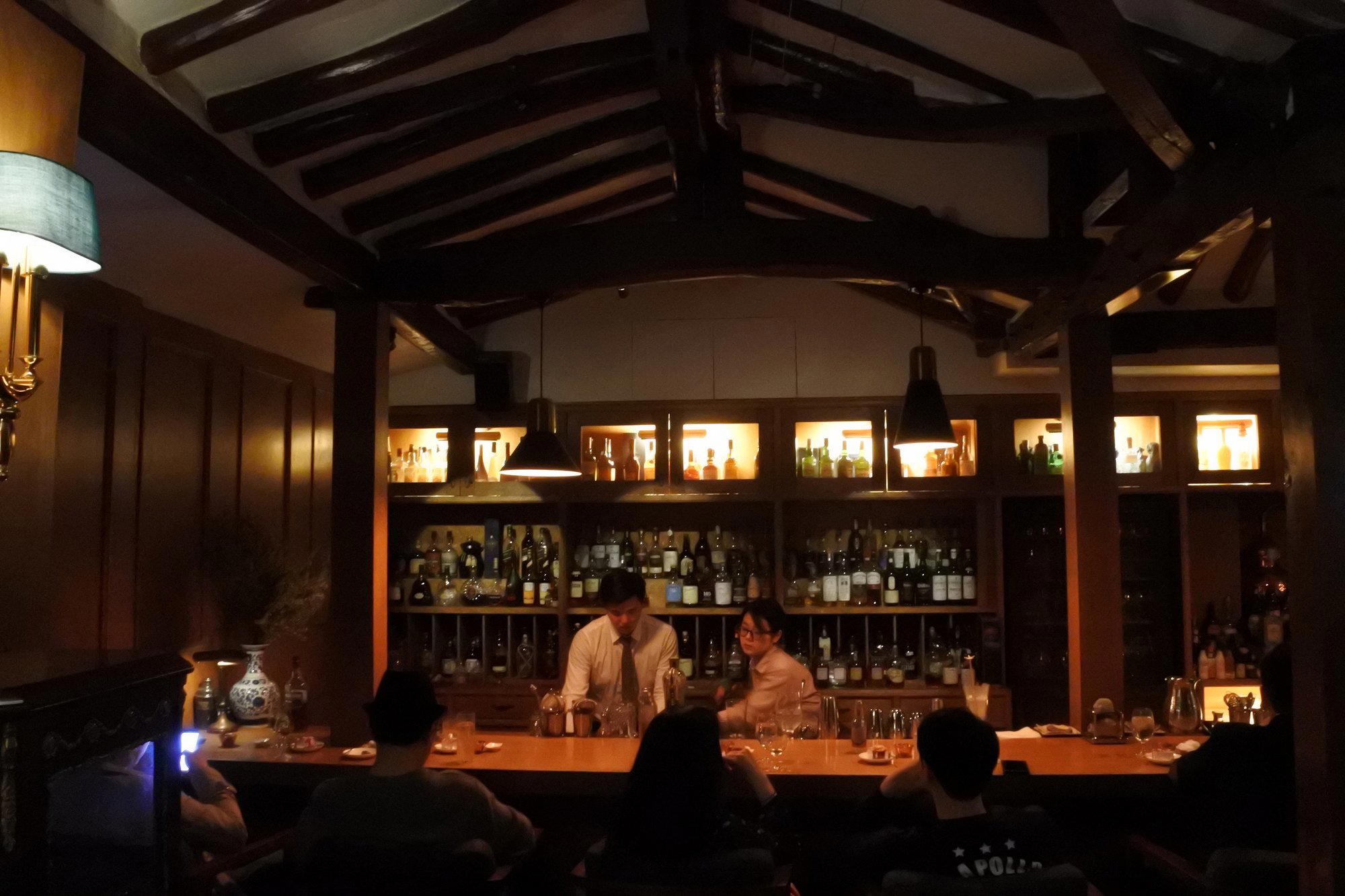
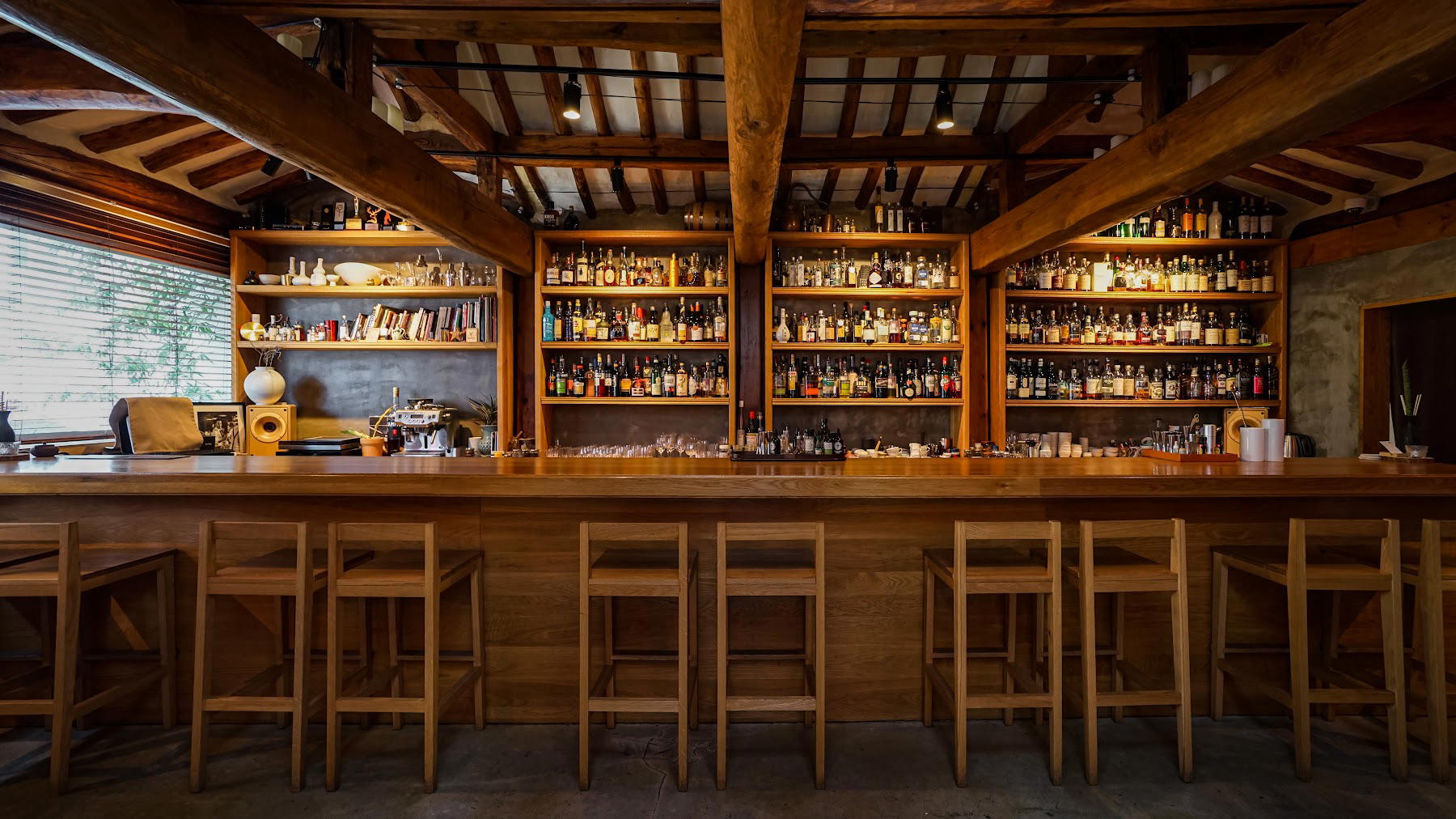
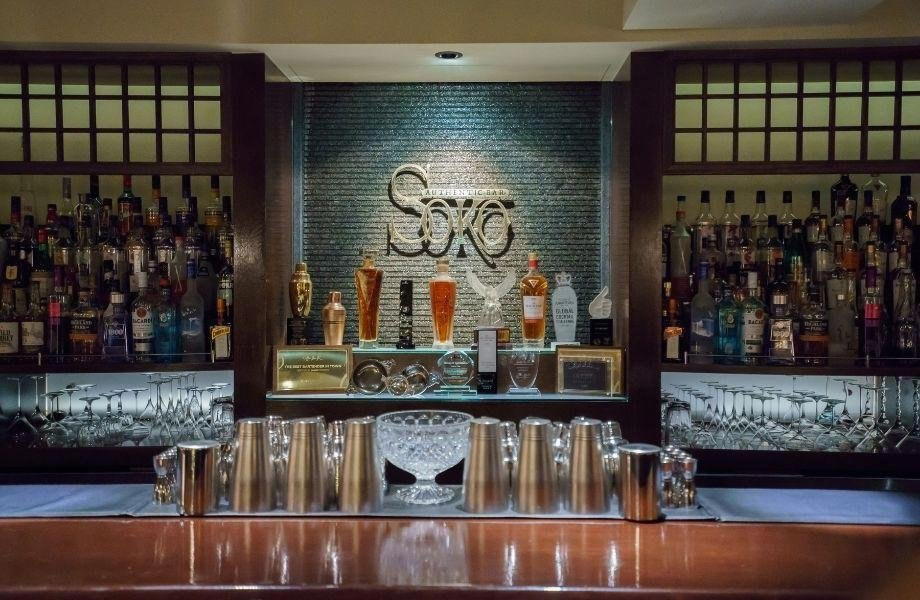
Traditional Korean atmosphere focused on authentic bibimbap dining with simple, satisfying mixed rice bowls and complementary side dishes.