Pho Ong Nam 24
Located in Mapo-gu's Seogyo-dong, one of Seoul's most active neighbourhoods for independent hospitality, 365-5 Seogyo-dong sits within a dense cluster of bars and dining spots that have shaped the area's after-dark character. Booking details and current programming are best confirmed directly. See our full Seoul guide for neighbourhood context and peer venues.

Pearl is the En Primeur Club membership app, where members save venues, book tables and use the concierge.
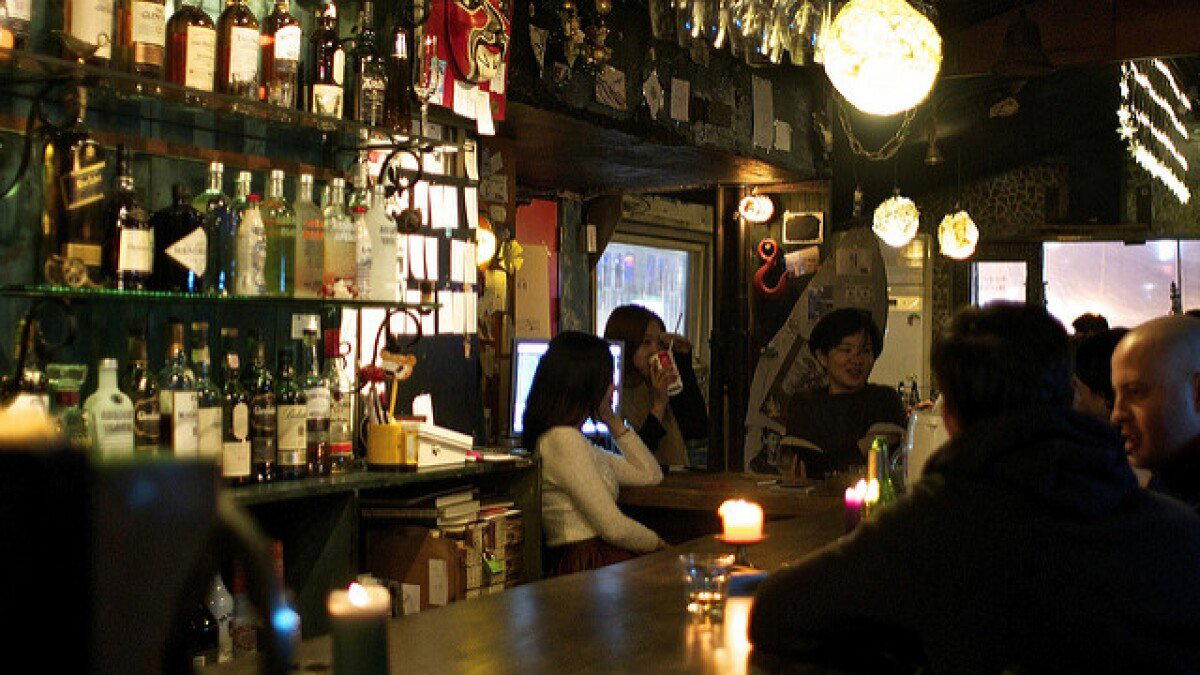
Seogyo-dong and the Shape of Seoul's Independent Bar Scene
Hongdae and its surrounding Seogyo-dong streets represent one of the clearest examples of how Seoul's independent hospitality scene organises itself. Unlike Gangnam, where venues tend toward high-production formats and international brand affiliations, Mapo-gu's bar and dining corridor developed through successive waves of student culture, independent operators, and creative-industry spillover. The result is a neighbourhood where a single block can hold a natural wine bar, a craft cocktail counter, and a pojangmacha-adjacent snack spot within fifty metres of each other, and where the competitive pressure between independents has driven a level of programme quality that larger, more tourist-facing districts rarely match.
365-5 Seogyo-dong takes its name directly from its address in that neighbourhood, a naming convention that signals neighbourhood embeddedness rather than brand ambition. In Seoul, address-as-name is a practice most common among venues that draw primarily on local regulars and word-of-mouth, rather than destination traffic from outside the city. It positions a venue within a specific urban fabric rather than above it.
The bars and dining rooms that have earned recognition in Seoul's Mapo-gu tend to share certain characteristics. Front-of-house teams in this corridor are typically small, often three to five people covering the full range of hosting, service, and drink preparation, which means the quality of the interaction between those roles becomes the defining experience rather than any single element. When kitchen, bar, and floor work as a cohesive unit, the gap between a technically correct drink and a well-timed one collapses. Seogyo-dong venues that have built sustained followings have generally done so through this kind of operational coherence rather than through singular star-driven programmes.
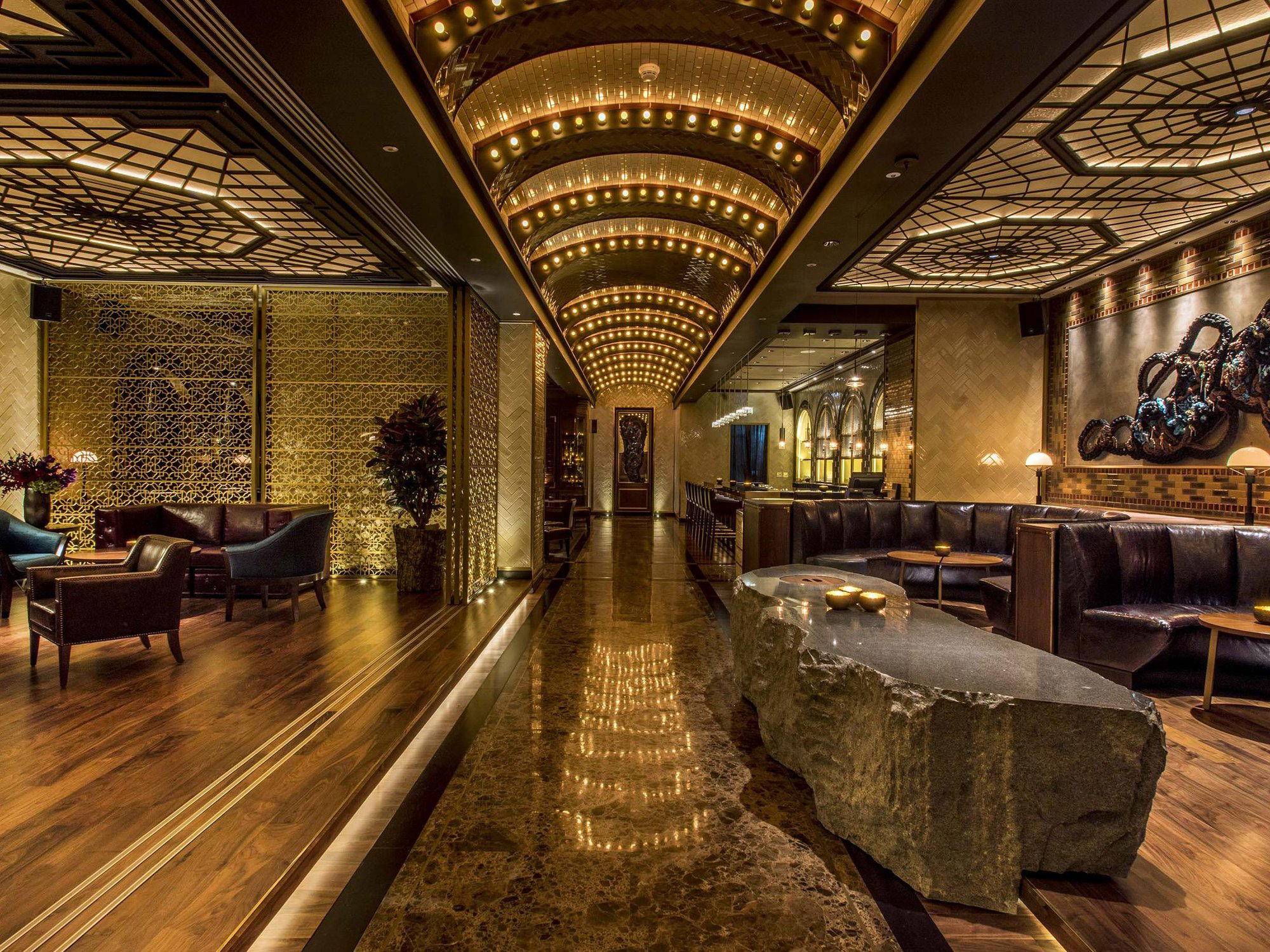
For comparison within Seoul's broader bar geography, venues like Alice Cheongdam, Bar Cham, Charles H, and Bar D. Still each represent a different tier and format within the city's cocktail and hospitality ecosystem. Cheongdam and the Gangnam axis tend toward higher-ticket, design-led formats where the room carries significant weight. Seogyo-dong operates differently: the atmosphere is the product of accumulated nights and regulars rather than pre-opening investment in interior architecture.
What Drives the Experience in This Format
In low-capacity independent venues operating without the scaffolding of a larger group, the team dynamic becomes structural rather than supplementary. A sommelier or bar lead who can read a table, a host who understands when to extend a conversation and when to step back, a kitchen that calibrates timing to the pace of drinks rather than the reverse: these are the signals that separate a venue with loyal regulars from one that cycles through first-time visitors. Seoul's Mapo-gu has enough density of similar venues that guests exercise genuine choice on any given night, which means operational quality compounds over time in ways it cannot in areas with less competition.
The Seogyo-dong address also implies a specific rhythm. Venues in this corridor tend to open later and run deeper into the night than their Itaewon or Apgujeong counterparts, reflecting the neighbourhood's historical ties to arts and university culture. The practical consequence for visitors is that arriving early often means arriving before the room has reached its operational pitch, while arriving mid-evening tends to align better with how the venue and its team are calibrated to perform.
Seoul Beyond Mapo-gu: Regional Context
The independent bar format that defines Seogyo-dong has parallels across South Korea's secondary cities and resort areas, though each context produces a distinct version. Climat in Busan operates within a port-city context where the drinks programme intersects with a different food culture and a more transient visitor profile. Muyongdam in Jeju Si reflects the island's growing premium hospitality tier, where local ingredient sourcing and slower seasonal rhythms shape both menu and pace. Anjuga in Ansan Si and Regency Club in Incheon each anchor their respective cities' more serious drinking programmes, while Seuwichi in Heungdeok represents the format spreading further into mid-sized urban centres.
International comparison points are instructive. Bar Leather Apron in Honolulu and Jewel of the South in New Orleans both operate in cities where the cocktail programme exists in tension with a dominant, highly local food and drink identity. The resolution in each case involves anchoring the drinks programme in that local context rather than against it, a strategy that has increasing resonance in Seoul, where Korean spirits, fermented ingredients, and seasonal produce have entered the serious cocktail conversation at pace over the past several years.
Planning a Visit to Seogyo-dong
Seogyo-dong address places the venue within walking distance of Hongdae station on Seoul Metro Line 2, the airport rail link, and the Gyeongui-Jungang line, making it one of the more transit-accessible parts of the city for visitors arriving from central Seoul or directly from Incheon. The neighbourhood's density means that a single evening can reasonably move across two or three venues without significant travel time, which suits the Seogyo-dong style of grazing between formats rather than committing a full evening to one room.
For broader neighbourhood context, reservation logistics across Seoul's bar tier, and comparative venue options across price points and formats, our full Seoul restaurants and bars guide covers the city's hospitality geography in detail.
Budget Reality Check
Comparable venues nearby, for context on price, style, and recognition.
| Venue | Cuisine | Price | Awards | Notes |
|---|---|---|---|---|
| Pho Ong Nam 24This venue (the venue you are viewing) | Not listed | $20–30 | Not listed | Not listed |
| Fuglen Seoul | Not listed | $20–30 | Not listed | 연남동, cocktail_bar |
| SEOUL VINYL | Not listed | Not listed | Not listed | Hoehyeon-dong, cocktail_bar |
| Sangsu-ri Acorn Bar 상수리 | 연남동, speakeasy | $10–20 | Not listed | Not listed |
| Ace 4 club | Not listed | Not listed | Not listed | Euljiro, cocktail_bar |
| MXL | Not listed | Not listed | Star Wine List | Jongno-dong, wine_bar |
Continue exploring
More in Seoul
Bars in Seoul
All bars in Seoul →
Restaurants in Seoul
All restaurants in Seoul →
Details
- Cozy
- Trendy
- Intimate
- Casual Hangout
- Late Night
- Seated Bar
- Classic Cocktails
- Street Scene
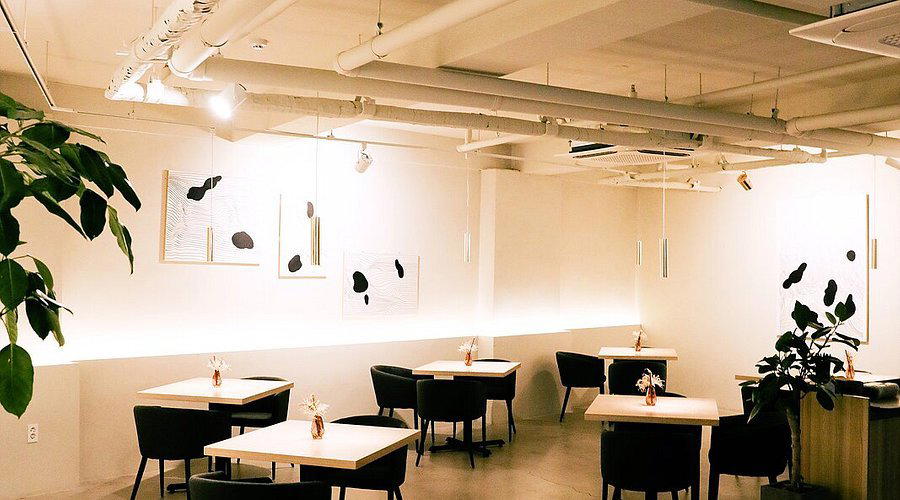
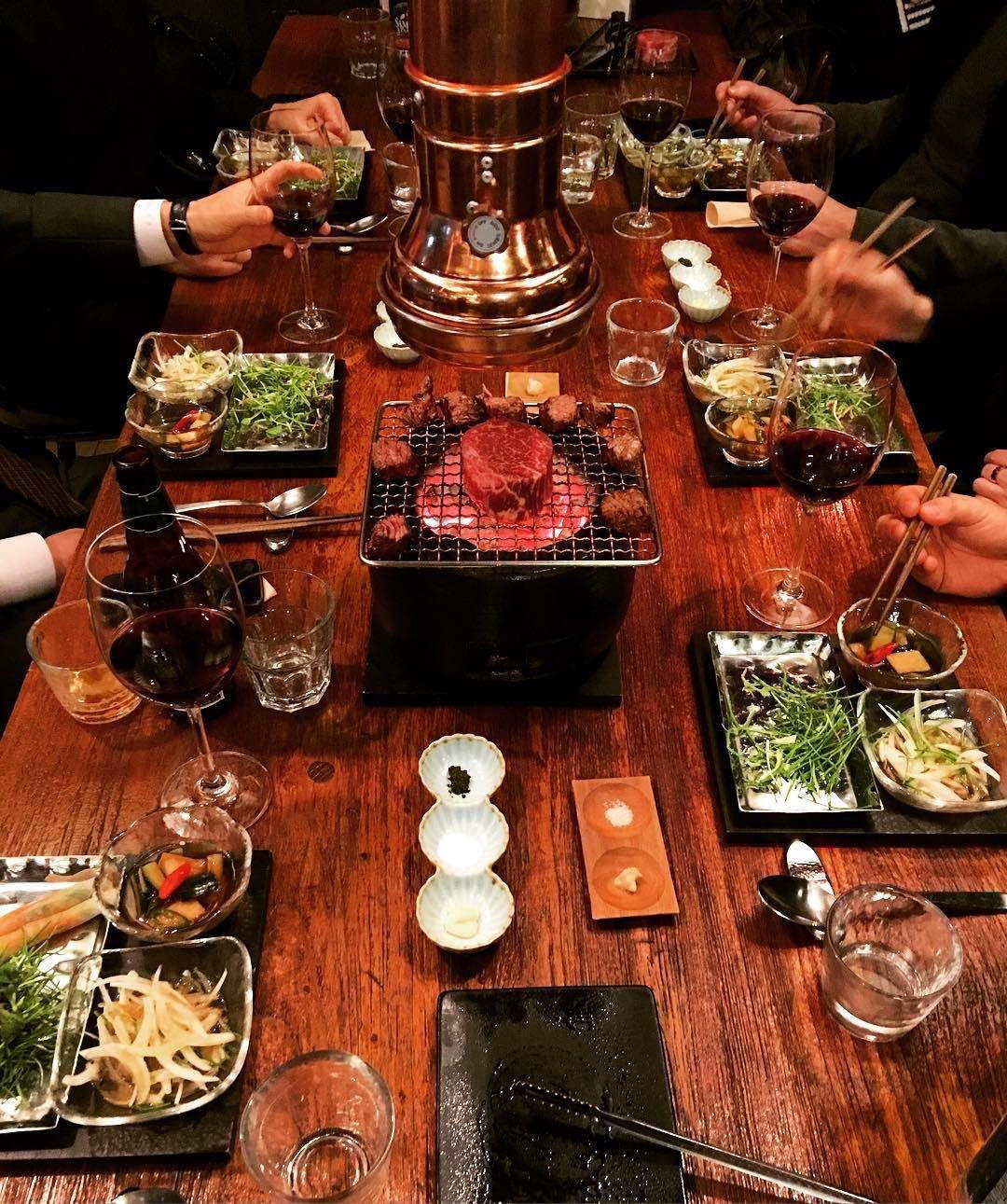
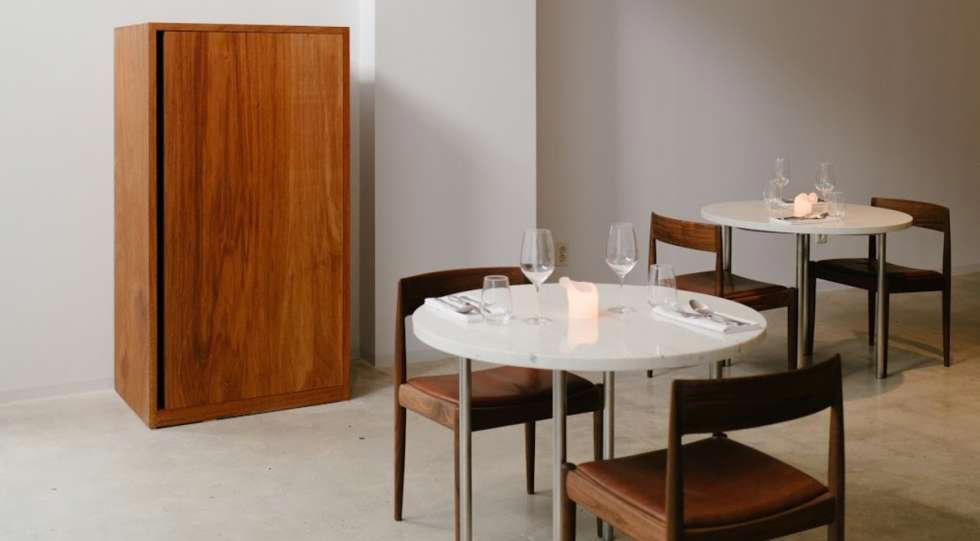
Low lighting creating a cozy, divey atmosphere.