Myeongdong Yeongyang Center
In Myeongdong's commercial corridor, Yeongyang Center holds a place that long-term Seoul regulars understand: a canteen-register entry point into Korean restorative eating, where the logic of the menu is nutritional as much as gustatory. The kind of address that doesn't need signage to fill its seats, and whose regulars tend not to share it without prompting.
Pearl is the En Primeur Club membership app — saves, bookings, and concierge access live there. Same editors, same standards.
- Address
- Seoul, South Korea
- Directions
- Get directions
 Saves & bookings on Pearl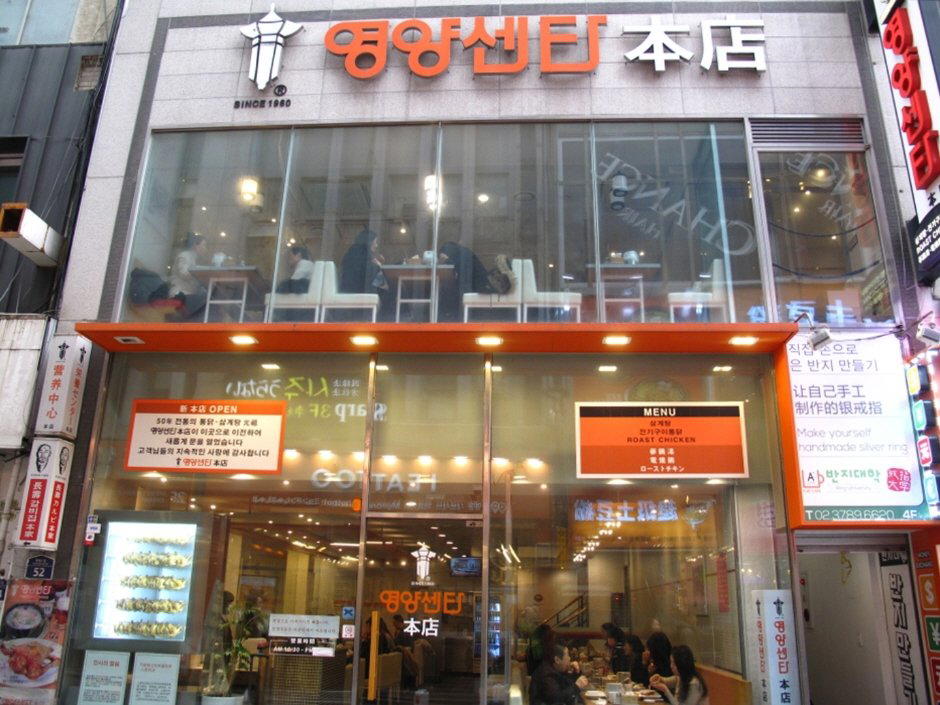
What Myeongdong's Regulars Already Know
Myeongdong is, by any measure, one of Seoul's most legible commercial districts — cosmetics chains, street food carts, mid-range hotels, and the steady flow of domestic and international visitors that defines the neighbourhood's daytime economy. What that surface reading misses is a parallel stratum of eating, one that Seoul regulars have been accessing for decades: restorative Korean cooking, built around the logic of yeongyang (영양), meaning nourishment or nutritional benefit, rather than around spectacle or novelty. Myeongdong Yeongyang Center sits inside that tradition.
The name itself is the editorial: yeongyang centers, as a category, have operated in Seoul since the postwar period, when protein-dense, restorative broths and rice-based dishes occupied a specific social role in a city rebuilding its economy. The format has persisted not because it markets itself well, but because it solves a problem — feeding people efficiently, with food that has clear functional intent. In a district as heavily trafficked as Myeongdong, that kind of address tends to develop a clientele that doesn't need reminding where it is.
The Regulars' Calculus
What keeps a regular returning to this kind of address in Myeongdong, rather than migrating to the more curated Korean dining available further afield, is rarely sentiment alone. Seoul's dining scene has fractured significantly over the past decade. At one end, restaurants like Mingles, Jungsik, and Kwonsooksoo have positioned Korean cuisine within a fine-dining framework that commands premium pricing and international recognition. At the other, places like Myeongdong Yeongyang Center operate according to a different set of values entirely, speed, familiarity, nutritional density, and consistent execution of a narrow menu that doesn't change because it doesn't need to.
That consistency is itself a form of expertise. The yeongyang center model is less about seasonal reinvention and more about the discipline of doing the same thing correctly, repeatedly, across decades. Regulars understand this implicitly. The unwritten menu, the bowl you don't need to order by name because the staff already know, is the product of accumulated visits, not discovery. This is the register in which Myeongdong Yeongyang Center operates, and it's one that Seoul's more experimental addresses, including Soigné and alla prima, are explicitly not competing in.
Seoul's Restorative Eating Tradition
Korean food culture has always maintained a clear distinction between food as pleasure and food as function. The hanjeongsik tradition codes elaborate communal feasting; the hansik wellness framework codes nutritional balance through fermented, slow-cooked, and broth-based preparations. Yeongyang centers have historically occupied the latter space. Their menus typically foreground dishes built around bone broths, steamed proteins, and fermented vegetable preparations, the kind of eating that responds to a physical need rather than a hedonic one, though the two are rarely mutually exclusive in practice.
This tradition has counterparts across Korea. In Busan, Mori operates in a similar register of local-first, functionally grounded cooking. In Suwon, Doosoogobang draws on comparable logic. In Jeju, addresses like 88돼지 and Black Pork BBQ anchor their menus in the island's specific protein traditions. What connects them is a resistance to repositioning, none of these places is trying to become the next entry on Seoul's award circuit, which currently includes the kind of international attention that Korean-rooted cooking receives in New York at Atomix.
The restorative eating tier in Korea is not a stepping stone to something else. It is its own coherent category, and Myeongdong Yeongyang Center is one of its Myeongdong-district representatives.
Context Within Myeongdong
Myeongdong's food scene is frequently reduced to its street-level snack economy, skewered fish cakes, twisted potatoes, egg bread, which is real and worth engaging with, but accounts for only one layer of the district. Beneath the tourist-facing surface, the neighbourhood has sustained a working lunch and dinner economy for decades, one that serves the office population, the retail staff, and the city residents who move through the area regularly. Yeongyang center formats have historically been part of that infrastructure.
For visitors arriving from districts like Gangnam or Itaewon, where the dining offer skews more dramatically toward the fine-dining and trend-driven tiers, Myeongdong Yeongyang Center represents a different entry point into Seoul eating. It doesn't sit in the same competitive set as the ₩₩₩₩-tier addresses like Gobojeong Galbi #1 in Suwon or the contemporary Korean rooms in the capital. The comparison that holds is with the city's sustained, low-signage, high-return addresses that locals treat as infrastructure rather than destination.
For more on how Seoul's dining scene is structured across price points and neighbourhoods, our full Seoul restaurants guide maps the broader picture.
Planning a Visit
Addresses in this category in Myeongdong are typically direct to access via Seoul Metro, with Myeongdong Station (Line 4) placing most of the district's dining within easy walking distance. Because venue-specific booking data is not available for Myeongdong Yeongyang Center, the standard operating assumption for yeongyang center formats applies: walk-in during off-peak hours, particularly mid-afternoon or early evening, to avoid the lunchtime crowd that Myeongdong's commercial density generates. Addresses like these rarely take reservations, and the queuing logic is first-come, as it has been for decades.
Those moving through the broader Korean peninsula and building a cross-regional picture of Korean eating might also find value in Hwangnam Bread and Busan Steamed Bun in Gyeongju, Gyeongju Wonjo Kongguk, Badang Lounge in Jeju, Hinode in Seogwipo, and Dining Room in Busan, each operating in distinct regional registers that together illustrate how Korean food culture varies by geography as much as by price tier. For the high-end Seoul end of that comparison, Le Bernardin in New York offers an instructive reference point for how Korean fine-dining exports, including Atomix, position themselves against the global fine-dining tier.
Quick Comparison
Comparable venues nearby, for context on price, style, and recognition.
| Venue | Cuisine | Price | Notes |
|---|---|---|---|
| Myeongdong Yeongyang CenterThis venue — the venue you are viewing | Traditional Korean Rotisserie Chicken & Samgyetang | $$ | Not listed |
| 제주몬트락 | Jeju Black Pork BBQ | $$ | Gangnam |
| Miro Sikdang | Modern Korean Pub Classics | $$ | 연남동 |
| 오근내 닭갈비 | Chuncheon-style Iron Plate Dakgalbi | $$ | Yongsan |
| 진전복삼계탕 신사직영점 | Premium Abalone Ginseng Chicken Soup | $$ | Sinsa-dong |
| Eunjujeong (은주정) | Traditional Korean Kimchi Jjigae | $$ | Jung-gu |
Continue exploring
More in Seoul
Restaurants in Seoul
Browse all →
At a Glance
- Classic
- Well Known
- Casual Hangout
- Historic Building
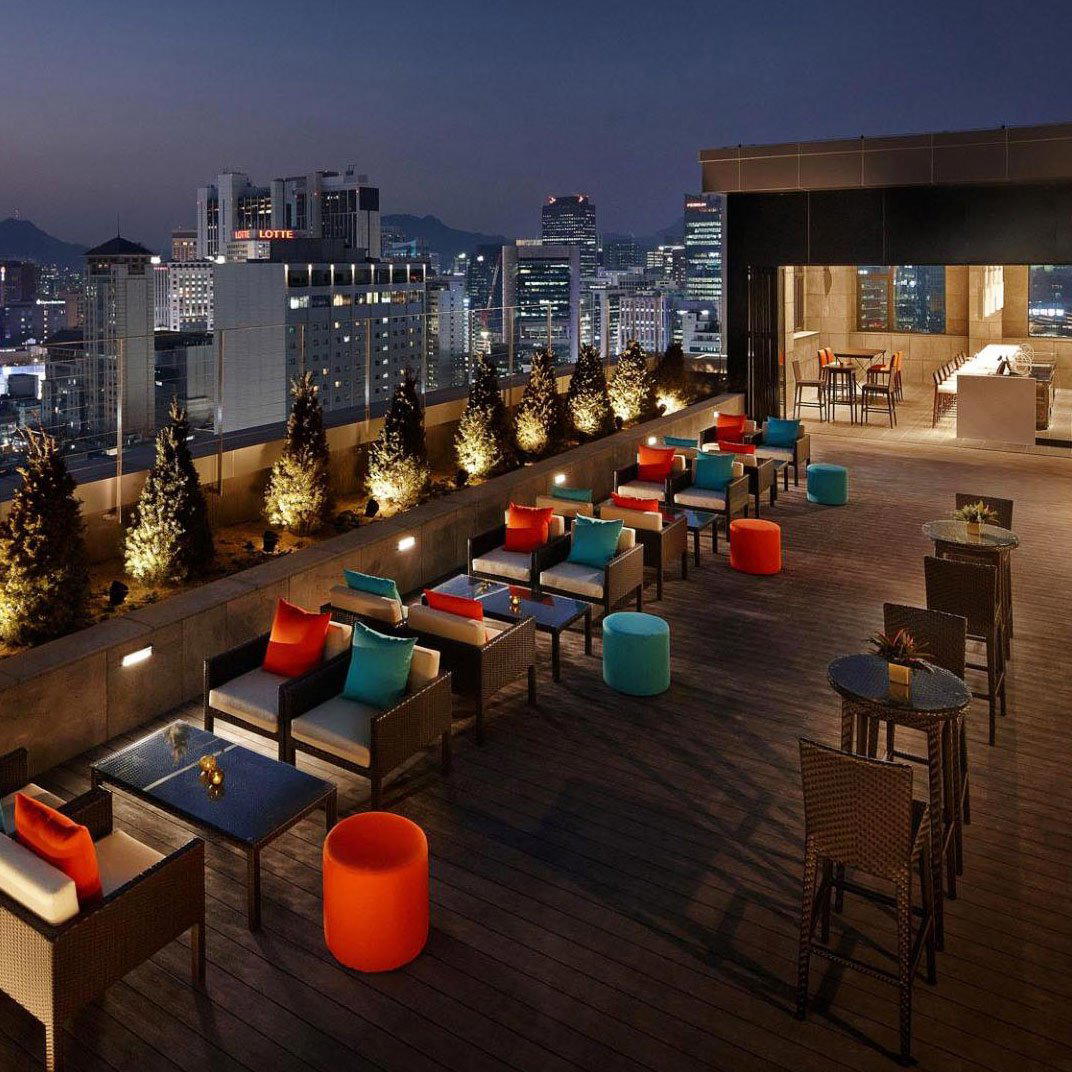
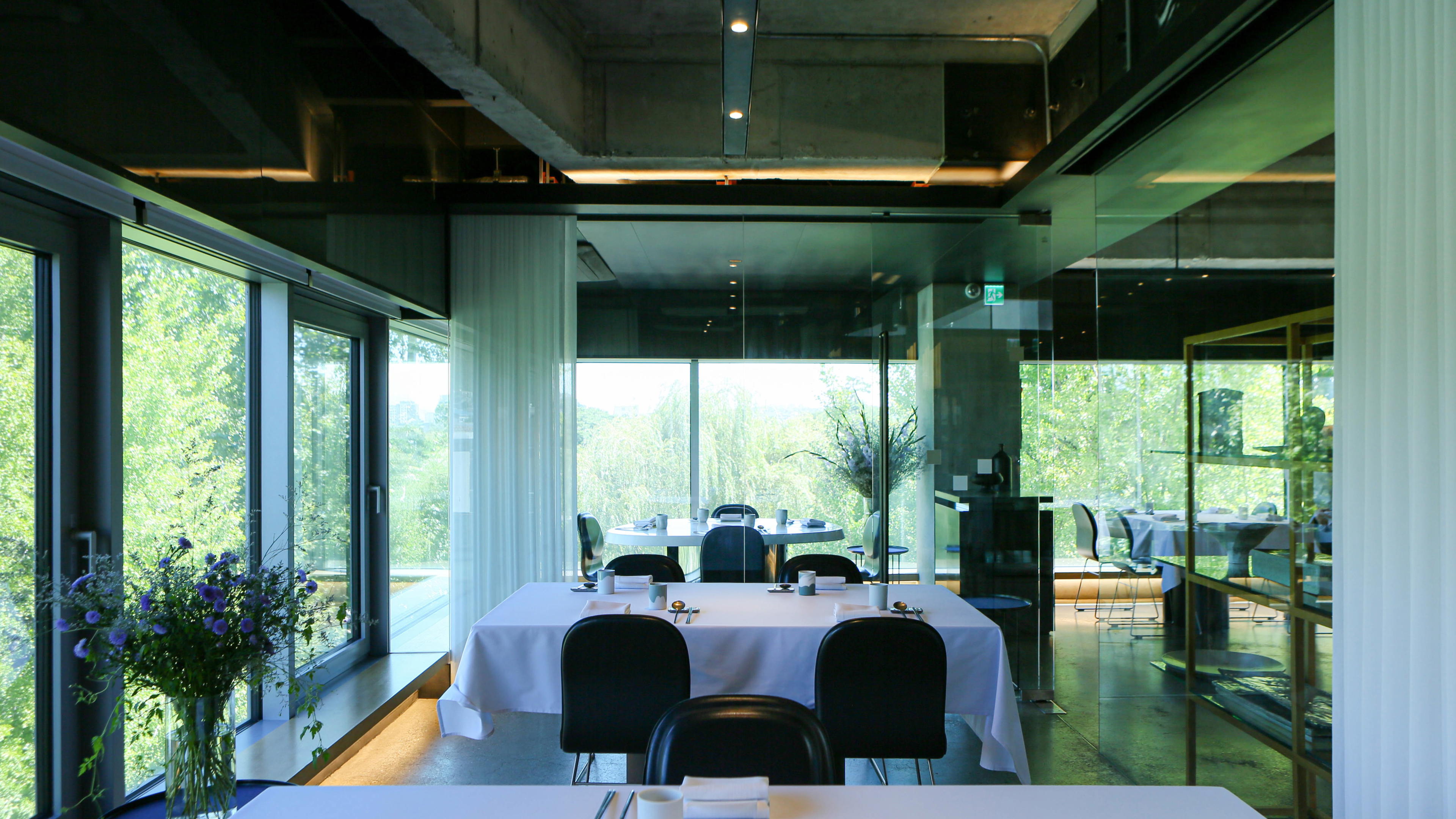
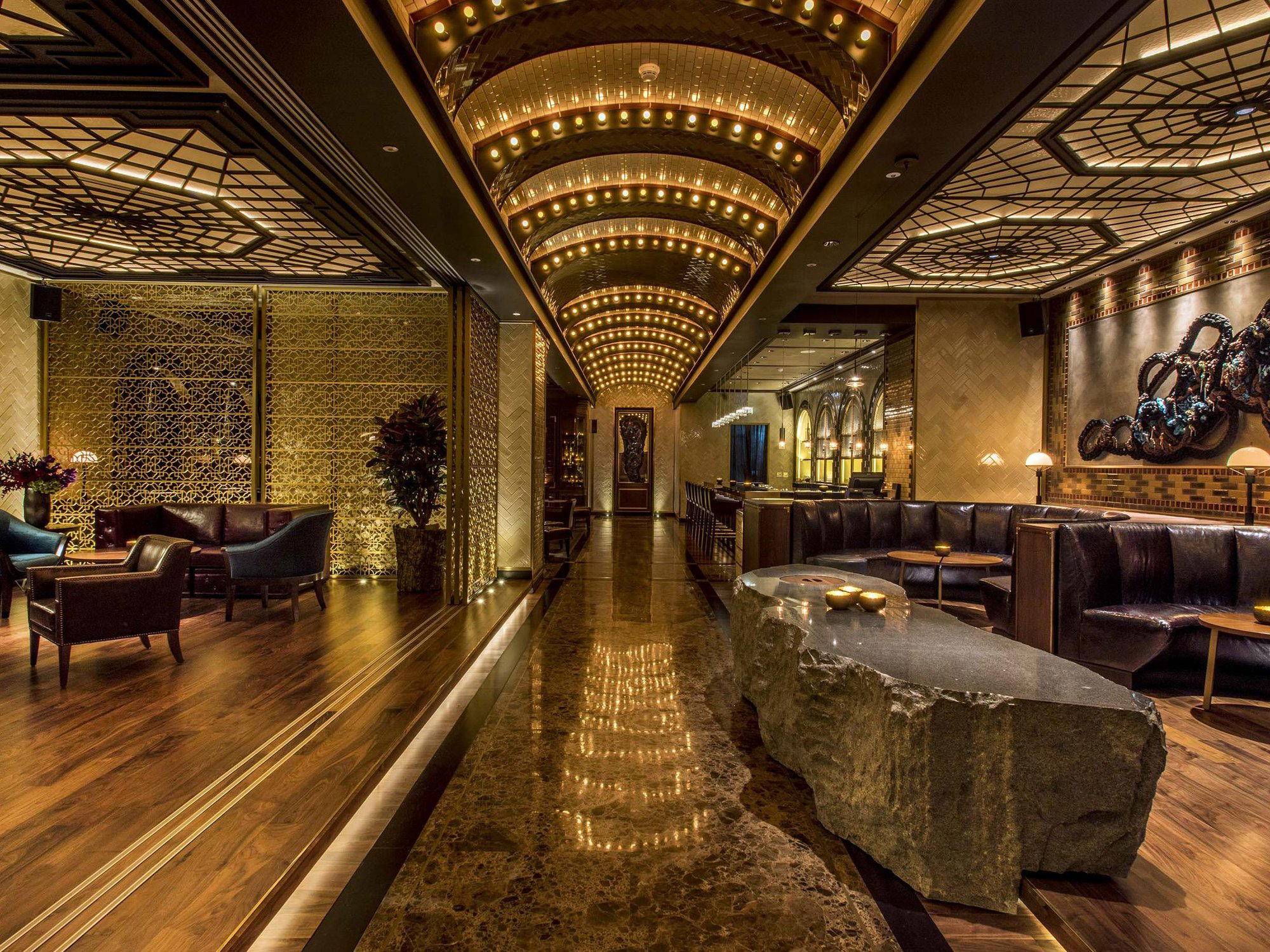
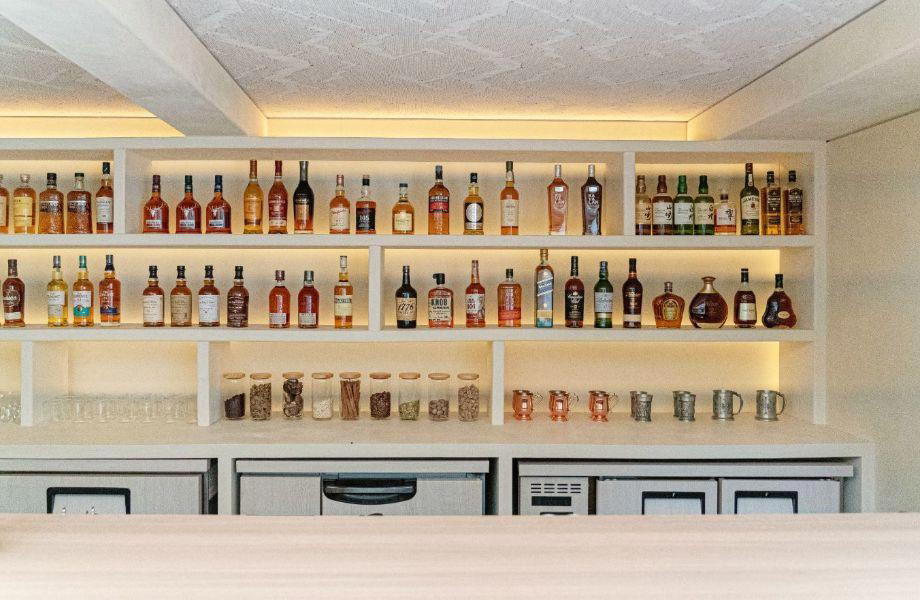
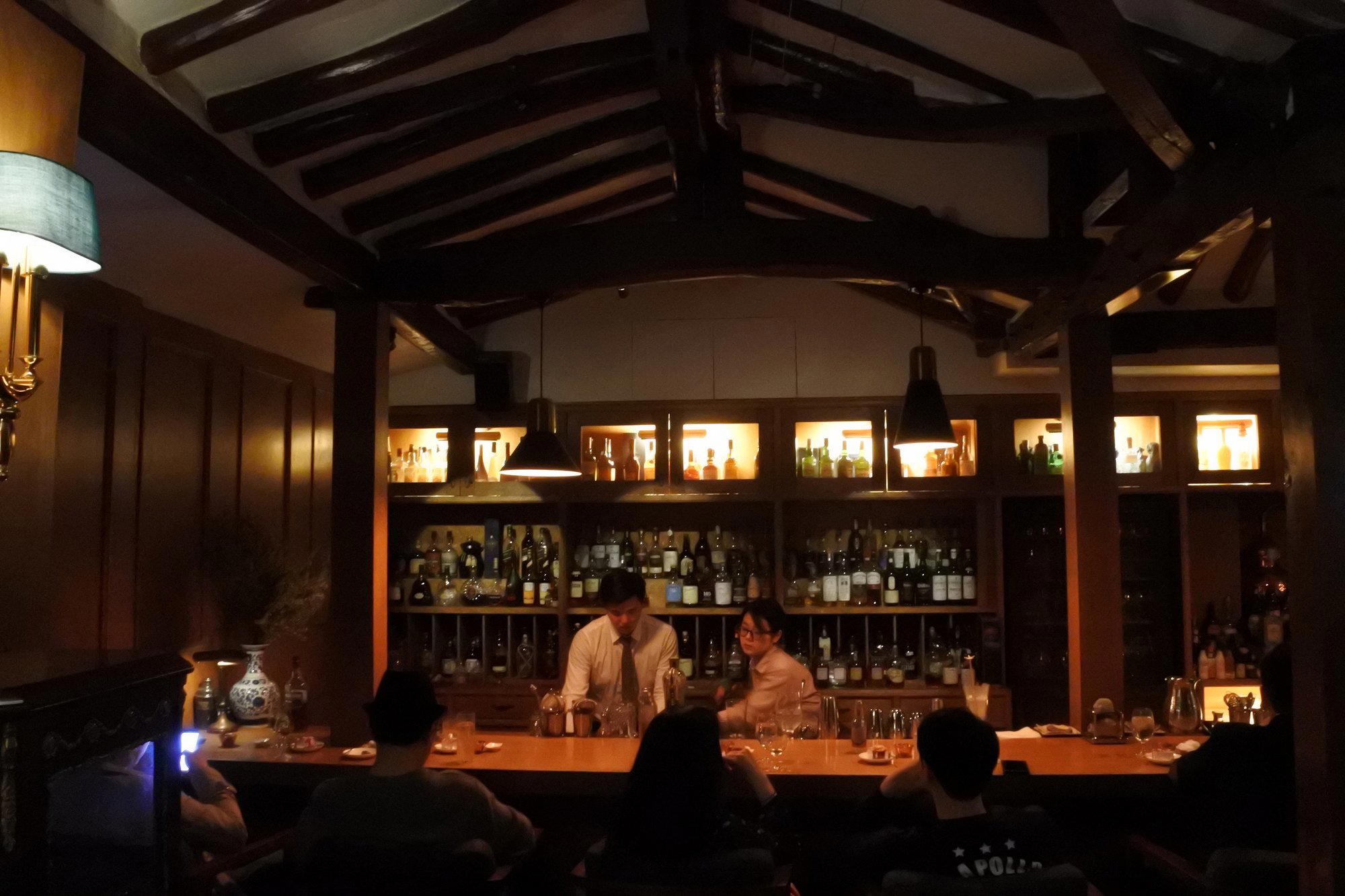
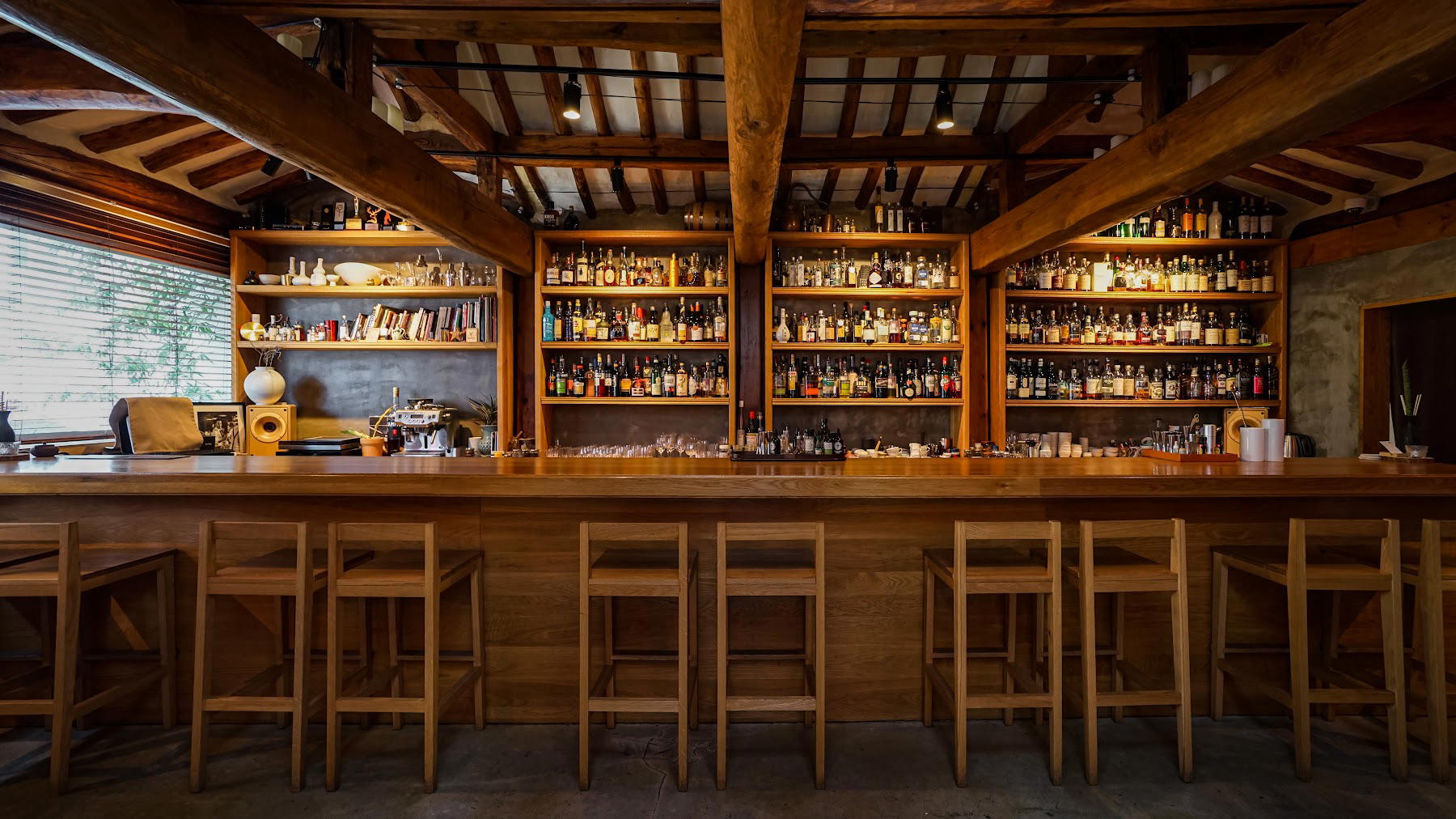
Classic, no-frills atmosphere focused on traditional Korean chicken preparations with simple, hearty presentation.