백년토종삼계탕
백년토종삼계탕 serves traditional Korean samgyetang at 마포구 양화로 118 in a historic building, with a casual, conversational setup for lunch or dinner.
Pearl is the En Primeur Club membership app — saves, bookings, and concierge access live there. Same editors, same standards.
- Address
- 마포구 양화로 118 (본점), 서교동, 서울특별시, 서울특별시, 04038
 Saves & bookings on Pearl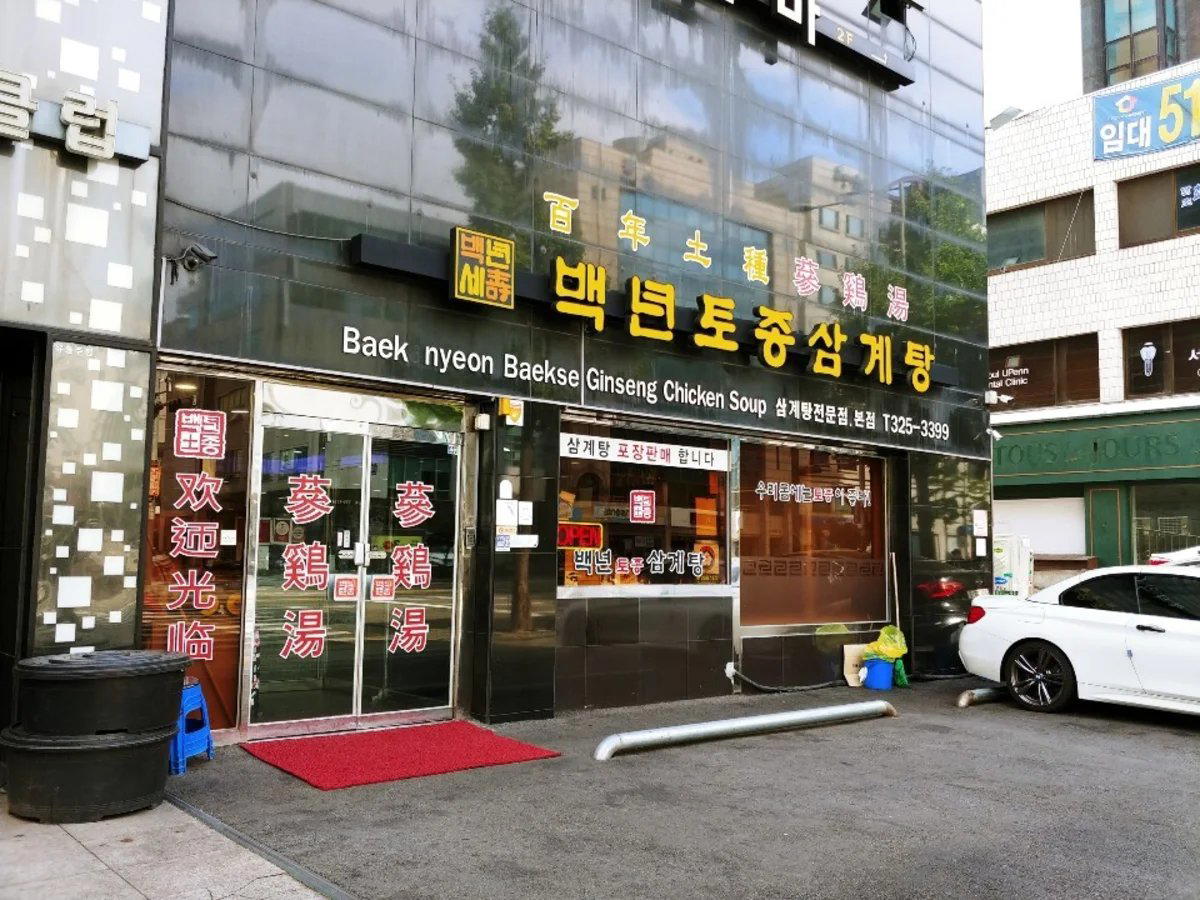
Summer in Seoul and the Case for Samgyetang
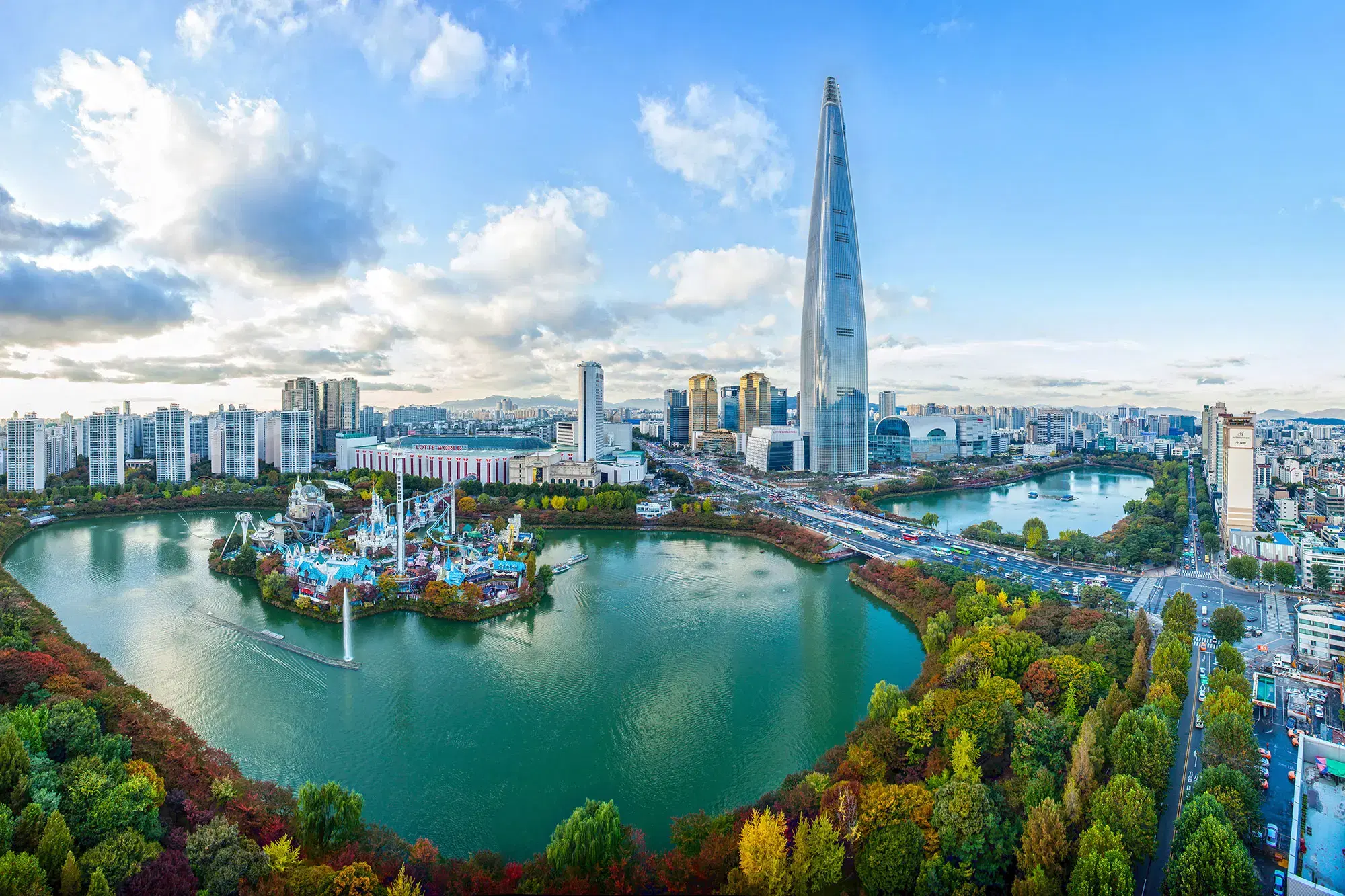
In the Mapo district, where Yanghwa-ro runs parallel to the Han River and the neighbourhood shifts between low-rise residential blocks and the creative density of Hongdae, a particular kind of restaurant earns its reputation not through design or novelty but through repetition and conviction. 백년토종삼계탕 (Baengnyeon Tojong Samgyetang) sits in Seogyo-dong, Mapo-gu, Seoul, and is a Traditional Korean Samgyetang restaurant at a casual price tier of about $15 per person. That context matters: this is not a restaurant positioned for tourists or fine-dining crossover. It is a specialist operation in one of Korea's most precise culinary categories.
Samgyetang, the whole young chicken stuffed with glutinous rice, ginseng, jujubes, and garlic and then simmered for hours in a clear broth, occupies a specific register in Korean food culture. It is restorative in intention, seasonal in tradition, and deeply tied to the concept of bok days, the hottest periods of the Korean lunar calendar when sweating through something hot is considered the correct physiological response to heat exhaustion. That tradition shapes when and how Koreans eat samgyetang, and it shapes how a restaurant like this one sets its rhythms through the year.
Lunch vs. Dinner: How the Day Divides
The lunch-versus-dinner split at samgyetang specialists tells you most of what you need to know about the category. Midday service draws a crowd that is predominantly local, predominantly purposeful, and predominantly in a hurry. The dish takes time to prepare but relatively little time to eat; the format does not encourage extended table occupation. Workers from nearby Mapo offices, residents running errands, and regulars who have been eating here for years fill the earlier hours with efficient turnover and low ceremony. If you arrive during peak lunch hours in July or August, particularly in the weeks surrounding Chobok, Jungbok, and Malbok, expect to queue.
Evening service at a restaurant of this type shifts register slightly. The pace slows, the clientele skews older, and the meal edges toward something closer to occasion dining within the category. Families, multigenerational groups, and diners who have made the specific decision to come here for dinner rather than convenience form the dominant pattern. Neither service is wrong; they are different propositions. For a solo traveller or a pair, lunch offers speed and immersion in local rhythm. For a group or for those who want to sit longer, the quieter evening hours make more sense. Seoul's contemporary dining scene, represented by restaurants like Mingles and Jungsik, operates on opposite principles, where dinner is the main event and lunch a secondary consideration. Here, the relationship is more symmetrical.
The Tradition the Restaurant Is Defending
The word tojong in the restaurant's name signals a specific product claim: the chickens are native-breed Korean birds rather than the commercial broiler breeds that dominate most of the market. This distinction is meaningful in the same way that sourcing heritage breed pork is meaningful at a serious barbecue operation. The broth from a tojong bird runs clearer and develops a different fat profile from its commercial equivalent, and the flesh tends toward firmer texture, which some diners find more satisfying and others find less yielding than expected. It is a quality signal with a verifiable basis, not marketing language.
The name also carries the word baengnyeon, meaning one hundred years, a conventional expression of heritage in Korean naming tradition. It points to a category positioning: this is a restaurant that frames itself against the shortcuts and substitutions that have diluted the samgyetang category as it became more mass-market. That positioning is common in Seoul's traditional food sector, where a cluster of respected specialists still operate against the grain of commercial standardisation. Comparable positioning appears in Korean regional food at operations like Gyeongju Wonjo Kongguk, which holds a similar single-dish specialist identity in its own category.
Where This Sits in Seoul's Broader Food Map
Seoul's premium dining conversation in 2024 runs heavily through the contemporary Korean and innovative-fusion registers. Restaurants like Kwonsooksoo, Soigné, and alla prima attract the critical attention and international visitor traffic. That conversation rarely includes single-dish traditional specialists, which operate in a parallel tier defined by repetition, sourcing discipline, and local loyalty rather than by tasting menu ambition. Neither tier is more serious than the other; they answer different questions about what a city's food culture is and who it serves.
For international visitors planning a Seoul itinerary, the traditional specialist tier is the part most likely to be underweighted. New York's Korean diaspora restaurants, including the much-discussed Atomix, bring Korean culinary ideas to a global fine-dining framework. Seoul's traditional sector offers the opposite movement: maximum local specificity, minimum international framing. That gap is where a restaurant like 백년토종삼계탕 operates.
For a sense of how similar single-category focus plays out across Korean regional cooking, the lineup from 88돼지 in Jeju to Black Pork BBQ in Seogwipo shows how the specialist model travels across the country's food geography. In Suwon, Doosoogobang holds a comparable position in its own traditional category. The pattern repeats: one dish, deep execution, loyal clientele.
Seasonal Timing and When to Visit
The samgyetang calendar makes late July and early August the highest-traffic window by a considerable margin. The three bok days fall within this range, and queues at well-regarded specialists in Seoul can reach an hour or more during lunch service on those specific days. If your visit falls in that window and you want to experience the tradition in full local context, accept the wait as part of the experience. If you want the dish without the crowd, shoulder timing, specifically late June or early September, gives you samgyetang weather without the peak demand. Winter samgyetang eating is less traditional but entirely plausible; the dish works as cold-weather restorative just as effectively as summer treatment, and service is considerably more relaxed.
Know Before You Go
- Address: 양화로 118, 서교동, 마포구, Seoul 04038
- Neighbourhood: Seogyo-dong, Mapo-gu (near Hongdae)
- Phone / Website: not listed
- Ideal time to visit: Weekday lunch outside peak bok season for shortest waits; late July to early August for full seasonal context
- Booking: reservations recommended
- Price tier: about $15 per person
- Getting there: Yanghwa-ro 118, Seogyo-dong, Mapo-gu, Seoul 04038
City Peers
Comparable venues nearby, for context on price, style, and recognition.
| Venue | Cuisine | Price | Notes |
|---|---|---|---|
| 백년토종삼계탕This venue — the venue you are viewing | Traditional Korean Samgyetang | $$ | Not listed |
| Hyodo Chicken | Korean Fried Chicken | $$ | Jongno-gu |
| Mongvely 2 Myeongdong Korean BBQ restaurant kbbq Beef All You Can Eat | All-You-Can-Eat Korean BBQ | $$ | Sajik-dong |
| Parc Seoul | Traditional Korean Home-Style Comfort Food | $$ | 이태원동 |
| 듬북담북 선릉1점 | 북어국 전문 한식 | $$ | 삼성동 |
| 진전복삼계탕 신사직영점 | Premium Abalone Ginseng Chicken Soup | $$ | Sinsa-dong |
Continue exploring
More in Seoul
Restaurants in Seoul
Browse all →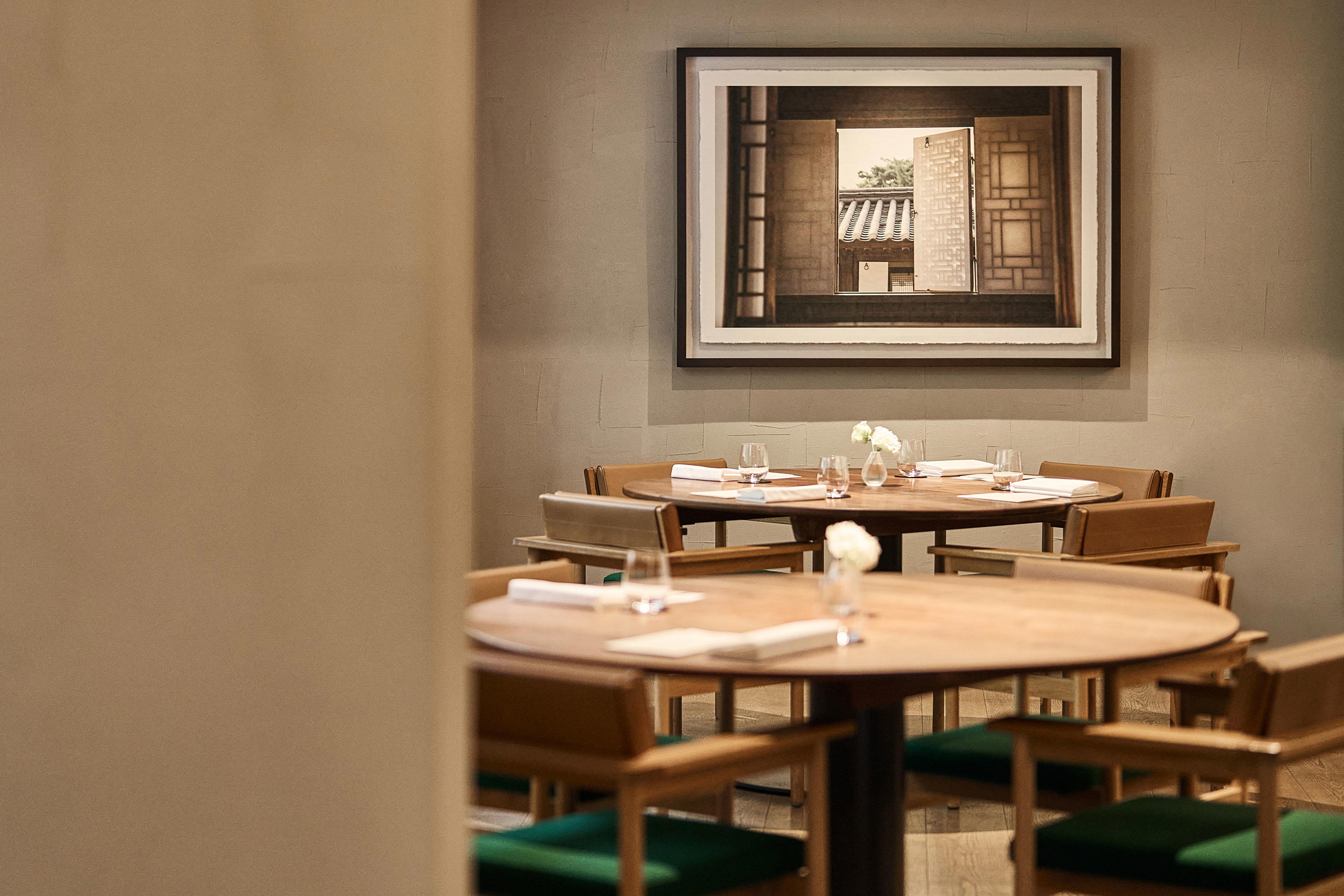
At a Glance
- Classic
- Cozy
- Family
- Casual Hangout
- Special Occasion
- Historic Building
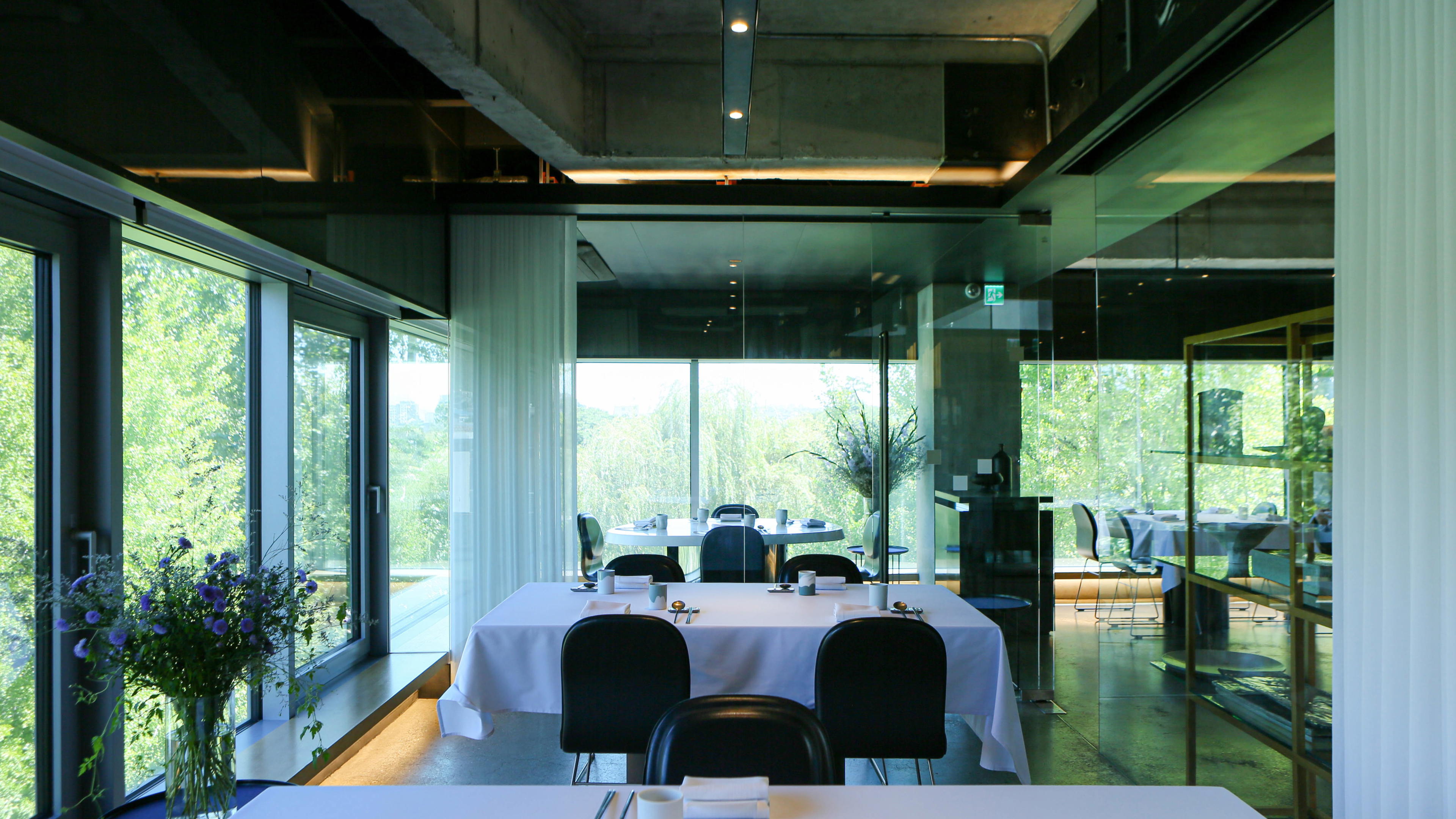
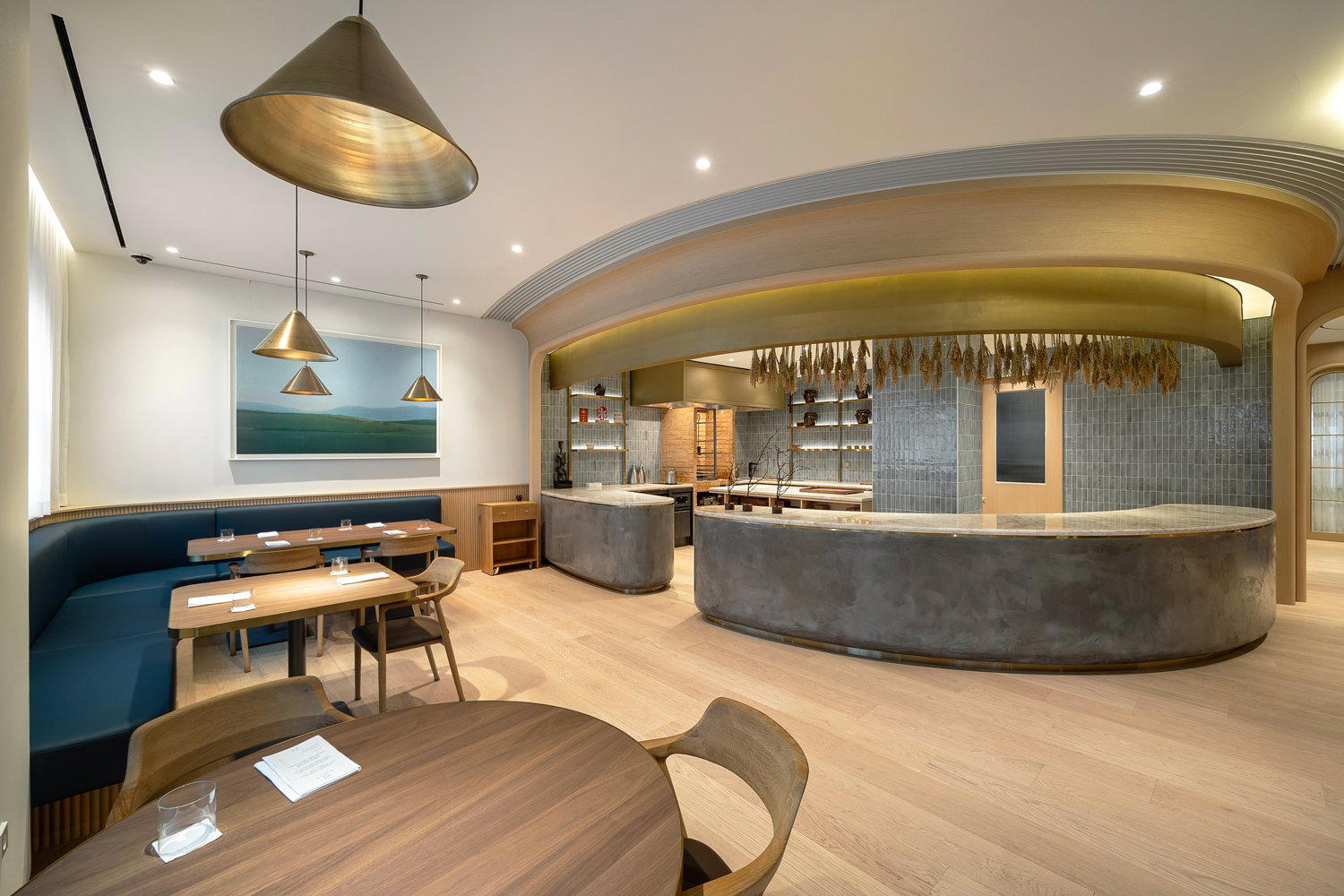
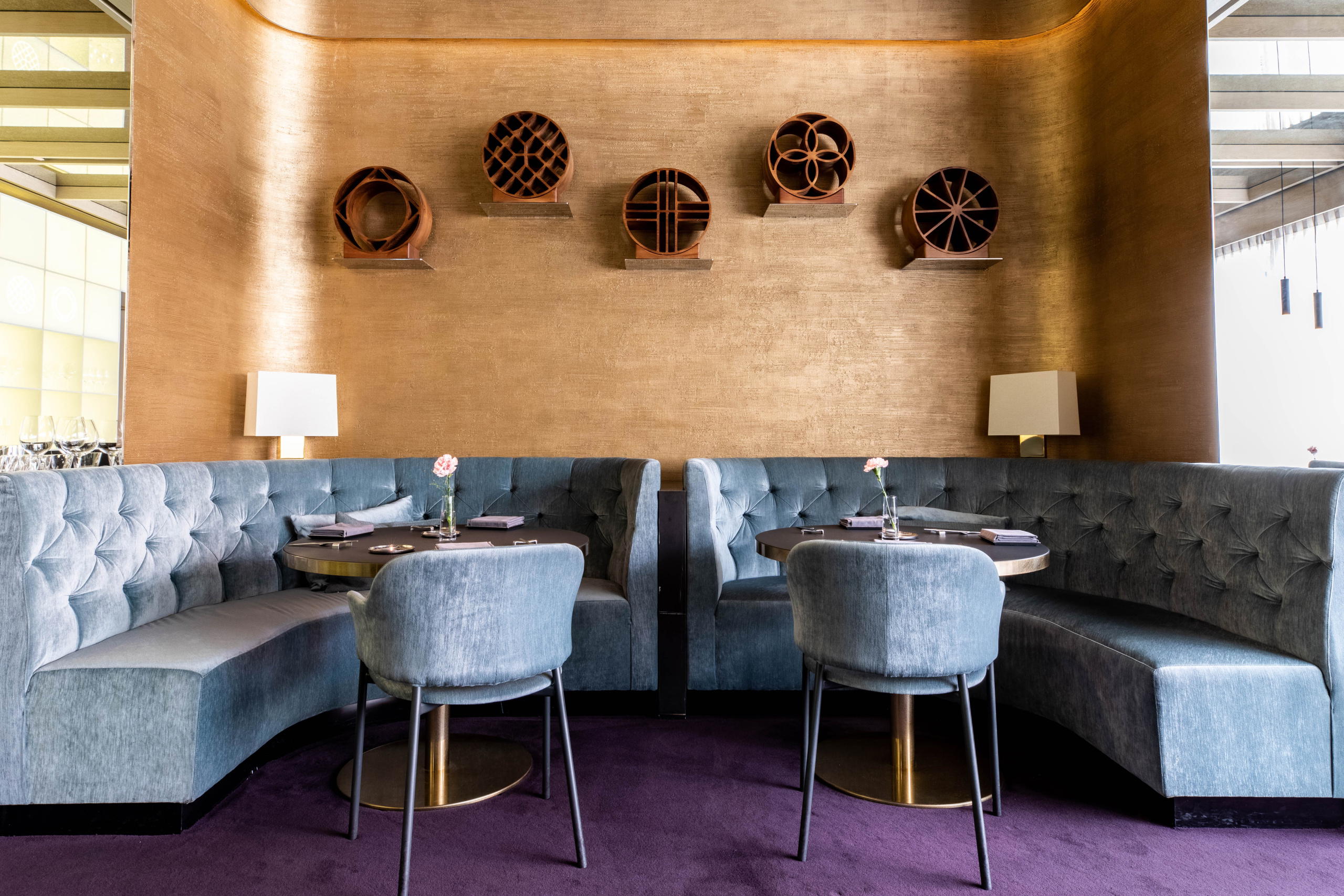
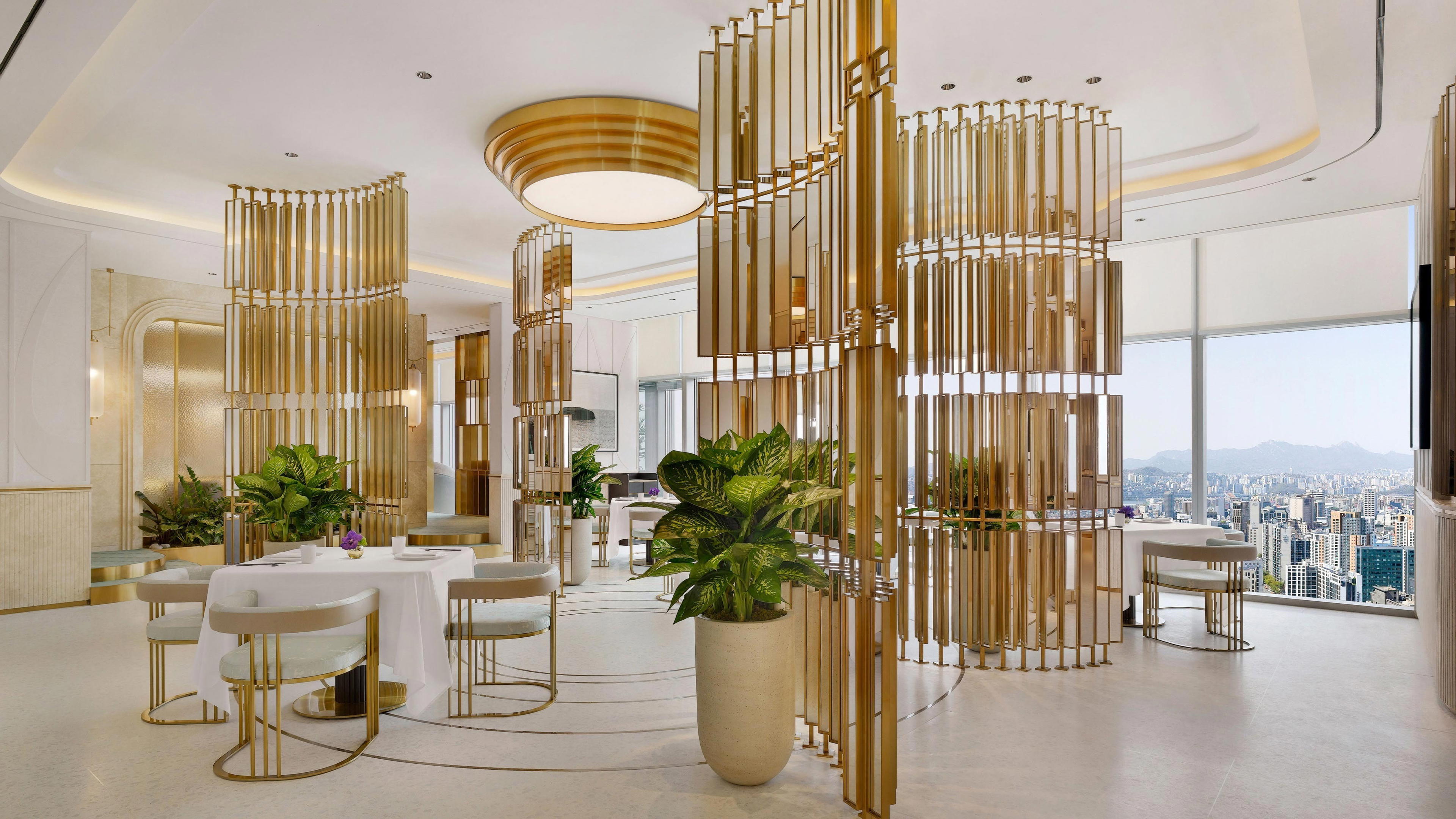
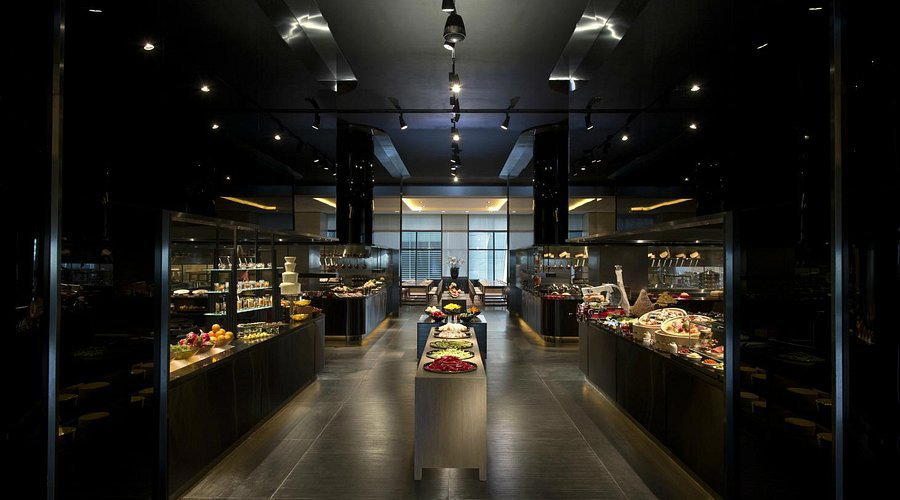
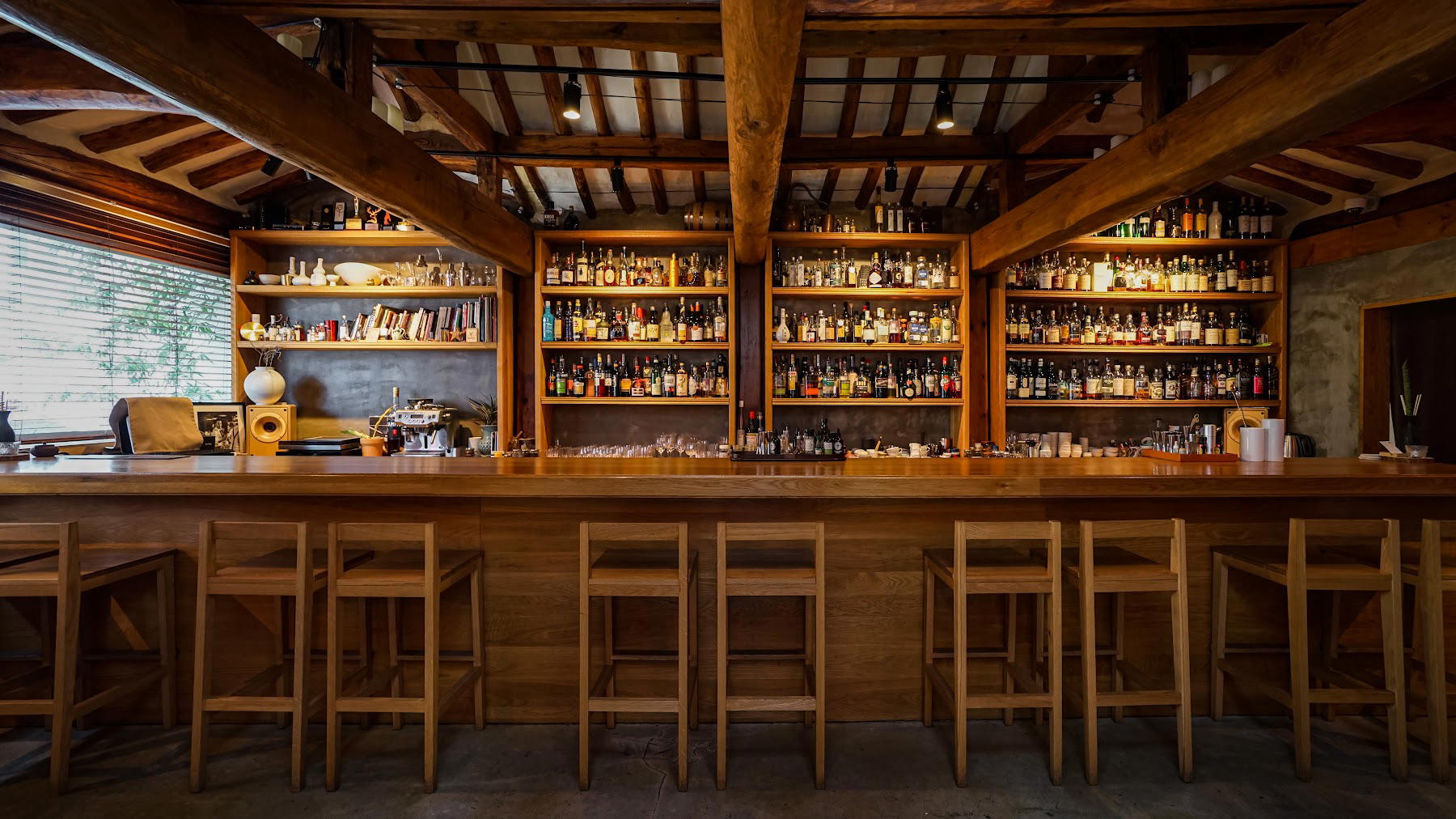
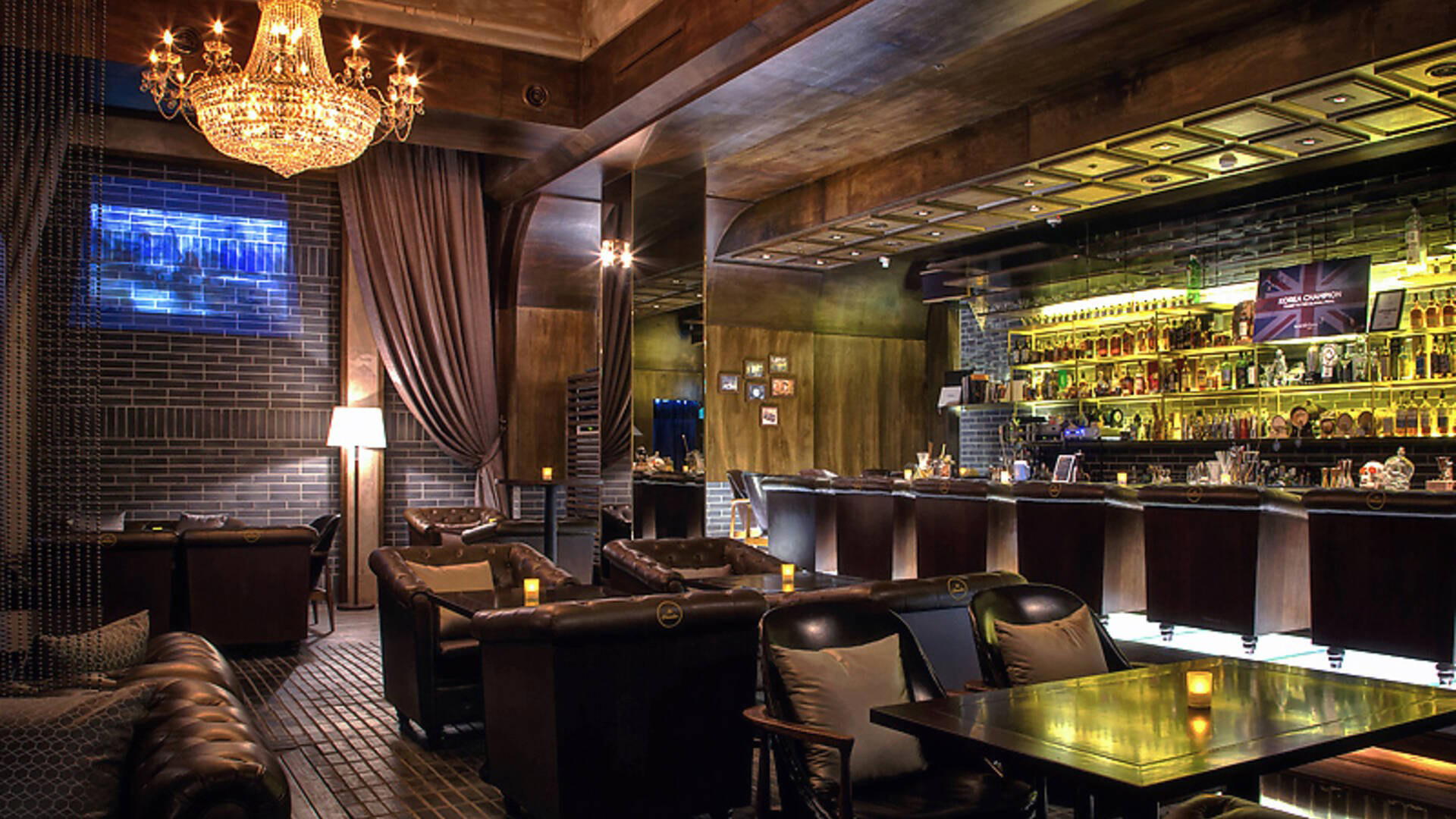
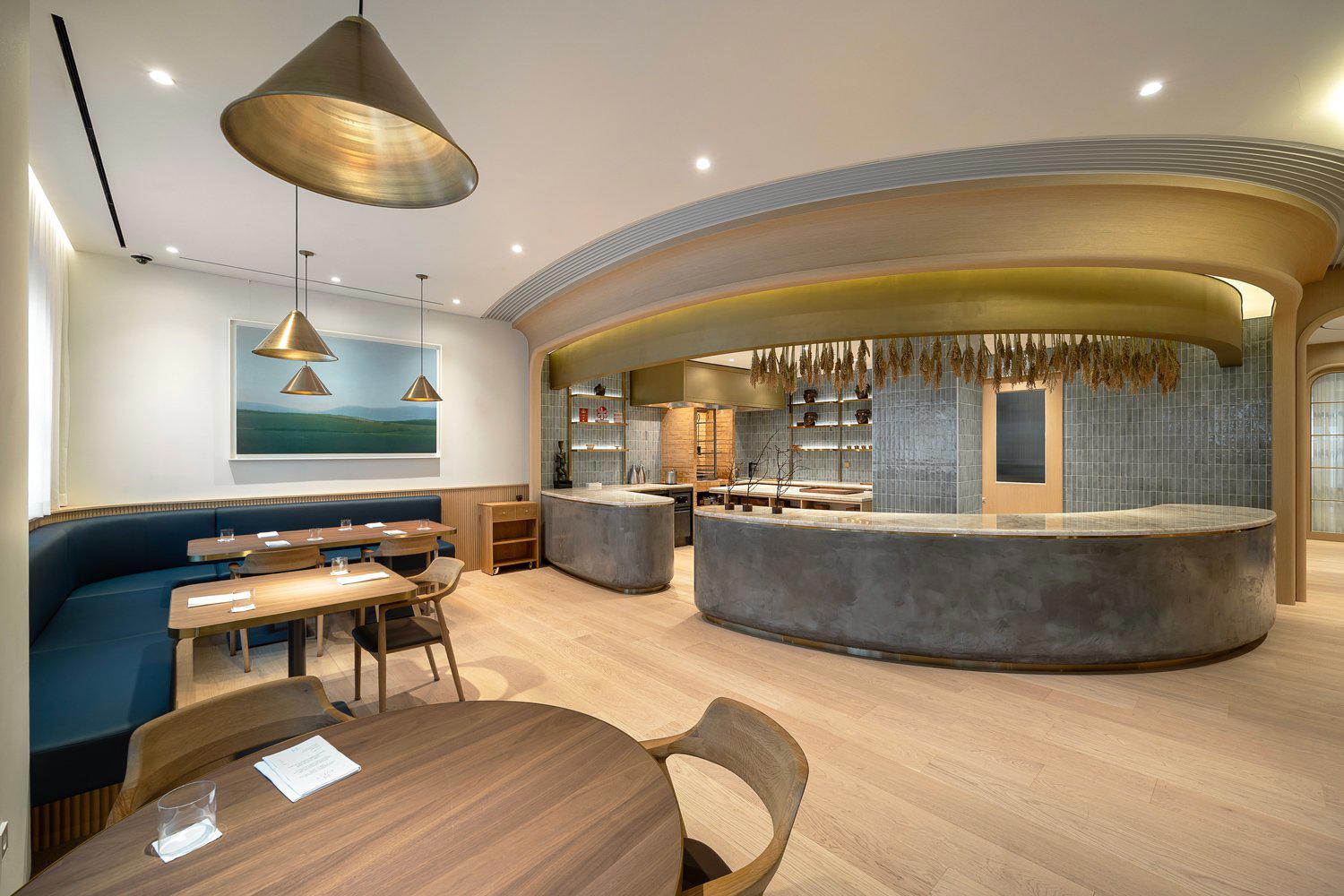
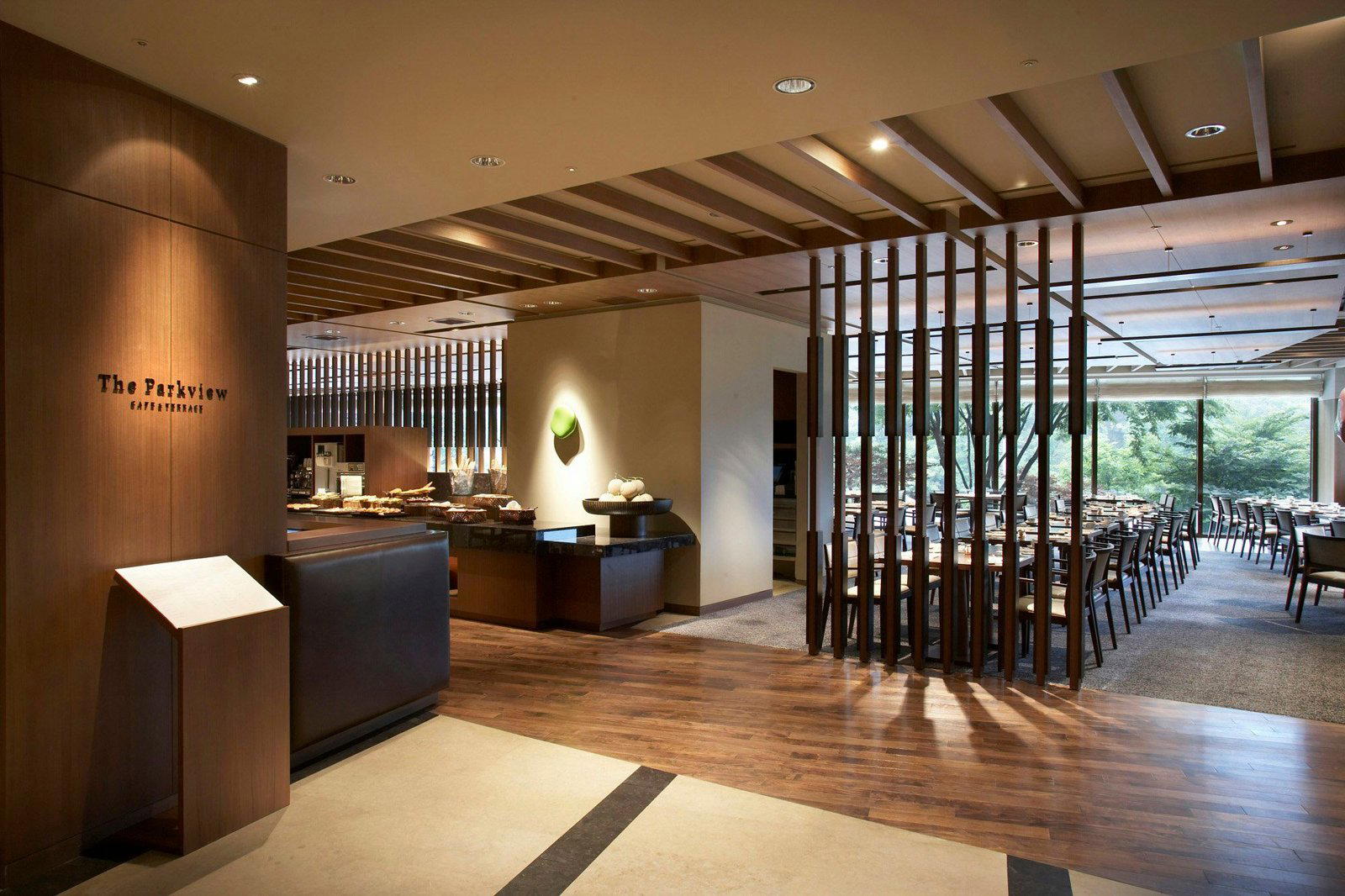
Clean, classic hanok-style interior with spacious hall, private rooms, and outdoor courtyard for pleasant dining.