Baekje Samgyetang (백제삼계탕)
Where Myeong-dong Meets a Pot of Slow-Cooked Intent Myeong-dong is one of Seoul's densest commercial corridors, a district where international cosmetics chains and street-food stalls compete for pavement at equal volume. Tucked along Myeong-dong...
 Discover on Pearl
Pearl is the En Primeur Club membership app — saves, bookings, and concierge access live there. Same editors, same standards.
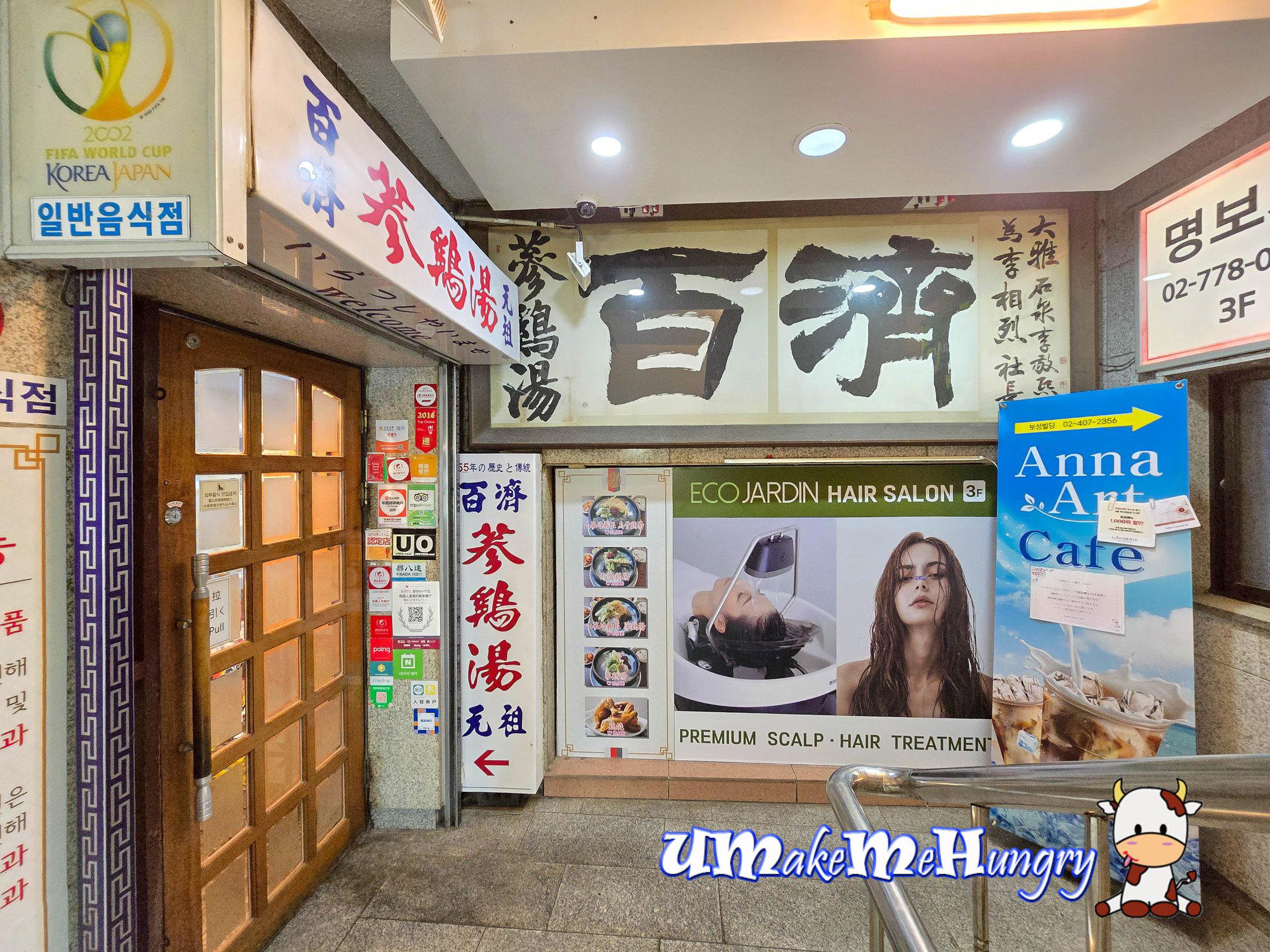
Where Myeong-dong Meets a Pot of Slow-Cooked Intent
Myeong-dong is one of Seoul's densest commercial corridors, a district where international cosmetics chains and street-food stalls compete for pavement at equal volume. Tucked along Myeong-dong 8-gil, Baekje Samgyetang operates in deliberate contrast to that surrounding noise. The address is a narrow side street off the main drag, and arriving there means stepping away from the pedestrian stampede into something quieter and more purposeful. Samgyetang as a category belongs to this kind of environment: it is not a cuisine built for performance or theatre, but for patience and restorative intent.
The Dish and What It Demands
Samgyetang, the Korean ginseng chicken soup, sits in a distinct class among the country's traditional dishes. A whole young chicken, stuffed with glutinous rice, ginseng, jujubes, and garlic, is simmered low for hours until the broth becomes dense and the meat falls from the bone. The sourcing logic of a good samgyetang operation centres almost entirely on a few high-stakes ingredients: the quality of the ginseng root determines the bitterness-to-sweetness ratio in the broth; the age and breed of the chicken dictates texture; and the glutinous rice inside must absorb without dissolving. These are not presentation decisions. They are sourcing decisions made before a single customer walks in.
The dish has deep roots in the concept of boyangshik, restorative or tonic food, particularly associated with sambok, the three hottest days of the Korean lunar calendar. The logic, counterintuitive to many first-timers, is that eating hot food on the hottest days replenishes the energy lost to summer heat. But samgyetang has long since escaped its seasonal framing. In a district like Myeong-dong, which draws significant year-round tourist and office-worker traffic, a restaurant built around this dish must function across all seasons and visitor types.
Ginseng at the Centre: Why Sourcing Defines the Category
The ingredient that separates a credible samgyetang from a generic one is Korean ginseng, or insam. The root takes four to six years to reach the maturity required for culinary use, and the geographic origin matters: Geumsan, a county in South Chungcheong Province, has historically supplied a disproportionate share of Korea's premium ginseng output and functions as the reference point for quality in the domestic trade. Operations that source from this supply chain are working with a materially different raw ingredient than those using imported or immature root.
Ginseng component in samgyetang is not merely flavour. It carries a well-documented pharmacological identity in Korean food culture, associated with immune function, circulation, and stamina. That identity creates an expectation in the customer that the dish will perform, not just taste. This is why sourcing transparency in this category carries more weight than in, say, a bibimbap operation. The broth is the argument; the ingredient list is the evidence.
Seoul's samgyetang scene has a recognised upper tier, with establishments in districts like Insadong and Jongno that have been operating under the same families for decades. Within Myeong-dong, the category is thinner, which gives a focused operation like Baekje Samgyetang a less crowded competitive position than it would face in the traditional restaurant neighbourhoods north of the river. For visitors and residents already in the area, the alternative for comparable tonic food would require a deliberate cross-city trip rather than a five-minute walk. For context on how Seoul's broader restaurant culture positions traditional Korean cuisine alongside its fine-dining evolution, see our full Seoul restaurants guide.
Planning a Visit
The restaurant sits at 명동8길 8-10 in Jung-gu, a short walk from Myeong-dong subway station (Line 4). No website or booking phone number is available in the current record, which suggests walk-in is the operative model. For a district as tourist-heavy as Myeong-dong, midday on weekdays and weekend lunch hours will carry the heaviest footfall; arriving before noon or after the main lunch peak is the practical approach. Pricing data is not confirmed in the current record, though samgyetang as a category in Seoul's mid-tier traditional restaurants typically runs in the ₩15,000 to ₩25,000 range per bowl, positioning it well below the contemporary Korean tasting menus at venues like Mingles or Jungsik. The meal structure is self-contained: the pot is the meal, accompanied by kimchi and salt, so there is no multi-course commitment or reservation cadence to manage.
Travellers moving through Korea more broadly will find comparable tonic-food traditions at a regional level. Mori in Busan and Dining Room in Busan represent very different registers of Korean dining in the country's second city, while in Jeju, Badang Lounge and 88돼지 document the island's distinct food culture. For grilled meat traditions, Gobojeong Galbi in Suwon and Doosoogobang are both worth the journey south of Seoul. Gyeongju's food culture, anchored partly by its heritage identity, shows up in places like Hwangnam Bread and Gyeongju Wonjo Kongguk. Closer to Seoul's own fine-dining axis, venues like Kwonsooksoo, Soigné, and alla prima represent the contemporary Korean end of the spectrum. For Korean cuisine translated to a New York audience, Atomix makes an instructive international comparison point, while Le Bernardin illustrates how a different culinary tradition handles the gap between sourcing rigour and dining experience at the highest tier.
Fast Comparison
Comparable venues nearby, for context on price, style, and recognition.
| Venue | Cuisine | Price | Awards | Notes |
|---|---|---|---|---|
| Baekje Samgyetang (백제삼계탕)This venue — the venue you are viewing | Traditional Korean Ginseng Chicken Soup | $$ | , | |
| Hongdae Restaurant GIT TTEUL | Korean Pork BBQ | $$ | , | 연남동 |
| Parc Seoul | Traditional Korean Home-Style Comfort Food | $$ | , | 이태원동 |
| Gogung Myeongdong | Traditional Jeonju Bibimbap | $$ | , | 소공동 |
| Baekyangsa Temple for Jeong Kwan | Korean Temple Food | $$ | , | Jangseong |
| Mongvely 2 Myeongdong Korean BBQ restaurant kbbq Beef All You Can Eat | All-You-Can-Eat Korean BBQ | $$ | , | Sajik-dong |
Continue exploring
More in Seoul
Restaurants in Seoul
Browse all →
At a Glance
- Lively
- Classic
- Iconic
- Casual Hangout
- Family
- Group Dining
- Standalone
- Historic Building
- Beer Program
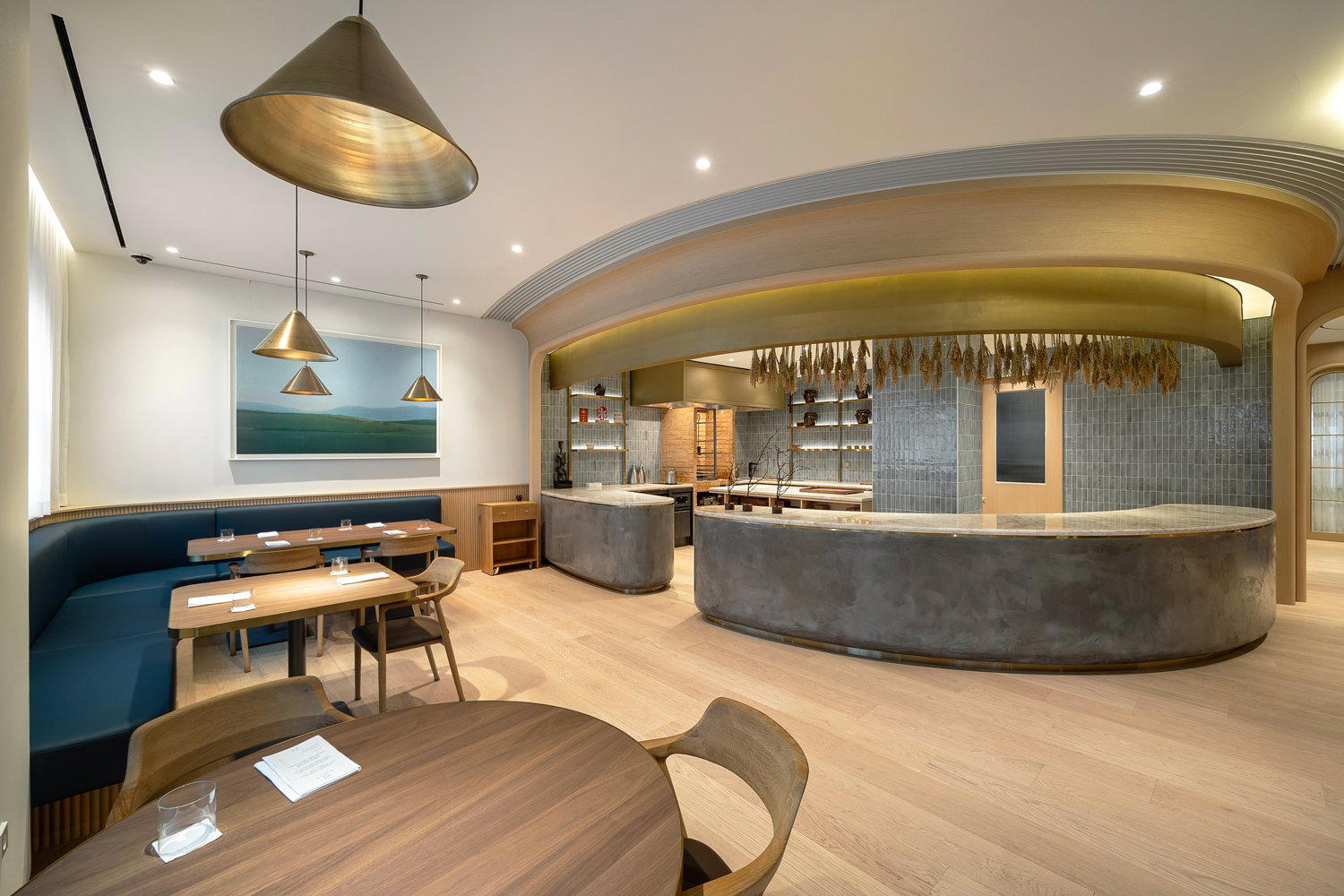
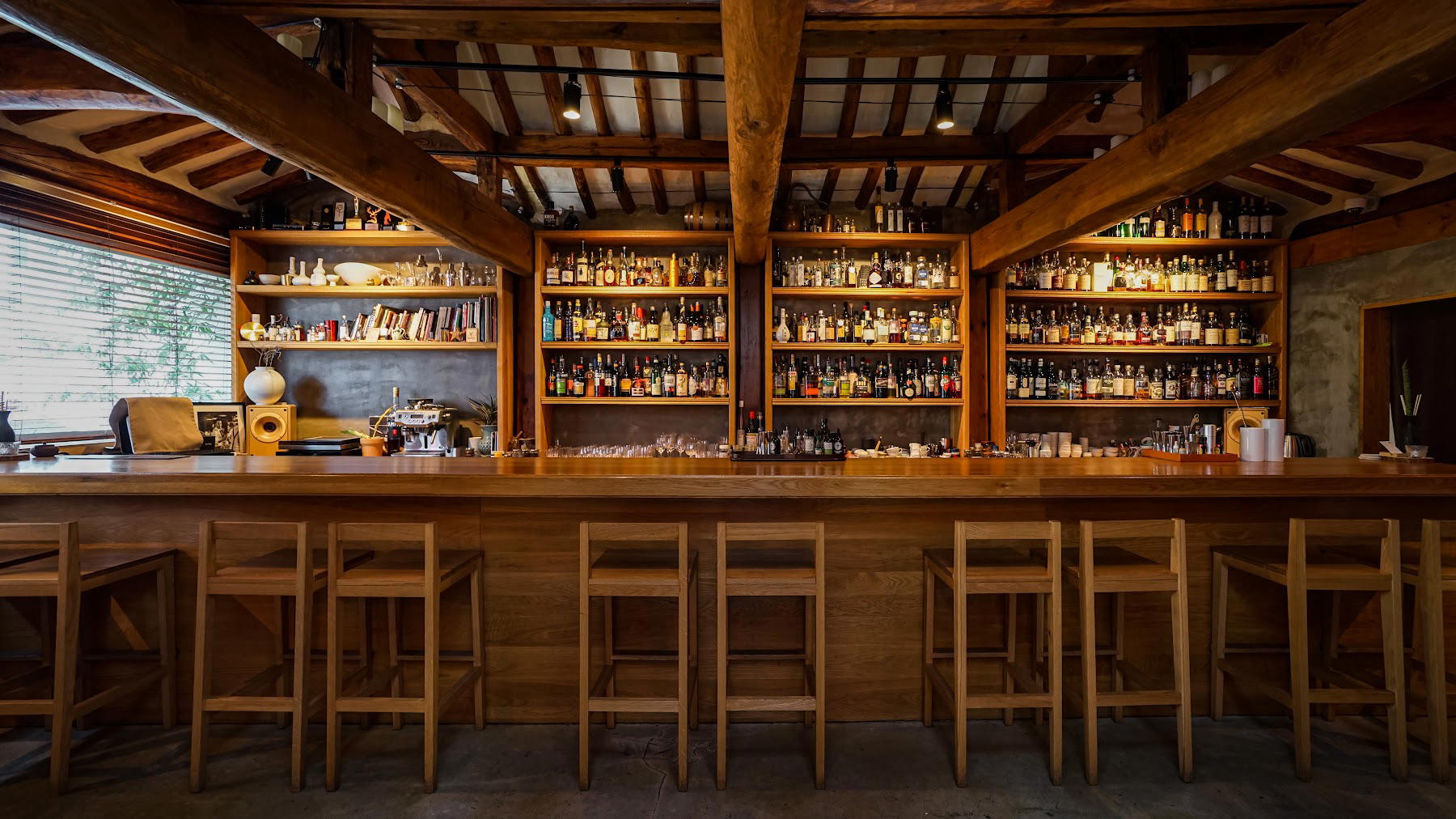
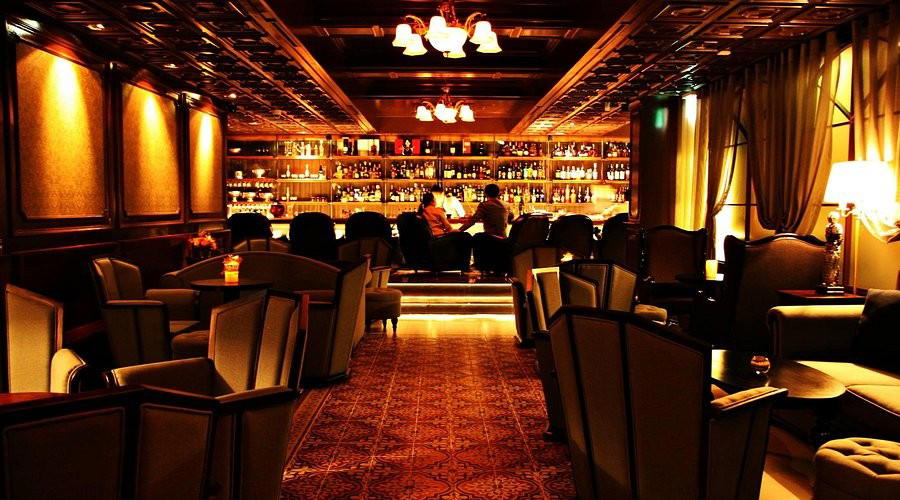
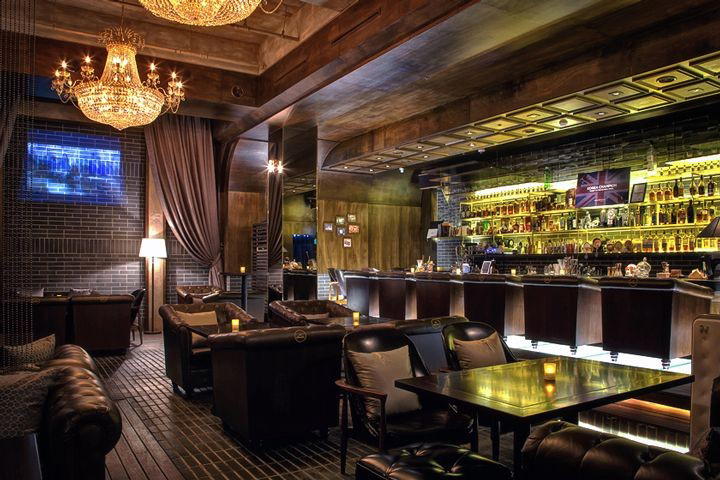
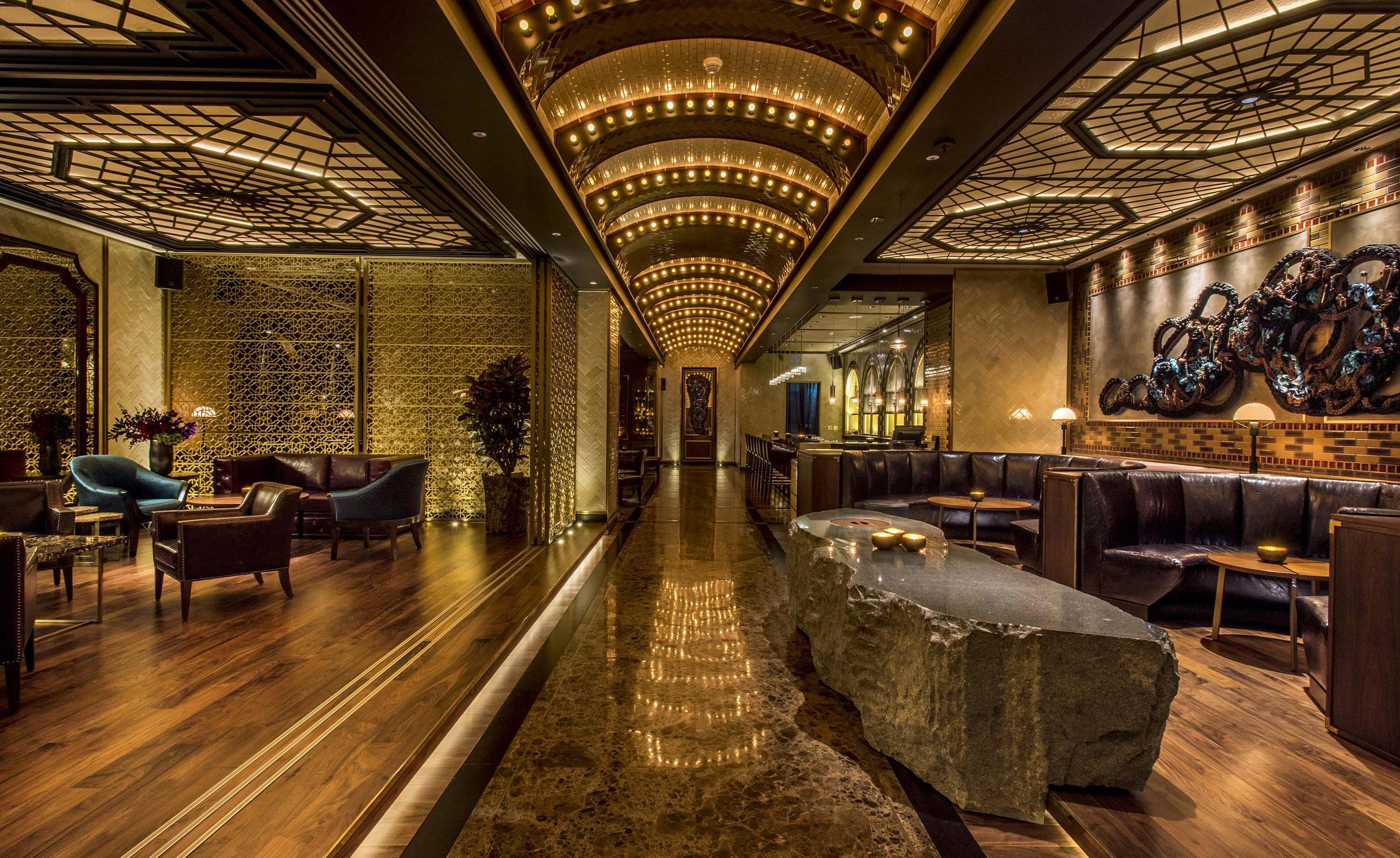
Bustling and lively atmosphere with friendly service; conversations between patrons and staff create an energetic environment that contrasts with more formal traditional Korean restaurants.