듬북담북 선릉1점
듬북담북 선릉1점 operates in Seoul's Samsungdong district, a neighbourhood where the city's appetite for refined Korean dining has grown steadily alongside its corporate density. The restaurant sits in the broader Gangnam-area dining corridor, where traditional Korean formats meet contemporary expectations around sequencing, produce sourcing, and room atmosphere. Specific menus and pricing are best confirmed directly with the venue.
Pearl is the En Primeur Club membership app — saves, bookings, and concierge access live there. Same editors, same standards.
- Address
- 삼성2동, 서울특별시, 서울특별시, 06160
- Directions
- Get directions
 Saves & bookings on Pearl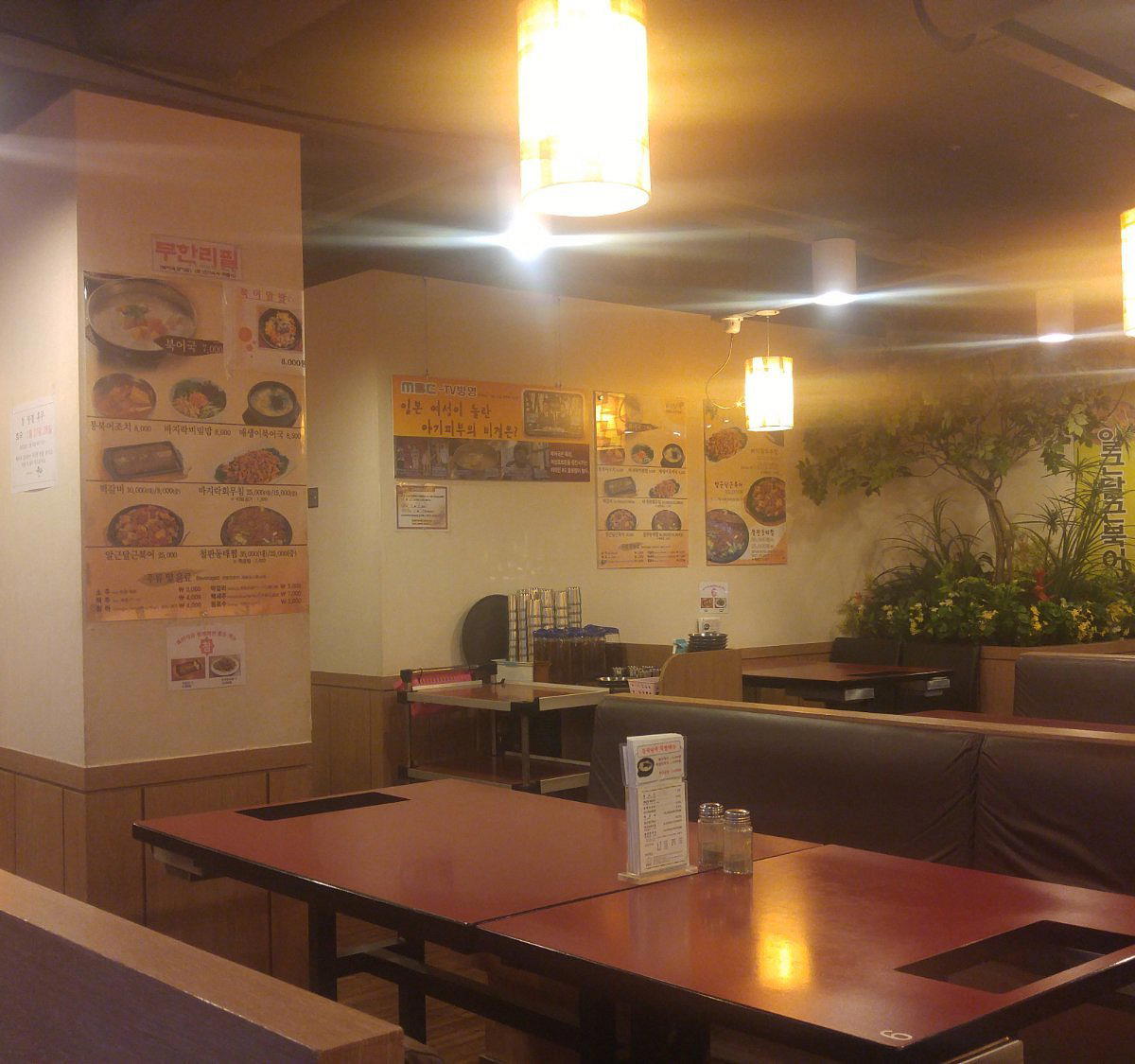
The Gangnam Dining Corridor and Where 듬북담북 선릉1점 Sits Within It
Samsungdong and its immediate surrounds have become one of Seoul's more interesting testing grounds for Korean dining. The neighbourhood carries the logistical weight of Gangnam's corporate culture — expense accounts, client dinners, the expectation that a meal functions as an occasion — yet it has also produced a distinct local character that separates it from the flashier end of Cheongdam or the international-facing kitchens around Apgujeong. Restaurants in this corridor tend to read a room of regulars rather than tourists, which shapes the pace, the format, and the assumptions a kitchen makes about its guests. 듬북담북 선릉1점, anchored in Samsungdong, operates within that local logic.
Across Seoul, the tension between traditional Korean form and contemporary sequencing has produced genuinely distinct dining tiers. At the higher end, venues like Mingles and Kwonsooksoo have drawn sustained critical attention for how they handle Korean ingredients inside structured tasting formats. A different cohort, including Soigné and alla prima, pushes further into innovation, blurring the line between Korean and European culinary grammar. 듬북담북 선릉1점 occupies a different position, neighbourhood-anchored rather than destination-seeking, which makes it representative of a pattern worth understanding: the mid-register Korean dining room that serves its local area first and positions itself for the long run rather than the press cycle.
Korean Dining and the Architecture of a Meal
Traditional Korean dining resists the Western convention of strict course separation. A table arrives with multiple dishes simultaneously, banchan spreading outward from a central protein or soup, and the meal unfolds through assembly rather than sequence. Contemporary Seoul has complicated that model. A growing number of kitchens, particularly those serving Gangnam's business clientele, have adopted modified sequencing that preserves Korean flavour profiles while introducing the pacing logic of a tasting menu. The result is not fusion in the older sense but rather a structural adaptation: jeong-sik formats stretched across time, individual dishes given space to be read on their own terms before the next arrives.
This shift matters because it changes what a kitchen signals about itself. A restaurant that sequences its dishes, even loosely, makes a claim about intent and about how it expects the guest to engage. The Sungsam and Samsungdong dining rooms have been quietly absorbing this approach for years, often without the visibility of their Apgujeong or Insadong counterparts. For those tracking how Seoul's dining culture distributes itself geographically, the Gangnam office districts tell a different story than the more photographed neighbourhoods further north. For wider context on Seoul's dining scene, see our full Seoul restaurants guide.
The Meal as Progression: Reading a Korean Tasting Format
When a Korean kitchen commits to a sequenced format, the opening dishes carry particular weight. Light, fermented, or pickled preparations often anchor the early movements, kimchi variants, namul, a clear broth, calibrating the palate before heavier proteins arrive. This is not stylistic flourish; it reflects a deeply practical understanding of how Korean ingredients layer. Ganjang-based sauces, doenjang preparations, and the acidic brightness of properly fermented vegetables all prime the palate differently than a Western amuse-bouche sequence. Kitchens that understand this progression tend to show their quality early, in the restraint and precision of the opening course rather than in the drama of a centrepiece.
Mid-sequence, the focus typically shifts to protein and heat. Grilled meats, braised preparations, or jjigae served in individual portions mark the meal's structural centre. The quality of the fire, charcoal versus gas, the management of smokiness, the control of crust and interior, becomes legible here in a way that earlier courses do not permit. At the close, rice-based dishes and traditional desserts tend to land the meal without excess sweetness, grounding the sequence in a register that feels specifically Korean rather than globally harmonised. The discipline of that ending, resisting the European impulse toward a sugar finish, is one of the clearest markers of a kitchen that takes the form seriously.
Korean restaurants across the country are navigating this question differently. In Busan, venues like Mori and Dining Room have developed their own sequencing logic tied to local seafood. In Jeju, the approach differs again, Badang Lounge and 88돼지 anchor their format in the island's distinctive produce. The Gangnam corridor draws from a different pantry and serves a different kind of diner, which produces yet another variation on how a Korean meal can be structured.
Neighbourhood Context: Why Samsungdong Matters
The Samsungdong address is worth taking seriously as a locating signal. The district sits between COEX and Bongeunsa Temple, a pairing of commercial density and centuries-old Buddhist architecture that gives the neighbourhood an unusual texture. Lunch and dinner rhythms here follow corporate schedules more closely than in residential areas, which means a restaurant operating in this zone has to perform across multiple meal occasions and for guests whose engagement with the meal can shift from perfunctory to attentive depending on the day. Restaurants that survive this test over time tend to be genuinely good rather than merely well-positioned.
The comparison set in this part of Gangnam overlaps with venues serving jeong-sik and set-menu formats at various price points. At the upper register, the ₩₩₩₩ tier includes contemporary Korean rooms, French-accented Korean kitchens, and pure innovation formats. What the address and format suggest is a kitchen calibrated for durability rather than hype. For reference on what the broader Korean dining tier looks like at its most ambitious, venues like Jungsik set the benchmark for contemporary Korean formal dining in the city, while regional Korean dining across the country continues to develop its own distinct registers, from galbi specialists like Gobojeong Galbi #1 in Suwon to traditional grain preparations at Gyeongju Wonjo Kongguk. Internationally, the arc of Korean-influenced fine dining extends further: Atomix in New York represents the export end of what Korean kitchens have developed, while Le Bernardin illustrates the European precision tradition that some contemporary Korean kitchens reference as a structural counterpoint.
Know Before You Go
- Address: 삼성2동, 서울특별시, 06160
- Phone: Not available, contact via local directory or walk-in inquiry
- Reservations: Format and booking method not confirmed; advance contact recommended for dinner
- Price range: Not confirmed; verify directly
- Getting there: Samsungdong is served by Samseong station (Line 2) and COEX; the district is walkable from both exits
Price Lens
Comparable venues nearby, for context on price, style, and recognition.
| Venue | Cuisine | Price | Notes |
|---|---|---|---|
| 듬북담북 선릉1점This venue — the venue you are viewing | 삼성동, 북어국 전문 한식 | $$ | Not listed |
| Jinju Jip | Not listed | $$ | 용강동, Traditional Korean Kongguksu & Noodle Soup |
| 제주몬트락 | Gangnam, Jeju Black Pork BBQ | $$ | Not listed |
| 할머니의 레시피 | Not listed | $$ | Seongsu-dong, Refined Korean Home-Style Cuisine |
| 태조감자국 | Not listed | $$ | Dongseon-dong / Seongbuk-gu, Traditional Korean Gamjatang |
| Wangbijib Myeongdong Central | 소공동, Traditional Korean BBQ | $$ | Not listed |
At a Glance
- Cozy
- After Work
- Casual Hangout
캐주얼한 직장인 밥집 분위기.
Know Before You Go
- Getting there
- 삼성2동, 서울특별시, 서울특별시, 06160