

Tabelog 100 #2
Our verdict
A Shirokane sukiyaki house with a track record on Opinionated About Dining's Japan rankings — placed at #265 in 2024 and #286 in 2025 — Imafuku operates in the quieter residential register of Minato City rather than the high-visibility corridors of Ginza or Shinjuku. The kitchen works within one of Japan's most discipline-intensive beef traditions, where ingredient provenance and heat control define the outcome as much as any technique.

Pearl is the En Primeur Club membership app — saves, bookings, and concierge access live there. Same editors, same standards.
The menu
What to order
- A5 Wagyu Sukiyaki
- Premium Beef Sirloin Sukiyaki
Sukiyaki in Tokyo: A Tradition Built on Restraint and Sourcing
Sukiyaki occupies a distinct position in Tokyo's beef culture. Unlike yakiniku, where the diner controls the grill, or teppanyaki, where a chef performs tableside, sukiyaki is a slow, communal format — thin-sliced wagyu lowered into a shallow iron pan with soy, mirin, and sugar, then lifted through raw egg. The discipline is in the sourcing and the ratio: the quality of the beef determines everything, which means serious sukiyaki houses have historically been defined by their supplier relationships rather than by culinary invention. That structural fact shapes the sustainability conversation around the format in ways that are worth understanding before you arrive.
Japan's premium beef supply chain is narrow. Wagyu cattle are raised under long, resource-intensive cycles — typically 28 to 30 months compared to 18 for conventional cattle, and the rankings-level sukiyaki houses in Tokyo source from a small pool of certified regional producers. The environmental footprint of the format is front-loaded into the supply chain, not into the kitchen, which means that where a restaurant sources, and how tightly it controls waste at the pass, carries more ethical weight here than in most other cuisines. Whole-cut usage and portion discipline are, in the sukiyaki world, as close to a sustainability practice as the category gets.
Imafuku in Shirokane: Position in the Scene
Imafuku sits at 1 Chome-12-19 Shirokane in Minato City, a Minami-Azabu and Shirokane address that places it away from the tourist-dense beef corridors around Ginza and into a residential quarter associated with long-established specialty restaurants. The neighbourhood dynamic matters: Shirokane's dining scene runs on repeat local clientele and word-of-mouth rather than foot traffic, which tends to produce kitchens that are consistent rather than performative.
On Opinionated About Dining's Japan list, Imafuku has moved through three consecutive recognition tiers: Highly Recommended in 2023, then ranked #265 in 2024, and #286 in 2025. OAD rankings aggregate recommendations from a sourced panel of food professionals and serious diners rather than anonymous review pools, which makes the recognition a different signal from general consumer platforms. The combination positions Imafuku as a sukiyaki address that has earned credibility in both registers.
For comparison, other OAD-recognised sukiyaki houses in Tokyo include Imahan and Hiyama, while SUKIYAKI ASAI operates in a similar specialist tier. Imafuku's ranking trajectory, three years of consecutive recognition, with a ranking appearing from 2024 onward, marks it as an address that has consolidated rather than flashed. Outside Tokyo, Wadakin in Mie
The Sourcing Logic Behind Serious Sukiyaki
The sustainability argument in sukiyaki is not a marketing position; it is embedded in how the format has operated for over a century. The leading houses in Tokyo have maintained direct or semi-direct relationships with specific regional beef producers because the traceability requirement is built into the dining proposition itself. Guests at rankings-level sukiyaki counters expect to know the origin of the beef, which prefecture, often which farm, in a way that parallels the appellation logic of wine. That expectation creates a structural incentive for tighter sourcing, which in turn reduces the multi-intermediary anonymity that generates waste and quality inconsistency in lower-tier supply chains.
The format itself enforces portion restraint. Sukiyaki is served in sequences of thin-cut slices rather than in bulk, and the shallow-pan cooking method means that over-ordering creates visible, obvious waste at the table. The communal structure of the meal, multiple diners sharing from one pan, also reduces individual over-ordering compared to a la carte formats. These are not virtues the restaurant needs to claim; they are properties of the format.
How Imafuku Fits the Broader Tokyo Dining Week
A meal at Imafuku is an evening commitment: the kitchen runs Tuesday through Saturday from 5 to 11 pm, with Sunday closed. That Tuesday-to-Saturday window is standard for serious specialty restaurants in Tokyo, where Sunday closure reflects both a traditional hospitality-industry rhythm and a practical acknowledgment that weekend crowds favour different formats. The hours allow for a considered pre-dinner approach, Shirokane is walkable from Shirokanedai Station on the Toei Mita Line and the Tokyo Metro Nanboku Line, which connects the neighbourhood to central Tokyo in under twenty minutes.
It is a restaurant for a night when the format is the point: beef, technique, provenance, and the particular discipline of the sukiyaki table. Beyond Tokyo, the same itinerary logic applies across Japan's dining cities: HAJIME in Osaka, Gion Sasaki in Kyoto, akordu in Nara, Goh in Fukuoka, 1000 in Yokohama, and 6 in Okinawa each represent the specialist-tier argument in their respective cities and cuisines.
For the full picture of where Imafuku sits within Tokyo's broader dining, drinking, and hospitality scene, see our full Tokyo restaurants guide, our full Tokyo hotels guide, our full Tokyo bars guide, our full Tokyo wineries guide, and our full Tokyo experiences guide. For a point of international comparison in the high-end fish-and-sourcing conversation, Le Bernardin in New York City represents a different tradition that shares the same sourcing-first logic that defines Imafuku's category.
Planning Your Visit
Imafuku is open Tuesday through Saturday, 5 to 11 pm, and closed on Sunday. The address is 1 Chome-12-19 Shirokane, Minato City, Tokyo 108-0072. Booking in advance is advisable given the restaurant's OAD ranking and the limited operating schedule. Shirokane is accessible via Shirokanedai Station on the Nanboku and Mita metro lines, placing it within easy reach of central Tokyo.
Frequently asked questions
Where do I go for Imafuku?
Imafuku is located at 1 Chome-12-19 Shirokane, Minato City, Tokyo 108-0072, Japan, Tokyo.
Who is the chef or culinary lead at Imafuku?
The chef associated with Imafuku is Various.
What has Imafuku built its reputation on?
Imafuku has earned three consecutive years of recognition from Opinionated About Dining — Highly Recommended in 2023, ranked #265 in 2024, and #286 in 2025 among Japan's top restaurants.
Style and Standing
A quick snapshot of similar venues for side-by-side context.
| Venue | Cuisine | Price | Awards | Notes |
|---|---|---|---|---|
| ImafukuThis venue — the venue you are viewing | Michelin-Starred Sukiyaki & Shabu-Shabu | $100–150 | Tabelog 100 #2 | Not listed |
| Harutaka | Edo-Style Omakase Sushi | $200–300 | 3 Michelin Stars · World's 50 Best #76 | Sushi |
| RyuGin | Modern Kaiseki | $500+ | 3 Michelin Stars · World's 50 Best #41 | Kaiseki, Japanese |
| L'Effervescence | Modern French with Japanese Influences | $200–300 | 3 Michelin Stars · World's 50 Best #69 | French |
| HOMMAGE | Modern French with Japanese Influences | $150–200 | 2 Michelin Stars · World's 50 Best #78 | Innovtive French, French |
| MAZ | Innovative Peruvian-Japanese Fusion | $150–200 | 2 Michelin Stars · World's 50 Best #28 | Innovative |
Recognition history
Dated appearances from independent guides and award organizations, with the underlying list record or original source where available.
Opinionated About Dining Top Restaurants in Japan Recommended
Opinionated About Dining
Tabelog 100 #2 · No. 2
Tabelog · Tabelog 100 - Hot Pot - 2024
Full recognition history (5 entries)
Opinionated About Dining Top Restaurants in Japan Ranked #286
Opinionated About Dining
Opinionated About Dining Top Restaurants in Japan Ranked #265
Opinionated About Dining
Opinionated About Dining Top Restaurants in Japan Highly Recommended
Opinionated About Dining
Continue exploring
More in Tokyo
More from Chef Various
Browse all →
Restaurants in Tokyo
All restaurants in Tokyo →

Bars in Tokyo
All bars in Tokyo →



Details
- Elegant
- Sophisticated
- Cozy
- Date Night
- Business Dinner
- Family
- Special Occasion
- Private Dining
- Sake Program
- Set Menu
- Sake
- Shochu
- Wine
Current opening hours
- Monday
- 5–11 PM
- Tuesday
- 5–11 PM
- Wednesday
- 5–11 PM
- Thursday
- 5–11 PM
- Friday
- 5–11 PM
- Saturday
- 5–11 PM
- Sunday
- Closed
Hours can change for holidays and private events. Last verified .
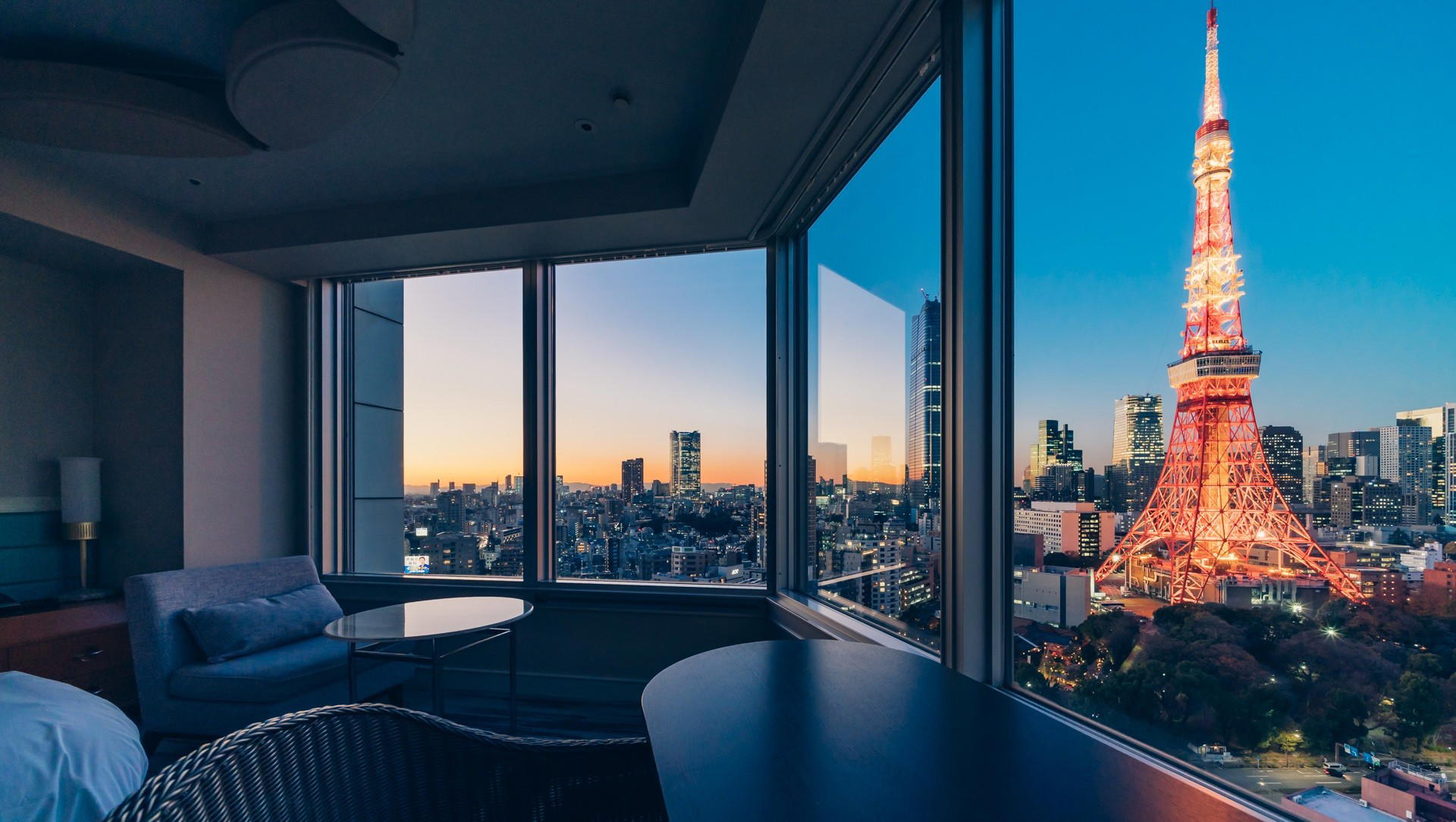
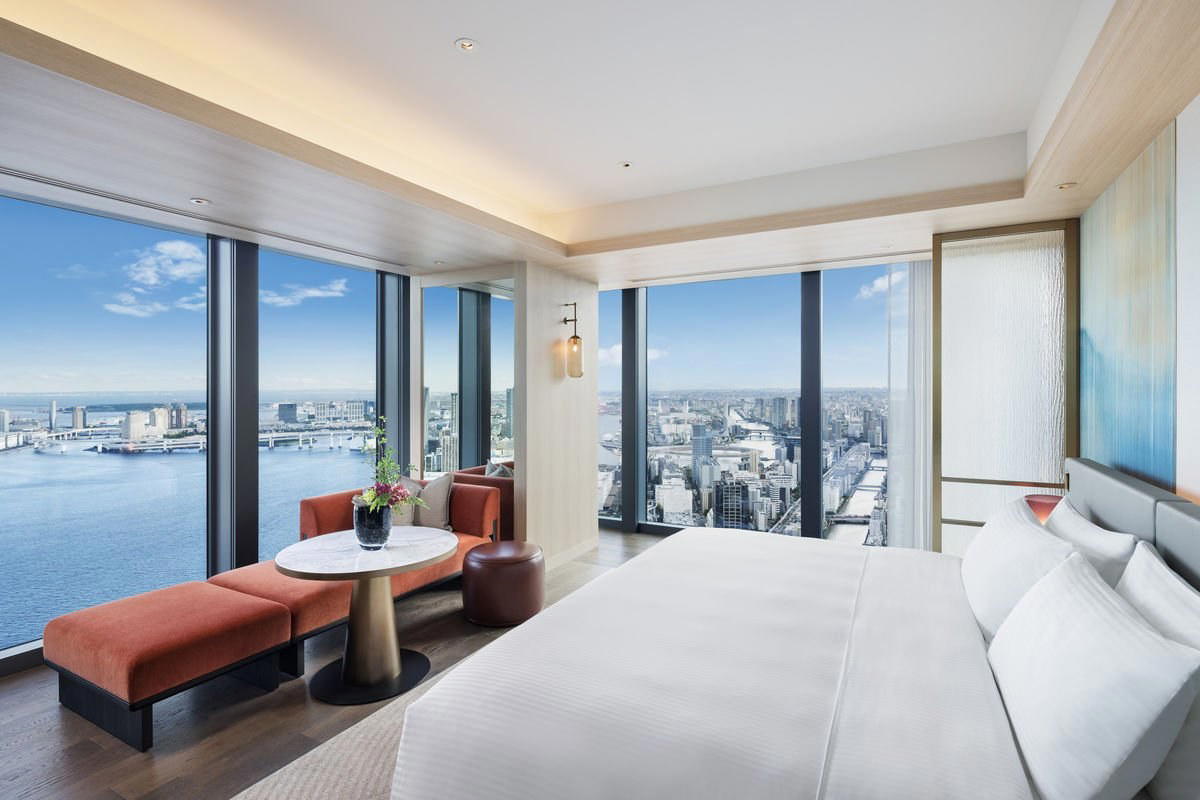
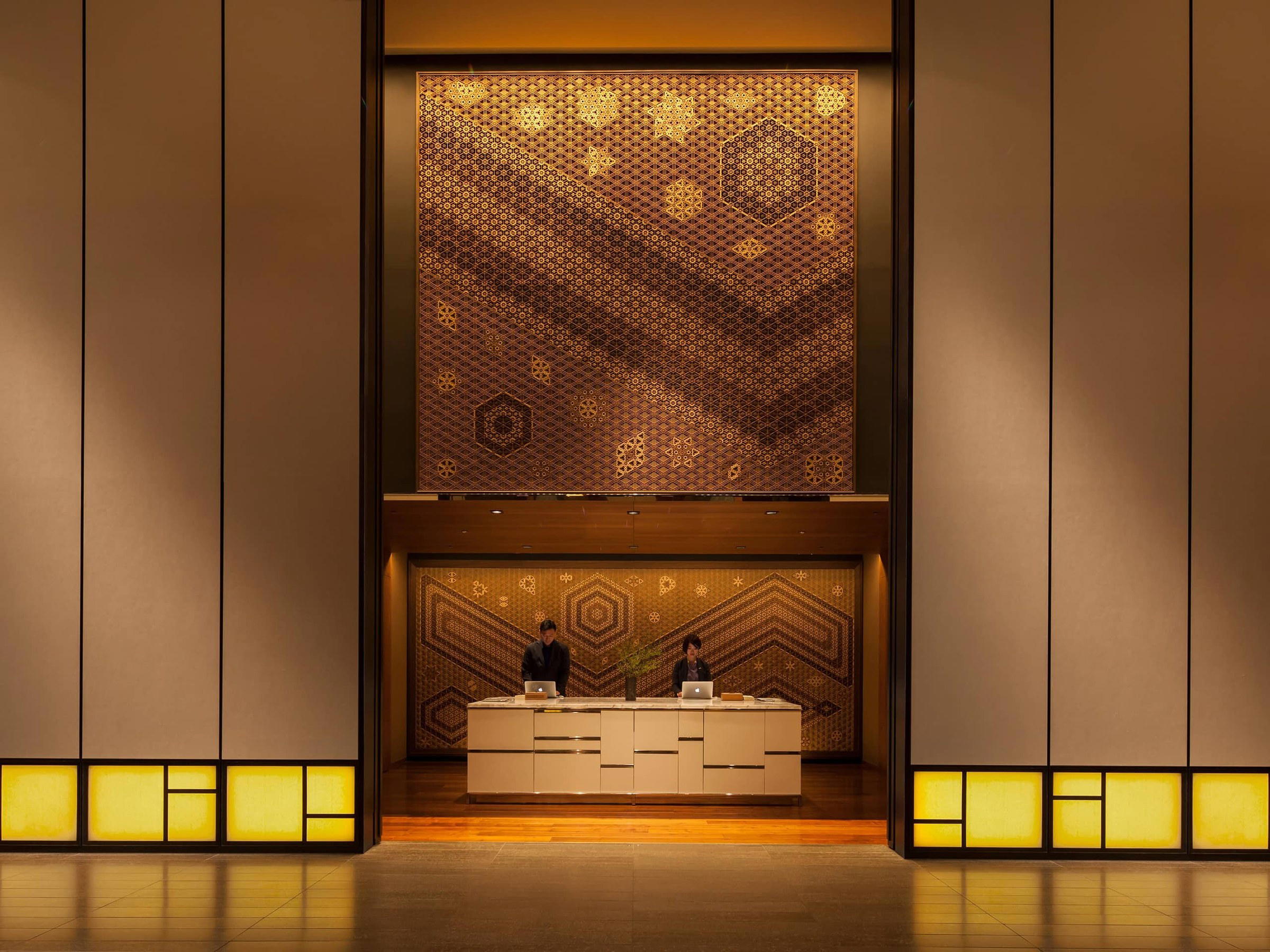
Warm, inviting, and serene Japanese atmosphere with stylish, relaxing private rooms.