Our verdict
Ningyocho Imahan's outpost inside Nihombashi Takashimaya S.C. brings one of Tokyo's most respected sukiyaki and shabu-shabu traditions into a department store setting without sacrificing the ritual that defines the original. The daytime service draws a notably different crowd than the evening, and the format shifts accordingly. For visitors seeking a structured introduction to Tokyo's wagyu counter culture without the full omakase commitment, this branch occupies a practical middle tier.

Pearl is the En Primeur Club membership app — saves, bookings, and concierge access live there. Same editors, same standards.
Beef, Department Stores, and the Tokyo Lunch Equation
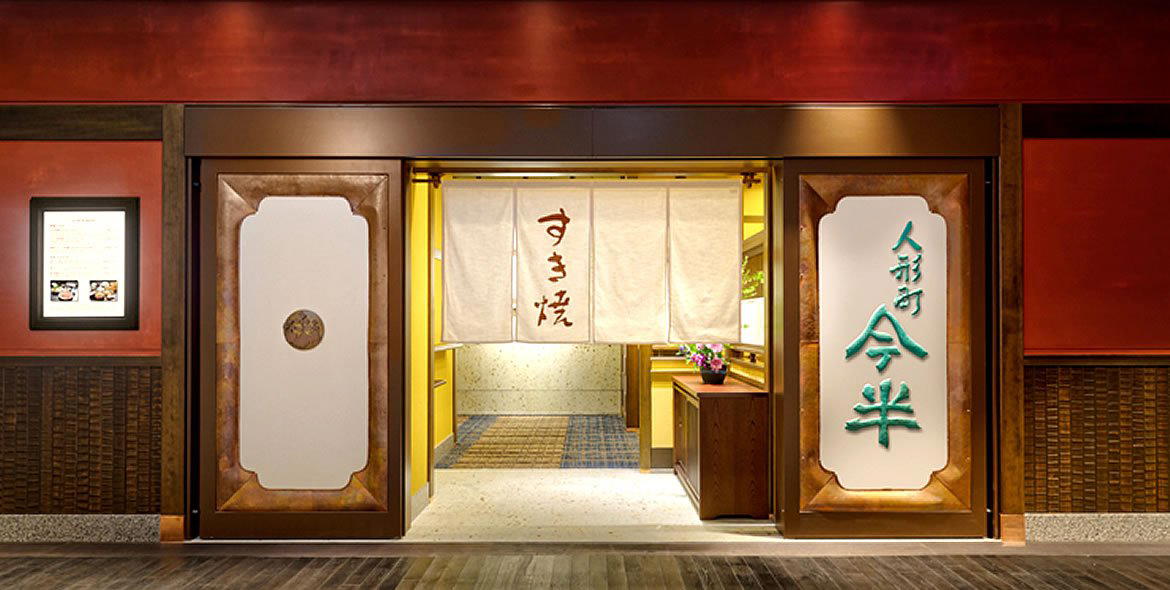
Tokyo's high-end department stores have long served a function that visitors from other cities sometimes misread. The restaurant floors of Isetan, Mitsukoshi, and Takashimaya are not concessions or food courts in the Western sense. They are, in many cases, the most accessible entry points to dining lineages that stretch back generations. Ningyocho Imahan belongs to that category: a sukiyaki and shabu-shabu house with roots in the Ningyocho district going back to the Meiji era, now represented across multiple Tokyo locations including this branch inside Nihombashi Takashimaya S.C.'s newer tower annex.
The Nihombashi neighbourhood has been Tokyo's commercial and financial centre since the Edo period, and the concentration of long-established restaurants here is not accidental. This is an area that values continuity. The Imahan name carries that weight, and the Takashimaya S.C. location inherits it while operating in a format calibrated for a slightly broader audience than the original Ningyocho flagship.
How Lunch and Dinner Divide at a Wagyu Counter of This Type
The lunch and dinner dynamic at Japanese wagyu specialists of this tier is worth understanding before you book. Lunchtime at venues like this one draws a different composition of diners than the evening: office workers from the surrounding Nihombashi financial district, shoppers moving through the Takashimaya floors, and travellers who want a structured meal without committing to a two-hour dinner. The mood is lighter, the pace faster, and at most branches in this category, the entry price point is considerably lower than dinner equivalents.
Evening service at sukiyaki houses in this bracket shifts toward groups, anniversaries, and corporate entertaining. The same ingredients, the same preparation method, but the surrounding context changes entirely. In a city where kaiseki restaurants like RyuGin and French houses like L'Effervescence anchor the upper tier of evening dining, sukiyaki specialists occupy a parallel track with their own hierarchies and rituals. Imahan sits firmly within that tradition rather than competing across categories.
For context: the sukiyaki format involves thin-sliced wagyu cooked tableside in a shallow iron pan with soy, mirin, and sugar, then dipped in raw egg. It is an intimate, sequential process that rewards patience and punishes rushing. A lunch service that runs 75 minutes will cover the material, but the evening version, unrushed, is a different proposition in terms of the overall experience.
The Nihombashi Takashimaya Setting
The S.C. designation refers to the Shopping Centre annex rather than the historic main building, which has its own restaurant floor. This distinction matters for navigation. The newer tower houses a separate set of restaurants, and first-time visitors to the complex sometimes spend time searching across floors before locating the correct entrance. The building sits at Nihonbashi 2-5-1, easily accessible from Nihombashi Station on the Ginza and Tozai lines, or from Tokyo Station via a short walk through the Yaesu side.
Department store restaurant settings can carry a stigma among serious diners, but in Tokyo that assumption collapses quickly. The same quality controls, the same sourcing relationships, and in many cases the same kitchen teams operate across a brand's flagship and department store branches. What changes is the room: typically smaller, with less of the deliberate architectural design that independent restaurants invest in. At Imahan's Takashimaya S.C. location, you are not arriving for the interior. You are arriving for the beef and the method.
Where This Branch Sits in the Broader Tokyo Wagyu Scene
Tokyo's premium beef restaurants split broadly between specialist sukiyaki and shabu-shabu houses, teppanyaki operations, and the scattered wagyu-focused kaiseki menus that overlay beef onto a multi-course structure. Imahan operates in the first category, and within that category it occupies a recognised heritage position. The Ningyocho original, which has been operating since the Meiji period, gives the brand a credibility that newer entrants to the sukiyaki market cannot replicate through sourcing claims alone.
For comparison: a counter like Harutaka in the sushi category, or the kaiseki precision of Gion Sasaki in Kyoto, represent their respective traditions with a similar combination of lineage and craft repetition. The Imahan branches function in the same way for sukiyaki: they are the reference point against which newer operations are measured. Outside Tokyo, comparable depth in the wagyu dining tradition appears at places like HAJIME in Osaka, though the format there is considerably different.
The Tokyo sukiyaki scene also intersects with broader Japanese regional dining conversations. Travellers who move between cities and want to track a single culinary thread across their itinerary will find related, if stylistically distinct, approaches at Goh in Fukuoka and at more local operations like 一本木 川床料理 in Nanao or 湖隣荘 in Takashima. The craft of working with quality Japanese beef in a structured, tableside format has regional variations worth tracing if the subject interests you.
For those building a fuller Tokyo itinerary around serious dining, the contrast between Imahan's format and the French-influenced precision of Sézanne or the inventive approach at Crony maps the range available in this city across a single trip. See our full Tokyo restaurants guide for a broader orientation.
Planning Your Visit
The Nihombashi Takashimaya S.C. branch draws from a loyal local base as well as visitors staying in the surrounding Marunouchi and Ginza hotel corridor. Lunch reservations at the midweek are generally easier to secure than weekend slots; dinner on Friday or Saturday evenings at heritage beef houses of this profile can book several weeks in advance, particularly for groups of four or more. Reservations: Advance booking strongly advised for dinner and weekend lunch; check the Takashimaya dining reservation system or the Imahan brand channels for availability. Dress: Smart casual is appropriate; the department store setting is less formal than a standalone restaurant of equivalent heritage, but the service register remains polished. Budget: Lunch sets at Imahan branches typically represent a more accessible price tier than dinner courses; expect a meaningful step up in the evening when fuller wagyu courses are served. Access: Nihombashi Station (Ginza Line, Tozai Line) is the closest entry point; Tokyo Station's Yaesu exit is within walking distance.
For international reference points, the multi-generational restaurant model that Imahan represents has parallels in the way that Le Bernardin in New York City holds its position across decades, or the way Atomix in New York City has established a clear identity within Korean fine dining. Longevity and consistent method are the currencies. Imahan's currency is the sukiyaki tradition, and the Nihombashi Takashimaya S.C. branch is one of the more convenient points of access to it in central Tokyo.
Frequently asked questions
Where is Ningyocho Imahan Nihombashi Takashimaya S.C. Restaurant in Tokyo?
Ningyocho Imahan Nihombashi Takashimaya S.C. Restaurant is located at Japan, 〒103-6199 Tokyo, Chuo City, Nihonbashi, 2 Chome−5−1 髙島屋S.C. 新館6階, Tokyo.
Is Ningyocho Imahan in Nihombashi Takashimaya S.C. the same as the original Ningyocho location?
No. The original Ningyocho Imahan operates independently in the Ningyocho neighbourhood, where the brand was established. The Nihombashi Takashimaya S.C. location is a separate branch situated in the Shopping Centre annex of Takashimaya in Chuo City, Tokyo, distinct from Takashimaya's historic main building, which has its own restaurant floor. Both carry the Imahan name and wagyu sukiyaki focus, but they function as separate dining destinations.
What's the must-try dish at Ningyocho Imahan Nihombashi Takashimaya S.C. Restaurant?
Ningyocho Imahan built its reputation in Tokyo on sukiyaki, and that remains the format the kitchen is organised around at this Nihombashi branch. Shabu-shabu is also served, as is standard at wagyu specialists of this tier, but the sukiyaki preparation is the reason the Imahan name carries weight across Chuo City and beyond. If you're visiting primarily to understand what the venue does at its core, sukiyaki is the logical order.
How hard is it to get a table at Ningyocho Imahan Nihombashi Takashimaya S.C. Restaurant?
The Nihombashi Takashimaya S.C. branch draws from a loyal local base in Chuo City as well as visitors from the adjacent Marunouchi and Ginza hotel corridors, which means demand is consistent rather than tourist-spiked. Lunch seatings at wagyu counters of this type tend to fill faster than dinner slots on weekends. Booking ahead is advisable, particularly for weekend lunches; walk-in availability is more realistic on weekday afternoons.
Recognition, Side-by-Side
Comparable venues nearby, for context on price, style, and recognition.
| Venue | Cuisine | Price | Awards | Notes |
|---|---|---|---|---|
| Ningyocho Imahan Nihombashi Takashimaya S.C. RestaurantThis venue — the venue you are viewing | Traditional Japanese Wagyu Sukiyaki & Shabu-Shabu | $50–100 | Not listed | Not listed |
| 麺尊RAGE | Modern Shamo Shoyu Ramen | $20–30 | Not listed | Suginami |
| Kanda Koju | Traditional Japanese Izakaya & Sake Bar | $50–100 | Tabelog 100 #41 | Chiyoda |
| Yakiniku Itadaki | Kobe Beef Charcoal Yakiniku | $50–100 | Not listed | Chūō |
| TsuruTonTan UDON NOODLE Brasserie GINZA | Udon Noodle Brasserie | $20–30 | Not listed | Chūō |
| Tori Tsune Shizen Do | Traditional Japanese chicken & oyakodon specialist | $50–100 | Tabelog 100 #84 | Chiyoda |
Recognition history
Dated appearances from independent guides and award organizations, with the underlying list record or original source where available.
Opinionated About Dining Top Restaurants in Japan Ranked #254
Opinionated About Dining
Full recognition history (3 entries)
Opinionated About Dining Top Restaurants in Japan Ranked #205
Opinionated About Dining
Opinionated About Dining Top Restaurants in Japan Highly Recommended
Opinionated About Dining