
Our verdict
A Roppongi yakitori counter with three consecutive years on the Opinionated About Dining Japan list, rising from Highly Recommended in 2023 to a top-300 ranking by 2024. Open six evenings a week from a second-floor address in Minato City, Toricho represents the more serious, specialist end of Tokyo's skewer tradition, the kind of place where the format does the talking.

Pearl is the En Primeur Club membership app, where members save venues, book tables and use the concierge.
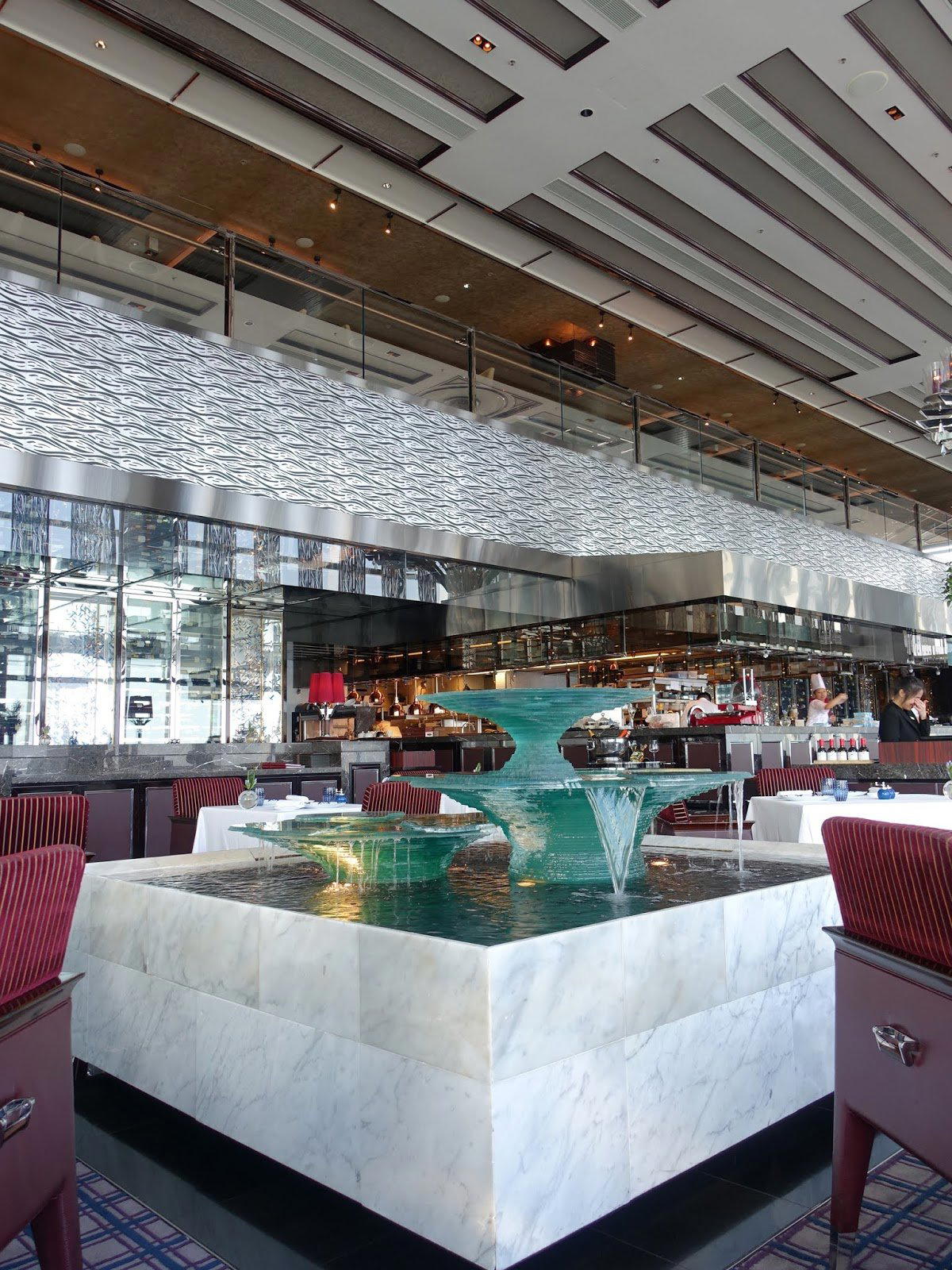
Roppongi's Serious Side: Where Yakitori Earns Its Ranking
Tokyo's yakitori scene divides more cleanly than most visitors expect. At one end sit the standing-room izakayas where salary workers eat yakitori as a delivery mechanism for cold beer. At the other end sits a smaller, more deliberate tier where the cut of the bird, the temperature of the binchōtan charcoal, and the progression of skewers across an evening are treated with the same seriousness as an omakase counter. Toricho, on the second floor of a Roppongi building in Minato City, belongs to the latter category. Three consecutive appearances on the Opinionated About Dining Japan list, Highly Recommended in 2023, then a ranked entry at number 264 in 2024, climbing to number 288 in 2025, place it firmly within Tokyo's specialist yakitori circuit.
The Evening Format and What It Signals
Toricho runs dinner service only, Monday through Saturday, from 5 pm to 11 pm, closing Sundays. That single-service structure is itself a statement. The yakitori counters that have earned sustained critical attention in Tokyo have largely abandoned lunch as a format. Lunch-format yakitori, common in Shibuya and Shinjuku, tends toward faster covers, pared-back skewer counts, and less attention to progression. The evening-only commitment at this level is about pacing: giving the kitchen time to work through a full sequence of preparations and giving the room time to fill with the kind of deliberate diner who is there for the skewers, not a quick stop before a meeting.
That distinction matters in Roppongi specifically. The neighbourhood carries a dual identity, the international dining circuit running through Midtown and the surrounding streets, with kaiseki rooms and destination restaurants operating at ¥¥¥¥ price points, alongside a more functional dining layer that serves the district's night economy. Toricho sits above the latter without quite positioning itself as a high-spending destination dinner. Its OAD ranking puts it in the same conversation as other specialist yakitori operations around the city, including Yakitori Omino and Asagaya BIRD LAND, but the Roppongi address keeps it accessible within a neighbourhood that already draws international visitors familiar with using the district as a dining base.
Why Yakitori Earns Critical Attention at This Level
Yakitori is one of those formats that looks deceptively simple from the outside and reveals complexity through repetition. The discipline is in sourcing, which chicken breeds, which suppliers, which parts of the bird are worth treating as individual courses, and in the management of heat. Binchōtan charcoal burns at consistent, high temperatures without producing the smoke that would overpower the clean flavour of quality poultry. The difference between yakitori cooked over binchōtan and yakitori cooked over gas or standard charcoal is material and detectable from the first skewer. At the tier where OAD starts paying attention, these variables are not incidental. The rankings reflect a level of technical consistency and sourcing discipline that separates the specialist operations from the volume-driven ones.
The comparison set here is also worth considering. The most decorated yakitori operations in Tokyo, including those that have attracted Michelin recognition, tend to occupy a narrow price band that sits below kaiseki but above casual izakaya. 124. KAGURAZAKA and Aramaki represent different points on Tokyo's broader specialist Japanese dining spectrum, but yakitori at this level competes more directly within its own category. Venues like Aria di Takubo show how a single format, executed with precision, can hold its own against the city's more elaborate tasting-menu operations in terms of critical recognition.
The Dinner Proposition in Context
Because Toricho operates on a dinner-only basis, the experience is structured around an evening rather than a midday transaction. That affects everything from the energy in the room to the natural pairing with sake, shochu, or beer that forms part of the rhythm of a proper yakitori session. Evening yakitori at this level tends to run longer than visitors expecting a quick meal anticipate: the progression of skewers across different cuts, from lighter preparations of breast and white meat through to richer, fattier parts, is designed to be paced over time, not consumed at speed.
For visitors building a broader Japan itinerary, Toricho's Roppongi location makes it a reasonable anchor for an evening that might begin or end at other Minato City destinations. Beyond Tokyo, Japan's yakitori tradition has strong regional expressions worth noting: Ichimatsu in Osaka and Torisaki in Kyoto represent how the format adapts to different culinary cultures, while dedicated Japan travellers should also consider the full range of options in Osaka, Kyoto, Nara, Fukuoka, Yokohama, and Okinawa.
Planning Your Visit
Toricho is located on the second floor of the エムズ六本木 building at 7 Chome-10-1 Roppongi, Minato City, Tokyo. Service runs Monday through Saturday from 5 pm to 11 pm; the venue is closed Sundays. The address is walkable from Roppongi Station on both the Hibiya and Toei Oedo lines. As with most specialist yakitori operations at this ranking level, advance reservations are advisable, particularly for Friday and Saturday evenings. For the broader dining picture in the city, see our full Tokyo restaurants guide, and for help planning around accommodation and other activities, consult our Tokyo hotels guide, bars guide, wineries guide, and experiences guide.
Frequently asked questions
Is Toricho formal or casual?
Toricho sits between the two. The consecutive OAD rankings signal a level of seriousness that places it above casual neighbourhood yakitori, but the format itself, skewers, charcoal smoke, sake or beer pairings, is inherently relaxed in a way that a kaiseki counter is not. Smart casual is appropriate. The Roppongi location, within walking distance of high-end dining in Midtown, attracts a mix of local professionals and international visitors who are engaged with the city's specialist food scene. The evening-only hours reinforce a considered, unhurried register rather than a dressed-up one.
What is the signature dish at Toricho?
What the OAD ranking signals, at number 264 in 2024 and number 288 in 2025, is consistent technical execution across the full yakitori format rather than a single standout item. In this tier of Tokyo yakitori, the point is the progression: the sequencing of cuts, the management of charcoal heat, and the sourcing of the bird itself. Specialists like Yakitori Omino and Asagaya BIRD LAND demonstrate how the format rewards attention to the whole rather than a single dish, and Toricho's sustained recognition places it in that same tradition.
At-a-Glance Comparison
A quick peer reference to anchor this venue in its category.
| Venue | Cuisine | Price | Awards | Notes |
|---|---|---|---|---|
| TorichoThis venue (the venue you are viewing) | Authentic Yakitori | $50–100 | Not listed | Not listed |
| Harutaka | Edo-Style Omakase Sushi | $200–300 | 3 Michelin Stars · World's 50 Best #76 | Sushi |
| RyuGin | Modern Kaiseki | $500+ | 3 Michelin Stars · World's 50 Best #41 | Kaiseki, Japanese |
| L'Effervescence | Modern French with Japanese Influences | $200–300 | 3 Michelin Stars · World's 50 Best #69 | French |
| HOMMAGE | Modern French with Japanese Influences | $150–200 | 2 Michelin Stars · World's 50 Best #78 | Innovtive French, French |
| MAZ | Innovative Peruvian-Japanese Fusion | $150–200 | 2 Michelin Stars · World's 50 Best #28 | Innovative |
Recognition history
Dated appearances from independent guides and award organizations, with the underlying list record or original source where available.
Opinionated About Dining Top Restaurants in Japan Recommended
Opinionated About Dining
Full recognition history (4 entries)
Opinionated About Dining Top Restaurants in Japan Ranked #288
Opinionated About Dining
Opinionated About Dining Top Restaurants in Japan Ranked #264
Opinionated About Dining
Opinionated About Dining Top Restaurants in Japan Highly Recommended
Opinionated About Dining
Continue exploring
More in Tokyo
More from Chef Various
Browse all →
Restaurants in Tokyo
All restaurants in Tokyo →


Bars in Tokyo
All bars in Tokyo →





Details
- Intimate
- Cozy
- Date Night
- Business Dinner
- After Work
- Sake Program
- Counter Dining
- Small Plates
- Sake
Current opening hours
- Monday
- 5–11 PM
- Tuesday
- 5–11 PM
- Wednesday
- 5–11 PM
- Thursday
- 5–11 PM
- Friday
- 5–11 PM
- Saturday
- 5–11 PM
- Sunday
- Closed
Hours can change for holidays and private events. Hours as of .
Cozy counter seating in a relocated intimate space focused on grilled skewers and drinks.