

Tabelog Bronze #508
Our verdict
In Matsusaka, Mie Prefecture, 矢口苑 sits at the centre of Japan's most closely watched beef provenance story. The restaurant operates in a city where the cattle's lineage, feed, and farmer are as important as the kitchen that receives them. For visitors making the journey from Osaka or Nagoya, it represents a direct encounter with one of Japan's most carefully traced ingredient traditions.

Pearl is the En Primeur Club membership app — saves, bookings, and concierge access live there. Same editors, same standards.
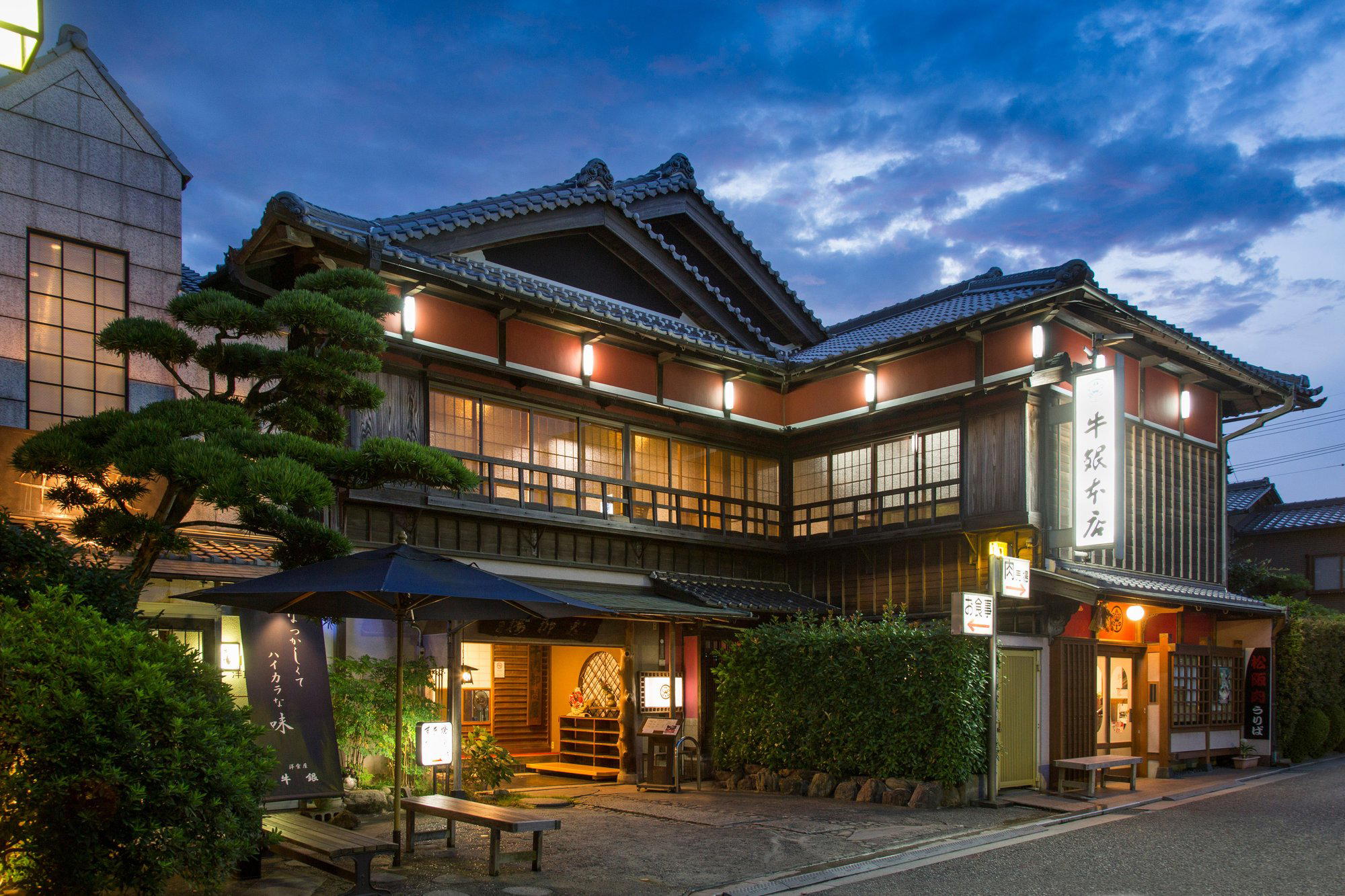
Where the Ingredient Is the Argument
Matsusaka occupies an unusual position in Japan's dining geography. Unlike Kyoto, where the draw is a centuries-old culinary architecture, or Tokyo, where the concentration of Michelin stars creates its own gravitational pull, Matsusaka's reputation rests almost entirely on a single ingredient: Matsusaka beef, raised in Mie Prefecture under conditions strict enough that the cattle's individual certificates travel with the meat. In this city, the sourcing conversation happens before any discussion of technique, seasoning, or presentation. The restaurant that serves this beef is secondary to the provenance system that produced it.
矢口苑, located at 1878 Nakamachi in central Matsusaka, operates within that framework. The address places it in the established commercial and dining corridor of a city that functions, in part, as a destination for visitors arriving specifically to eat beef they cannot access with the same confidence anywhere else. The physical approach — a mid-sized city an hour from Nagoya or Osaka by limited express train on the Kintetsu or JR lines — strips away the cosmopolitan noise of Japan's major dining centres and focuses the visit on what Matsusaka does better than anywhere else.
The Matsusaka Beef Provenance System
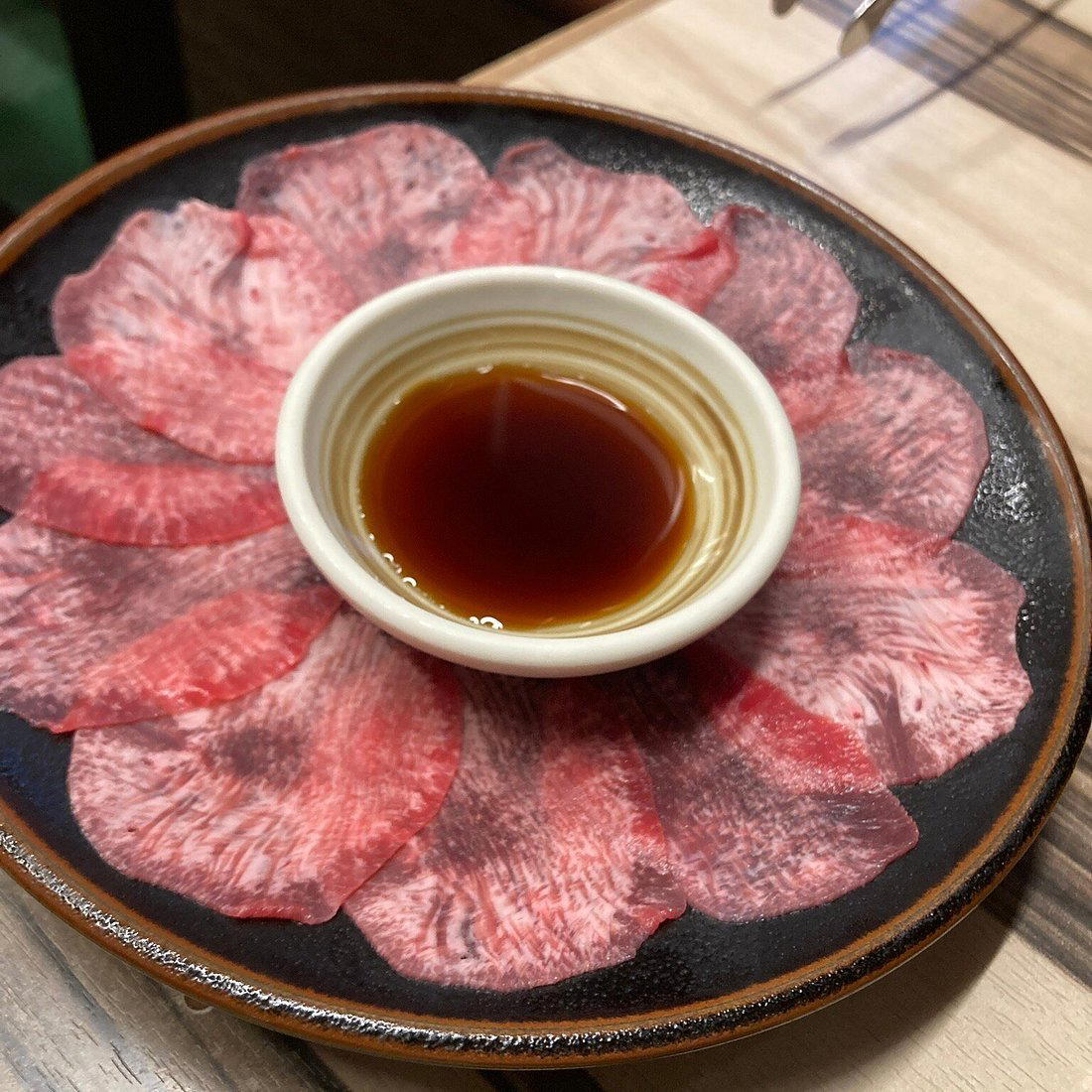
Understanding why sourcing matters here requires a brief account of what makes Matsusaka beef structurally different from other premium Japanese cattle designations. Matsusaka beef comes exclusively from female, virgin Japanese Black cattle raised within a designated area of Mie Prefecture. Each animal is registered with the Matsusaka Beef Council and issued a traceability certificate that records its birthplace, feeding history, and farm. When a restaurant in this city serves Matsusaka beef, the chain of custody is verifiable in a way that most premium protein sources in other parts of the world are not.
This provenance infrastructure shapes dining expectations across the city. Restaurants that participate in this system, and the serious ones do, are not simply buying a premium product; they are entering a formal accountability structure. That distinction matters when comparing Matsusaka dining to the broader premium Japanese beef category. High-end wagyu restaurants in Tokyo or Osaka, including addresses such as HAJIME in Osaka, work with excellent sourced ingredients, but the institutional traceability specific to Matsusaka beef is a feature of geography, not just procurement.
For the full context of how Matsusaka's dining scene fits into this regional picture, our full Matsusaka restaurants guide maps the range of options across price tiers and formats.
The Setting and Experience Format
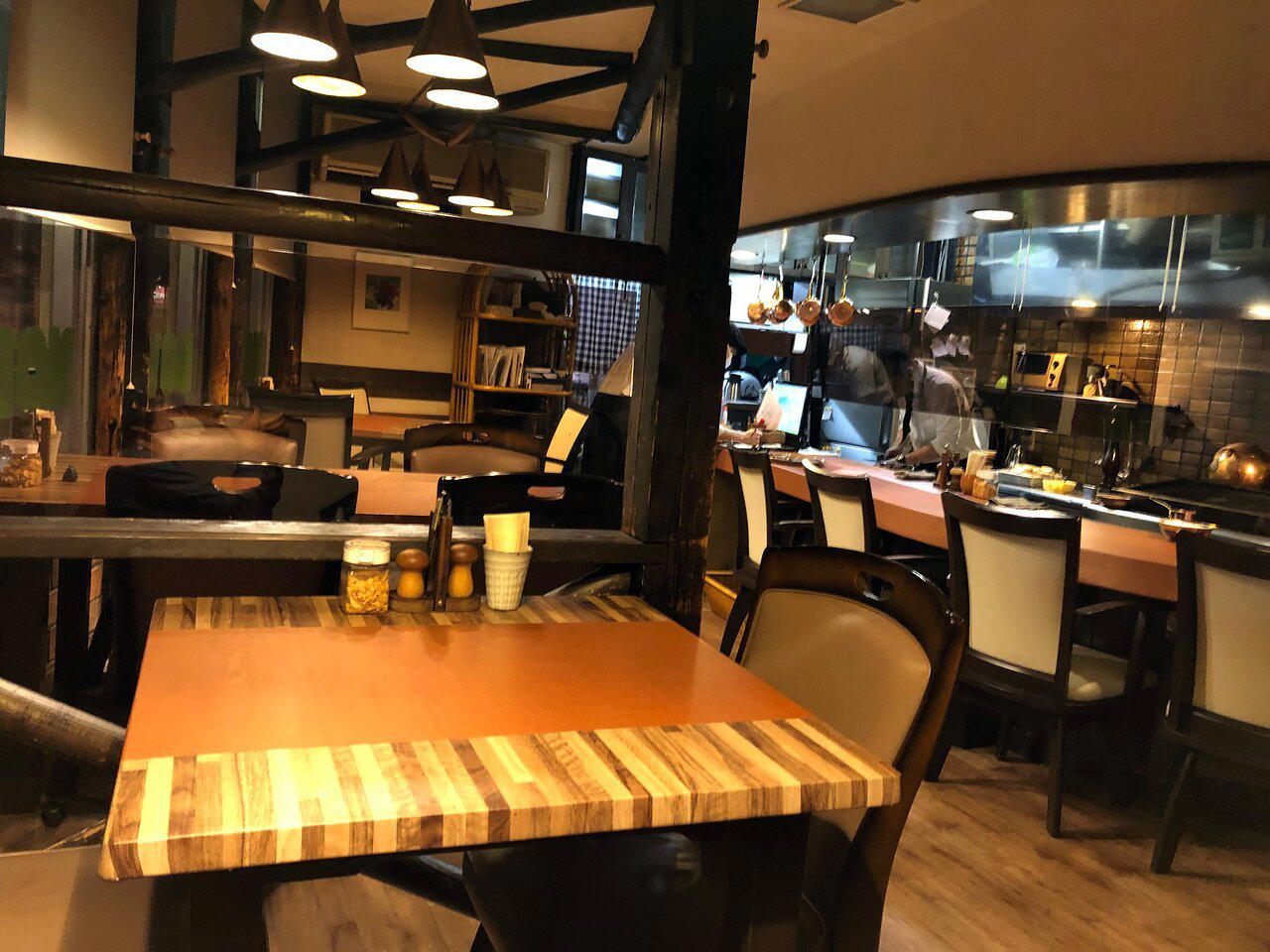
Beef-specialist restaurants in Matsusaka generally follow one of two formats: the teppanyaki counter, where the cooking happens in front of the diner on a flat iron plate, or the yakiniku format, where the diner grills their own meat over charcoal or gas at the table. Both formats are designed to foreground the ingredient rather than the chef's transformation of it. The logic is consistent with Matsusaka's broader argument: the beef is the point, and the format should deliver it with the least possible interference.
Within Matsusaka's dining tier, 矢口苑 sits among the addresses that draw visitors making a deliberate side trip rather than those eating opportunistically. Comparable operators in the city, such as Kitagawa and 私房菜 きた川, occupy adjacent positions in a relatively compact local market where reputation travels by word of mouth and repeat visits from regional regulars carry more weight than international press coverage.
The contrast with Japan's major-city fine dining addresses is instructive. At Harutaka in Tokyo or Gion Sasaki in Kyoto, the chef's technique and seasonal interpretation are the primary editorial subjects. In Matsusaka, the conversation reverses: sourcing precision is the credential, and the kitchen's role is faithful execution. This is a different proposition, not a lesser one.
Planning the Visit
Matsusaka is most efficiently reached from Nagoya (approximately 60-70 minutes on the Kintetsu Nagoya Line) or from Osaka (around 90 minutes via the Kintetsu Osaka Line to Matsusaka Station). The city is compact enough that the main restaurant corridor is walkable from either of the two central stations, Matsusaka (JR/Kintetsu) being the primary arrival point. Visits are typically structured around a single meal rather than a multi-day stay, making Matsusaka a logical addition to a Kansai or Chubu itinerary.
Reservations at the better-regarded Matsusaka beef restaurants are advisable, particularly on weekends and during peak travel seasons in autumn and spring. The city draws a consistent flow of domestic visitors from Nagoya, Osaka, and the broader Kinki region, and the limited number of serious beef-specialist operators means that availability at any specific address can be tight on short notice. Booking through the restaurant's own channels or through a hotel concierge in Nagoya or Osaka remains the most reliable approach when specific website or phone details are not readily available for a given operator.
For travellers building a broader regional itinerary around serious dining, addresses such as akordu in Nara, Goh in Fukuoka, and Abon in Ashiya offer regional context for how Japan's smaller-city and town dining circuit operates at a high level without the booking pressure of Tokyo's most competitive counters.
Further afield in Japan's regional dining circuit, affetto akita in Akita, Aji Arai in Oita, Ajidocoro in Yubari District, Akakichi in Imabari, aki nagao in Sapporo, Amaki in Aichi, and Amegen in Saga each represent the same pattern: a regional city with a specific ingredient or technique that anchors a focused dining identity, away from the noise of the major metropolitan food press. Internationally, the model of ingredient-driven restaurant identity has parallels at addresses such as Le Bernardin in New York City and Lazy Bear in San Francisco, where sourcing decisions frame the entire dining proposition.
Frequently asked questions
Can I bring kids to 安田屋?
Beef-specialist restaurants in Matsusaka, including those in the Nakamachi district where 安田屋 is located, tend toward a focused dining format built around quality cuts and precise preparation. That atmosphere generally suits older children comfortable with a seated, unhurried meal rather than young children expecting casual surroundings. check the venue's official channels to confirm any age preferences before booking.
What's the address for åç°é?
åç°é is located at 1878 Nakamachi, Matsusaka, Mie 515-0083, Japan, Matsusaka.
Is åç°é reservation-only?
Reservations are recommended for åç°é in Matsusaka. Confirm current policy via the venue's official channels.
What kind of setting is 安田屋?
安田屋 sits at 1878 Nakamachi in central Matsusaka, a city whose entire dining identity is organized around its beef. Wagyu specialists in this area typically operate either a teppanyaki counter, where beef is cooked tableside on iron, or private tatami rooms with sukiyaki or shabu-shabu service. The setting is purposeful rather than decorative, with the ingredient itself as the focal point.
Comparison Snapshot
| Venue | Cuisine | Price | Awards | Notes |
|---|---|---|---|---|
| åç°éThis venue — the venue you are viewing | Matsusaka Beef Japanese | Not listed | Tabelog Bronze #508 | Not listed |
| HAJIME | Avant-Garde Japanese Fine Dining | $300–500 | 3 Michelin Stars · World's 50 Best #83 | French, Innovative |
| Harutaka | Edo-Style Omakase Sushi | $200–300 | 3 Michelin Stars · World's 50 Best #76 | Sushi |
| L'Effervescence | Modern French with Japanese Influences | $200–300 | 3 Michelin Stars · World's 50 Best #69 | French |
| RyuGin | Modern Kaiseki | $500+ | 3 Michelin Stars · World's 50 Best #41 | Kaiseki, Japanese |
| Crony | Modern French with Japanese Influences | $150–200 | 2 Michelin Stars · World's 50 Best #34 | Innovative, French |
Recognition history
Dated appearances from independent guides and award organizations, with the underlying list record or original source where available.
Opinionated About Dining Top Restaurants in Japan Recommended
Opinionated About Dining
Tabelog Bronze #508
Tabelog
Full recognition history (7 entries)
Opinionated About Dining Top Restaurants in Japan Ranked #333
Opinionated About Dining
Tabelog Bronze
Tabelog
Opinionated About Dining Top Restaurants in Japan Ranked #292
Opinionated About Dining
Tabelog 100 #78 · No. 78
Tabelog · Tabelog 100 - Hot Pot - 2024
Opinionated About Dining Top Restaurants in Japan Highly Recommended
Opinionated About Dining
Continue exploring
More in Matsusaka
Restaurants in Matsusaka
All restaurants in Matsusaka →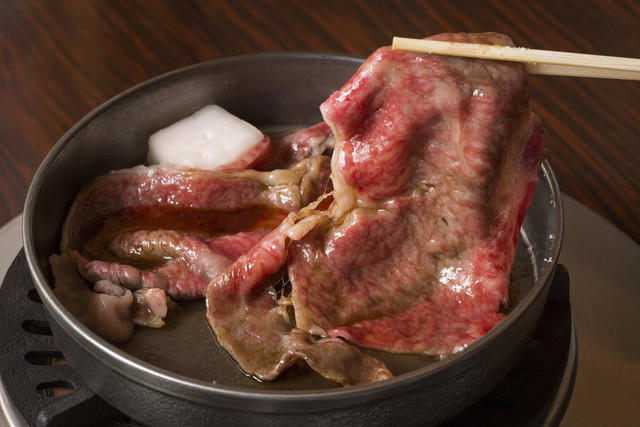
Bars in Matsusaka
Browse all →
Details
- Special Occasion
- Sake Program
- Local Sourcing
- A La Carte
- Sake
Current opening hours
- Monday
- 11:30 AM–7 PM
- Tuesday
- 11:30 AM–7 PM
- Wednesday
- 11:30 AM–7 PM
- Thursday
- 11:30 AM–7 PM
- Friday
- 11:30 AM–7 PM
- Saturday
- 11 AM–7 PM
- Sunday
- 11 AM–7 PM
Hours can change for holidays and private events. Last verified .
Traditional Japanese dining atmosphere.