
Michelin Bib Gourmand
Our verdict
A Michelin Bib Gourmand recipient in 2024 and 2025, Ichihana brings kamameshi, rice cooked in a small iron pot, to the mid-range Nakagyo dining scene with a format built around seasonal precision. Lunch runs to sashimi and small-bowl dishes; dinner extends to individually prepared rice courses with ten rotating ingredients, including bamboo shoots, sweetfish, and oysters.

Pearl is the En Primeur Club membership app, where members save venues, book tables and use the concierge.
The menu
What to order
- Kamameshi
- Seasonal Sashimi
- Nasu Dengaku
- Kyo Kaiseki
Rice at the Centre: Kamameshi Tradition in Nakagyo Ward
In a city where kaiseki dominates the conversation around seasonality, where venues like Kikunoi Roan and Isshisoden Nakamura set the terms for multi-course refinement, kamameshi occupies a quieter but no less rigorous position. The dish, rice cooked with ingredients directly in a small iron pot, is one of Japan's older domestic cooking formats: unshowy by design, its quality determined entirely by the sourcing of ingredients and the timing of the cook.
The Bib Gourmand designation is worth pausing on. In Kyoto's restaurant hierarchy, where three-star kaiseki counters and two-star specialists like Kodaiji Jugyuan absorb much of the critical attention, the Bib Gourmand tier identifies restaurants that deliver notable cooking at a more accessible price. Ichihana sits in that tier at the ¥¥ price point, which places it in a different competitive frame from the ¥¥¥¥ kaiseki rooms, and arguably a different conversation altogether, one about ingredient-led simplicity rather than multi-act ceremony.
The Format: Counter Cooking and the Pot as Stage
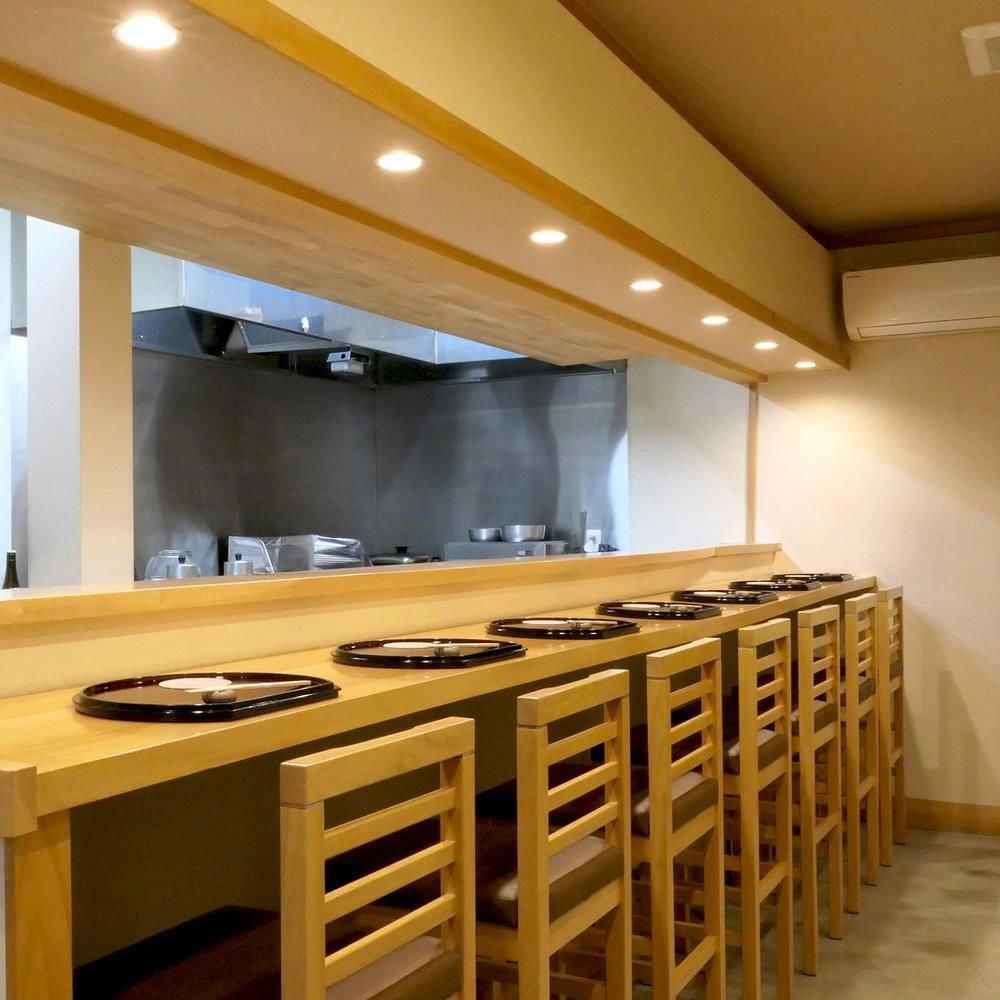
The live preparation format at Ichihana gives kamameshi a quality that aligns it, conceptually, with the counter-cooking tradition found across Japanese dining. Where teppanyaki turns the griddle into a performance surface and sushi omakase makes each piece of nigiri a discrete act of craft, kamameshi at a focused counter turns the iron pot into the event. Guests watch rice go in, ingredients follow, the lid closes, and timing, specific to each pot, each ingredient combination, dictates the result. The cook cannot be rushed and cannot be undone.
This matters because kamameshi, unlike dishes that can be prepped in bulk and finished to order, requires the pot to be started from raw for each table. The rice is individual. That structural fact, ten ingredients always available and each pot prepared for each guest, is what gives the format its integrity at Ichihana. Compare this with higher-volume Japanese restaurants where rice arrives pre-cooked and portioned: the difference is not subtle. Dinner at Ichihana extends this logic further than lunch, with a full complement of sashimi alongside the individually prepared rice courses, while the lunchtime offering is more compressed, sashimi and small-bowl dishes that give a lower-commitment entry point to the kitchen's approach.
Seasons on the Menu: What's in the Pot Changes Everything
Seasonal cooking in Kyoto is not a marketing position, it is a structural reality that shapes every kitchen's purchasing calendar, and the clearest test of a restaurant's commitment is how specifically it tracks those changes. Ichihana names its seasonal ingredients directly: bamboo shoots in spring, sweetfish (ayu) in summer, mushrooms in autumn, oysters in winter. These are not incidental garnishes. In kamameshi, the primary ingredient cooks inside the pot alongside the rice, infusing the grain with its fat, its moisture, and its flavour. The season, in the most literal sense, ends up in every mouthful.
Wild plants, listed among the perennial favourites alongside gomoku (five ingredients), represent a further layer of seasonal specificity, mountain vegetables whose availability tracks not the supermarket supply chain but actual foraging windows. This is the kind of sourcing detail that separates a seasonally committed kitchen from one that uses seasonal language loosely. Kyoto's proximity to mountain terrain in the Kitayama and Higashiyama ranges makes wild plant sourcing logistically credible in a way that coastal cities cannot always replicate.
Between pots, guests eat: steamed wheat gluten with sweet miso sauce and steamed tilefish are cited as the palate-holding Kyoto flavours that bridge the wait. Fu (wheat gluten) in sweet miso is a classically Kyoto preparation, less common outside the city and a reasonable signal that the kitchen's reference points are rooted locally rather than in a generalised Japanese repertoire. For a broader view of Kyoto's restaurant scene, our full Kyoto restaurants guide maps the range from entry-level to three-star kaiseki.
Where Ichihana Sits in Kyoto's Mid-Range Dining
Kyoto's restaurant scene is usefully understood in tiers. At the leading, restaurants like Kenninji Gion Maruyama and Gion Matayoshi command attention for formal kaiseki precision. A tier below, ¥¥¥ venues offer more accessible access to serious cooking. Ichihana operates at ¥¥, a tier where Michelin recognition is less common and therefore more meaningful when it arrives, the inspector's judgment is that the cooking earns attention at this price, not despite it.
Nakagyo Ward, the central district that houses Ichihana, sits between the tourist-dense zones of Gion and the cleaner commercial grid around Nijo. It is a working part of the city, and restaurants there tend to serve a mix of residents and visitors who have moved past the most obvious itinerary stops. The address on Oshikoji-dori, one of Nakagyo's quieter east-west streets, fits that character. Readers planning wider trips across Japan might also cross-reference HAJIME in Osaka, Harutaka in Tokyo, or akordu in Nara for a broader sense of the regional premium dining range.
For a restaurant operating at ¥¥ with a format this specific, consistency is the relevant measure.
Know Before You Go
- Address: 264-1 Nijo Abura-koji-cho, Nakagyo Ward, Kyoto (Oshikoji-dori, Abura-koji-nishi-iru)
- Price range: ¥¥ (mid-range)
- Awards: Michelin Bib Gourmand 2024 and 2025
- Cuisine: Japanese, kamameshi specialist
- Booking:our full Kyoto experiences guide. Those travelling further afield might also consider Goh in Fukuoka, 1000 in Yokohama, 6 in Okinawa, Myojaku in Tokyo, or Azabu Kadowaki in Tokyo.
What Should I Order at Ichihana?
The kamameshi is the reason to come. At dinner, the format reaches its full expression: individually prepared rice pots alongside a wider sashimi selection. The seasonal ingredient in the pot changes across the year, bamboo shoots, sweetfish, mushrooms, or oysters depending on when you visit, and the gomoku (five-ingredient) pot is described as a perennial favourite alongside wild plant options. Between courses, the kitchen sends out Kyoto preparations including fu in sweet miso and steamed tilefish, which are worth attention in their own right as representatives of the city's lighter, more restrained flavour register. Lunch offers a shorter version of the same logic: sashimi and small-bowl dishes without the full kamameshi lineup, better suited to a time-limited visit but less representative of what the kitchen does at its most complete. The consistent Michelin Bib Gourmand recognition across 2024 and 2025 confirms that the cooking delivers at the ¥¥ price level.
Frequently asked questions
What's Ichihana known for in terms of accolades?
Ichihana has received recognition including: A typical lunch offering is sashimi and items served in small bowls, while the evening lineup boasts a full complement of sashimi and items served in rice and cooked individually for each guest. Ten ingredients are always available, with go….
What should I order at Ichihana?
The kamameshi is the centrepiece of every visit. At dinner, each rice pot is prepared individually per guest, with seasonal fillings such as bamboo shoots, sweetfish, mushrooms, and oysters rotating across the year. Gomoku (five-ingredient) and wild plant versions are perennial fixtures on the menu. While the pot cooks, the kitchen serves Kyoto preparations like steamed wheat gluten with sweet miso sauce and steamed tilefish, making the wait a structured part of the meal rather than dead time.
Where is Ichihana located?
Ichihana is located at Japan, 〒604-0051 Kyoto, 京都市中京区Nakagyo Ward, 押小路油小路西入る二条油小路町264-1, Kyoto.
Cuisine and Recognition
A small set of peers for context, based on recorded venue fields.
| Venue | Cuisine | Price | Awards | Notes |
|---|---|---|---|---|
| IchihanaThis venue (the venue you are viewing) | Traditional Kyoto Kappo | $20–30 | Michelin Bib Gourmand | Not listed |
| Gion Sasaki | Modern Kaiseki | $300–500 | 3 Michelin Stars · La Liste Top Restaurants | Kaiseki, Japanese |
| cenci | Innovative Italian-Japanese Fusion | $100–150 | 1 Michelin Star · World's 50 Best #76 | Italian |
| Ifuki | Sumibi Kappo Kaiseki | $200–300 | 2 Michelin Stars · La Liste Top Restaurants | Kaiseki |
| Kyokaiseki Kichisen | Kyoto Kaiseki | $200–300 | 2 Michelin Stars · La Liste Top Restaurants | Japanese |
| Kyo Seika | Modern Chinese Fine Dining | $150–200 | 1 Michelin Star · Tabelog Bronze #216 | Chinese |
Recognition history
Dated appearances from independent guides and award organizations, with the underlying list record or original source where available.
Michelin Bib Gourmand
Michelin
Full recognition history (3 entries)
Michelin Bib Gourmand
Michelin
Michelin Bib Gourmand
Michelin
Continue exploring
More in Kyoto
Restaurants in Kyoto
All restaurants in Kyoto →
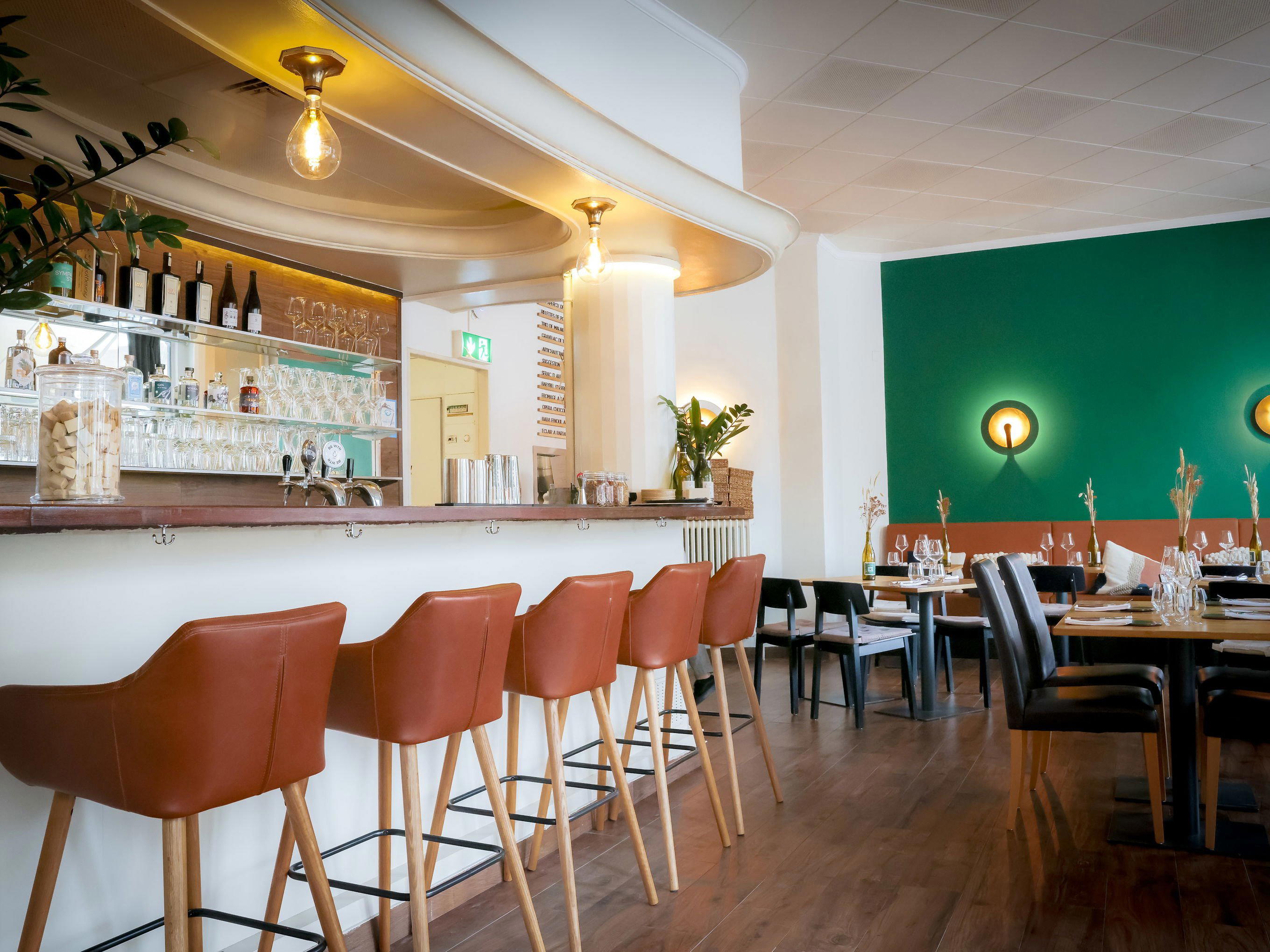
Bars in Kyoto
All bars in Kyoto →
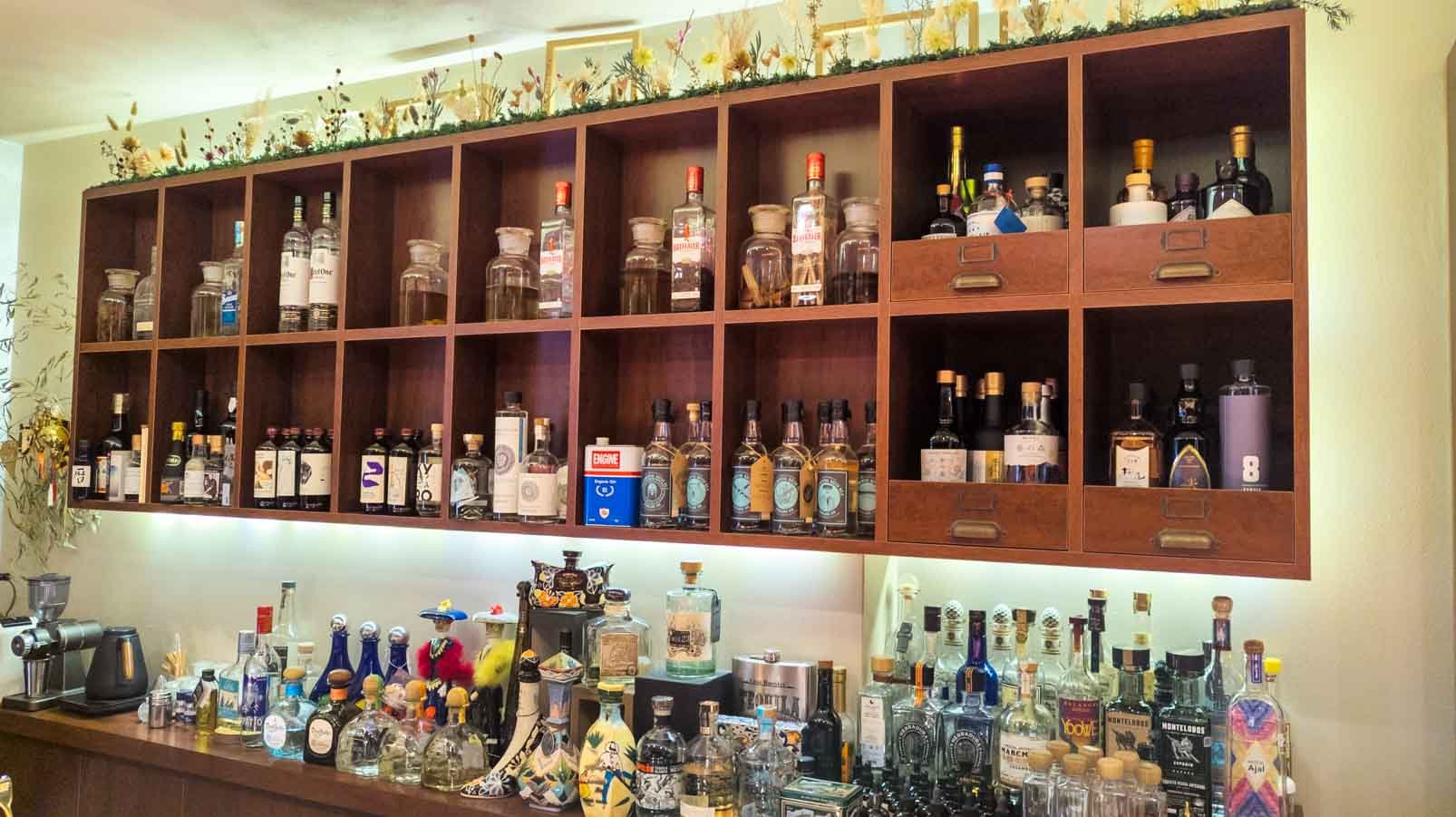
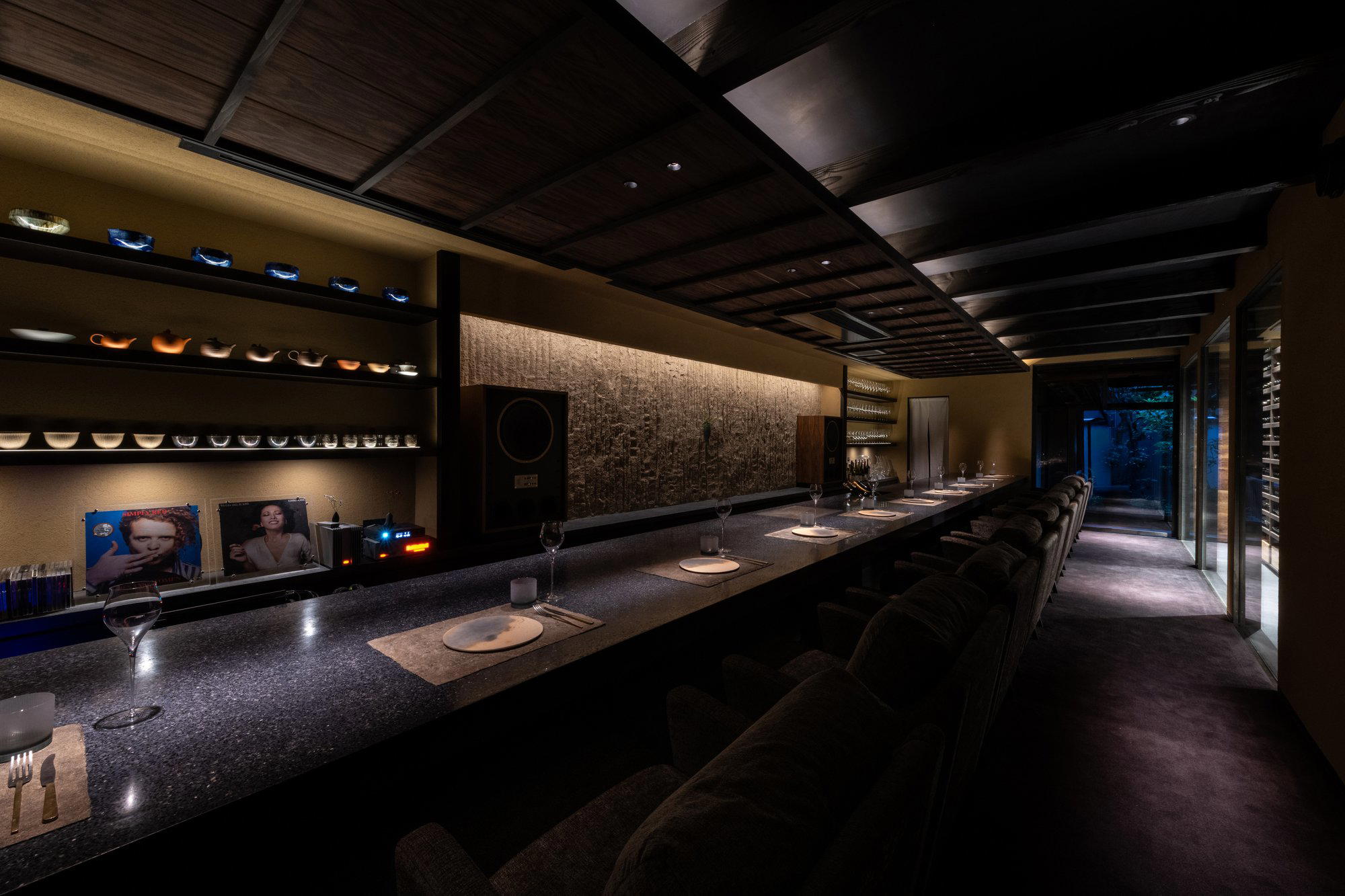


Hotels in Kyoto
All hotels in Kyoto →

Wineries in Kyoto
Browse all →
Details
- Cozy
- Intimate
- Elegant
- Solo
- Date Night
- Special Occasion
- Chefs Counter
- Open Kitchen
- Sake Program
- Local Sourcing
- A La Carte
- Counter Dining
- Sake
- Vegetarian Friendly
- Gluten Free Options
Current opening hours
- Monday
- 12–2 PM, 5–9 PM
- Tuesday
- 12–2 PM, 5–9 PM
- Wednesday
- Closed
- Thursday
- 12–2 PM, 5–9 PM
- Friday
- 12–2 PM, 5–9 PM
- Saturday
- 12–2 PM, 5–9 PM
- Sunday
- Closed
Hours can change for holidays and private events. Hours as of .
Cozy and refined minimalist atmosphere with hinoki counters, soft lighting, and an open kitchen fostering personal interaction between chefs and guests.