

1 Michelin Star
Our verdict
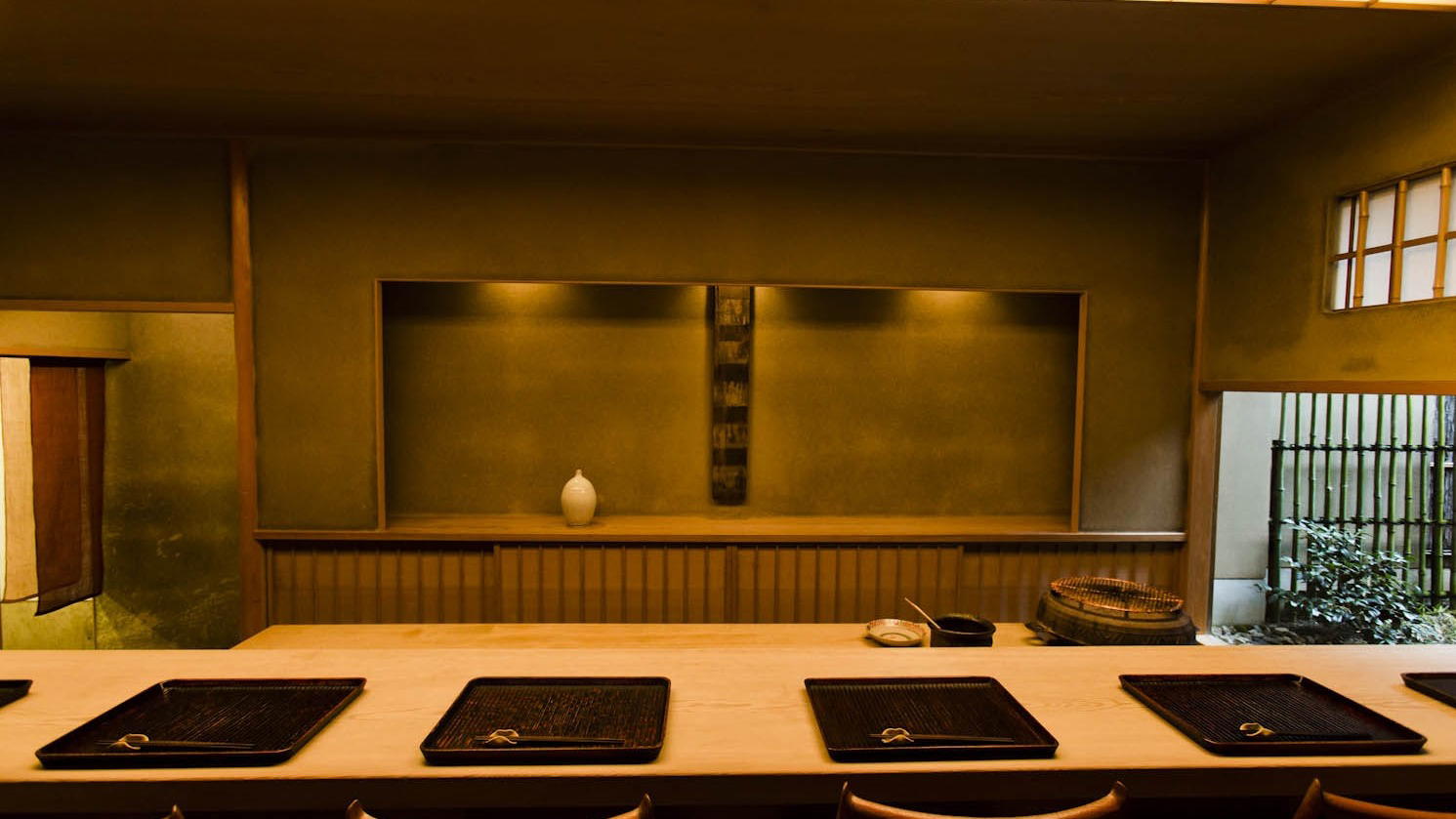
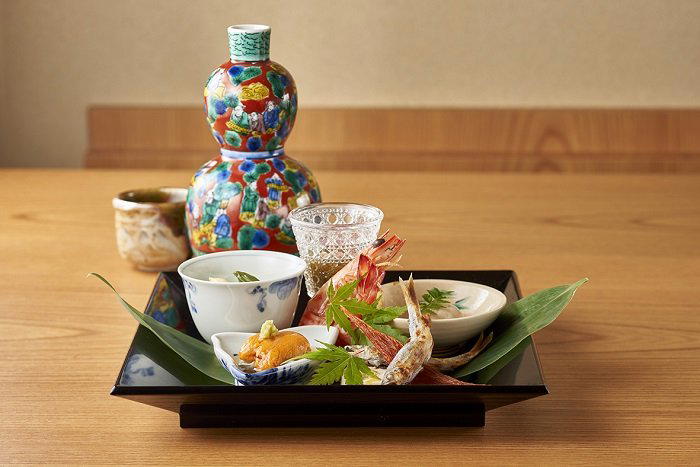
A Michelin-starred ryotei in Nakagyo Ward, Gosho Iwasaki brings the disciplined craft of Kyoto cuisine to an intimate counter setting where the chef cooks directly before guests. The meal opens with a cup of sake in the traditional ryotei manner, and the kitchen favours hot-pot preparations and lightly salted sashimi over the more common simmered formats found across the city's kaiseki circuit.

Pearl is the En Primeur Club membership app, where members save venues, book tables and use the concierge.
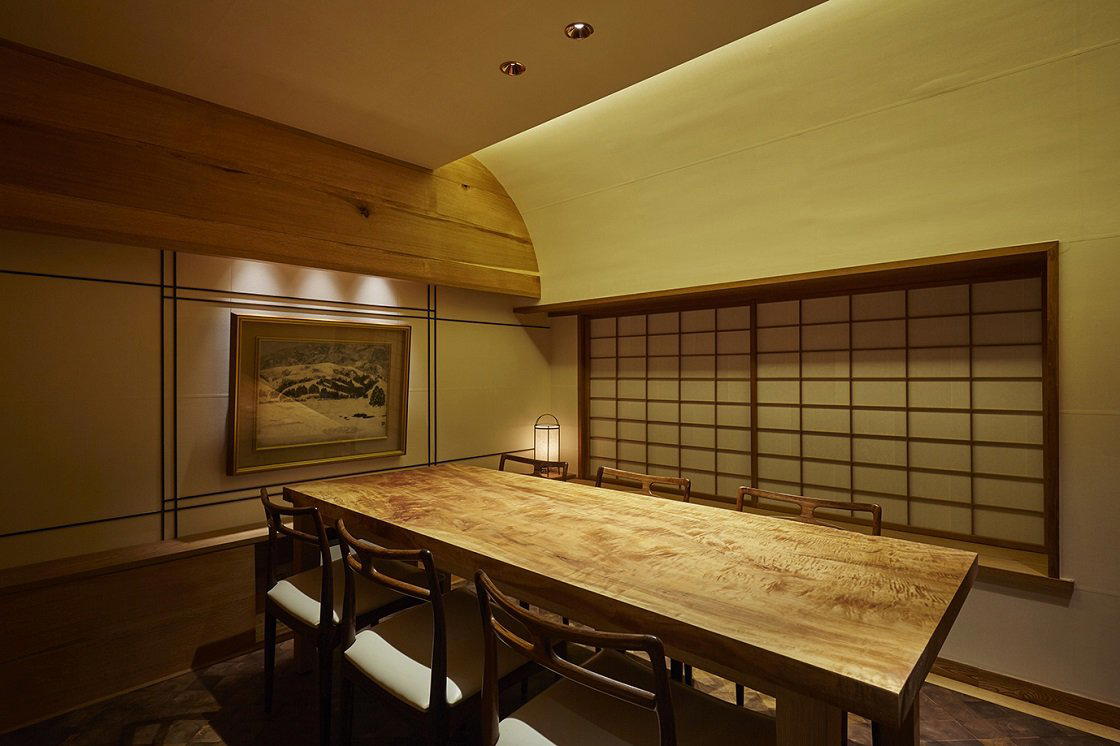
Nakagyo Ward and the Geography of Kyoto's Ryotei Tradition
Kyoto's dining geography has long been read in layers. The most photographed addresses cluster in Gion and Higashiyama, where the concentration of Michelin stars and heritage machiya settings draws the bulk of international attention. But the wards closer to the imperial palace precincts, Kamigyo and Nakagyo in particular, carry a different weight. This is the part of the city where the ryotei form was codified across generations, where proximity to the court shaped the vocabulary of Kyo-ryori in ways that the Gion entertainment district later distilled and, in some cases, simplified for a broader clientele. Gosho Iwasaki sits in Nakagyo Ward, at an address in Otsucho that places it within this older residential and culinary fabric, removed from the more visible tourism corridors without being inaccessible.
That positioning is not incidental. Ryotei culture in Kyoto has historically operated through introductions, discretion, and a kind of deliberate understatement in its public profile. The neighbourhood reinforces that character. Arriving in this part of the ward, the density and visual noise of Shijo-dori or the Nishiki market area drops away, replaced by narrower streets and a quieter residential register that frames the meal before it begins. For visitors whose Kyoto itinerary is anchored at the more prominent addresses, and the city has many, from Isshisoden Nakamura to Gion Matayoshi, the contrast in atmosphere here registers immediately.
The Ryotei Form and What It Demands
The ryotei is a specific institution in Japanese hospitality, distinct from kaiseki restaurants in ways that matter to the experience. Where kaiseki has become the dominant format for high-end Japanese dining internationally, formalised, increasingly visible in hotel settings, adapted for single seatings, the ryotei tradition prizes a more embedded relationship between cook, service staff, and guest. The meal is understood as a form of hosted engagement, not a ticket-based experience. The cook's role is not merely to produce dishes but to read the room and respond to it. This distinction has blurred considerably as Kyoto's dining scene has internationalised, but Gosho Iwasaki's Michelin commentary, drawn from the 2024 guide, describes a chef whose formation came directly through ryotei apprenticeship and who treats the transmission of that standard as a working commitment rather than a marketing signal.
The practical expression of this is the format itself. The chef works before guests, which in the ryotei context is less about theatrics than about a deliberate collapse of the distance between cooking and hospitality. The meal opening with a cup of sake is a mark of welcome that carries specific cultural weight, it situates the dinner within a tradition of receiving guests rather than serving them. Kyoto's Michelin one-star tier contains addresses with quite different approaches to the form: Kenninji Gion Maruyama and Kikunoi Roan both sit at this level, each with distinct interpretations of what a Michelin one-star Japanese meal should look and feel like. Gosho Iwasaki's version is grounded in the ryotei inheritance, which prioritises sincerity of craft over structural innovation.
Ingredients, Technique, and the Specifics of the Kitchen
Kyoto cuisine, Kyo-ryori, operates under a set of disciplinary principles that are unusually durable compared to most regional cooking traditions. The preference for subtlety over intensity, for presenting ingredients at their seasonal peak with minimal intervention, and for a visual language derived from the city's temple and court aesthetics has shaped the canon for centuries. These are not abstract ideals; they show up in specific technical choices.
At Gosho Iwasaki, the Michelin documentation points to tilefish sashimi prepared with light salting as the technique for flavour development, a method that draws out the natural sweetness of the fish without the more aggressive treatments used in other Japanese regional traditions. The choice of hot-pot cooking over simmered vegetables is also a marker worth reading carefully. Simmered vegetables (nimono) are among the most codified elements of the kaiseki sequence, and the decision to substitute hot-pot preparation, which involves the guest more directly and introduces a different textural and temperature dynamic, reflects both a preference for engagement and a deliberate departure from the most familiar kaiseki choreography. For a kitchen rooted in ryotei principles, that substitution is a statement about what constitutes a complete meal.
Seasonality operates as a structural given across all high-end Kyoto dining, but its timing rewards planning. Late spring and autumn are generally the most active periods for Kyoto's food culture, cherry blossom season (late March through April) and the autumn colour season (mid-October through November) bring peak demand, earlier bookings, and the city's most celebrated seasonal produce. The summer months carry the tradition of ayu (sweetfish) and the challenge of Kyoto's heat; winter introduces yudofu (hot tofu) and hearty hot-pot formats that align well with the kitchen's stated approach. Any visit timed for the cooler months of October through February will find Gosho Iwasaki's format particularly coherent with the season.
Where Gosho Iwasaki Sits in the Kyoto Tier
Kyoto's Michelin-starred Japanese dining splits broadly across two price tiers. The ¥¥¥¥ addresses, among them Kodaiji Jugyuan, Gion Sasaki at three stars, and Ifuki and Kyokaiseki Kichisen at two, operate at the upper end of what international visitors expect to spend on a single meal in Japan. Gosho Iwasaki carries a ¥¥¥ price designation, positioning it within the one-star tier at a point of entry that is meaningfully below the three- and two-star ceiling without departing from the craft register those kitchens represent. That positioning makes it relevant to visitors building a multi-day Kyoto itinerary who want genuine engagement with the ryotei tradition without concentrating their entire dining budget on one address.
Comparable specialist counters at this tier across Japan's major cities, Harutaka in Tokyo, akordu in Nara, HAJIME in Osaka The Michelin star for 2024 is the more legible credential for calibrating this address within the city's full range of options, which you can assess in full through our full Kyoto restaurants guide.
Planning Your Visit
Gosho Iwasaki is located at 660 Otsucho, Nakagyo Ward, a ground-floor address in the residential quarter between the palace grounds and the Sanjo corridor. The ¥¥¥ price range places it in the mid-to-upper bracket for a starred meal in Kyoto, appropriate for an evening that will last the full length of a counter sequence with sake. Phone and booking platform details are not published through the standard channels, which is consistent with the ryotei approach to reservations; contact via hotel concierge or a specialist reservation service is the reliable path for international visitors unfamiliar with direct Japanese-language enquiry. Those building out a broader Kyoto stay can consult our full Kyoto hotels guide for accommodation context, and our full Kyoto bars guide for what to do before or after. Further afield, Goh in Fukuoka, 1000 in Yokohama, 6 in Okinawa, Myojaku in Tokyo, and Azabu Kadowaki in Tokyo represent comparable levels of Japanese craft at different regional registers, worth considering for any broader Japan itinerary. For a complete picture of what the Kansai region offers beyond the plate, explore our full Kyoto wineries guide and our full Kyoto experiences guide.
Frequently asked questions
What is the signature dish at Gosho Iwasaki?
Similar Picks
A quick snapshot of similar venues for side-by-side context.
| Venue | Cuisine | Price | Awards | Notes |
|---|---|---|---|---|
| Gosho IwasakiThis venue (the venue you are viewing) | Michelin-Starred Kyoto Kaiseki | $150–200 | 1 Michelin Star | Not listed |
| Gion Sasaki | Modern Kaiseki | $300–500 | 3 Michelin Stars · La Liste Top Restaurants | Kaiseki, Japanese |
| cenci | Innovative Italian-Japanese Fusion | $100–150 | 1 Michelin Star · World's 50 Best #76 | Italian |
| Ifuki | Sumibi Kappo Kaiseki | $200–300 | 2 Michelin Stars · La Liste Top Restaurants | Kaiseki |
| Kyokaiseki Kichisen | Kyoto Kaiseki | $200–300 | 2 Michelin Stars · La Liste Top Restaurants | Japanese |
| Kyo Seika | Modern Chinese Fine Dining | $150–200 | 1 Michelin Star · Tabelog Bronze #216 | Chinese |
Recognition history
Dated appearances from independent guides and award organizations, with the underlying list record or original source where available.
Michelin 1 Star
Michelin
Opinionated About Dining Top Restaurants in Japan Recommended
Opinionated About Dining
Full recognition history (3 entries)
Michelin 1 Star
Michelin
Continue exploring
More in Kyoto
Restaurants in Kyoto
All restaurants in Kyoto →
Bars in Kyoto
All bars in Kyoto →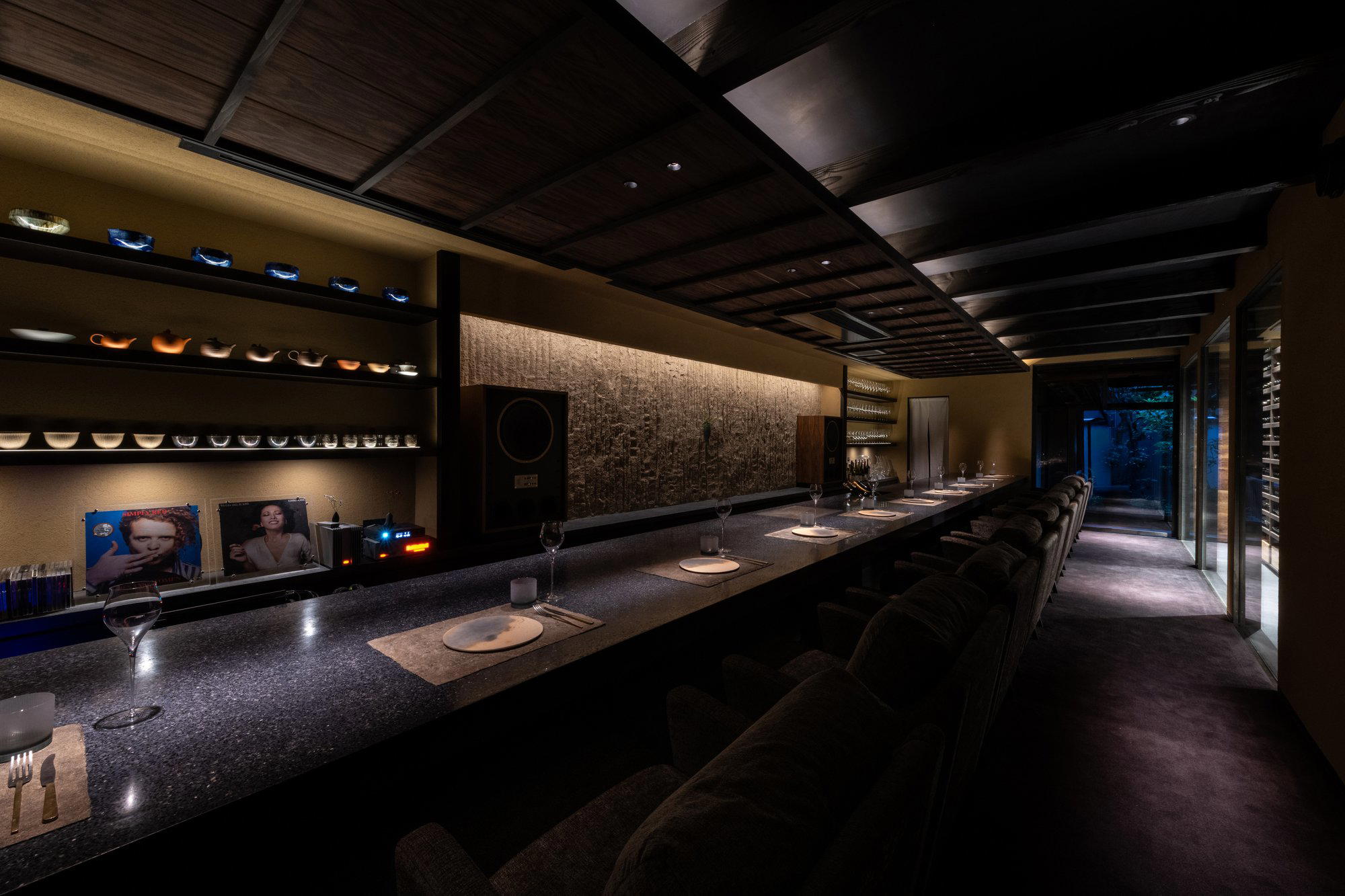
Hotels in Kyoto
All hotels in Kyoto →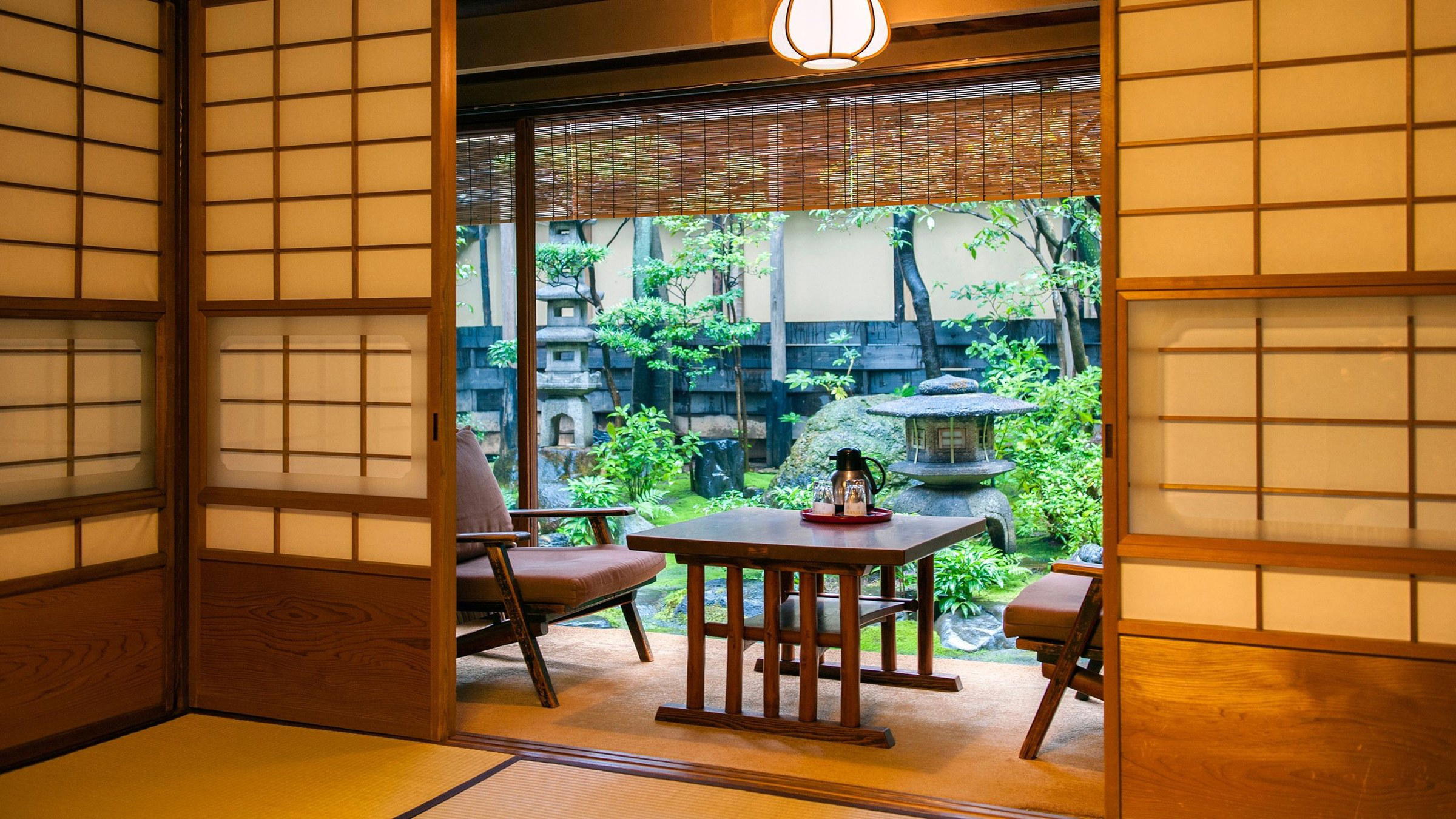
Wineries in Kyoto
Browse all →
Details
- Elegant
- Cozy
- Intimate
- Sophisticated
- Special Occasion
- Garden
- Sake Program
- Local Sourcing
- Garden
- Omakase
Current opening hours
- Monday
- 12–2 PM, 6–9 PM
- Tuesday
- 12–2 PM, 6–9 PM
- Wednesday
- Closed
- Thursday
- 12–2 PM, 6–9 PM
- Friday
- 12–2 PM, 6–9 PM
- Saturday
- 12–2 PM, 6–9 PM
- Sunday
- 12–2 PM, 6–9 PM
Hours can change for holidays and private events. Hours as of .
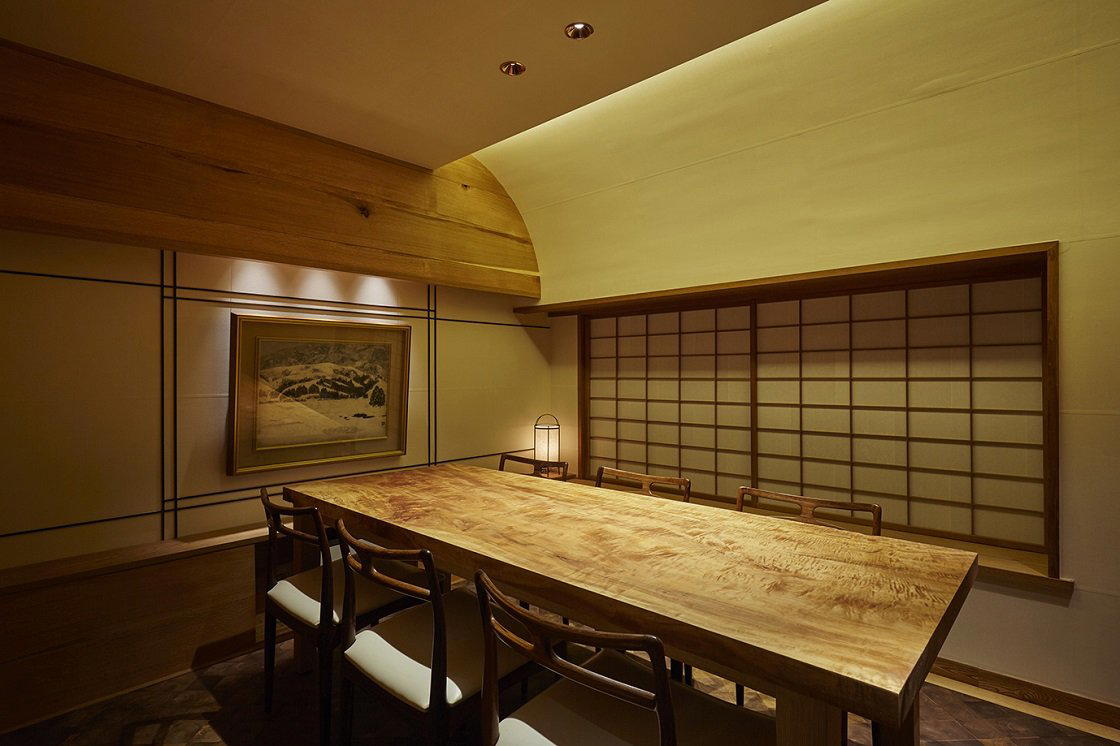
Relaxing space filled with harmony, small and cosy with counter seating and garden view, featuring beautiful tableware and essence of traditional Kyoto.