
1 Michelin Star
Our verdict
A Michelin-starred kyoryori restaurant in Nakagyo Ward where the menu is shaped by the chef's deep ties to Kyoto's produce markets. Vegetables take the lead across a seasonal progression that reflects both farming relationships and formal training.

Pearl is the En Primeur Club membership app, where members save venues, book tables and use the concierge.
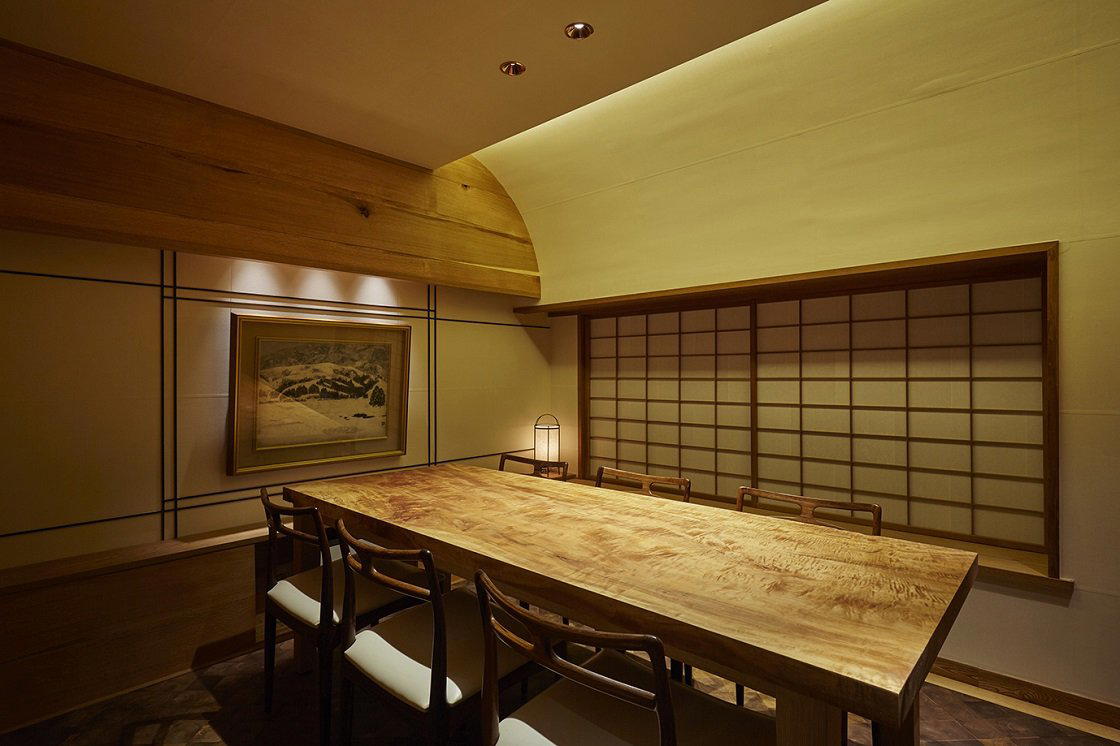
Where the Market Becomes the Menu
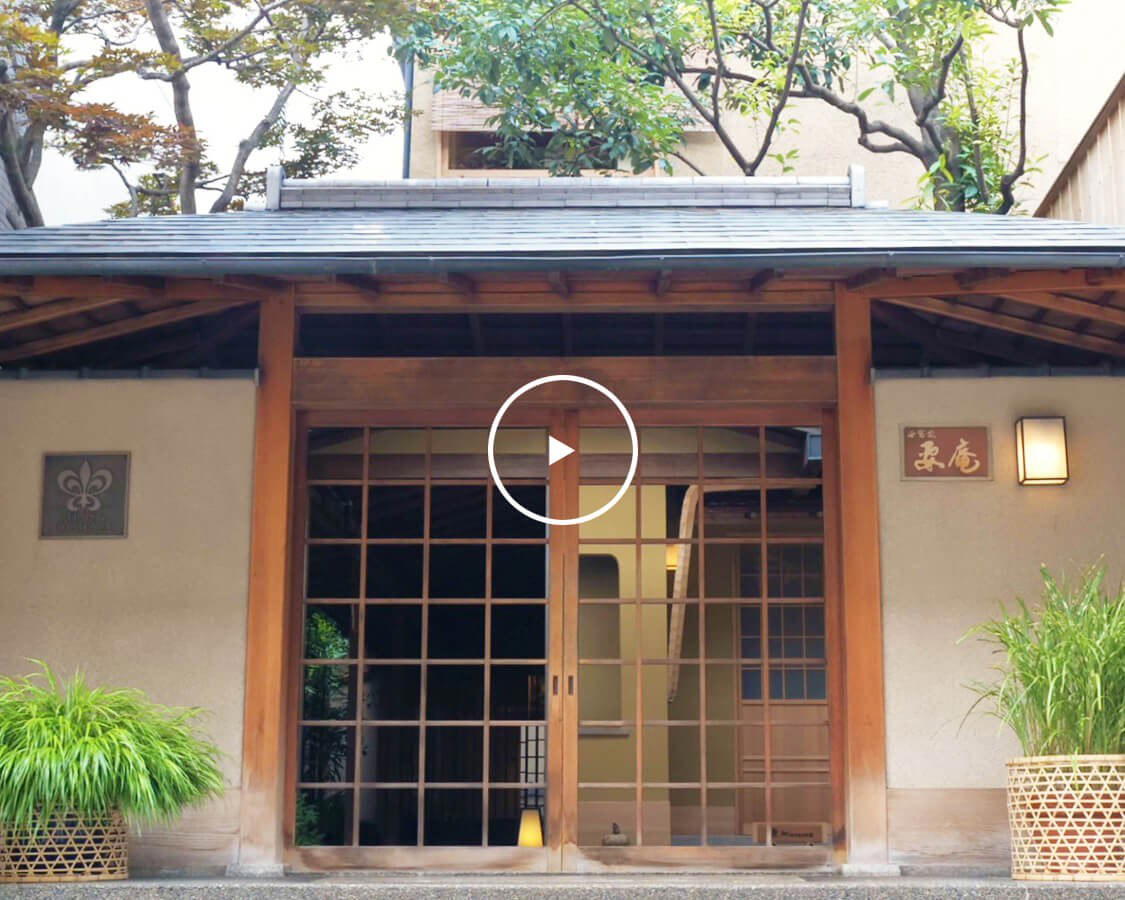
Nakagyo Ward occupies the commercial and residential core of central Kyoto, a neighbourhood of machiya townhouses and narrow lanes that sits between the more tourist-heavy districts of Gion and Nishiki. Dining here tends toward the local rather than the ceremonial: fewer lantern-lit entrances designed for first-time visitors, more counters that reward repeat attention. Kyoryori Fujimoto operates from the ground floor of the Éritage Shinmachi building on Shinmeicho, a location that signals something about its register. This is not a restaurant that announces itself loudly.
Kyoryori, as a category, is leading understood as Kyoto's broader domestic cooking tradition rather than the more formalised kaiseki sequence. Where kaiseki at venues like Isshisoden Nakamura or Kikunoi Roan follows a prescribed structural logic, kyoryori carries more flexibility. It draws on the same reverence for seasonal produce and technical restraint, but the pacing and emphasis can shift. At Fujimoto, that flexibility tilts consistently toward vegetables, not as a dietary statement, but as a direct expression of where the chef comes from and who he knows.
A Michelin Star Built on Market Relationships
The 2024 Michelin Guide awarded Kyoryori Fujimoto one star, placing it in a tier that carries specific weight in Kyoto's saturated fine-dining market. Kyoto has more Michelin-starred restaurants per capita than almost any city in Japan, so a first star here is not simply a marker of technical competence. It is a signal that the inspectors found something with a coherent point of view.
At the ¥¥¥ price point, Fujimoto sits below the top tier of Kyoto starred dining. Venues with three stars, such as Gion Sasaki, or two stars like Ifuki and Kyokaiseki Kichisen, operate at the ¥¥¥¥ level. That pricing differential matters for the reader making a decision. Fujimoto's star was awarded at a more accessible price bracket, which positions it closer to peers like Kenninji Gion Maruyama and the Italian-influenced Kodaiji Jugyuan than to the upper kaiseki houses. For guests whose itinerary already includes one significant splurge, Fujimoto offers Michelin-validated cooking at a tier where the financial commitment is lower.
Produce as the Structural Argument
Kyoto's vegetable tradition is among the most documented in Japanese culinary history. Kyo-yasai, the city's heritage vegetables, include varieties of turnip, eggplant, and greens that have been cultivated in the surrounding basin for centuries. The city's proximity to farming communities in the northern and southern suburbs has sustained a direct relationship between markets and restaurant kitchens that distinguishes Kyoto from Tokyo, where produce arrives through longer supply chains.
Kyoryori Fujimoto's approach to vegetables is rooted in the chef's background as the son of a vegetable wholesale family. The market was a formative environment rather than a professional tool acquired later. That origin shapes how the restaurant sources: the relationships are with individuals, built over years, and the menu responds to what those individuals bring in at their leading rather than to a fixed seasonal template.
Michelin's own annotation for the restaurant notes that the menu is rich in vegetables and evokes a sense of both season and the people behind the cuisine. The inclusion of that phrase, the people behind the cuisine, in the inspector's characterisation is significant. It suggests that the provenance of the ingredients is legible in the cooking, not just in the story told about it.
Reading Fujimoto Against the Kyoto Starred Tier
Kyoto's one-star restaurants now occupy a wide band of styles and price points. Alongside traditional Japanese forms, the 2024 guide includes Italian addresses like cenci at the ¥¥¥ level, demonstrating that the inspectors are not awarding exclusively within the kaiseki tradition. Fujimoto's star is earned within a competitive domestic-cooking category where the bar is set by centuries of established practice.
Among the broader Kansai region, the comparison set extends further. HAJIME in Osaka represents the more avant-garde end of the region's starred dining, while the quieter precision of Gion Matayoshi in Kyoto operates in a register closer to Fujimoto's measured register. Nara's akordu shows how regional produce-driven cooking can translate across different culinary traditions. Fujimoto, within this geography, is a specifically Kyoto answer to the question of what a starred restaurant should be doing with the city's agricultural heritage.
For readers building a Japan itinerary that includes Tokyo, Myojaku and Azabu Kadowaki represent the capital's equivalent conversation around Japanese cooking at the starred level. Harutaka in Tokyo, Goh in Fukuoka, 1000 in Yokohama, and 6 in Okinawa each show how Japan's starred dining varies across regions and formats. Kyoryori Fujimoto's value within that wider map is its specificity: it is doing something particular to Kyoto, at a price point that makes it worth including even on a shorter itinerary.
Know Before You Go
| Detail | Information |
|---|---|
| Address | 72 Shinmeicho, Éritage Shinmachi 1F, Nakagyo Ward, Kyoto 〒604-8207 |
| Cuisine | Kyoryori (Japanese, vegetable-forward seasonal) |
| Price Range | ¥¥¥ |
| Awards | Michelin 1 Star (2024) |
| Reservations | Advance booking advised; see booking notes below |
Frequently asked questions
What should I order at Kyoryori Fujimoto?
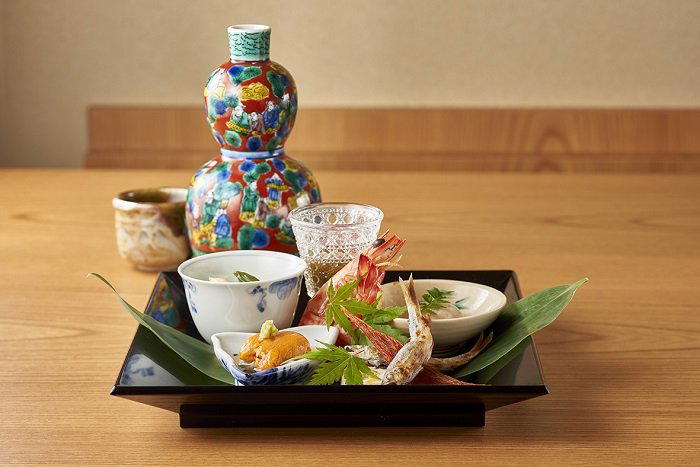
Kyoryori Fujimoto does not publish a fixed à la carte menu in the conventional sense. The format follows a seasonal progression built around what the chef has sourced from market relationships cultivated across his career. Vegetables are the structural backbone of the meal, and the Michelin inspectors specifically highlighted the way the menu communicates both season and the producers involved. The directive here is simple: eat whatever is placed in front of you. The cuisine type is Japanese, with kyoryori's characteristically looser framing compared to strict kaiseki, and the seasonal produce emphasis means that what arrives in spring will differ substantially from what a winter visit produces. If you have dietary restrictions, communicate them at the time of booking. The kitchen's produce-first approach means adjustments are possible in principle, but this is a kitchen working with a specific supply chain, and substitution requests are leading made early.
Do I need a reservation for Kyoryori Fujimoto?
Yes, and the timing depends on how much flexibility you have. A Michelin star awarded in 2024 in a city with Kyoto's appetite for fine dining means demand will have increased since the announcement. Counter restaurants at the ¥¥¥ price point in Kyoto's starred tier tend to carry a four-to-eight-week lead time at minimum, and tables at the most popular sittings can go further out. For non-Japanese speakers, reservation assistance through a hotel concierge or a third-party booking service is a practical route. Walk-in availability at a one-star Kyoto counter is possible but not a viable plan.
Explore More in Kyoto and Beyond
For a full picture of where Kyoryori Fujimoto sits in Kyoto's dining environment, our full Kyoto restaurants guide maps the city's starred and notable tables across cuisines and price tiers. Planning beyond dinner? Our Kyoto hotels guide, bars guide, wineries guide, and experiences guide cover the rest of the city across categories.
Comparable Spots, Quickly
| Venue | Cuisine | Price | Awards | Notes |
|---|---|---|---|---|
| Kyoryori FujimotoThis venue (the venue you are viewing) | Traditional Kyoto Kaiseki | $50–100 | 1 Michelin Star | Not listed |
| Gion Sasaki | Modern Kaiseki | $300–500 | 3 Michelin Stars · La Liste Top Restaurants | Kaiseki, Japanese |
| cenci | Innovative Italian-Japanese Fusion | $100–150 | 1 Michelin Star · World's 50 Best #76 | Italian |
| Ifuki | Sumibi Kappo Kaiseki | $200–300 | 2 Michelin Stars · La Liste Top Restaurants | Kaiseki |
| Kyokaiseki Kichisen | Kyoto Kaiseki | $200–300 | 2 Michelin Stars · La Liste Top Restaurants | Japanese |
| Kyo Seika | Modern Chinese Fine Dining | $150–200 | 1 Michelin Star · Tabelog Bronze #216 | Chinese |
Recognition history
Dated appearances from independent guides and award organizations, with the underlying list record or original source where available.
Michelin 1 Star
Michelin
Full recognition history (2 entries)
Michelin 1 Star
Michelin
Continue exploring
More in Kyoto
Restaurants in Kyoto
All restaurants in Kyoto →
Bars in Kyoto
All bars in Kyoto →
Hotels in Kyoto
All hotels in Kyoto →
Wineries in Kyoto
Browse all →
Details
- Quiet
- Elegant
- Intimate
- Classic
- Special Occasion
- Date Night
- Sake Program
- Local Sourcing
- Counter Dining
Current opening hours
- Monday
- 12–1 PM, 6–10 PM
- Tuesday
- 12–1 PM, 6–10 PM
- Wednesday
- 12–1 PM, 6–10 PM
- Thursday
- 12–1 PM, 6–10 PM
- Friday
- 12–1 PM, 6–10 PM
- Saturday
- 12–1 PM, 6–10 PM
- Sunday
- 12–1 PM, 6–10 PM
Hours can change for holidays and private events. Hours as of .
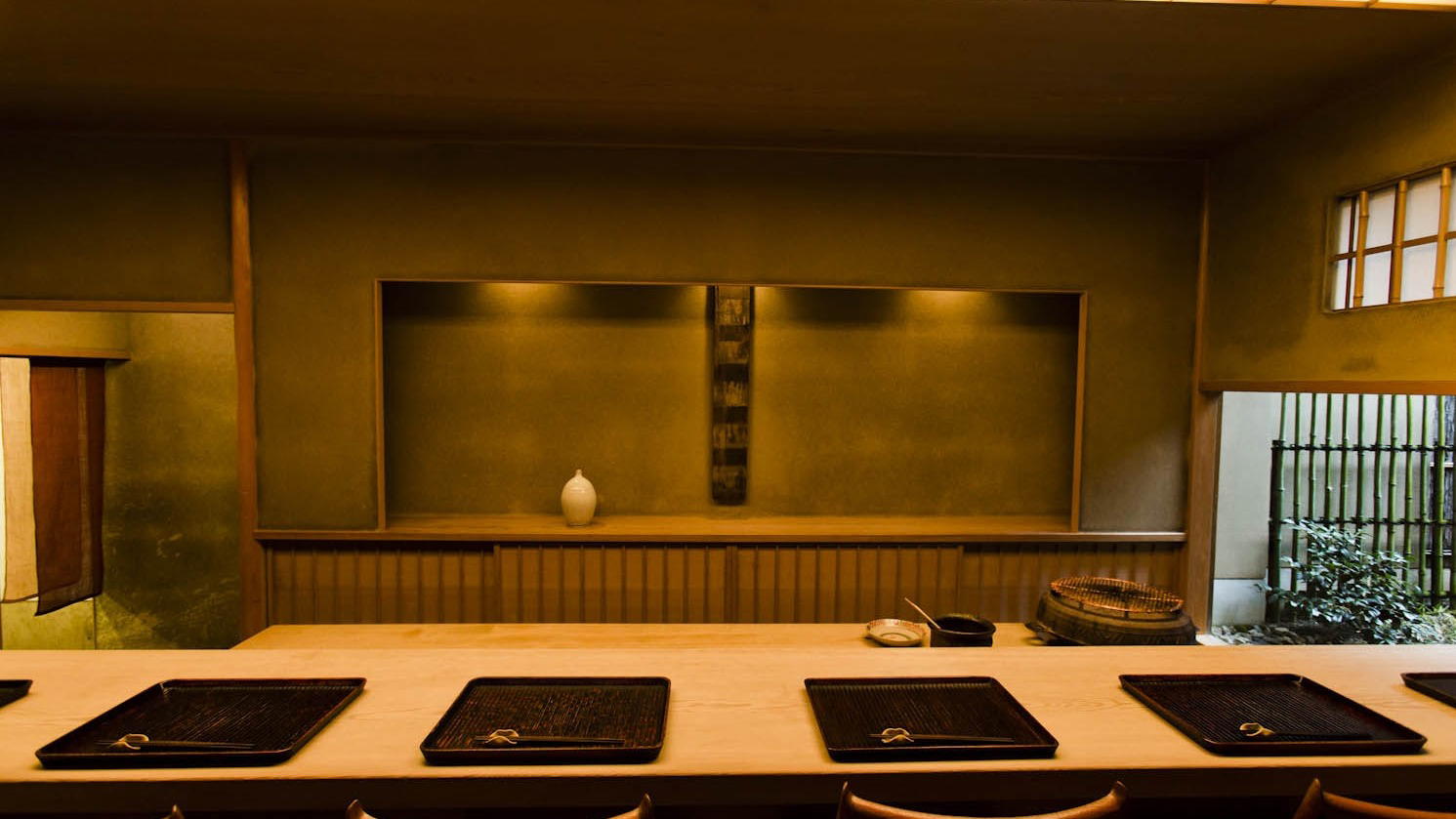
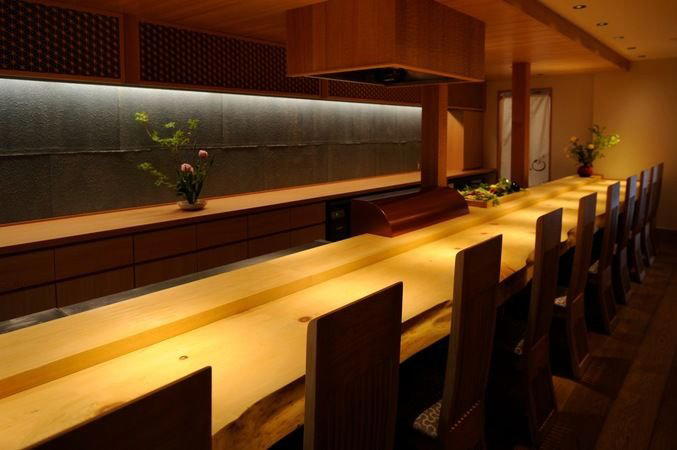
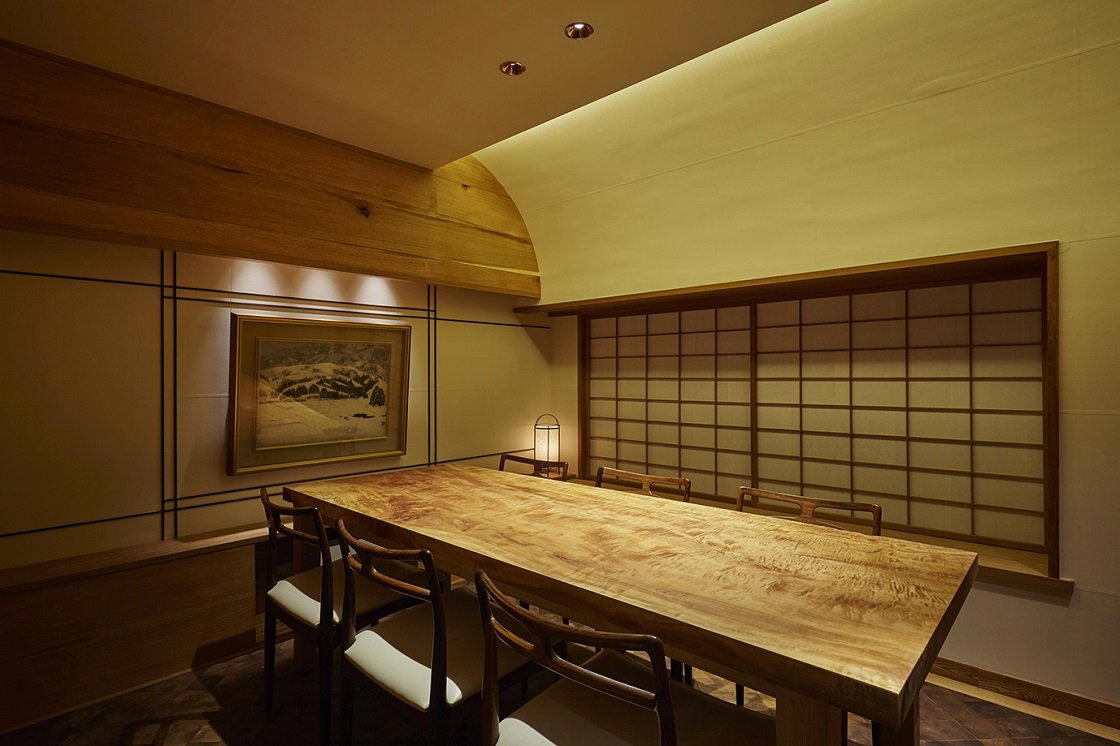
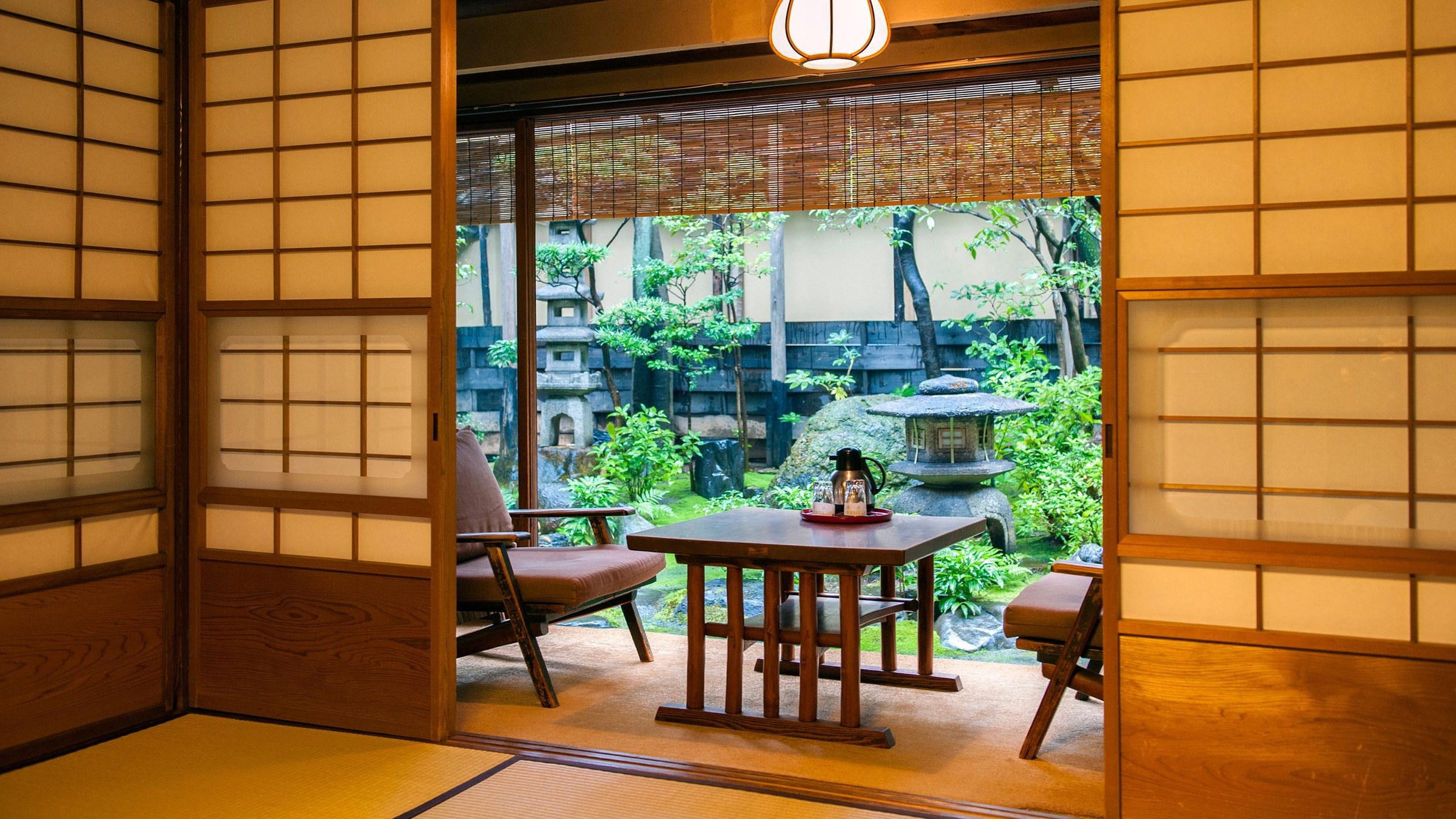
Serene traditional atmosphere with tatami seating and counter, emphasizing cultural authenticity and tranquility.