
1 Michelin Star
Our verdict
A Michelin-starred kaiseki counter in Kyoto's Kamigyo Ward, Kokyu draws on the proprietor's background as a fishmonger and deep immersion in Japanese culinary literature to produce seasonal hassun platters rooted in festival tradition. Flower-garnished compositions render the agricultural calendar as visual art. Among Kyoto's many kaiseki addresses, it occupies a specific niche: scholarly, ingredient-led, and oriented toward the living customs of Kansai cooking.

Pearl is the En Primeur Club membership app, where members save venues, book tables and use the concierge.
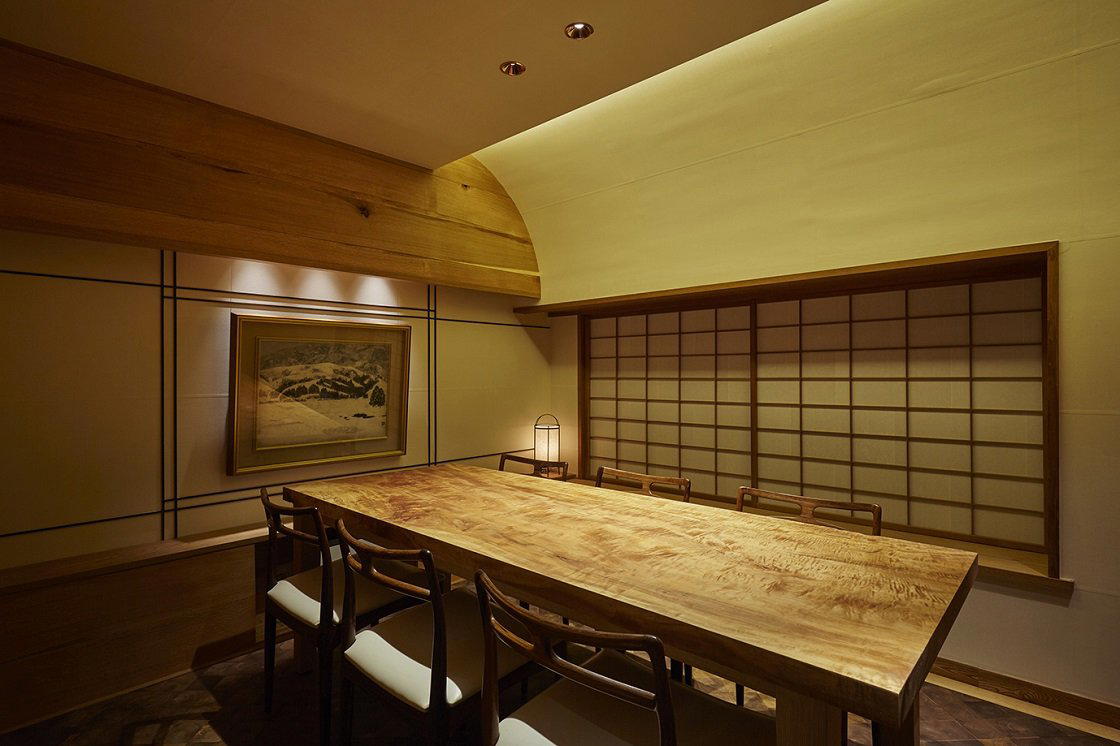
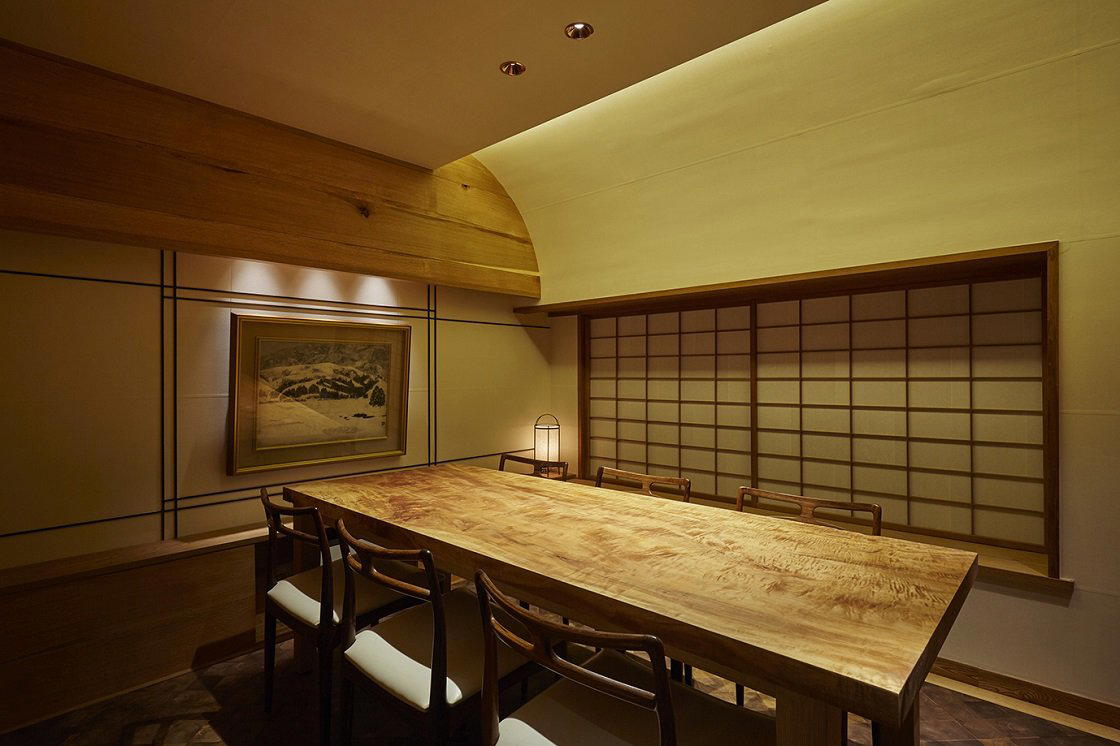
Where Kamigyo Quiet Meets Kansai Culinary Depth
Kamigyo Ward occupies the northern reaches of the old imperial capital, away from the tourist corridors of Gion and Higashiyama. The streets here are narrow, residential, and largely unchanged in character from a generation ago. Arriving at an address like 204 Seiryucho in this part of Kyoto puts a diner immediately in the register the evening will sustain: deliberate, considered, and shaped by the pace of a neighbourhood that has never needed to perform for outsiders. This is where Kokyu operates, and the setting is not incidental to what the kitchen produces.
Kyoto kaiseki exists on a wide spectrum. At one end sit the grand, multi-generational establishments with international reputations and Michelin portfolios accumulated across decades. Venues like Isshisoden Nakamura and Kikunoi Roan carry the formal weight of institutional kaiseki. Kokyu's 2024 Michelin one-star recognition places it within a different but equally serious tier: kitchens where a singular guiding intelligence shapes a tightly focused approach, rather than an inherited house style maintained across generations.
The Kansai Framework: Reading the Seasons Through Local Eyes
The distinction between Kansai and Kanto cooking is not merely geographical. Kansai cuisine, and Kyoto kaiseki in particular, has historically treated seasonal produce as a philosophical framework as much as a practical constraint. The ritual calendar of festivals, the aesthetic vocabulary of mono no aware, the visual language of nature rendered on lacquerware and ceramic: these are not decorative additions to the food but foundational to what kaiseki means in Kyoto. Tokyo's premium Japanese dining, including addresses like Harutaka, Myojaku, and Azabu Kadowaki, operates within a parallel but distinct culinary culture, where Edo-period technique and the proximity of Tsukiji's seafood supply have shaped different priorities. In Kyoto, the land and the ritual year remain the primary references.
Kokyu's menu is structured around this Kansai logic. The hassun platter, a course central to formal kaiseki sequencing, arrives garnished with seasonal flowers, its arrangement calibrated to paint what the Michelin assessment describes as a picture of nature. This is not garnish for garnish's sake. In classical kaiseki, the hassun sets the seasonal theme for the entire meal, offering a compressed representation of the natural world at a specific moment in the year. Kokyu's version, rooted in the foods of traditional festivals, takes this function seriously and makes it legible for anyone paying attention.
The Proprietor's Lens: Fishmonger Knowledge and Literary Study
What distinguishes Kokyu within Kyoto's competitive single-star tier, alongside peers like Gion Matayoshi, Kenninji Gion Maruyama, and Kodaiji Jugyuan, is the specific nature of the proprietor's expertise. Michelin's recognition notes two sources: hands-on experience as a fishmonger and attentive reading of culinary and cultural literature. These are unusual credentials in a culinary world where formal kitchen lineage is typically the primary signal of authority.
The fishmonger background matters because it places ingredient knowledge at the foundation rather than technique. Understanding how a fish changes across seasons, what conditions produce specific qualities in flesh and fat, how to evaluate raw material before any kitchen processing begins: this is a different kind of mastery than the acquired knife skills of a formally trained cook. It produces a kitchen that starts with the ingredient rather than the dish format, which in kaiseki is exactly the correct order of operations.
The literary dimension is equally telling. Japanese culinary tradition carries an enormous written record, from Heian-period court literature to Edo-period recipe manuals to the food criticism and seasonal almanacs of the modern era. A proprietor who has worked through this material brings a contextual understanding of why certain dishes belong to certain festivals, why specific ingredients carry associative weight, and how the visual language of kaiseki presentation has evolved and what it references. This is the kind of knowledge that produces hassun platters with genuine cultural content rather than seasonal produce placed attractively on a tray.
Kokyu in the Broader Kansai Picture
Kyoto kaiseki is the reference point against which Japanese haute cuisine is measured, but the Kansai region's culinary range extends well beyond the capital. HAJIME in Osaka operates at the three-star level with a conceptual framework that draws on both French structure and Japanese ingredient philosophy. Akordu in Nara applies European technique to the produce of the ancient capital's hinterland. Kokyu sits firmly in the classical Kyoto tradition, without the Osaka tendency toward visual spectacle or the Nara interest in cross-cultural synthesis. For diners constructing a reading of the region's premium dining culture, it represents the Kyoto position: restrained, grounded in ritual, and invested in the idea that a meal's meaning is inseparable from the calendar it arrives in.
Wider afield, Goh in Fukuoka and 6 in Okinawa illustrate how different regional identities produce entirely different premium dining propositions. 1000 in Yokohama represents yet another configuration. Understanding Kokyu means understanding what is specifically Kyoto and specifically Kansai about its approach, and how that approach would look categorically different if transplanted to any other Japanese city.
For a broader picture of where to eat, stay, and drink in Kyoto, see our full Kyoto restaurants guide, our full Kyoto hotels guide, our full Kyoto bars guide, our full Kyoto wineries guide, and our full Kyoto experiences guide.
Know Before You Go
- Address: 204 Seiryucho, Kamigyo Ward, Kyoto, 602-0822, Japan
- Price range: ¥¥¥¥
- Awards: Michelin 1 Star (2024)
- Booking: Contact details not publicly listed; advance research via concierge or specialist booking services is advisable given the tier
- Getting there: Kamigyo Ward is north of Kyoto Station; the nearest subway access is via the Karasuma Line to Marutamachi or Imadegawa stations
- Timing: Seasonal kaiseki menus change with the agricultural and festival calendar; the gap between late autumn and early spring menus is significant, and first-time visitors should consider which seasonal narrative they want to experience before booking
Frequently asked questions
What dish is Kokyu famous for?
Kokyu does not have a single signature dish in the sense that a Western tasting-menu restaurant might. The hassun platter is the course that most directly expresses the kitchen's identity: a multi-element arrangement garnished with seasonal flowers, structured around the food traditions of Japan's festival calendar, and composed to represent the natural world at a specific moment in the year. The proprietor's background as a fishmonger means that seafood selection and preparation are likely to be areas of particular precision, though no specific dishes or menu items are publicly documented. The Michelin assessment frames the kitchen's output in terms of living aesthetic and custom rather than any individual preparation, which is itself an indicator of how the restaurant positions its cooking: as the expression of a tradition, not a showcase for technique.
Compact Comparison
| Venue | Cuisine | Price | Awards | Notes |
|---|---|---|---|---|
| KokyuThis venue (the venue you are viewing) | Seasonal Kaiseki | $300–500 | 1 Michelin Star | Not listed |
| Gion Sasaki | Modern Kaiseki | $300–500 | 3 Michelin Stars · La Liste Top Restaurants | Kaiseki, Japanese |
| cenci | Innovative Italian-Japanese Fusion | $100–150 | 1 Michelin Star · World's 50 Best #76 | Italian |
| Ifuki | Sumibi Kappo Kaiseki | $200–300 | 2 Michelin Stars · La Liste Top Restaurants | Kaiseki |
| Kyokaiseki Kichisen | Kyoto Kaiseki | $200–300 | 2 Michelin Stars · La Liste Top Restaurants | Japanese |
| Kyo Seika | Modern Chinese Fine Dining | $150–200 | 1 Michelin Star · Tabelog Bronze #216 | Chinese |
Recognition history
Dated appearances from independent guides and award organizations, with the underlying list record or original source where available.
Michelin 1 Star
Michelin
Full recognition history (2 entries)
Michelin 1 Star
Michelin
Continue exploring
More in Kyoto
Restaurants in Kyoto
All restaurants in Kyoto →
Bars in Kyoto
All bars in Kyoto →

Hotels in Kyoto
All hotels in Kyoto →
Wineries in Kyoto
Browse all →
Details
- Intimate
- Elegant
- Sophisticated
- Cozy
- Date Night
- Special Occasion
- Chefs Counter
- Sake Program
- Local Sourcing
- Omakase
- Counter Dining
- Sake
Current opening hours
- Monday
- Closed
- Tuesday
- 11:30 AM–2:30 PM, 6–9:30 PM
- Wednesday
- 11:30 AM–2:30 PM, 6–9:30 PM
- Thursday
- 11:30 AM–2:30 PM, 6–9:30 PM
- Friday
- 11:30 AM–2:30 PM, 6–9:30 PM
- Saturday
- 11:30 AM–2:30 PM, 6–9:30 PM
- Sunday
- 11:30 AM–2:30 PM, 6–9:30 PM
Hours can change for holidays and private events. Hours as of .
Serene, cozy counter atmosphere with warm attentive service reflecting traditional Kyoto tranquility.