
1 Michelin Star
Our verdict
In Shimogyo Ward, Wagokoro Izumi represents a strand of Kyoto cooking that prizes natural form over decorative flourish, grilled sweetfish, handmade thick-fried tofu, and stewed preparations built on broths that reflect decades of disciplined technique. The name itself signals intent: wagokoro, a soul calmed by food made with earnest care. For visitors mapping the city's dining tradition beyond its most-awarded kaiseki counters, this is a meaningful stop.

Pearl is the En Primeur Club membership app, where members save venues, book tables and use the concierge.
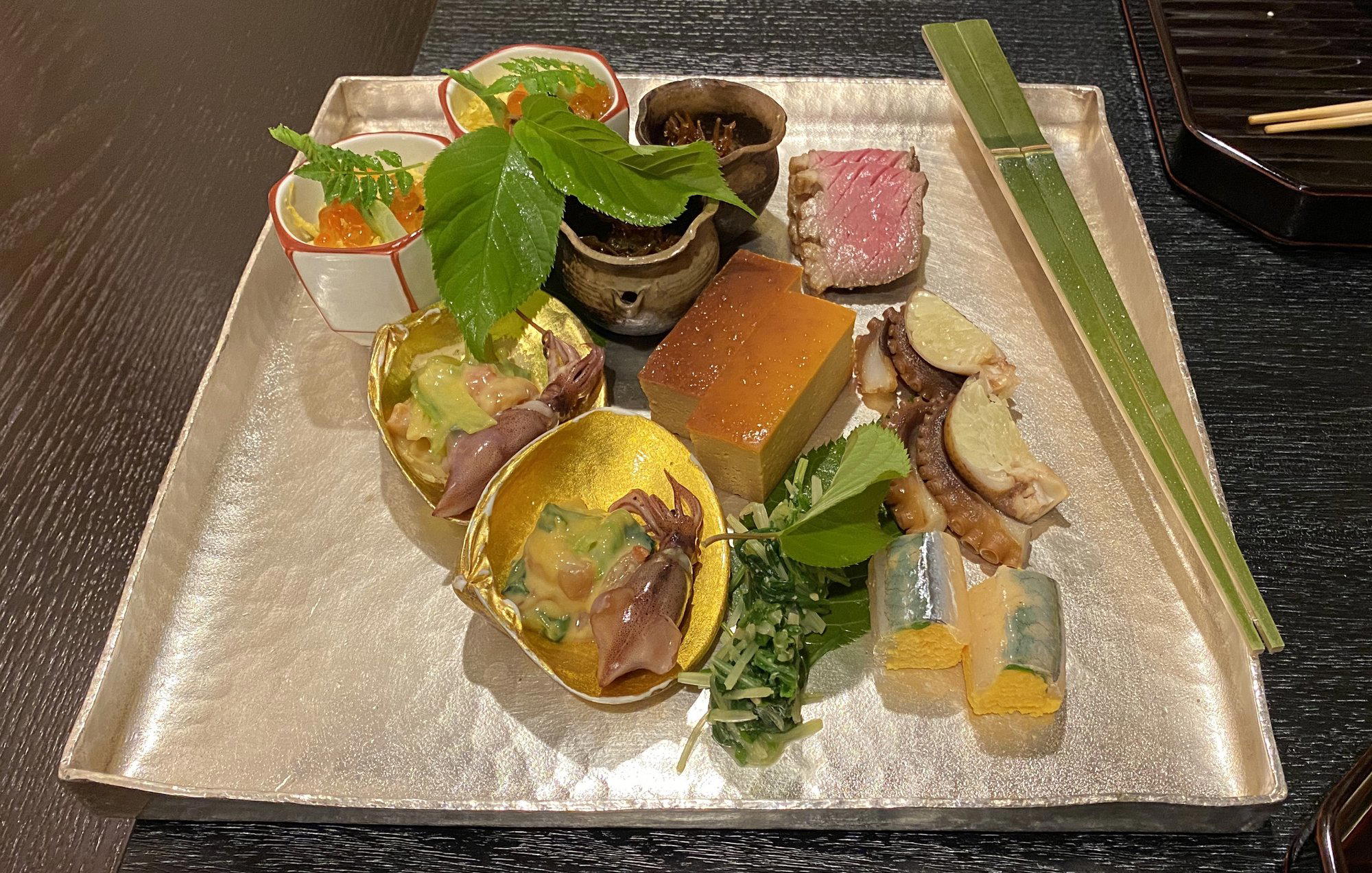
The Shimogyo Strand: Kyoto Cooking Beyond the Kaiseki Circuit
Kyoto's reputation as Japan's dining capital rests heavily on kaiseki, the multi-course format codified over centuries that now anchors major destinations like Kikunoi Honten, Hyotei, and Gion Sasaki. But the city's culinary identity has always included a quieter register: smaller restaurants working the same ingredient vocabulary, dashi, seasonal vegetables, freshwater fish, without the architectural presentation or the price tiers that accompany formal kaiseki. Wagokoro Izumi, in the Shimogyo Ward address at 634-3 Nioitenjincho, belongs to this tradition. Its name translates roughly as "a Japanese heart" or "a soul at peace," which is less a branding exercise than a statement of priorities.
The evolution of Kyoto's restaurant scene over recent decades has followed a familiar pattern in premium food cities: as flagship formats attract international attention and significant capital, they drift toward spectacle. Counter-movements emerge. In Kyoto's case, that counter-movement has produced a cohort of restaurants that push back against presentation for its own sake, returning to the logic of a well-made broth or a properly grilled ayu (sweetfish) as the actual measure of kitchen discipline. Wagokoro Izumi sits in that cohort.
What the Kitchen Emphasises
The cooking here is defined by a deliberate turn away from decorative ambition. Where kaiseki at its most formal deploys lacquerware, seasonal garnish, and architectural plating as part of the experience, the approach at Wagokoro Izumi favours what the kitchen calls a "natural appearance", form that follows function, presentation that reflects rather than conceals the ingredient. This is not minimalism as aesthetic choice but minimalism as culinary argument: that the quality of technique shows more clearly when there is less ornament to hide behind.
Grilled items carry particular weight in this context. The rolled omelette and ayu are cited specifically as expressions of this philosophy, items where the kitchen's mastery of heat and timing, rather than assembly or garnish, determines quality. Sweetfish, an ingredient closely associated with Kyoto summer cooking, demands precision at the grill; there is no sauce to compensate for an overcooked fish. The stewed preparations follow the same logic, with handmade thick-fried tofu and fish cake serving as companions to a broth whose depth reflects the kind of accumulated knowledge that only comes from sustained focus on a single culinary tradition.
That framing, "flavours as only a chef who has toiled earnestly in the fields of Kyoto cooking can produce", is worth taking seriously as a positional claim. It places the restaurant inside a long-form craft tradition rather than a contemporary dining trend, and it situates the cooking in relation to a specific regional canon rather than to international fine dining. For visitors familiar with the broader Japanese restaurant spectrum, the reference point is closer to the commitment found at places like Isshisoden Nakamura than to the French-influenced modernism of HAJIME in Osaka or the kaiseki-meets-contemporary format at Mizai.
Where This Fits in the Kyoto Scene Now
Kyoto's dining environment has become more stratified over the past decade. The top tier of kaiseki restaurants, those with multiple Michelin stars and international waiting lists, now operate in a different economic register from the restaurants that serve the city's daily culinary life. Between those poles sits a middle category: technically accomplished cooking grounded in Kyoto tradition, without the ceremony or cost of the flagship tier. This is where Wagokoro Izumi operates.
That positioning carries its own editorial weight. Restaurants in this tier tend to attract a different kind of attention than their Michelin-starred counterparts: less international press coverage, more word-of-mouth from visitors who have already worked through the flagship list and are looking for something that feels less staged. The cooking at these restaurants often reflects a more direct relationship between kitchen and table, less distance between technique and diner.
For context, the Shimogyo Ward location places the restaurant in the southern section of central Kyoto, an area with significant foot traffic due to proximity to Kyoto Station but distinct from the heavily touristed geisha districts of Gion or Higashiyama. The neighbourhood supports a mix of working restaurants and longstanding local establishments, which aligns with the character of the cooking described.
Visitors mapping the full range of Kyoto's dining tradition, rather than only its most-awarded tier, will find useful reference across the city. The full Kyoto restaurants guide covers the spectrum from formal kaiseki to more casual formats, and the Kyoto experiences guide provides context for the cultural frameworks that shape how food functions in the city. Those planning longer stays in the Kansai region should also consider akordu in Nara and the broader Osaka dining circuit as complementary stops. Further afield, the discipline of Japanese technique takes different forms at Harutaka in Tokyo, Goh in Fukuoka, 1000 in Yokohama, and 6 in Okinawa, each reflecting a regional interpretation of what serious Japanese cooking means in practice. The comparison with non-Japanese precision cooking, such as Le Bernardin in New York City or Atomix in New York City, illustrates how disciplined restraint operates across culinary traditions.
For Kyoto specifically, the hotels guide, bars guide, and wineries guide provide the surrounding context for building a coherent trip around the city's dining.
Know Before You Go
- Address: 634-3 Nioitenjincho, Shimogyo Ward, Kyoto, 600-8414, Japan
- Area: Shimogyo Ward, south-central Kyoto, within the broader Kyoto Station district
- Booking: Specific booking method not confirmed; advance contact recommended for any formal dining in this category
- Pricing: Price range; budget in the mid-tier range typical for serious Kyoto cooking outside the flagship kaiseki tier
- Seasonal note: Ayu (sweetfish) is a summer ingredient; visits in June through August will align with its peak season on the menu
- Language: English-language communication may be limited; translation support or a hotel concierge contact recommended for reservations
Frequently asked questions
Does Wagokoro Izumi have a Michelin star or similar recognition?
Wagokoro Izumi has received recognition including: The name ‘Wagokoro’ was chosen as the chef aims for cuisine that calms the soul. Rather than pursue beautiful presentation for its own sake, the chef seeks a natural appearance that delights the hearts of diners. This commitment shines in g….
What's the address for Wagokoro Izumi?
Wagokoro Izumi is located at 634-3 Nioitenjincho, Shimogyo Ward, Kyoto, 600-8414, Japan, Kyoto.
What's the signature dish at Wagokoro Izumi?
The kitchen resists the idea of a single centrepiece dish, which reflects the restaurant's founding philosophy: cuisine that calms rather than dazzles. Grilled preparations, rolled omelette and sweetfish, along with stewed bowls are where the cooking makes its clearest statement. Handmade thick-fried tofu and fish cake paired with house broth are the preparations most cited as defining the kitchen's identity.
Do they take walk-ins at Wagokoro Izumi?
Walk-in availability has not been confirmed. Restaurants operating at this level of culinary seriousness in Kyoto's Shimogyo Ward, where the kitchen is rooted in earnest Kyoto cooking tradition rather than casual throughput, typically require advance reservations. Contacting the restaurant directly before visiting is advisable.
What makes Wagokoro Izumi worth seeking out?
The case for Wagokoro Izumi rests on positioning within Kyoto's dining scene. The name itself was chosen to reflect a deliberate ambition: cooking that calms the soul, produced by a chef who has worked seriously within the Kyoto culinary tradition. In a city where formal kaiseki dominates the conversation, this kitchen occupies a different register, technically grounded, philosophically direct, and priced outside the multiple-Michelin-star bracket.
Same-City Peers
| Venue | Cuisine | Price | Awards | Notes |
|---|---|---|---|---|
| Wagokoro IzumiThis venue (the venue you are viewing) | Traditional Kyoto Kaiseki | $300–500 | 1 Michelin Star | Not listed |
| Gion Sasaki | Modern Kaiseki | $300–500 | 3 Michelin Stars · La Liste Top Restaurants | Kaiseki, Japanese |
| cenci | Innovative Italian-Japanese Fusion | $100–150 | 1 Michelin Star · World's 50 Best #76 | Italian |
| Ifuki | Sumibi Kappo Kaiseki | $200–300 | 2 Michelin Stars · La Liste Top Restaurants | Kaiseki |
| Kyokaiseki Kichisen | Kyoto Kaiseki | $200–300 | 2 Michelin Stars · La Liste Top Restaurants | Japanese |
| Kyo Seika | Modern Chinese Fine Dining | $150–200 | 1 Michelin Star · Tabelog Bronze #216 | Chinese |
Recognition history
Dated appearances from independent guides and award organizations, with the underlying list record or original source where available.
Michelin 1 Star
Michelin
Continue exploring
More in Kyoto
Restaurants in Kyoto
All restaurants in Kyoto →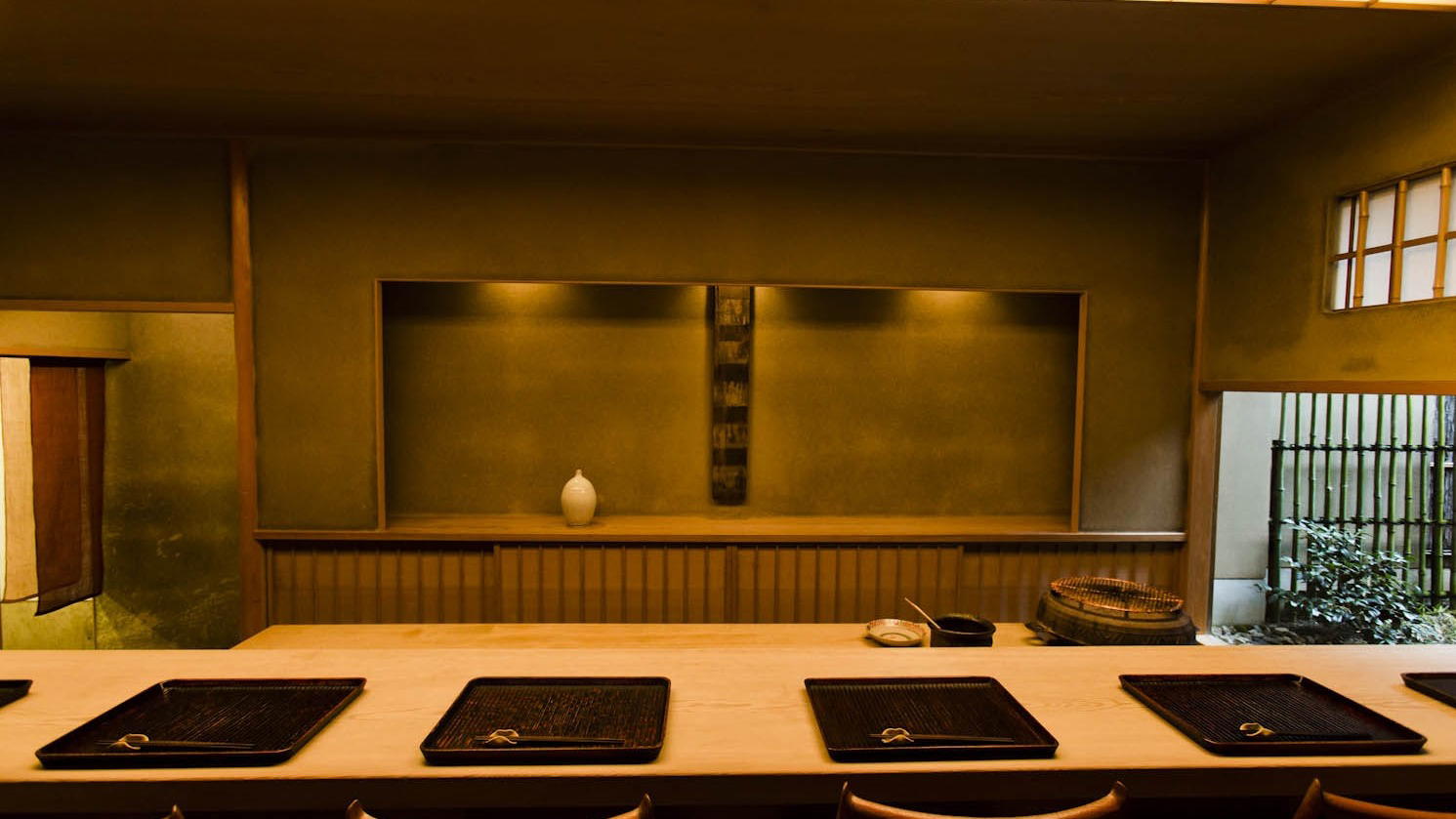

Bars in Kyoto
All bars in Kyoto →


Hotels in Kyoto
All hotels in Kyoto →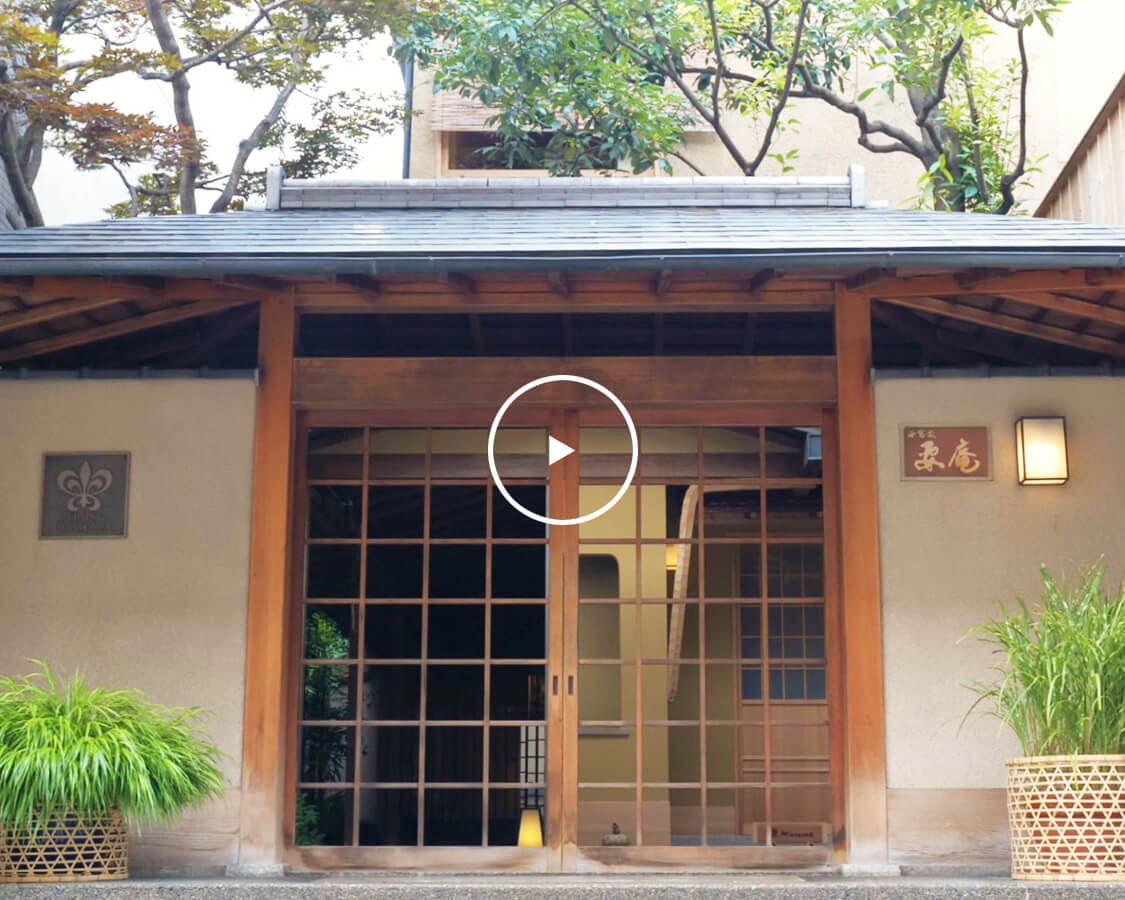
Wineries in Kyoto
Browse all →
Details
- Elegant
- Quiet
- Intimate
- Sophisticated
- Date Night
- Special Occasion
- Sake Program
- Local Sourcing
- Tasting Menu
- Sake
Current opening hours
- Monday
- Closed
- Tuesday
- 12–2:30 PM, 6–9:30 PM
- Wednesday
- 12–2:30 PM, 6–9:30 PM
- Thursday
- 12–2:30 PM, 6–9:30 PM
- Friday
- 12–2:30 PM, 6–9:30 PM
- Saturday
- 12–2:30 PM, 6–9:30 PM
- Sunday
- 12–2:30 PM, 6–9:30 PM
Hours can change for holidays and private events. Hours as of .
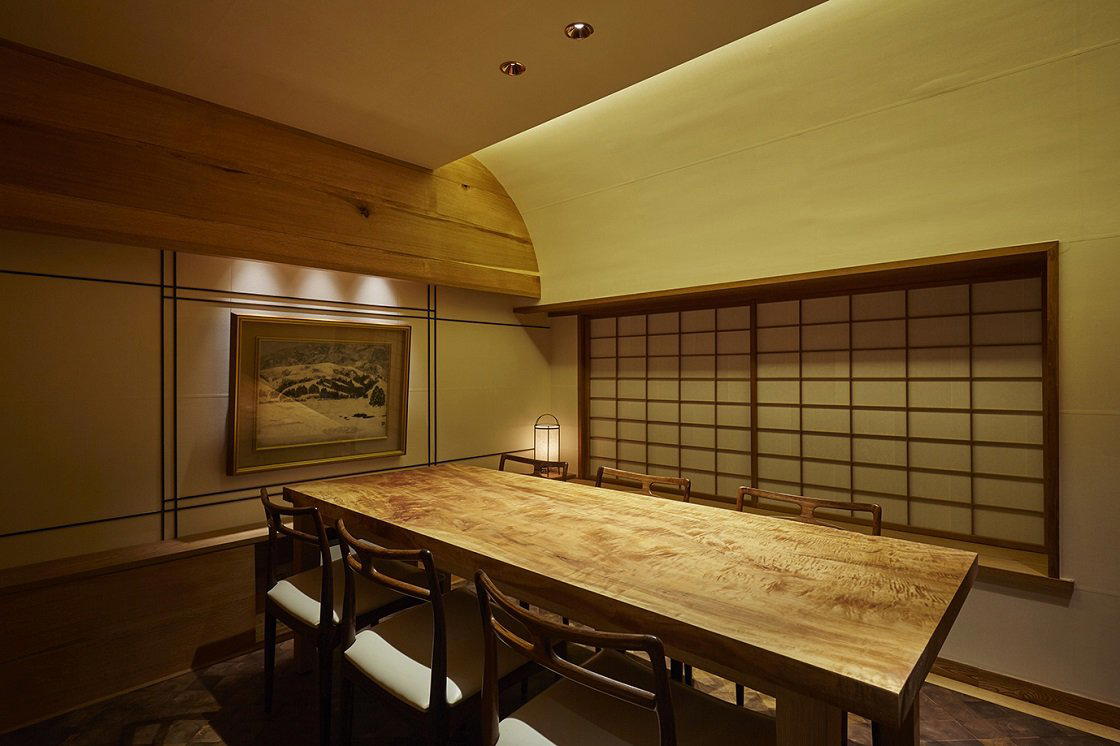
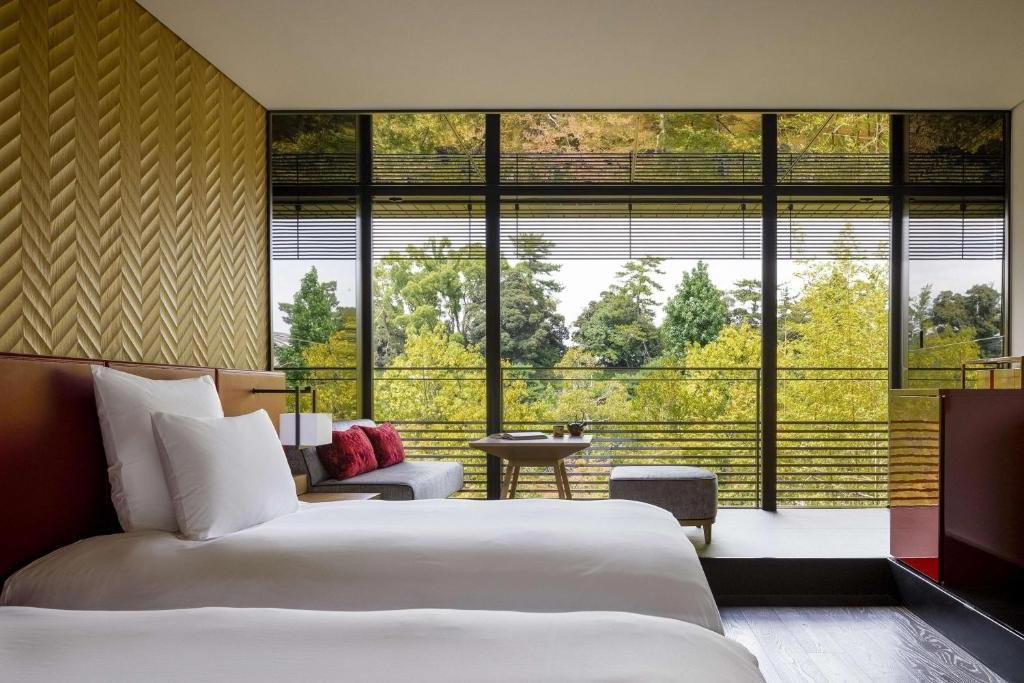
Cozy and elegant with natural wood furniture, traditional Japanese decor that changes seasonally, creating a serene and rejuvenating atmosphere.